
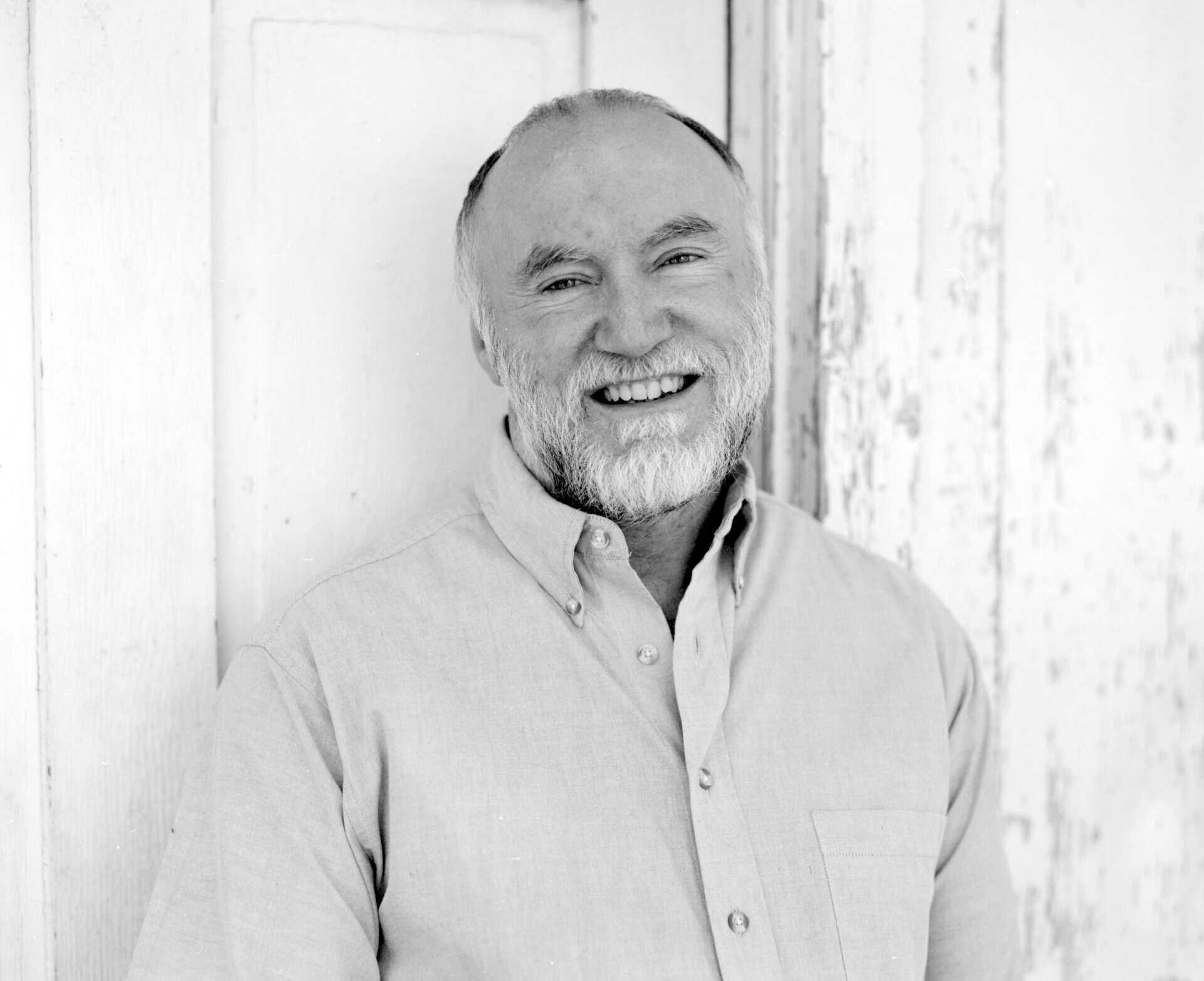
Laird Schaub served as the Executive Director of the FIC from when there was such a position till 2016. Full bio below. For other 30th blog posts click here.
For the last three decades, if you had a question about community living, you could call the Foundation for Intentional Community and get an answer. Before that there were pockets of information here and there, but no one who covered North America like FIC.
Of course, there was no internet before 1987 either, but the FIC was an early adopter—it’s been on the web since 1994. Not only does the Fellowship collect community information, it also organizes it and displays it in an even-handed manner, letting readers decide for themselves what they find attractive. More than 90% of the visits to FIC’s website are searches through its Directory.
That’s a lot of data.
While the Directory is what FIC is best known for, it also publishes Communities magazine—a quarterly that chronicles the issues, ideas, and inspiration of cooperative living—and boils down the hard-earned lessons from the crucible of intentional community living, into the nuts and bolts of how to live cooperatively. While the theory is easy, FIC publications will tell you what actually works.
Why is this important?
The obvious answer is that groups forming or struggling today can benefit from what has been learned by those who have gone before. But it’s way more than that.
FIC figures that about 100,000 people in the US live in some form of self-identified intentional community, but there may be 100 million in the US who would like a greater sense of community in their life, who hunger for a lifestyle that is less adversarial and hierarchic. Think in terms of neighborhoods, schools, churches, and workplaces.
I moved to Duluth, MN early in 2016, and the race for our US Congressional seat last year was between an incumbent Democrat, Rick Nolan, and a Republican challenger, Stewart Mills. As I tried to become familiar with local issues, it was frustrating trying to get a handle on Mills because his entire ad campaign was directed at denigrating Nolan. Mills didn’t run for anything so much as he ran against Nolan’s record. This was nihilism run amok. Although Nolan prevailed in a close vote, Trump effectively employed the strategy of vilification to win the White House. He brought anger and righteousness with him, and not much else.
Sadly, this is what competition can lead to—where winning counts for everything. Life is simpler if you claim the high moral ground and paint everyone with different views with the tar brush of inferiority. In cooperative culture it’s different. To be sure, people still disagree about what’s best, but you don’t move forward until everyone is on the bus. You don’t throw anyone off the bus, and you don’t throw anyone under the bus either.
I was first introduced to the concept that cooperation is the opposite of competition as an undergraduate testing the waters of sociology. After witnessing the incredible carnage and injustices that are wrought under the flag of competition, I’ve devoted my adult life to promoting cooperative culture as an alternative. Foundational to the Fellowship’s mission is a commitment to exporting to those 100 million what is being learned about cooperative culture—not because they’re likely to ever jointly own property with others, but because they want, and deserve, a greater sense of community and connection in their life.
While the strength of my hope for the future can fluctuate from one week to the next in these uncertain times, I have steadfastly supported FIC the last 30 years because we’re both trying to pole the boat in the same direction.
If you also believe in a more cooperative world, I invite you to join us, and become a steadfast supporter yourself.
Together, we are making a difference.
—
Laird lived for nearly four decades (1974-2013) at Sandhill Farm, an income-sharing rural community in Missouri that he helped found. After that he lived for two years at Dancing Rabbit, a Missouri ecovillage trying to model high-quality living using only 10% of the resources of the average American. He’s worked with more than 100 intentional communities, both as a trainer and as an outside facilitator to help groups navigate anaerobic dynamics and organizational snarls. His specialty is up-tempo meetings that engage the full range of human input, teaching groups to work constructively with conflict, and at the same time being ruthless about about capturing as much product as possible.
Keep the conversation going with these pieces
There are no available blogs
Subscribe to our newsletter for fresh stories and community updates delivered to your inbox.
Get unlimited access to courses, exclusive member events, and a supportive network of community builders
Access all courses, books, and premium content
Member-only workshops and community builders
Member-only workshops and gatherings
We use cookies to improve your experience on our site. By using our site, you consent to cookies.
Manage your cookie preferences below:
Essential cookies enable basic functions and are necessary for the proper function of the website.
These cookies are needed for adding comments on this website.
Statistics cookies collect information anonymously. This information helps us understand how visitors use our website.
Service URL: policies.google.com (opens in a new window)
A residential project: people live here as their primary home.
An institution, business, network, or project that isn’t a residence (e.g. a learning center, farm, or network with no one living there full-time).
{{ item.label }}
{{ item.value ? item.value : currencyFormat( item.amount ) }}
Subtotal
{{ currencyFormat( pricing_summary.total_amount ) }}
There are no results matching your search