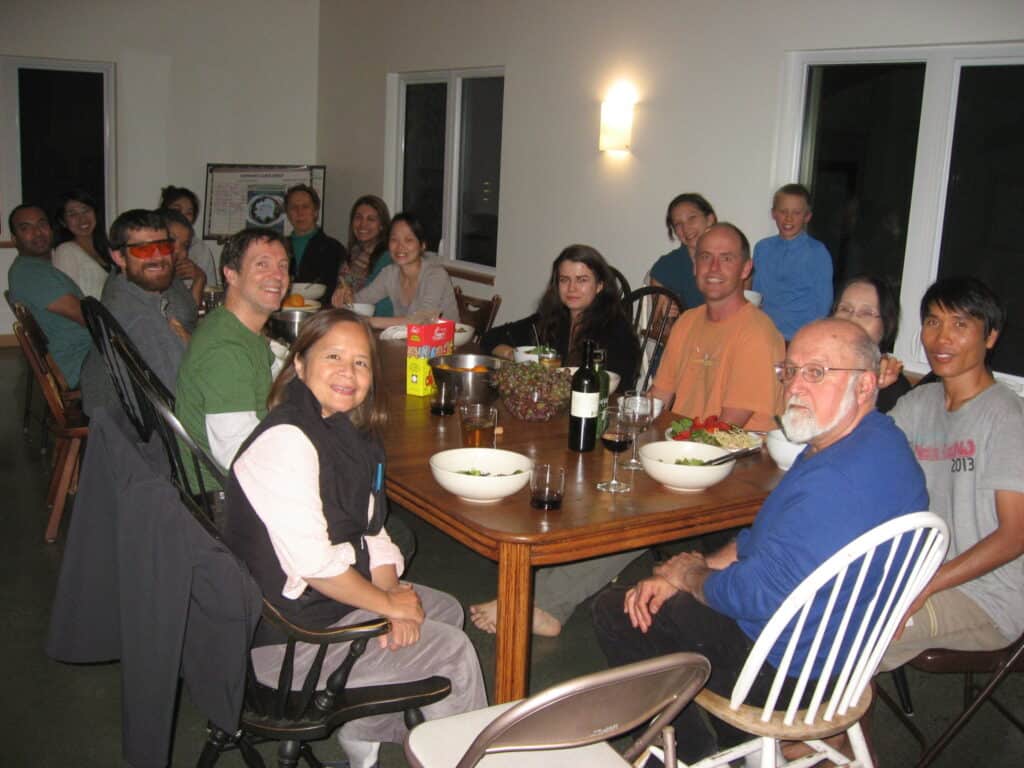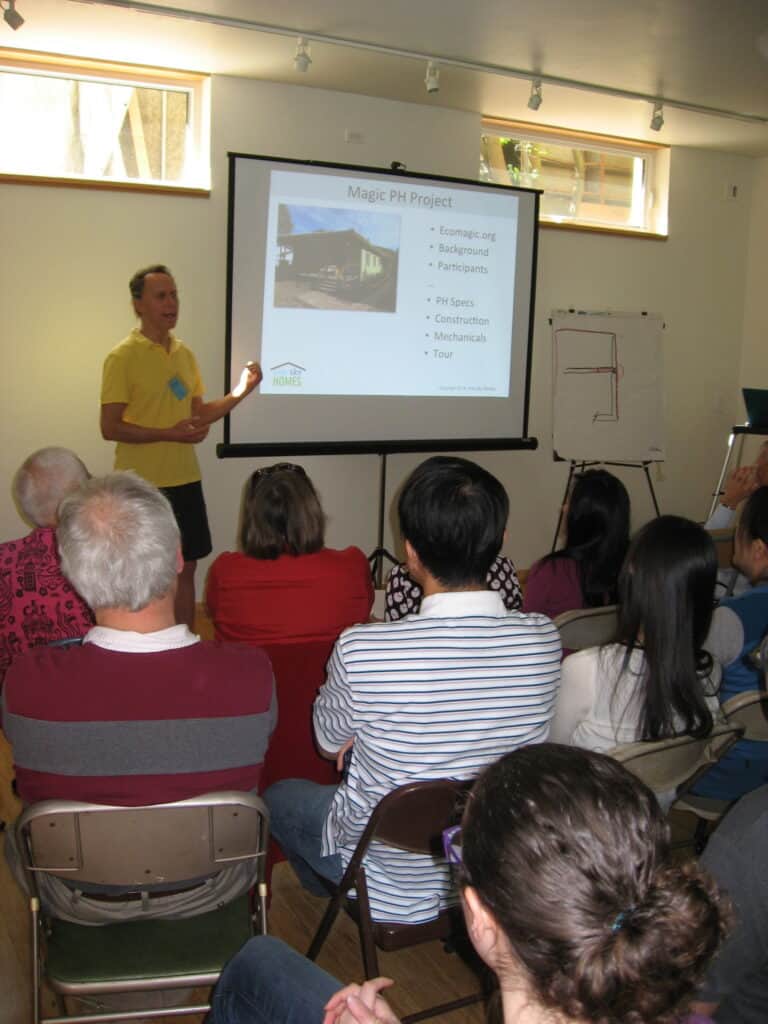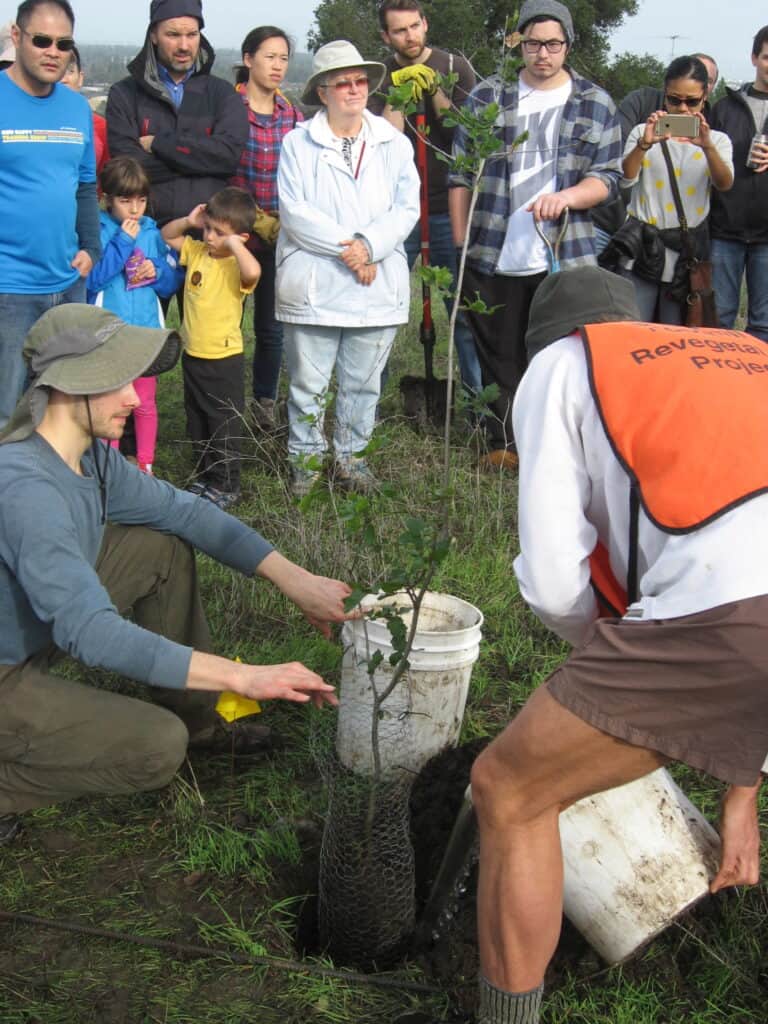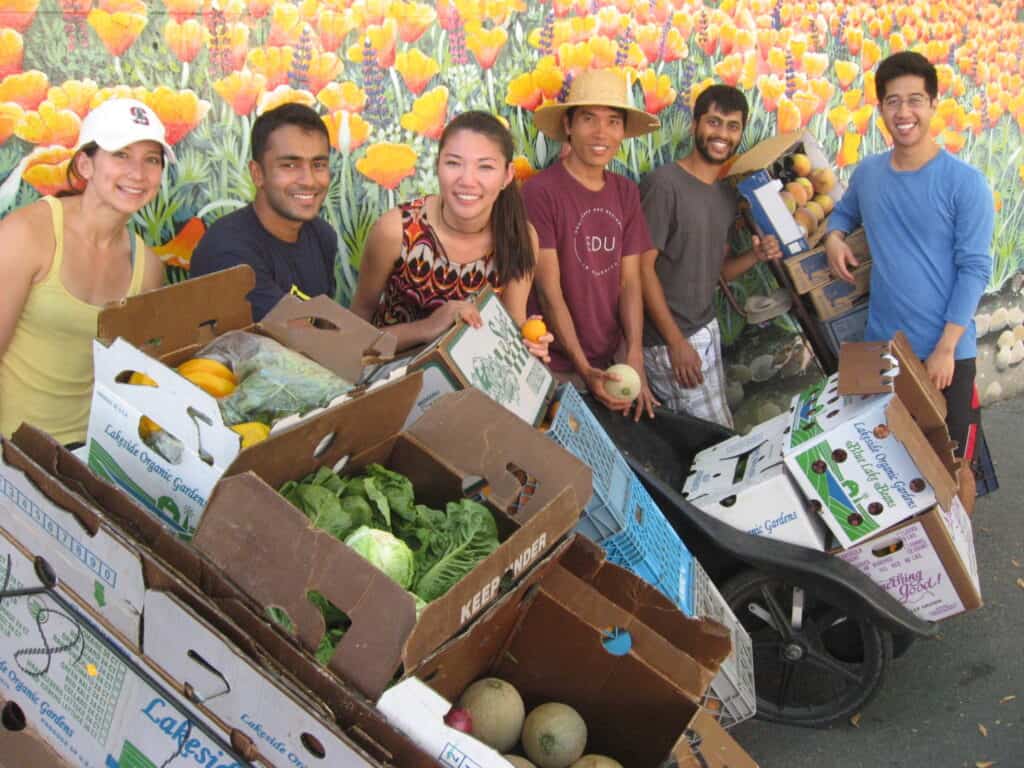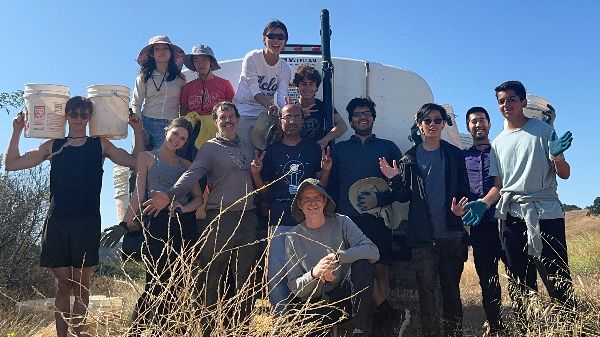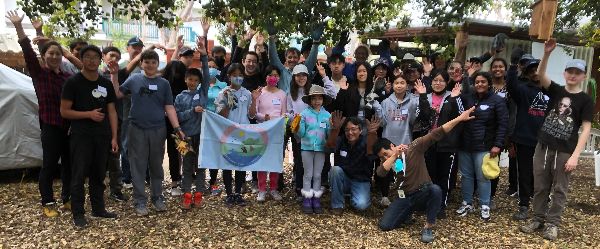
Magic is a residential service-learning community sponsored by an educational, charitable organization with the same name. Some residents shoulder primary responsibility for the organization’s service projects. You can learn more about our story, ideas, people, and projects at www.ecomagic.org. Here we aim to provide a sense of life in the community for those wondering about living with us.</
Physical Setting
We’re in Palo Alto, California. The climate is mild. Rain falls mostly December through March and we’ve at least a few hours of sunshine even on stormy days. Air quality is generally high. Though transitioning towards urban, Palo Alto is still bursting with greenery. In addition, tens of thousands of acres of protected, publicly accessible Santa Cruz Mountain wildlands, San Francisco Baylands, and Pacific Ocean beaches connected by hundreds of miles of trails are within biking distance. Our quiet neighborhood of tree-lined streets abuts a commercial district with restaurants, supermarkets, medical offices, and both bus and rail transit access.
Social context
Adjacent Stanford University and nearby tech giants, start-ups, and established firms draw diverse, talented people from around the world. Highly-regarded public schools, and well-maintained roads, parks, and other facilities reflect the well-being of the community and widespread participation in civic life. Single twenty- and thirty-somethings, young families, and seniors abound. Although we at Magic are a social anomaly, we enjoy warm relations with nearly all our neighbors and many other Palo Altans.
Our land and homes
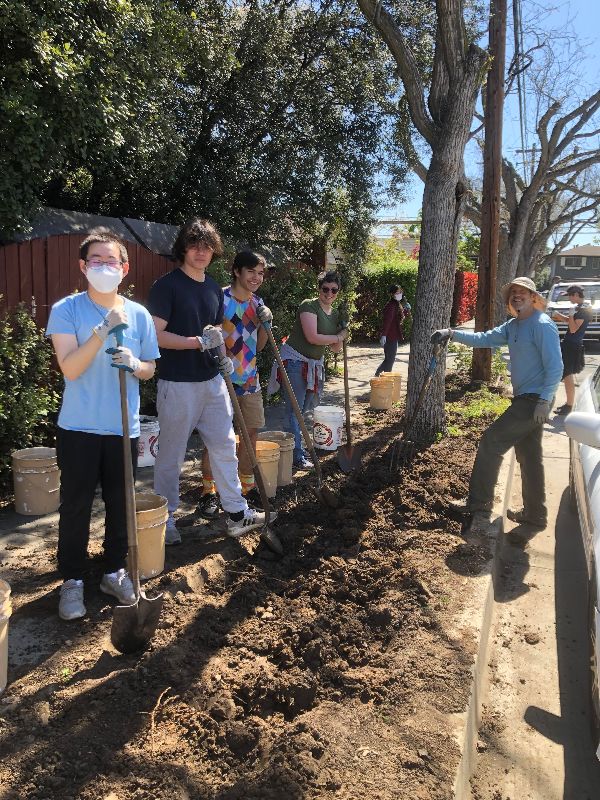
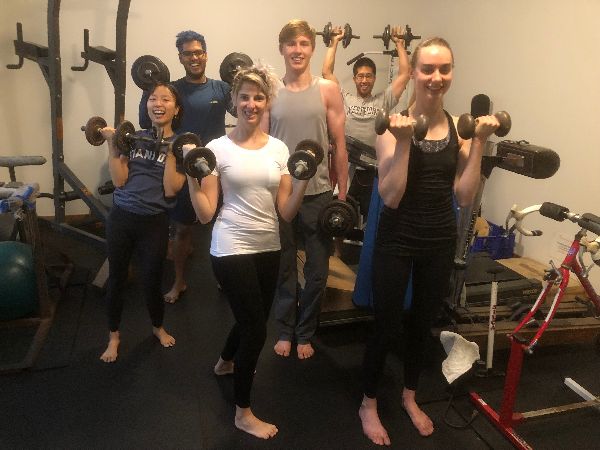
We occupy three detached homes and a handful of outbuildings that share our half-acre site with four heritage California native oaks, two dozen mature fruit trees, a small vegetable garden, and a growing collection of pollinator plants. One 1,000 ft2 home we renovated in 2002 relying heavily on salvaged materials (e.g., redwood siding, oak flooring). A second, 5600 ft2, we built in 2013 to model ecologically-informed design and construction. The third, 1400 ft2, nearly 100 years old, we partially remodeled in 1985 and are planning to extensively renovate or replace. We share a dedicated music studio, a home gym, a library, a workshop, a community kitchen with adjoining indoor and covered outdoor dining areas, a meeting room that easily accommodates 100+, five covered porches, two patios, and ample outdoor areas. We express love for each other by maintaining and operating our site, buildings, and equipment carefully.
People
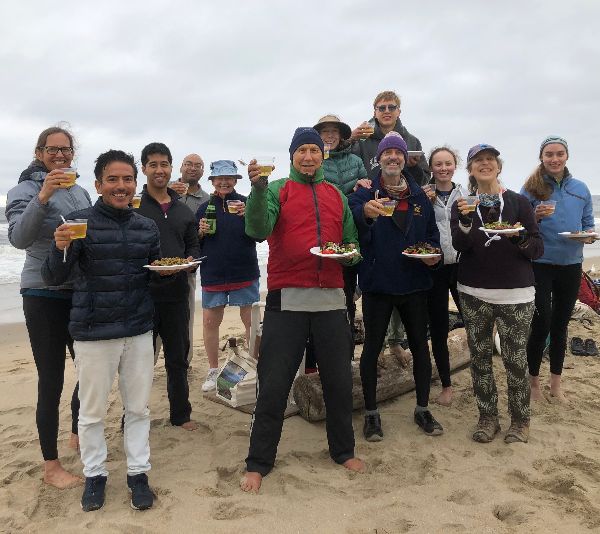
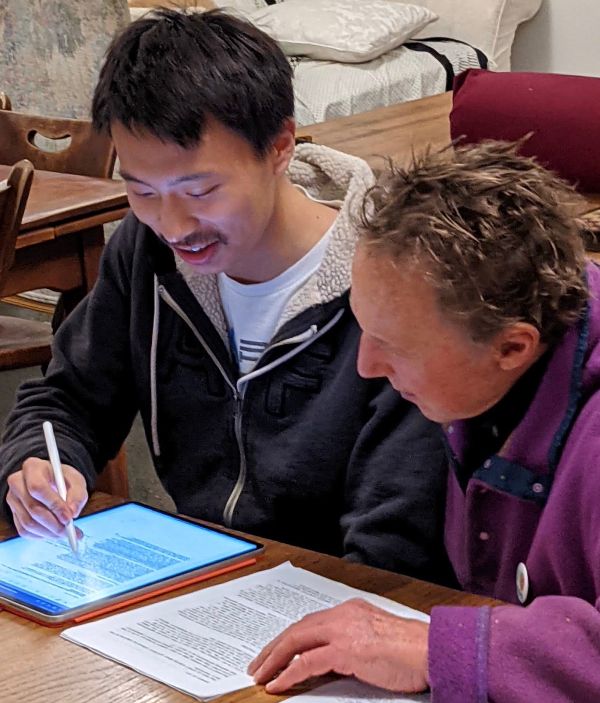
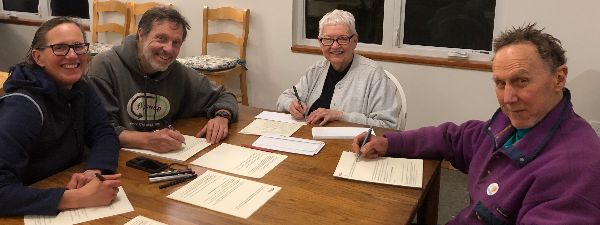
In recent years we’ve been 12 (following a post-COVID-onset diaspora) to 22 residents aged mid-teens to mid-eighties. We’ve hailed from 20+ countries and from around the US. About a third of us have been full-time students or faculty, half have been employed in tech, trades, or service, and the remainder have been full-time volunteers. We’ve diverse sexual and ethnic identities. We’re couples and singles. Four of us have made Magic for 13-50+ years and are communal in many aspects of life. About half of us stay a year or longer. The rest come for weeks to months. We’re joined in becoming healthier selves in a broad and integrated sense, in contributing to a more peaceful and fairer society, in protecting the natural world on which human well-being is dependent, and to discovering how to do all of these better by learning to predict more accurately and fully consequences of our actions. More than half of the hundreds of people who’ve lived at Magic since our inception a half-century ago remain in contact with us, and nearly one in ten return to visit in a typical year.
Our days
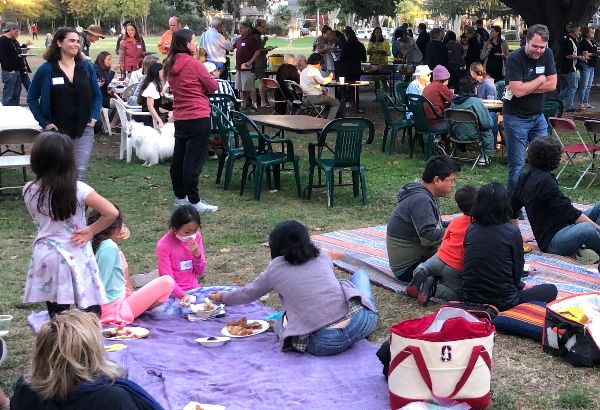
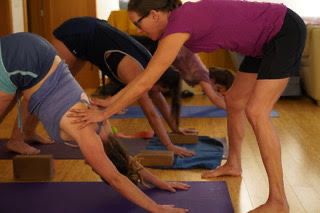
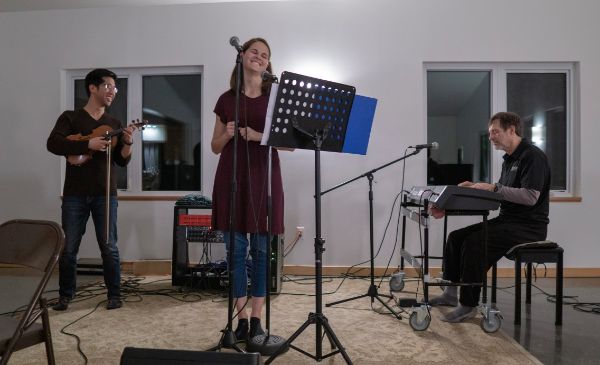
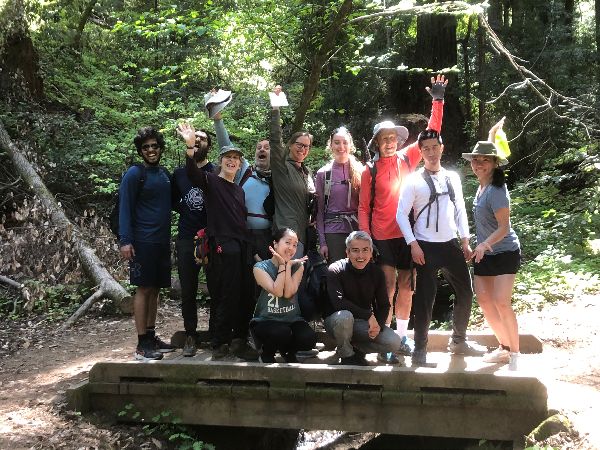
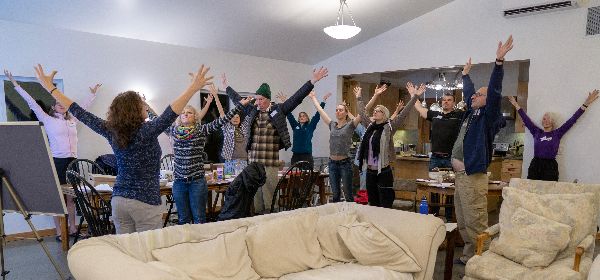
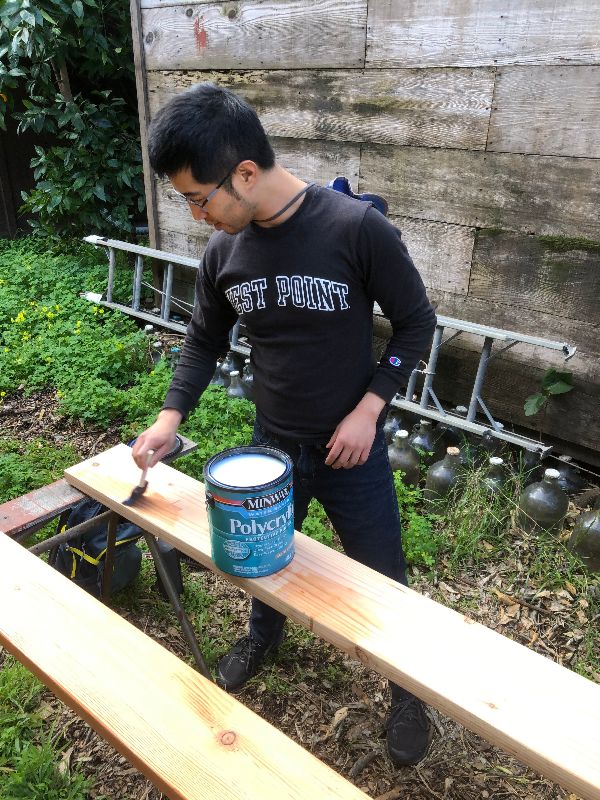
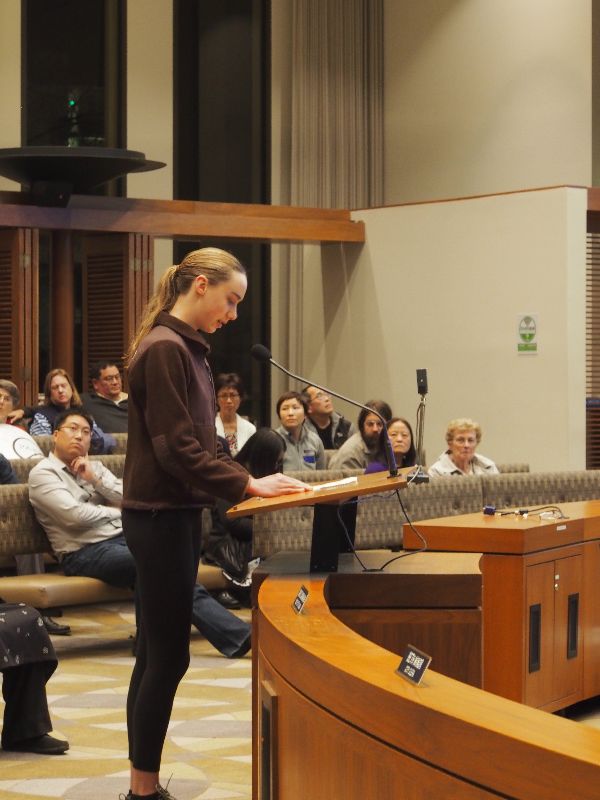
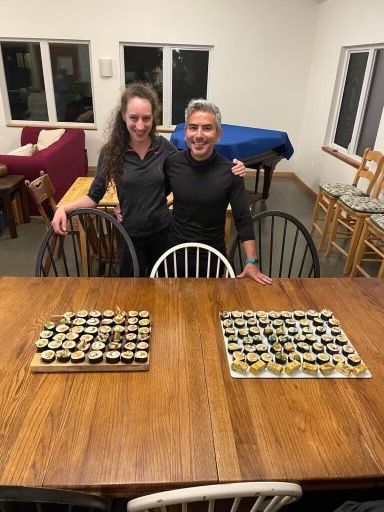
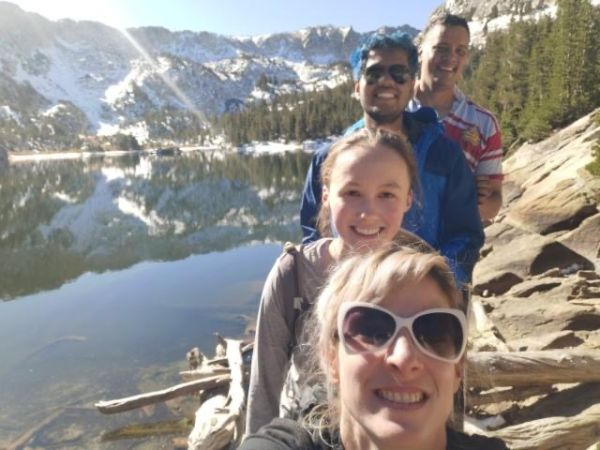
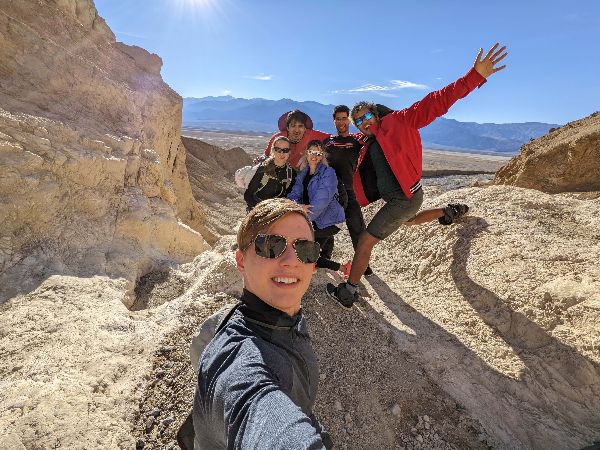
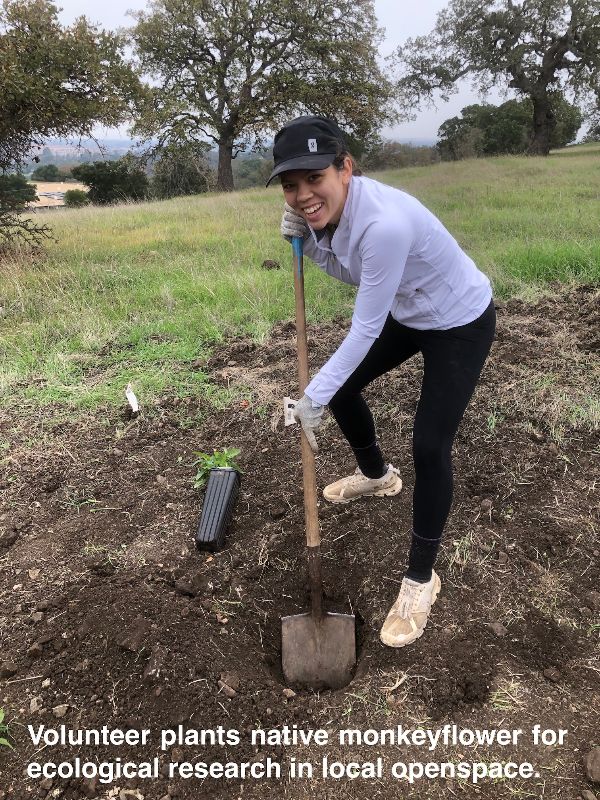
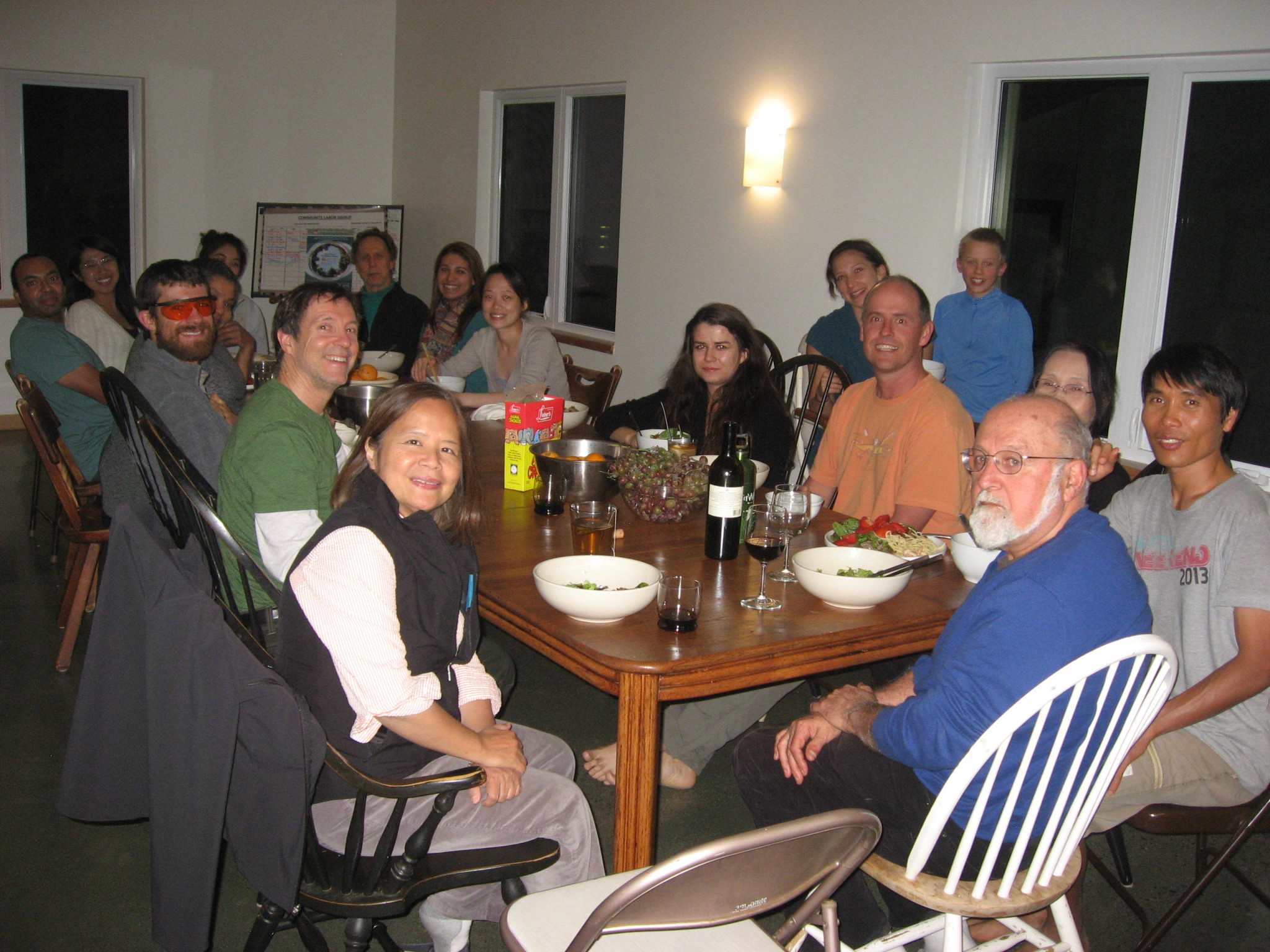
We’ve diverse daily rhythms, from early to bed, early to rise, to night owls, to split sleep schedules. Still we make music, dance, eat, practice yoga, meditate, run, hike, bike, backpack, play indoor and outdoor games, watch movies, teach, learn, volunteer, cook, clean, build, and repair together. We enjoy different and shifting balances of solitude and sociability. We laugh and joke a lot. A central element of our lives is a nightly community dinner which each of us attends 2-7 times per week. We rotate cooking and clean-up, and we eat fresh, locally grown food year-round. Residents regularly invite guests to dinner—1000 in a typical year. We’re leading in evolving an emergent valuescience, in which we investigate how we and others can apply methods and principles of ecology to discern more accurately what we want and to secure more of it for those of us alive today and those who may live in the future.
What we offer
We perceive greater sharing, giving, loving, responsibility, and freedom to be possible. We see the Magic community as a crucible in which to learn these. You can come for a meal, a party, a presentation, a class, or a work session. We offer immersive stays of a day to months, residencies of months to years, and a possibility of lifelong friendship. If you think you may enjoy making Magic, we’ll welcome your inquiry.
Develop, practice & disseminate valuescience—science applied to questions of value—to love better.
Interviews. Short-term stays. Longer-term stays.
Contact us through this website.
A few people (not elected by the broader community) make the major decisions.
Generally seek agreement, but have backup methods when consensus isn’t reached.
Power and responsibility are shared relatively equally among members.
Directors (Trustees) of Magic, the charitable organization that owns the land and buildings Magic, the community, occupies, make decisions regarding these.
Four residents termed “fellows” with tenures of 13-50+ years oversee policies and procedures for daily operations. All residents share responsibility for ensuring that we evolve community standards at least minimally acceptable to everyone, and that we adhere to these.
Members maintain separate personal finances with minimal sharing.
Regular fees: $1700
Labor: Yes (6 hrs/week)
Members with pre-existing debt: allowed
Inclusive (i.e., room, electricity, water, waste disposal, internet access) fees range from $1,400-2000 per person. For perspective: landscape maintenance workers in Palo Alto, where Magic is located, receive $40/hour in 2024.
Subgroups within the community engage in modest to complete income-sharing.
Common House, Garden(s), Vehicle Share, Library, Workshop, Outbuilding(s), Large Scale Kitchen, Gym or sports area, Internet
Residential areas outside city centers but within metropolitan regions.
Private homes with shared common facilities, designed for neighborly
interaction while maintaining independence.
Shared living spaces with private bedrooms/bathrooms and communal
kitchens, dining, and social areas.
Integrated communities designed around ecological principles with sustainable living practices.
Connecting people and communities through an intentional online marketplace
There are no needs and offers
We use cookies to improve your experience on our site. By using our site, you consent to cookies.
Manage your cookie preferences below:
Essential cookies enable basic functions and are necessary for the proper function of the website.
These cookies are needed for adding comments on this website.
Statistics cookies collect information anonymously. This information helps us understand how visitors use our website.
Service URL: policies.google.com (opens in a new window)
A residential project: people live here as their primary home.
An institution, business, network, or project that isn’t a residence (e.g. a learning center, farm, or network with no one living there full-time).

{{ item.label }}
{{ item.value ? item.value : currencyFormat( item.amount ) }}
Subtotal
{{ currencyFormat( pricing_summary.total_amount ) }}
There are no results matching your search