
How can we create community connection — including more support, belonging, smiles, and growth — in our lives?
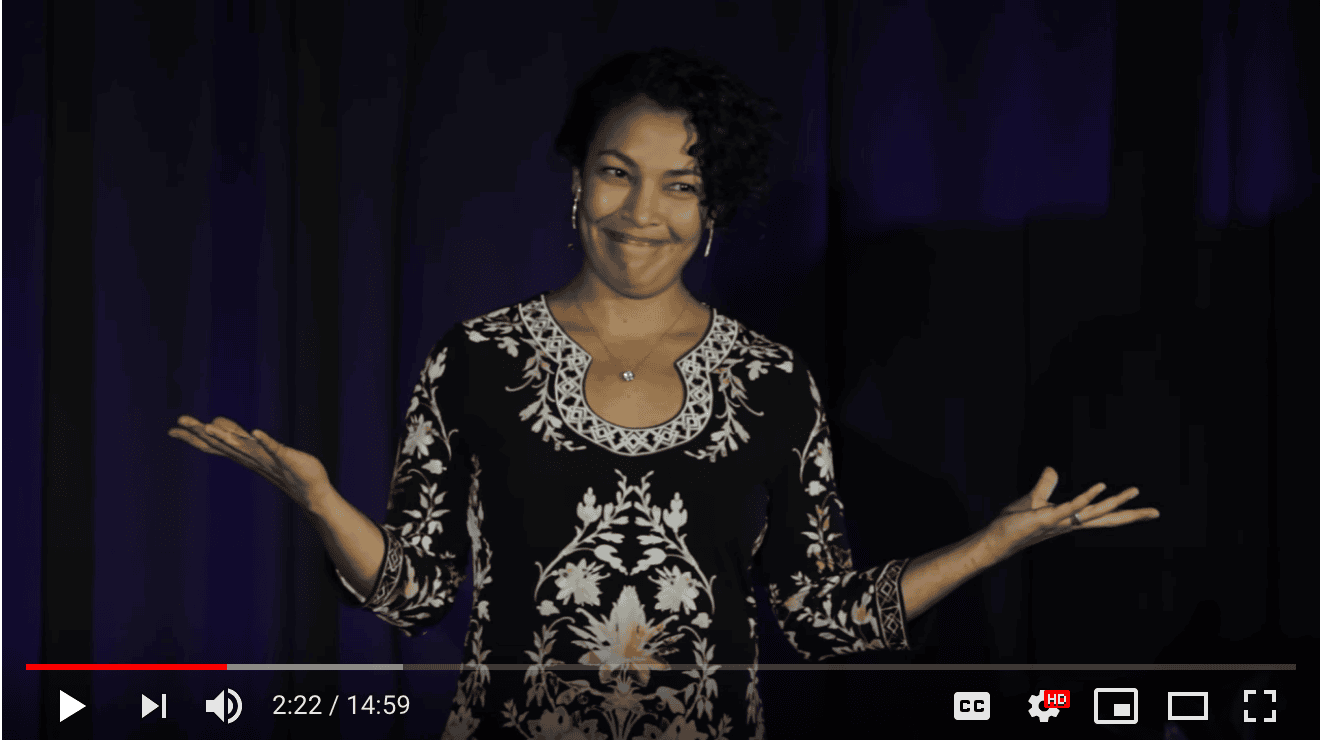
Bianca Heyming gave a TED talk based on her experiences, affectionately called ‘Intentional Communities – 50% Less Hippie Than You’d Expect.’
She first comedically explores people’s misconceptions about living in an intentional community. Common first questions she receives about where she lives are:
There are plenty of lovely hippie communities out there. And there are also a few communities out there with defined leaders, or a focus on sexual partners.
But as you know, these questions are all based on limited information and out-of-date stereotypes.
There are actually thousands of communities around the world, with a wide range of variation. Many or even most will be more recognizable and reasonable than one might assume. They seem obvious once you see people spending time together smiling.
Intentional communities form by people having a common intention — a uniting interest, a set of values, a common vision for the world and how to live in it.
For Bianca, and a group of friends and neighbors in San Diego, the question that initiated their intentional community was simple, “What if we raised our kids together?”
The group found that they also shared two fundamental beliefs: 1) a commitment to continual development of themselves — in mind, body, and spirit; and 2) no problem using attorneys to draw up binding agreements to ensure that a community was forged and maintained reasonably.
People. A Purpose. And Structure. This is what it takes to start an intentional community. With a whole lot of relationship building, collaboration, hard work and persistence to make it possible and to care for it along the way.
The reasons for building and living in an intentional community may seem obvious — including it being a great place to raise children, having heartfelt connections to and supporting each other, living more sustainably and resiliently, etc.
But developing that connection with each other is not always easy, and in fact, often requires experiences of bearing our vulnerable, imperfect, fallible selves to each other, in order to feel truly seen, understood, accepted, nurtured, supported, and respected by others.
Social media encourages people to show the world only what is pretty, happy, successful, and acceptable. Life is not actually like that, of course! And in intentional communities, the truth emerges.
Life is difficult. Relationships and parenting can be exhausting, draining, and defeating. Professional life and personal finance, our physical and mental well-being, and all the challenges that life includes, can wear you raw. But that is all part of real life.
People who form or join and who stay in intentional communities are typically eager to accept, or learn to accept, that reality. We get to see the real people behind the facade, and to meet each other there. We connect to work together towards better lives.
That level of personal and interpersonal dialogue is just too intense for some people to face, and it makes them want to leave. The speaker in this presentation encourages people to stay — not just in intentional communities, but in communities in general.
Keep talking with each other. Keep the dialogue going. Gather and share, even when you are not at your absolute sharpest, most done up, well-rested, and chipper. Keep exploring, expressing, and evolving your sense of your experience and what you value, by meeting yourself and the people in your community where you are. You are resilient!
Bianca Heyming’s message resonates with the most popular TED talk of all time, about the Power of Vulnerability from Brene Brown. In order to get the most out of life, relationships, and your career, you must “Dare Greatly!”
It is through expressing honest vulnerability that we allow ourselves to be known, and to meet with life and each other from where we are actually coming from. This forms true connections, and nurtures a safe place that we can all grow from.
Bianca recounts a moving experience where the women of her community supported her through a trying time for her and her family. She had never been given the permission to experience and share her own suffering like that, and to be loved through it. Although it was challenging and revealing, it was a relieving and transformative experience for her.
Having a strong desire to connect and to collaborate, and being open to learning more about yourself and others, are key ingredients to create community connection.
To help us along this path of connecting to ourselves and each other, Bianca Heyming highly recommends that we learn more about communication and group process.
She advises learning from models, resources, and experts in group process, therapy, communications and facilitation, and the like, to expand your awareness of and constructive response-ability to things that are bound to come up in ourselves and in group dynamics.
More than useful in intentional communities, these tools and insights can serve everyone in their friendships, family relationships, and parenting styles, as well as local church, affinity, and community groups.
You can find some resources on Group Dynamics, Communication, and Governance in the Communities Bookstore, including the fresh Communication in Community.
Also you can check out the Governance + Group Dynamics blog posts, and Communities magazine articles on Group Process.
Keep the conversation going with these pieces
There are no available blogs
Subscribe to our newsletter for fresh stories and community updates delivered to your inbox.
Get unlimited access to courses, exclusive member events, and a supportive network of community builders
Access all courses, books, and premium content
Member-only workshops and community builders
Member-only workshops and gatherings
We use cookies to improve your experience on our site. By using our site, you consent to cookies.
Manage your cookie preferences below:
Essential cookies enable basic functions and are necessary for the proper function of the website.
These cookies are needed for adding comments on this website.
Statistics cookies collect information anonymously. This information helps us understand how visitors use our website.
Service URL: policies.google.com (opens in a new window)
A residential project: people live here as their primary home.
An institution, business, network, or project that isn’t a residence (e.g. a learning center, farm, or network with no one living there full-time).
{{ item.label }}
{{ item.value ? item.value : currencyFormat( item.amount ) }}
Subtotal
{{ currencyFormat( pricing_summary.total_amount ) }}
There are no results matching your search
We’re introducing new Plus features — including community reviews, Profile Match, and unlimited Needs & Offers posts — while keeping most of FIC free for everyone. Membership costs less than two coffees a month.

