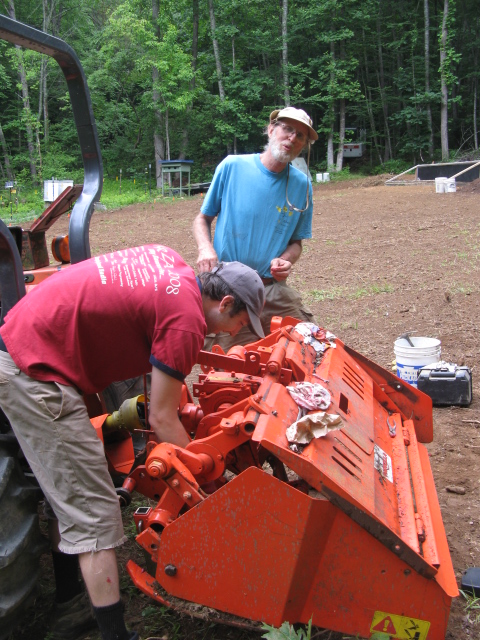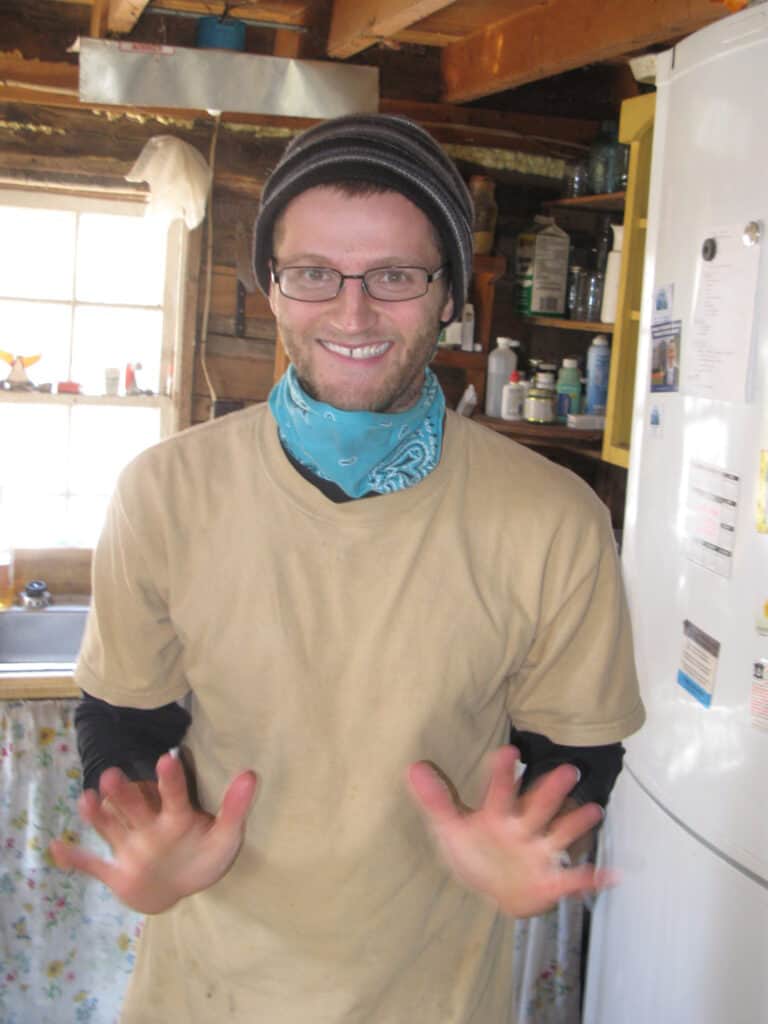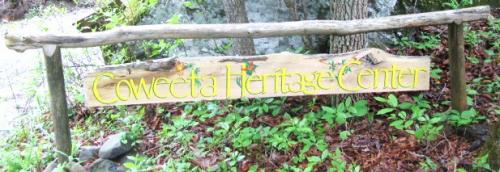
Coweeta Heritage Center/Talking Rock Farm is a school, working farm and homestead. Our goal at CHC is to help preserve the cultural history and natural beauty of this area. A second goal is to become a healing community for both the earth and each other. I am looking for long term volunteers or permanent members. Please contact me if you are interested. I will consider individuals as well as families.
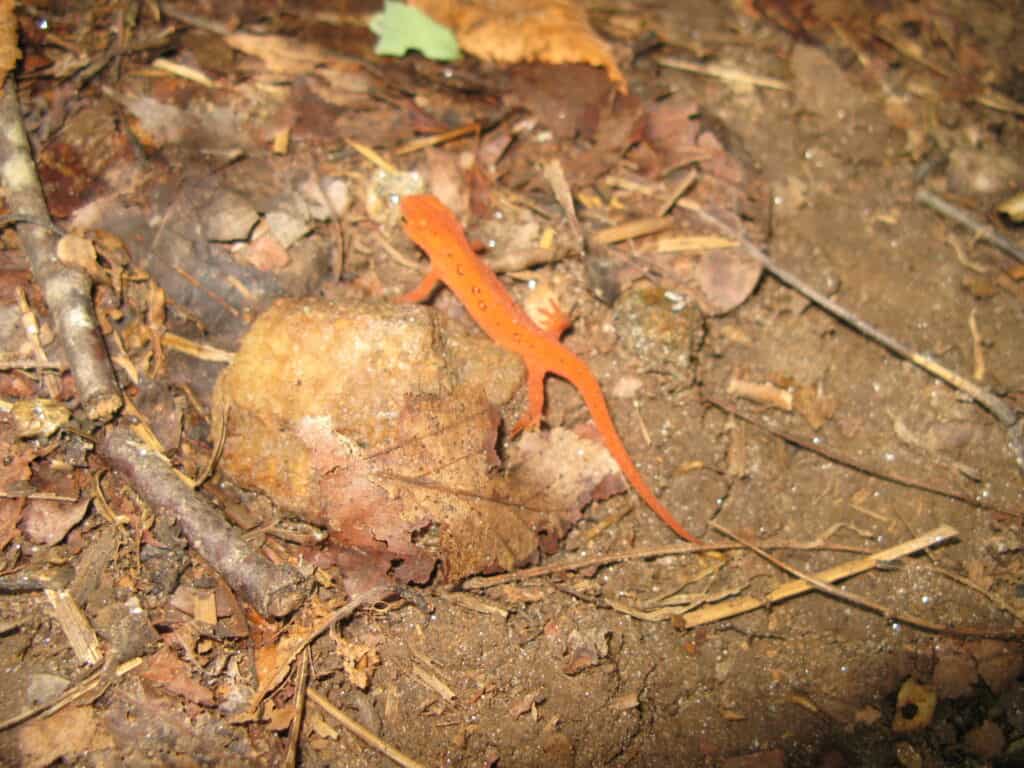
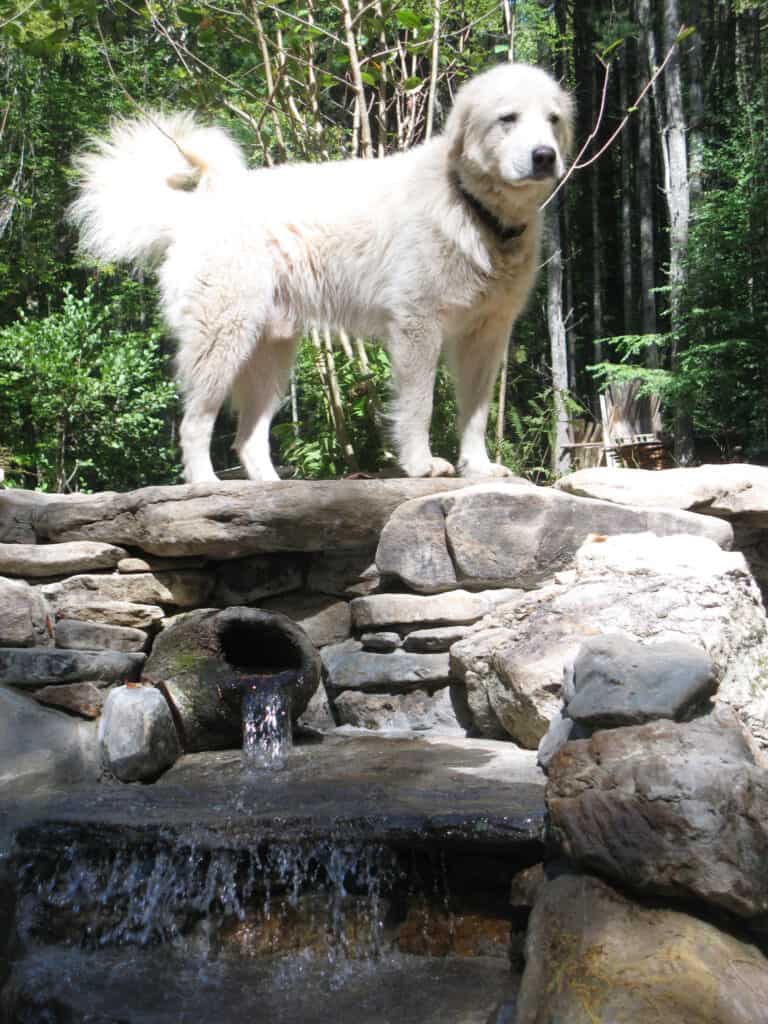
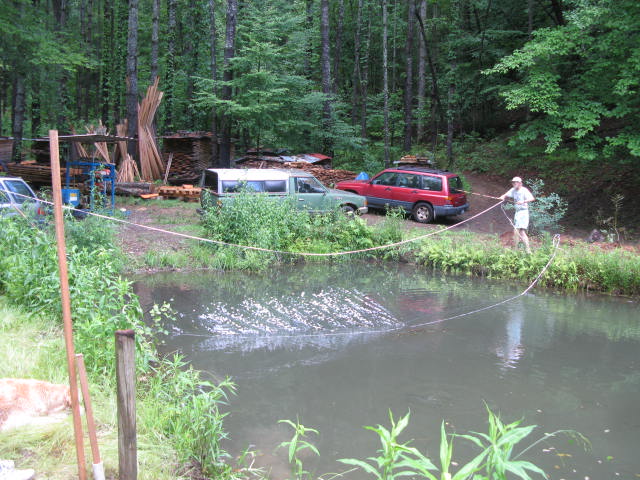
CHC/Talking Rock Farm is located in the Nantahala Mountains of the eastern side of the Blue Ridge Mountains, 10 miles south of the town of Franklin, North Carolina (120 miles N.E. of Atlanta, GA and 70 miles west of Asheville, NC). The center’s 32 acres lie in the heart of a small valley with a stream fed by numerous springs and surrounded by national forest. The stream provides water for our hydro-electric system. We are off-the-grid. The area is home to wild turkey, deer, bear, and has one of the largest diversities of plants anywhere in the world. Huge chestnut stumps, remains of 1800 log cabins, mill raceways, spring houses, century-old farming roads, and old still sites, are reminders of a people and a way of life based on an intimate knowledge of the environment and those skills needed to survive.
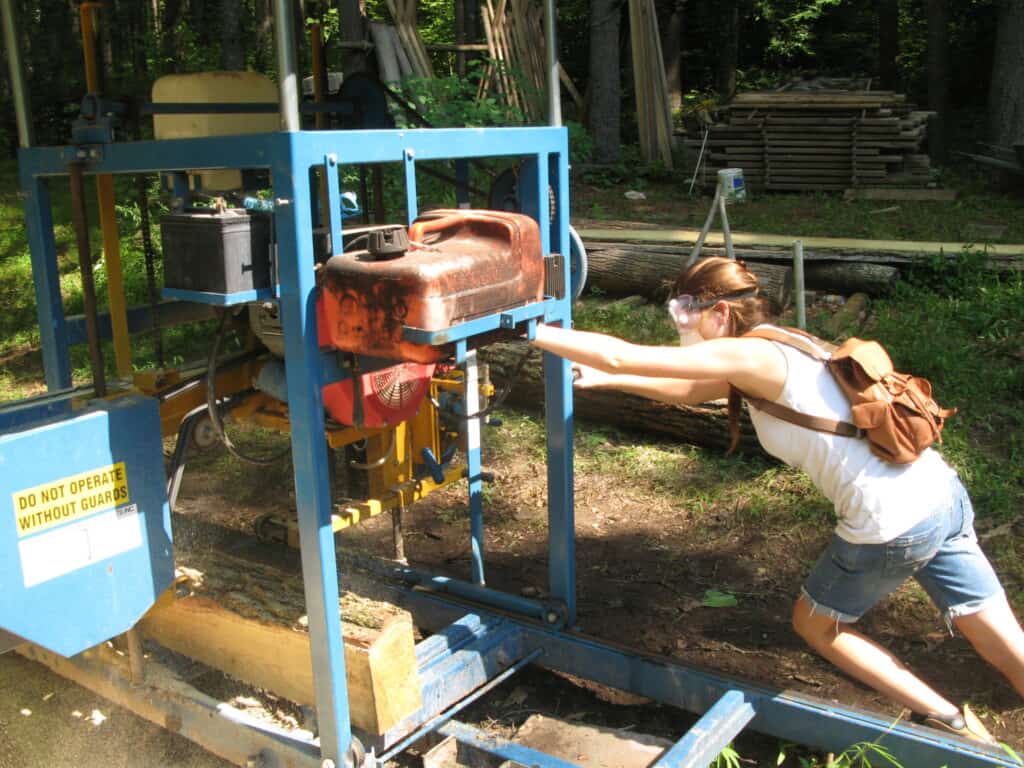
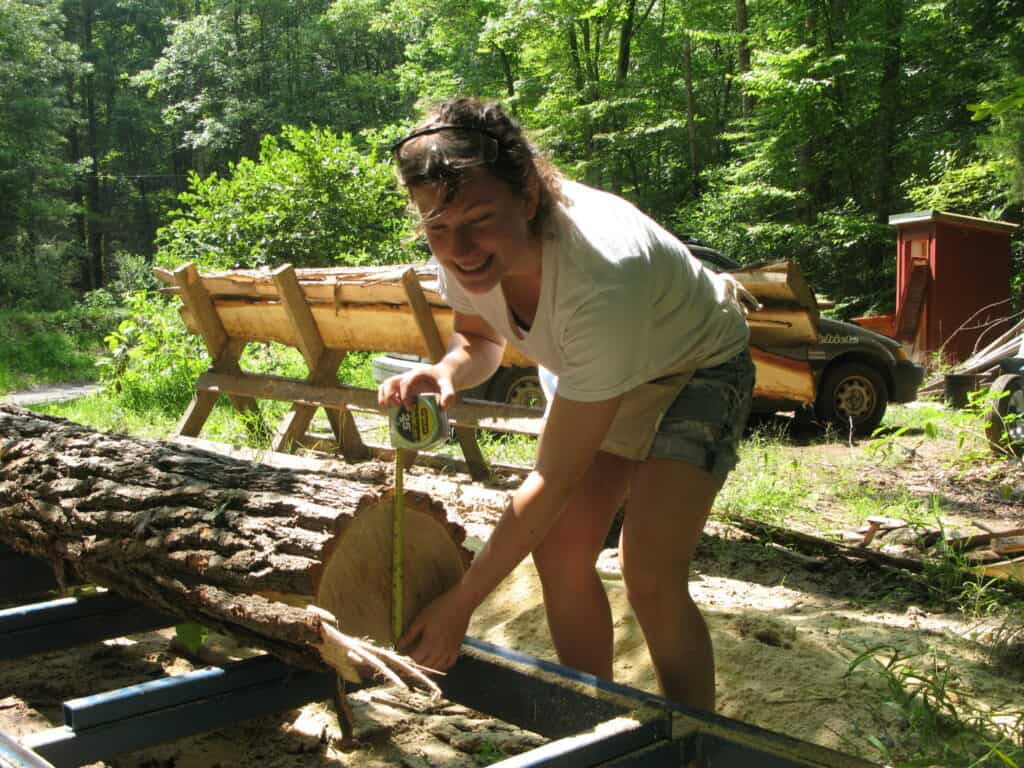
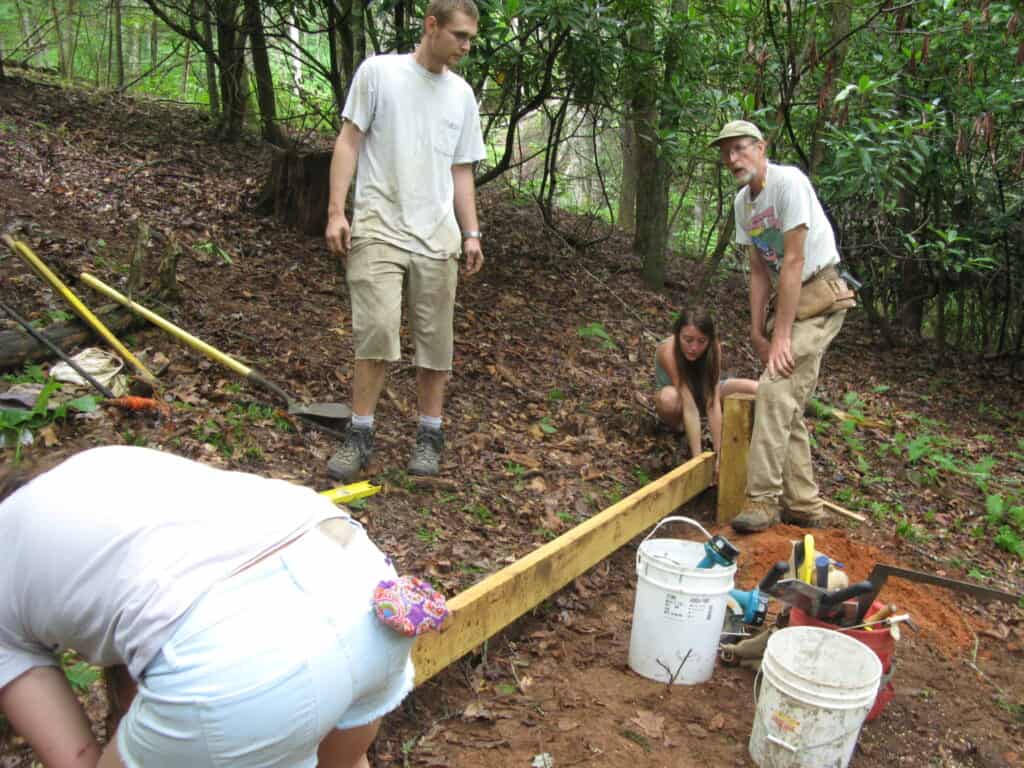
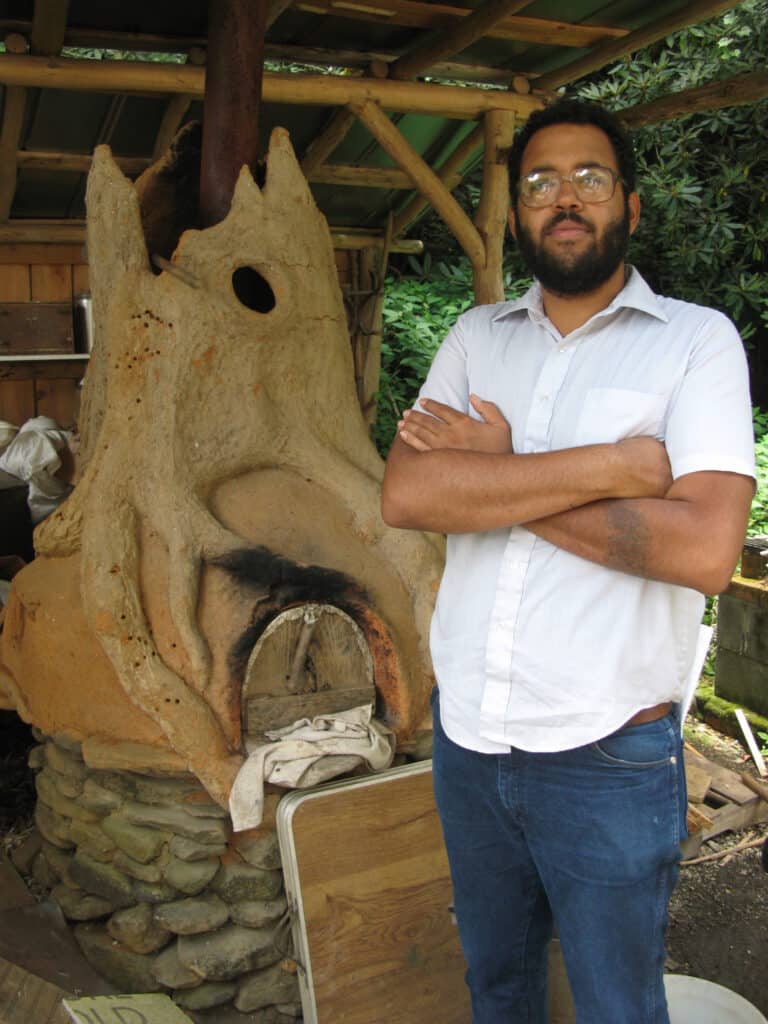
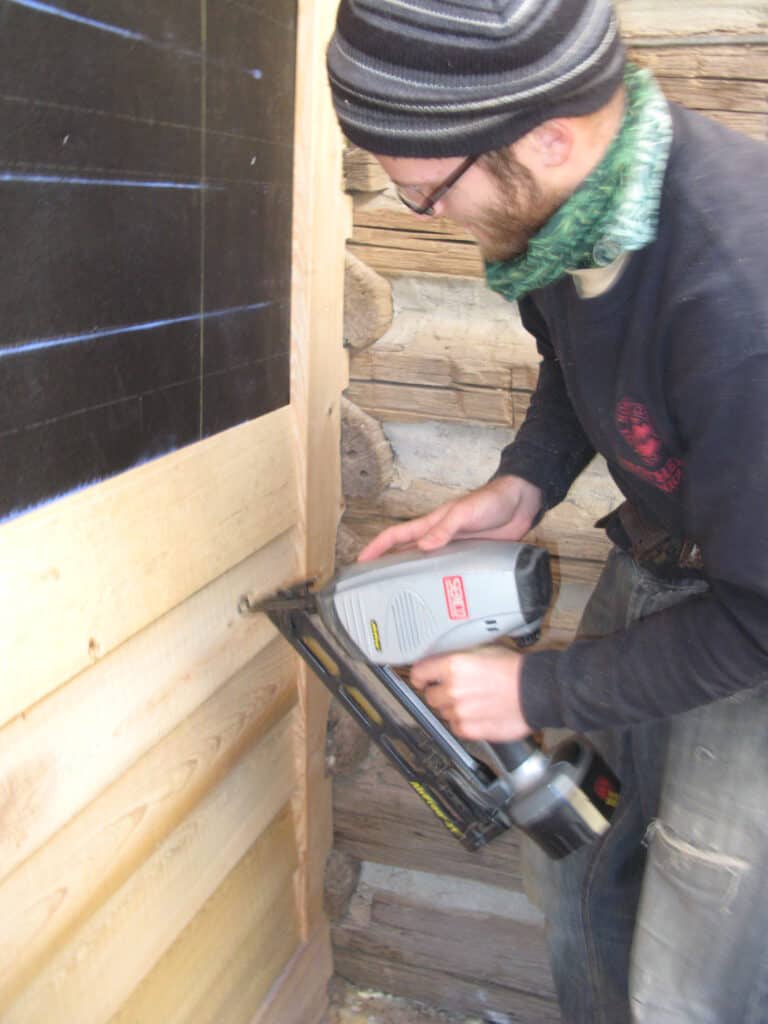
Paul is a former teacher of Industrial Arts and Technology Education and is well versed in woodworking, construction, organic gardening and alternative energy systems. He is working on developing appropriate building techniques that incorporate the log construction styles of the past, as well as alternative energy systems. The center has its own sawmill to provide lumber for building projects which may eventually include cabins, a workshop, and a small conference center for retreats and programming.
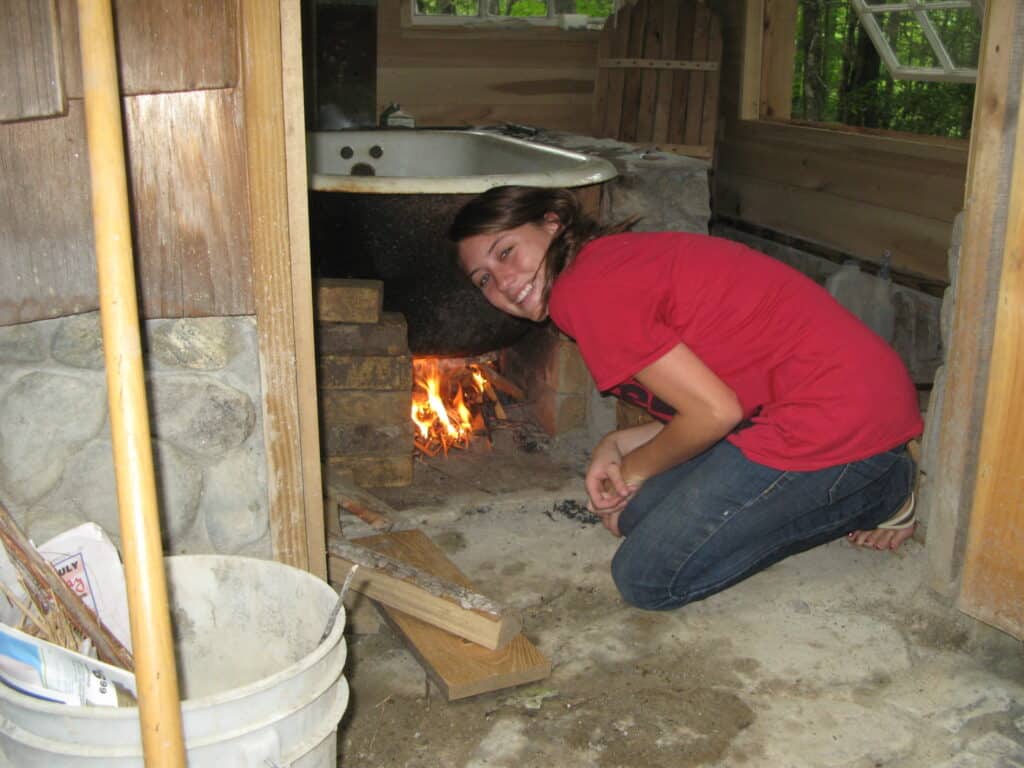
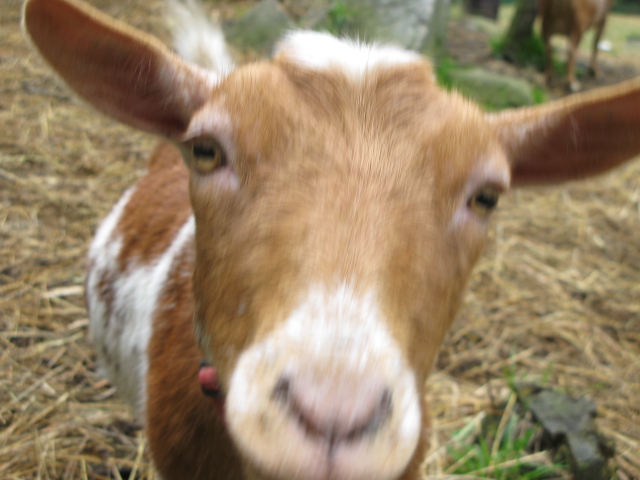
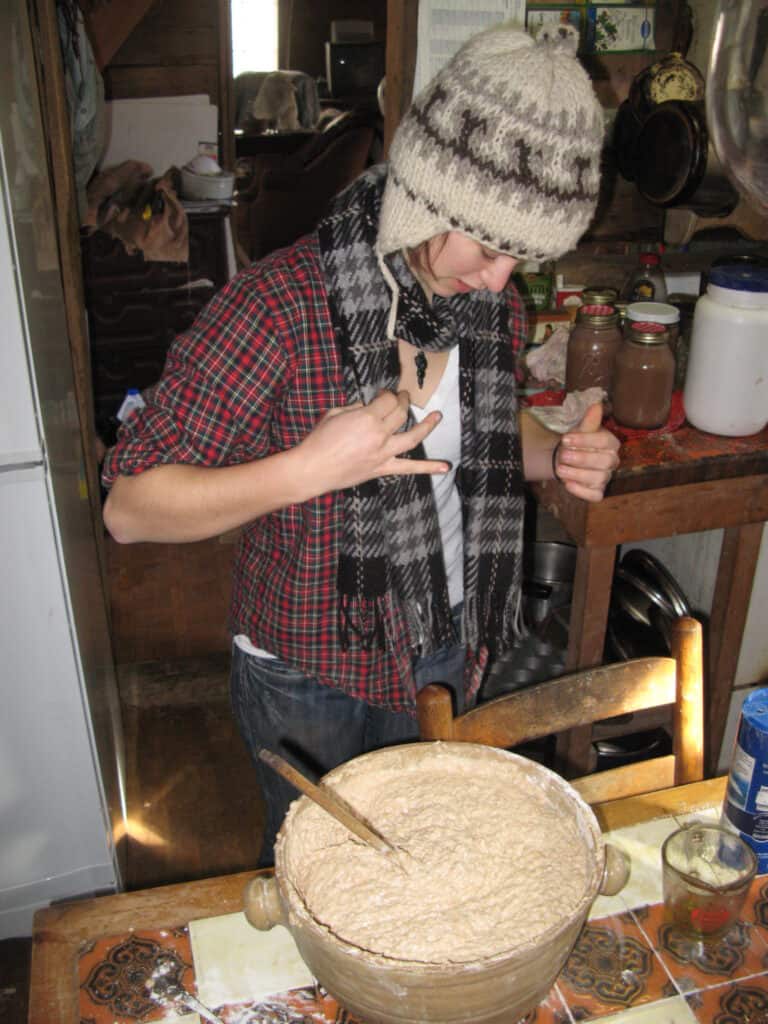
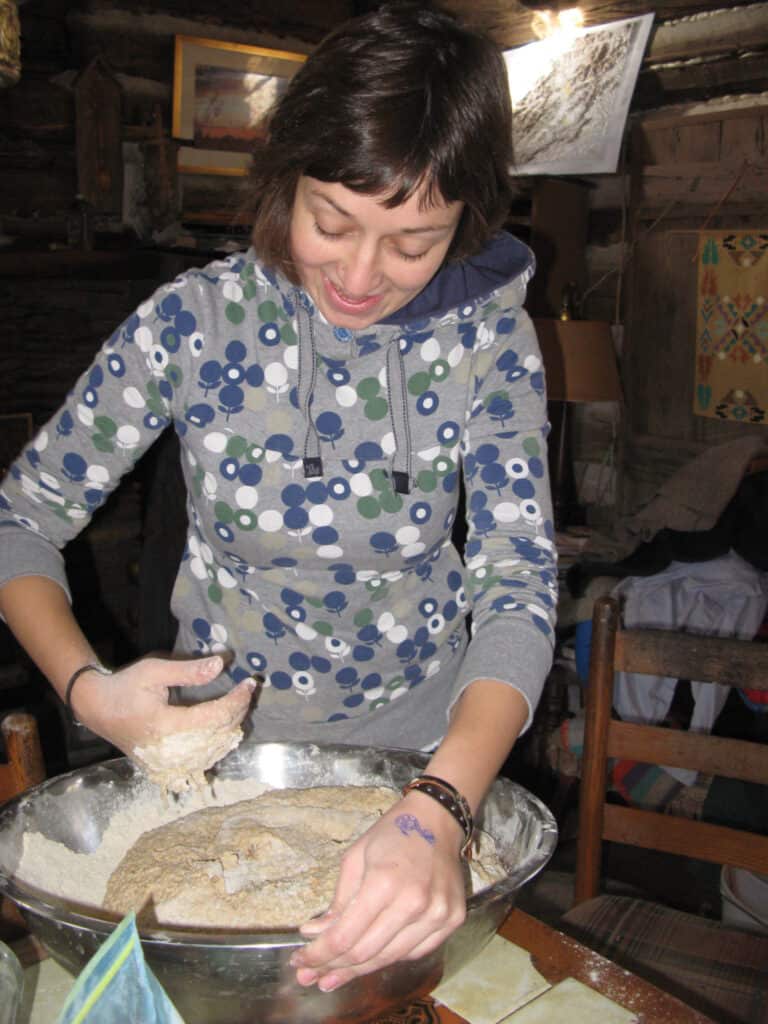
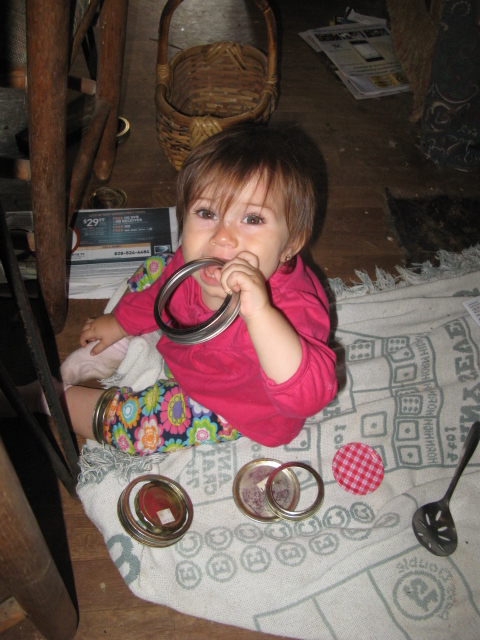
Daily life includes organic gardening, aquaculture (trout) on hold right now, basic building skills, wildcrafting, preserving foods, off the grid living, permaculture, crafts (wooden spoon production), sawmilling, and other practical living skills for sustainable living. I currently don’t have goats but would be willing to have them again with others to help care for them. The chickens went with my wife. I would like to have chickens again with others’ help.
My current goal is to invite others who would be interested in starting a cooperative intentional community. I’m open to discussing what this might be and hearing the ideas of other interested folks. It would be a work in progress and I am trying not to have an agenda starting out. Temporary housing would be needed if others wanted to join. Permanent housing could be built as needed.
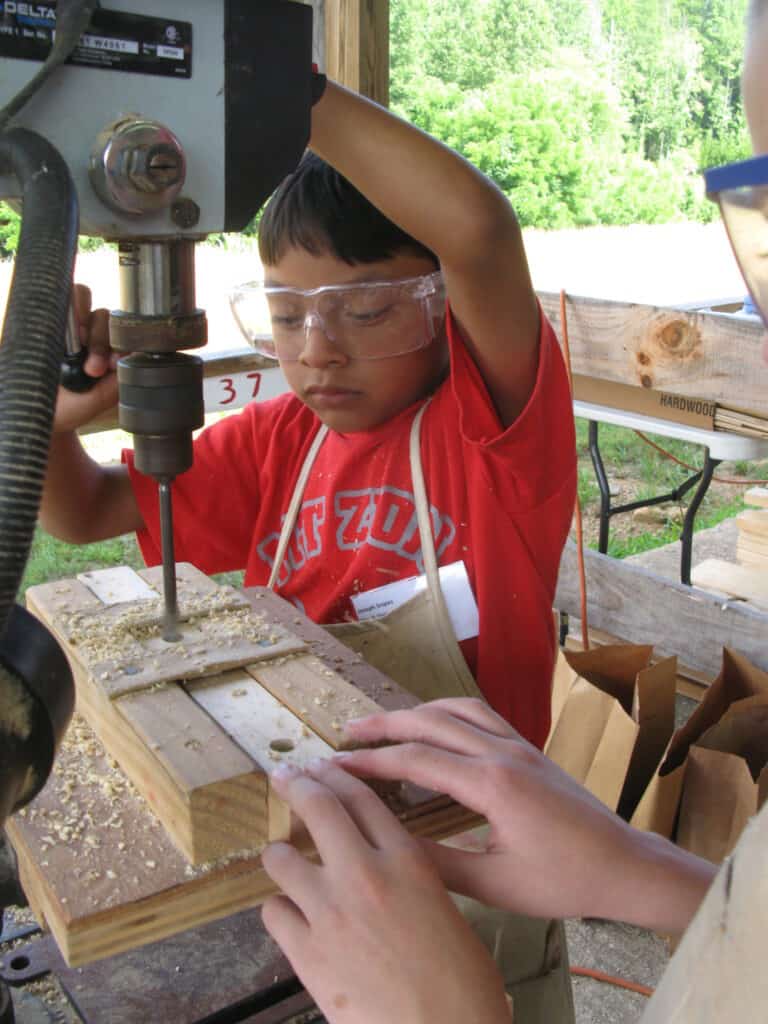
My focus has been and will continue to be on education, teaching others how to live more sustainably, growing healthy food to share with the community through our tailgate market and health food stores. In the past I we have worked with the county summer camp program teaching woodworking, and heritage skills with kids. It is lots of fun. I also taught for 14 years with the Little Middle Folk School at John C. Campbell Folk school. I also participate in heritage festivals, the Foxfire Museum, and craft shows. I recently led a program on Humanure composting with our Eco Forum monthly at the Unitarian Fellowship in Franklin. I have conducted tours of our property and gardens for many years.
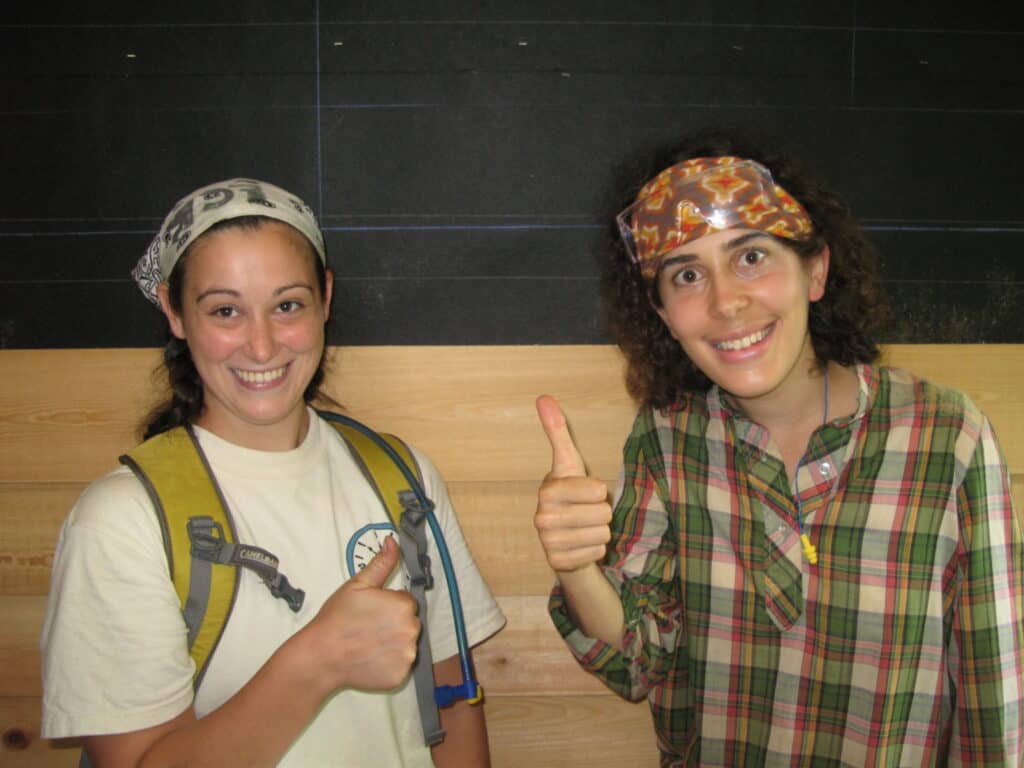
While I am happy to host volunteers on a short term basis, I can’t provide housing and food. This would be the responsibility of those volunteers. I could provide space to camp and water. Volunteers need to provide their own transportation as well. It has been a real blessing as well as a challenge to work with many young people who have come and stayed with us over the past 21 years. I am open to year-long internships with the possibility of joining as a permanent member. I hope to have more support for short term volunteers in the future. I welcome folks who would like to visit. Please contact me at co*****@***il.com
</div
CHC’s mission is to teach strategies for self-reliant living in order to reduce impacts on our environment. This is best expressed by the term Voluntary Simplicity or learning to live with less. As I mentioned the second goal is to help heal the earth and each other. Eventually this might include becoming a retreat center and offer programming for those interested. The organic garden here produces lots of greens and other produce which helps provide healthy local food for our community. The 1/5 acre garden can produce as much as 50 pounds of salad mixes, greens, onion, garlic and more weekly. The garden is also a resource for those interested in learning to care for the earth and heal oneself through organically grown foods and working intimately with the environment. More on what it means to come here:
Coweeta is a place of healing. It pure spring waters, the sounds of water flowing, birds singing, clouds sailing by are music to your soul. Coweeta is a place to get lost and found; tucked away in an intimate valley with little human activity. It is the perfect place to rediscover who you are and your place in the natural world. It is a place where cell phones don’t work and your watch may lose time. It is a place to park your car and walk.
Coweeta’s beyond organic gardens teach you to nurture yourself and the earth. Each year tons of leaves are incorporated into the soil to feed the hordes of micro and macro organisms that feed the plants that are grown. Nourish your body and spirit with food you help grow and harvest.
Coweeta’s gardens also help feed the local community and this is the perfect place to connect with folks and share the bounty of the earth and invite them to come to Coweeta to visit. Coweeta is a place of sharing.
Coweeta is a place to gather your energies to do the work that nurtures your spirit and contributes to the good in the world whatever this may mean for you.
Coweeta is a place of spirit, in the trees, rocks, animals, water and air. Drink in the beauty and spirit here to nourish your soul. Quiet your mind and be open to the spirit and energies of life around you.
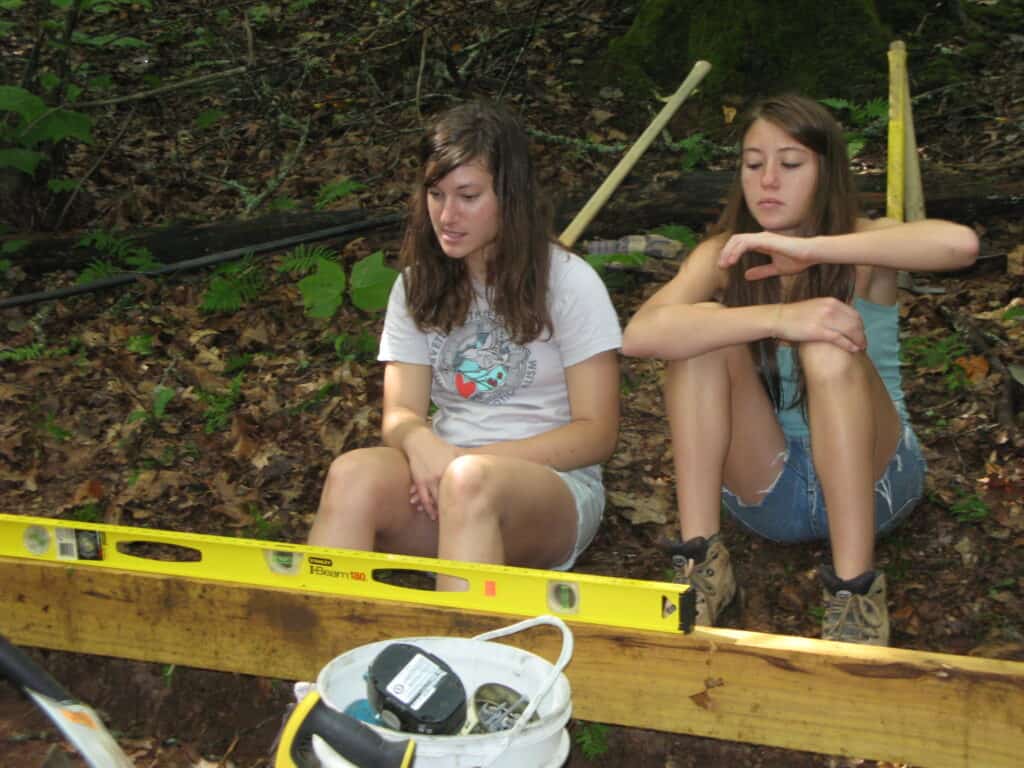
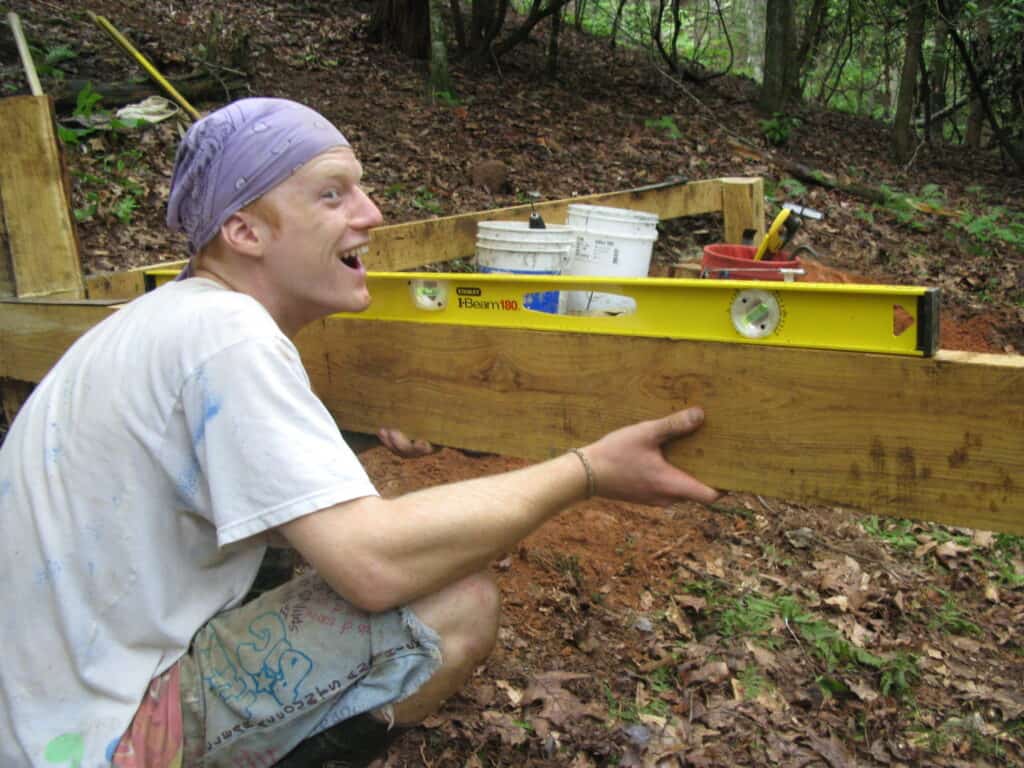
Coweeta is also a place to engage in meaningful work. With your hands you can help create a place of shelter, paths to walk on, beds to grow healthy food in, contributing to a welcoming community. Yes, this takes work and some sweat and tears at times.
Coweeta is a place that will grow in you and you will grow in it. Caring for something means that you become part of it. This can be as simple as picking up branches that have fallen on roads or paths, building a rock wall that will last a century or more, gathering leaves for the garden each year to enrich the soil, or just sitting quietly in a spot you have chosen.
Coweeta is a place to learn new things and apply what you learn to doing the “good work” of living simply so that others can simply live. It is a place to learn to feed yourself from the earth.
Coweeta is also a place of cleansing. Of giving away habits that may keep you from living as free and healthy a life as you can. Let the peace and quiet and companionship of the world fill your heart. Give yourself entirely to the earth and it will fill your needs. Coweeta is a drug, alcohol and tobacco free environment.
.There is an initial required 3-week visitation (or longer if needed). At that point, the community and the visitor decides if they want to make a commitment as a provisional member for one year. After the one year provisional membership they become a permanent member with all rights and responsibilities.
contact us through IC, email at co*****@***il.com, or call 828-342-2137
One person or partnership has ultimate authority.
A single person, couple, or small group makes most major decisions.
Primary authority rests with the community’s founder(s) or designated leader(s).
To be developed by individual members.
Members contribute a percentage of income to community funds.
Join fee: Yes
Regular fees: Yes
Labor: Yes
Ideally the community will generate income from a variety of sources. Currently, that is through farmer’s markets selling produce and wooden spoons. Members can also make loans to the community for building projects. These loans can then be used to meet yearly contributions or when one is unable to contribute through work. If a member leaves loans are refundable.
Garden(s), Greenhouse(s), Workshop, Swimming pond or pool, Tractor & Farm Equipment, Internet
Countryside locations with significant distance from urban centers.
Private homes with shared common facilities, designed for neighborly
interaction while maintaining independence.
Shared living spaces with private bedrooms/bathrooms and communal
kitchens, dining, and social areas.
Integrated communities designed around ecological principles with sustainable living practices.
Residential communities focused on providing space for meditation, spiritual practice, and personal growth retreats.
Connecting people and communities through an intentional online marketplace
There are no needs and offers
We use cookies to improve your experience on our site. By using our site, you consent to cookies.
Manage your cookie preferences below:
Essential cookies enable basic functions and are necessary for the proper function of the website.
These cookies are needed for adding comments on this website.
Statistics cookies collect information anonymously. This information helps us understand how visitors use our website.
Service URL: policies.google.com (opens in a new window)
A residential project: people live here as their primary home.
An institution, business, network, or project that isn’t a residence (e.g. a learning center, farm, or network with no one living there full-time).

{{ item.label }}
{{ item.value ? item.value : currencyFormat( item.amount ) }}
Subtotal
{{ currencyFormat( pricing_summary.total_amount ) }}
There are no results matching your search

We’re introducing new Plus features — including community reviews, Profile Match, and unlimited Needs & Offers posts — while keeping most of FIC free for everyone. Membership costs less than two coffees a month.