Facilitation Skills for Community Decision-Making
6-Week Online Course | Starts January 14, 2026
Learn the art and science of facilitating a group process while balancing the importance of both relationships and decision-making efficiency.
Course fee: $120-$300 USD
Individual class fee: $20-$50 USD
On this page:

Facilitation Skills for Community Decision-Making
Classes in this course are suitable for: Community Newcomers |
  Community Starters |
  Community Residents
Course Description
Facilitation is the practice of creating and holding structures and processes within which connection and decision-making can happen effectively. In the Facilitation Skills for Community Decision-Making Course, instructor Karen Gimnig will guide you in balancing the need to make decisions efficiently while still valuing relationship-building and connection.
This course is an overview of facilitation as used in communities for group process and decision making. These skills will also be relevant to other low-hierarchy groups like coops and nonprofits that make decisions by consensus or sociocracy.
We’ll start with a deepening understanding of the role of the facilitator. What does a facilitator do, and what should they avoid doing? From there we’ll move into the most common work for intentional community facilitators: the “business meeting”, where many topics need to be covered in one meeting.
Within community, there is also a need for facilitating a single topic over several meetings, which we call “process facilitation”. We’ll wrap up with a deeper look at conflict as it appears in meetings, including how to prevent it and what to do when it arrives.
This course will include ample time for interactive discussions and breakout room exercises. Optional homework will give participants an opportunity to practice the skills we are introducing within their communities.
Students are strongly recommended to purchase The Cooperative Culture Handbook, which is full of facilitator resources. Throughout the course, the instructor will rely heavily on the book as a reference for exercises and materials.
After registration, course participants will receive a 15% discount on The Cooperative Culture Handbook.
Course Syllabus
All Facilitation Skills for Community Decision-Making classes are held on Wednesdays from 10am-12pm Pacific / 11am-1pm Mountain / 12pm-2pm Central / 1pm-3pm Eastern. You can view your local time here.
January 14: Role of a Facilitator
- Using mirroring to listen deeply
- Developing the trust of the community
- Finding your authority as a facilitator
- What power does and when to use it
January 21: Facilitating Business Meetings
- Planning meetings
- Parts of a meeting
- Balancing content and relationship work
- Teamwork in facilitation
January 28: Methods for Gathering Input and Information
- Spectrum
- Individual journaling
- Group Mirror
- Sticky Notes
- Dot Voting
- Bridging Circle
February 11: Facilitating Complex Topics
- Identifying goals and objectives
- Supporting a process
- Separating cognitive and emotional input
- A variety of activities that support a process
- Example of a process used by the instructor in a real community
February 18: Reaching a Decision
- Possible outcomes from a process
- Structuring a meeting to reach a decision
- Activities and approaches for supporting consensus
- Example of a decision meeting used by the instructor in a real community
February 25: Facilitating Conflict During Meetings
- Preparing for contentious topics
- Strategies for working with conflict when it arrives
- What to do when someone gets loud
- Getting more comfortable facilitating conflict
March 4:Q&A Session
- Ask any additional questions
- Get personalized help
- Networking
The Q&A session is optional and will take place from 10am-11am Pacific / 11am-12pm Mountain / 12pm-1pm Central/ 1pm-2pm Eastern. You must register for the full course to attend the Q&A session. The Q&A session will NOT be recorded.
Your instructor
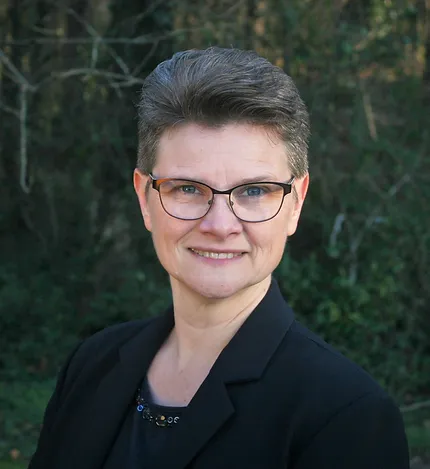
Karen Gimnig
Karen is a group facilitator, motivational speaker and relationship coach. Her passion is to help groups achieve their goals for connected and trusting relationships through skill building and personal exploration.
As an Imago Facilitator, Karen uses the theory and practice of Imago Relationships to guide teams and communities through the complexity of working together. She helps groups and individuals identify root causes of challenges and then walks beside them offering gentle support as they seek solutions.
Karen enjoys working with non-profit organizations, communities (including communities of faith), and workplaces. Her clients describe her as “profoundly effective,” increasing trust and providing simple (but not easy) tools for improved communication and relationships.
You can learn more about Karen and her services here.
Testimonials
Registration
You might also be interested in:
- Navigating Conflict & Restoring Connection (Inside Community Podcast episode with Ted Rau)
- The Cooperative Culture Handbook (book)
- Power & Leadership in Community (10-hour pre-recorded course)
The Live Course Experience
Live Zoom Classes
Nothing pre-recorded here! When you sign-up for an FIC course, you’ll have the opportunity to join a live session on Zoom for each class.

Recorded Classes
You’ll receive all class recordings in a follow-up email. They will also be uploaded to LearnDash found in your ic.org account dashboard. Watch or listen when it is convenient for you. Transcripts available upon request.

Access LearnDash through your Dashboard
Login to you ic.org account, visit your dashboard and go to “My Courses”. Here you have access to all course content and recordings through LearnDash. Access to courses expire 30 days after the last class.