In Community, On the Road - Dispatch #2 - Earthaven Ecovillage

Placeholder image for Foundation for Intentional Community website.
Sky Blue
  • March 9, 2019
  • Relationships
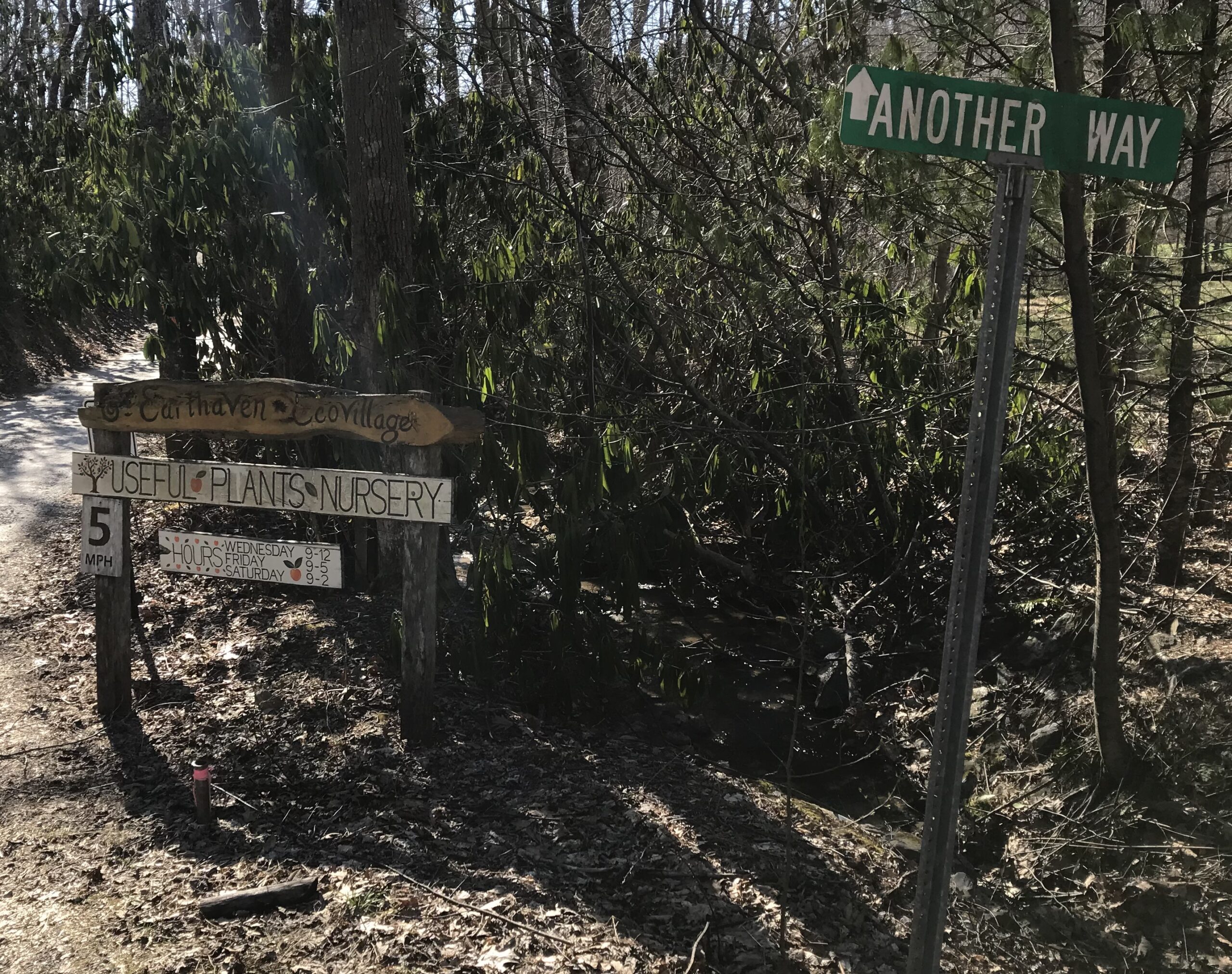
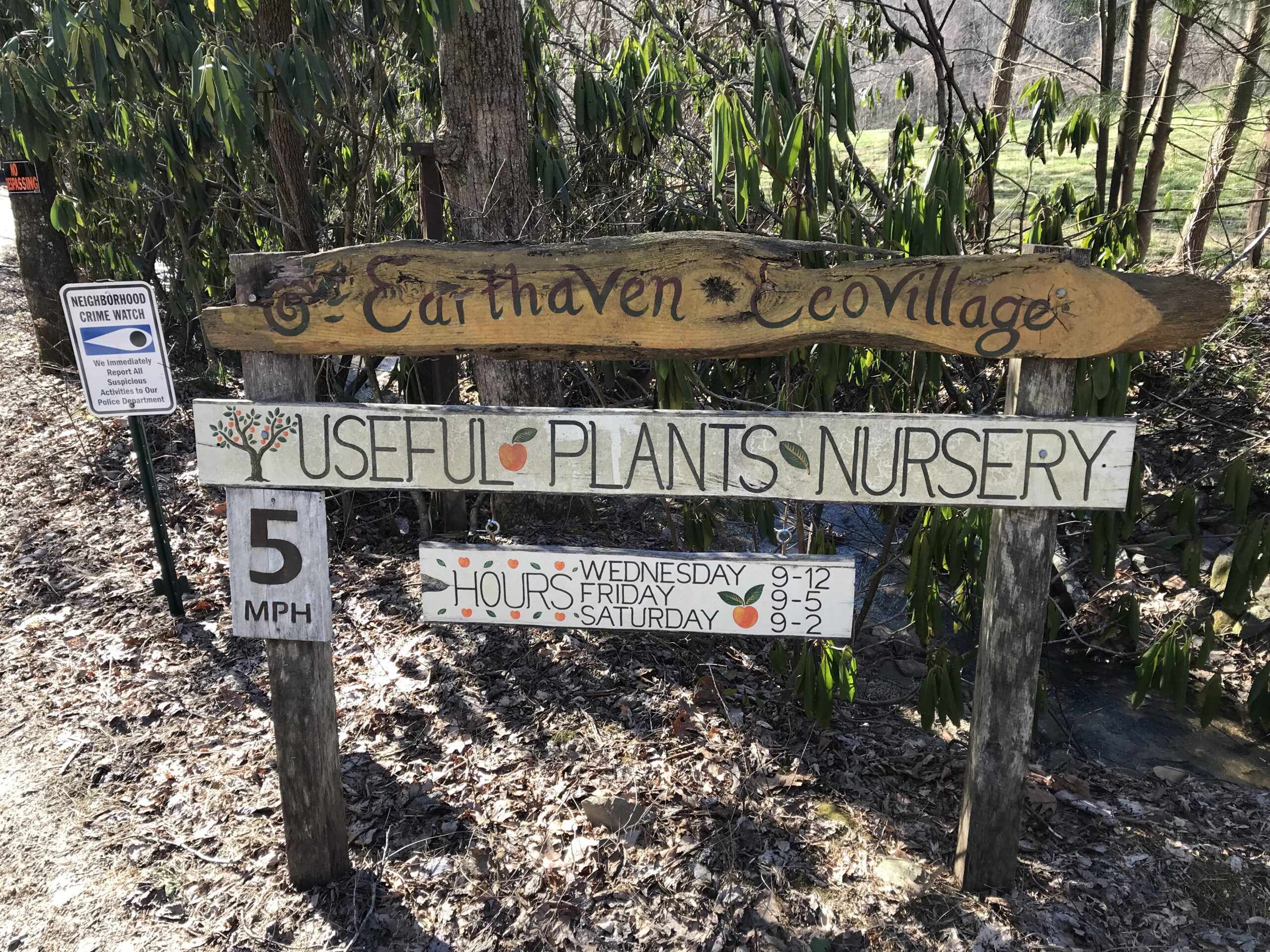
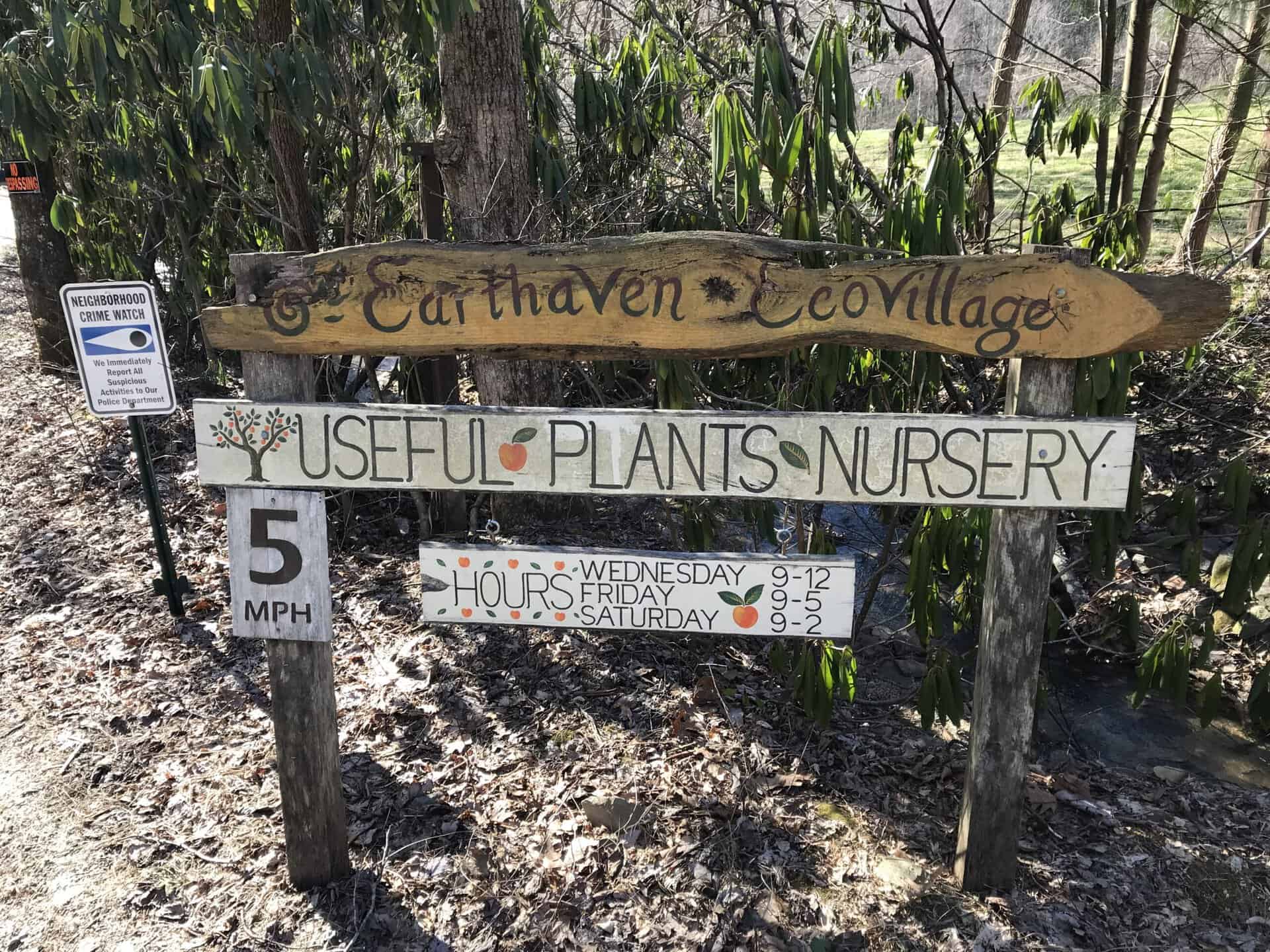
Sign for Earthaven Ecovillage with nursery hours and speed limit.

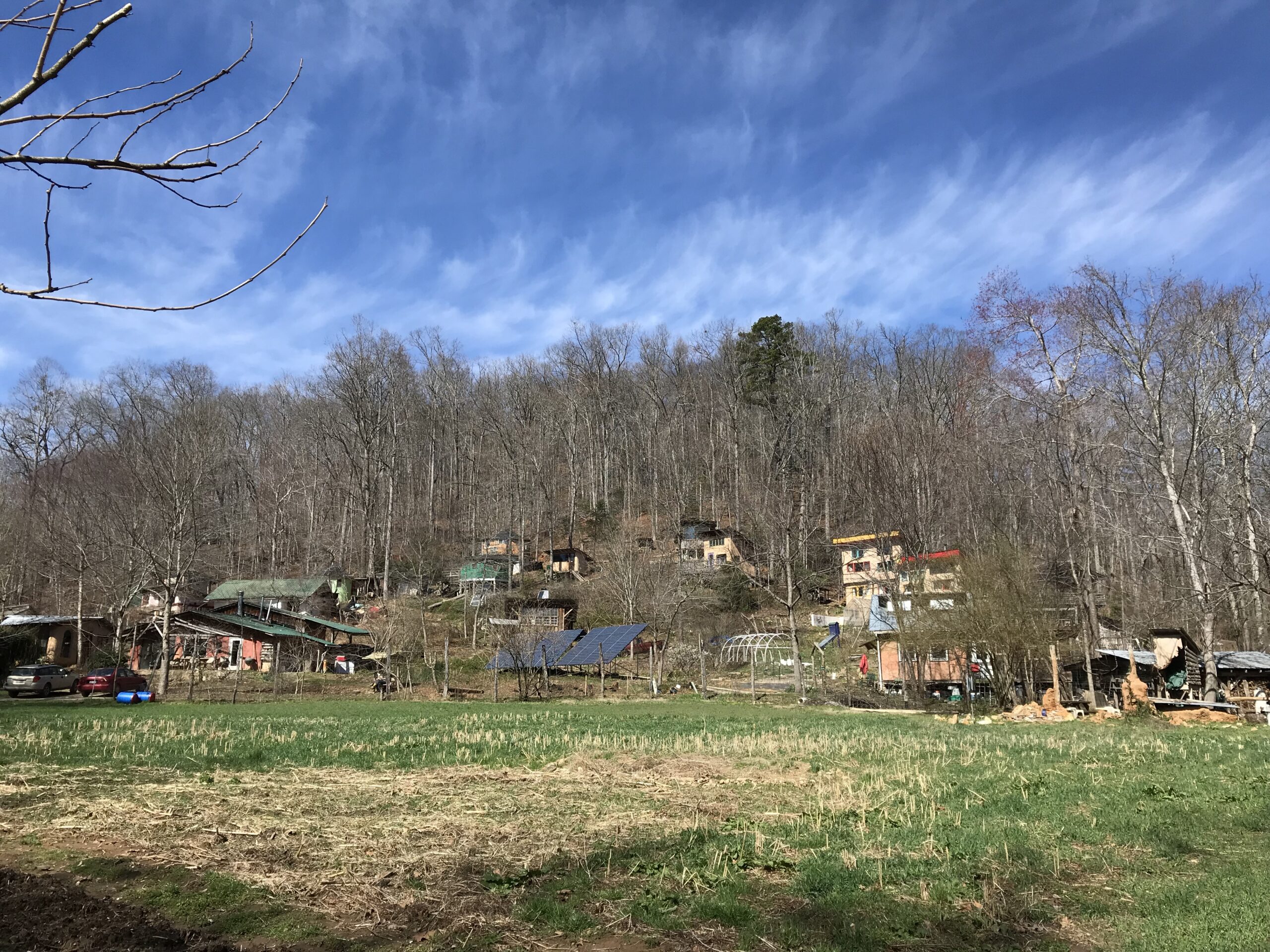
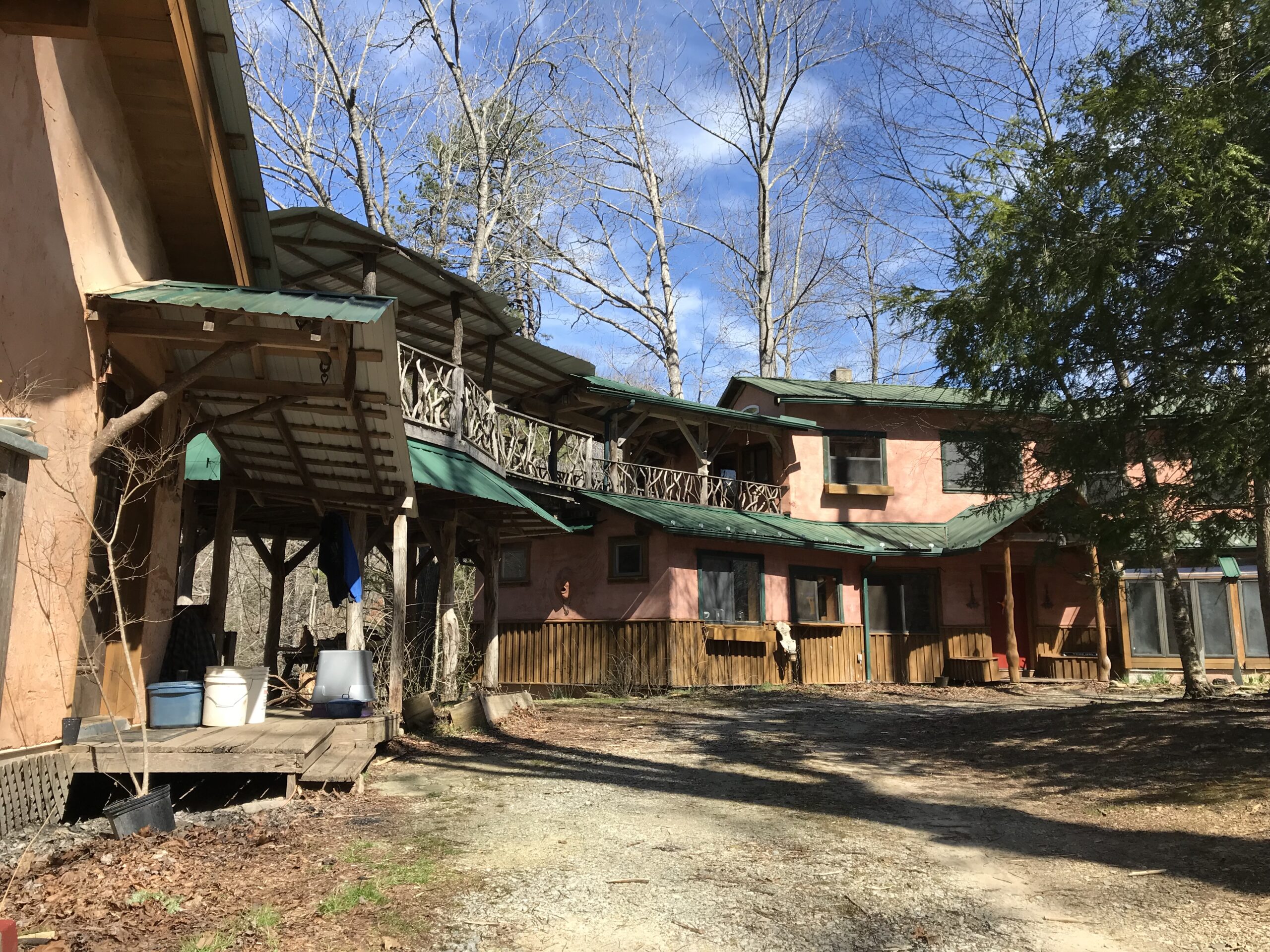
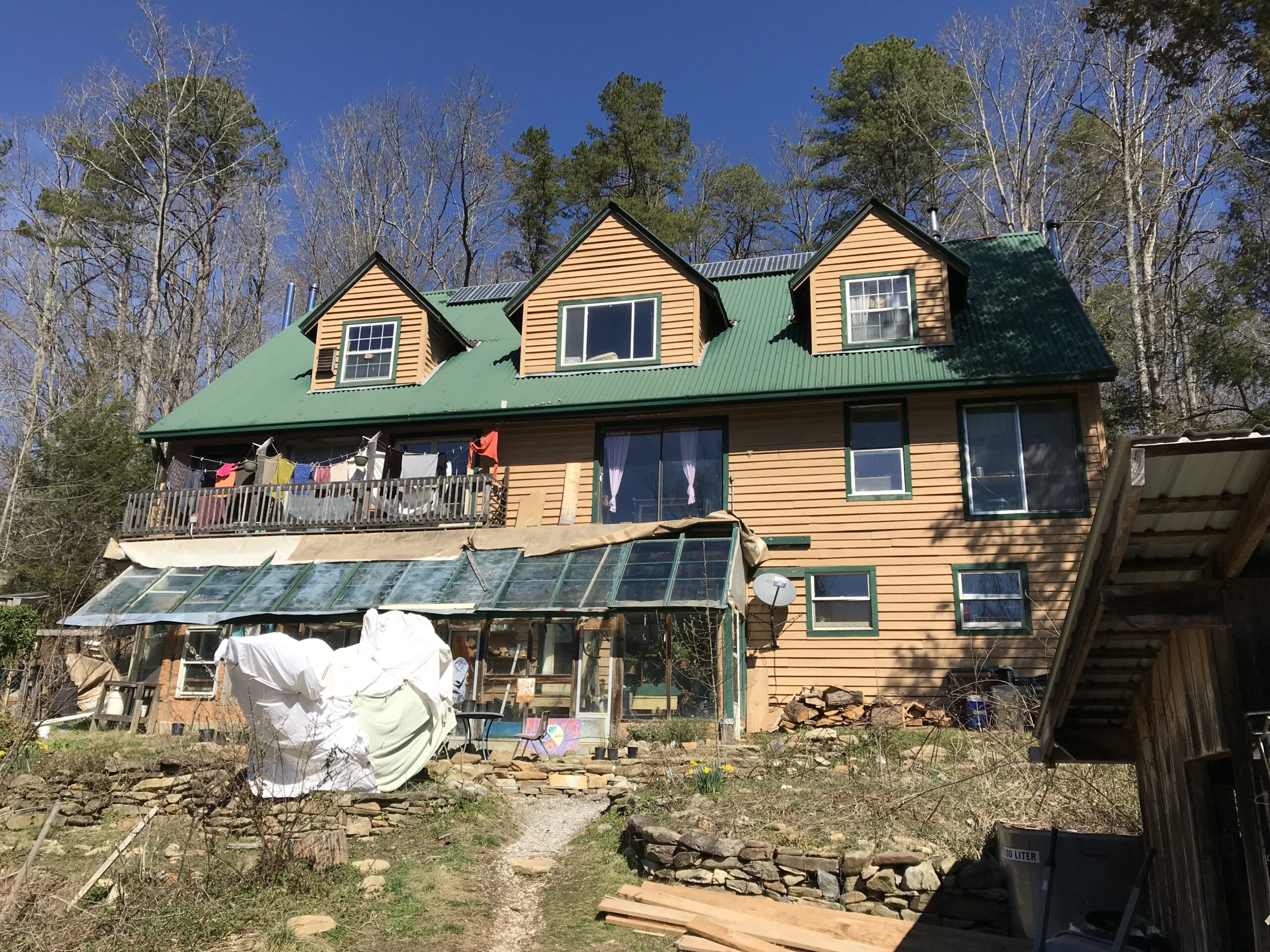
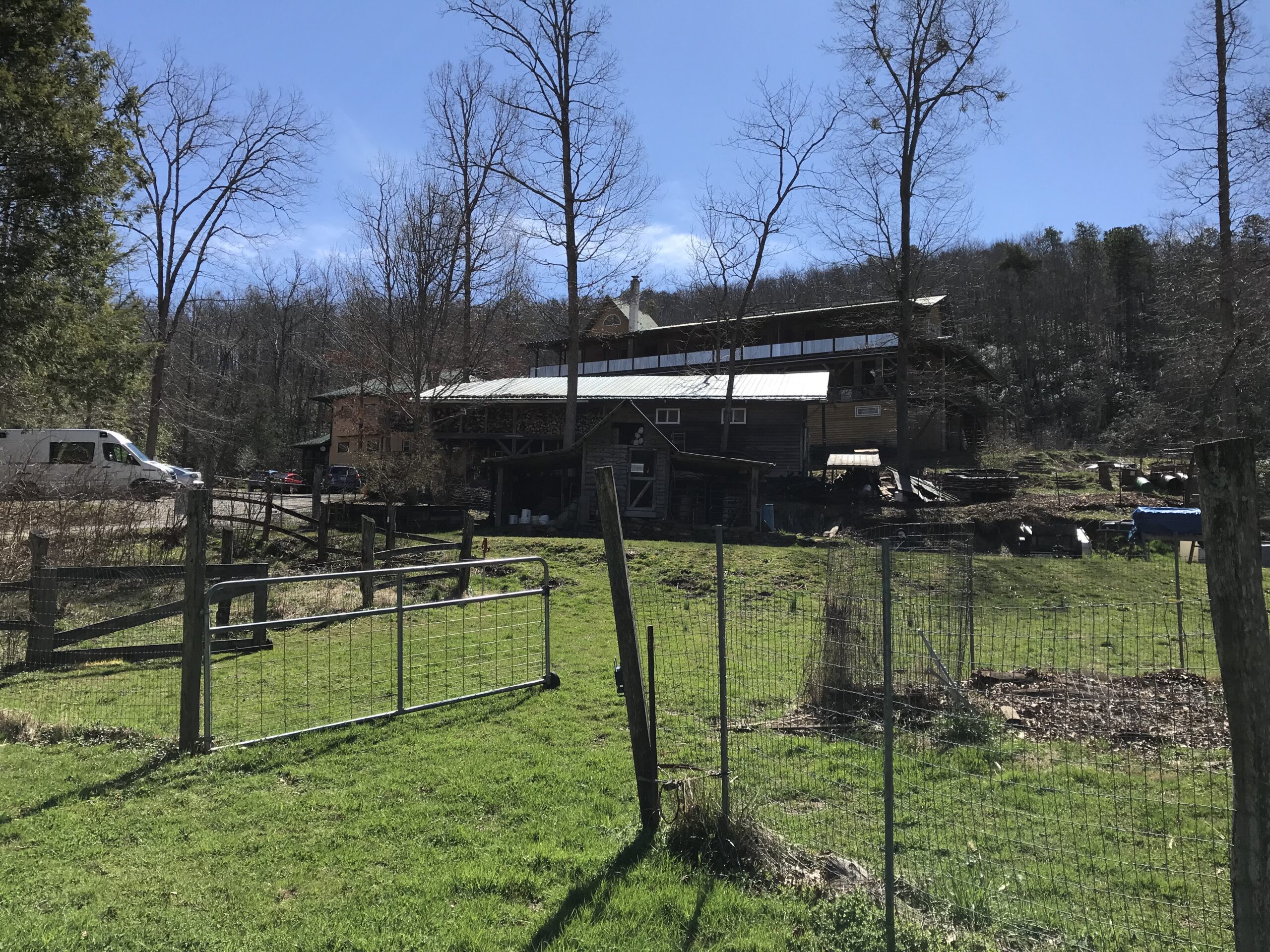
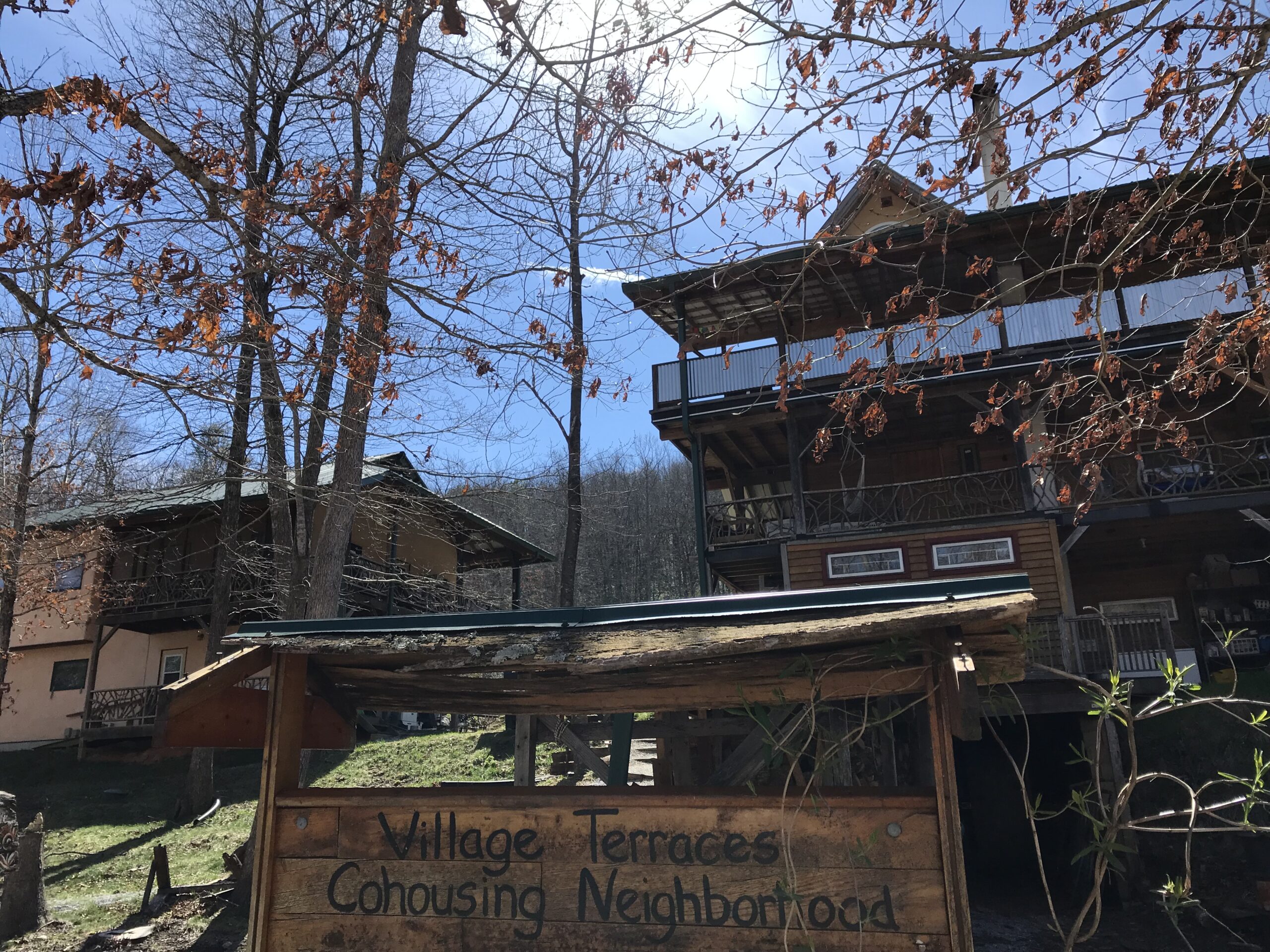
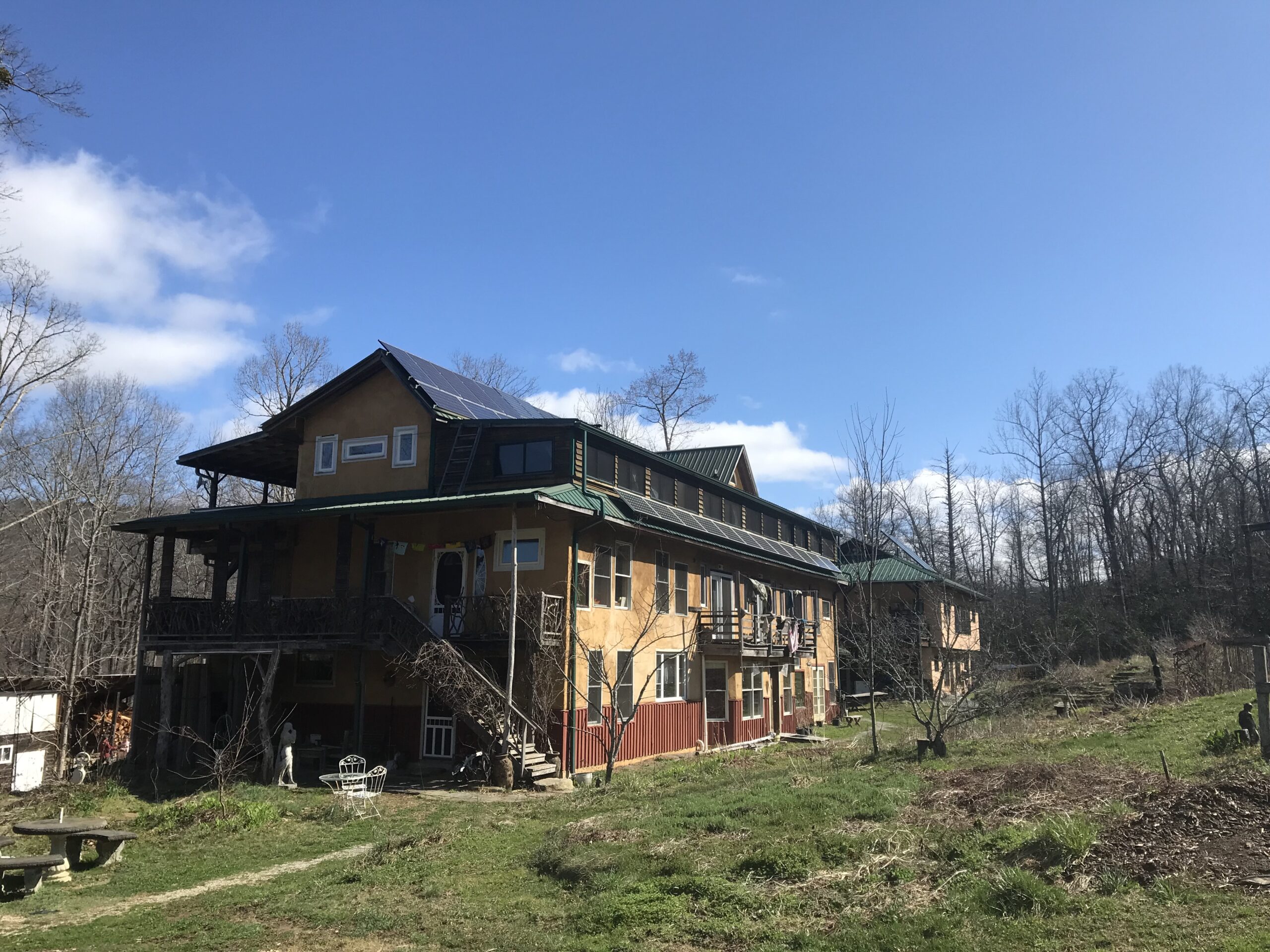
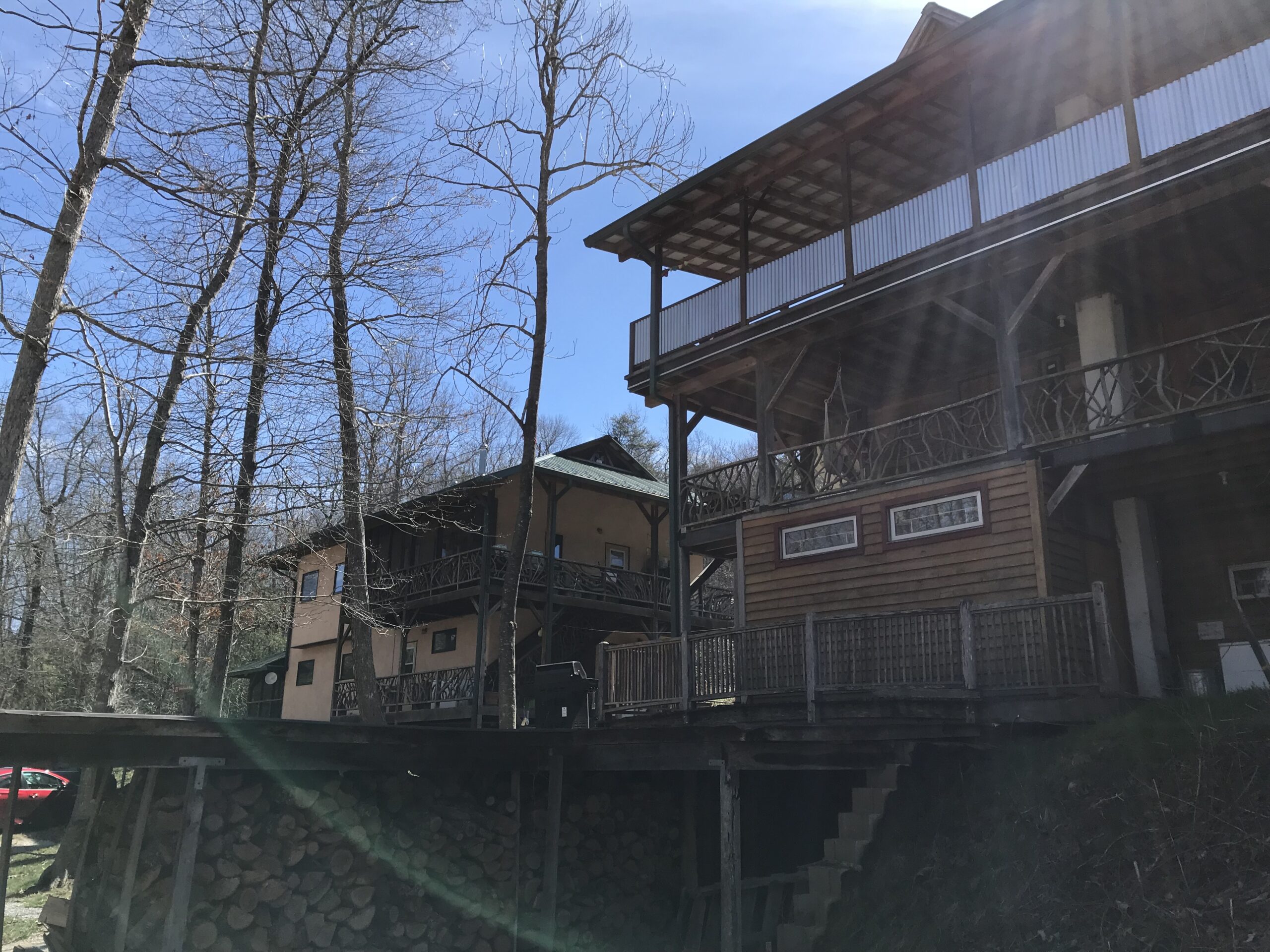
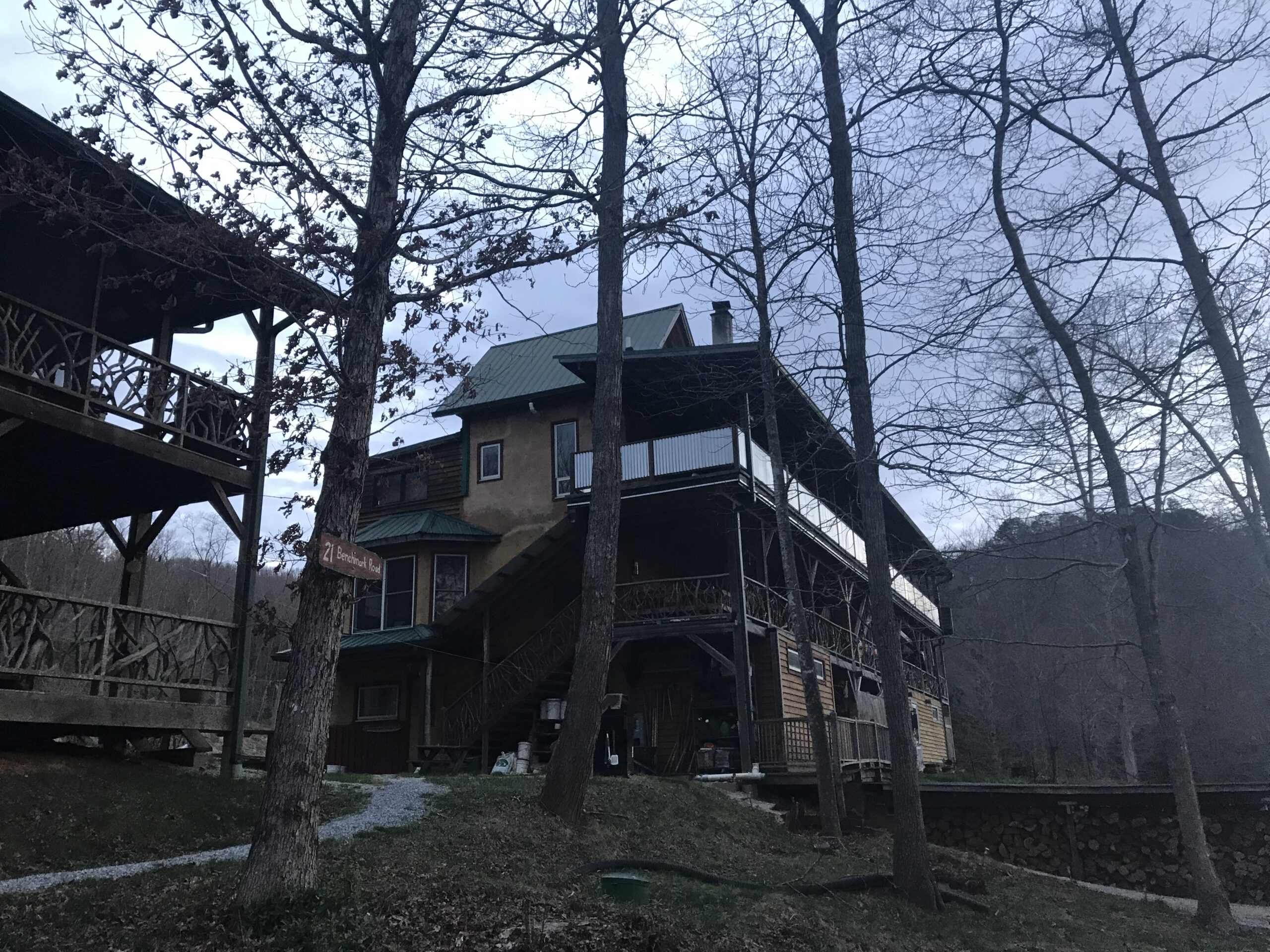
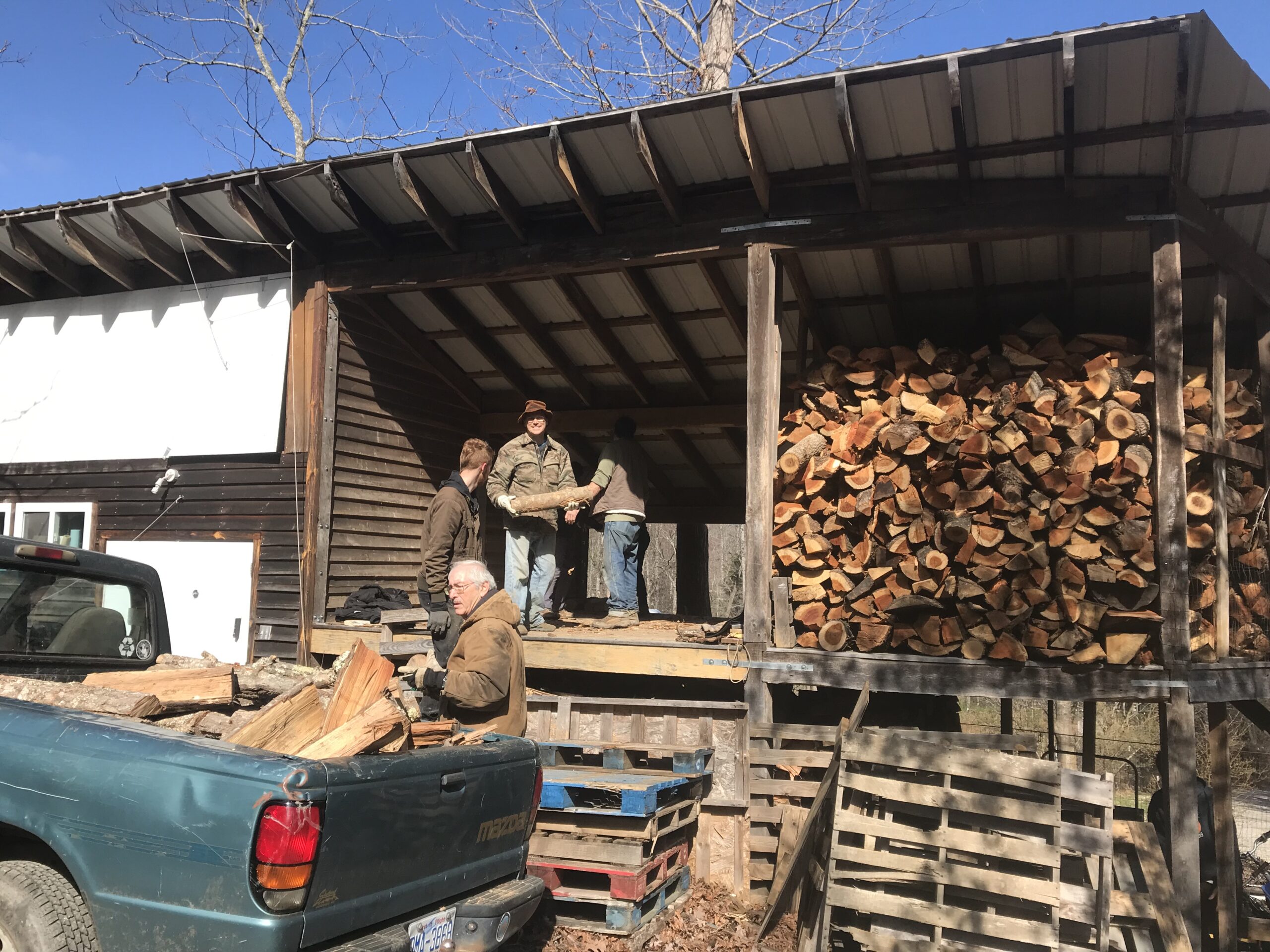
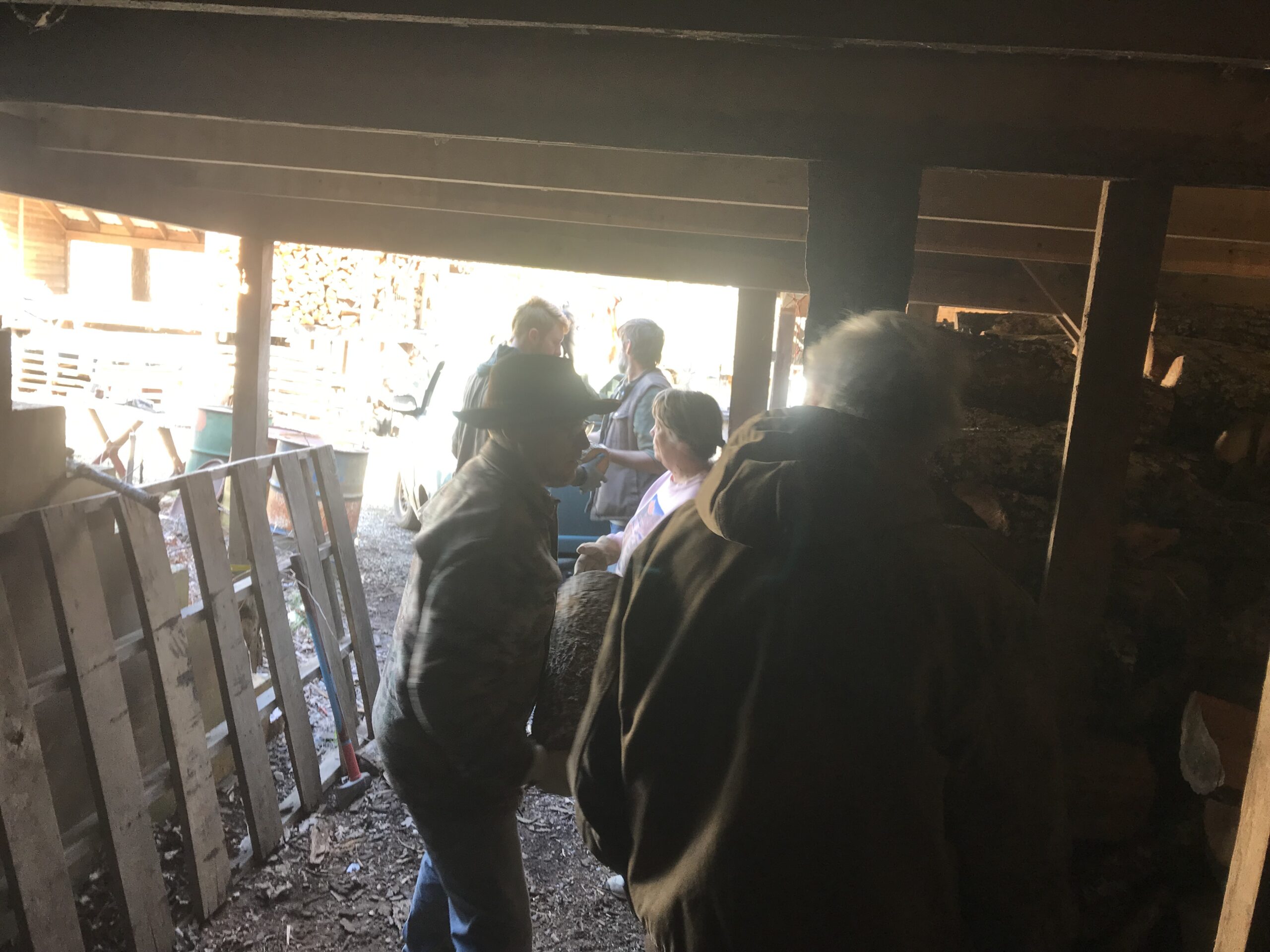
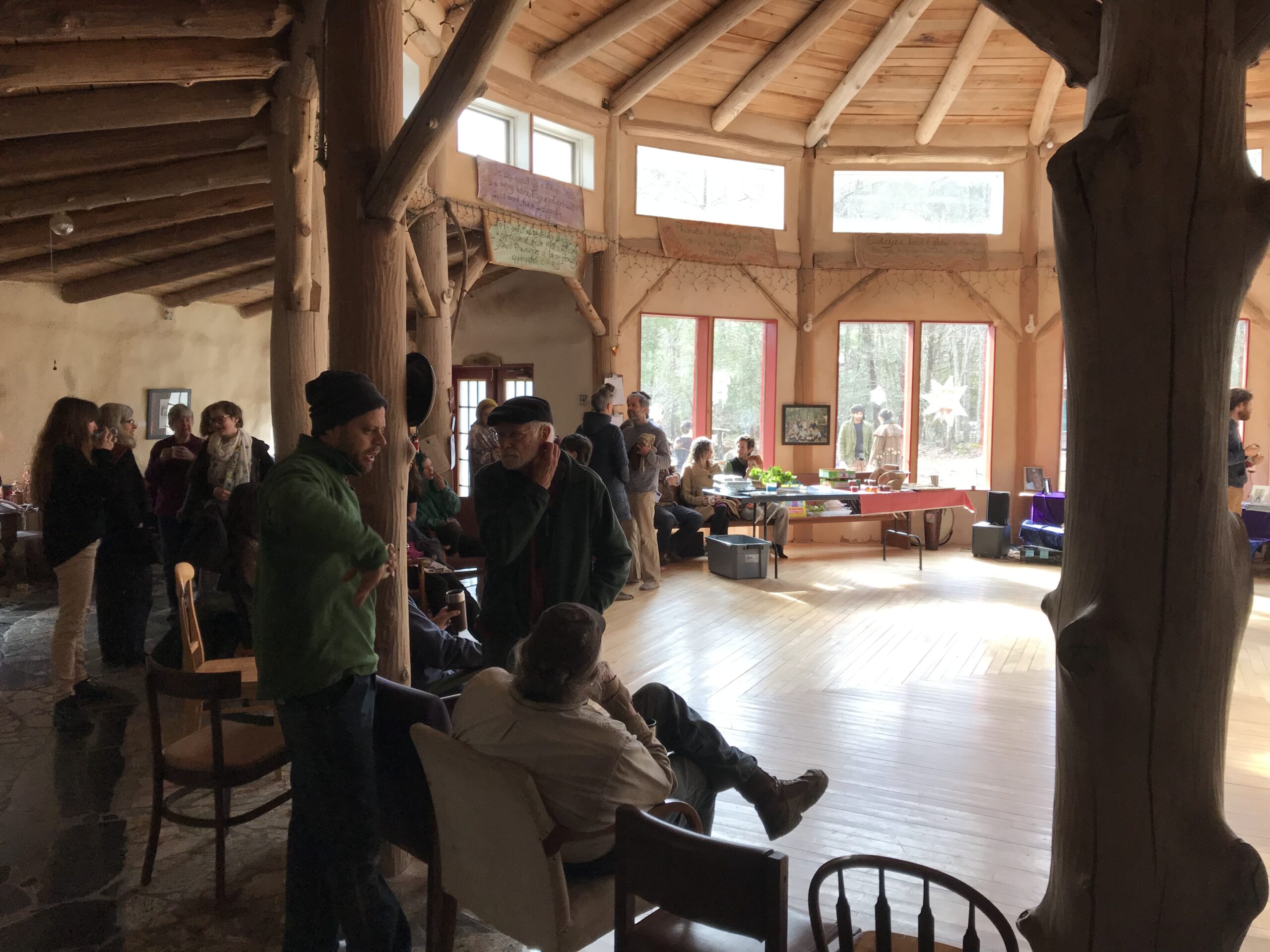
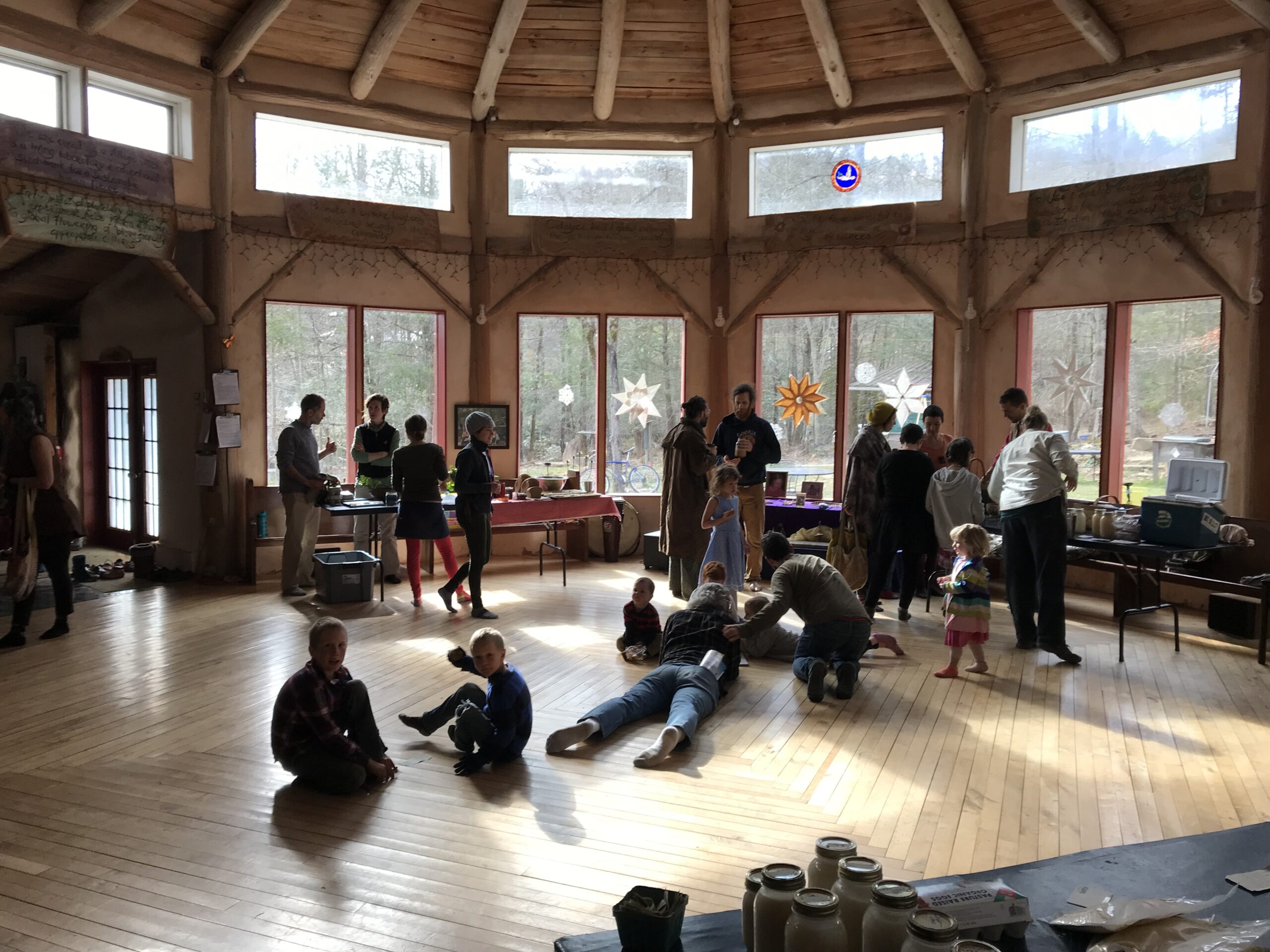
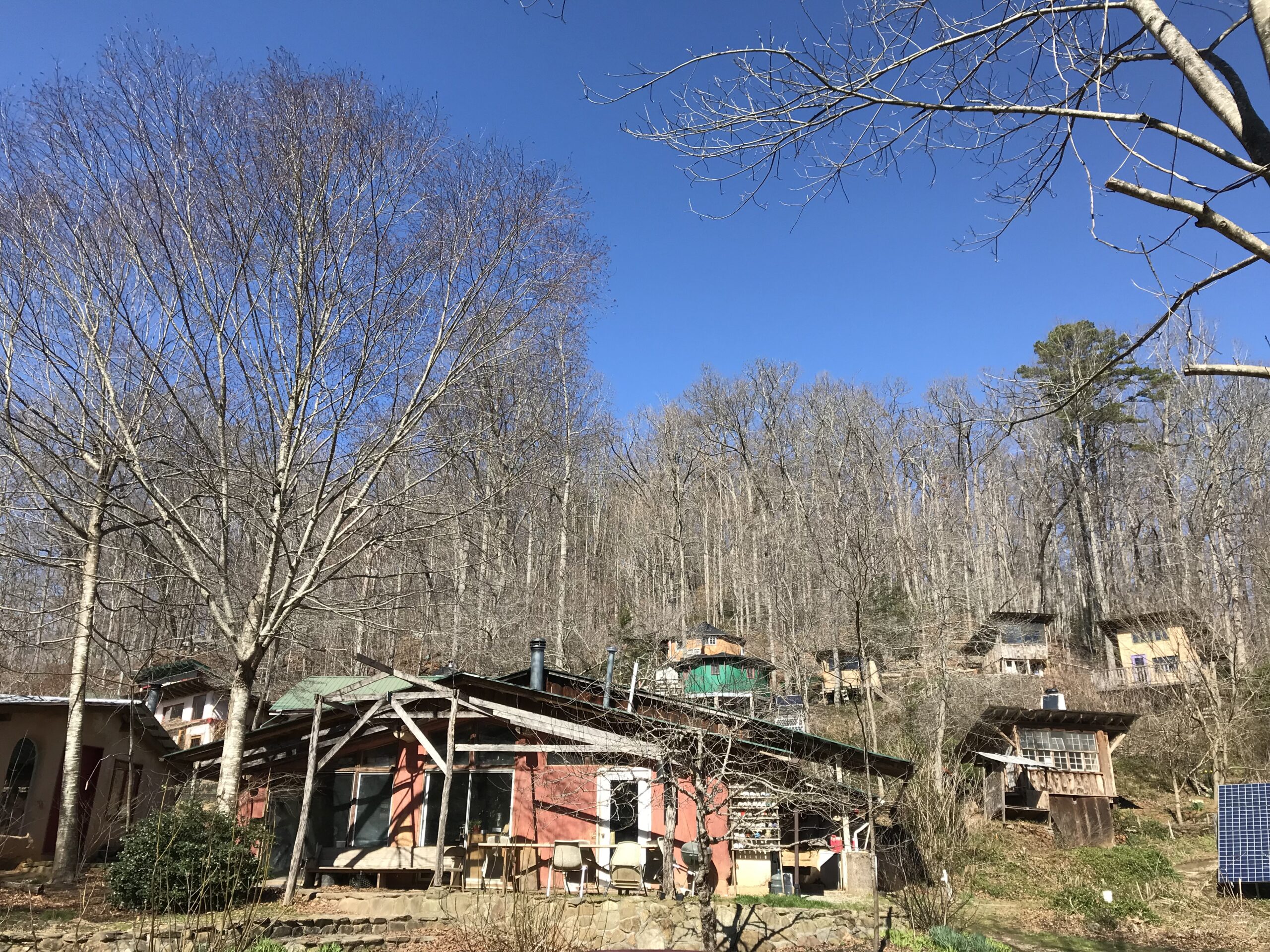
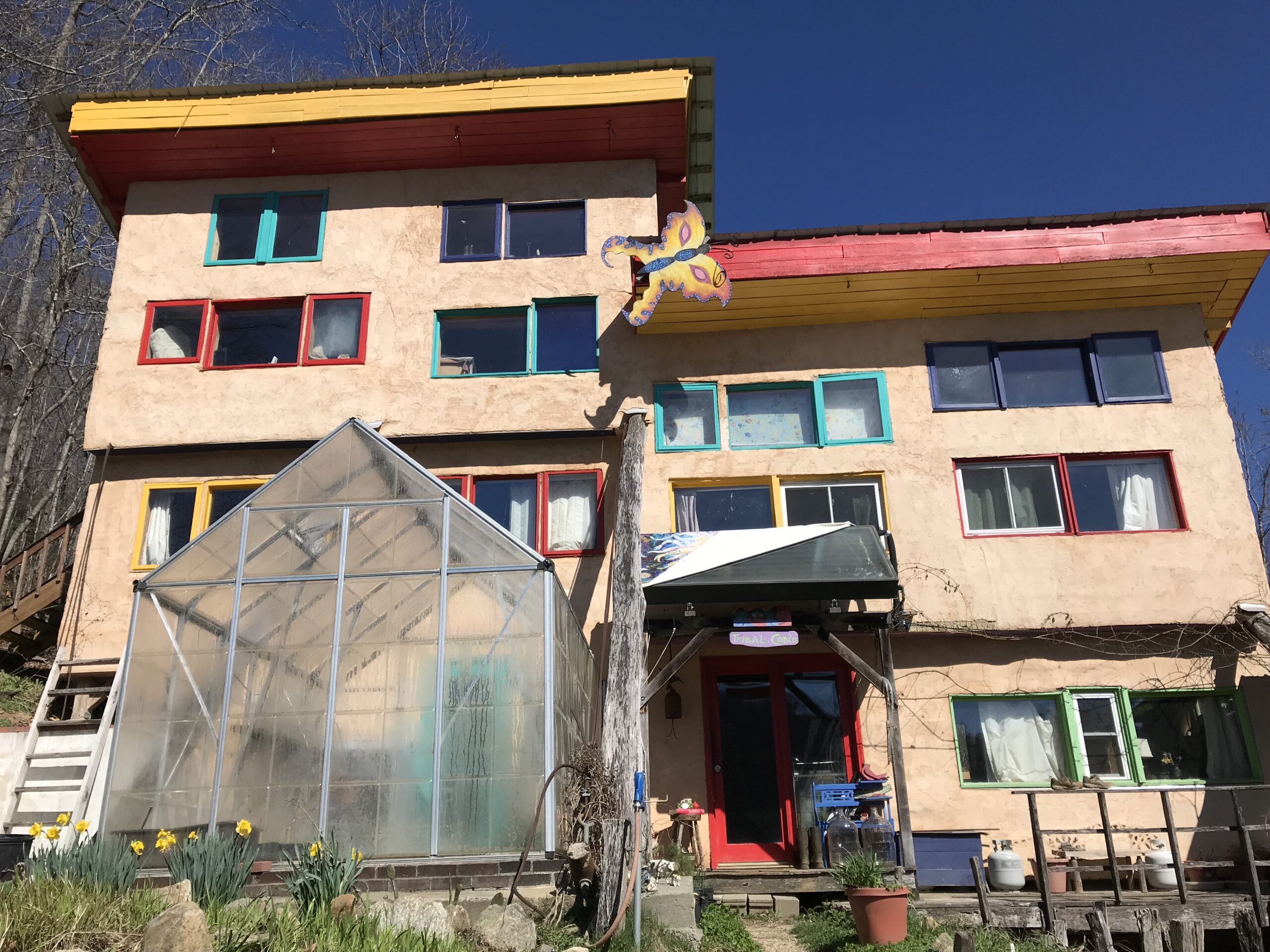
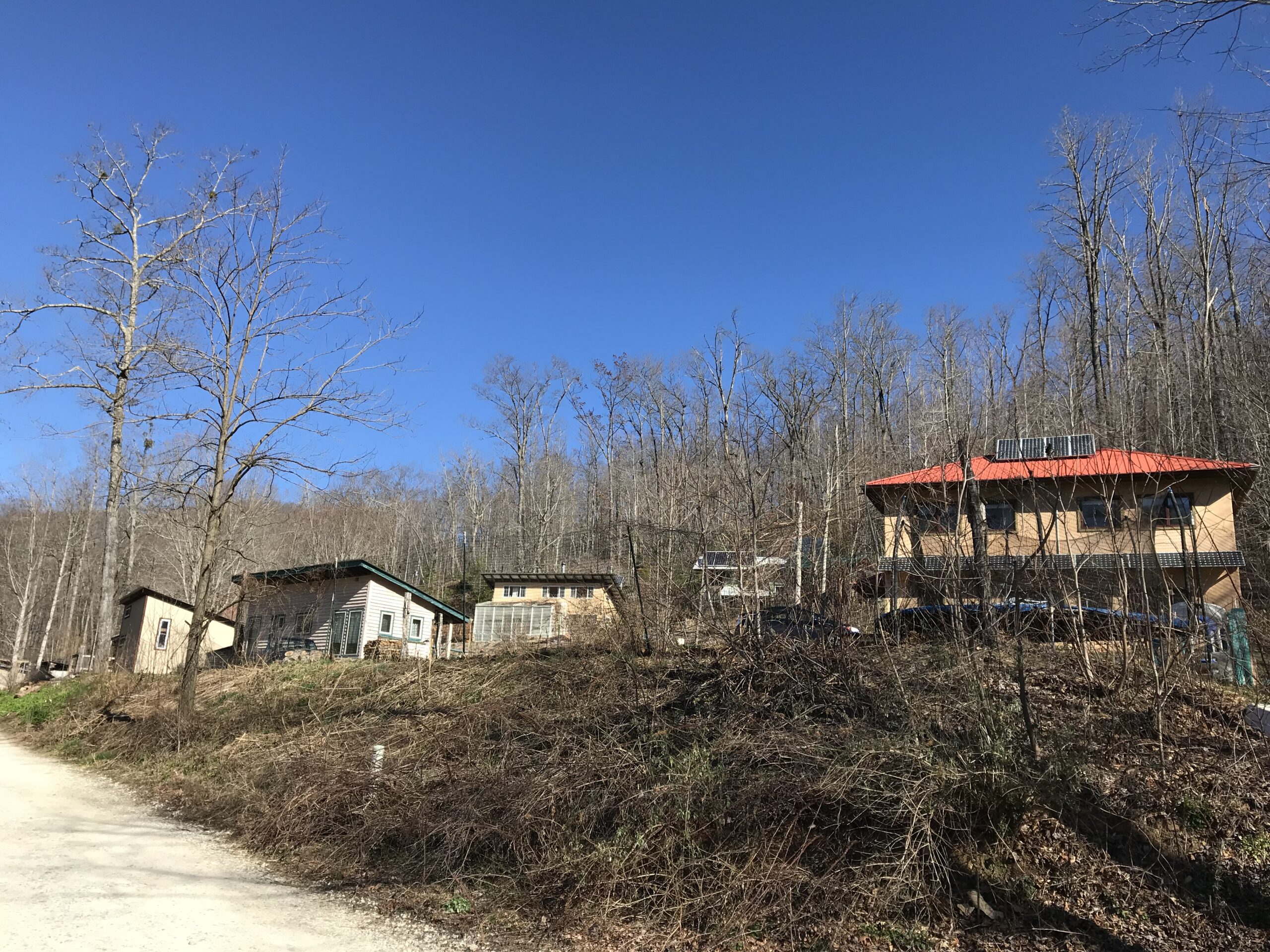
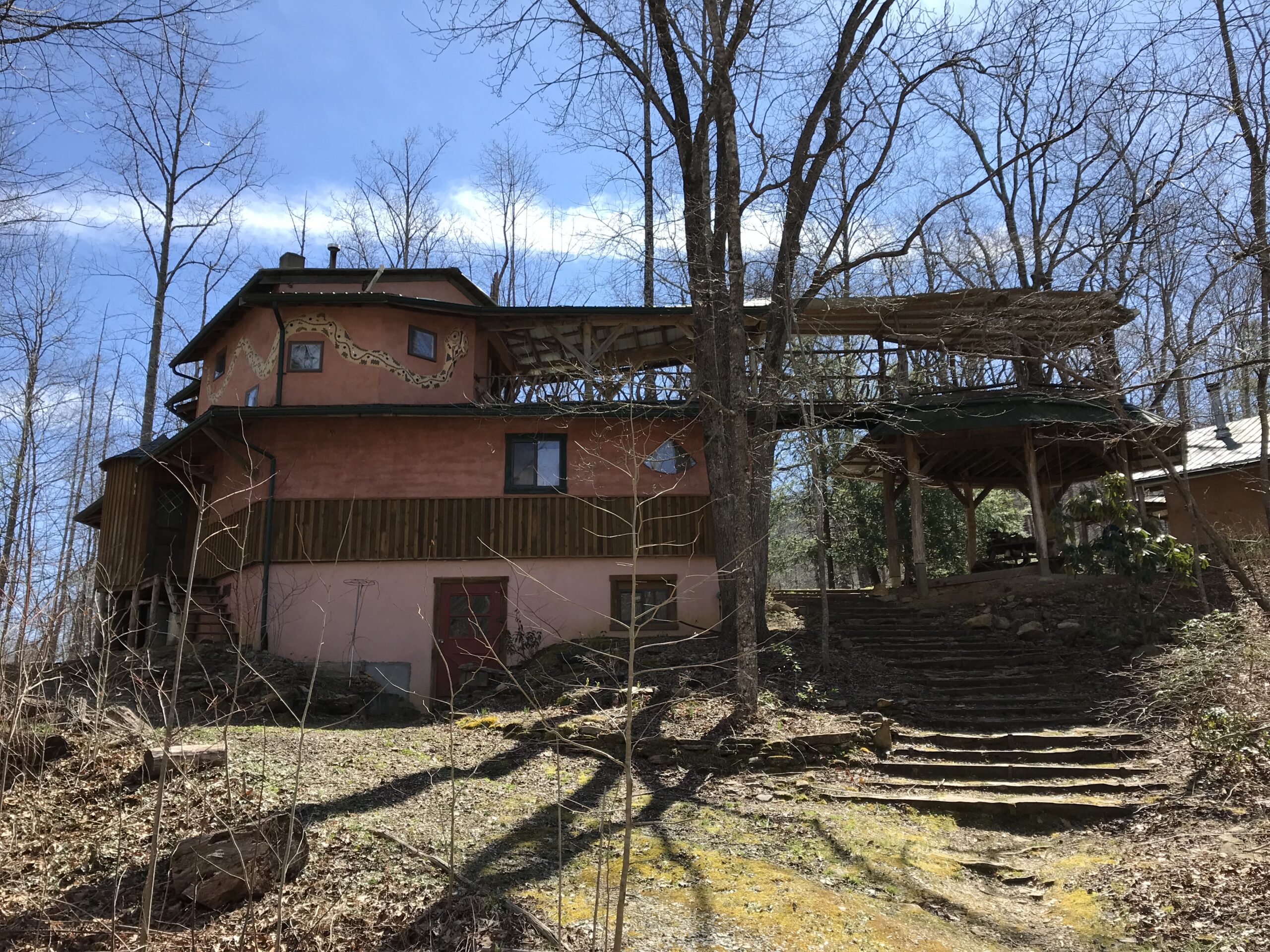
I last visited Earthaven Ecovillage in 2001, when I came down with some other Twin Oakers for an FIC Art of Community conference. I was this fresh faced 20 year old communitarian, and it was my first substantial point of contact with the FIC, visiting a community that at the time was only 7 years old. Now here I am, 18 years later, the Executive Director of the FIC, and Earthaven is now 25 years old and has really become a village.

Eathaven just emerging from a 7 year process of restructuring legally and has come up with a creative solution involving a Homeowners Association, neighborhoods organized as Housing Cooperatives, and a Non-Exempt Non-profit corporation, which you can read about in an article by Diana Leafe Christian in the new issue of Communities magazine on Community Land.

They’ve also changed their decision-making to only require 85% rather than 100% consensus. It sounds like the effort to reach consensus hasn’t really changed, but removing the ability of one person to block seems to have brought a more relaxed, cooperative atmosphere to their process.

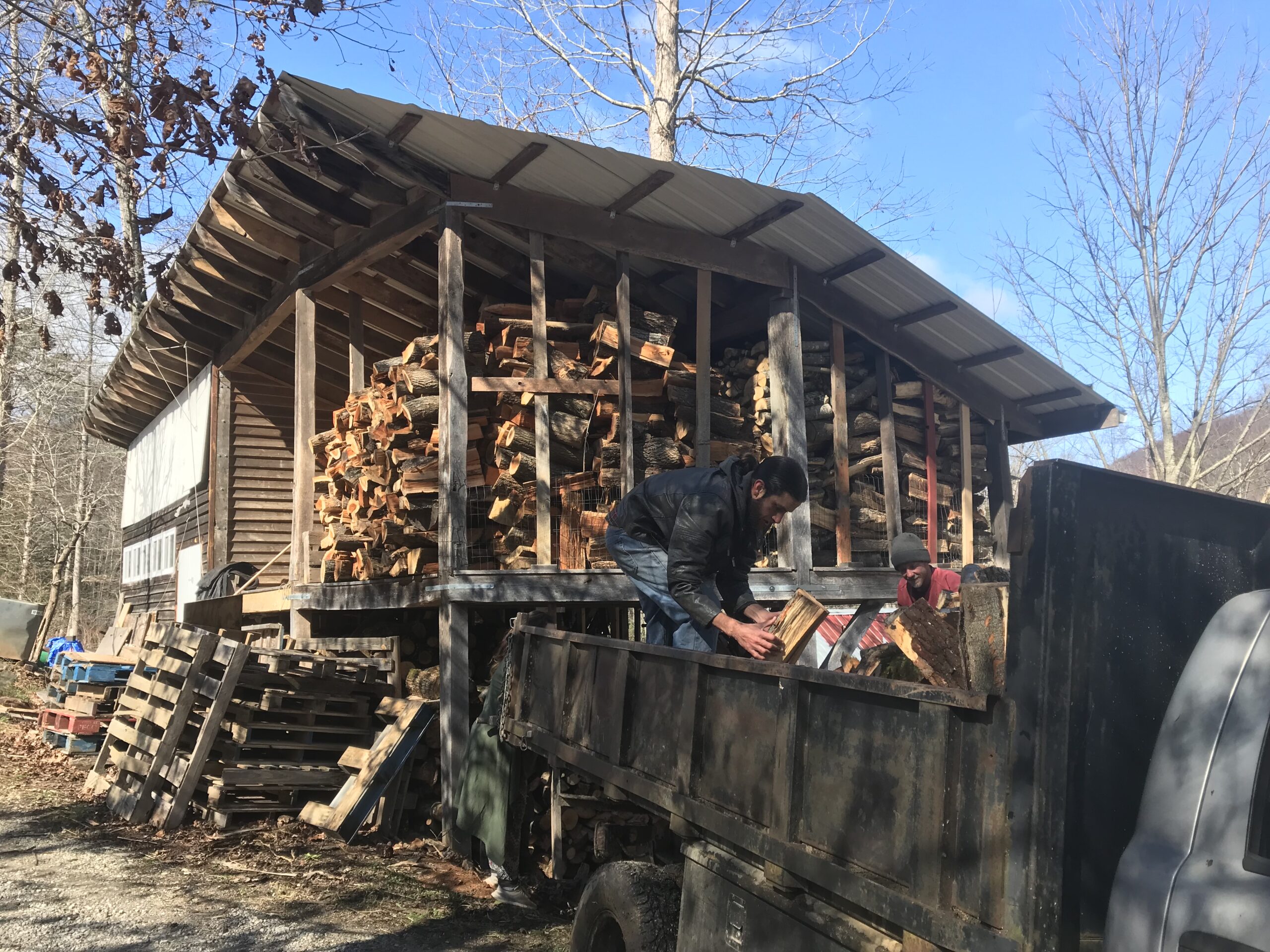
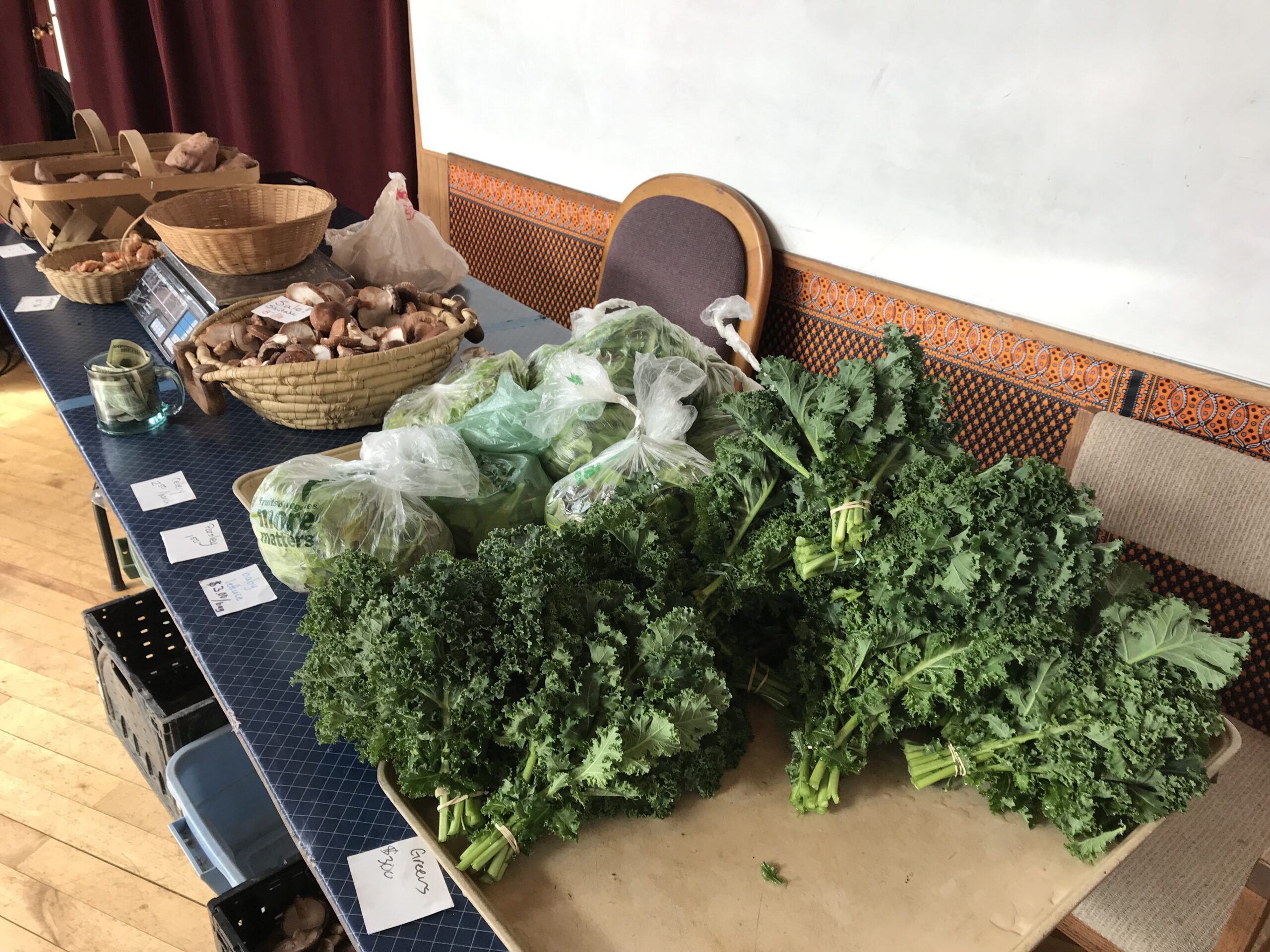
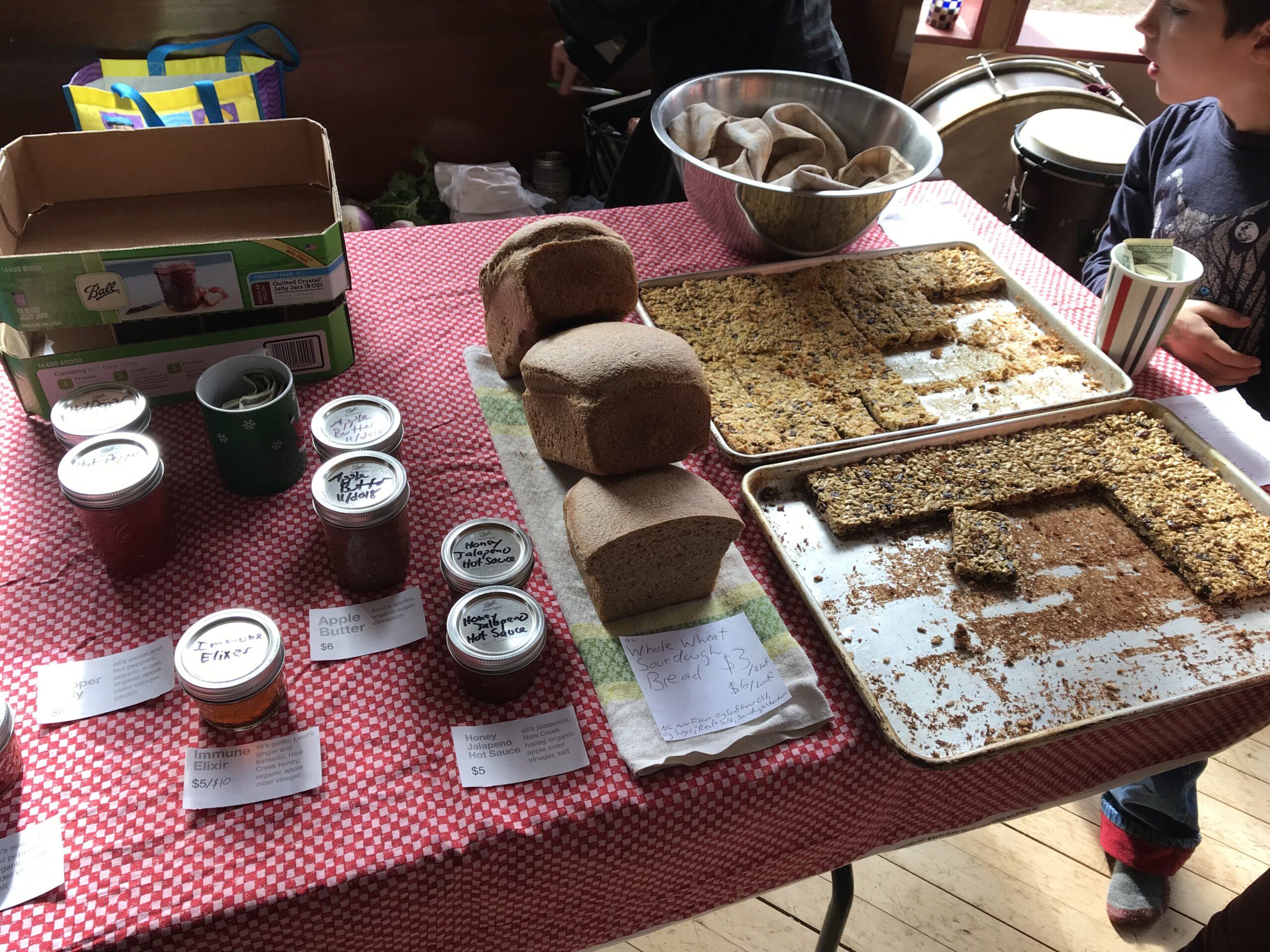
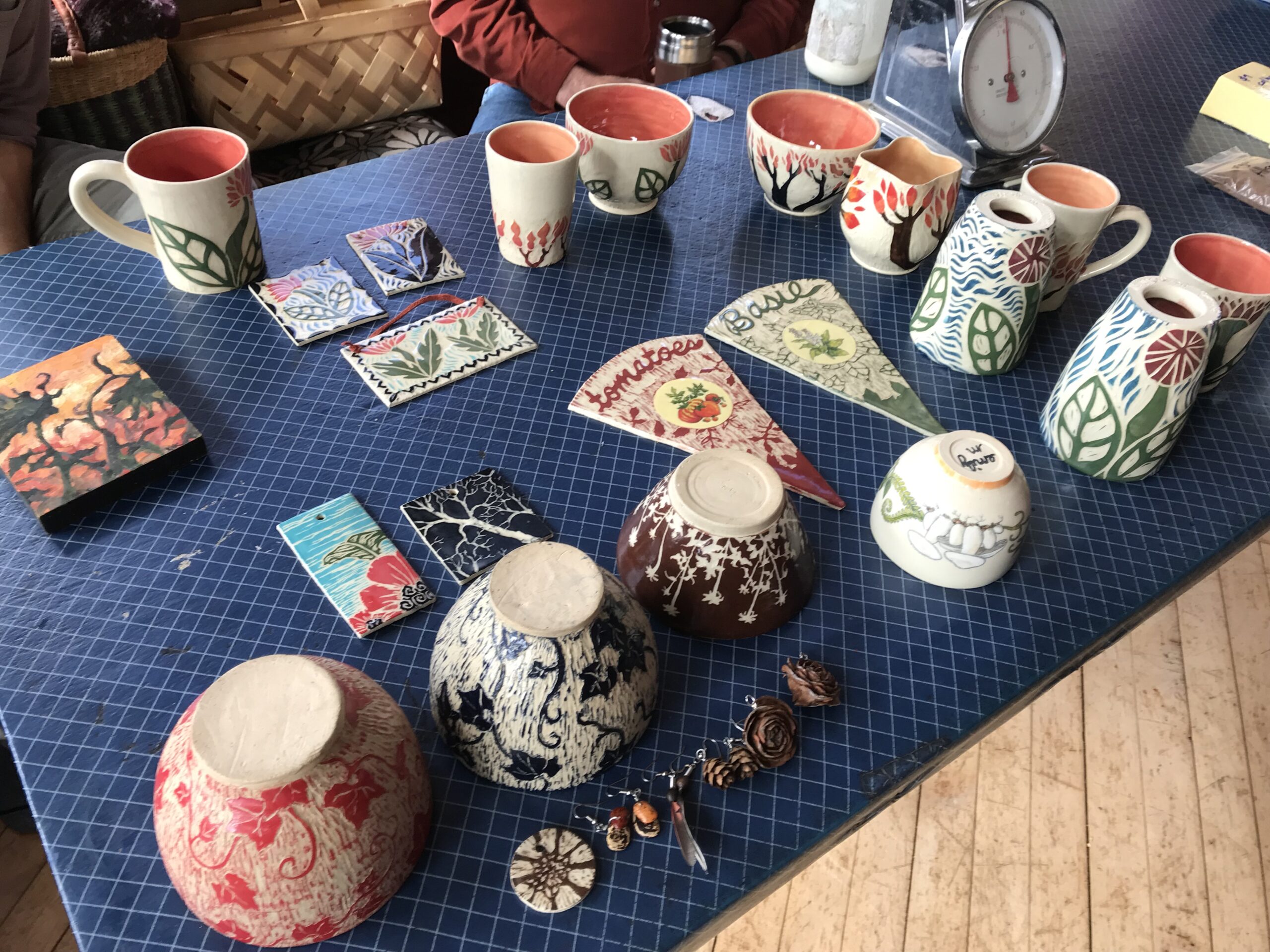
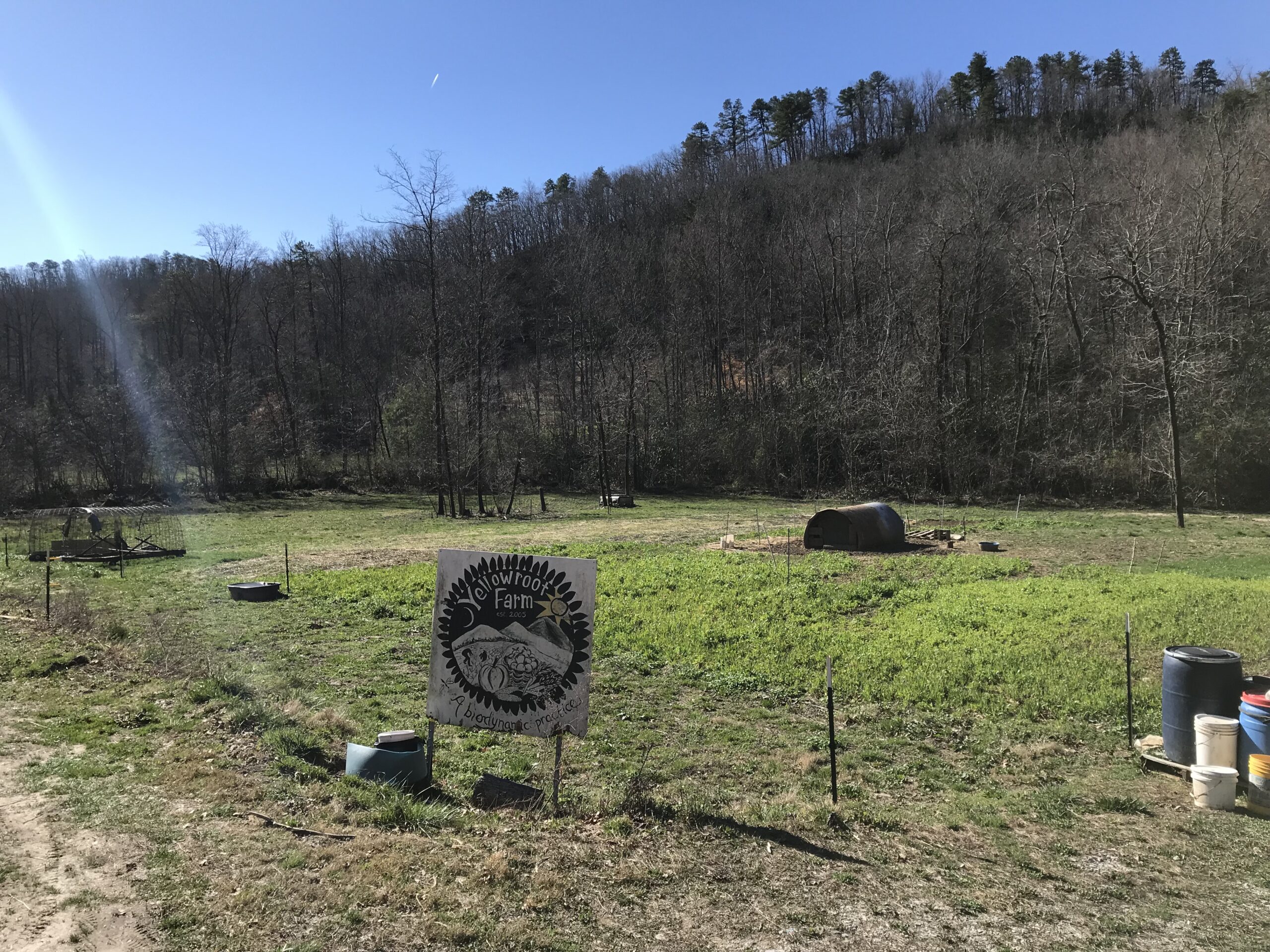
Their economy has really developed in the last 18 years. There are numerous agricultural efforts, a couple businesses, and the community uses a combination of US dollars, internal currency called LEAPs, and barter.

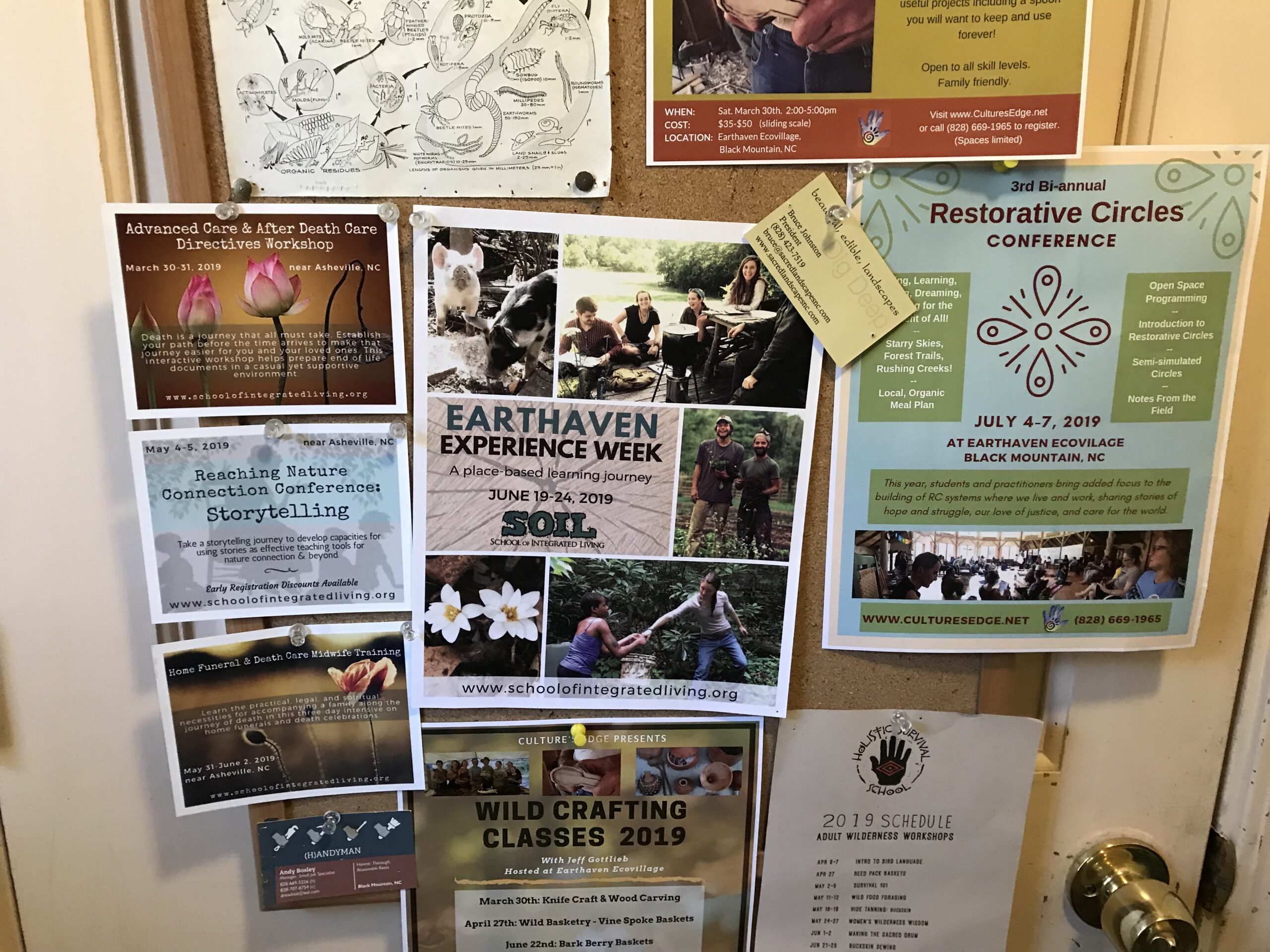
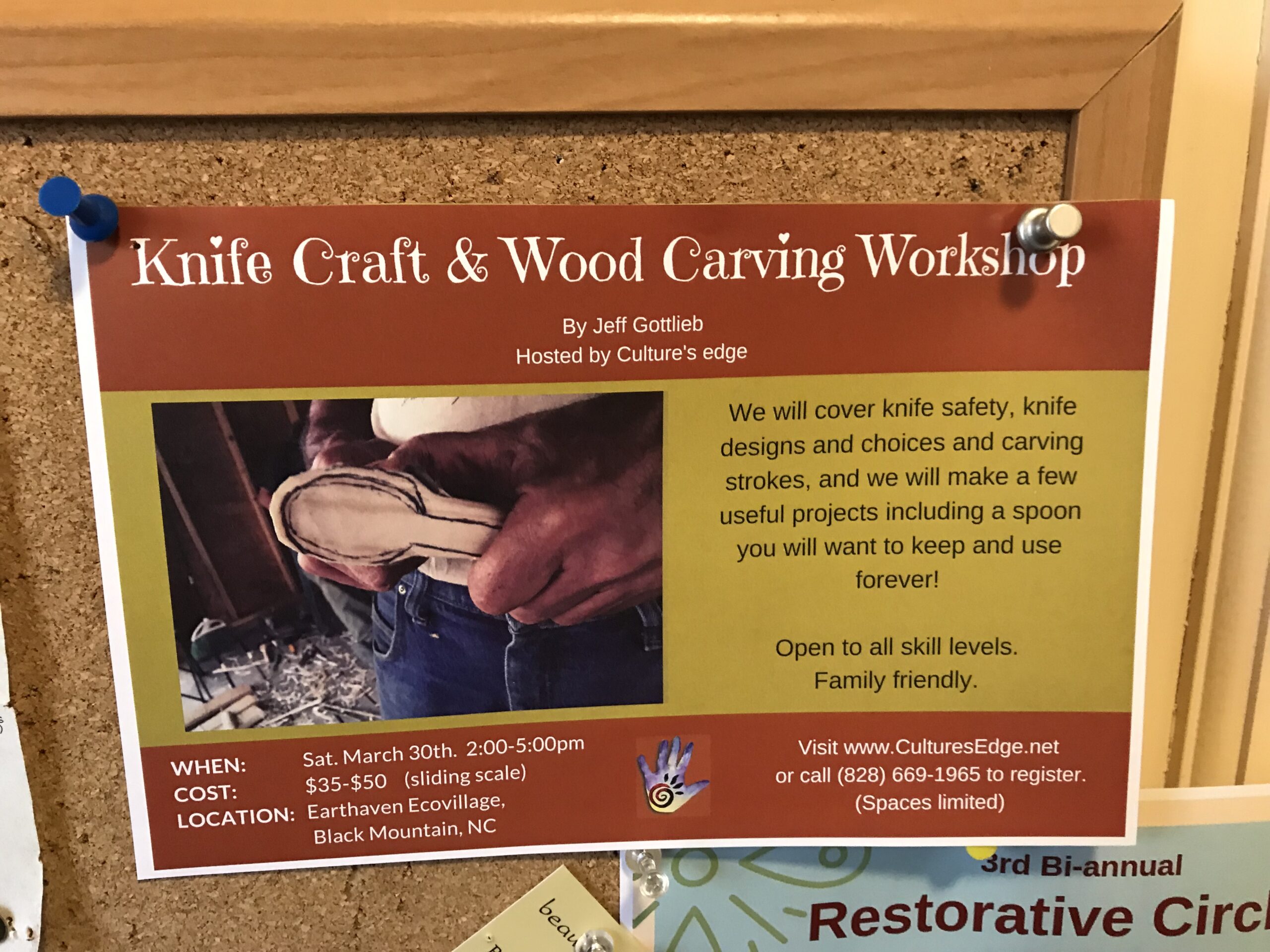
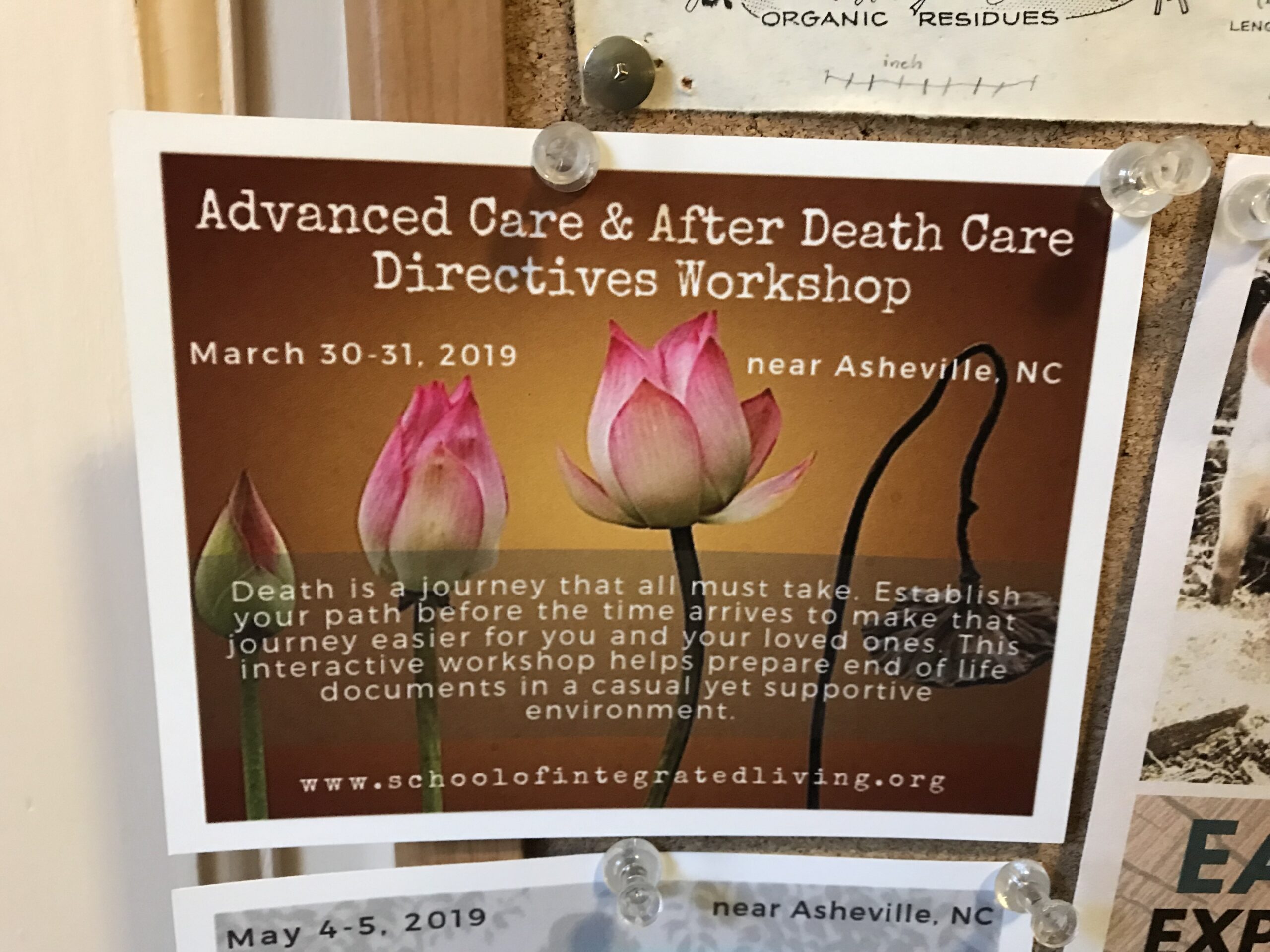
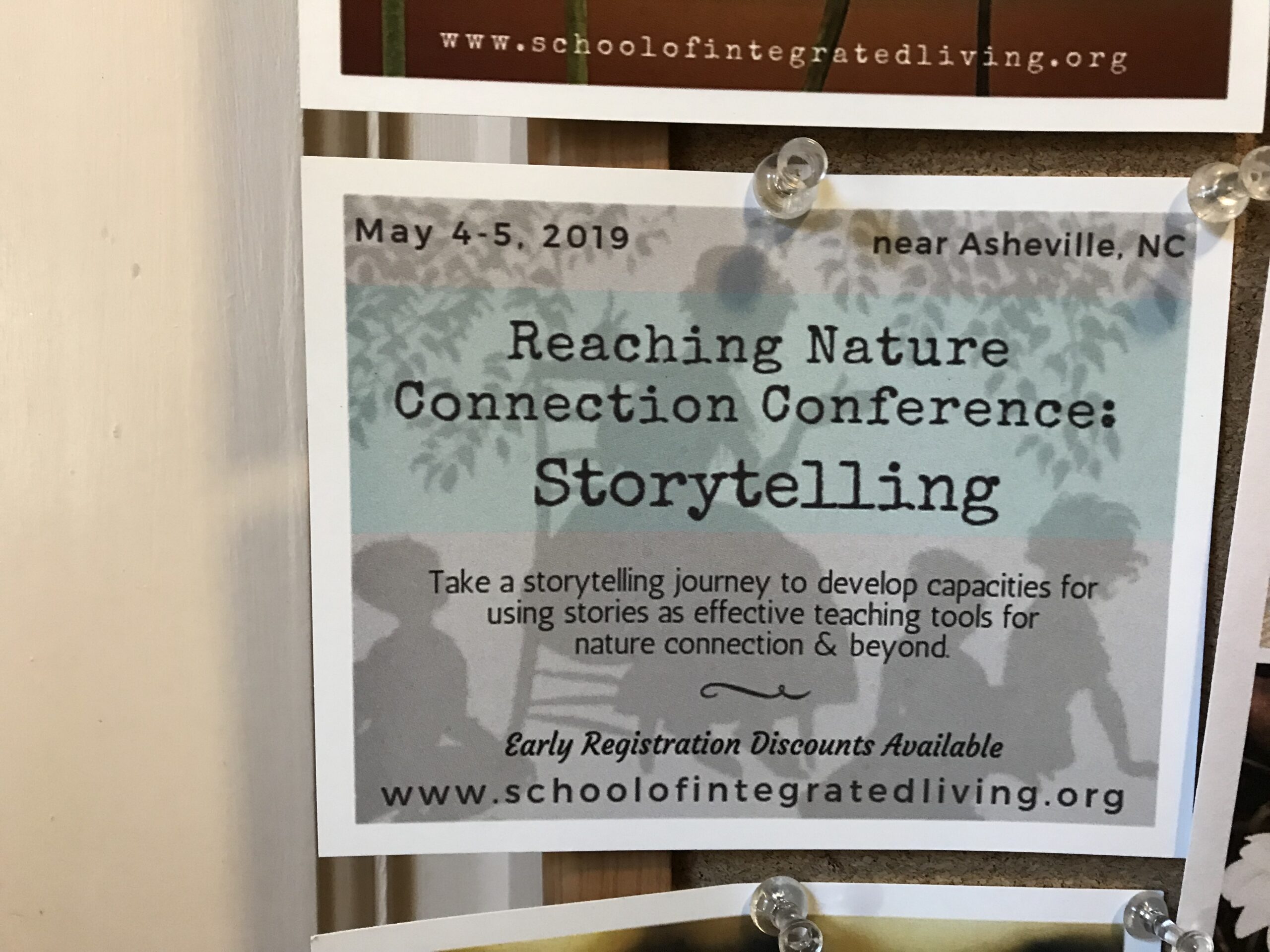
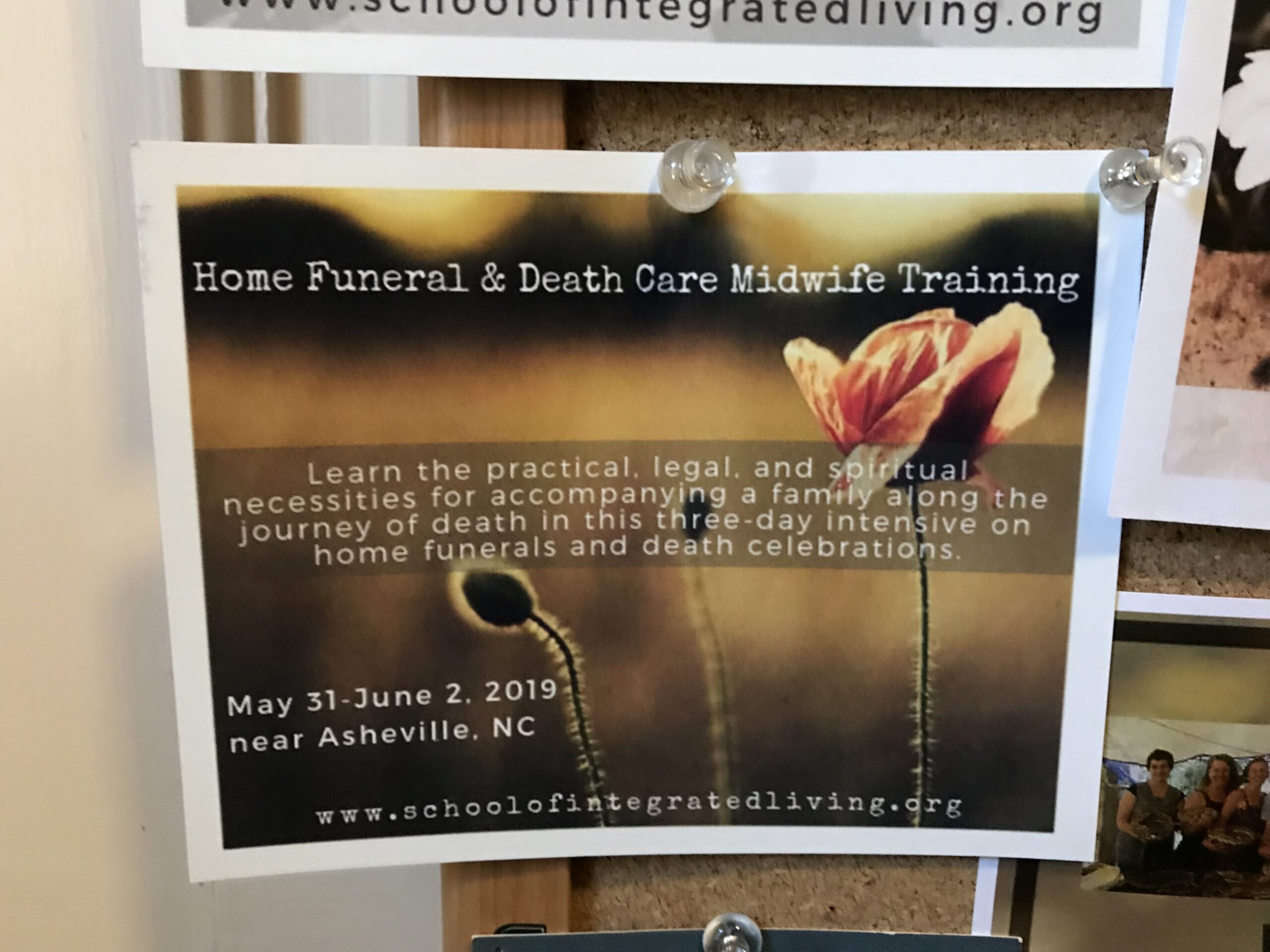
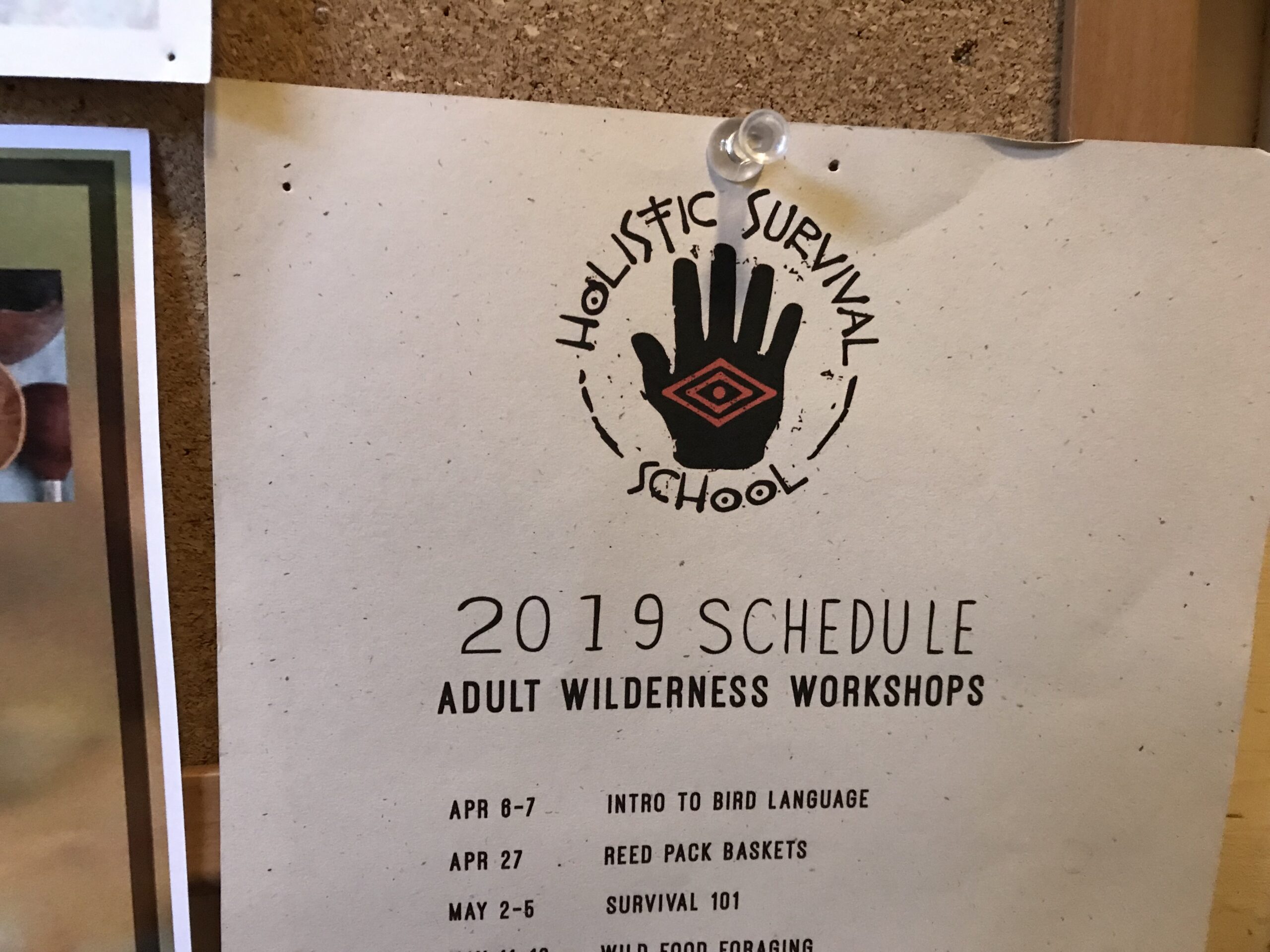
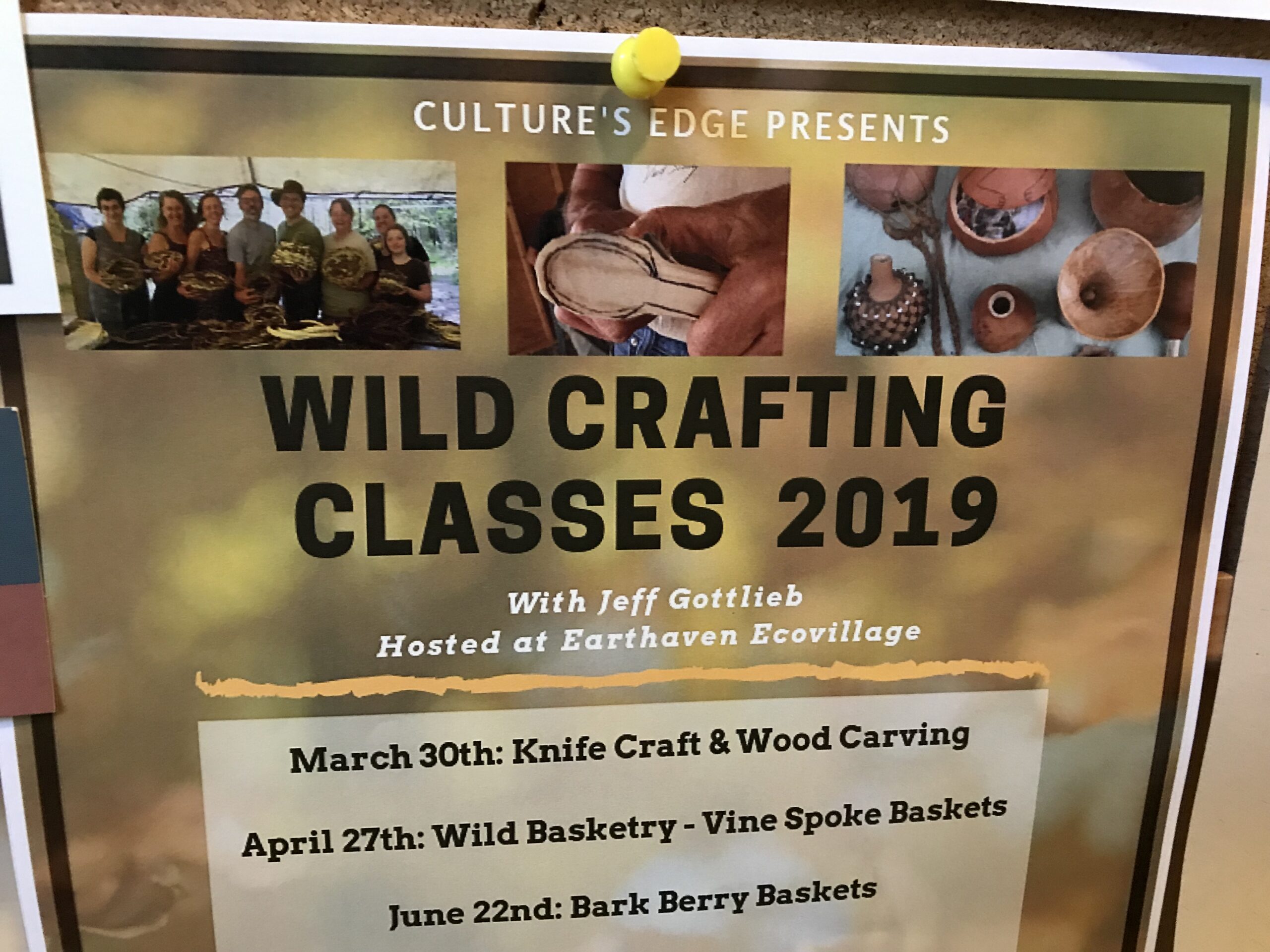
It’s also great to see the outreach and education efforts, as well as the movement building efforts by some of the members of Earthaven. There’s the School Of Integrated Living (SOIL) and Culture’s Edge. Diana Leaf Christian is well known for, among other things, her books on starting and finding intentional community and sociocracy trainings. Lee Warren works for the Organic Growers School, who’s Spring Conference this year includes extraordinary community agriculturalists Pam Dawling from Twin Oaks and Ira Wallace from Acorn. And Zev Friendman works with Co-Operate WNC, which is working to apply mutual aid and permaculture principles on a bioregional scale through a network of centers.

Speaking with Arjuna, one of the founders, she spoke to feeling like the community is still fulfilling its original intention, even if it looks different than they thought it would, which, of course. Earthaven seems to have managed to stay in touch with and maintain a continuity of its sense of purpose that’s engendering a strong level of caring and participation. And with some the new legal structure now in place they’re more able to start bringing on new members and developing new neighborhoods.

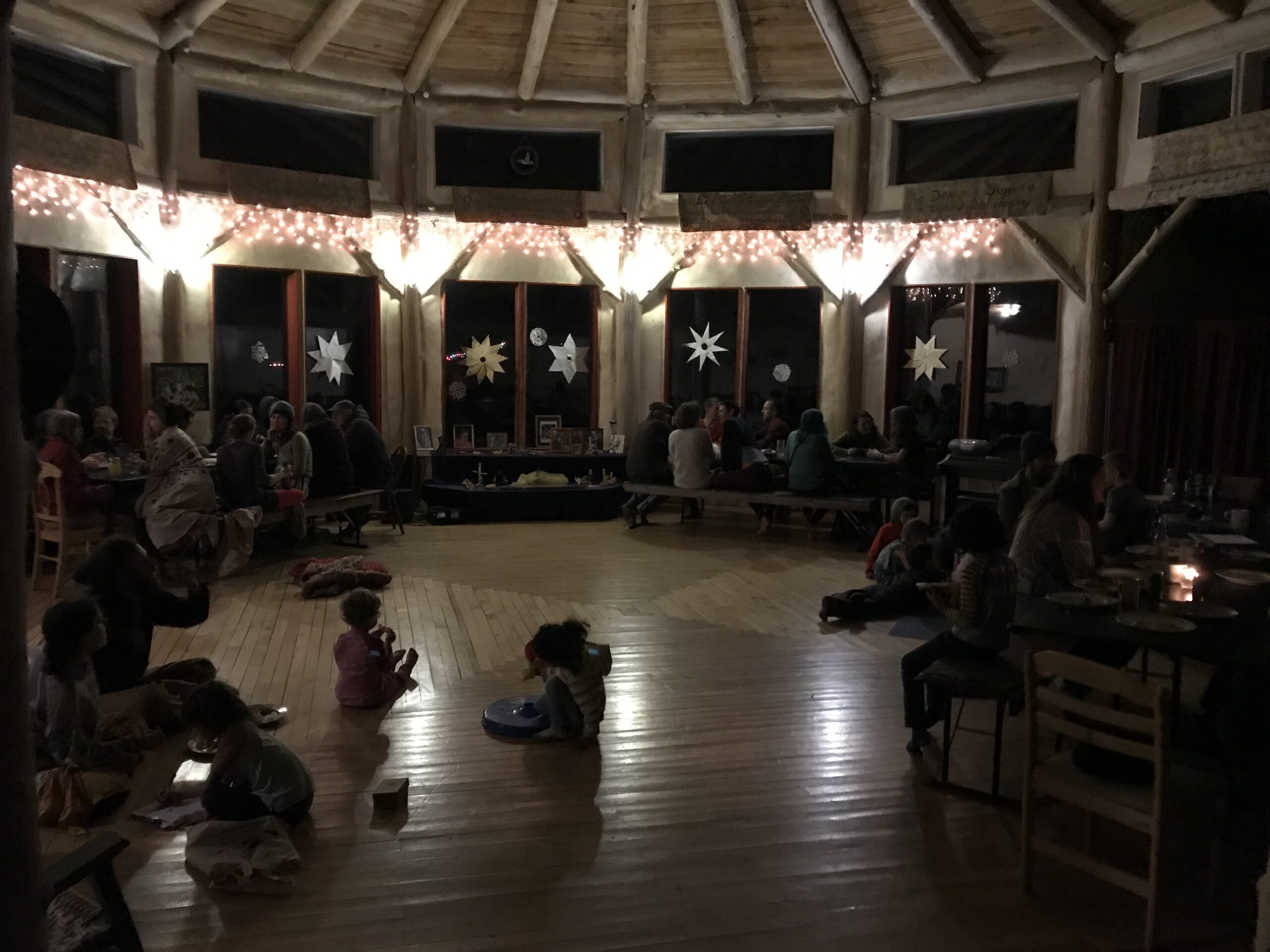
One of the things I’m most struck by seeing this community again after 18 years is now much more relaxed they seem to be around their idealism. They don’t seem to hold their ideals any less strongly, but there’s a flexibility that they’ve matured into that has allowed them to adjust things to suit the circumstances. And as they settle down after some big changes they seem ready for a whole new chapter.

Earthaven Ecovillage – Vision, Mission, Goals

Vision: In the midst of planetary change the Earthaven experiment helps inform and inspire a global flowering of bioregionally appropriate cultures.

Mission: To create a village which is a living laboratory and educational seed bank for a sustainable human future.

Goals:

  • To promote and ensure the long-term structural integrity of the community.
  • To catalyze local and global change through learning, teaching, and networking.
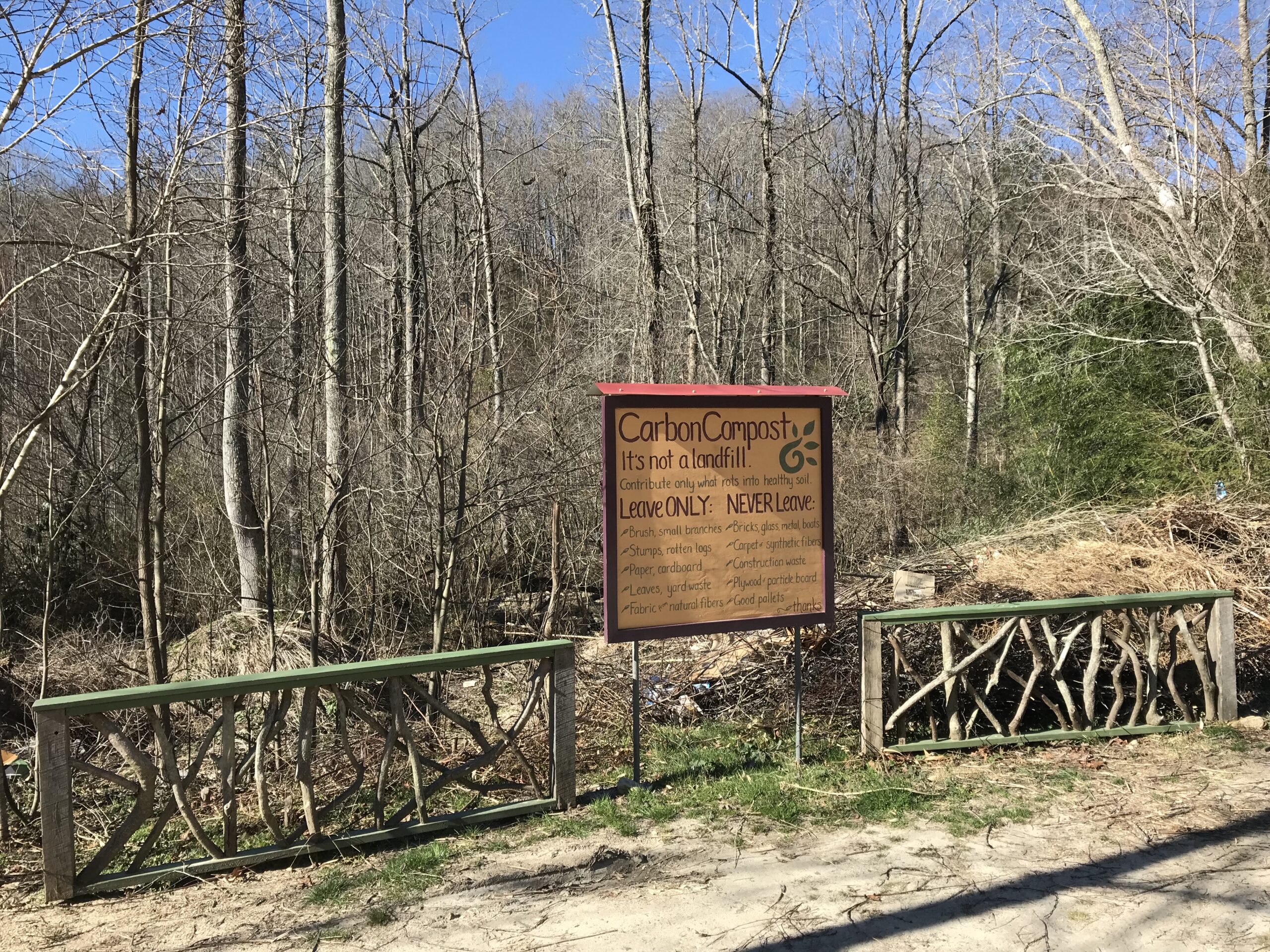
  • To shift from wasteful to regenerative use of resources.
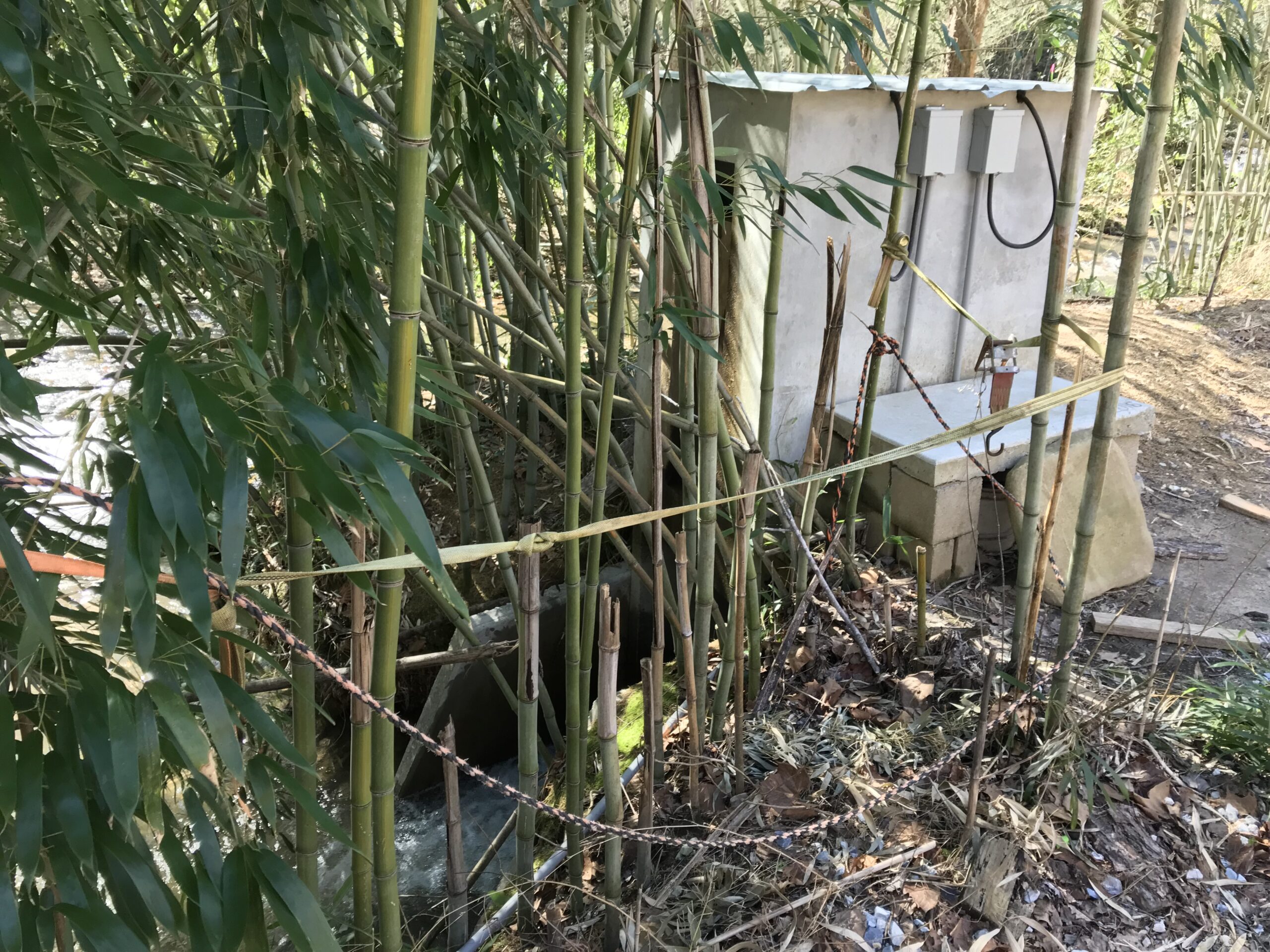
  • To use and develop ecologically sound technologies for water, waste, energy, construction, and other essential systems.
  • To develop and support a thriving local economy.
  • To grow, raise, and trade our own food, medicines, and forestry products in an environmentally responsible, bioregional network.
  • To practice fair, participatory, and effective self-governance.
  • To encourage an atmosphere in which diverse spiritual practices, conscious connection to all beings, and progressive social action can thrive.
  • To nurture personal growth, interpersonal understanding, and mutual trust, as the foundation for a deeply connected human community.
  • To practice healthy, holistic lifestyles that balance self-care with care for others.
  • To create a culture of celebration, beauty, and pleasure.
  • To use capital and labor resources to provide common infrastructure and meet our collective needs.

Comments

Featured Blogs

Keep the conversation going with these pieces

Kosha Joubert
Wed Jun 2016
  • New to community
  • Sustainability
Communities worldwide are exploring how to heal our separation from each other and the natural world.
Christopher Kindig
Mon Nov 2018
  • Economics & Law
Connect With FIC for a Day of Giving Back! We are inspired to give back and show our love of community on this global day of giving – November 27th. Since 2012, the #GivingTuesday global movement has kicked-off the charitable giving season by leveraging the power of collaboration and social medi…
Joe Cole
Mon Jan 2019
  • Living in community
  • Governance
To build a healthy cultural infrastructure, it’s important to clarify your cooperative decision-making process, adopt conflict tools, and commit to the ongoing development of collaborative skills in your group.
Saul Of-Hearts
Mon Jul 2016
  • Living in community
  • Relationships
Many of the intentional communities that we hear about are recent ones: the back-to-the-land communes of the 1970s, the student co-ops and cohousing spaces being formed today. That’s why it’s especially fascinating to get a glimpse into a commune from a different era – as I did recently in a book ca…
Maureen Gallagher
Mon Feb 2016
  • Living in community
  • Relationships
Intentional communities—people gathering to share life together, to discover meaning, and to have an impact beyond themselves—have been part of the human landscape for centuries. Many predate Christianity. Hinduism, Buddhism, and Judaism have all had communal aspects which many have chosen. Sufism (…
Molly
Mon Oct 2009
  • New to community
Dancing Rabbit Ecovillage is profiled in the St. Louis Post-Dispatch! Residents of Missouri’s Dancing Rabbit test the limits of green living Missouri is home to more than 50 “intentional communities,” a broad term that includes communes, co-housing, and student co-ops. Ecovillages also fall unde…
Sky Blue
Mon Dec 2015
  • New to community
  • Economics & Law
The FIC’s new Executive Director reflects on his and the organization’s converging paths.
Christopher Kindig
Mon Sep 2018
  • Life Transitions
Quotes from Cohousers Cohousing is… “… a challenging task, with pitfalls (and perseverance), with laughter and hugs (or nods and drawing into oneself), with food and nurturing (or caution and health concerns), with a good measure of comfort and, especially, community.” “… after parent…
Sylvia Cheuy
Tue Sep 2014
  • Living in community
  • Relationships
For intentional community members, community comes with added benefits, unique challenges, and a call to authenticity.
Marcus Gardner
Mon Feb 2010
  • New to community
  • Life Transitions
Thanks for responses to the recent post about Transition Towns in Australia. This is also a thriving movement in the United States, and we wanted to share this link for those further interested: http://www.transitionus.org/welcome-transition-us

Insights & Stories from the Communities Movement

Subscribe to our newsletter for fresh stories and community updates delivered to your inbox.

Join the Communiversity Community

Get unlimited access to courses, exclusive member events, and a supportive network of community builders

Unlimited Learning

Access all courses, books, and premium content

Community Network

Member-only workshops and community builders

Exclusive Events

Member-only workshops and gatherings

Update to a Public Profile

  • Log in
  • Go to your profile page
  • Toggle on the "Add my profile to the directory"
  • Save your profile

Information

Communities

A residential project: people live here as their primary home.

Organizations

An institution, business, network, or project that isn’t a residence (e.g. a learning center, farm, or network with no one living there full-time).

Plus Community Membership

  • Find people with Profile Match
  • Access to your community listing statistics
  • Create Discussion Groups
  • Access to our affiliate program
  • Member badge on your community profile
I am an official member of this community
Disclaimer
I affirm that my information is accurate and I am authorized to manage this listing
Foundation for Intentional Community FIC Member badge logo.

Free Plan

Free Membership
Free

Intentional Advertising

  • Subtotal

    {{ currencyFormat( pricing_summary.total_amount ) }}

Icon representing community connections and collaboration for intentional communities.

Plus Membership

  • Find communities with Profile Match
  • View detailed reviews about communities
  • Create free listings in Needs & Offers
  • Plus Member resources in CommUniversity
  • View communities detailed reviews
  • Plus Member badge on your profile