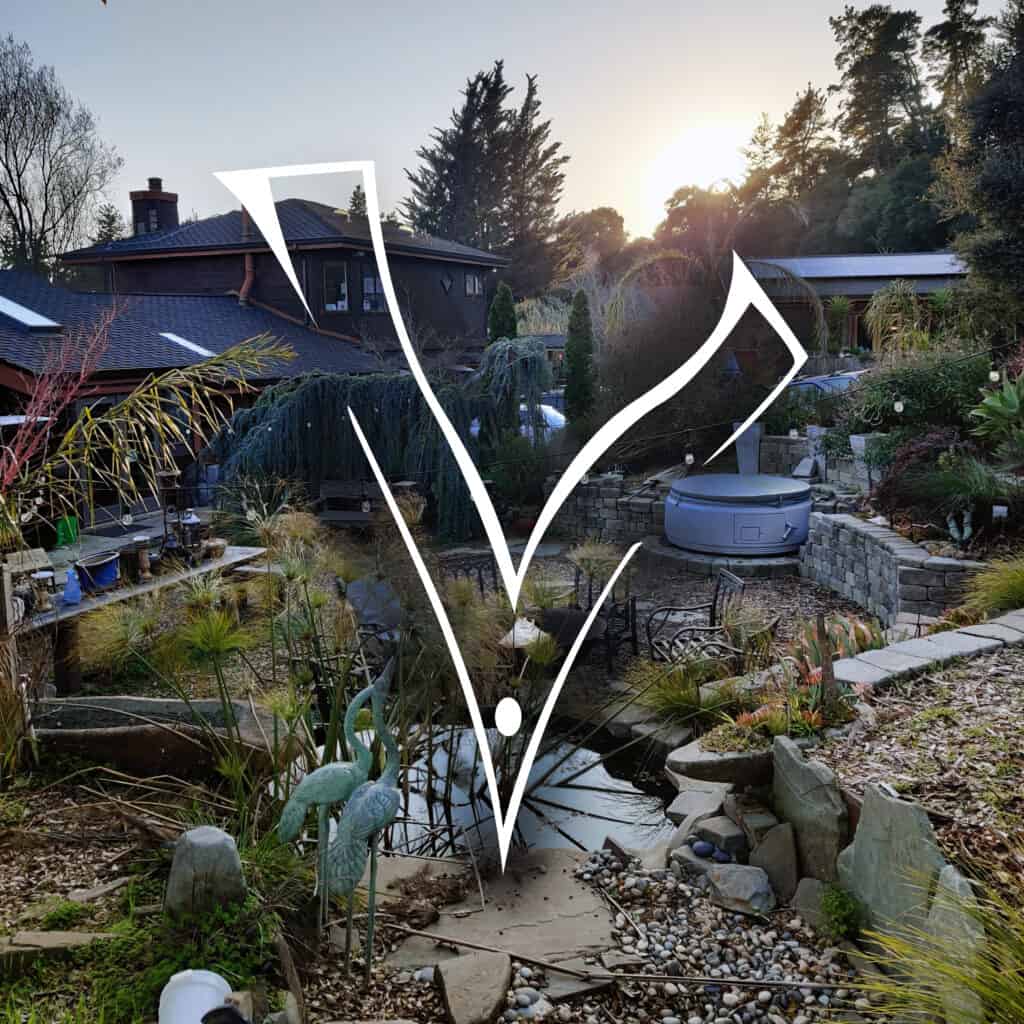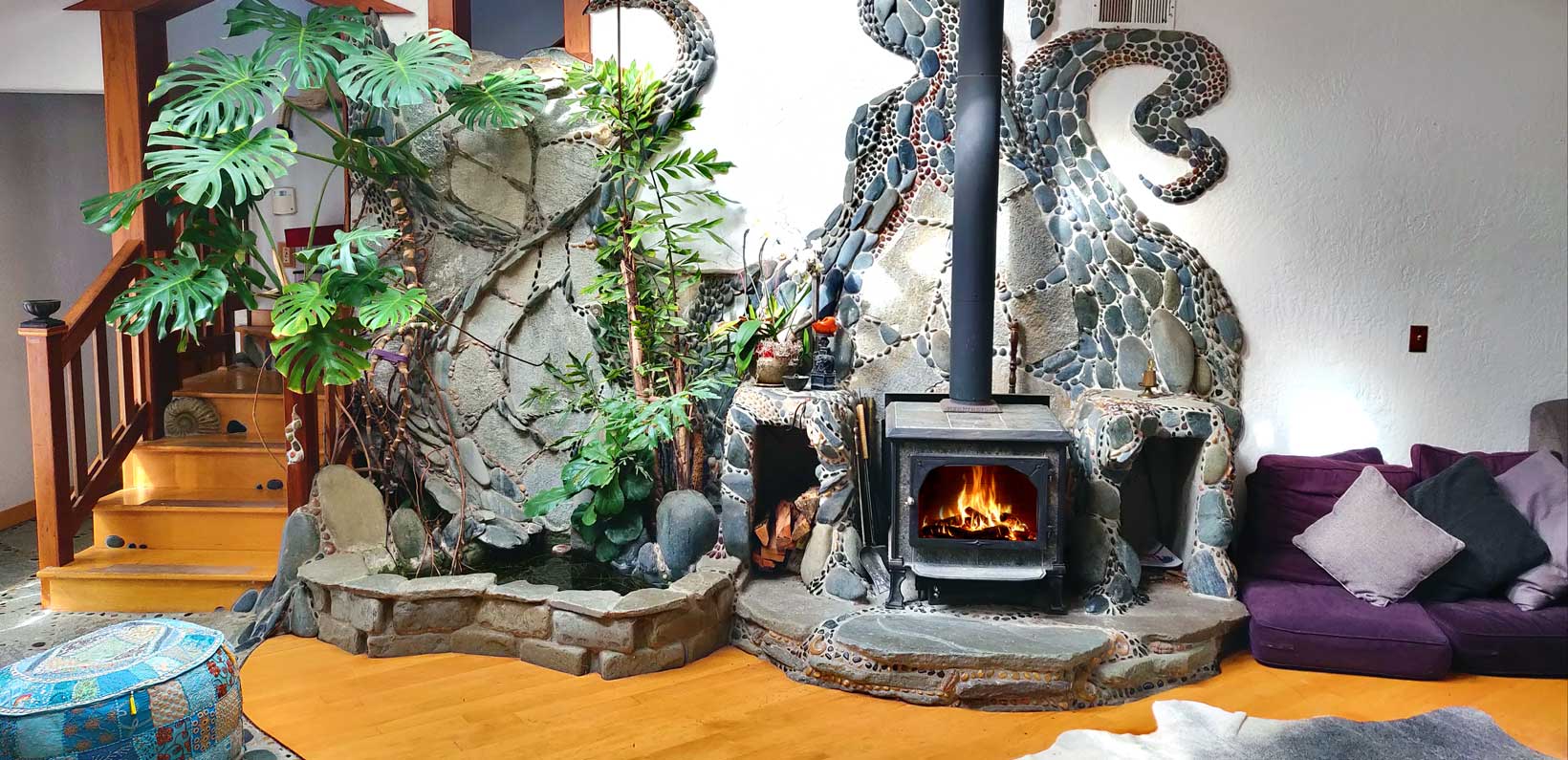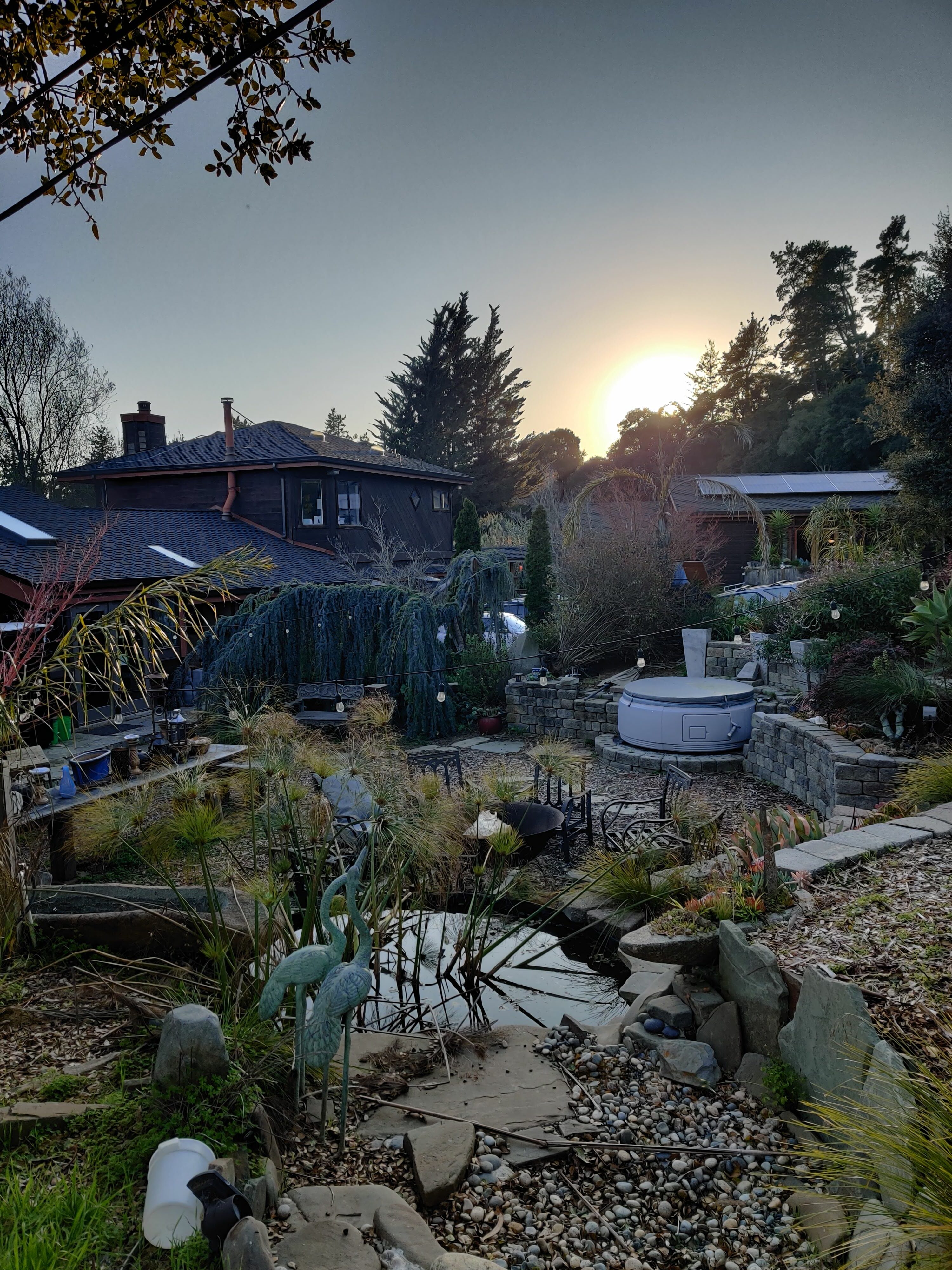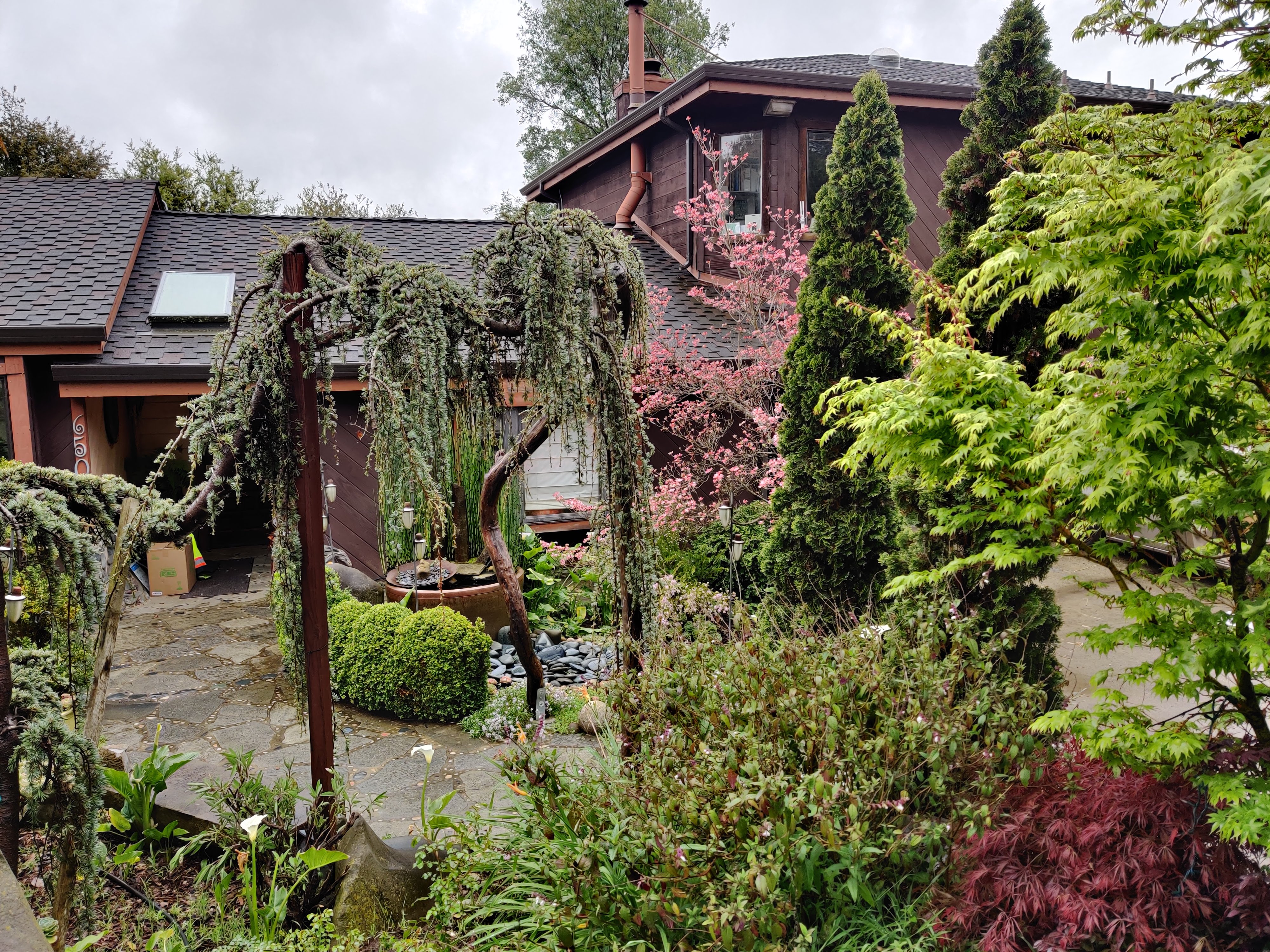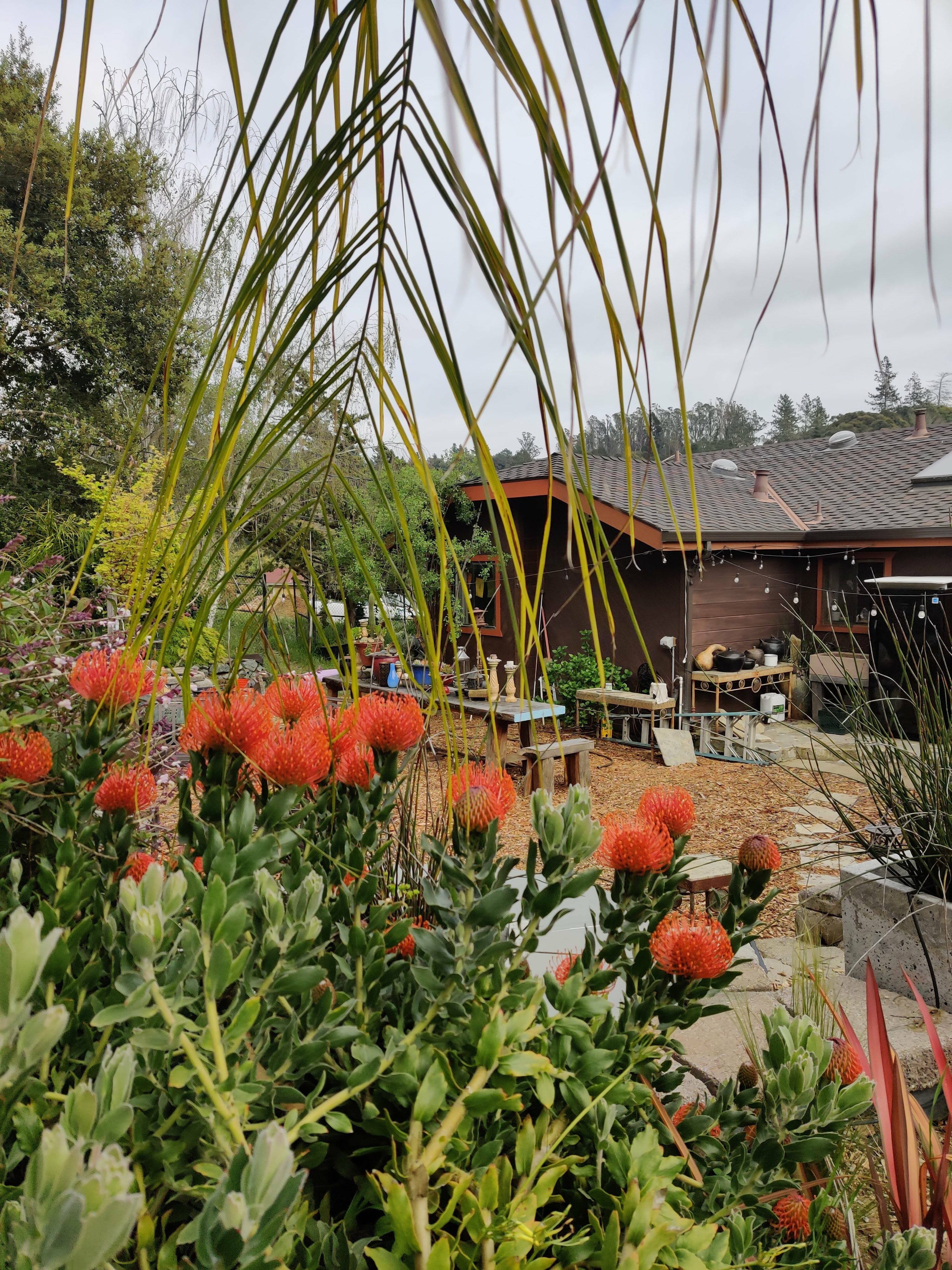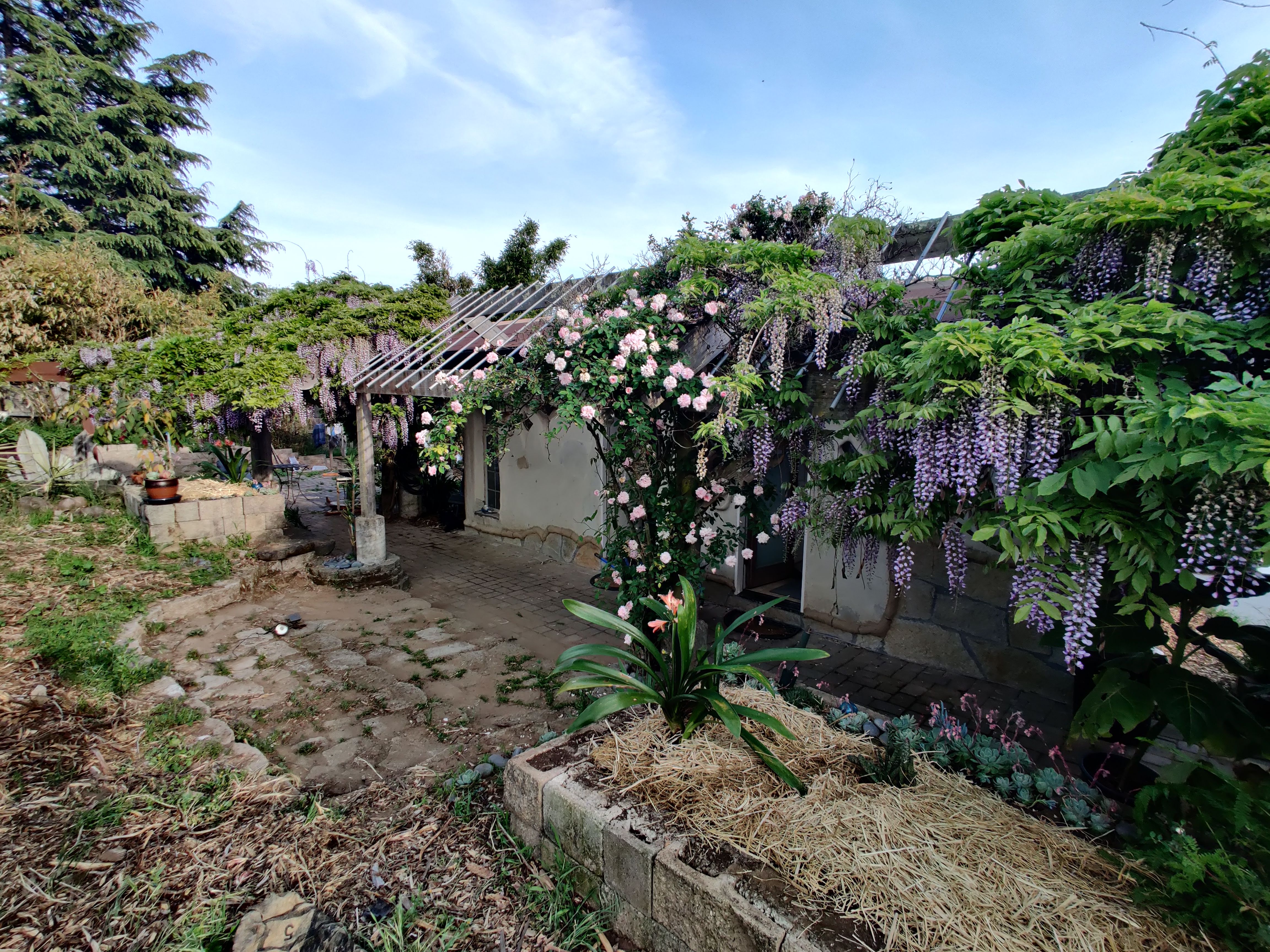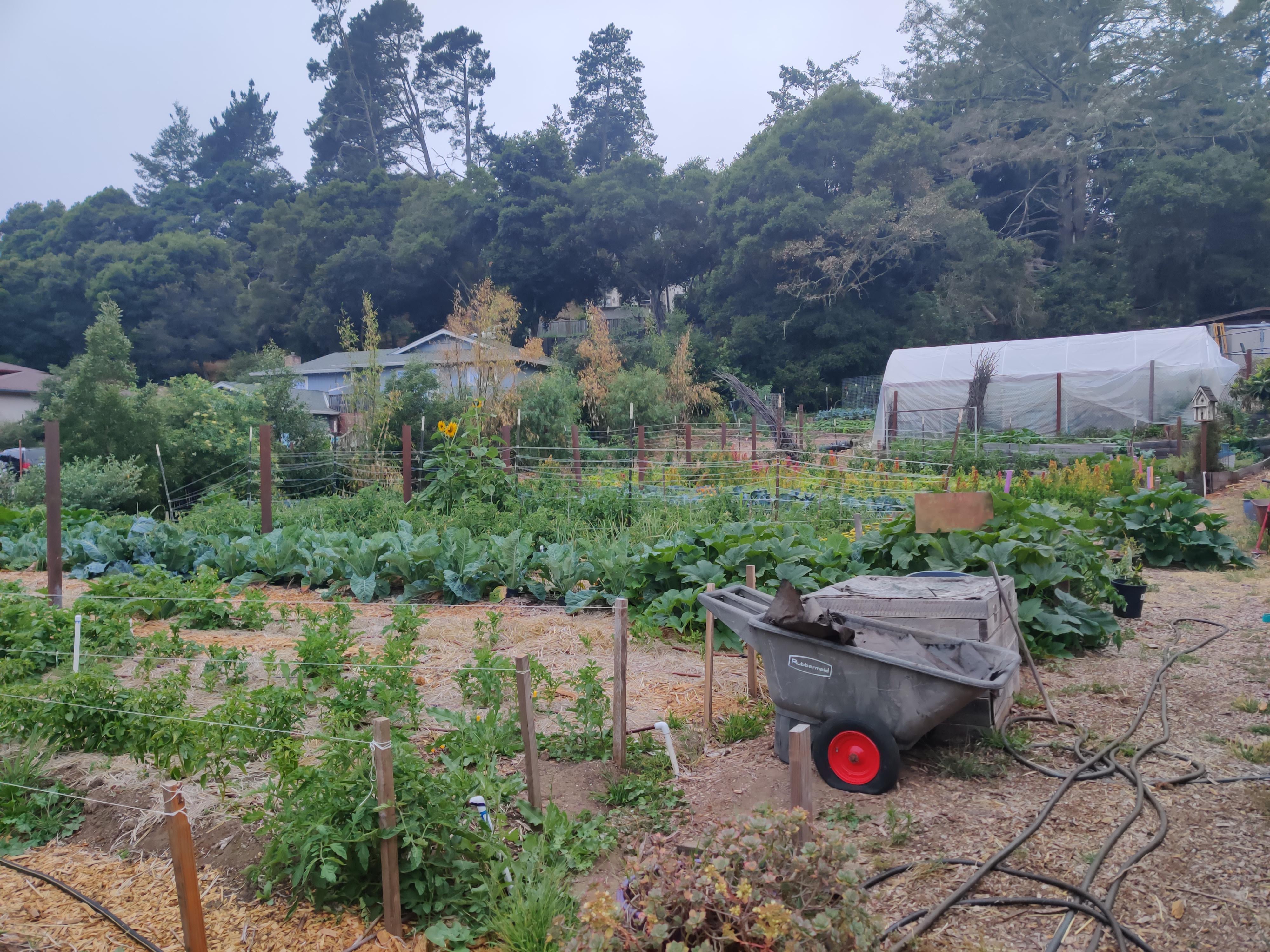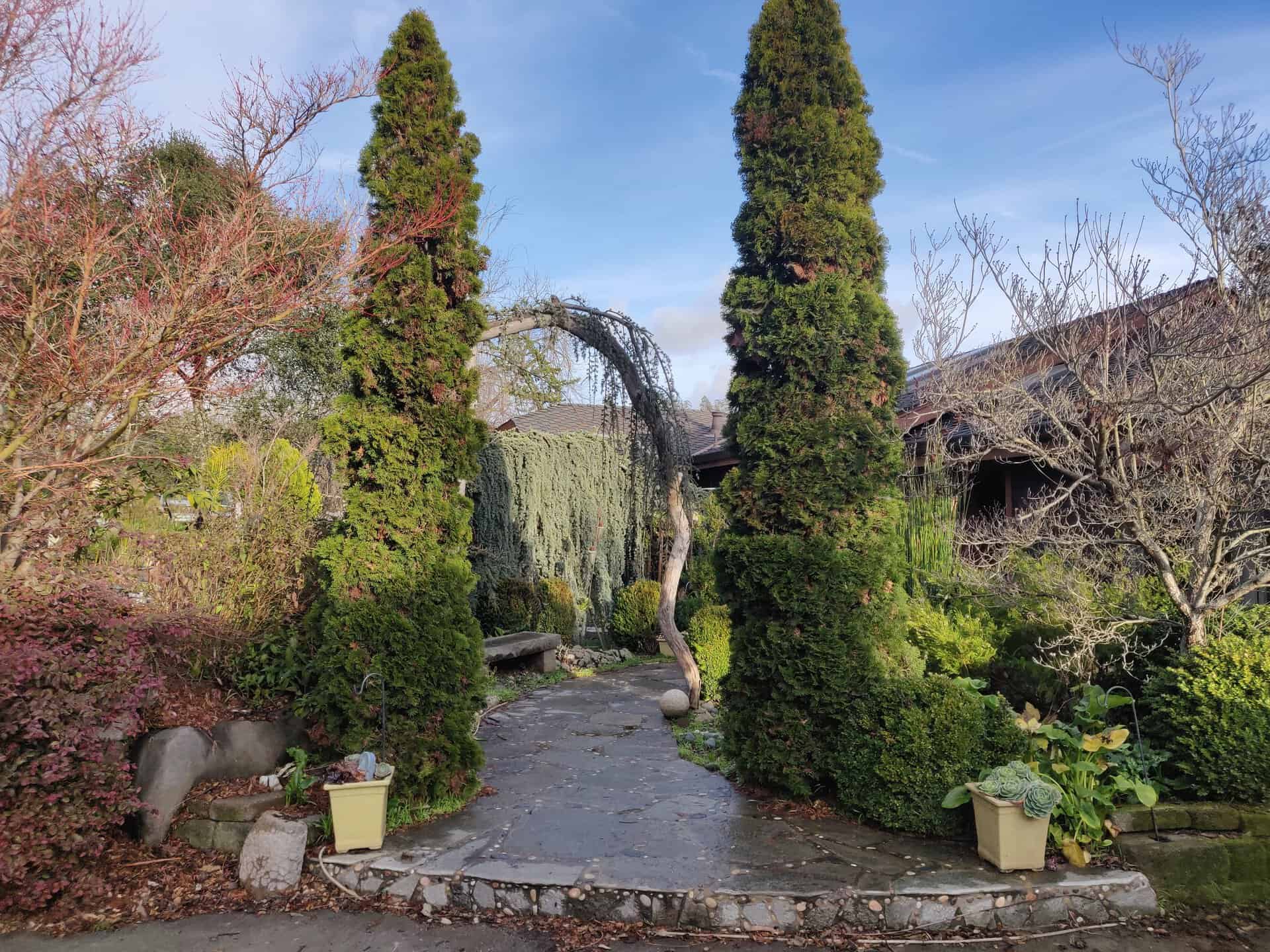
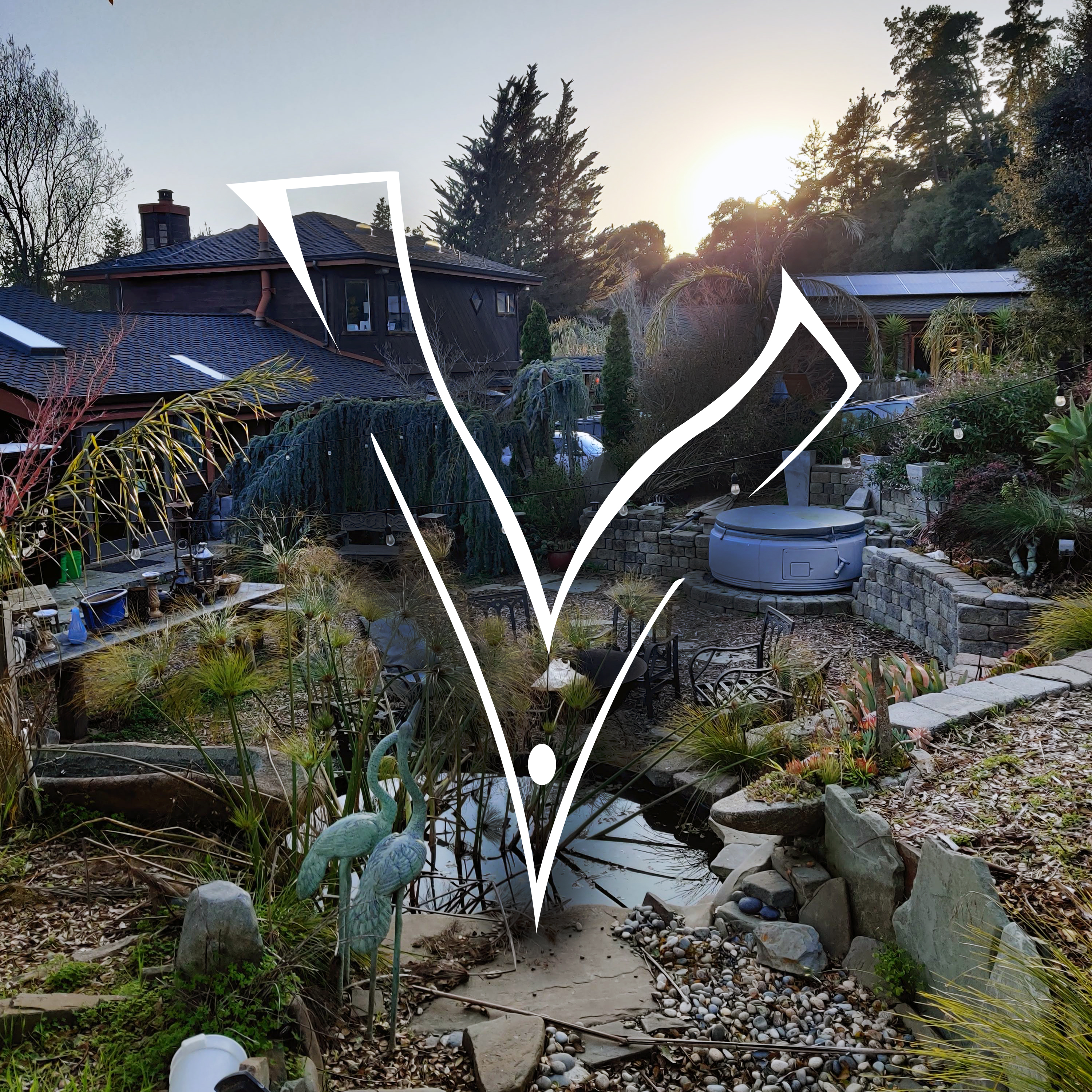
Community garden with pond, plants, and seating at Foundation for Intentional Community.

Vivante

  • Communities

About the Communities

  • Established
  • Social
  • Town/Small City

Founding year

  • 2006

What we do

Accelerating humans into their potential
Changing your view of you
The Vivante Community is both a location and a decade-plus selected and developed group of social structures. These social structures, and the group of individuals whom reside together or participate, are referred to as Vivante.
Through experience, this group chooses and engineers systems that have the best results to discover what our personal inner condition “is”.
What might be possible as we become more aware of who we are individually and who we are in relationship to others?
We recognize this awareness springs forth from moving in the direction of self-responsibility, transparency, and compassion; while living together, finding strategies that might reveal Love as a state of being.

Our Mission

Who is Vivante?
It start’s with an Expanded Vision of Home
Love through Evidence!
Purpose
To create cohesive systems, accentuating the whole-human as a standard of living.
Inspire a three-hundred-and-sixty degree view of the individual, a group and the world.
To identify “what is” as accurately as possible.
Our mission includes
Establish models for “living it at home”: Who am I, who are you, who are we?
Develop models that include all human parts: economic, intellectual, physical, psychological, sexual, social, and spiritual.
Research strategies – gathered from the experience of living with a group – for human intentional evolution which have shown specific outcomes for personal and group awareness: to see “what is”, with the intent to further Life.
Document and share discoveries for a “whole” vision of humanity as we live with each other: “The way to peace is by knowing ourselves, a lifelong examined life.”

  • Purpose
  • Social
  • Community type
  • Coliving
  • Commune
  • Activities
  • Farming
  • Experiences
  • Networking

Commemorative dates

  • January 1, 2006
  • Started planning
  • January 1, 2008
  • Started living together
  • 15 Total members
  • Not open to new members
  • Open to visitors
Total
22

How to join

Our residency program has been developing for more than a decade of time, honing what it means to live with others of diversity; further – what commonalities lead us to common understanding and support a path to live and love as people.
Our residency program keeps in mind the following:
We have a four part interview process and it begins by contacting us for a phone interview.
1 The creation of social structures promoting self and group exploration:
Find your blind spot, find your peace, have a new understanding of both your inner conflicts and world conflicts.
Our group meets two nights per week beginning with a dinner. Four basic social structures are utilized as well as a developed house format that serves us to create balance between the practicals of living and the personals of self-expression, conflict resolution, group/individual development.
2 Day-to-day living:
Work, play, creative outlets.
3 Promoting collaboration:
Food production, group learning platforms, collaborative decision making.
4 Shared resources:
Living spaces, group purchasing, animals and plants.
Steps to consider for joining Vivante
1 Starting from where you are:
Exploring why you wish to live with others can be an important process. What do you know now and what questions do you need to ask?
2 Gather More Information:
One way to explore living at Vivante is to gather information. Reading this website can be a start for discovering more information about community living.
3 Visiting and Observing:
By visiting you can gather the most accurate and direct information through experience.

Basic expectations or agreements for members

From friends to family, from Korea to Hawaii, we welcome visitors to share our home.
You may wish to attend our community gatherings, attend a dinner night (Mondays and Thursdays), or engage with our off-site trainings designed for your family or community.
Our space is often available for private teachings. Some that have been offered on site are Zegg Forum, Drama Triangle, EFT, NVC, cuddle party, yoga, singing circles, fruit tree pruning, bee keeping, somatic, tansu, tantra, Cob and weekend self-exploration events.
If you wish to attend an event, or need space for your own program feel free to connect with us.
For information about visiting us please call any time or email to be added to our mailer. We look forward to meeting you and sharing our discoveries with you

Primary decision-making authority

  • Single Leader or Founding Couple

One person or partnership has ultimate authority.

Decision-making process

  • Majority Vote

More than 50% agreement needed.

Governance structure

  • Representative/Democratic

Members elect leaders who make decisions within defined roles.

Economic model

  • Independent Finances

Members maintain separate personal finances with minimal sharing.

Economic scenarios for this community

  • Members need to pay fees, dues, or similar to live there on a per month or per year basis
  • There is a labor obligation
  • Members typically need to have their own job or other personal source of income to cover their expenses while living in the community?

Additional economic information

Regular fees: $900
Labor: Yes (2 hrs/week)

Shared resources and amenities that are accessible to everyone in the community

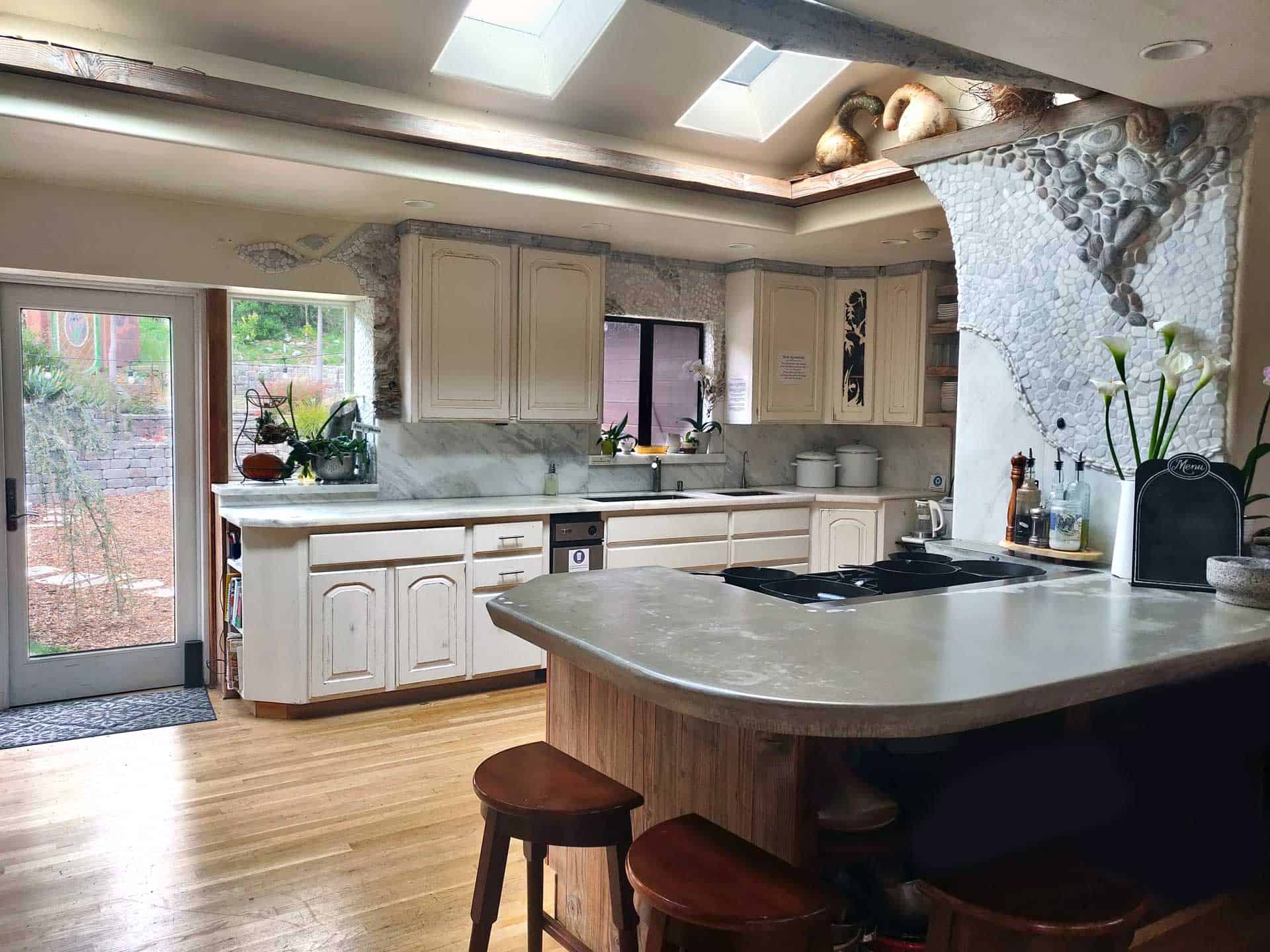
Common House, Garden(s), Greenhouse(s), Library, Workshop, Outbuilding(s), Hot tub or hot springs, Outdoor Kitchen, Large Scale Kitchen, Stage or Auditorium, Fire pit, Swingsets & play areas, Recreational vehicles, Gym or sports area, Internet

Frequency of communal meals

  • 2-5 times per week

Significant food acquisition practices

  • Locally sourced

Dietary restriction

  • People can cook and eat what they want in their own residence

Community activities and engagement

  • Volunteer, Internship, or Apprenticeship, or WWOOF’ing
  • Organization, Resource, or Network
  • WWOOF'ing, Guest Farming
  • Festivals, Conferences, Events

Substance use culture

  • Substance use appears in public spaces but no pressure
  • Substance use occurs primarily at celebrations or ceremonies

Gender composition

  • Roughly balanced (no group over 60%)

Age demographics

  • Multi-generational (all ages well represented)

Property status

  • Privately owned

Property owner

  • By a single individual, couple, or Family Trust

Setting

  • Town/Small City

Smaller municipalities with local services but rural character.

Community type

  • Coliving

    Shared living spaces with private bedrooms/bathrooms and communal
    kitchens, dining, and social areas.

  • Commune

    Communal living with shared resources, property, and often income or work responsibilities

Self-produced energy

  • 33 - 66%

Energy sources used

  • Photovoltaic Solar

Self-produced food

  • 33 - 66%

Local, organic, or fair trade food

  • 33 - 66%

Food systems

  • Community garden
  • Greenhouse / aquaponics
  • Land area size
    4 acres

Guest Book

Written reviews are available for plus members. Click here to upgrade.

Location

  • California, United States

Vivante

Needs and Offers

Connecting people and communities through an intentional online marketplace

  • Promoted
  • Events
2 weeks ago

Coastal Regeneration Immersion: Permaculture Design Certification in Jalisco, Mexico

Tropical Dry Forest Permaculture Design & Regenerative Stewardship Certification (PDC)12-Day Intensive | 120 Hours | Costalegre, Jalisco, Mexico APPLY AT XOCHIRAIZ.COM Join us for an immersive Permaculture Design Certificate course set in the tropical dry forest bioregion of coastal Jalisco. This 120-hour intensive blends internationally recognized PDC curriculum with hands-on regenerative practice — combining ecological design, agroforestry, natural building, and community stewardship into one integrated learning experience. Lead Faculty Jorge Luis Gtz. Olarte (Arborescencia RedGenerativa) – Regenerative Design, Soil Biology & Agroforestry Ozzy Lusth (Survior & Xochiraíz) – Wilderness Resilience & Survival Skills Dave Collins (Capacha Coastal Conservation Center) – Bioarchitecture & Ecological Development What You’ll LearnThe course moves through six progressive phases: Permaculture & Ecological Literacy – ethics, principles, and reading the tropical dry forest landscape Water & Soil Systems – keyline design, water harvesting, living soils, and compost systems Horticulture – food garden design, propagation, and biological pest control Regenerative Food Systems – tropical agroforestry, food forest design, and guild planting Ecological Infrastructure – bamboo bioarchitecture, bioclimatic farm design, compost toilets, greywater, and rocket stoves Integrated Design Studio – team-based final design projects covering watershed strategy, agroforestry, food forest layout, infrastructure, and phased implementation Daily RhythmMornings begin with optional surf/yoga and journaling, followed by field practicums and hands-on workshops. Afternoons include design studio and construction lab work, with reflection circles, communal dinners, and evening talks, films, or campfire discussions rounding out the day. Final ProjectParticipants work in teams to produce a full regenerative design package — landscape analysis, water plan, agroforestry design, food forest plan, ecological infrastructure, and bioclimatic farm plan — presented to a faculty review panel on the final day, followed by a closing ceremony, certificate delivery, and community feast. CertificationGraduates receive the Tropical Dry Forest Permaculture Design & Regenerative Stewardship Certification (120 contact hours), hosted by Capacha Coastal Conservation Center and Tierralegre, A.C. Curriculum integrates international PDC standards with tropical ecology, agroforestry, ecological restoration, bamboo bioarchitecture, bioclimatic design, GIS/photogrammetry, and regenerative leadership. Highlights Hands-on bamboo construction (temazcal, bathhouses, sculpture) Tropical dry forest silviculture practicum Community mapping and design project for Ekoa Green Community Talent show and sea turtle release
January 10 – January 24
  • Promoted
Offer
  • Promoted
Offer
  • Professional Services
4 months ago

Community Matchmaking: Get Help Finding Your Community

Would you like to join an intentional community but don’t know how? Feel overwhelmed by the number of communities out there? Not sure if there is one that’s a fit for you? CommunityFinders is here to support you on your path to community living. You can find your community by: Taking the free Community Types Quiz to learn which of the most common types of community is a fit for you. Booking a 1:1 consultation with a Community Matchmaker to receive recommendations for communities that are a fit for you. Joining the Money and Community Mini-Course to find out which communities are within your budget. Reading the book Intentional Community to help you understand your options and decide whether community living is right for you. Our goal is to help community seekers become community finders — people with confidence that their community match is out there and they will find it. Looking forward to working with you to find your community! Please be in touch, Cynthia Tina Founder communityfinders.com What communitarians are saying: “Cynthia helped me clarify the intentional communities that fit me, better get to know them, and finally choose one that I’m now a member of. I have no doubt anyone on a community journey will find great value in her guidance.” – Alan Stillman “Out of potentially thousands of communities, Cynthia matched me with very similar values revealed on their websites. I am in the process of applying to visit the number one recommendation. I’m excited and thankful for Cynthia‘s skills. Beyond well worth.” – Tommy Teeple “Due to her extensive community experience, she could offer many insights, provide useful tips and present selected communities to me that she had visited herself.” – Antonia Von Hassell
Need
  • Forming Communities
1 week ago

Searching for cash partners in development

TITLE:Seeking 6 Founding Cash Partners — 20 Deeded Acres in WV (Well & Septic) + 1/8th Debt-Free Farm & Shop ($200k) BODY:We are assembling 8 households (6 cash shareholders + 2 experienced builders) to buy and develop 180 acres in rural West Virginia—closing together so the property is 100% debt-free from Day 1. Our goal is a multi-generational homesteading environment with total freedom on your own land, paired with a well-equipped common hub shared with like-minded neighbors. WHAT YOUR $200,000 BUY-IN INCLUDES:* 20 Private Deeded Acres: Fee-simple 20-acre lot with a private drilled well and 1,250-gallon septic installed during buildout.* 1/8th Ownership of a 20-Acre Shared Commons (Zero Land Mortgage):- Shop & Fleet: 4-car auto shop (2-post lift & 240V welder), equipment barn, band sawmill, log splitter, tracked skid steer, mini excavator, tractor & dump trailer.- Homestead & Kids: Natural creek/stream access, water house with dual cisterns, greenhouse, homeschool/reading room, playground, pavilion & fire pit.- Commons Guest Cabin (Post-Build): Existing cabin converts into a $45-$65/night guest cabin for members’ visiting family, with open dates rented on Airbnb by the association to fund community reserves.* Zero Dues for 5 Years: A $65,000 reserve funded at closing covers all commons taxes, insurance, road gravel, and equipment upkeep for 5 years ($100-$150/mo starting Year 6). SEVEN CORE PRINCIPLES:Earth-friendly stewardship, no discrimination, no religion, no politics, no hunting/wildlife protection, no private commercial businesses, and total freedom on your private 20 acres. WHY THIS BEATS RAW LAND & ECOVILLAGES:Raw 20-acre WV land costs $135k-$250k+ with zero utilities or machinery. Unlike traditional ecovillages, you get a real deed to 20 acres, no 2-year trial gauntlet, and fast builder execution backed by third-party milestone escrow draws. We are locking in our 6 partners via non-binding LOIs before putting our target 180-acre tract under contract so everyone walks the land together. Reply or DM me with a brief intro for our 1-Page Prospectus and Partner Questionnaire

Update to a Public Profile

  • Log in
  • Go to your profile page
  • Toggle on the "Add my profile to the directory"
  • Save your profile

Information

Communities

A residential project: people live here as their primary home.

Organizations

An institution, business, network, or project that isn’t a residence (e.g. a learning center, farm, or network with no one living there full-time).
Plus Community Membership

  • Find people with Profile Match
  • Access to your community listing statistics
  • Create Discussion Groups
  • Access to our affiliate program
  • Member badge on your community profile
I am an official member of this community
Disclaimer
I affirm that my information is accurate and I am authorized to manage this listing
Foundation for Intentional Community FIC Member badge logo.

Free Plan

Free Membership
Free

Intentional Advertising

  • Subtotal

    {{ currencyFormat( pricing_summary.total_amount ) }}

Icon representing community connections and collaboration for intentional communities.

Plus Membership

  • Find communities with Profile Match
  • View detailed reviews about communities
  • Create free listings in Needs & Offers
  • Plus Member resources in CommUniversity
  • View communities detailed reviews
  • Plus Member badge on your profile