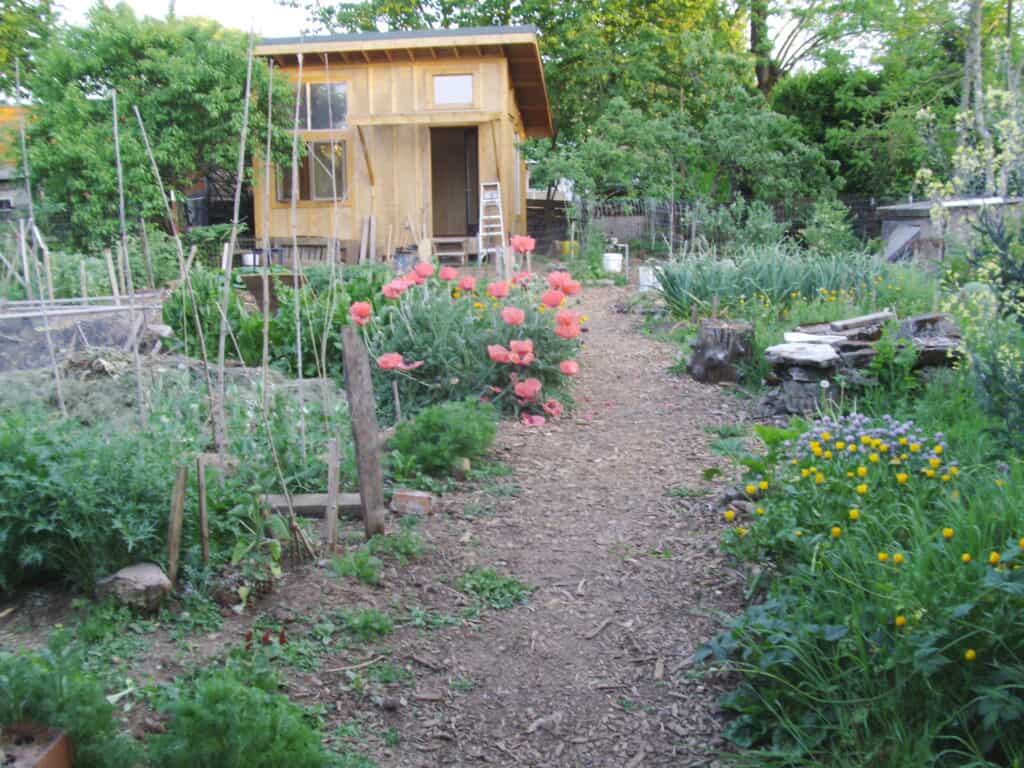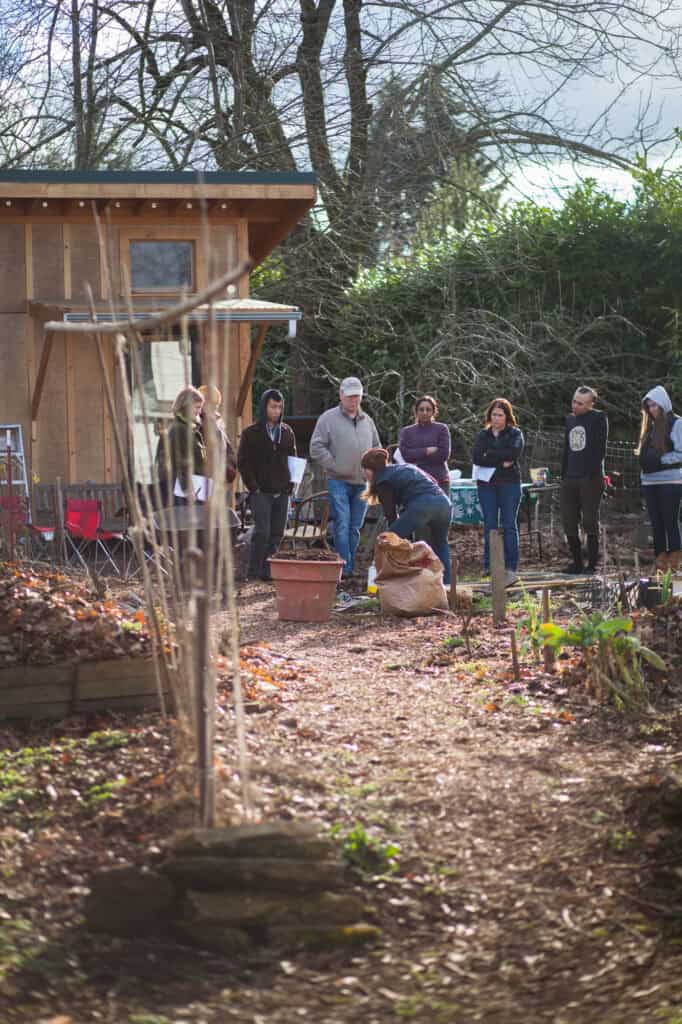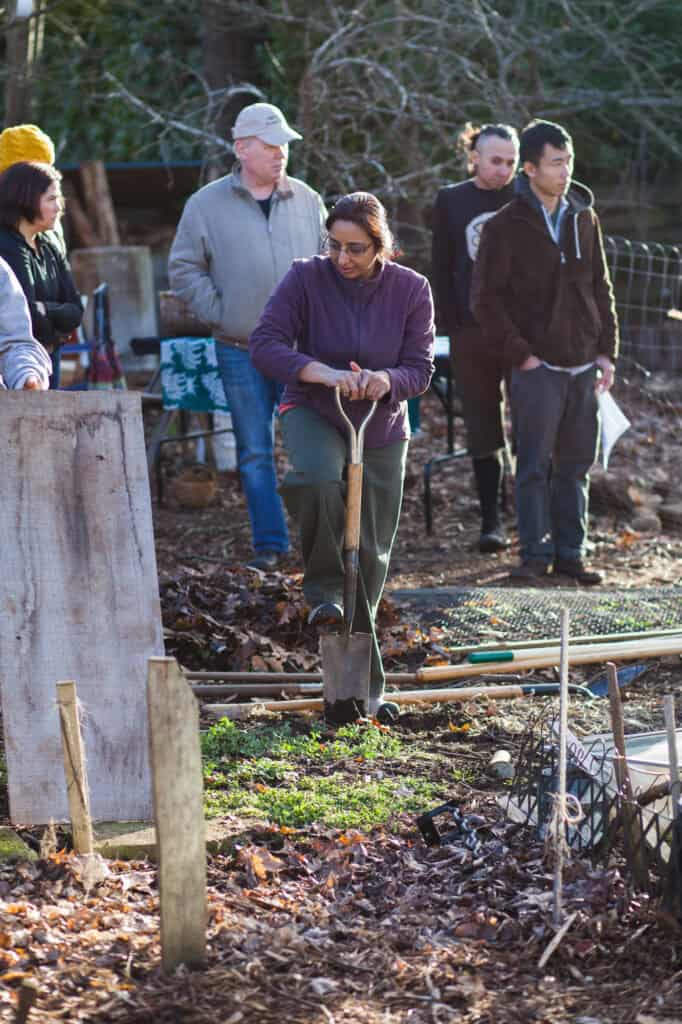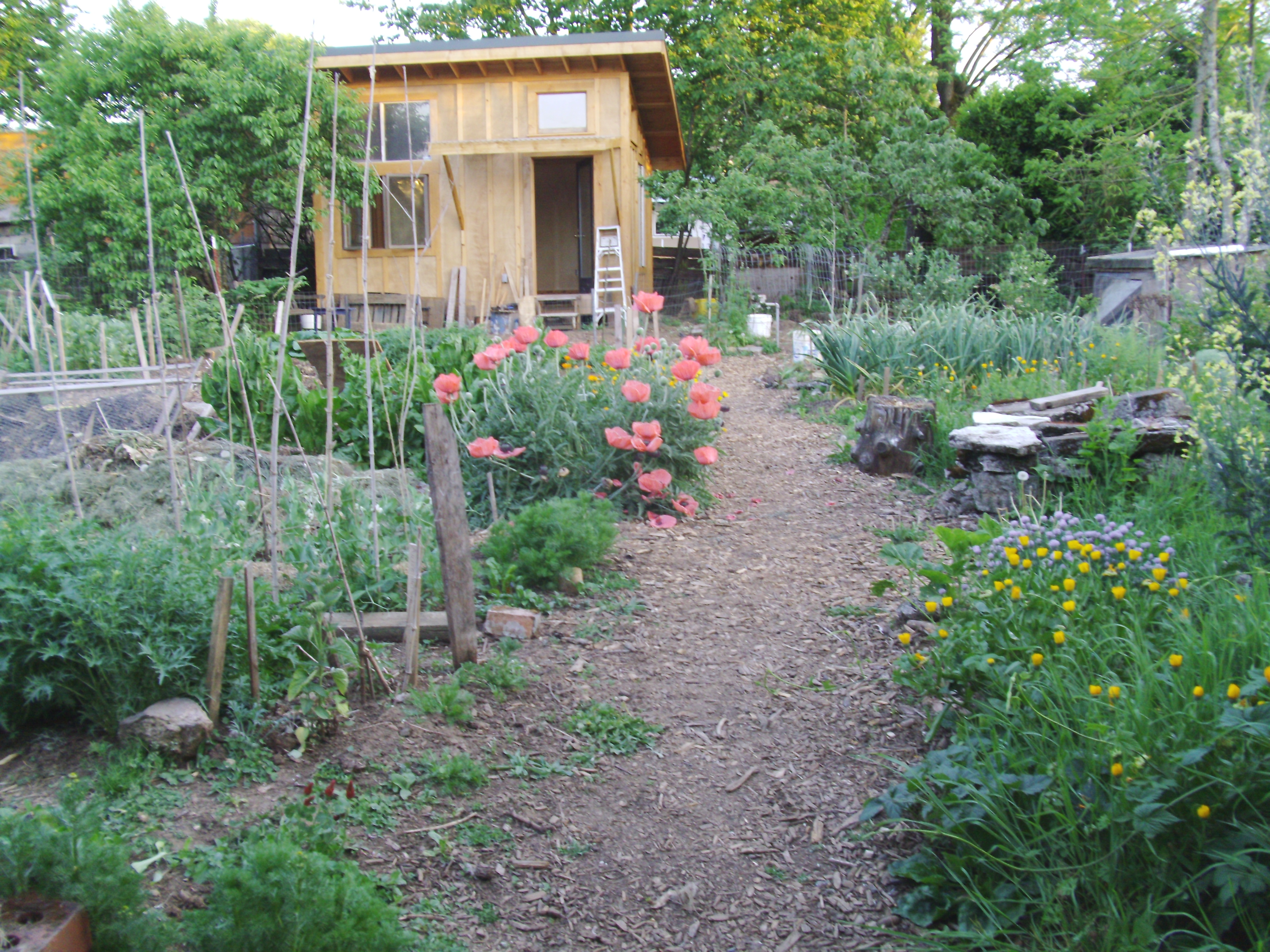
Blueberry is an urban farming collective house within an organic cohousing community in Portland, Oregon. Four sets of friends bought houses on the same block, three in a row and one across the street. Other “intentional neighbors” have taken their fences down. We love the unintentional community of our neighborhood, friendly, diverse, and mostly low-income, with small houses on large lots and a “country” feel. We have work parties, neighborhood potlucks, parties, classes and tours for the larger community.
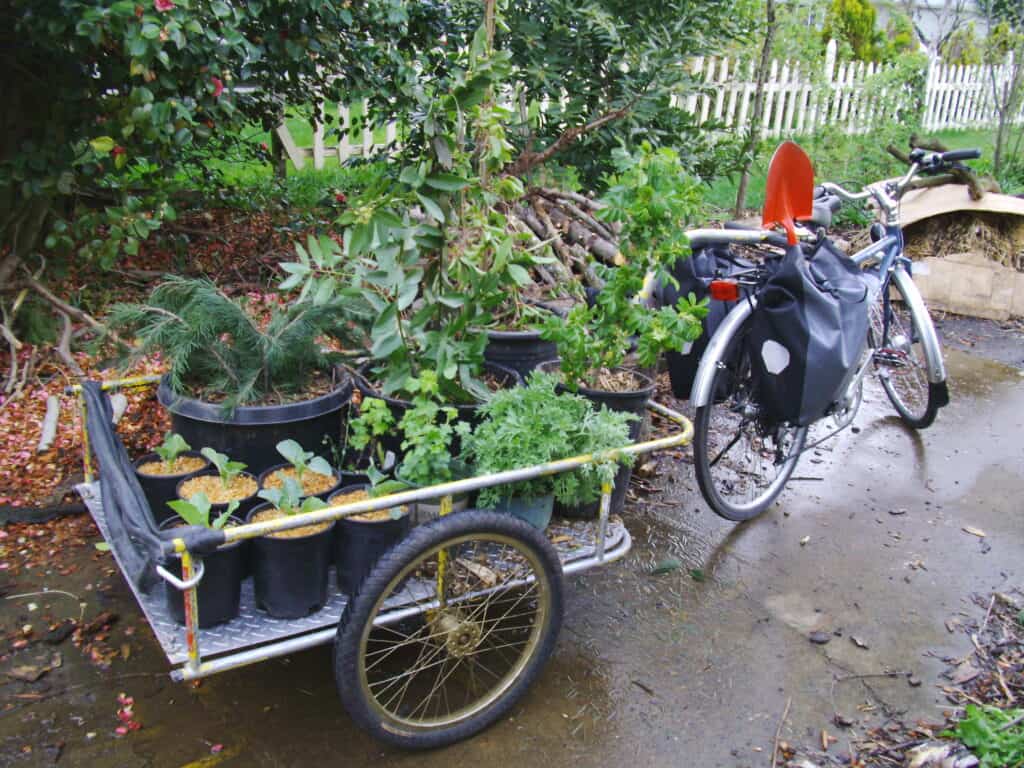
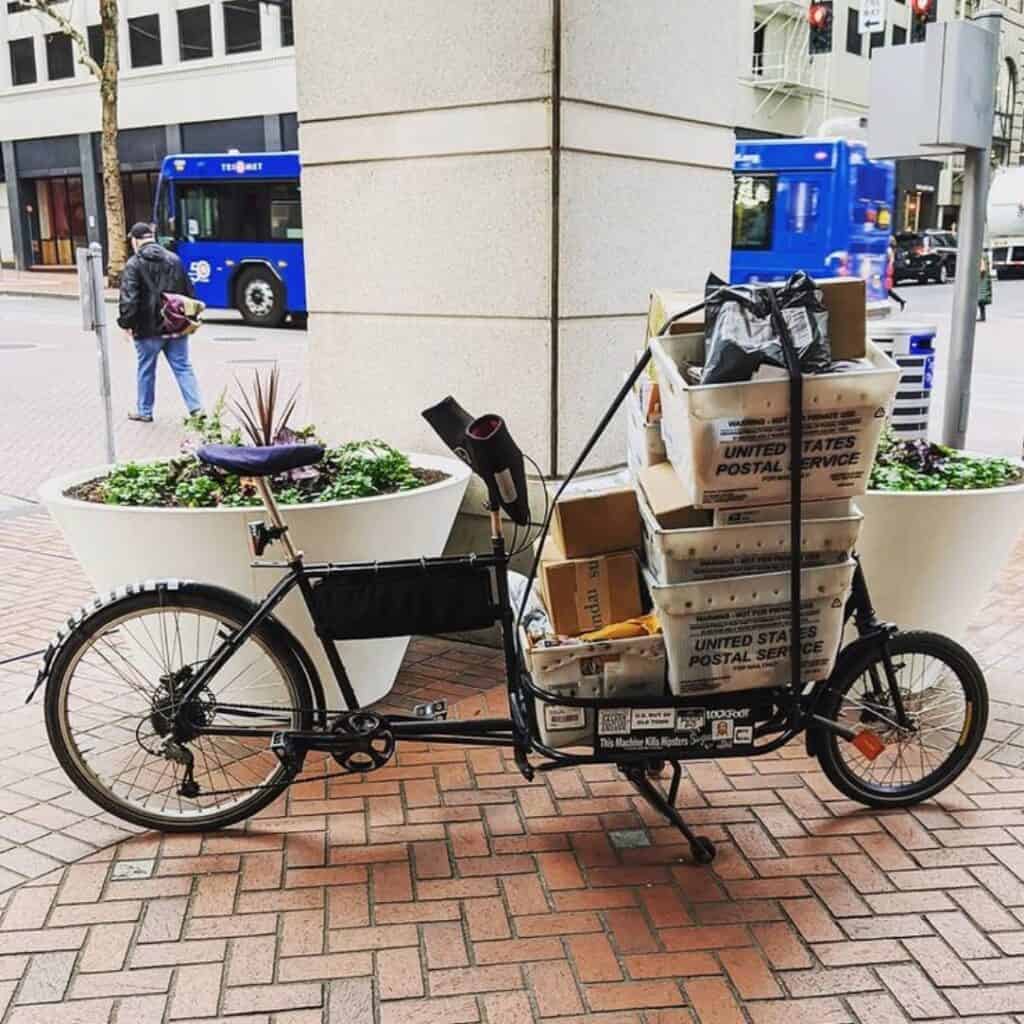
Some of us have lived rurally before and maintain as much of the rural life as we can, but an urban life allows us to be less car-dependent, and some of us are completely car-free.
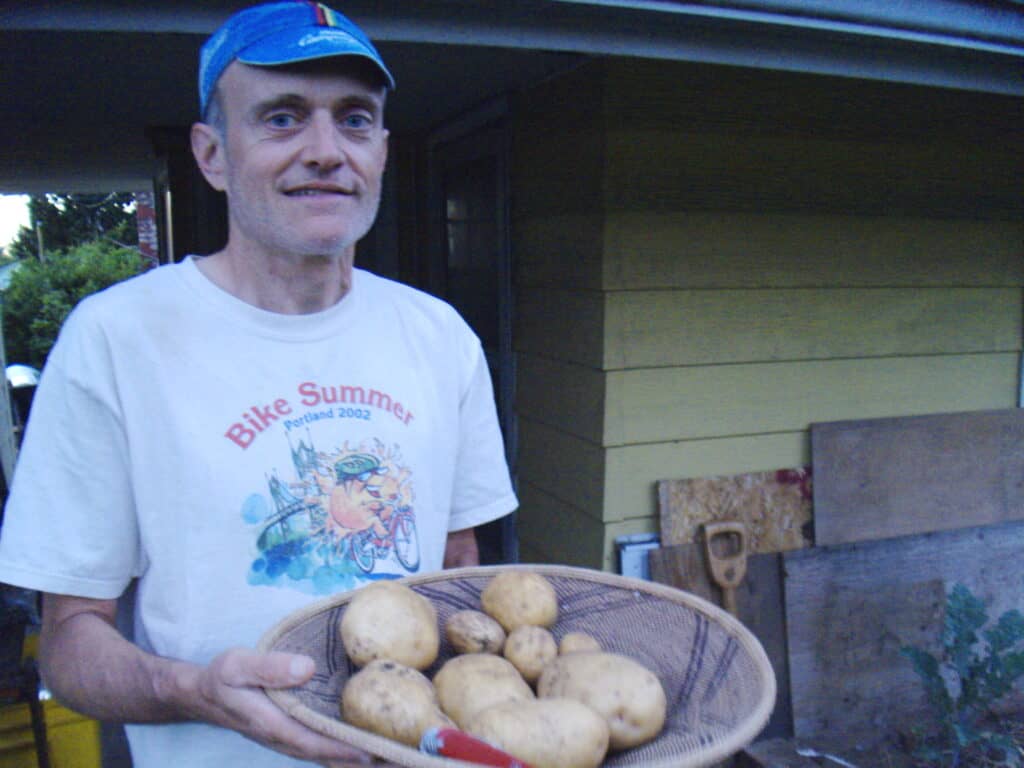
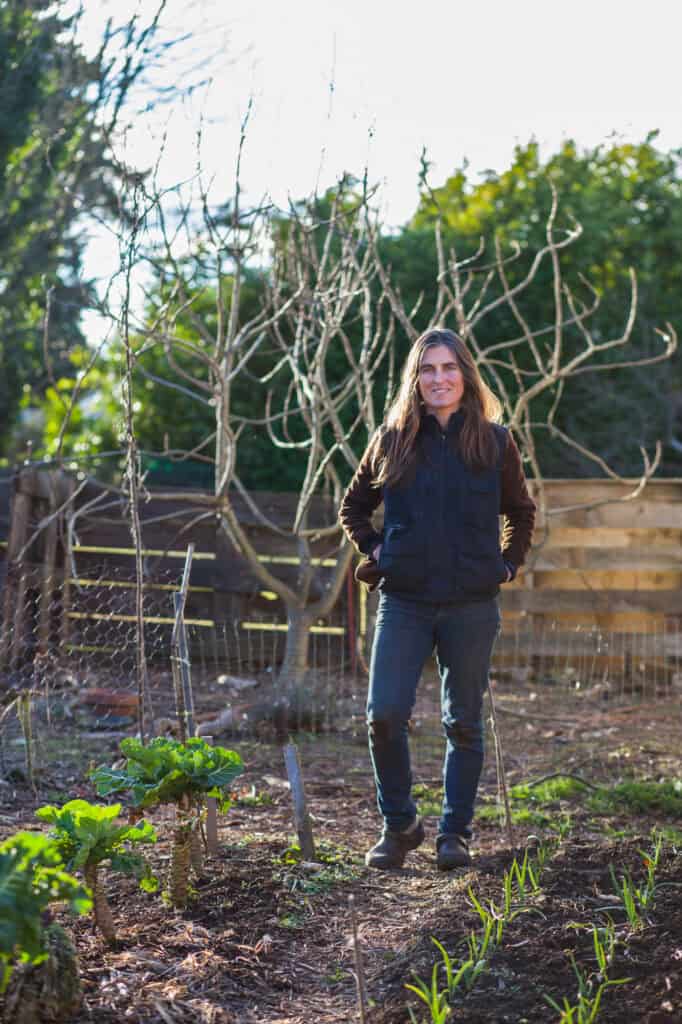
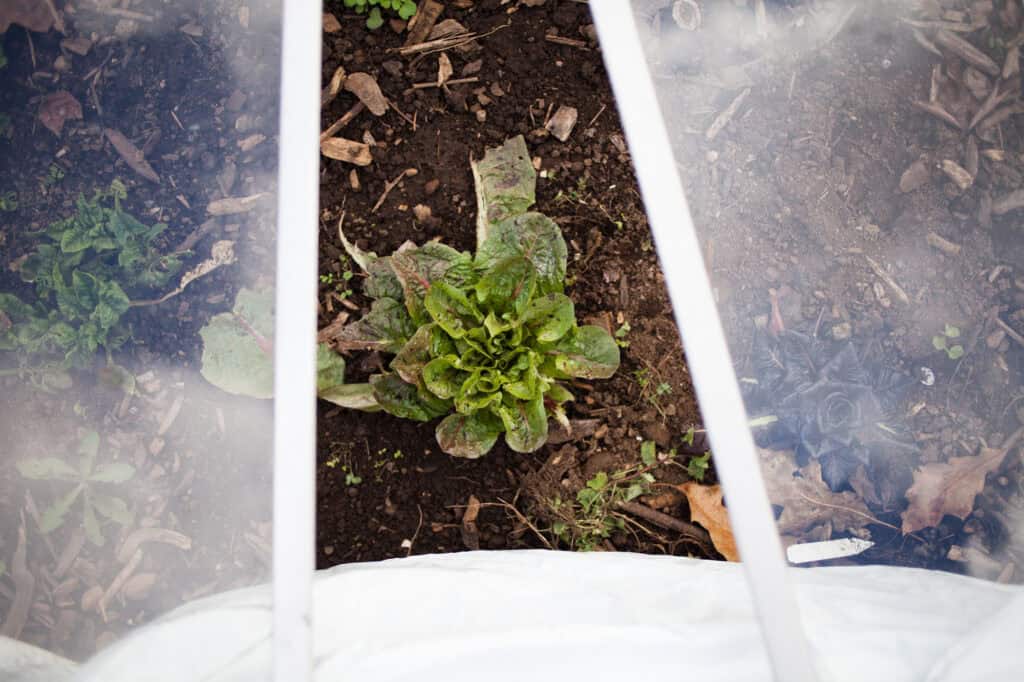
We share passion for our land, our neighborhood, social justice, and sustainability. All of us grow enough vegetables to eat well and still give some away. At Blueberry we heat with wood, generate almost no trash or recycling, eat primarily local, organic whole foods, have no TV, and commute by bicycle. All of us have jobs and lives “off the farm”—we are musicians, teachers, bike mechanics, activists, etc. A few of us embrace spirit and ritual, others choose not to. We value tolerance, diversity, and listening.
Each household has its own internal structure. Blueberry has set a clear intention to transition to cooperative ownership.
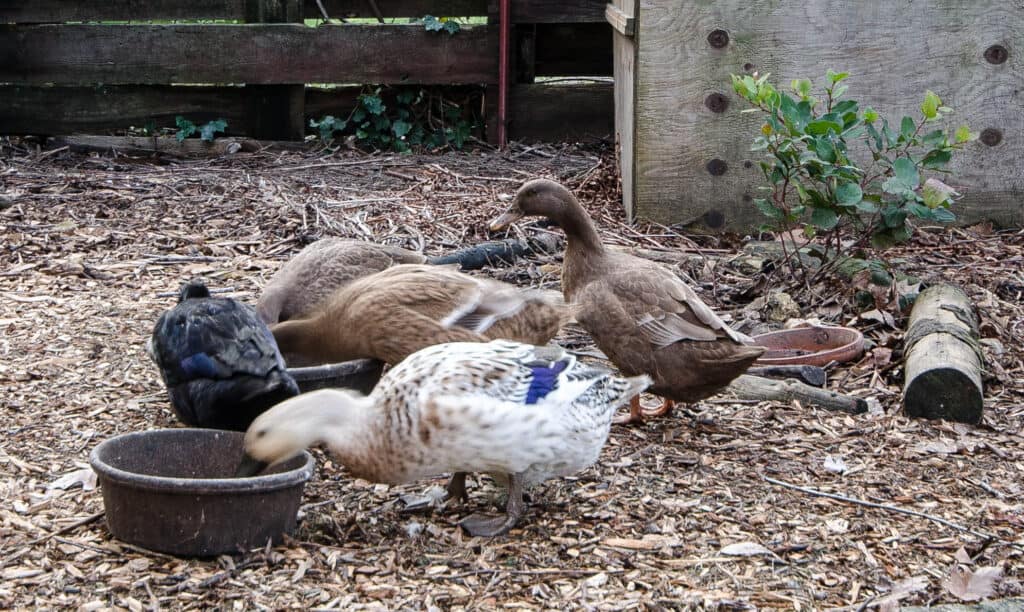
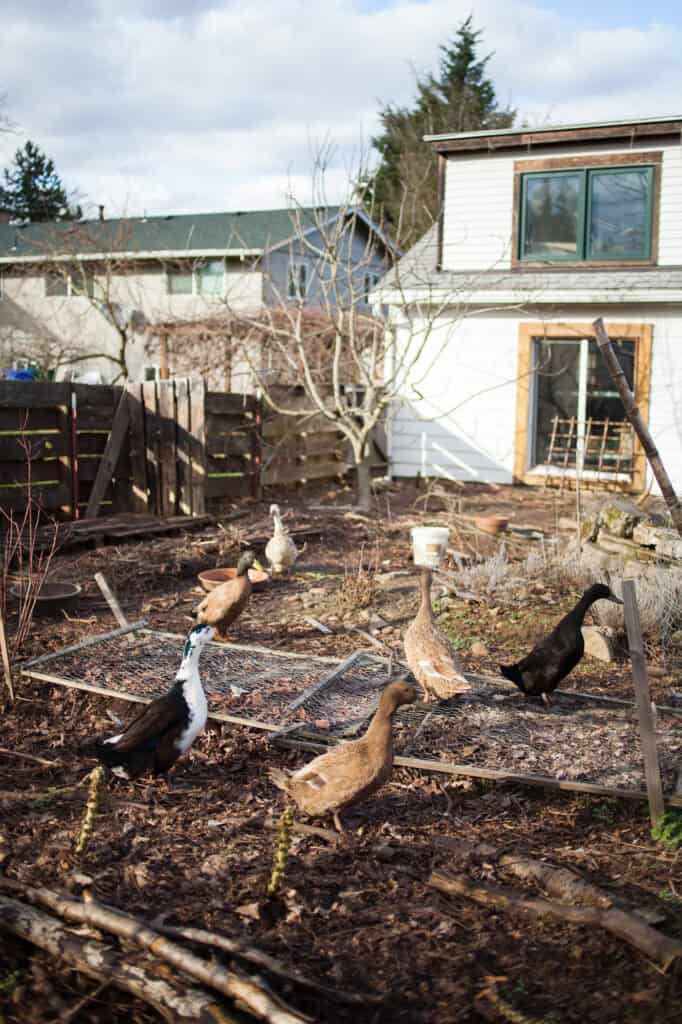
As we are an urban community, we are not able to house dogs – they tend to dig up garden beds and scare the ducks. Guide dogs will be considered. Cats not allowed in indoor common spaces due to allergies. Outdoor cats allowed, or indoor-outdoor cats that go in and out through a bedroom window.
low-cost urban ecology; education for the larger community.
Best if already live in/near Portland, or have a reason to live in Portland besides our community. Write letter of introduction telling us: why you are drawn to this
community, your experience with collective/shared living, your current
living situation, what brings you joy in life, how you make money,
your general schedule, any plans you might have for the next few
years, your age, and what date you are ideally wanting to move to your
new home. Please also share what you are doing to keep yourself and others safe from COVID-19. If you are moving to Portland, we’d also like to know what
brings you here. And anything else you might wish to share. If we have a room opening soon we will contact you to set up a meeting. When we do have rooms open we prefer to fill them with people we know, so feel free to start getting to know us!
Send letter describing yourself and your interests. No dogs, please, excepting seeing-eye and similar guide animals. No smoking.
As we are an urban community, we are not able to house dogs – they tend to dig up garden beds and scare the ducks. Guide dogs will be considered. Cats not allowed in indoor common spaces due to allergies. Outdoor cats allowed, or indoor-outdoor cats that go in and out through a bedroom window.
A few people (not elected by the broader community) make the major decisions.
Generally seek agreement, but have backup methods when consensus isn’t reached.
Power and responsibility are shared relatively equally among members.
Each house is owned individually, and within each household there is a different decisionmaking structure.
Members maintain separate personal finances with minimal sharing.
Regular fees: $800
Labor: Yes (3 hrs/week)
Members with pre-existing debt: allowed
Hours include gardening, home maintenance, chores, community meals.
Everyone plays rent, plus a share of utilities and shared food purchases. Rent goes towards the mortgage and capital improvements fund. Work exchange for rent is only for repairs and capital improvements. (not gardening or household chores).
Common House, Garden(s), Greenhouse(s), Vehicle Share, Library, Workshop, Outbuilding(s), Outdoor Kitchen, Fire pit, Swingsets & play areas, Internet
Within city limits with access to urban amenities and infrastructure.
Shared living spaces with private bedrooms/bathrooms and communal
kitchens, dining, and social areas.
Connecting people and communities through an intentional online marketplace
There are no needs and offers
We use cookies to improve your experience on our site. By using our site, you consent to cookies.
Manage your cookie preferences below:
Essential cookies enable basic functions and are necessary for the proper function of the website.
These cookies are needed for adding comments on this website.
Statistics cookies collect information anonymously. This information helps us understand how visitors use our website.
Service URL: policies.google.com (opens in a new window)
A residential project: people live here as their primary home.
An institution, business, network, or project that isn’t a residence (e.g. a learning center, farm, or network with no one living there full-time).

{{ item.label }}
{{ item.value ? item.value : currencyFormat( item.amount ) }}
Subtotal
{{ currencyFormat( pricing_summary.total_amount ) }}
There are no results matching your search

We’re introducing new Plus features — including community reviews, Profile Match, and unlimited Needs & Offers posts — while keeping most of FIC free for everyone. Membership costs less than two coffees a month.