
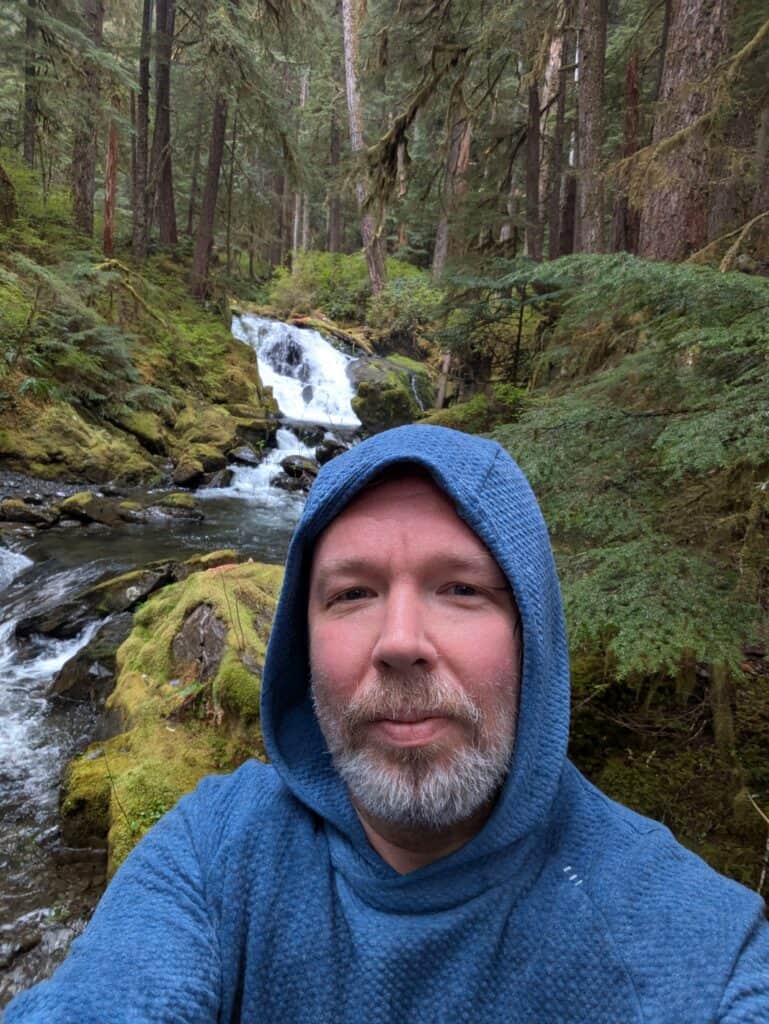
Carrie Rasmussen is the Development Director for the FIC. For more 30th blog posts click here.
As a former executive director of a regional land conservation trust, I recently came to the Foundation for Intentional Community (FIC) and the intentional communities movement with a willingness to learn more about what shared living, economies and decision making are all about. Now after two months in my position as FIC’s Development Director, I can start to see how intentional communities (IC’s) and conservation land trusts can better learn from each other and work together.
I typically hear about the term “community land trust” when I read about IC’s working to preserve parts of their shared landscape, like at Dancing Rabbit Ecovillage. However, many of my former colleagues from the conservation land trust world also used the term ‘community’ to describe their work.
A blog post shared on the Land Trust Alliance’s website notes that community conservation is:
(http://www.landtrustalliance.org/blog/defining-community-conservation)
These elements of community conservation reach to both the work of IC’s and conservation land trusts. Both are proactive, contributing to solutions to climate change, social health and happiness, food and water security, and innovative economies. Both movements emerged from grassroots efforts of many people itching to make a change for the better, for them personally and for society as a whole.
For those IC’s with land that they wish to conserve, there’s many things to consider, and reaching out to 501(c)3 conservation land trusts may help in the process, especially early on.
Conservation land trusts are well versed in the methods and tools designed to best conserve land for the future, and to manage it according to best practices. A common tool is a conservation easement, which are legal documents that spell out the purposes for setting a particular property aside permanently – for preserving wildlife habitat, protecting water quality or ensuring a property can be ‘worked’ for agriculture or forest management.
Easements are very complex and need to be crafted with skill. If IC’s have a non-profit organization that could serve as the holder for such an easement, then a land trust staff or board member could offer guidance to the IC leaders. If there’s not a non-profit within the IC, then the land trust could potentially be the holder of the easement. As holder, the land trust acts as a safeguard who will annually check in and ensure the terms of the easement are being met into the future. The decisions and process involved in creating easements can take years to accomplish. For the sanity of all, the detailed crafting of the terms should be seeds. The easement is then forever legally tied to the property.energy, and it may be difficult to come to a consensus. Once easements are signed, they are permanent and are forever attached to the property’s deed.
At Dancing Rabbit Ecovillage, they have established a community land trust non-profit 501(c)2 as a part of their land conservation and management strategy. Their non-profit 501(c)3 board oversees the land and finances of the organization, while leaving the daily decisions about operation to the community. Their model of governance ensures that portions of the land is conserved and cared for, while still having plots available for members to lease to live and thrive there. They have enrolled much of their land in the USDA’s Conservation Reserve Program, a federal contract that offers payment to take on restoration and best management practices.
Conservation land trusts have a great deal of experience in writing land management plans, as well as implementing them. Trail building skills are also abundant, as is grant writing expertise to seek such funding to help combat invasive species, create wildlife habitat for declining species, or to restore native landscapes. Some IC’s may want a more passive management approach and that’s likely the case if the broader community does not visit or recreate on the property.
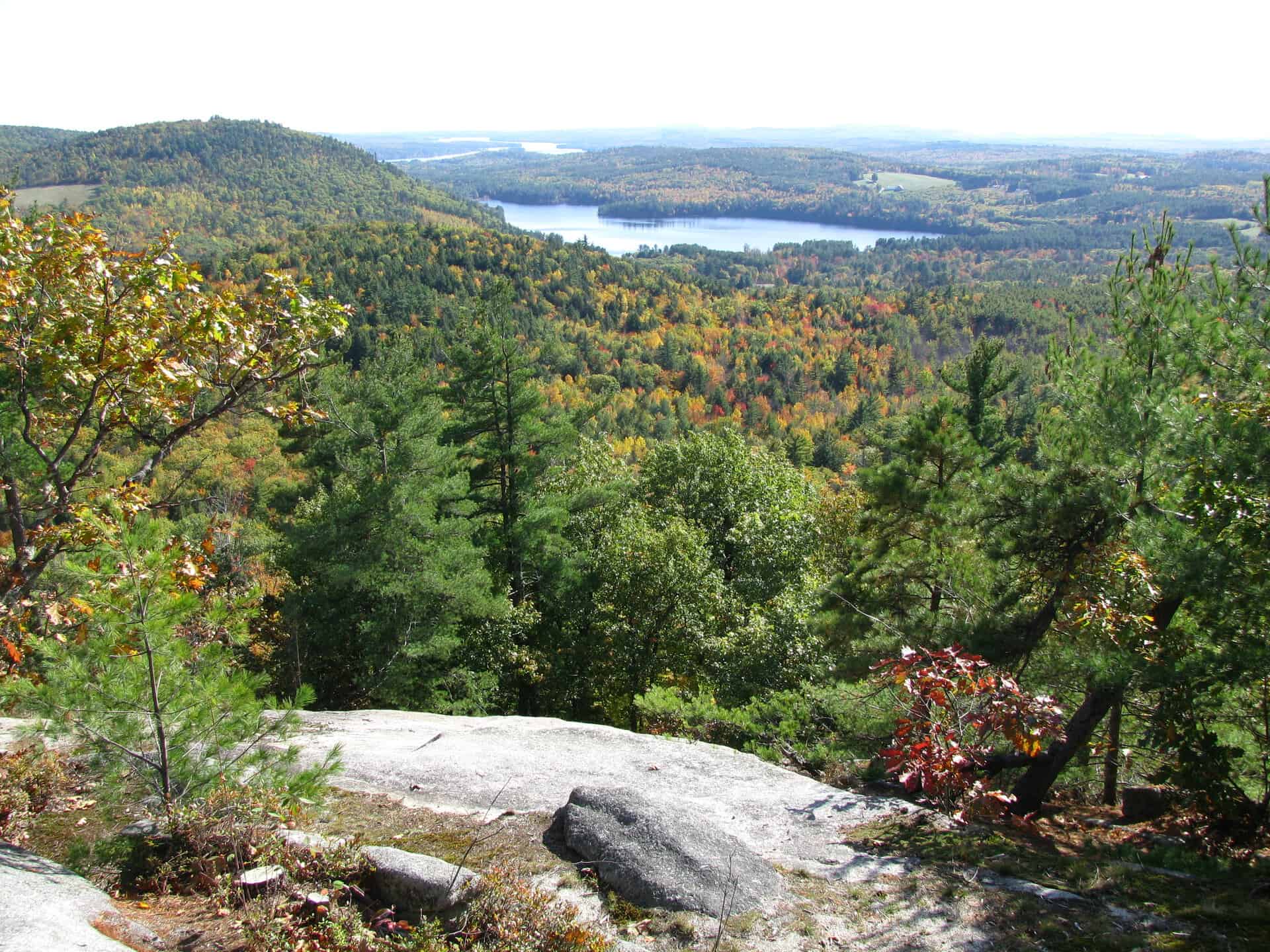
Grady Rasmussen on a group hike with Loon Echo Land Trust to the top of Bald Pate Mountain.The Land Trust Alliance is the mother organization to many land trusts. You can look up your local or statewide land trust on their site and find a whole host of resources including publications, training opportunities and sample documents.
Those involved in conservation land trusts should also be excited to learn from IC’s about their experience with incorporating the residential needs of its members into the natural landscape. At Loon Echo Land Trust (www.LELT.org) in southwestern Maine where I worked for 12 years, there were no real residential components involved in our conservation projects, but the social and economic ties and benefits of were apparent.
Many of the conserved properties were available for traditional uses like fishing and hunting and recreational offerings (= tourism for the region). Other properties were more focused on wildlife habitat and timber management (= contribution to Maine’s forest based economy). And some properties were in the heart of villages and towns, serving as public parks, bordered by private residences. Others focused on protecting the headwaters to important water resources like Sebago Lake, the drinking water source for greater Portland.
I encourage those reading this blog to leave comments or questions, and to connect with your local land trust in your area (www.landtrustalliance.org).
Keep the conversation going with these pieces
There are no available blogs
Subscribe to our newsletter for fresh stories and community updates delivered to your inbox.
Get unlimited access to courses, exclusive member events, and a supportive network of community builders
Access all courses, books, and premium content
Member-only workshops and community builders
Member-only workshops and gatherings
We use cookies to improve your experience on our site. By using our site, you consent to cookies.
Manage your cookie preferences below:
Essential cookies enable basic functions and are necessary for the proper function of the website.
These cookies are needed for adding comments on this website.
Statistics cookies collect information anonymously. This information helps us understand how visitors use our website.
Service URL: policies.google.com (opens in a new window)
A residential project: people live here as their primary home.
An institution, business, network, or project that isn’t a residence (e.g. a learning center, farm, or network with no one living there full-time).

{{ item.label }}
{{ item.value ? item.value : currencyFormat( item.amount ) }}
Subtotal
{{ currencyFormat( pricing_summary.total_amount ) }}
There are no results matching your search