Coastal Regeneration Immersion: Permaculture Design Certification in Jalisco, Mexico

About the event

Tropical Dry Forest Permaculture Design & Regenerative Stewardship Certification (PDC)
12-Day Intensive | 120 Hours | Costalegre, Jalisco, Mexico

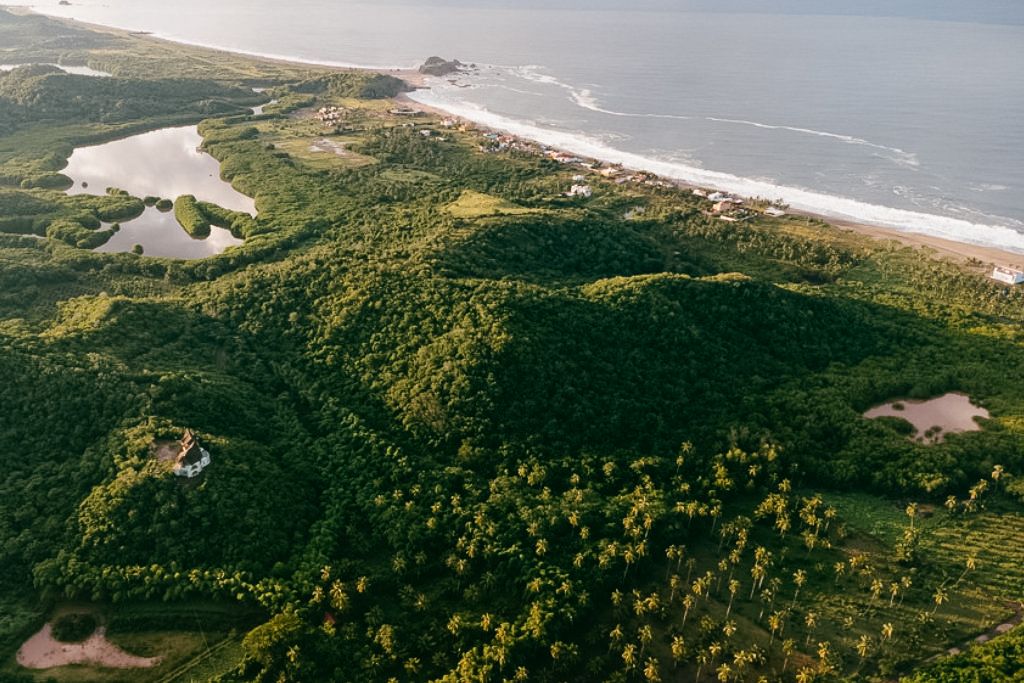
Join us for an immersive Permaculture Design Certificate course set in the tropical dry forest bioregion of coastal Jalisco. This 120-hour intensive blends internationally recognized PDC curriculum with hands-on regenerative practice — combining ecological design, agroforestry, natural building, and community stewardship into one integrated learning experience.

Lead Faculty

  • Jorge Luis Gtz. Olarte (Arborescencia RedGenerativa) – Regenerative Design, Soil Biology & Agroforestry
  • Ozzy Lusth (Survior & Xochiraíz) – Wilderness Resilience & Survival Skills
  • Dave Collins (Capacha Coastal Conservation Center) – Bioarchitecture & Ecological Development

What You’ll Learn
The course moves through six progressive phases:

  1. Permaculture & Ecological Literacy – ethics, principles, and reading the tropical dry forest landscape
  2. Water & Soil Systems – keyline design, water harvesting, living soils, and compost systems
  3. Horticulture – food garden design, propagation, and biological pest control
  4. Regenerative Food Systems – tropical agroforestry, food forest design, and guild planting
  5. Ecological Infrastructure – bamboo bioarchitecture, bioclimatic farm design, compost toilets, greywater, and rocket stoves
  6. Integrated Design Studio – team-based final design projects covering watershed strategy, agroforestry, food forest layout, infrastructure, and phased implementation

Daily Rhythm
Mornings begin with optional surf/yoga and journaling, followed by field practicums and hands-on workshops. Afternoons include design studio and construction lab work, with reflection circles, communal dinners, and evening talks, films, or campfire discussions rounding out the day.

Final Project
Participants work in teams to produce a full regenerative design package — landscape analysis, water plan, agroforestry design, food forest plan, ecological infrastructure, and bioclimatic farm plan — presented to a faculty review panel on the final day, followed by a closing ceremony, certificate delivery, and community feast.

Certification
Graduates receive the Tropical Dry Forest Permaculture Design & Regenerative Stewardship Certification (120 contact hours), hosted by Capacha Coastal Conservation Center and Tierralegre, A.C. Curriculum integrates international PDC standards with tropical ecology, agroforestry, ecological restoration, bamboo bioarchitecture, bioclimatic design, GIS/photogrammetry, and regenerative leadership.

Highlights

  • Hands-on bamboo construction (temazcal, bathhouses, sculpture)
  • Tropical dry forest silviculture practicum
  • Community mapping and design project for Ekoa Green Community
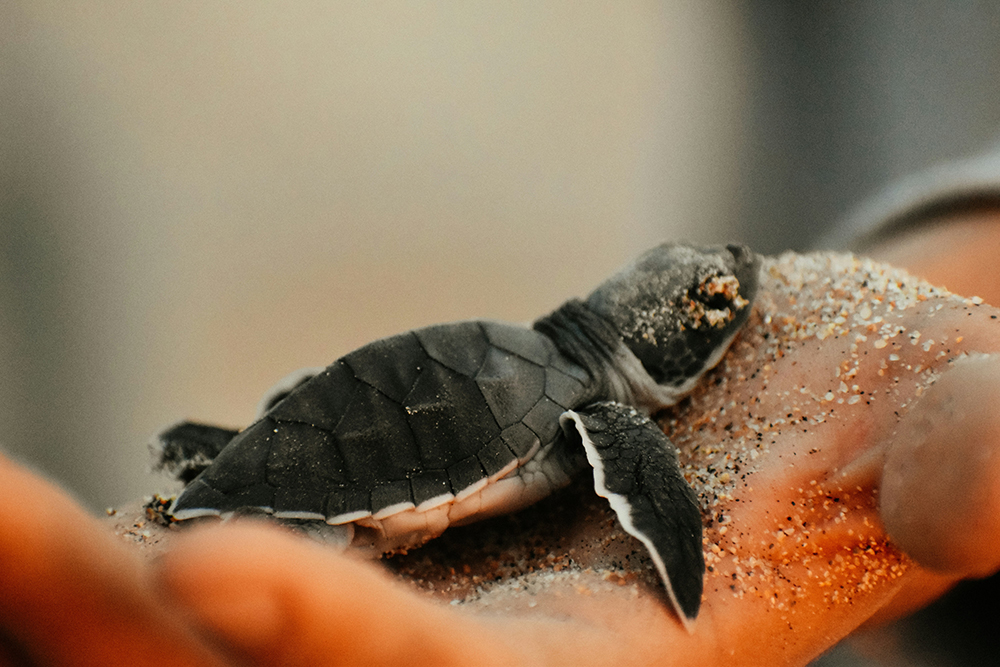
  • Talent show and sea turtle release

Agenda

Topics Covered:

  • Introduction to Regenerative Stewardship
  • Permaculture Ethics
  • Principles of Ecological Design
  • Story of Place
  • Tropical Dry Forest Ecology
  • Observation as a Design Tool

Field Work:

  • Site Walk
  • Ecosystem Observation
  • Watershed Identification
  • Flora and Fauna Survey
  • Mapping Existing Systems
  • Soil test; Chromatography

Workshops:

  • Collective Territory Mapping
  • Site Basemap Creation

Topics Covered:

  • Hydrological Cycle
  • Keyline Design
  • Watershed Restoration
  • Rainwater Harvesting
  • Water Distribution Systems

Field Work:

  • Reading Water Movement
  • Swale Layout & earthworks
  • Infiltration Testing
  • Contour Marking

Workshops:

  • Water Master Plan

Topics Covered:

  • Soil Food Web
  • Succession Ecology
  • Compost Systems
  • Biofertilizers
  • Ecosystem Restoration

Field Work:

  • Soil Pit Analysis
  • Compost Building: bokashi & others
  • Microorganism Collection
  • Anaerobic Fermentation
  • Soil Biology Observation

Workshops:

  • Soil Restoration Design
  • Super Magro Biofertilizer
  • Mineral amendments: compost making and bokashi method

Topics Covered:

  • Soil and substrates: fertility, ph and texture
  • Germination
  • Transplantation 
  • Biological Pest control

Field Work:

  • Food garden installation
  • High beds
  • Hugelkulture
  • Propagation

Topics Covered:

  • Successional Agroforestry and silvopasture 
  • Tropical Dry Forest Restoration
  • Productive Ecosystems
  • Native Species Selection

Field Work:

  • Species Identification
  • Agroforestry Layout
  • Tree Placement Strategies

Workshops:

  • Agroforestry Design Charrette

Topics Covered:

  • Forest Ecology
  • Guild Design
  • Layering Systems
  • Perennial Food Production
  • Sintropic agroforestry approach
  • Fertility

Field Work:

  • Guild design and Installation
  • Tree Planting
  • Mulching Systems
  • Irrigation Setup

Workshops:

  • Food Forest Master Planning

Topics Covered:

  • Bamboo Structural Design
  • Material Selection
  • Joinery Systems
  • Natural Building Principles

Field Work:

  • Harvesting Bamboo
  • Treatment Methods
  • Structural Connections

Workshops:

  • Construction of Demonstration Pavilion

Topics Covered:

  • Passive Cooling
  • Solar Orientation
  • Wind Analysis
  • Farm Zoning
  • Human Habitat Design

Field Work:

  • Solar Mapping
  • Wind Observation
  • Site Suitability Analysis

Workshops:

  • Farm Master Planning

Topics Covered:

  • Compost Toilets
  • Greywater Systems
  • Rocket Stoves
  • Renewable Energy
  • Decentralized Infrastructure

Field Work:

  • Rocket Stove Construction
  • Greywater Installation
  • Compost Toilet Design

Workshops:

  • Infrastructure Planning

Topics Covered:

  • Whole Systems Thinking
  • Design Methodology
  • Phasing Strategies
  • Implementation Planning

Field Work:

  • Watershed Strategy
  • Agroforestry Systems
  • Food Forest Layout
  • Infrastructure Plan
  • Architectural Concept
  • Economic Phasing
  • Arroyo Seco

Location

  • Arroyo Seco

More Needs and Offers

Offer
Need
  • Forming Communities
2 weeks ago

A call for pioneers, trade-builders, and the four Elemental Elders to construct our first cooperative village prototype.

Intake Open: Flagship WE Network Village in Clubb, MO Call for pioneers, trade-builders, and 4 Elemental Elders to construct our first cooperative village prototype. WE Network is opening ground zero in Clubb, Missouri—our living model to build trade shops and train leadership teams for nationwide village rollout. We are building a self-sustaining, salvaged homestead ecosystem operating as a parallel society alongside existing systems. Bring your own living setup (tents, micro-campers, trucks, schoolies, tiny homes) to secure your lot within the co-op village. The 3×3 Exchange: Mental, Physical, & Spiritual Maintain your lot via our 3×3 exchange (3 hours/day, 3 days/week = 9 hours total): Mental: Classroom teaching, strategy, skill-sharing, and village instruction. Physical: Hands-on labor building active land and shop projects. Spiritual: Participation in our weekly Friday Fellowship Fire Circle. Trade Shops & Lot Placement Every member contributes directly to our local micro-economy: Trade Holders: Set up your specific service shop for the co-op. Transitioning Members: Assigned a trade lot to focus on constructing the physical shop structure. Weekend Operations: Retail open Saturdays and Sundays. Mid-week is reserved for building and life. Priority Intake: The Four Elemental Elders We are recruiting four foundational Elders: Earth Elder: Land, soil, livestock, permaculture, and natural materials. Air Elder: Building structures and Eco Junk waste-to-material upcycling. Fire Elder: Spiritual health, Natural Law, body healing, and Fire Circles. Water Elder: Resource flow, food storage, bookkeeping, and services. How to Apply 👉 Visit fffc.wtf to submit your intake request today.
Need
  • Forming Communities
3 weeks ago

Looking for: people building relational capacity, with a view to community

What’s here now: An intention, a framework developed over five years, and a programme running in central Victoria to find people to build with. No land, no group, no timeline. The question this is organised around: What makes a community of people living together sustainable over decades – where people enjoy being there, conflict is low, and the conflict that does arise gets handled in ways people value. The distinctive premise is capacity before formation. Most communities form first and build relational skill afterwards, usually under pressure. This one proposes doing it the other way round: people build the capacities first, and the group forms from people who have them. That includes a working idea about collective capacity – that a group has a ratio, and below some threshold it can’t metabolise its own conflict and starts consuming itself. Roughly: in a group of twenty, perhaps three or four with high capacity, most in the middle, and very few without. Untested, and something this project exists to find out. Governance: Sociocracy, with the intention of testing it meaningfully at scale rather than adopting it nominally. What’s actually happening: A three-week residency at a property near Castlemaine, and a practice group running before it. The medium-term aim is twenty to forty people at a rented facility. The long-term aim is a support hub sharing the framework more widely. What I’m looking for: People who want to build this capacity seriously, and who might eventually want to build something together. Not necessarily people who want to live here – the current property probably isn’t the long-term site. Happy to hear from anyone this resonates with, including people already in community who’d rather share what they’ve learned than join anything.

Join the Communiversity Community

Get unlimited access to courses, exclusive member events, and a supportive network of community builders

Unlimited Learning

Access all courses, books, and premium content

Community Network

Member-only workshops and community builders

Exclusive Events

Member-only workshops and gatherings

Diverse hands raised in unity at an outdoor community event.

Join our community to unlock more.

Messaging sellers and saving your favorite listings is just a click away.

Update to a Public Profile

  • Log in
  • Go to your profile page
  • Toggle on the "Add my profile to the directory"
  • Save your profile

Information

Communities

A residential project: people live here as their primary home.

Organizations

An institution, business, network, or project that isn’t a residence (e.g. a learning center, farm, or network with no one living there full-time).

Plus Community Membership

  • Find people with Profile Match
  • Access to your community listing statistics
  • Create Discussion Groups
  • Access to our affiliate program
  • Member badge on your community profile
I am an official member of this community
Disclaimer
I affirm that my information is accurate and I am authorized to manage this listing
Foundation for Intentional Community FIC Member badge logo.

Free Plan

Free Membership
Free

Intentional Advertising

  • Subtotal

    {{ currencyFormat( pricing_summary.total_amount ) }}

Icon representing community connections and collaboration for intentional communities.

Plus Membership

We’re introducing new Plus features — including community reviews, Profile Match, and unlimited Needs & Offers posts — while keeping most of FIC free for everyone. Membership costs less than two coffees a month. 
  • Find communities with Profile Match
  • View detailed reviews about communities
  • Create free listings in Needs & Offers
  • Plus Member resources in CommUniversity
  • View communities detailed reviews
  • Plus Member badge on your profile