

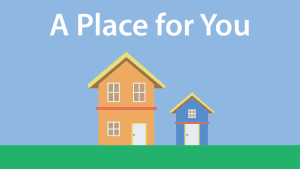
A new pilot program in Portland, OR, is exploring an unconventional way to reduce homelessness in the city. Relying on $350,000 in funding, the county will pay for the cost of building a tiny house in a homeowner’s backyard – under the condition that a homeless family can live there for five years.
The program, called A Place for You, is a collaboration between Multnomah County and Enhabit. It hopes to increase density in a city that is struggling with a housing affordability crisis, while fostering connections between homeless families and neighborhood residents. According to FastCompany:
“Unlike larger developments for housing the homeless, which often face local opposition, backyards are likely to be easier places to build. Tiny backyard houses, also known as accessory dwelling units, are already common and typically can be built “by right” by landowners, meaning that neighbors can’t stop their construction. For neighbors, it’s an opportunity to get to know someone who has dealt with homelessness personally, and to begin to dismantle some of the stereotypes they might hold about what a homeless person is like or why they might be in that situation.”
The homes will be around 200 square feet, and include electricity, water, and sewage connections, as well as a small kitchen. Tenants will contribute 30 percent of income to the county in lieu of rent, and will have access to social services such as job placement programs. If their circumstances change, they can leave before the five years is up and a new family will be placed in the home.
Seattle, WA, is trying out a similar program. Called The BLOCK Project, it differs from the Portland program in several respects. The houses are smaller (100 square feet) and more sustainable. Instead of a sewage hookup, the homes will have a composting toilet and use solar panels for electricity.
Residents will pay 30 percent of their income toward rent and maintenance costs, however, there is no five-year limit on how long they can stay. The program hopes to match homeowners and tenants carefully, based on personal histories, support needs, and timeframe. Co-founder Rex Hohlbein says that:
“People don’t heal their lives based on a schedule. Somebody might move in and get involved in the community for six months and get their feet on the ground in a stable way. It might be enough for them to move on to their next place of housing, but then someone else might take up to a year.”
Neighbors, too, are kept in the loop. The projects leaders felt that having full buy-in from nearby residents would make it easier for tenants to adjust. Homeowners who have agreed to participate in the pilot project include Marjon Riekerk, 80, who lives in the Crown Hill suburb, and Dan Tenenbaum, who lives in Beacon Hill.
Lately, tiny house projects to house homeless families have been gaining traction. Portland is building a tiny house village for women that will include 14 houses, and Square One Villages is working on several tiny house projects in Eugene, OR. One of these, Emerald Village, will be cooperatively owned:
“[R]esidents of Emerald Village will not simply be renters; they will be members of a housing cooperative with a share in ownership of the village—enabling them to create a modest asset that can be cashed out if and when they move out. Residents will also share responsibility for upkeep of the village, and will have a voice in shaping how their housing is operated and managed through democratic process.”
How is your region addressing the housing affordability crisis? Could tiny house projects help reduce homelessness in your city or town?
Keep the conversation going with these pieces
There are no available blogs
Subscribe to our newsletter for fresh stories and community updates delivered to your inbox.
Get unlimited access to courses, exclusive member events, and a supportive network of community builders
Access all courses, books, and premium content
Member-only workshops and community builders
Member-only workshops and gatherings
We use cookies to improve your experience on our site. By using our site, you consent to cookies.
Manage your cookie preferences below:
Essential cookies enable basic functions and are necessary for the proper function of the website.
These cookies are needed for adding comments on this website.
Statistics cookies collect information anonymously. This information helps us understand how visitors use our website.
Service URL: policies.google.com (opens in a new window)
A residential project: people live here as their primary home.
An institution, business, network, or project that isn’t a residence (e.g. a learning center, farm, or network with no one living there full-time).

{{ item.label }}
{{ item.value ? item.value : currencyFormat( item.amount ) }}
Subtotal
{{ currencyFormat( pricing_summary.total_amount ) }}
There are no results matching your search