

NOTE: Please note that IC requires a mailing address; Dakota land (Minnesota) is the location of that mailing address. It is not the location of the Northern Arizona-based concept.
WHY THIS COMMUNITY?
Artistic and creative spaces for play are critical but so expensive and exclusive. Most artists I know cannot afford to live in the “art spaces” set up for them or do not want to pour their capital into those institutions. We need something beautiful but accessible. We want to be part of the good struggle within dominant culture to abandon bad ways such as taking Earth’s resources for granted, being stuck in “rent” (serfdom) or conventional “ownership” (which is renting from banks); banks, governments and institutions based on greed, sexism, racism and things that impact and re-traumatize everyone. (We are explicitly setting out to create anti-racist, anti-sexist and anti-white supremacist community, just in case our favor for the words equality and diversity are not clear enough.)
Given Northern Arizona has a dearth of affordable living situations, we recognize we might not be suited to making one that addresses every need; but we’d like to make one that addresses ours: a place for professional artists to share living resources.
Let’s make a place everyone can:
1. save money by sharing resources
2. communicate with each other without controlling each other
3. have easier access to real food & medicine (Earth sourced)
4. pay low rent
WHO?
Anybody should be able to apply. You don’t have to consider yourself an artist. But the mission will be to support artists as sustainably as it is practical.
LOCATION
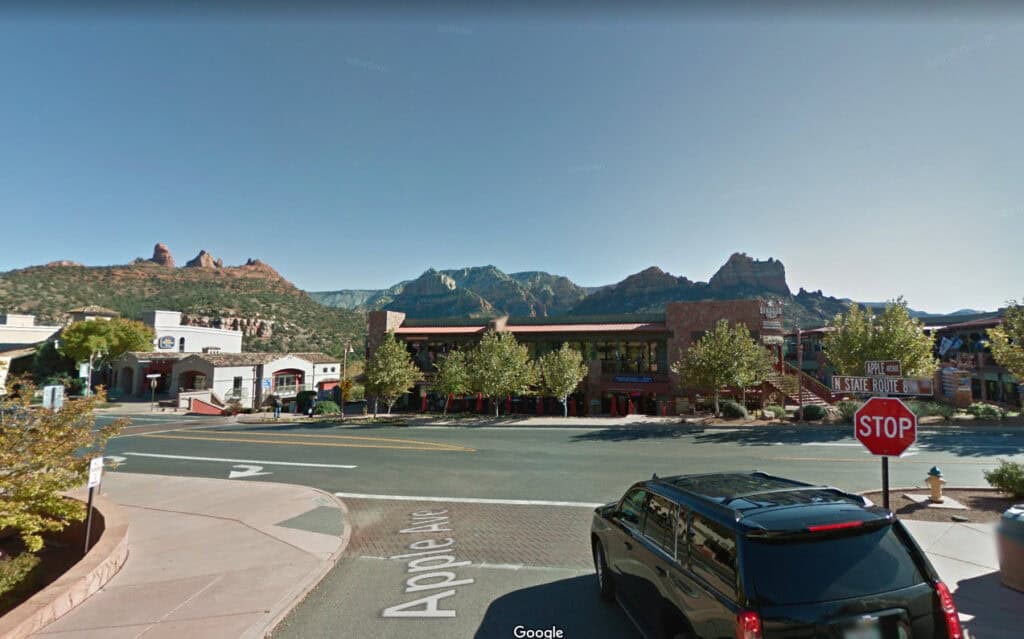
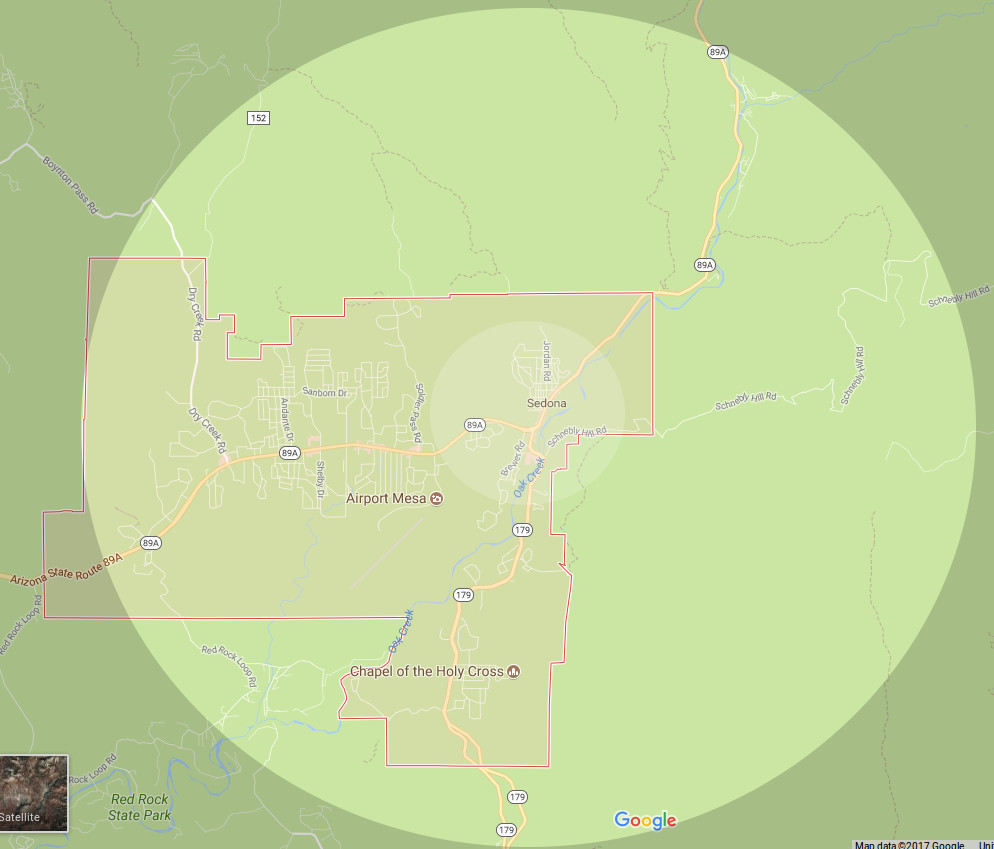
We found a location in the Northern Arizona area, because it’s artistic, relaxing, stimulating, it has an international traveler community, clean air, nice weather, wholesome recreation, alternative transportation options (lots of walking and bicycle trails), and the beauty naturally inspires and convinces people of Earth’s wonder. We’ll have a long term goal of partnering with (or starting) other locations over time so that people who don’t want to be in one place year round don’t have to and any responsibilities they have can be covered while they are gone.
MODEL
Here are some co-operative rules we might consider:
1. *Open Membership.* A co-op does not discriminate. Any color, gender, sex, orientation, age (must be an adult though), political beliefs, religious beliefs, hair style, etc. may join. Humans need to try to get along with each other, which is hard work but very good work. This might be considered a “Rainbow Residence” in the old sense: inclusiveness for all, not just LGBTQIAA+ exclusivity (preferring all forms of diversity, not just sexual diversity.) Basically “fair housing” laws, but with the co-op caveat of having some choice of fitness of membership.
2. *Democratic Control.* The co-op is owned and operated by its members. We make agreements together. (Let’s not meet so often that it drives us nuts but enough to communicate, succeed and learn.)
3. *Limited Return on Capital.* A co-op is not intended to be a money-making enterprise for its members. In the case of housing together, the simplest way is “no equity” (no $ returned). But paying a fair low rent together (like $300 per person per month) allows us all to save more in our personal finances or dramatically divest from capitalism, as per each individual’s prerogative. We can always choose to develop a cottage industry to work on together like East Wind and Twin Oaks have.
4. *Honest Operational Practices.* Cooperatives deal openly, honestly, and honorably with their members and the general public. It sounds like that includes some measure of politeness. There is such a thing as too much “honesty” without being very kind.
5. *Ultimate aim is to advance the Common Good.* The ultimate aim of all cooperatives should be to aid in the participatory definition and the advancement of the common good. (Not too much focus on cronyism or making a “gang” of the co-op. Just see and treat each other as human beings worthy of respect). The two values we gotta have in this case are: treat all life with the reverence it deserves, and by extension respect yourself and be the best You.
After that,
6. *Not a hassle.* Co-ops are expected to educate their members and anyone interested in how the place works. Nobody doesn’t know the rules. Everyone decides the rules. Easy to join and easy to leave. We try to be patient and good listeners and teachers for each other. (We could aim for sociocracy but let’s focus on the important stuff and not assume a set of agreements will fix all life’s little struggles).
CONCLUSION
So in conclusion, we are healthy, connected, individually mighty, united even stronger, and we have reduced expenses by doing it together. As a result, we have more free time to work on our individual goals and our positive collaborations, whatever those may be (since one-size-fits-all religion is not identified). And we live in an attractive place that could help us “market” egalitarian values, heal, and hopefully metabolize trauma instead of sinking under its weight.
The community focus is real life, pragmatism, people, idealism, being there for each other, soothing tensions, reducing reliance on empire, inspiring fresh new solutions, and making creative living into a comfortable reality that spreads egalitarian principles.
Just be a good friend to people. We like people. Pay the monthly amount we all decided was fair. Communicate about your needs. Don’t panic. Enjoy and protect one of the loveliest places on the face of the Earth.
Since we don’t have a space, you have to reach out to me. Let’s meet over phone or online and discuss what we want to do.
The whole membership decides collectively.
Little to no formal governance structure.
Our community is based on friendship. The ultimate goal is to have anarchy just plain work, but members of all societies on this continent have experienced a great deal of trauma so that’s probably not realistic right now. So our community will operate on Modified Consensus before aiming to train ourselves in Sociocracy 3.0 and go from there. The main thing is to not let ourselves get torn apart by triggering each other. People first, not models. Yes, it makes things move slow. But you know what? Maybe that’s a good thing.
Members contribute a percentage of income to community funds.
Regular fees: $500
Labor: Yes (2 hrs/week)
Members with pre-existing debt: allowed
The reality of this multinational population on Turtle Island (aka Canada, the USA et al) is that we are all using money to just survive. So we need to have a basic rent and a damage deposit, but it’s not for profit. It’s just to afford taxes together and upkeep and pay back start up loans and then start saving so we can liberate more property from the man and spread the model.
Common House, Garden(s), Library, Workshop, Large Scale Kitchen, Stage or Auditorium, Fire pit, Internet
Connecting people and communities through an intentional online marketplace
There are no needs and offers
We use cookies to improve your experience on our site. By using our site, you consent to cookies.
Manage your cookie preferences below:
Essential cookies enable basic functions and are necessary for the proper function of the website.
These cookies are needed for adding comments on this website.
Statistics cookies collect information anonymously. This information helps us understand how visitors use our website.
Service URL: policies.google.com (opens in a new window)
A residential project: people live here as their primary home.
An institution, business, network, or project that isn’t a residence (e.g. a learning center, farm, or network with no one living there full-time).

{{ item.label }}
{{ item.value ? item.value : currencyFormat( item.amount ) }}
Subtotal
{{ currencyFormat( pricing_summary.total_amount ) }}
There are no results matching your search