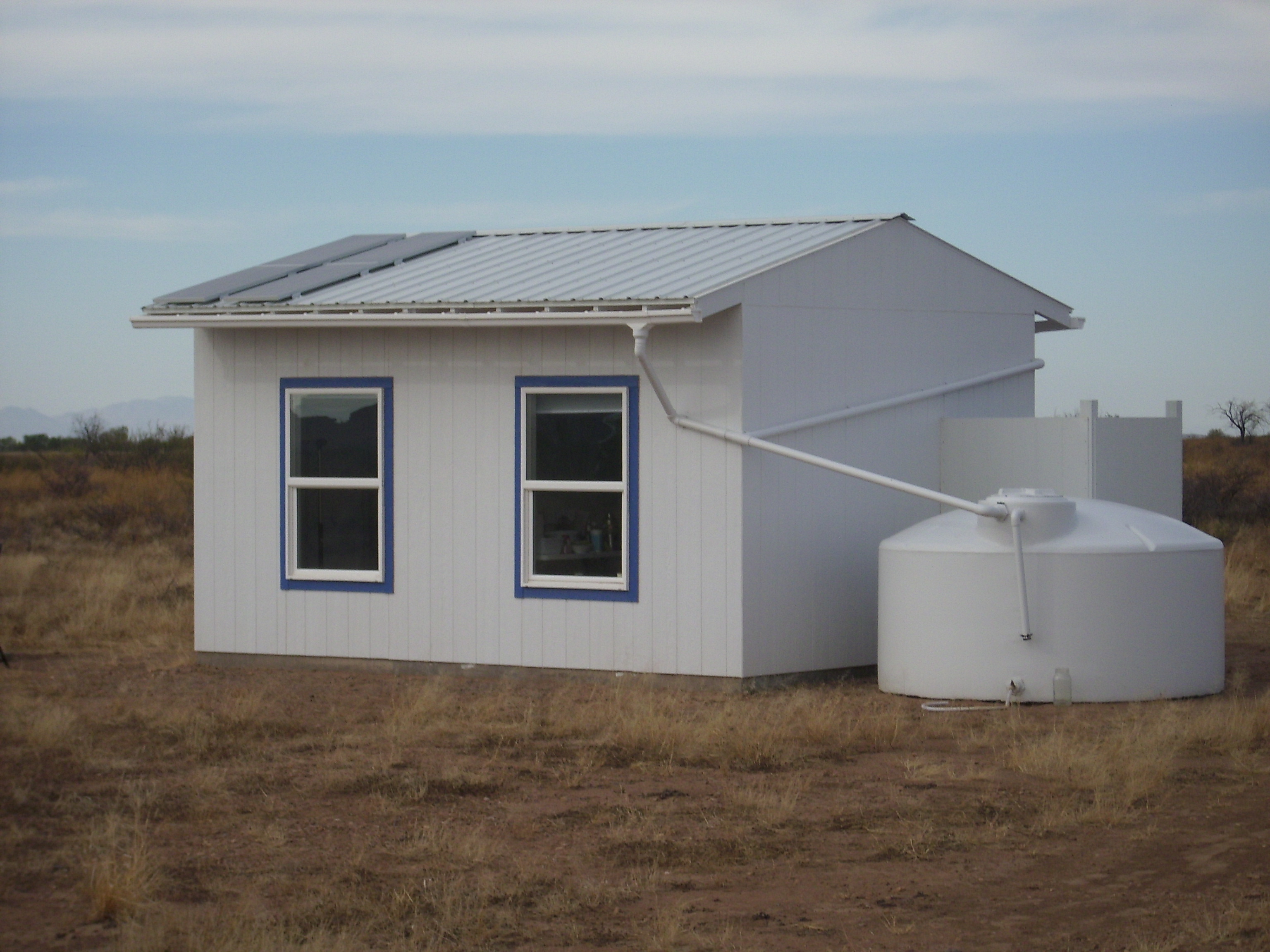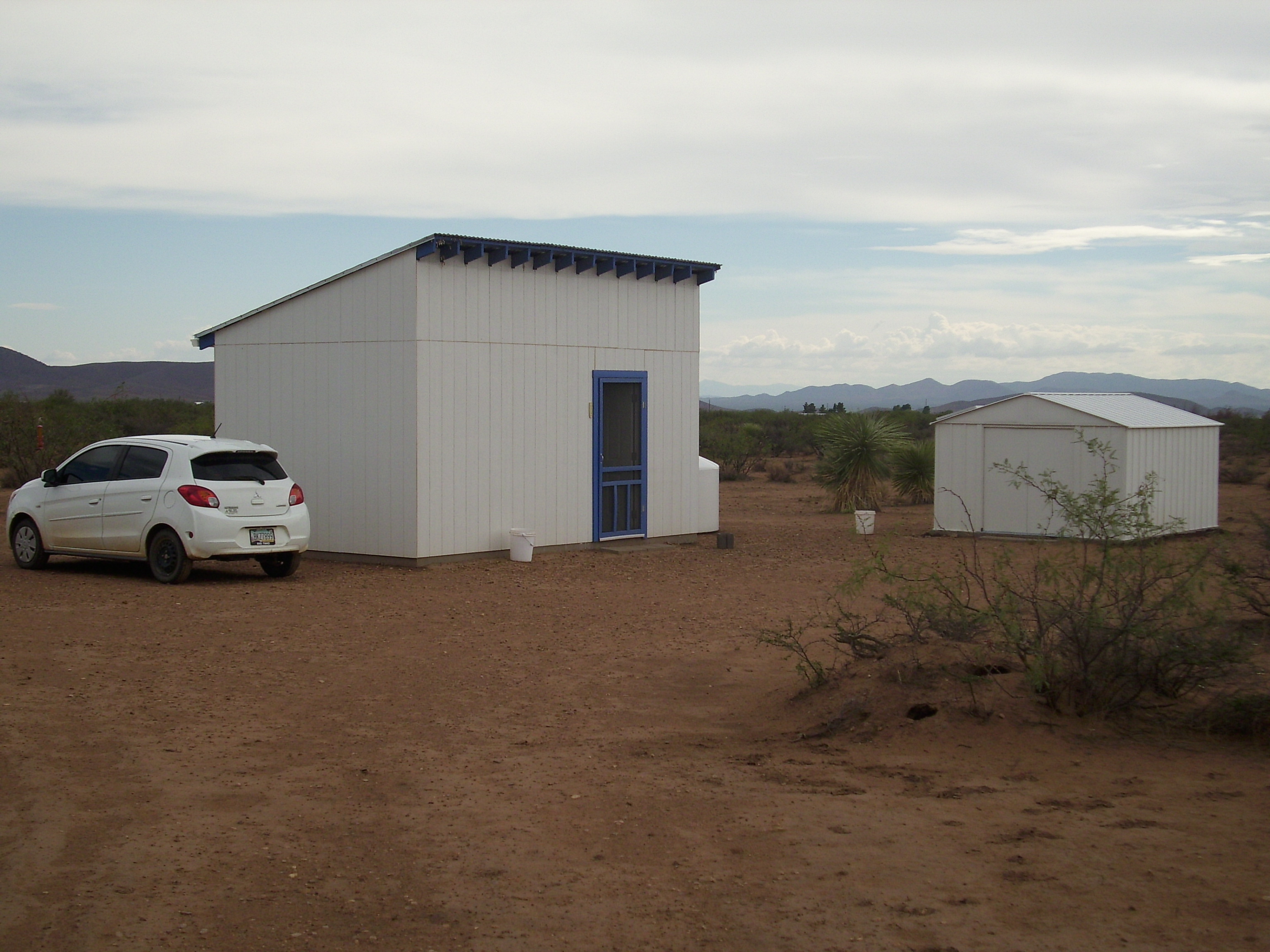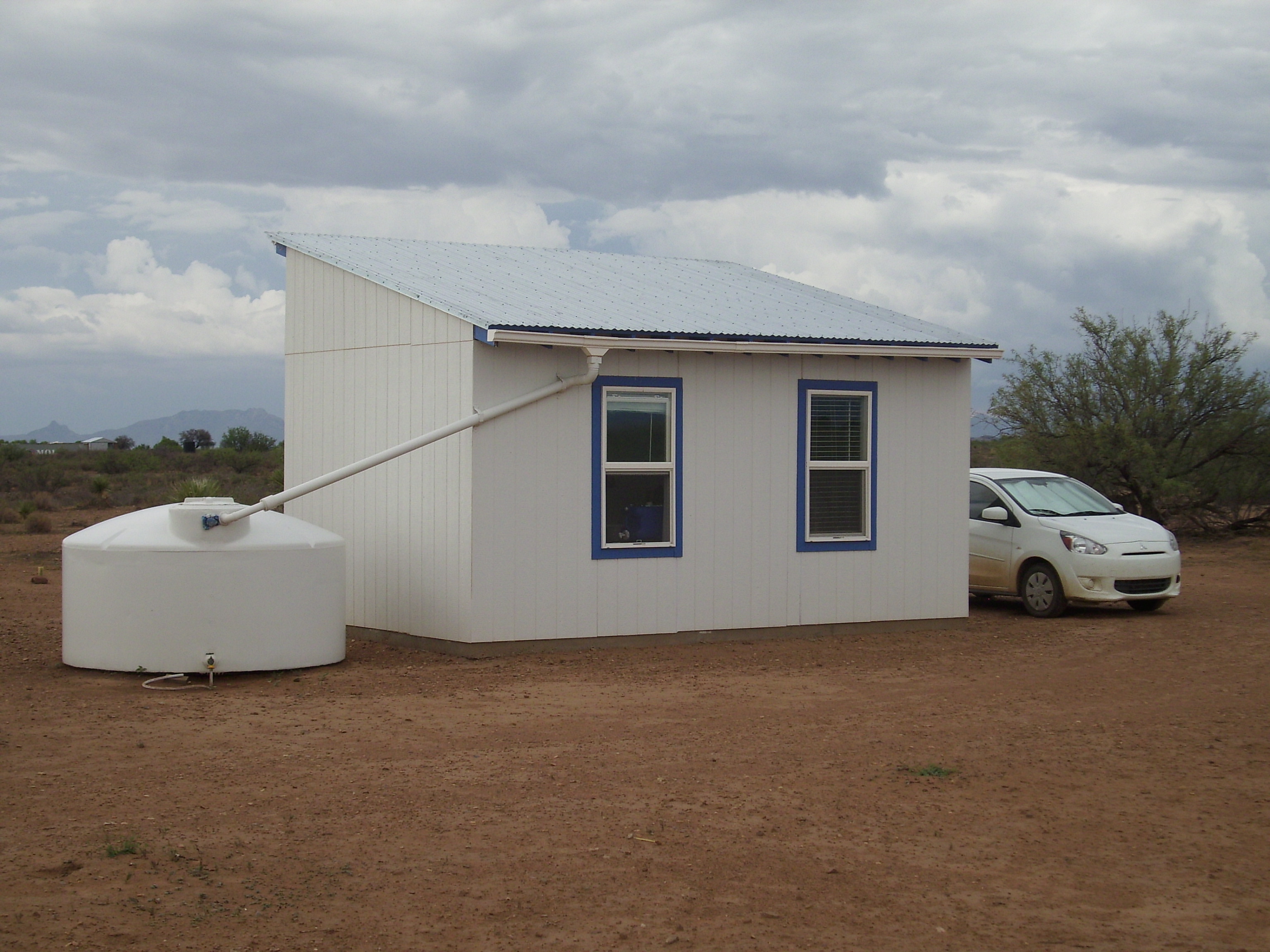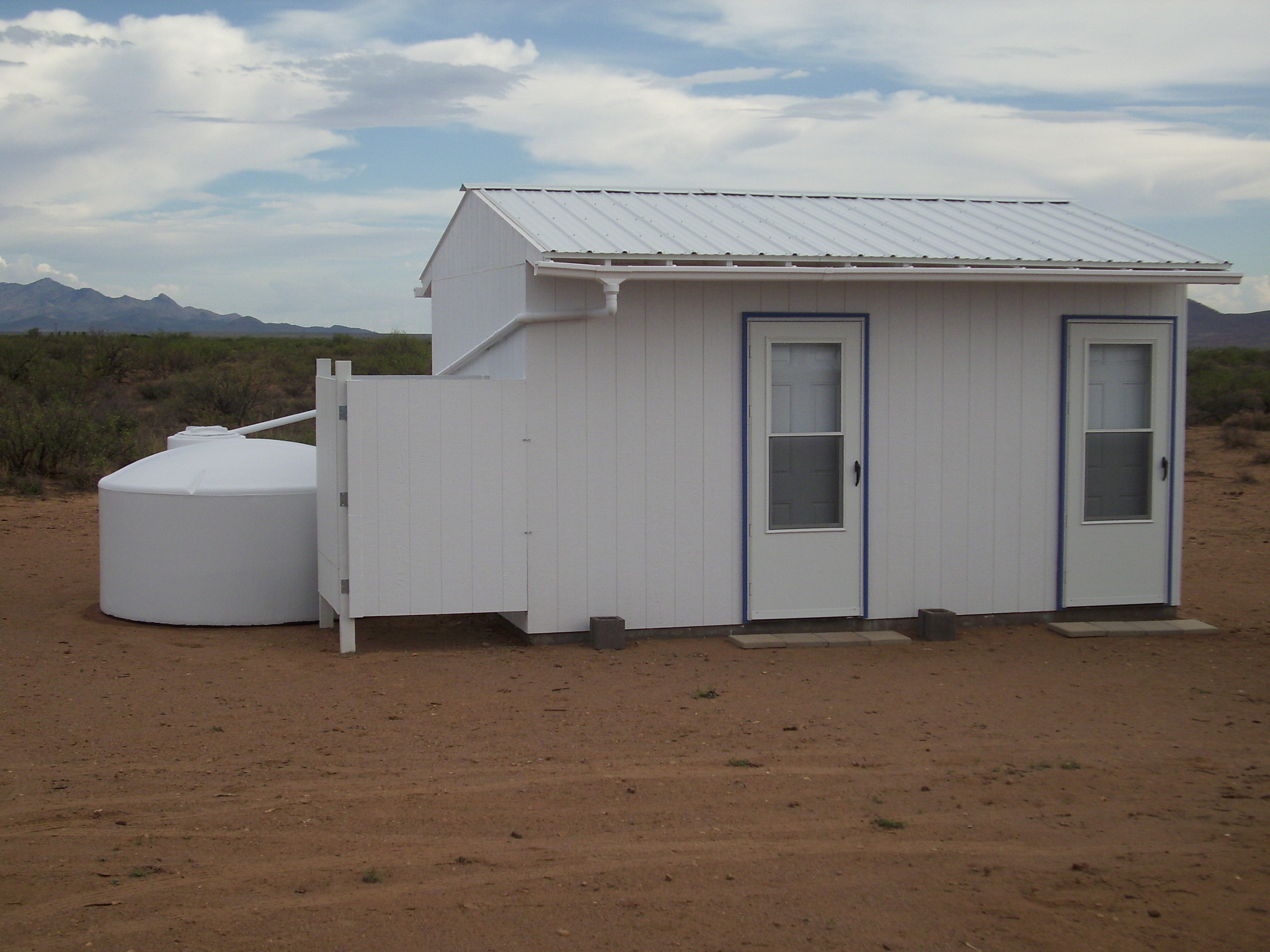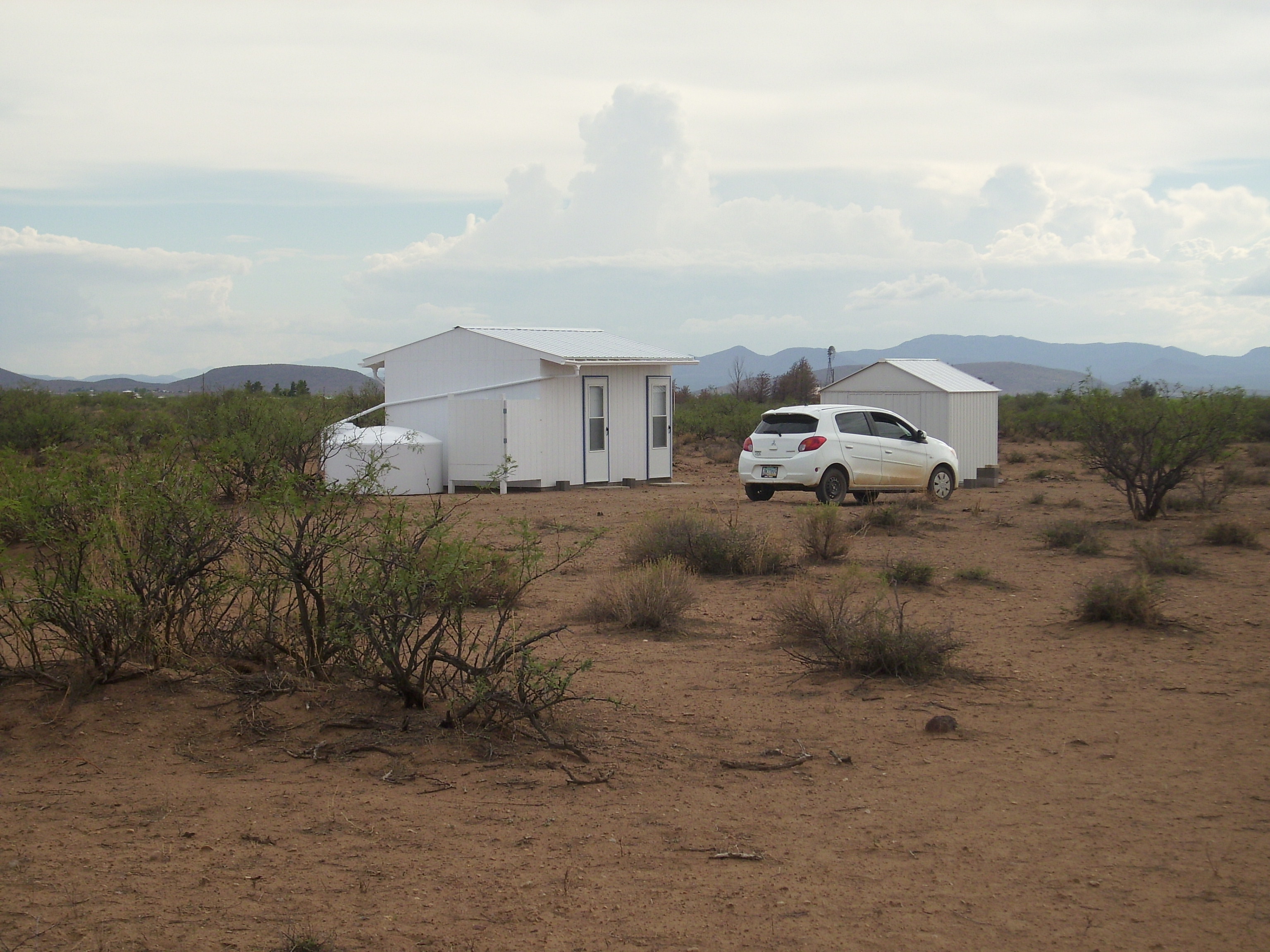
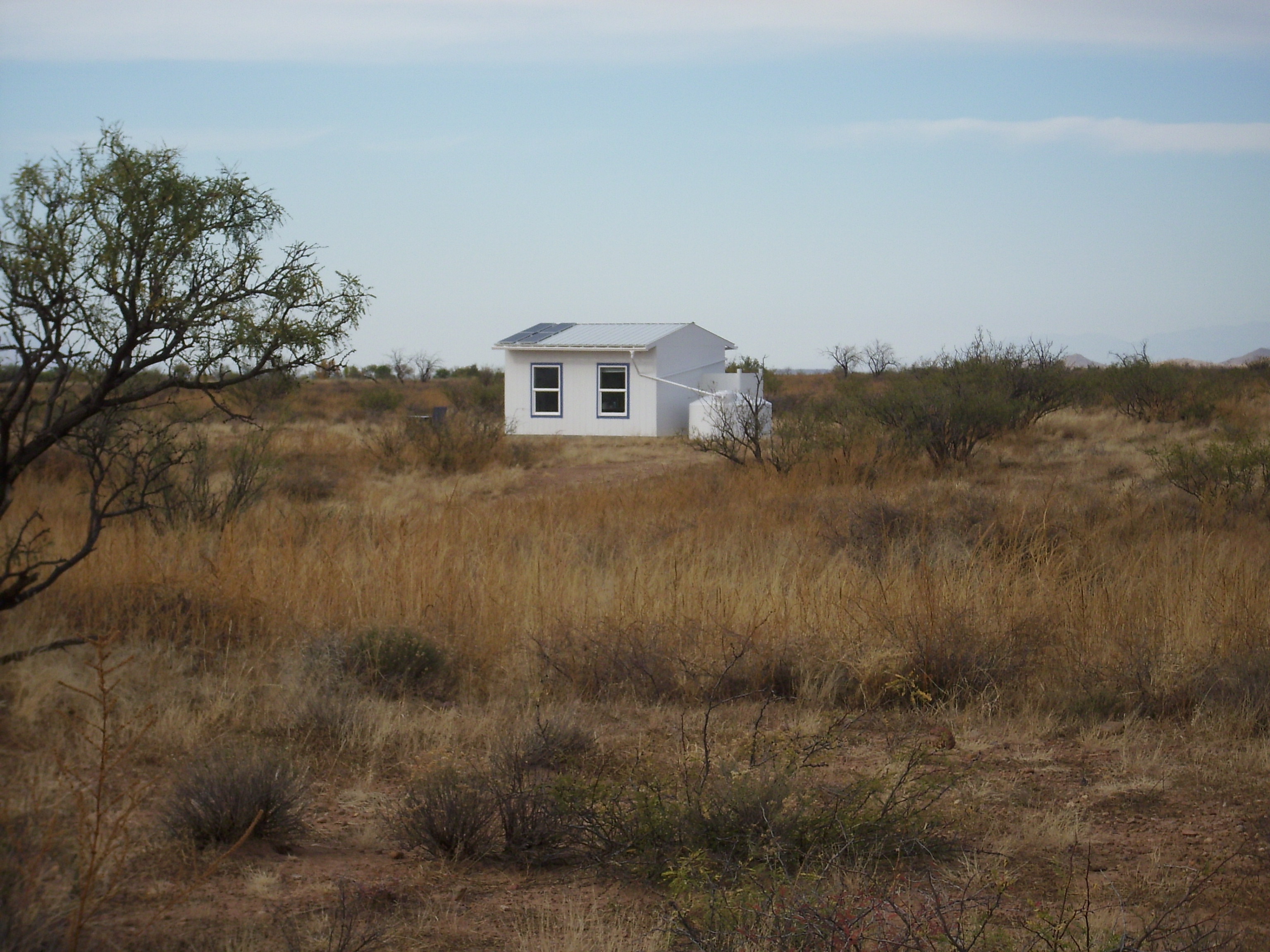
Small white house in a dry, open landscape with sparse vegetation.

Savanna Hermitage

  • Communities

About the Communities

  • Forming
  • Ecological
  • Rural

Founding year

  • 2021

What we do

The Savanna Hermitage is a small off grid solar powered retreat community of experienced practitioners of meditation, qigong, and yoga located near the Chiricahua mountains of Southeastern Arizona. This retreat offers the unique opportunity for experienced practitioners to have a solitary practice experience, while also benefiting from the support of other experienced practitioners onsite. Mature, experienced, self motivated, independent, and self sufficient individuals with established higher consciousness practices and lifestyles, and high levels of physical, mental, and emotional health and stability are encouraged to apply.
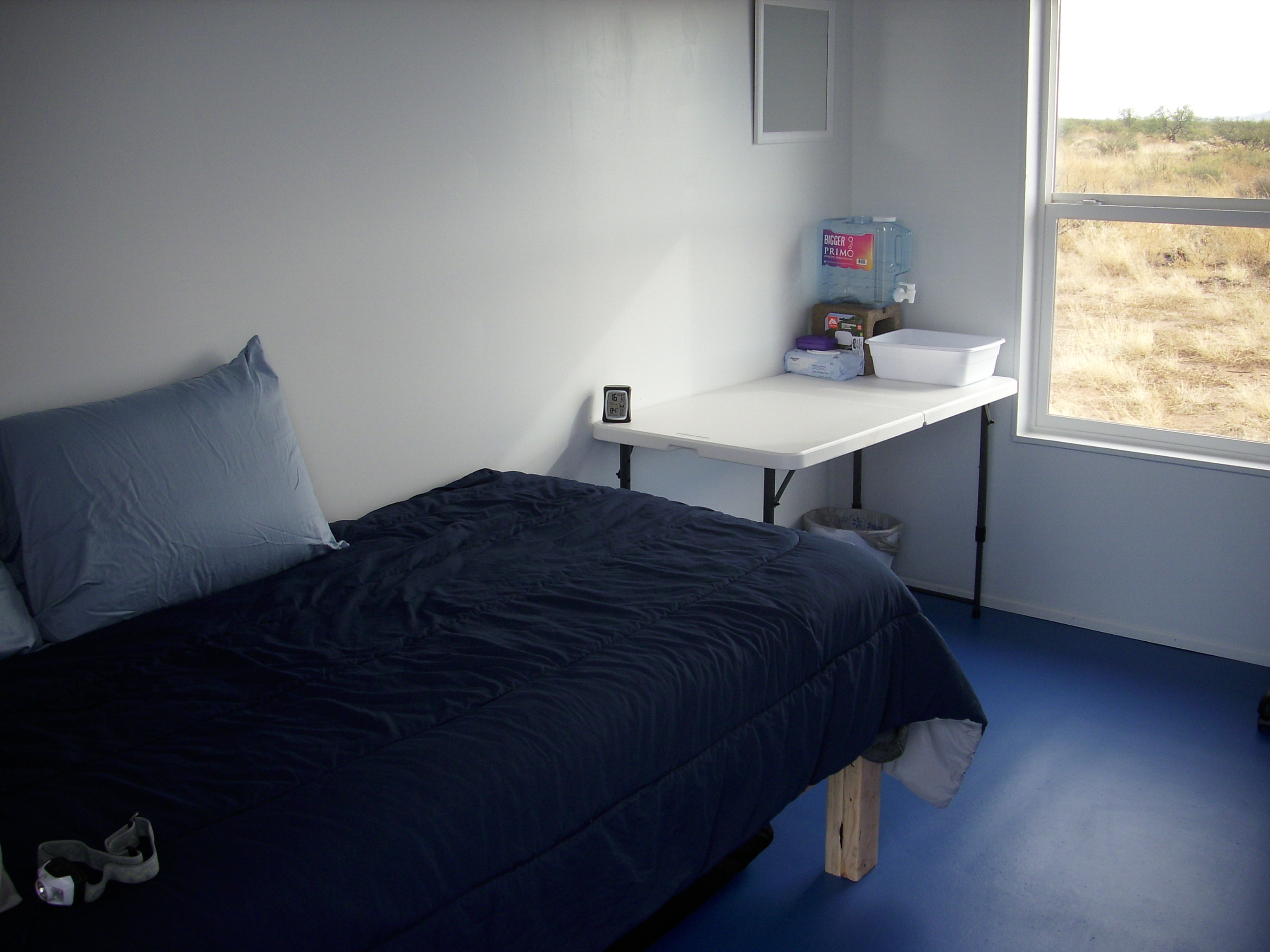
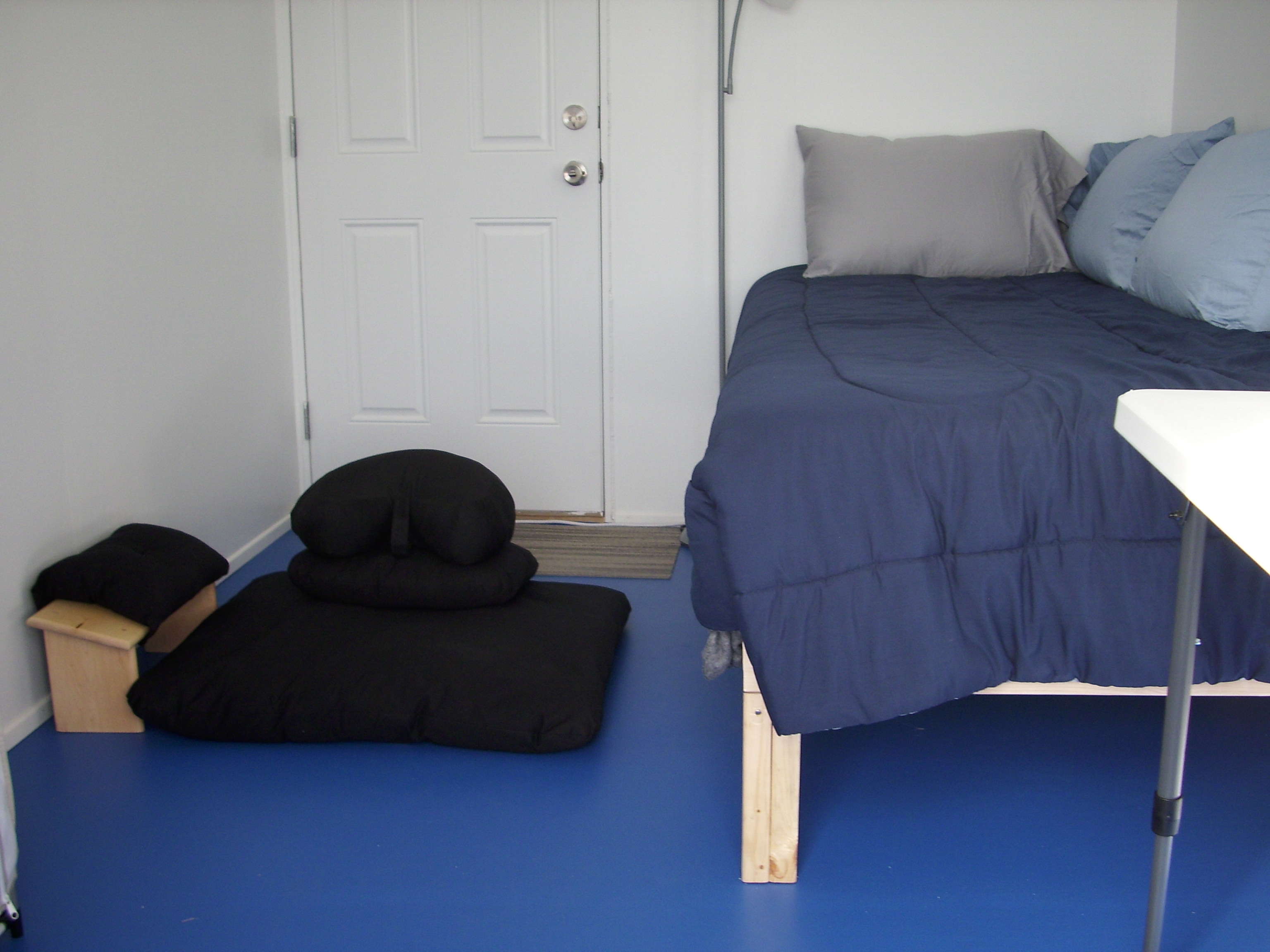
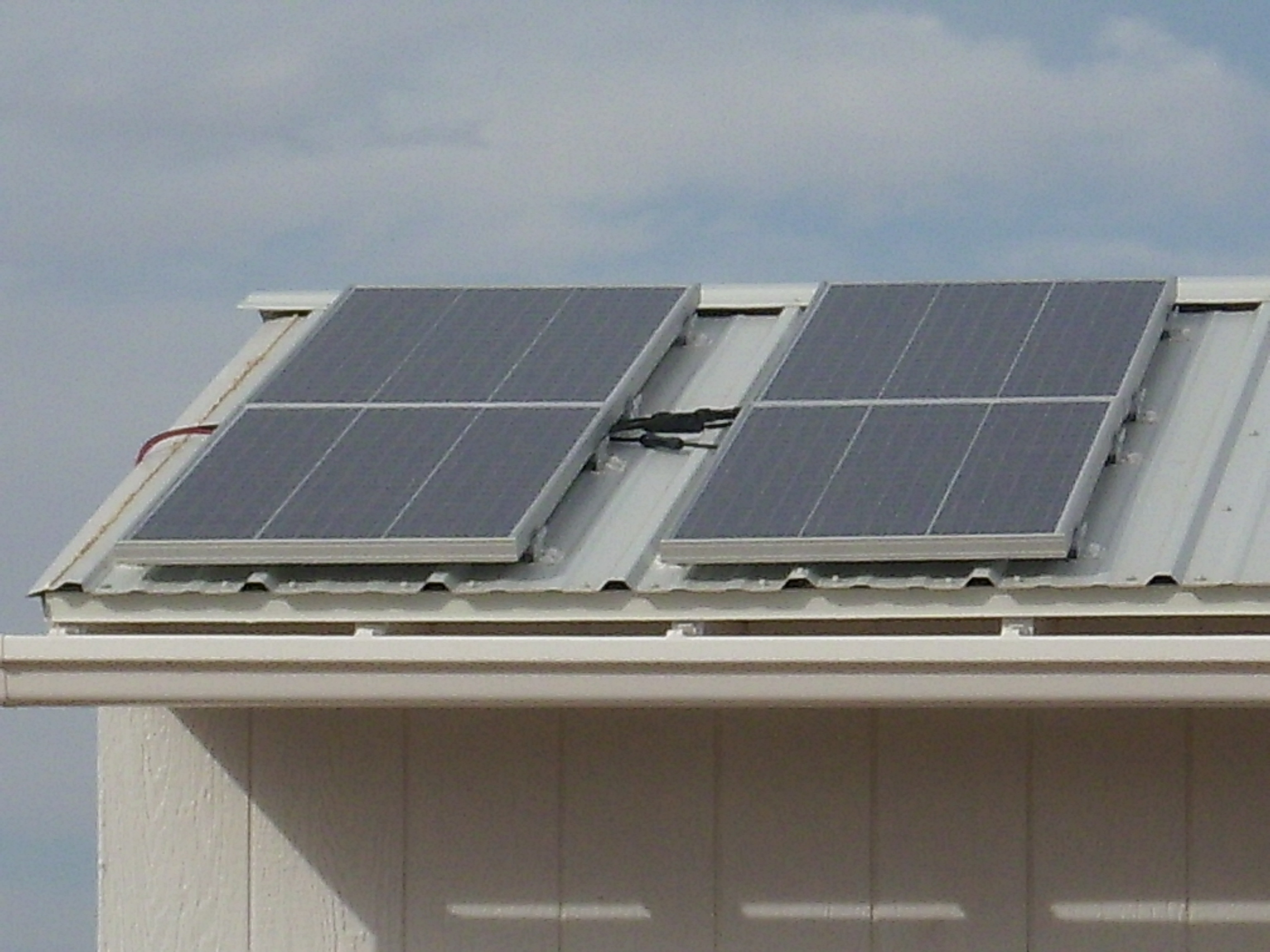
The Savanna Hermitage accepts applications for solo retreat guests at $80 for 3 days/2 nights, $200 for 7 days/6 nights, $300 for 14 days/13 nights, and $400 for 30 days/29 nights. Qualified individuals may inquire about scholarship and/or work exchange. No outdoor pets at the resident/guest cabin rooms, please (to protect the many wild rabbits, birds, etc). The Savanna Hermitage currently has two small furnished private rooms available for individual residents and guests, each with a separate outdoor entrance, comfortable twin bed with complete bedding, shelves, clothes rack, table, and floor space for solo meditation and yoga. Each room is equipped with a meditation zabuton mat, seiza bench, crescent zafu cushion, and yoga mat. The rooms are housed in a brand new zero carbon emissions eco cabin equipped with off-grid solar electric, passive solar heating, natural cooling, rainwater collection, and a passive solar box water heater. There is a shared kitchenette in the adjoining shed, and also a private outdoor bathing stall and flush toilet. In addition to staying in this cabin, residents and guests have the opportunity to learn about the construction and operation of a simple, inexpensive eco-cabin. Your carbon footprint while at the retreat is well below 10 percent of the average U.S. citizen. Perfect for low budget, eco-conscious, and simple living practitioners.
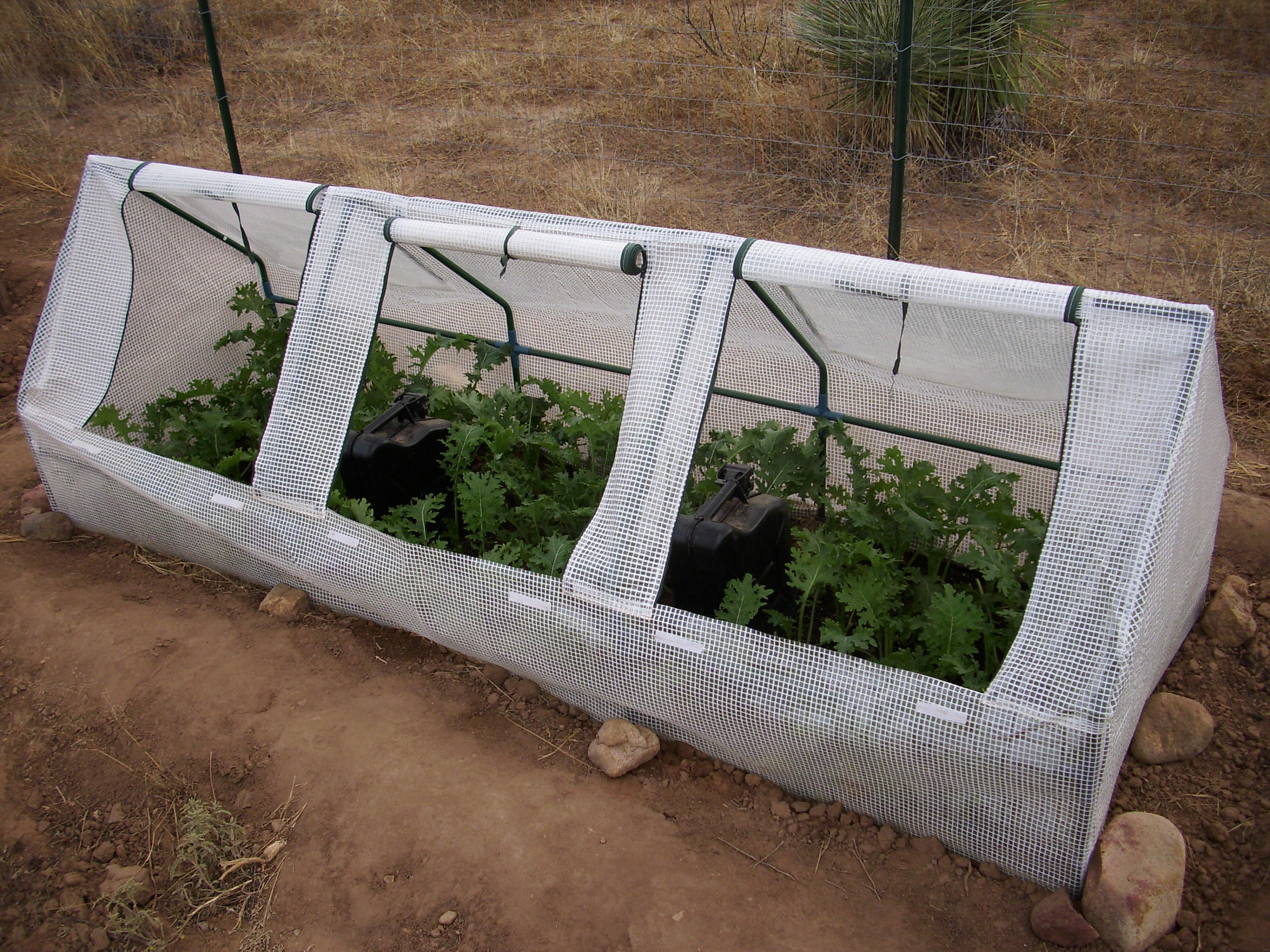
Residents and guests are requested to prepare their own food and meals at the Savanna Hermitage. Basic vegetarian and vegan food ingredients such as lentils, millet, pinto beans, brown rice, rolled oats, popcorn, walnuts, olive oil, seasonings, and some fresh produce are provided, and guests are welcome to bring and purchase locally their own food preferences. There is a small grocery 10 miles away with very limited options, and the nearest supermarket is 40 miles. The caretaker host often has some fresh home grown kale available, and there are plenty of containers provided of reverse osmosis filtered water filled at the water store.
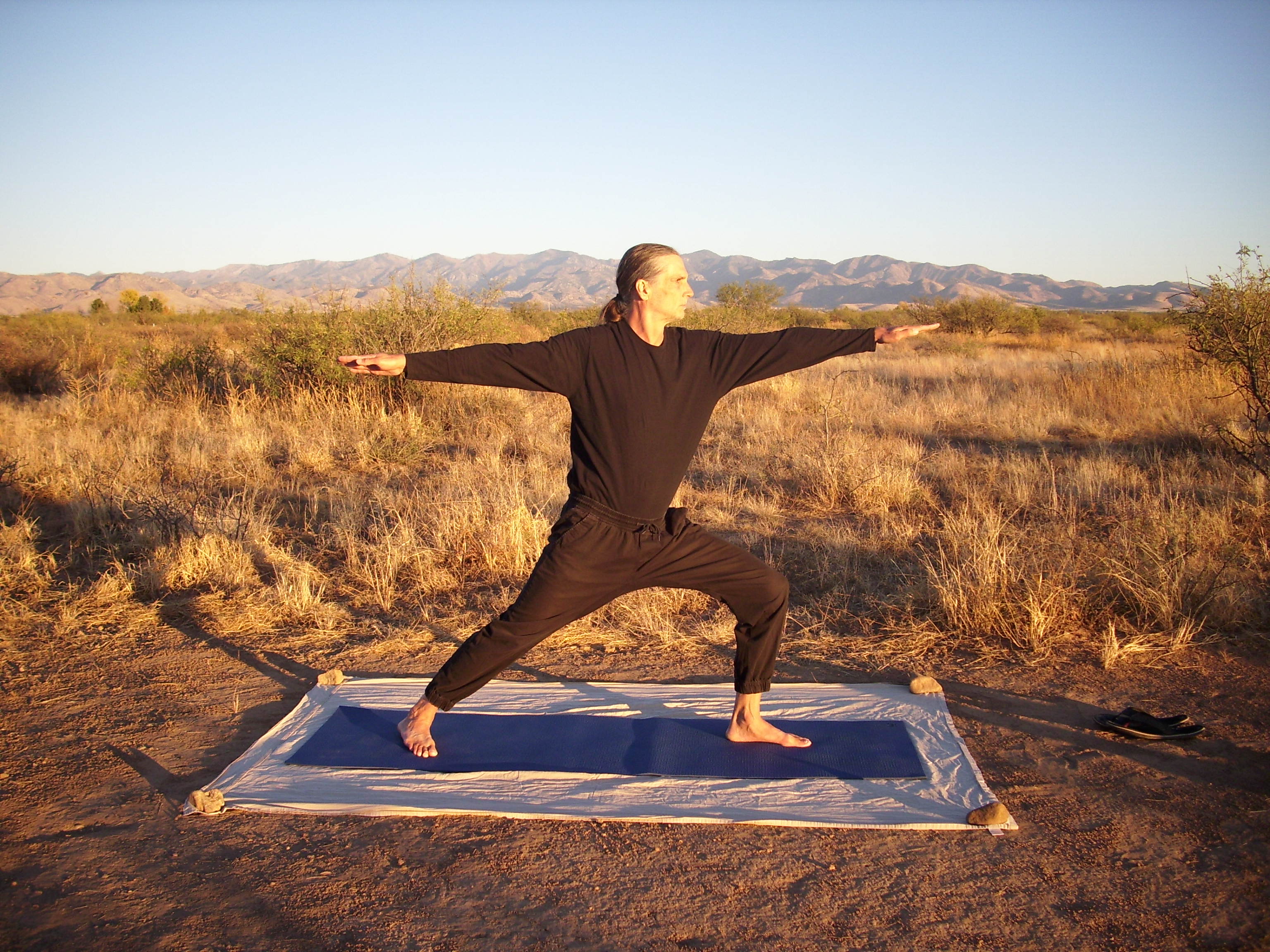
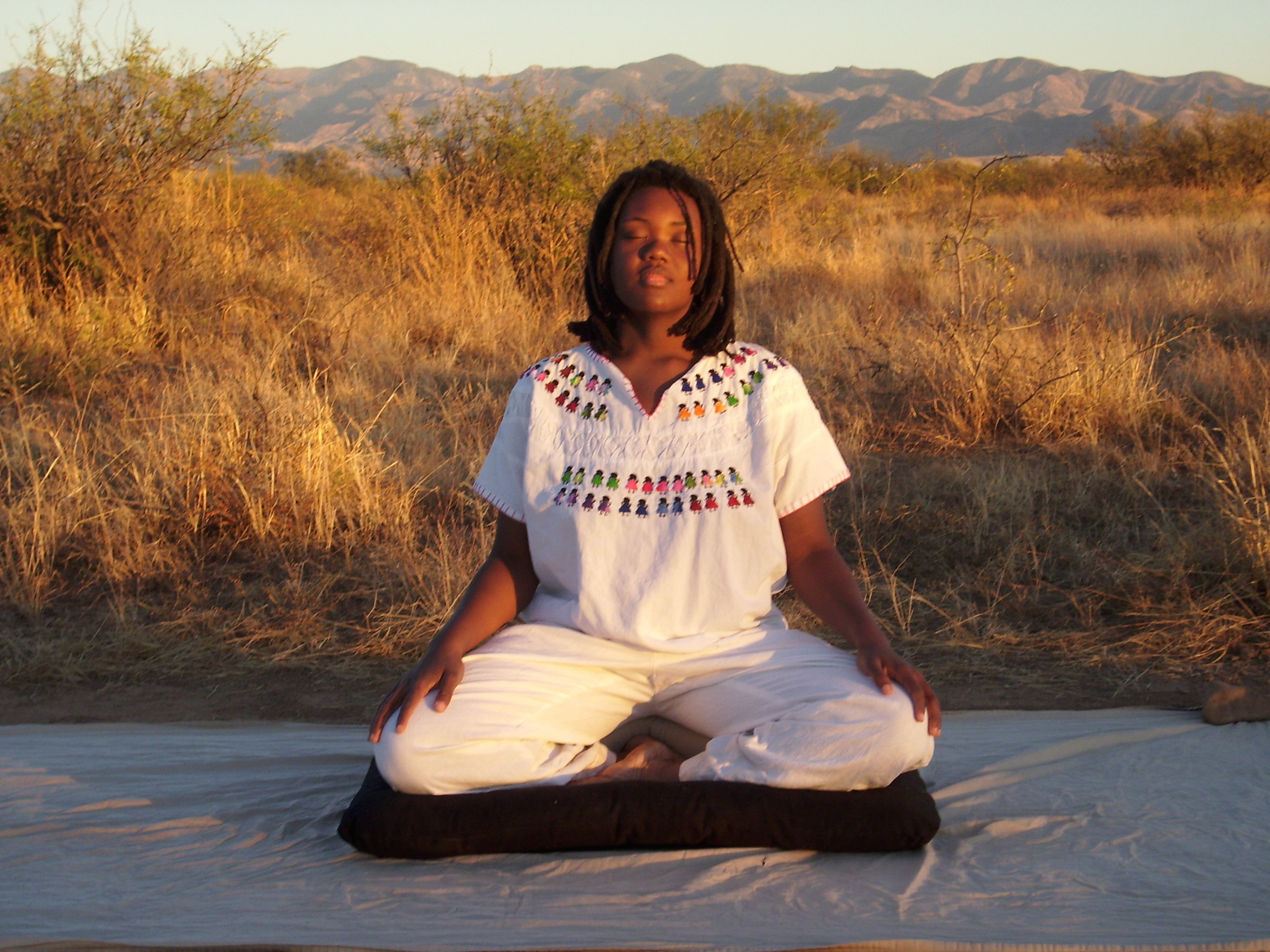
Cultivating a meditative lifestyle of higher consciousness is the core foundational practice at the Savanna Hermitage. Many forms of meditation and higher consciousness practice are welcome, including zen, mindfulness, vipassana, transcendental, qigong, yoga, and others. Residents and guests are encouraged to spend an average minimum of 2-3 hours a day practicing sitting, lying down, walking/hiking, and movement meditation, qigong, yoga, and other higher consciousness practice, and are solitary and self-directed. The caretaker host is also available to facilitate meditation, qigong, and yoga practice upon request, and residents and guests are welcome to share their practices with others upon request as well (optional). Support meetings are offered on a weekly or monthly basis where residents and guests are welcome to share how their practice is progressing, to identify areas for improvement, and to request comments and advice from others.
In addition to the solo practice space in each guest room, the Hermitage property also has an outdoor meditation/qigong/yoga circle for solo and group practice, and also contains over a mile (1.6 kilometers) of walking meditation nature trails for guest use and enjoyment anytime. Endless miles of amazing hiking trails throughout the nearby Chiricahua mountains feature stunning rock formations, evergreen forests, and magnificent waterfalls. The caretaker host has been hiking there regularly over the past 15 years, and is available to guide hikes upon request that engage the uniquely powerful earth energy by incorporating meditation and qigong.
There is plenty of free time, and residents and guests are encouraged to utilize it to support their higher consciousness lifestyle through reading, walking, hiking, immersion in nature, contemplation, and deepening their meditation and higher consciousness practices. Residents and guests are encouraged to practice digital minimalism, i.e. minimizing the amount of time online, and staring at a screen. Aside from phone service, there is currently no internet onsite, and more than very occasional use of videos, movies, television, and social media is discouraged. There is good cellular phone reception that can be utilized as a wifi hotspot as necessary, and there are broadband internet and books available at a nearby public library. The Hermitage also has a small collection of excellent books available for residents’ and guests’ use.
The Savanna Hermitage is a safe, supportive, and inclusive environment for women, LGBTQ individuals, and people of color. Discrimination based on gender, race, ethnicity, and sexual orientation is prohibited, and all residents and guests are asked to refrain from sexual/romantic advances toward others during their stay.

Our Mission

A small off-grid eco-retreat community for experienced practitioners of meditation, qigong, and yoga.

  • Purpose
  • Ecological
  • Community type
  • Ecovillage
  • Intentional Neighborhoods
  • Spiritual Retreat Centers
  • Sustainability practices
  • Renewable energy systems
  • Water conservation and management
  • Carbon footprint reduction tracking or goals
  • Activities
  • Others

Commemorative dates

  • January 1, 2021
  • Started planning
  • January 1, 2021
  • Started living together
  • 1 Total member
  • Open to new members
  • Open to visitors
Total
1

How to join

Prospective members fill out an application form, complete the application and interview process, and if accepted, are invited by the caretaker host and other community members for a temporary period as an invited guest of the Hermitage. If a guest is a particularly good fit for the community, a longer term residence might be possible, depending on availability and other considerations.

Basic expectations or agreements for members

Scheduled visits are welcome- please message by email or through ic.org to request a visit.

Primary decision-making authority

  • Single Leader or Founding Couple

One person or partnership has ultimate authority.

Decision-making process

  • Leadership Decides

A single person, couple, or small group makes most major decisions.

Governance structure

  • Founder/Leader-led

Primary authority rests with the community’s founder(s) or designated leader(s).

Economic model

  • Independent Finances

Members maintain separate personal finances with minimal sharing.

Economic scenarios for this community

  • Members need to pay fees, dues, or similar to live there on a per month or per year basis
  • Members typically need to have their own job or other personal source of income to cover their expenses while living in the community?

Additional economic information

Regular fees: $400
Members with pre-existing debt: allowed

Shared resources and amenities that are accessible to everyone in the community

Garden(s), Outbuilding(s)

Frequency of communal meals

  • About once a week

Significant food acquisition practices

  • Locally sourced

Dietary type

  • Kosher Only

Dietary restriction

  • People can cook and eat what they want in their own residence

Community activities and engagement

  • Transition Town (post-petroleum and off-grid communities.)

Substance use culture

  • Substance use is prohibited in the community

Gender composition

  • Majority cis (over 60%)

Age demographics

  • Mixed adults (few or no children)

Property status

  • Privately owned

Property owner

  • By a single individual, couple, or Family Trust

Setting

  • Rural

Countryside locations with significant distance from urban centers.

Community type

  • Ecovillage

    Integrated communities designed around ecological principles with sustainable living practices.

  • Intentional Neighborhoods

    Geographically close groups of independently-owned homes whose residents actively cultivate community relationships and shared values.

  • Spiritual Retreat Centers

    Residential communities focused on providing space for meditation, spiritual practice, and personal growth retreats.

Community type

  • Built or remodeled using passive solar design

Sustainability approach

  • Renewable energy systems
  • Water conservation and management
  • Carbon footprint reduction tracking or goals

Community type

  • Built or remodeled using passive solar design

Some or all of the buildings are...

  • Built or remodeled using passive solar design

Self-produced energy

  • Over 66%

Energy sources used

  • Photovoltaic Solar

Self-produced food

  • Up to 33%

Local, organic, or fair trade food

  • Up to 33%

Food systems

  • Community garden
  • Shared kitchen or food co-op

Source of water

  • Rainwater capture and storage for use (barrels, cisterns, etc.)
  • Land area size
    30 acres

Guest Book

Written reviews are available for plus members. Click here to upgrade.

Location

  • Arizona, United States

Savanna Hermitage

Needs and Offers

Connecting people and communities through an intentional online marketplace

  • Promoted
  • Events
7 days ago

Coastal Regeneration Immersion: Permaculture Design Certification in Jalisco, Mexico

Tropical Dry Forest Permaculture Design & Regenerative Stewardship Certification (PDC)12-Day Intensive | 120 Hours | Costalegre, Jalisco, Mexico APPLY AT XOCHIRAIZ.COM Join us for an immersive Permaculture Design Certificate course set in the tropical dry forest bioregion of coastal Jalisco. This 120-hour intensive blends internationally recognized PDC curriculum with hands-on regenerative practice — combining ecological design, agroforestry, natural building, and community stewardship into one integrated learning experience. Lead Faculty Jorge Luis Gtz. Olarte (Arborescencia RedGenerativa) – Regenerative Design, Soil Biology & Agroforestry Ozzy Lusth (Survior & Xochiraíz) – Wilderness Resilience & Survival Skills Dave Collins (Capacha Coastal Conservation Center) – Bioarchitecture & Ecological Development What You’ll LearnThe course moves through six progressive phases: Permaculture & Ecological Literacy – ethics, principles, and reading the tropical dry forest landscape Water & Soil Systems – keyline design, water harvesting, living soils, and compost systems Horticulture – food garden design, propagation, and biological pest control Regenerative Food Systems – tropical agroforestry, food forest design, and guild planting Ecological Infrastructure – bamboo bioarchitecture, bioclimatic farm design, compost toilets, greywater, and rocket stoves Integrated Design Studio – team-based final design projects covering watershed strategy, agroforestry, food forest layout, infrastructure, and phased implementation Daily RhythmMornings begin with optional surf/yoga and journaling, followed by field practicums and hands-on workshops. Afternoons include design studio and construction lab work, with reflection circles, communal dinners, and evening talks, films, or campfire discussions rounding out the day. Final ProjectParticipants work in teams to produce a full regenerative design package — landscape analysis, water plan, agroforestry design, food forest plan, ecological infrastructure, and bioclimatic farm plan — presented to a faculty review panel on the final day, followed by a closing ceremony, certificate delivery, and community feast. CertificationGraduates receive the Tropical Dry Forest Permaculture Design & Regenerative Stewardship Certification (120 contact hours), hosted by Capacha Coastal Conservation Center and Tierralegre, A.C. Curriculum integrates international PDC standards with tropical ecology, agroforestry, ecological restoration, bamboo bioarchitecture, bioclimatic design, GIS/photogrammetry, and regenerative leadership. Highlights Hands-on bamboo construction (temazcal, bathhouses, sculpture) Tropical dry forest silviculture practicum Community mapping and design project for Ekoa Green Community Talent show and sea turtle release
January 10 – January 24
  • Promoted
Offer
  • Promoted
Offer
  • Promoted
Offer
  • Professional Services
3 months ago

Community Matchmaking: Get Help Finding Your Community

Would you like to join an intentional community but don’t know how? Feel overwhelmed by the number of communities out there? Not sure if there is one that’s a fit for you? CommunityFinders is here to support you on your path to community living. You can find your community by: Taking the free Community Types Quiz to learn which of the most common types of community is a fit for you. Booking a 1:1 consultation with a Community Matchmaker to receive recommendations for communities that are a fit for you. Joining the Money and Community Mini-Course to find out which communities are within your budget. Reading the book Intentional Community to help you understand your options and decide whether community living is right for you. Our goal is to help community seekers become community finders — people with confidence that their community match is out there and they will find it. Looking forward to working with you to find your community! Please be in touch, Cynthia Tina Founder communityfinders.com What communitarians are saying: “Cynthia helped me clarify the intentional communities that fit me, better get to know them, and finally choose one that I’m now a member of. I have no doubt anyone on a community journey will find great value in her guidance.” – Alan Stillman “Out of potentially thousands of communities, Cynthia matched me with very similar values revealed on their websites. I am in the process of applying to visit the number one recommendation. I’m excited and thankful for Cynthia‘s skills. Beyond well worth.” – Tommy Teeple “Due to her extensive community experience, she could offer many insights, provide useful tips and present selected communities to me that she had visited herself.” – Antonia Von Hassell
Need
  • Communities with Openings
4 weeks ago

Seeking Partner/Co-Founder for a Cooperative Community in Western NC

Co-Founder / Project Partner Needed: Coweeta Heritage Center The Coweeta Heritage Center / Talking Rock Farm in Otto, North Carolina, is seeking a dedicated co-founder and long-term project partner to help manage, expand, and transition our community land project. As the primary founder is balancing physical limitations (including a bad back) and a demanding workload, we are looking for a capable partner to share the operational reins and help shape the next phase of this intentional community. What We Are Looking For Organizational & Administrative Skills: Ability to streamline systems, manage outreach, and organize community data. Social Media & Digital Presence: Skills to revitalize our online reach, update public directory listings (such as ic.org), and manage applicant communications. Practical & Technical Capabilities: Hands-on familiarity with or strong interest in sustainable forestry, organic agriculture, and alternative energy infrastructure. Strong Communication: A commitment to Non-Violent Communication (NVC), transparency, and collaborative governance. What We Offer On-Site Housing: Dedicated housing is provided on-site in Otto to facilitate close coordination, daily collaboration, and deep integration into the land. Established Foundation: Step into an active project with existing infrastructure, clear community onboarding frameworks, an established legal LLC structure, and an estate succession blueprint. Strategic Input: Full partnership in vetting future interns, managing the phased onboarding pipeline, and executing land-clearing and sustainable infrastructure projects.

Update to a Public Profile

  • Log in
  • Go to your profile page
  • Toggle on the "Add my profile to the directory"
  • Save your profile

Information

Communities

A residential project: people live here as their primary home.

Organizations

An institution, business, network, or project that isn’t a residence (e.g. a learning center, farm, or network with no one living there full-time).

Plus Community Membership

  • Find people with Profile Match
  • Access to your community listing statistics
  • Create Discussion Groups
  • Access to our affiliate program
  • Member badge on your community profile
I am an official member of this community
Disclaimer
I affirm that my information is accurate and I am authorized to manage this listing
Foundation for Intentional Community FIC Member badge logo.

Free Plan

Free Membership
Free

Intentional Advertising

  • Subtotal

    {{ currencyFormat( pricing_summary.total_amount ) }}

Icon representing community connections and collaboration for intentional communities.

Plus Membership

  • Find communities with Profile Match
  • View detailed reviews about communities
  • Create free listings in Needs & Offers
  • Plus Member resources in CommUniversity
  • View communities detailed reviews
  • Plus Member badge on your profile