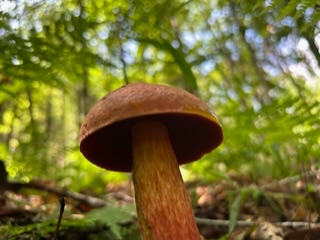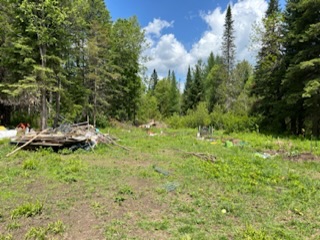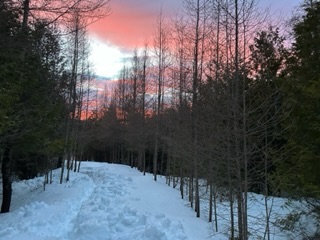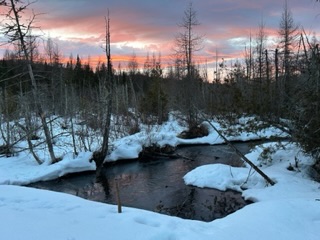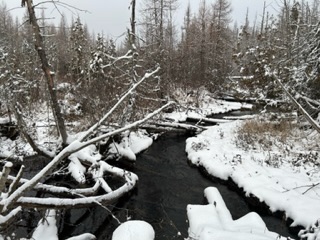
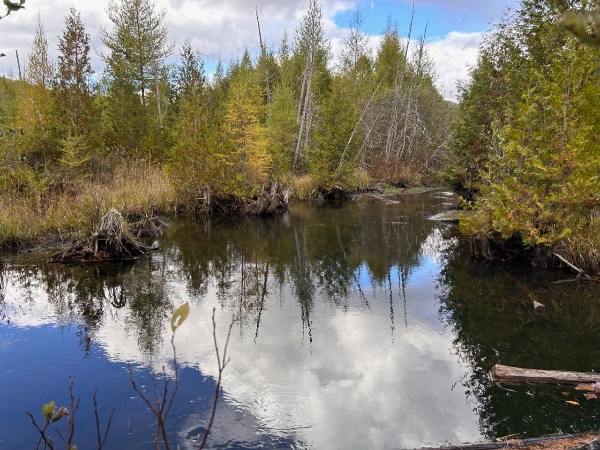
Serene river scene with trees and reflections in water, part of the Foundation for Intentional Comun.

RiverFolk Community

  • Communities

About the Communities

  • Forming
  • Ecological
  • Rural

Founding year

  • 2023

What we do

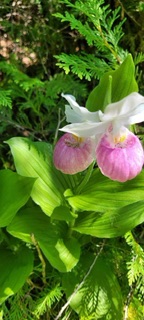
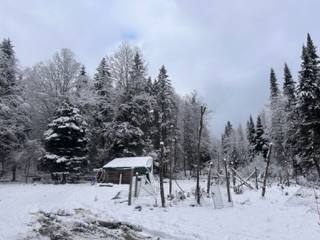
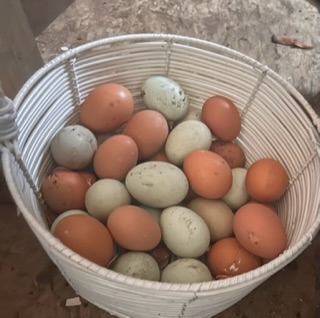
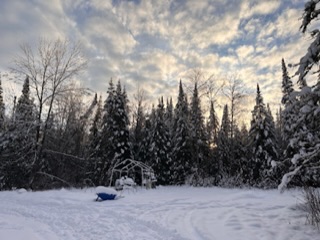
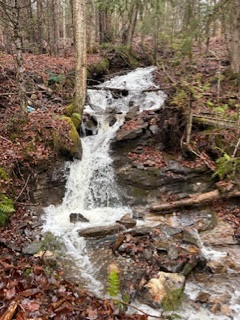
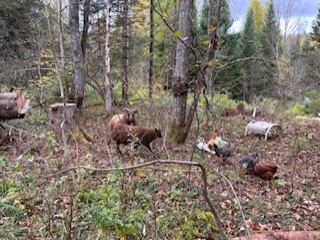
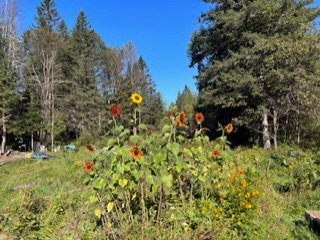
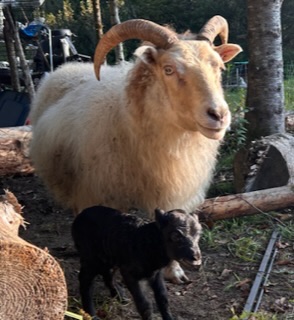
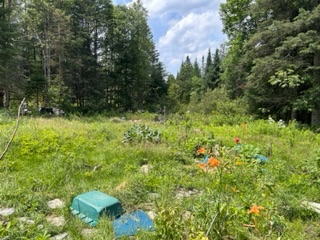
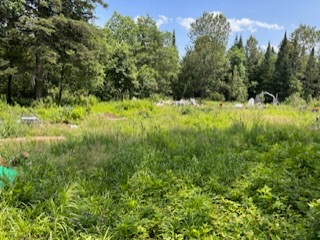
RiverFolk is a forming co-housing community. 17 acres of beautiful land in the NorthEast Kingdom of Vermont. Off-grid permaculture and food forest with sheep, ducks, and chickens.

Our Mission

Peaceful communication, intentional living, sustainable agriculture, privacy within community, finding a way forward together in celebration and working together.

  • Purpose
  • Ecological
  • Community type
  • Cohousing
  • Ecovillage
  • Sustainability practices
  • Renewable energy systems
  • Permaculture design
  • Activities
  • Property management
  • Farming
  • Education
  • Experiences

Commemorative dates

  • January 1, 2023
  • Started planning
  • January 1, 2023
  • Started living together
  • 1 Total member
  • Open to new members
  • Open to visitors
Total
6

Primary decision-making authority

  • Small Leadership Group

A few people (not elected by the broader community) make the major decisions.

Decision-making process

  • Modified Consensus

Generally seek agreement, but have backup methods when consensus isn’t reached.

Governance structure

  • Collaborative/Horizontal

Power and responsibility are shared relatively equally among members.

Economic model

  • Independent Finances

Members maintain separate personal finances with minimal sharing.

Economic scenarios for this community

  • Members need to pay fees, dues, or similar to live there on a per month or per year basis
  • There is a labor obligation
  • Members typically need to have their own job or other personal source of income to cover their expenses while living in the community?

Additional economic information

Regular fees: Yes
Labor: Yes (15 hrs/week)
Members with pre-existing debt: allowed

Shared resources and amenities that are accessible to everyone in the community

Garden(s), Greenhouse(s), Library, Outbuilding(s), Swimming pond or pool, Outdoor Kitchen, Tractor & Farm Equipment, Fire pit, Waterfront access

Frequency of communal meals

  • About once a week

Significant food acquisition practices

  • Locally sourced

Community activities and engagement

  • School, Educational Institute or Experience
  • Volunteer, Internship, or Apprenticeship, or WWOOF’ing
  • Neighborhood, Community Housing, or Homeowner's Association
  • WWOOF'ing, Guest Farming

Substance use culture

  • Substance use appears in public spaces but no pressure

Gender composition

  • Majority cis (over 60%)

Age demographics

  • Multi-generational (all ages well represented)

Property status

  • Privately owned

Property owner

  • By a single individual, couple, or Family Trust

Setting

  • Rural

Countryside locations with significant distance from urban centers.

Community type

  • Cohousing

    Private homes with shared common facilities, designed for neighborly
    interaction while maintaining independence.

  • Ecovillage

    Integrated communities designed around ecological principles with sustainable living practices.

Sustainability approach

  • Renewable energy systems
  • Permaculture design

Land practices in our community

  • The community practices permaculture

Self-produced energy

  • Over 66%

Energy sources used

  • Wind
  • Photovoltaic Solar
  • Hydro

Self-produced food

  • 33 - 66%

Local, organic, or fair trade food

  • Over 66%

Food systems

  • Community garden
  • Food forest
  • Greenhouse / aquaponics
  • Livestock / poultry
  • Land area size
    17 acres

Guest Book

Written reviews are available for plus members. Click here to upgrade.

Location

  • Vermont, United States

RiverFolk Community

Needs and Offers

Connecting people and communities through an intentional online marketplace

  • Promoted
Offer
  • Events
2 weeks ago

Restoring Choice - free online practice group, from Australia

Restoring Choice – free sessions and a practice group Many of us are less practised at three things than we realise: making clear requests, saying no when it isn’t a full yes, and hearing no without something getting damaged. These aren’t personality traits. They’re capacities that were trained out of many of us by ordinary structures – families where some needs were allowed and others weren’t, workplaces that reward overstretch. They can be trained back. Why this might interest people here Most communities teach communication after people arrive, once conflict has already surfaced. This works the other way round – building capacity first, and finding out what a group can do when most people already have it. What’s running Free 60-minute introduction, online. Same session each time; come to whichever suits. Register for intro session below: https://events.humanitix.com/reclaim-your-power-with-restoring-choice Four-week practice group, Tuesdays from 15 September, 6:30-8:00pm. One session a week, and at least one short written entry a day about a real situation in your own life. The writing is the actual work; the sessions support it. Sign up by Sunday 13 September. Register for practice group below: https://events.humanitix.com/restoring-choice-practice-group Everything is free. Times are Australian Eastern 6:30pm here is the early hours in most of the Americas. Worth checking before you register. Who it’s for No prior experience needed. It isn’t therapy, and I’m not a therapist. Many people find that looking honestly at how well they ask, decline, or hear a no is less flattering than expected. That’s common, and it isn’t a verdict on anyone. Run by Glenn Russo – 13 years practising this material, seven years co-facilitating an NVC practice group in Castlemaine. If you’re already living in community and would rather share what you’ve learned than join anything, I’d like to hear from you too.

Update to a Public Profile

  • Log in
  • Go to your profile page
  • Toggle on the "Add my profile to the directory"
  • Save your profile

Information

Communities

A residential project: people live here as their primary home.

Organizations

An institution, business, network, or project that isn’t a residence (e.g. a learning center, farm, or network with no one living there full-time).
Plus Community Membership

  • Find people with Profile Match
  • Access to your community listing statistics
  • Create Discussion Groups
  • Access to our affiliate program
  • Member badge on your community profile
I am an official member of this community
Disclaimer
I affirm that my information is accurate and I am authorized to manage this listing
Foundation for Intentional Community FIC Member badge logo.

Free Plan

Free Membership
Free

Intentional Advertising

  • Subtotal

    {{ currencyFormat( pricing_summary.total_amount ) }}

Icon representing community connections and collaboration for intentional communities.

Plus Membership

We’re introducing new Plus features — including community reviews, Profile Match, and unlimited Needs & Offers posts — while keeping most of FIC free for everyone. Membership costs less than two coffees a month. 
  • Find communities with Profile Match
  • View detailed reviews about communities
  • Create free listings in Needs & Offers
  • Plus Member resources in CommUniversity
  • View communities detailed reviews
  • Plus Member badge on your profile