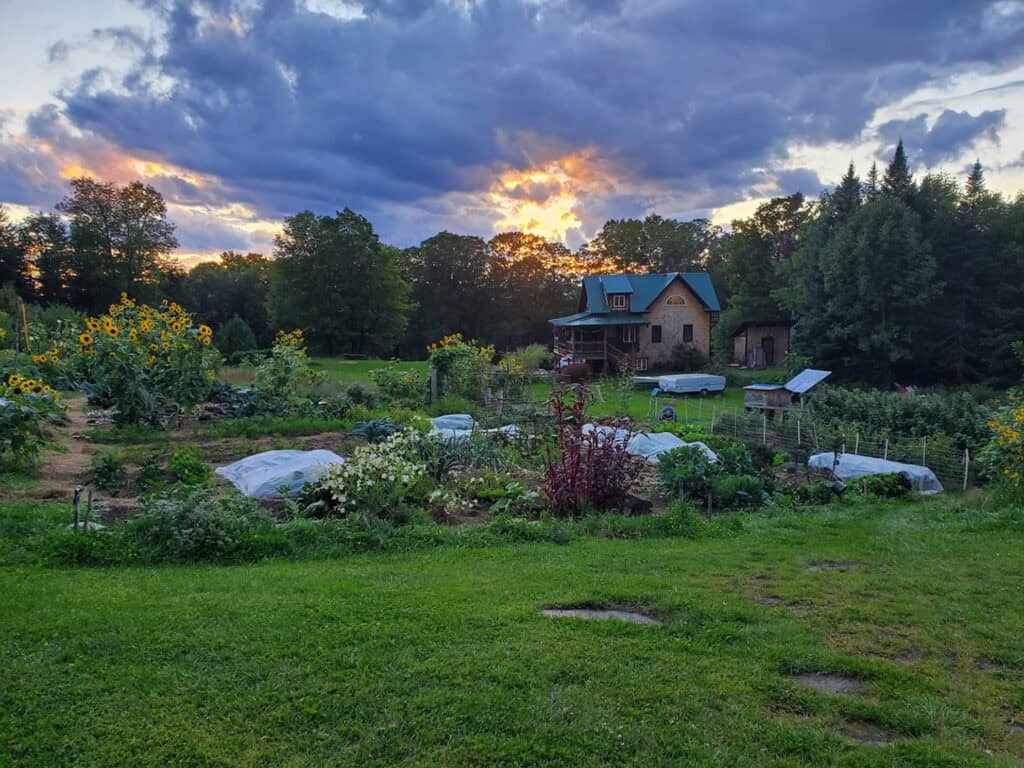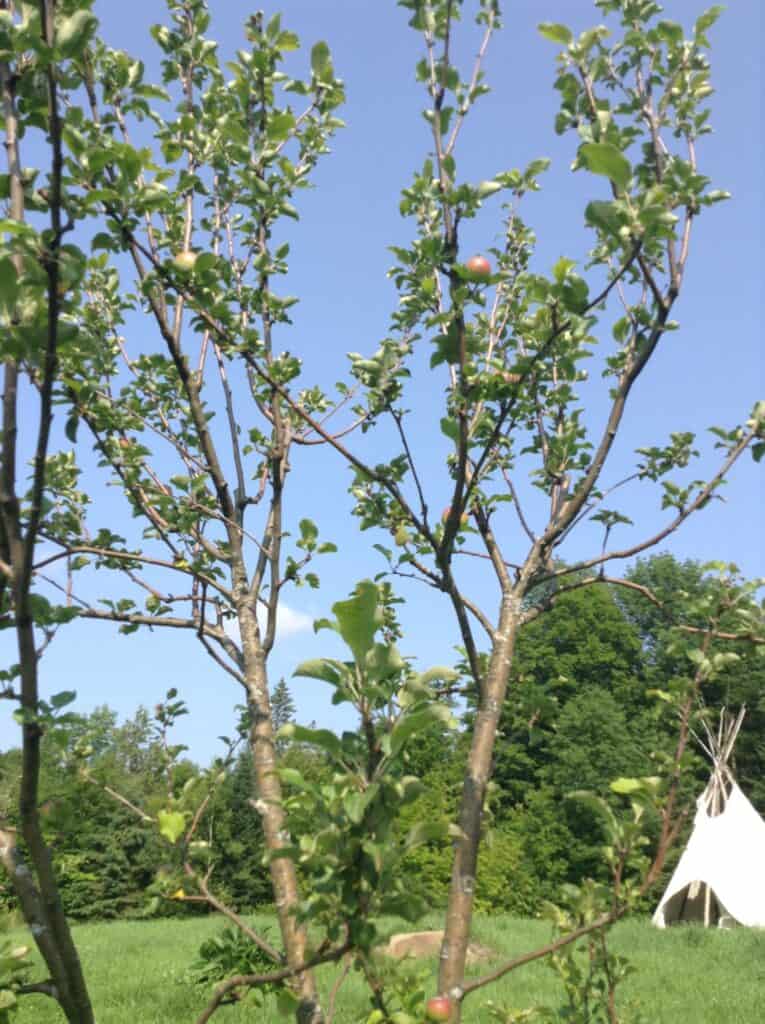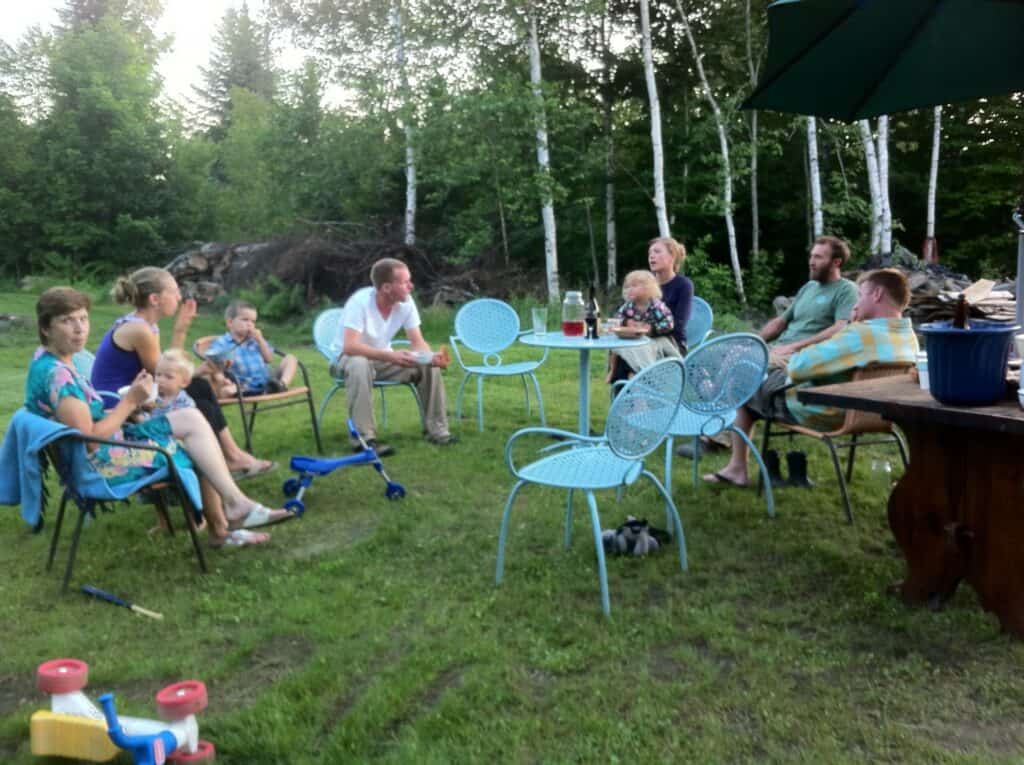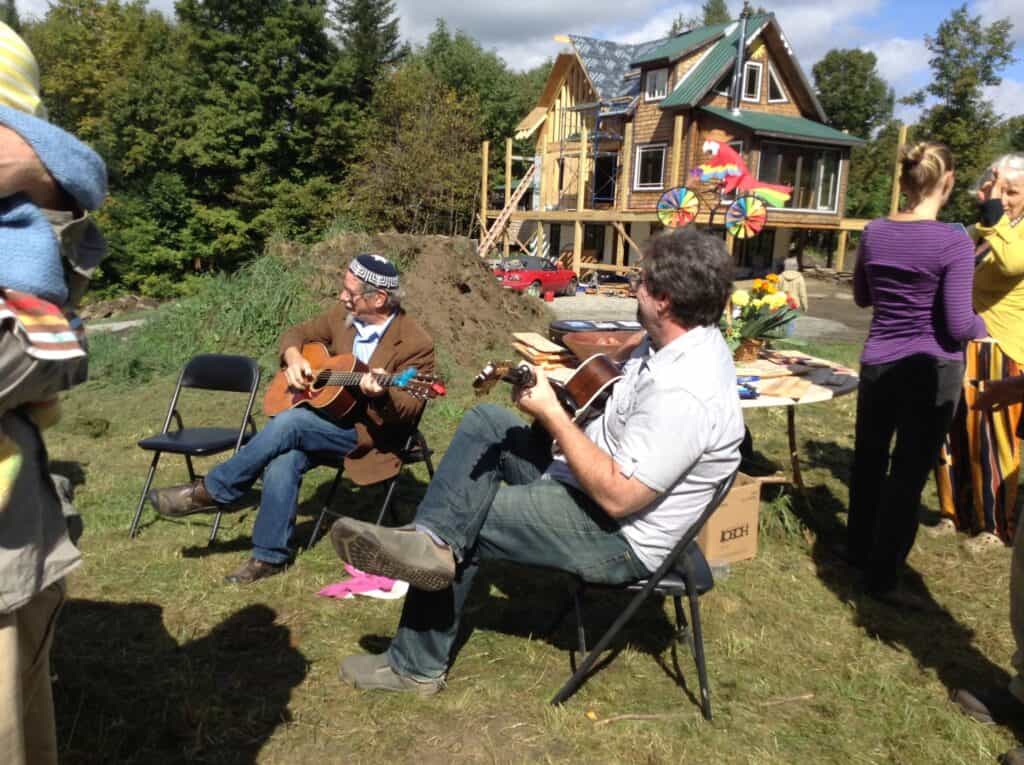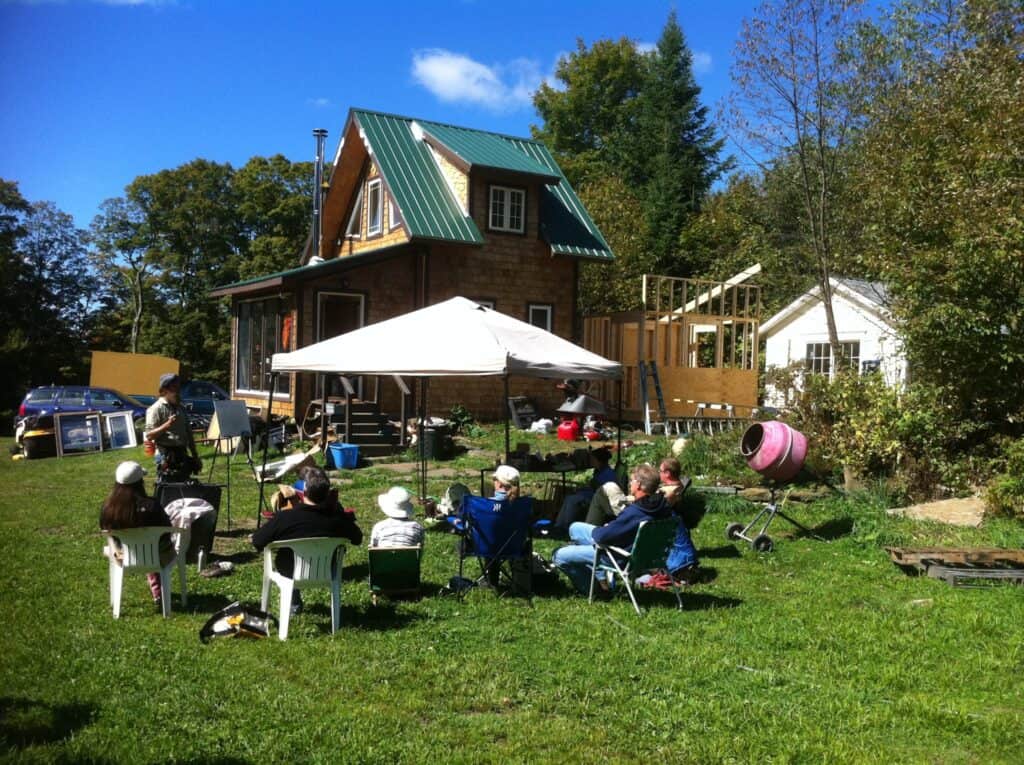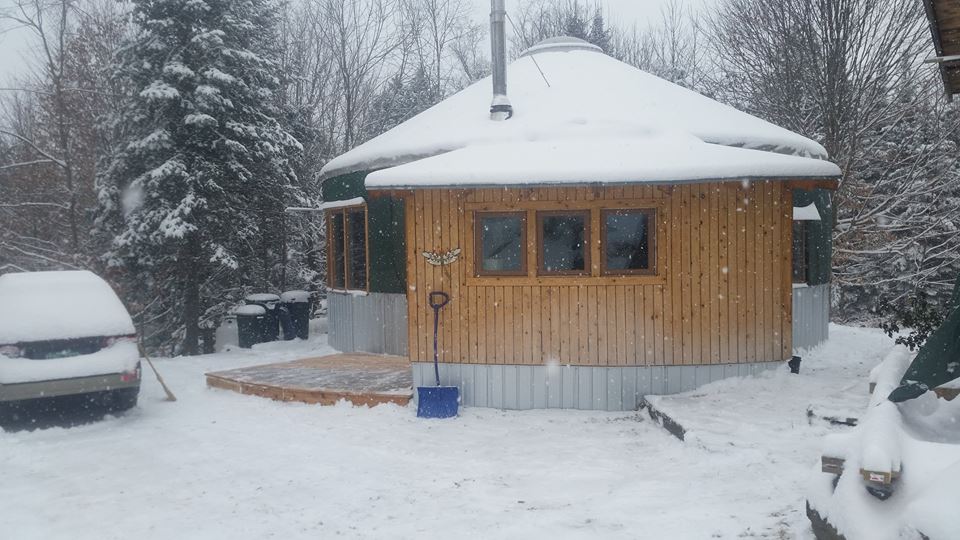
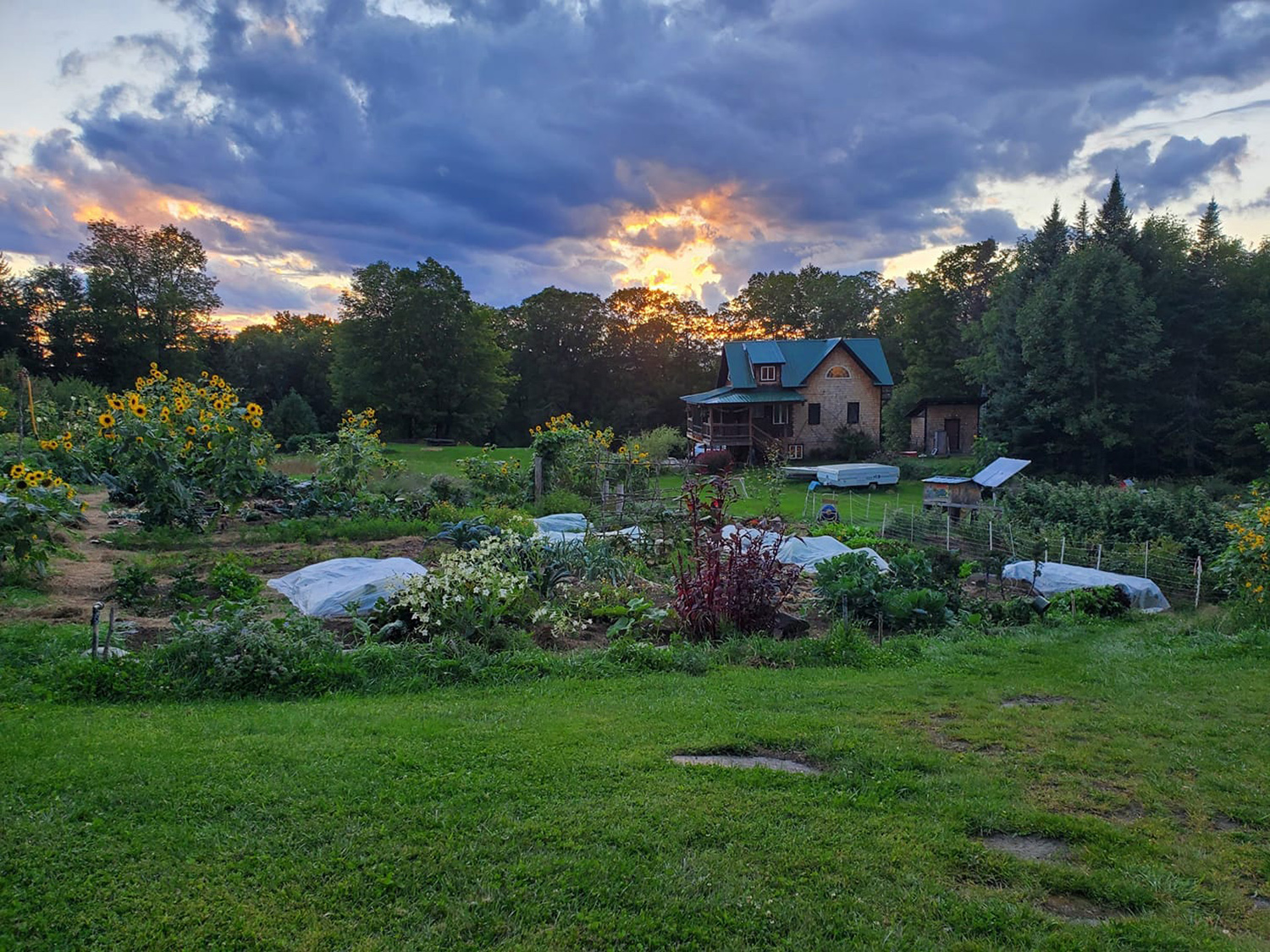
Community garden with greenhouses and lush trees at Headwaters Community.

Headwaters Community

  • Communities

About the Communities

  • Established
  • Ecological
  • Rural

Founding year

  • 2010

What we do

Our community is full and not open to the public at this time. We invite you to learn about us through the description below. Stay in the loop about when we have opportunities to visit or join by signing-up to our email list through our website.
If you would like to visit, we are one of the stops on the we are one of the stops on the annual Vermont Ecovillage Tour, which you can learn more about here: https://www.ecovillagetours.com/
We are a multi-generational community nestled into the wooded hills of Cabot, Vermont. Our community began in 2011 and today consists of 8 households on 14 acres. We are situated at the headwaters of the Winooski River, hence our name.
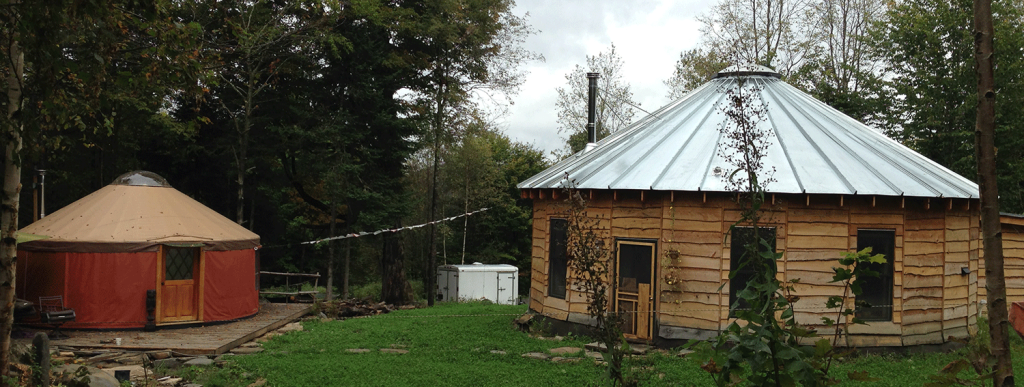
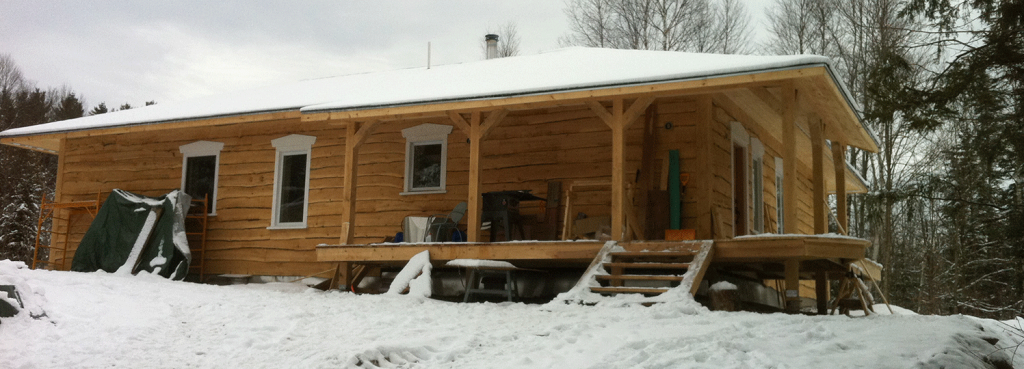
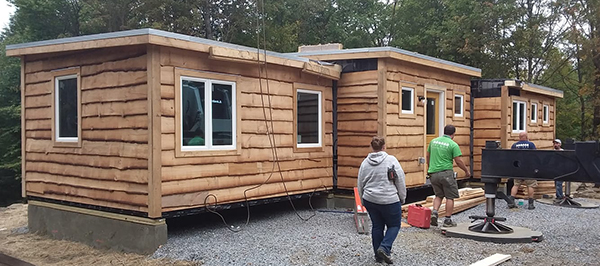
Most households have built their homes here using natural or sustainable building techniques. Homes are clustered near each other to allow for greater shared open space. The design of our community is loosely based on permaculture principles.
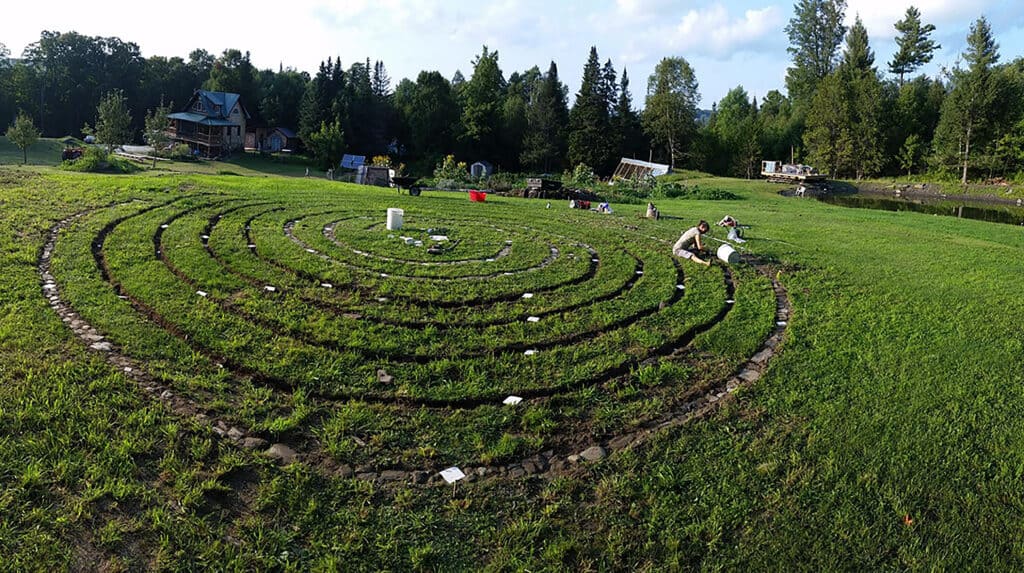
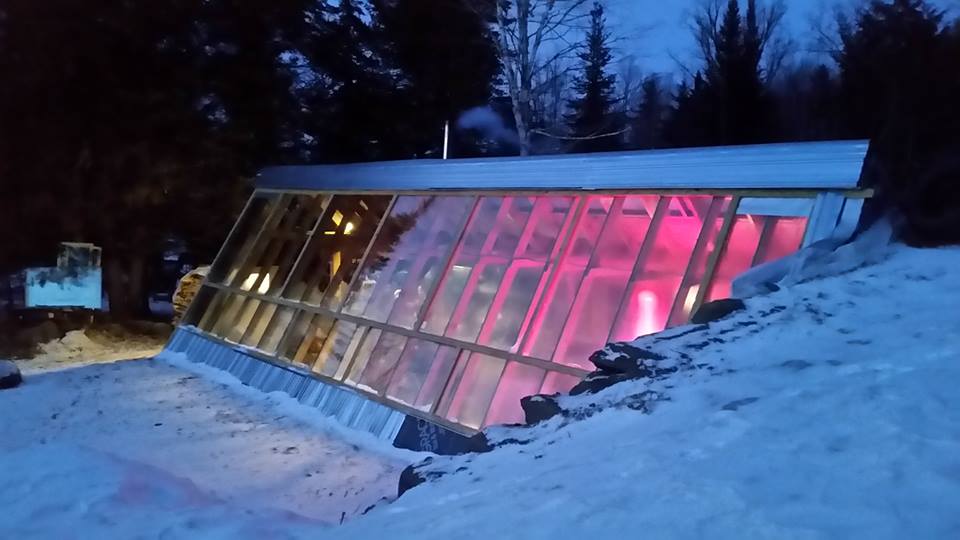
Households own the land around their home and we collectively own common areas, which includes a: bountiful garden, earthship greenhouse & hoop house, wood-fired hot tub & sauna, orchard & meadow
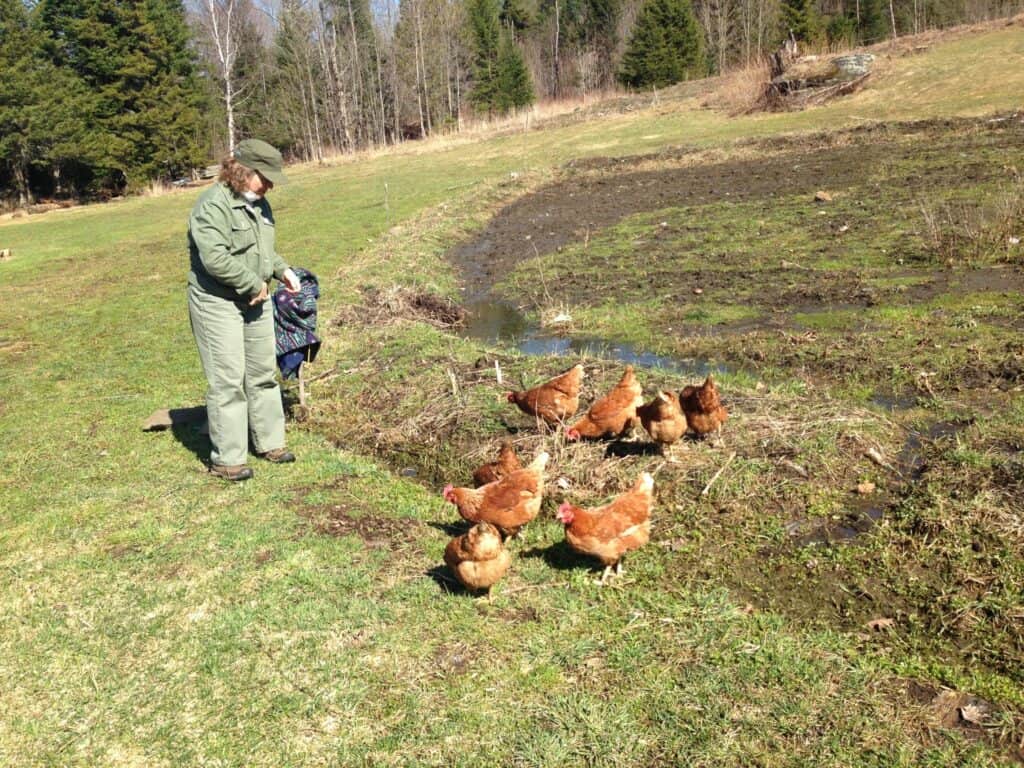
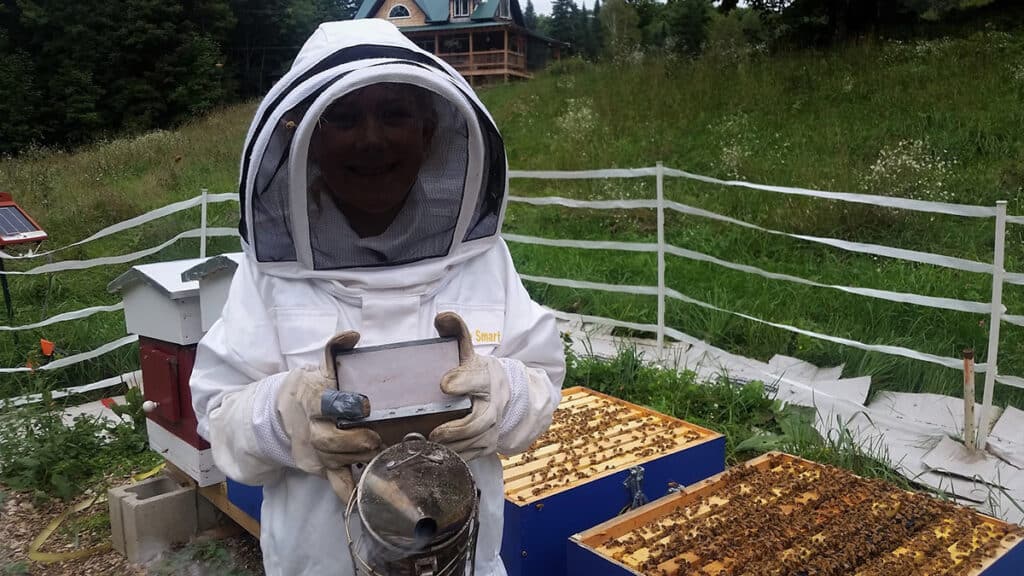
We share our home with goats, chickens, bees, dogs, cats, and many woodland critters. Our community is well connected with neighboring homesteads and the village of Cabot (within walking distance from our land).
We make decisions together during a monthly business meeting. Everyone pitches in to help with projects and contributes a monthly due to maintain our shared infrastructure and land. Most of us have jobs in the area or work remotely from home. Although not an income-sharing community, we do much informal sharing of tools and resources.
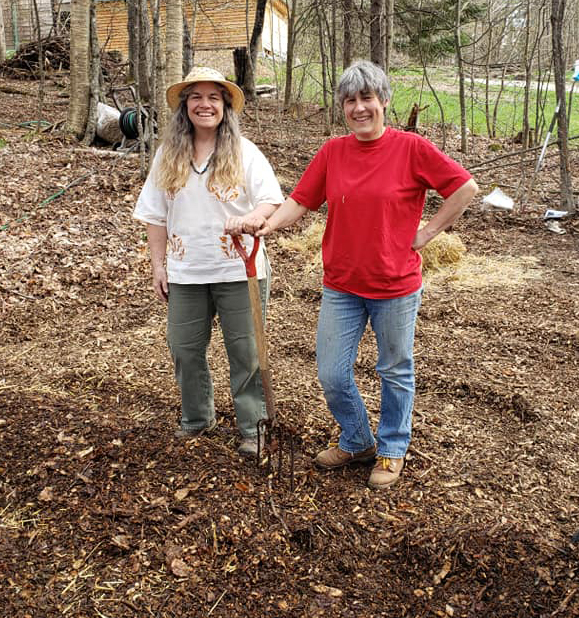
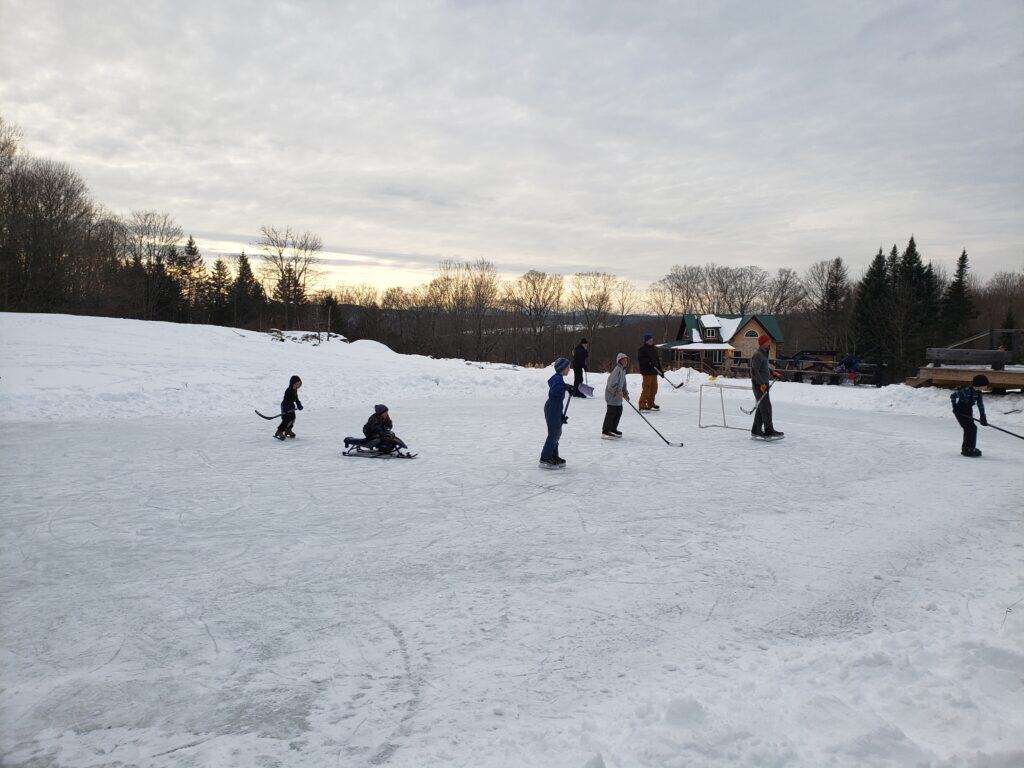
We enjoy caring for our land, having fun together, and co-creating a supportive environment for the young ones in our community to grow up in. We have lots of gatherings — birthday parties, summer games, winter sledding, and fireside chats.

Our Mission

Headwaters aims to be a nurturing community for the individuals and families who live here. We strive to grow a lot of our own food, live close to nature, and enjoy each other’s company.

  • Purpose
  • Ecological
  • Community type
  • Cohousing
  • Ecovillage
  • Sustainability practices
  • Permaculture design

Commemorative dates

  • January 1, 2010
  • Started planning
  • January 1, 2011
  • Started living together
  • 14 Total members
  • Not open to new members
  • Not open to visitors
Total
22

How to join

While we do not currently have openings for new members, if we did have an opening, the process would be to visit and come to work days. Then if someone is still interested, they start attending our monthly meetings on a regular basis. There is an application process, and after some time spent attending meetings, visitors can submit an application that will be considered by the group. To build a home there, you would buy a home site and agree to pay monthly condo fees for shared facilities.

Basic expectations or agreements for members

Unfortunately, we are not open to public visitors at this time. However, if you would like to visit, we are one of the stops on the annual Vermont Ecovillage Tour that you can learn more about at https://www.ecovillagetours.com/

Primary decision-making authority

  • Small Leadership Group

A few people (not elected by the broader community) make the major decisions.

Decision-making process

  • Modified Consensus

Generally seek agreement, but have backup methods when consensus isn’t reached.

Governance structure

  • Collaborative/Horizontal

Power and responsibility are shared relatively equally among members.

Conflict resolution approach

Everyone who is a resident is part of the governing, and has an equal voice in decisions for Headwaters.

Economic model

  • Independent Finances

Members maintain separate personal finances with minimal sharing.

Economic scenarios for this community

  • There is a one-time fee, investment, or share purchase to join the community separate from accessing housing
  • Members need to pay fees, dues, or similar to live there on a per month or per year basis
  • There is a labor obligation
  • Members typically need to have their own job or other personal source of income to cover their expenses while living in the community?

Additional economic information

Join fee: $25
Regular fees: $150
Labor: Encouraged or suggested (0 hrs/week)
Members with pre-existing debt: allowed

Shared resources and amenities that are accessible to everyone in the community

Garden(s), Greenhouse(s), Vehicle Share, Outbuilding(s), Swimming pond or pool, Hot tub or hot springs, Large Scale Kitchen, Tractor & Farm Equipment, Stage or Auditorium, Fire pit, Swingsets & play areas, Internet

Frequency of communal meals

  • 1-3 times per month

Significant food acquisition practices

  • Locally sourced
  • Livestock / Animal Husbandry

Dietary type

  • Vegetarian Only

Dietary restriction

  • People can cook and eat what they want in their own residence

Substance use culture

  • Substance use appears in public spaces but no pressure
  • Substance use occurs primarily at celebrations or ceremonies

Gender composition

  • Roughly balanced (no group over 60%)

Age demographics

  • Family-focused (many children and parents)

Property status

  • Privately owned

Property owner

  • By a Land Trust, Home Owners Association, or corporation

Setting

  • Rural

Countryside locations with significant distance from urban centers.

Community type

  • Cohousing

    Private homes with shared common facilities, designed for neighborly
    interaction while maintaining independence.

  • Ecovillage

    Integrated communities designed around ecological principles with sustainable living practices.

Sustainability approach

  • Permaculture design

Land practices in our community

  • The community practices permaculture

Self-produced energy

  • Up to 33%

Energy sources used

  • Photovoltaic Solar
  • Biomass (from wood or other organic materials)

Self-produced food

  • Up to 33%

Local, organic, or fair trade food

  • 33 - 66%

Food systems

  • Community garden
  • Greenhouse / aquaponics
  • Livestock / poultry
  • Land area size
    14 acres

Guest Book

Written reviews are available for plus members. Click here to upgrade.

Location

  • Vermont, United States

Headwaters Community

Needs and Offers

Connecting people and communities through an intentional online marketplace

  • Promoted
  • Events
3 weeks ago

Healing Love Healing Money: Trust As The Foundation For A New Culture

Money, love and power are among the hardest things any community works with, and many of us carry the same fears into both: not having enough, losing what we have, and the sense that if someone else gets money or love, we won’t. Healing Love, Healing Money: Trust as the Foundation for a New Culture is taught by two intentional communities. Karen McAllister and Duncan Cryle are from Clear Sky Meditation and Retreat Center, a Buddhist-lineage community in the BC Rockies. Monika Alleweldt and Benjamin von Mendelssohn from Tamera Healing Biotope, a community of about 160 people in southern Portugal that has spent decades studying love, trust and relationship. Clear Sky has spent years working on its relationship with money, and our two communities found surprising parallels in the fears beneath both. Over four sessions we explore the roots of fear around money and belonging, love, possession and power, trust as infrastructure (community as a container for healing), and ethical livelihood. We use short meditations, body-based practices, reflection and small-group conversation. You do not need to be in a romantic relationship or live in community. When: October 27, Nov 3, 10, 17. All four sessions: 12–2pm Vancouver, 1–3pm Alberta, 7–9pm UK and Portugal, 8–10pm Central Europe. Note: US and some Canadian provinces change clocks on November 1, so the US west coast is 12–2pm on October 27, then 11am–1pm for the remaining sessions, and Eastern is 3–5pm on October 27, then 2–4pm for the rest. Cost: sliding scale Details and registration: https://www.clearskycenter.org/event/healing-love-healing-money-online/  
October 27, 2026 13:00 – November 17, 2026 15:00
  • Promoted
Offer
Need
  • Promoted
Offer
  • Events
6 days ago

Womens Tiny Mud House Workshop

I’m Na, a regenerative designer, earthen builder and educator with the Global Ecovillage Network. I’m passionate about helping people step into action, however big or small. A women’s build I joined back in 2015 was a much needed transformational experience that set me on this path. Offering this workshop is a way of coming full circle and passing that same spark on. Sat 16 to Fri 22 January 2027 This is a hands-on workshop where you’ll learn earthen building techniques and build a tiny house from the earth up, with your own hands. Why tiny? A tiny house requires careful, creative design and asks – what space do we actually need to live? It uses far less material and takes less time to build, so it’s practical and economical. This also allows us to experience all stages of a house build, from design and brick-making to building and finishing. You’ll get your hands into every part of the build. We’ll work with mud brick (adobe), cob and bamboo, then earth plasters and finishes. This workshop is open to women of all ages and abilities are welcome. Come if you’re new and curious, if you want more practice on specific parts of a build, or simply to play in the mud with wonderful people. It’s genuinely good fun. We’ll be in my little forest, a small house on the edge of a village and national park, 20 km south of Chiang Mai, Thailand. You can stay on site in simple earthen dorms or tents, and we’ll share home-cooked Thai food in the cool, bright days of Thai winter. Read more and register here 
January 16, 2027 00:00 – January 22, 2027 23:59

Update to a Public Profile

  • Log in
  • Go to your profile page
  • Toggle on the "Add my profile to the directory"
  • Save your profile

Information

Communities

A residential project: people live here as their primary home.

Organizations

An institution, business, network, or project that isn’t a residence (e.g. a learning center, farm, or network with no one living there full-time).
Plus Community Membership

  • Find people with Profile Match
  • Access to your community listing statistics
  • Create Discussion Groups
  • Access to our affiliate program
  • Member badge on your community profile
I am an official member of this community
Disclaimer
I affirm that my information is accurate and I am authorized to manage this listing
Foundation for Intentional Community FIC Member badge logo.

Free Plan

Free Membership
Free

Intentional Advertising

  • Subtotal

    {{ currencyFormat( pricing_summary.total_amount ) }}

Icon representing community connections and collaboration for intentional communities.

Plus Membership

  • Find communities with Profile Match
  • View detailed reviews about communities
  • Create free listings in Needs & Offers
  • Plus Member resources in CommUniversity
  • View communities detailed reviews
  • Plus Member badge on your profile