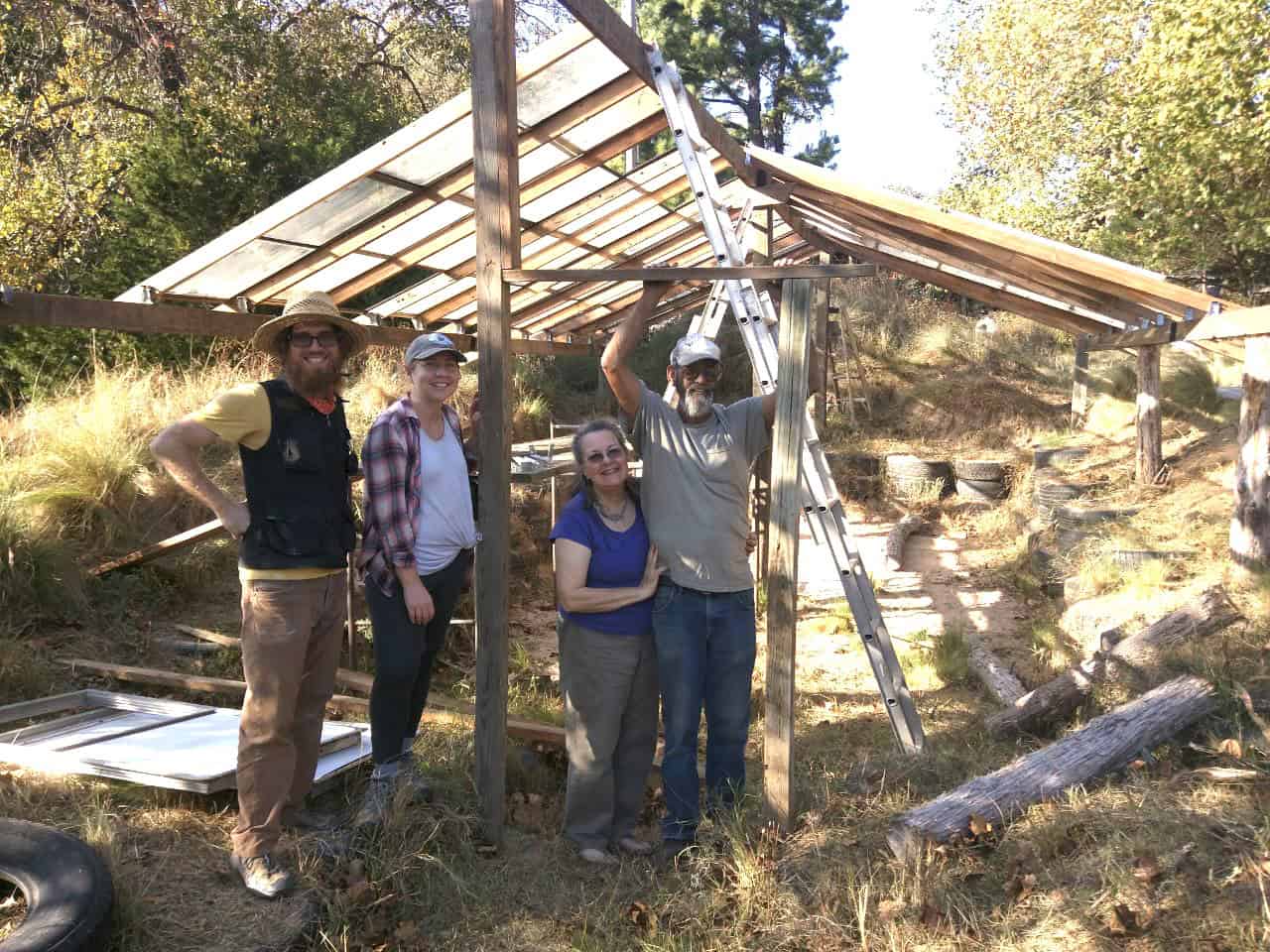
We are meeting with 3 others and discussing forming. We are seeking like-minded, respectful, community-oriented, organically oriented gardening, permaculture, self-sufficiency, peace-loving co-founders to join with us in designing and establishing the village.
We envision creating a rural eco-village community, cultivating supportive relationships with each other, the larger surrounding community, and the Earth.
We have strong Environmentalist Values—potential new members must be comfortable with the expectation that this is an environmentalist community. Prefer members to be of a permaculture and organic mindset; for both gardening and farming animals. We do not subscribe to conspiracy theories.
Location
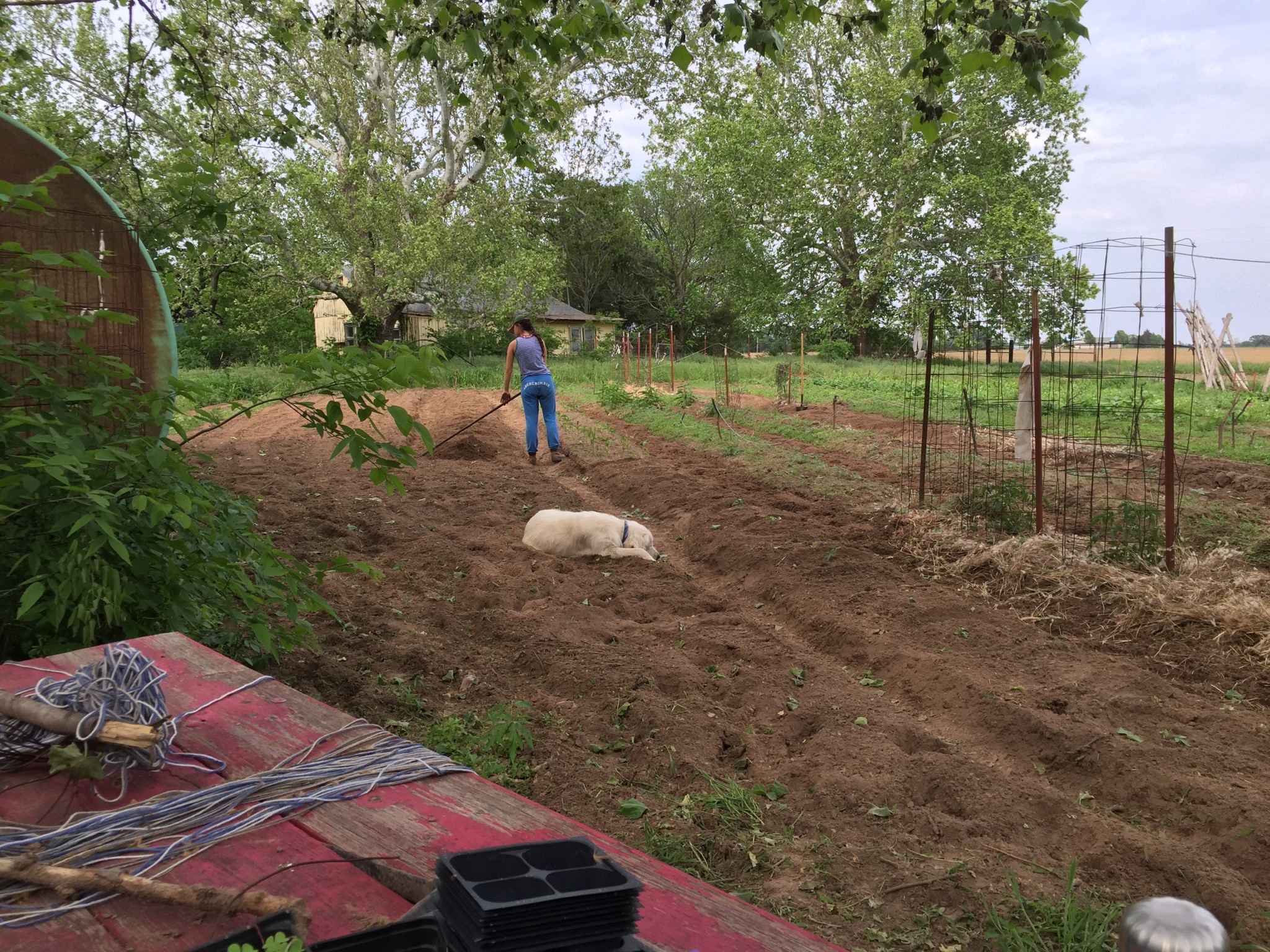
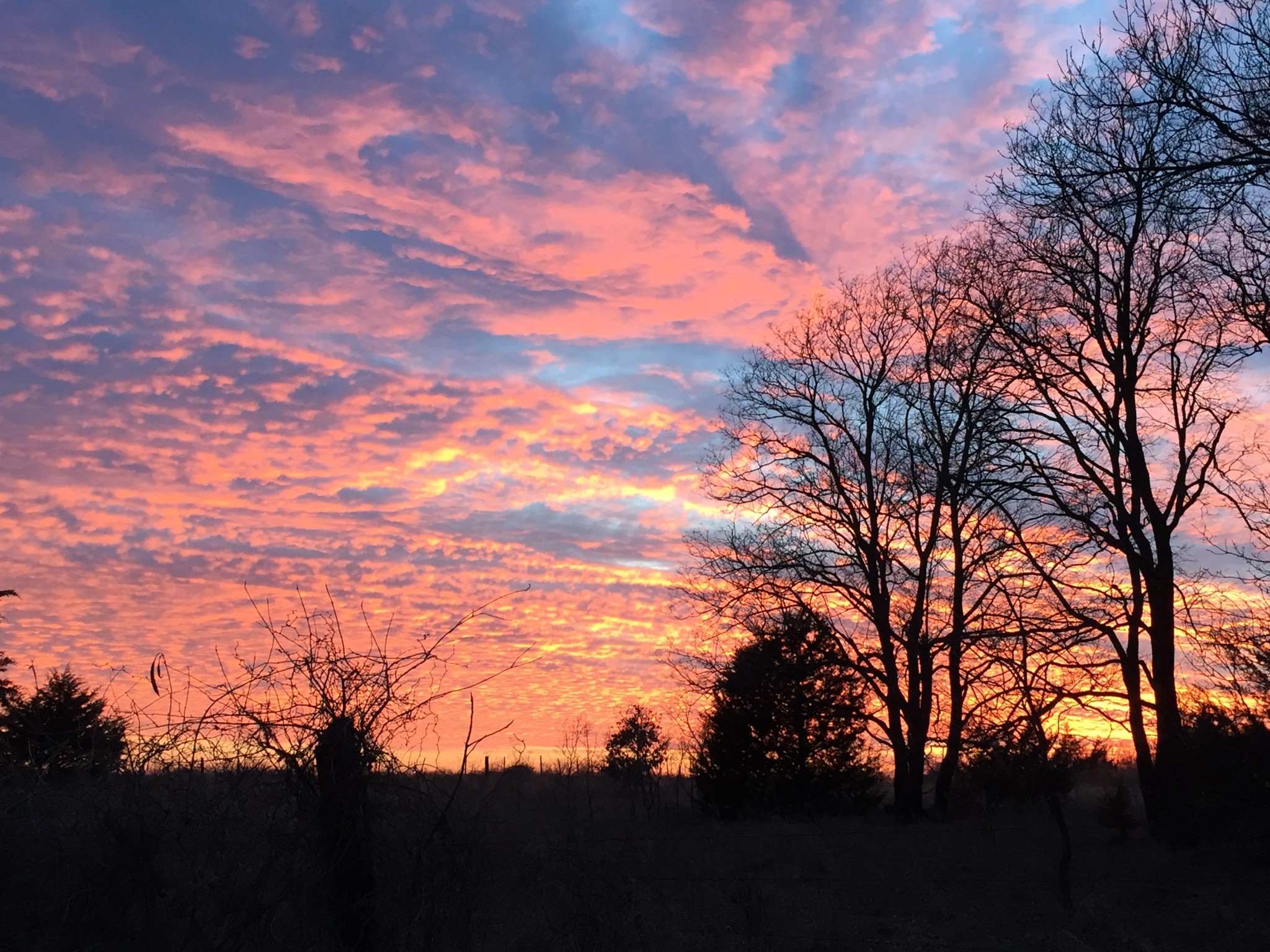
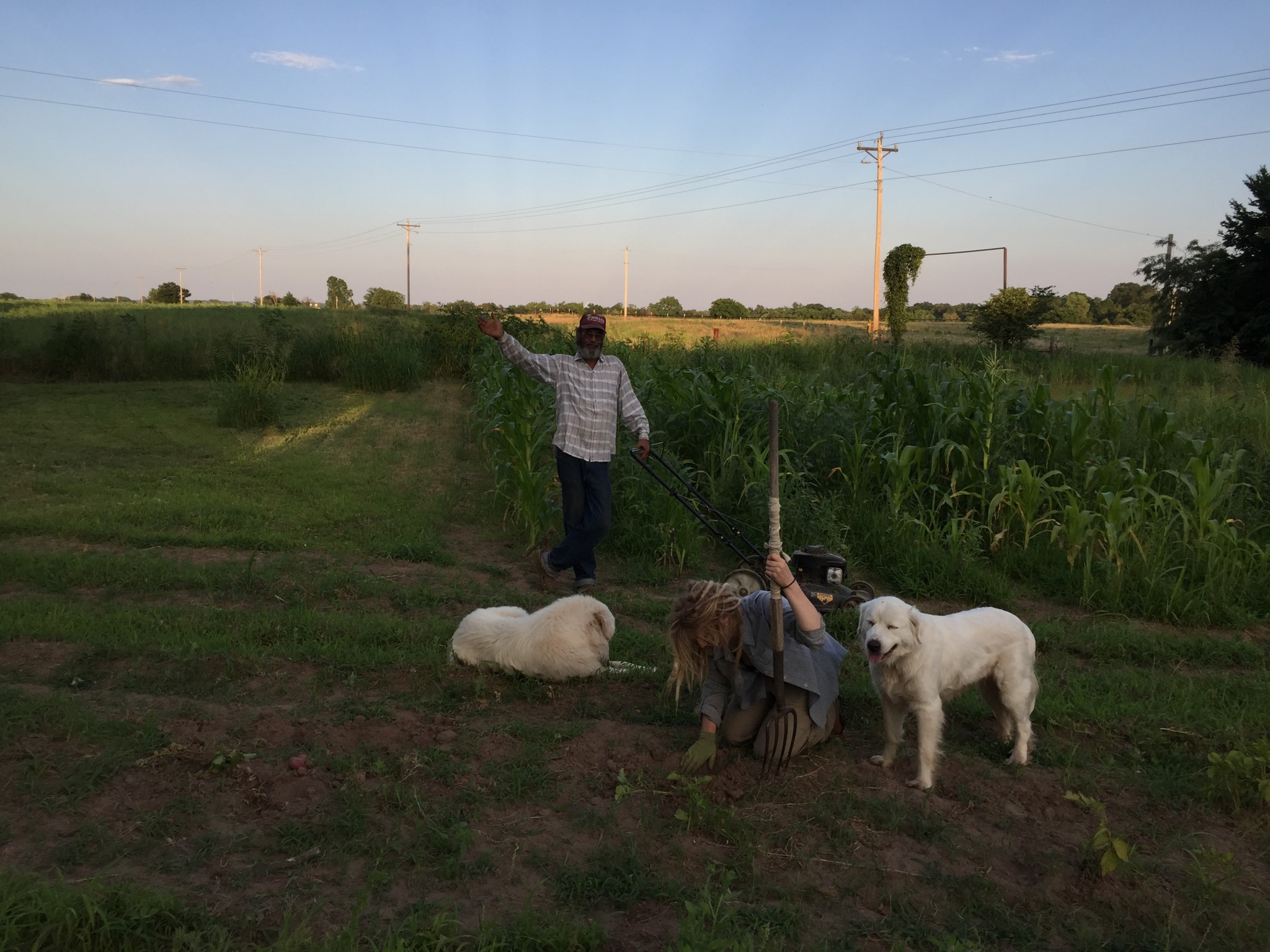
Our 105-acres of land are located in north central Oklahoma, which is in the center of the USA and part of the “Great Plains.” Our 105 acres is heavily forested in places and has some open pasture and farmland as well. We are 3 miles from a small town, population 1,100, and about 50 miles west of Tulsa, OK.
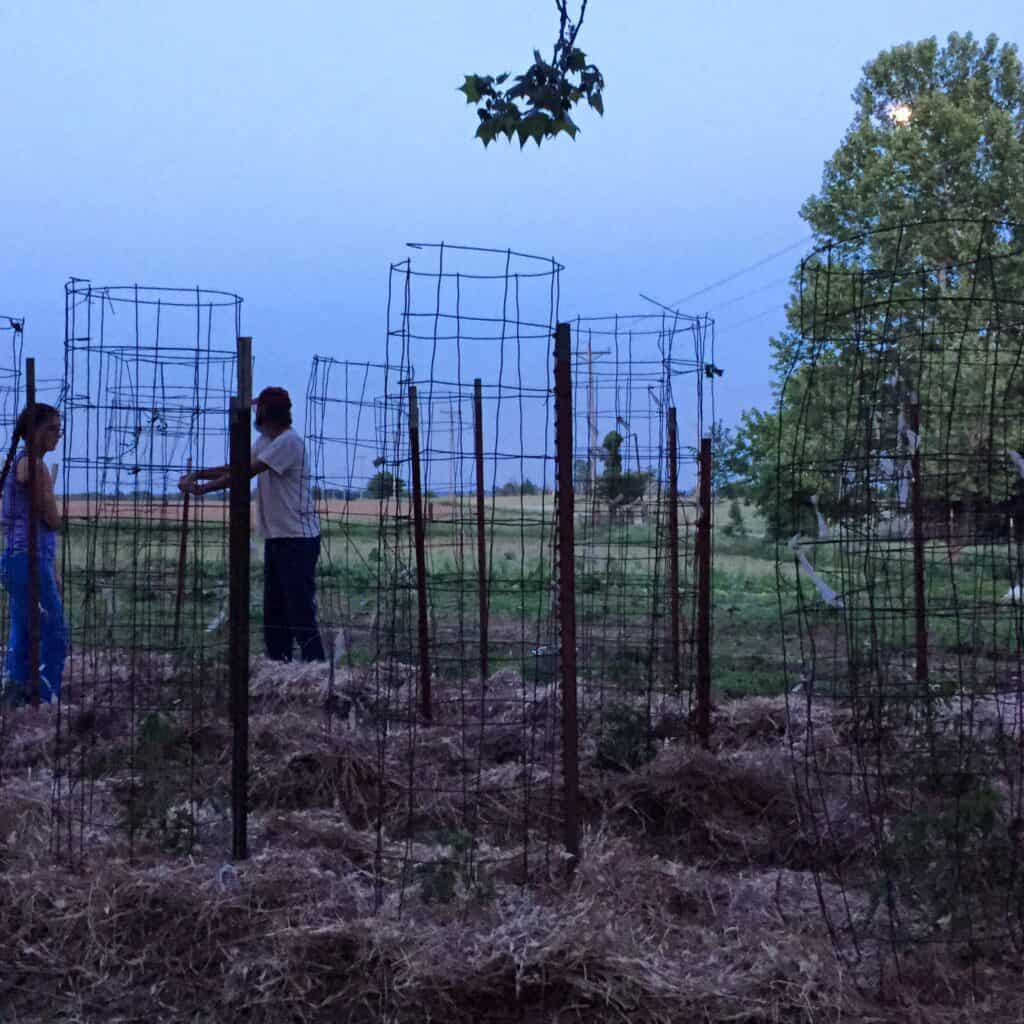
We already have a great deal that we do on our land, practices we have followed, and projects completed and in the works. We are open to the community validating or changing these as the group determines:
1. Permaculture and regenerative agriculture principles such as Hugelkultur, deep mulching, terracing with swales and berms; and rainwater capture;
2. Ultimately, energy independence using passive and active solar, windmill, water capture, and earthship greenhouse;
3. Peace-loving, open-minded lifestyle. No obsessive conspiracy theories;
4. Organically certified gardening;
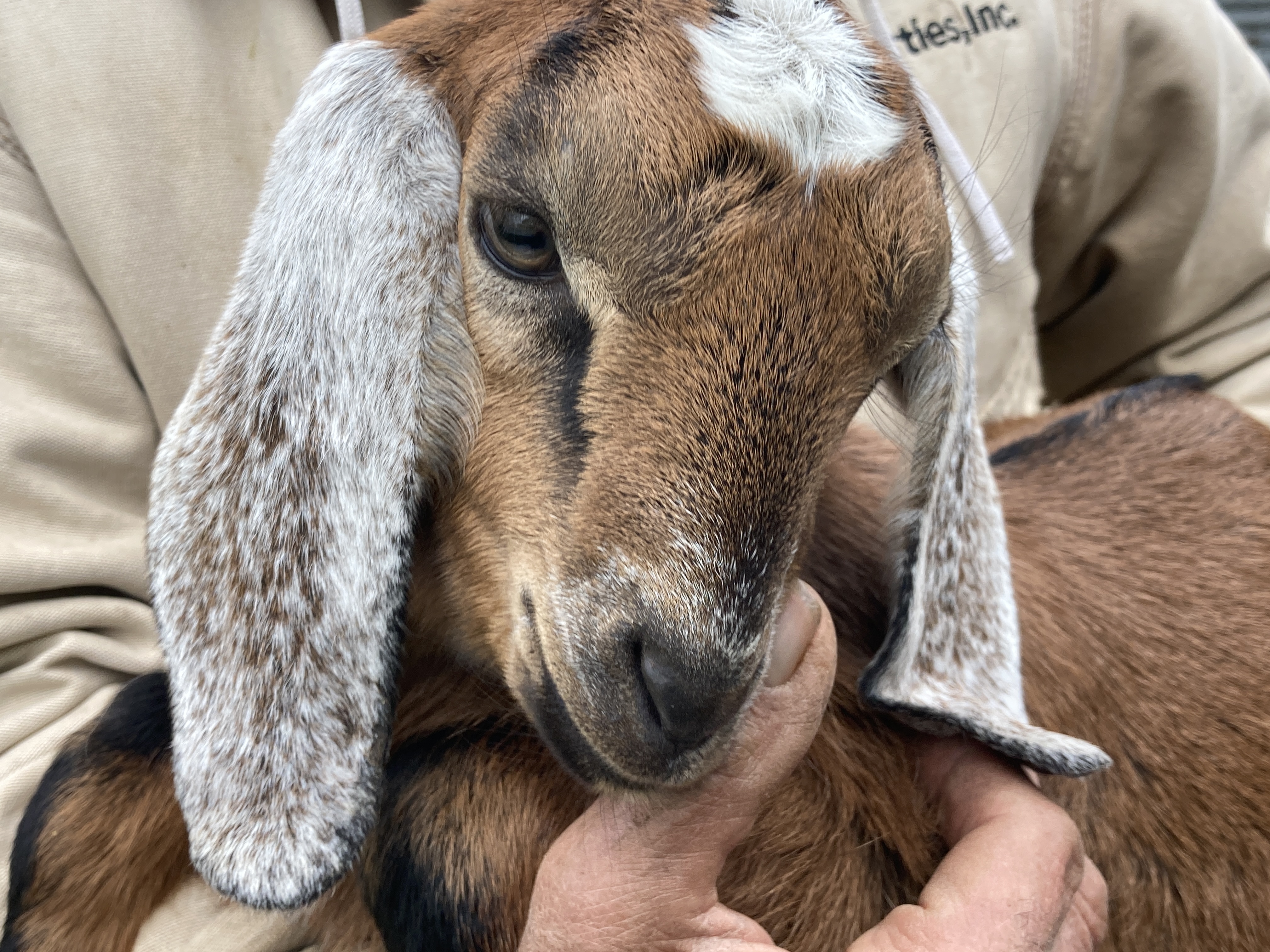
5. Ranching, dairy goats for milk, cheese, yogurt and kefir production;
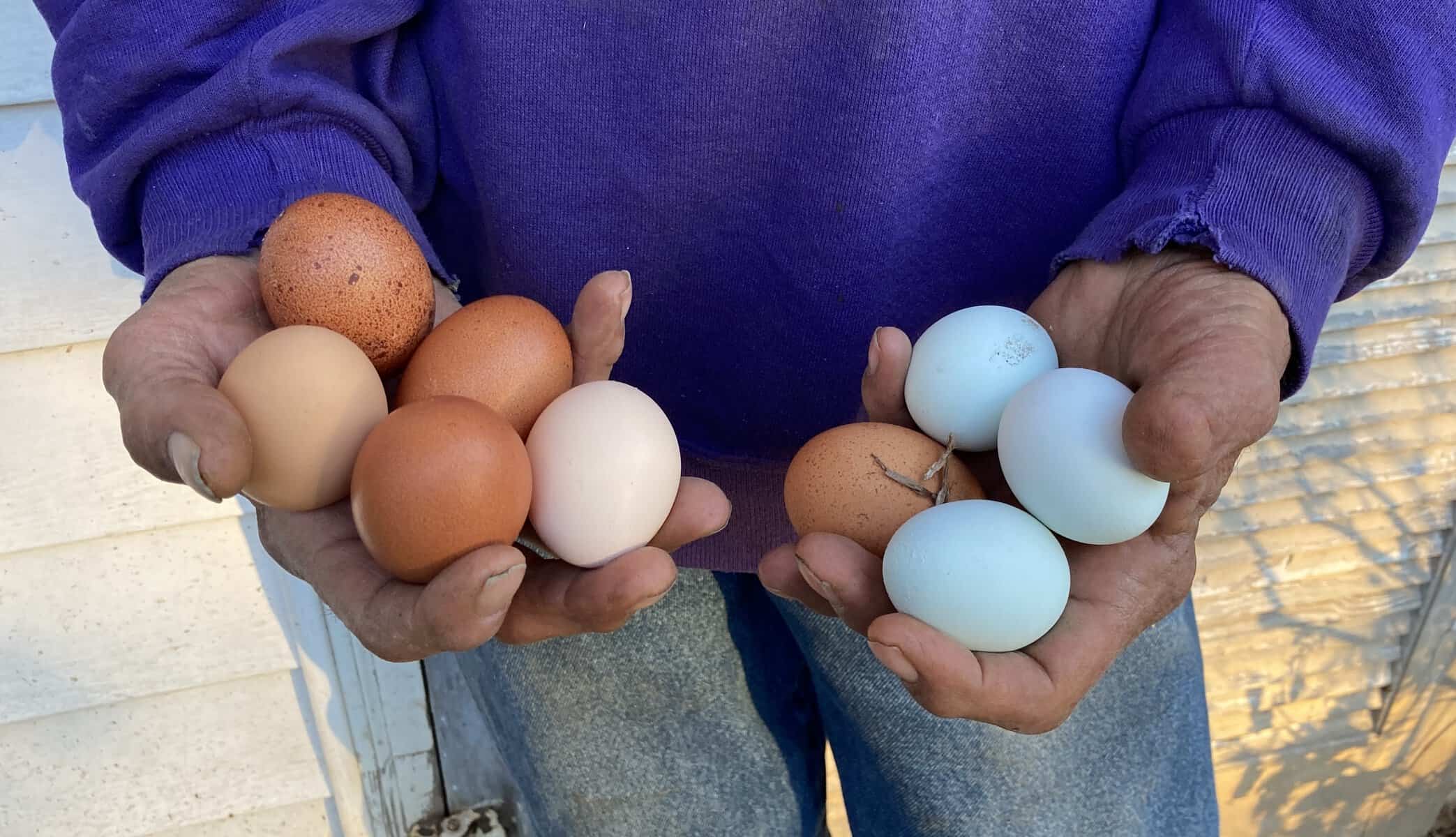
6. Poultry for eggs as well as for pest reduction and occasional meat production if we get too many roosters;
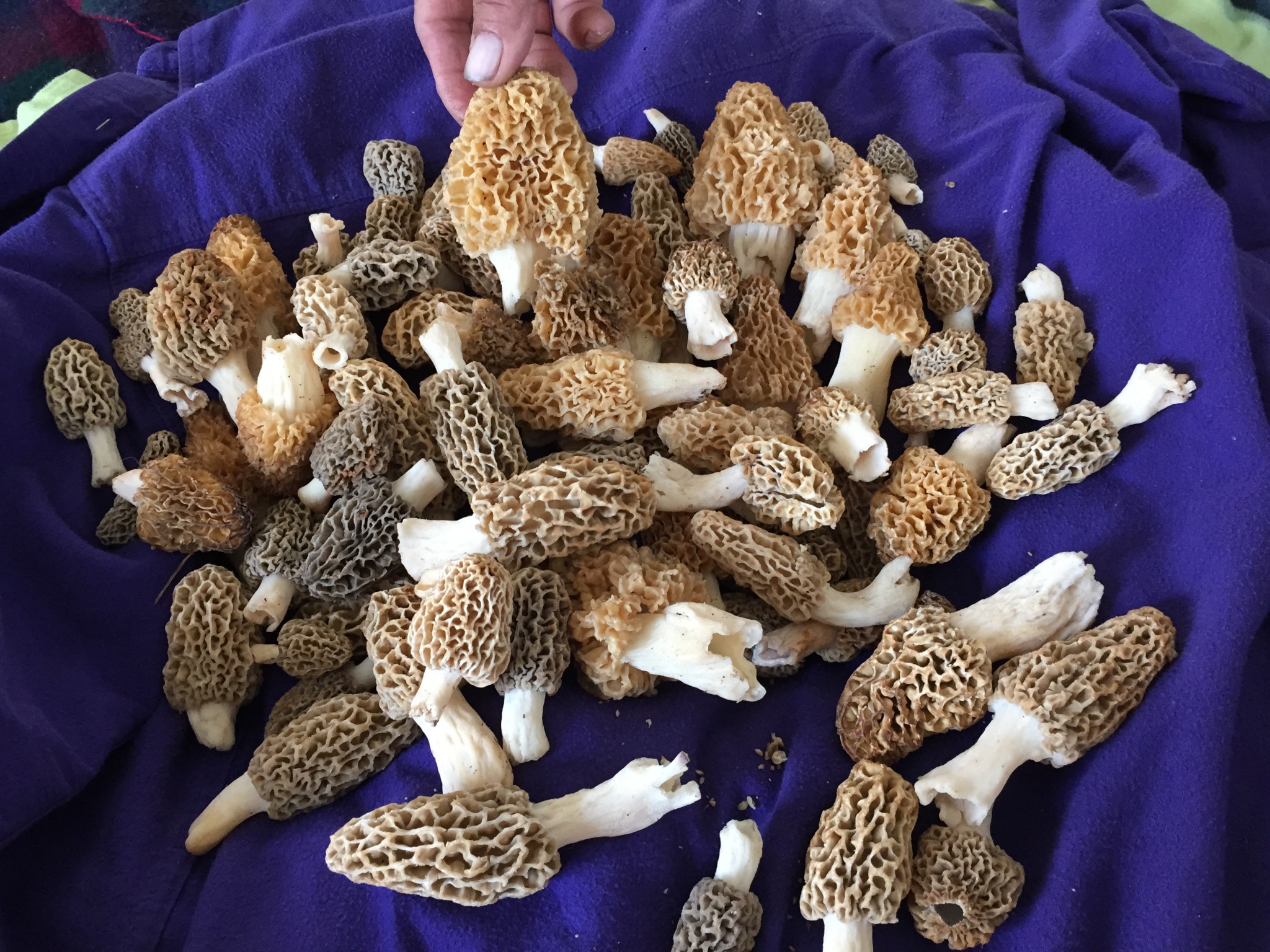
7. Wildcrafting/Foraging for greens, mushrooms, fruit, herbs, soapberries, etc.;
8. Agricultural land use for potential orchard and produce sales income through a nearby Farmer’s Market or CSA’s;
9. Hunting in an excellent white-tailed deer habitat with limited bow-hunting for shared meat acquisition;
10. Cob-Straw-bale building (in process) for multi-purpose community use, such as for meetings, a loft for WWOOFers or guests, group music making and drumming, health food store inventory and retail sales;
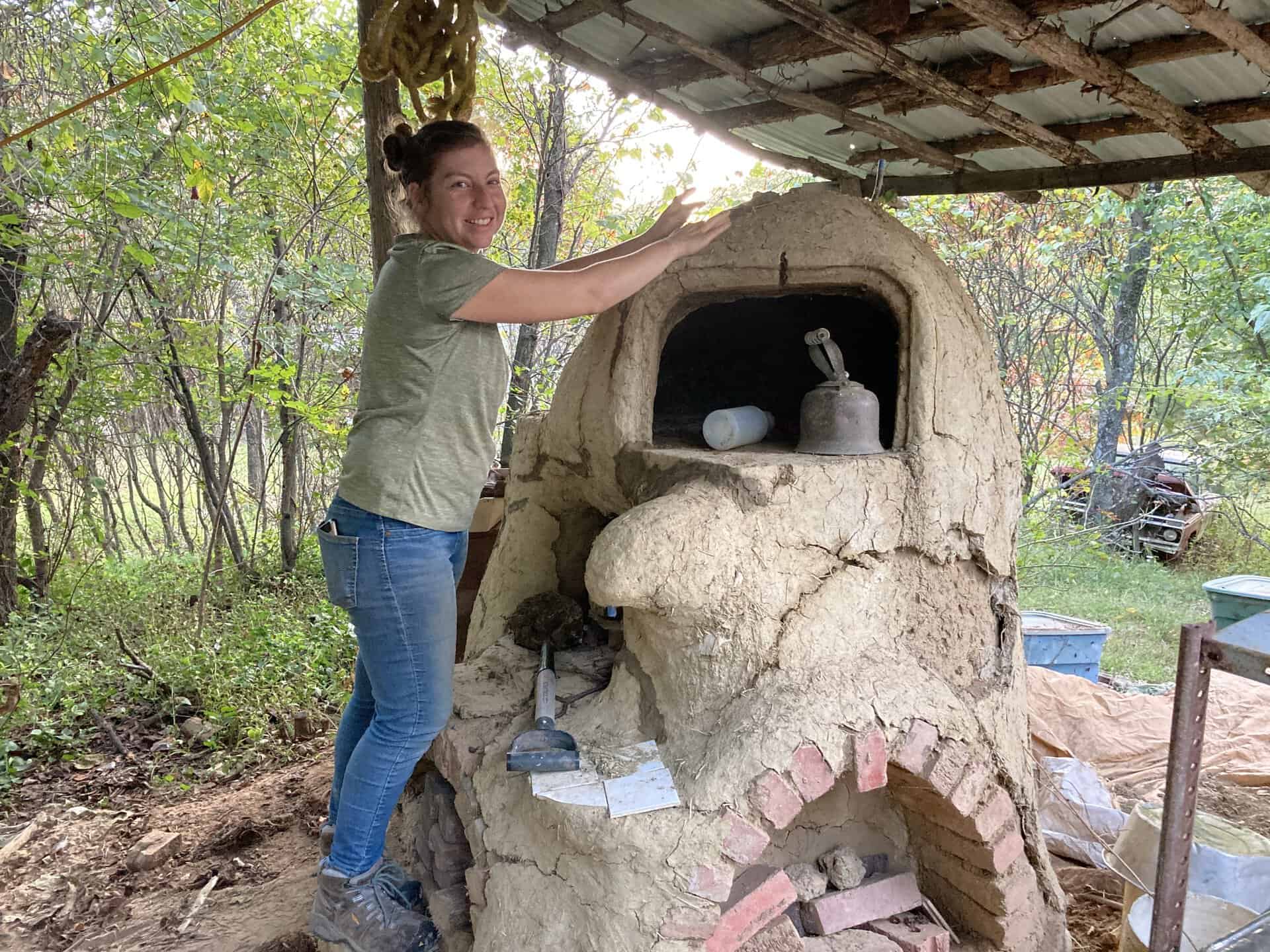
11. Cob-Rocket Oven and Shelter for outdoor community cooking use;
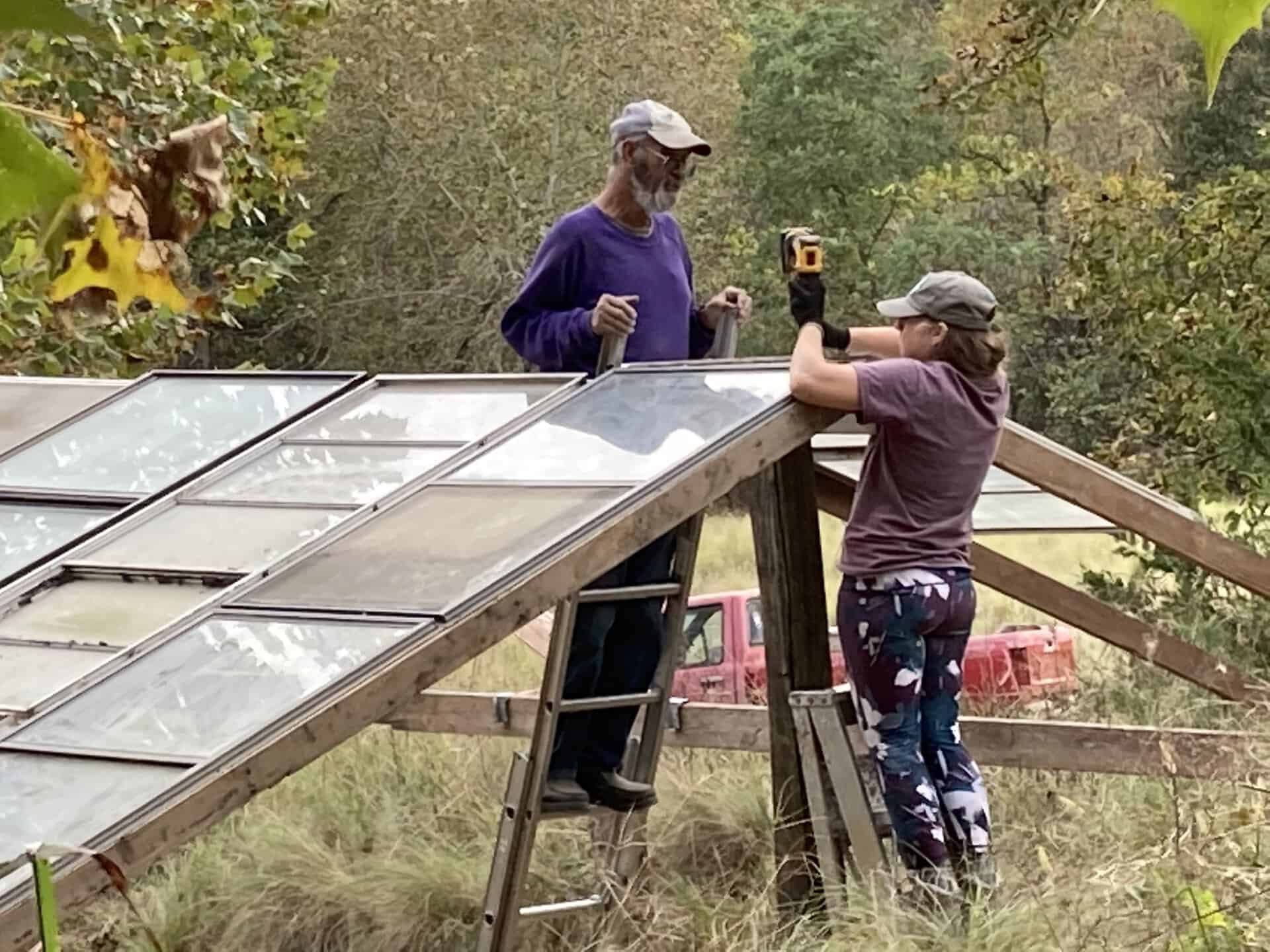
12. Greenhouse (Earthship design, under construction) for seed-starting and winter greens production.
Some of our core values, principles we intend to ascribe to, are listed below.
1. A Multi-generational approach to living and sharing labor and knowledge;
2. Peace-loving attitudes with open-mindedness as a fundamental value;
3. Some tool and equipment sharing, for community projects;
4. Egalitarian, Income-sharing optional on communal farm enterprises (such as health food business, farm store, or organic produce sales);
5. Energy and self-sufficient lifestyle, (within reason–not from a paranoid viewpoint);
6. Communally engaged (while still respecting everyone’s right to privacy);
7. Environmentally focused (respect and care for surrounding environment and the Earth as a whole).
What we prefer to avoid:
•Gun use other than for food acquisition
•Extremist viewpoints such as Satanical interests or those who are on the dark side;
•Using large farm equipment
When contacting us please include:
•What about Country Gardens interests you and what would be your intentions for being here?
•What does living in an eco-community mean to you?
•What assets will you bring to the community?
•What is your background so far?
•What is your full legal name, address, birthday, and government form of identification?
•If anything stated above concerns you, but you are still interested in being a part of our community, please let us know what your concern is and we can speak further with you in that regard.
—————–
Summary:
Our 105 acres is in a rural setting, but only a little more than 1 mile off of state highways. Our property is forested (~45 acres), with some open areas for gardening (~3-5 acres), farming (~20 acres), or pasture (~20 acres).
Eco-Village /Co-housing Startup is located 50 miles west of Tulsa
• 105 Acres owned – Beginning Eco-Village Design and Startup on ~ 20 acres
• Looking for like-minded souls to meet and design eco-village/co-housing in north central Oklahoma
• Permaculture principles – rainwater capture, deep mulching, terracing, Hugelkultur;
• Land: Dense Forested Land + Ag Land + Native Prairie + Intermittent Spring + Pond
• Energy independence: Solar; water capture; earthship greenhouse;
• Peace-loving lifestyles
• Multi-generational
• Ltd. Tool-Sharing; Equipment-Sharing (after community is formed);
• Gardening – Organically Certified Garden; sharing for those Intersted In gardening
• Ranching: Milk Goats for Milk, Cheese, Yogurt, and Kefir production
• Poultry: Chicken Egg Production, Guineas, Heritage Turkeys
• Wildcrafting /Foraging: Greens, mushrooms, fruit, herbs, soapberries, etc.
• Single-housing + Co-Housing; build your own eco-friendly home or join with others to create a co-housing;
• On-site Health Food Store Business for personal ordering and potentially for income sharing;
• Agricultural Land – potential produce sales income with nearby Farmers’ Markets. Also orchard and berry potential. This land is good for apple, pear, peach, blackberry, strawberry production;
• Hunting – excellent white-tailed deer habitat; limited to bow-hunting for shared meat acquisition;
• Cob-Straw-bale buildings—one foundation for multi-purpose community use & one for health food store (in process);
• Cob-Rocket Oven + Shelter—for outdoor community cooking use ;
• Greenhouse (Earthship design)—for seed-starting and winter greens production (in process);
• Egalitarian, Income-Sharing optional on communal farm enterprises
• Spirituality—Freedom of religion… no extremist or dark side viewpoints welcome.
Below are the list of values we found on another eco-village site and we believe this would be a good list to start with for us as well:
1. We find beauty and wisdom in nature’s design and seek to emulate it in our village.
2. We value caring and respectful interactions with members of our village, guests, the surrounding neighborhood, society, all living things, and the Earth.
3. We approach change and challenges with open-minded—rather than dogmatic—attitudes.
4. We have an egalitarian power and decision-making structure.
5. We make and honor agreements with great care and sincerity.
6. We balance participation in the village with individual needs, and welcome the opportunities for engagement, fun, and enjoyment the community life brings.
7. We steward and nurture the land on which we live, its natural and human communities, its productive farm, and its role in the ecosystem around it.
8. We balance the stewardship of our land with areas for food production, human habitation and recreation, and restoration of the native ecosystem.
9. We steward personal and community energy and resources responsibly with moderation, innovation, and sharing.
10. We engage in ecologically and socially sustainable practices to meet our needs.
11. We actively engage and participate with the surrounding neighborhood, city, and region, in education and work that nurtures and sustains our common society and environment.
12. We value diversity and invite all who share our vision to explore participation and/or membership in our village.
13. We strive to continually learn and grow in ways that support our vision and values.
“We are a rural eco-village community, cultivating supportive relationships with each other, the larger community, and the Earth.”
We are seeking like-minded kindred spirits who are ecologically motivated, hard-working, kind-hearted and peace-loving, self-sufficient but cooperative, community-oriented. We plan to have the land in a land trust or in a legal condominium-type entity, and members will own their home and a percentage of the land as a whole, in trust.
Email (ne*******@***il.com) and expect a one, to five-day response turn-around.
or phone /text us (918)387-3131 to discuss your visit and arrange a mutually convenient time.
The whole membership decides collectively.
Generally seek agreement, but have backup methods when consensus isn’t reached.
Power and responsibility are shared relatively equally among members.
We are open to determining the method of governance with the initial co-founders. Perhaps sociocracy or full consensus would work?
Members contribute a percentage of income to community funds.
Join fee: $10000
Regular fees: $200
Labor: Yes (3 hrs/week)
We are seeking 2 to 4 persons to join us in forming this community. We envision that the community can have several streams of income and that if it is community-derived, it would be community shared with those who choose to be involved.
We imagine that perhaps initial buy-in to the community would be $10,000, depending upon whether we limit the total number of members to 14-24.
Additionally, we imagine that there will be shared monthly and annual expenses, such as for electricity or solar installation, insurance, maintenance, propane, water, internet access, etc. And that as we become more energy and water independent, we could reduce our monthly fees in given areas.
Common House, Garden(s), Greenhouse(s), Library, Outdoor Kitchen, Large Scale Kitchen, Swingsets & play areas, Internet
Countryside locations with significant distance from urban centers.
Private homes with shared common facilities, designed for neighborly
interaction while maintaining independence.
Shared living spaces with private bedrooms/bathrooms and communal
kitchens, dining, and social areas.
Integrated communities designed around ecological principles with sustainable living practices.
Connecting people and communities through an intentional online marketplace
There are no needs and offers
We use cookies to improve your experience on our site. By using our site, you consent to cookies.
Manage your cookie preferences below:
Essential cookies enable basic functions and are necessary for the proper function of the website.
These cookies are needed for adding comments on this website.
Statistics cookies collect information anonymously. This information helps us understand how visitors use our website.
Service URL: policies.google.com (opens in a new window)
A residential project: people live here as their primary home.
An institution, business, network, or project that isn’t a residence (e.g. a learning center, farm, or network with no one living there full-time).

{{ item.label }}
{{ item.value ? item.value : currencyFormat( item.amount ) }}
Subtotal
{{ currencyFormat( pricing_summary.total_amount ) }}
There are no results matching your search