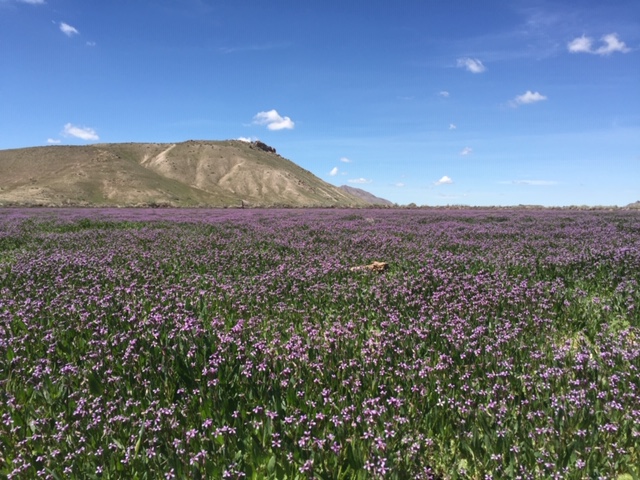
Vast field of purple wildflowers with a hill in the background under a blue sky.

Riverbed Ranch Homesteading Community

  • Communities

About the Communities

  • Established
  • Ecological
  • Town/Small City

Founding year

  • 2017

What we do

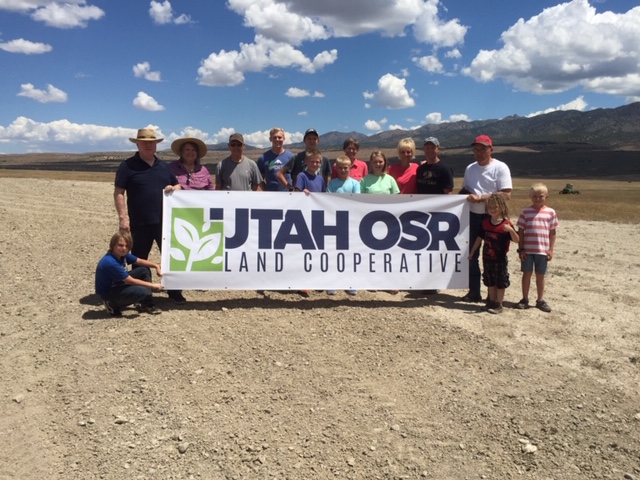
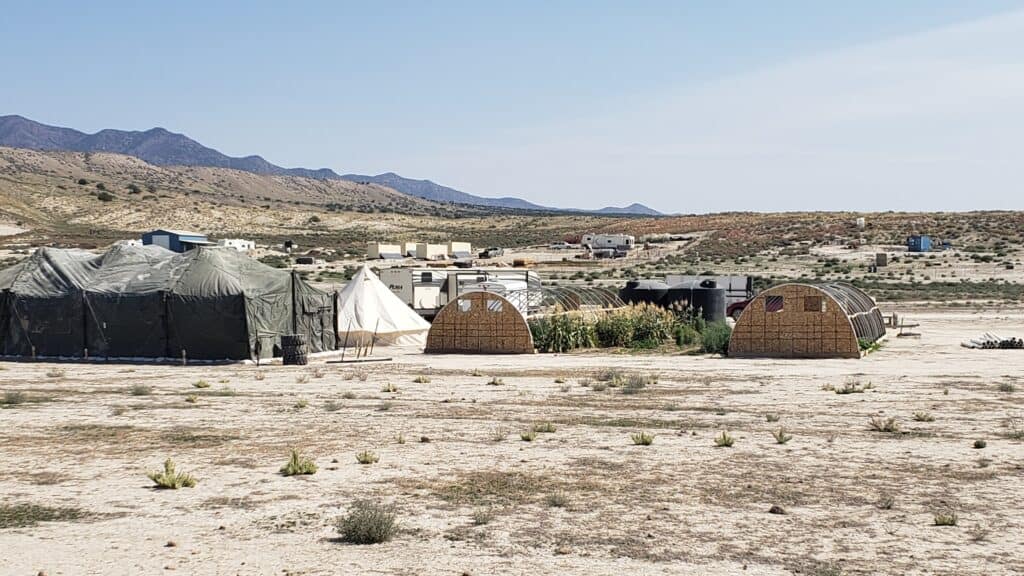
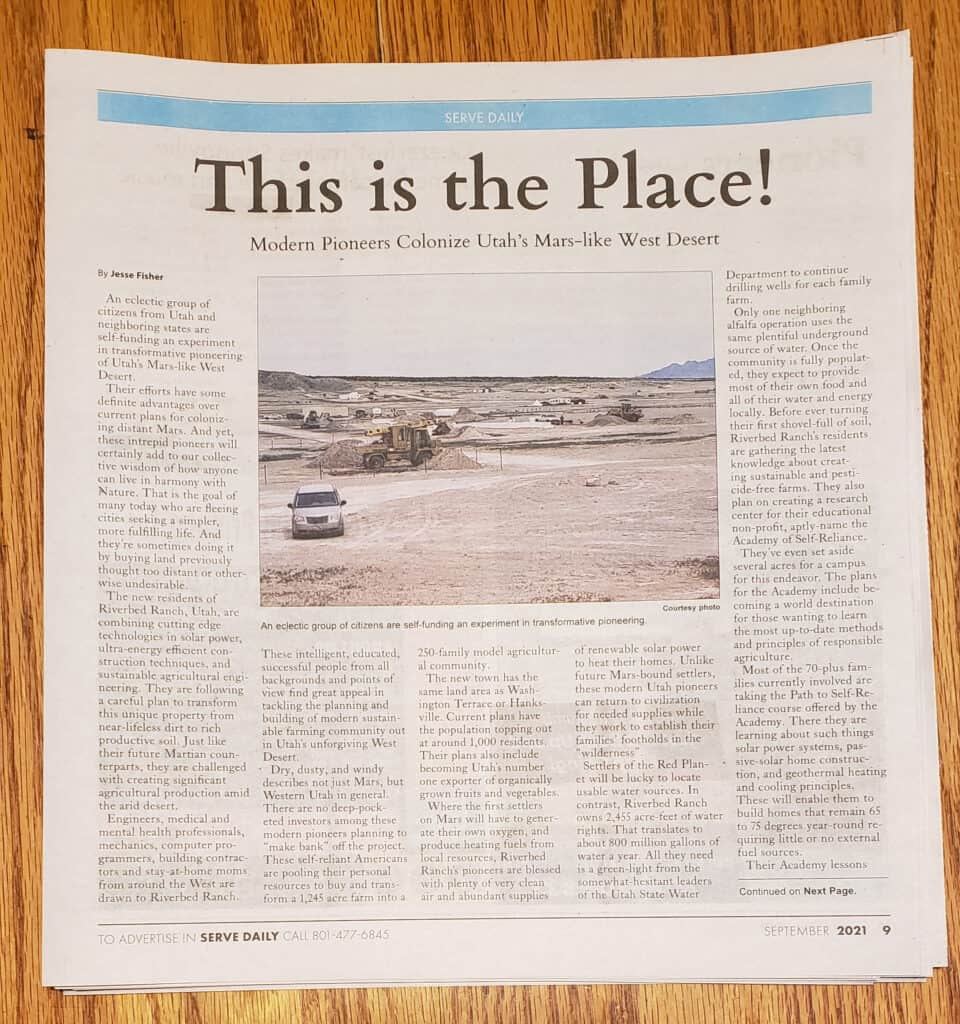
We are creating a self-reliance community where families can extract themselves from being dependent on the power grid, gas company, city water, and grocery stores in the city. This is not a political or religious statement, it’s an agricultural cooperative created for the benefit of its members.
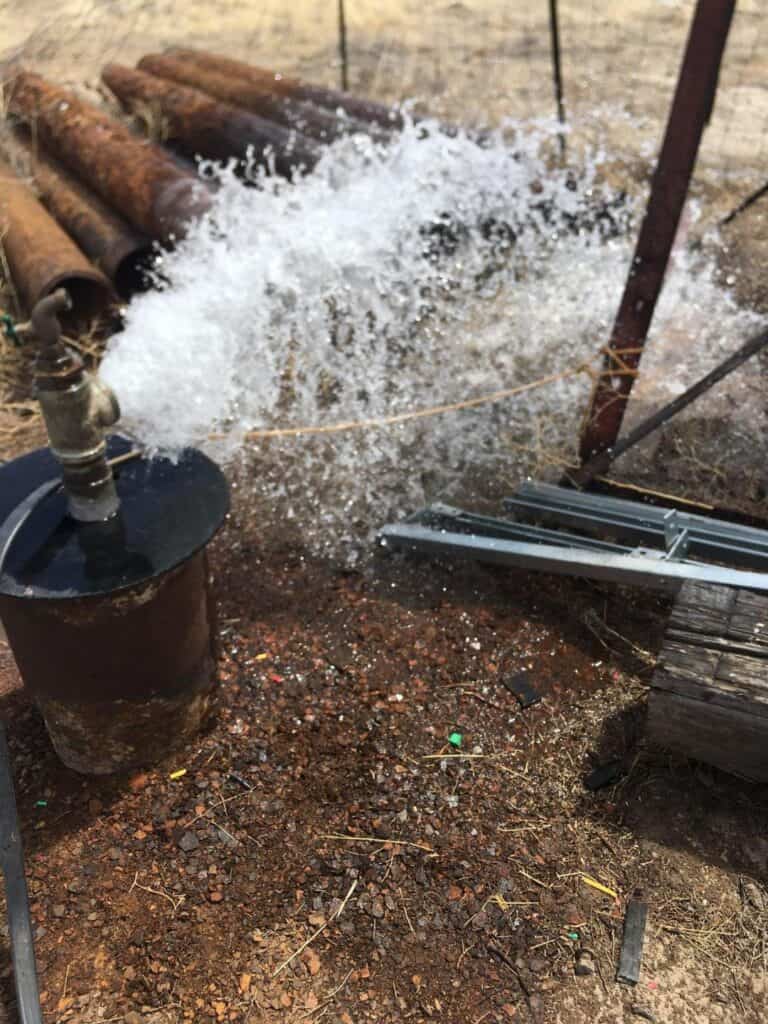
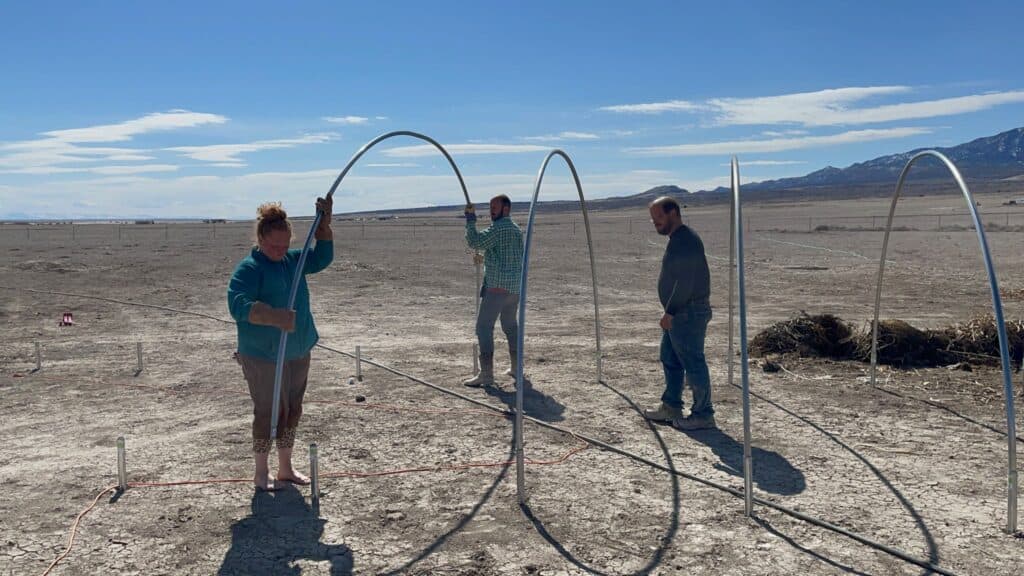
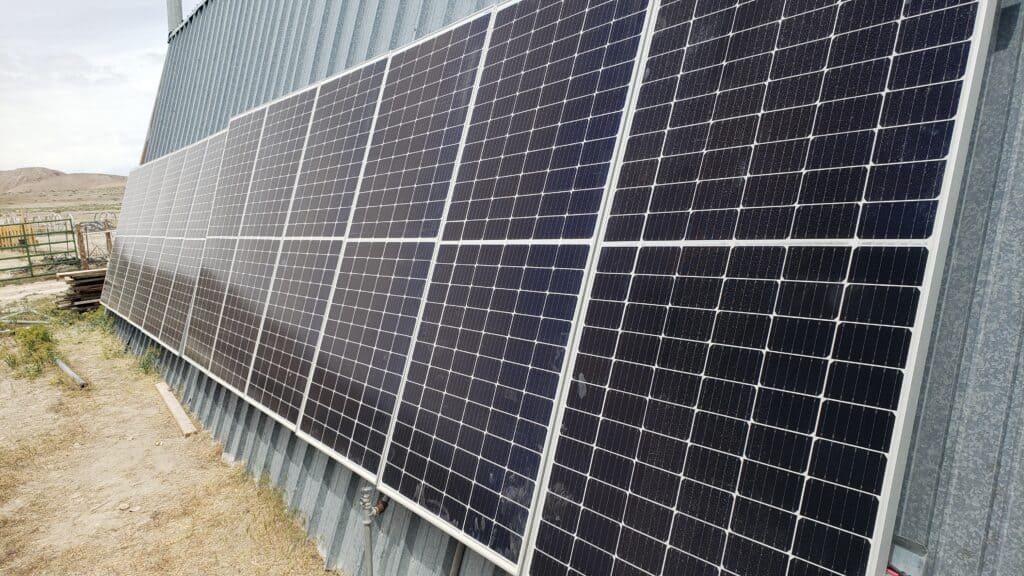
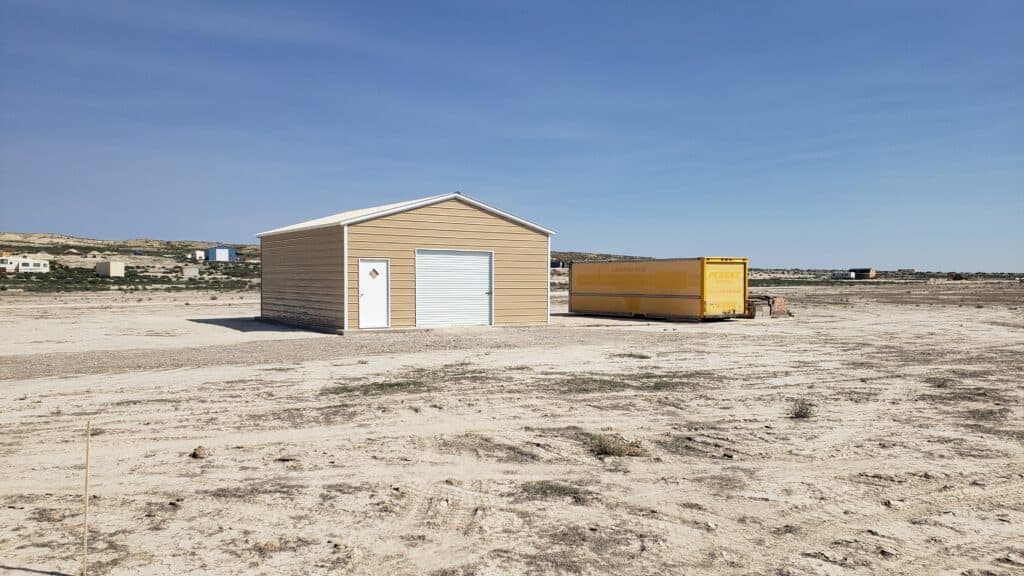
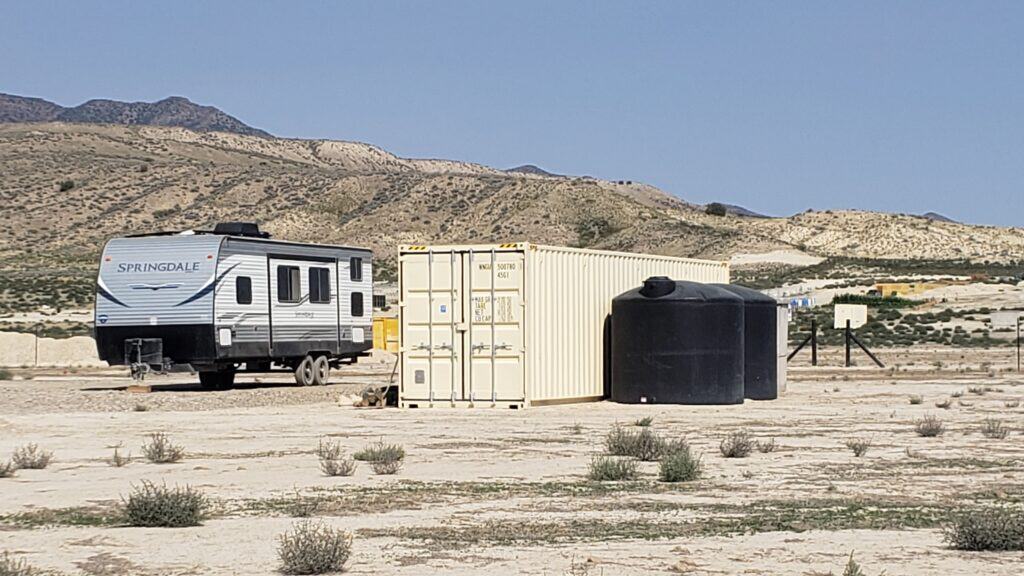
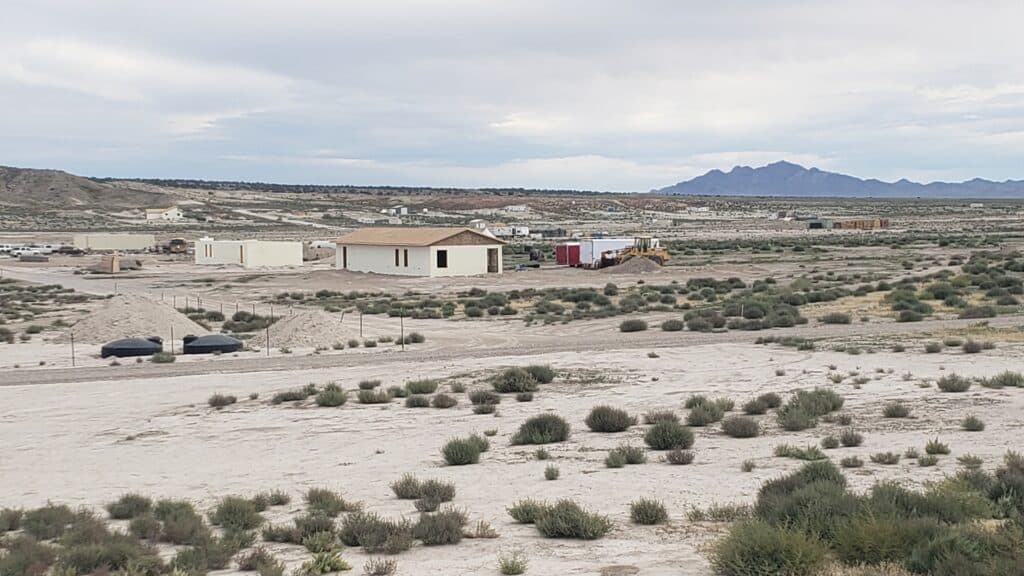
We are building 250 family online-but-off-grid, self-reliance community as an agricultural co-op under Title 3 of the Utah Code. Every 2-acre lot comes with at least 4 acre feet of water shares (very important in the dry Western US!).
There is no HOA to tell you what you can and can’t do with your 2 acre paradise. However, since this IS an agricultural co-op, each shareholder…
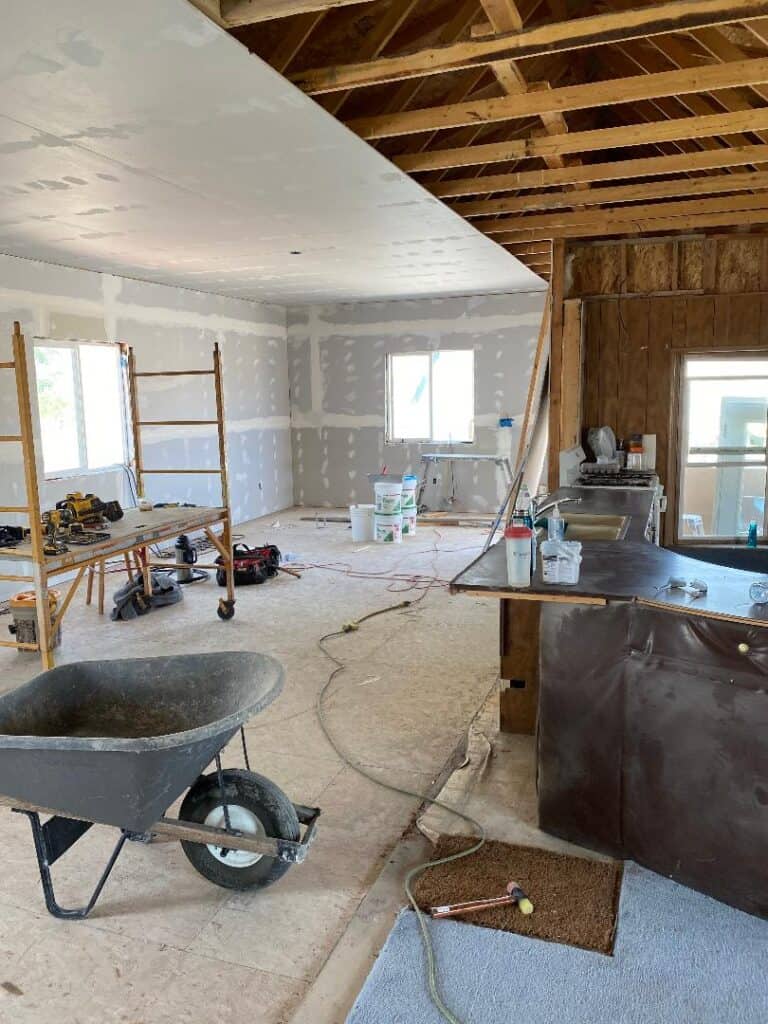
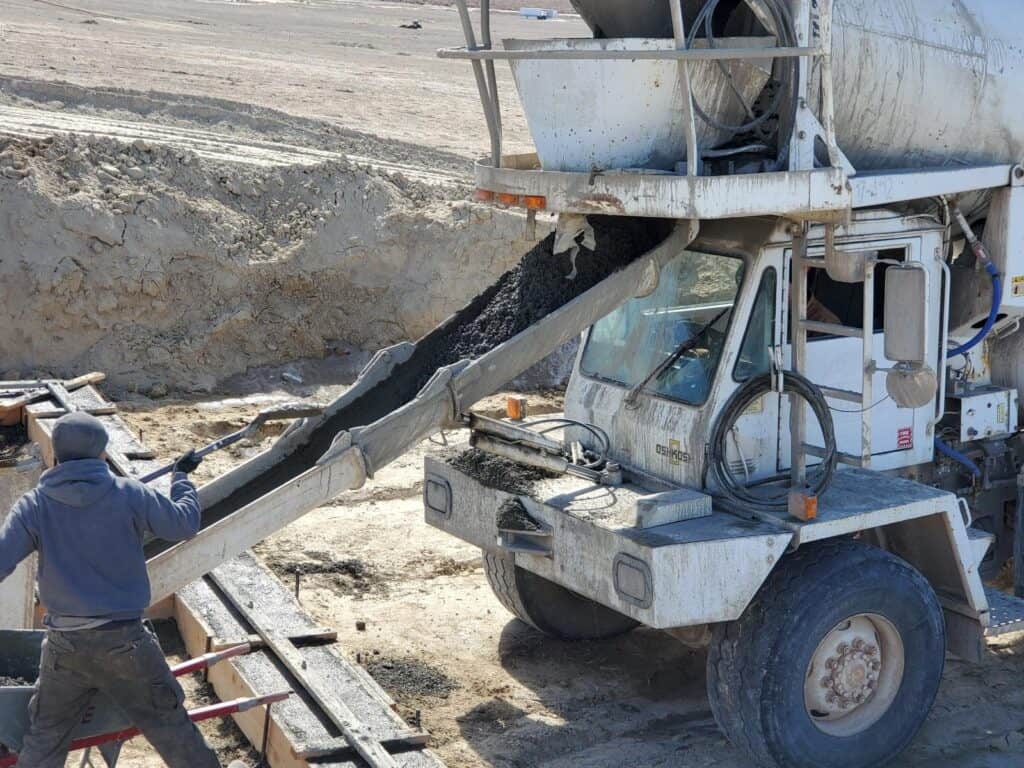
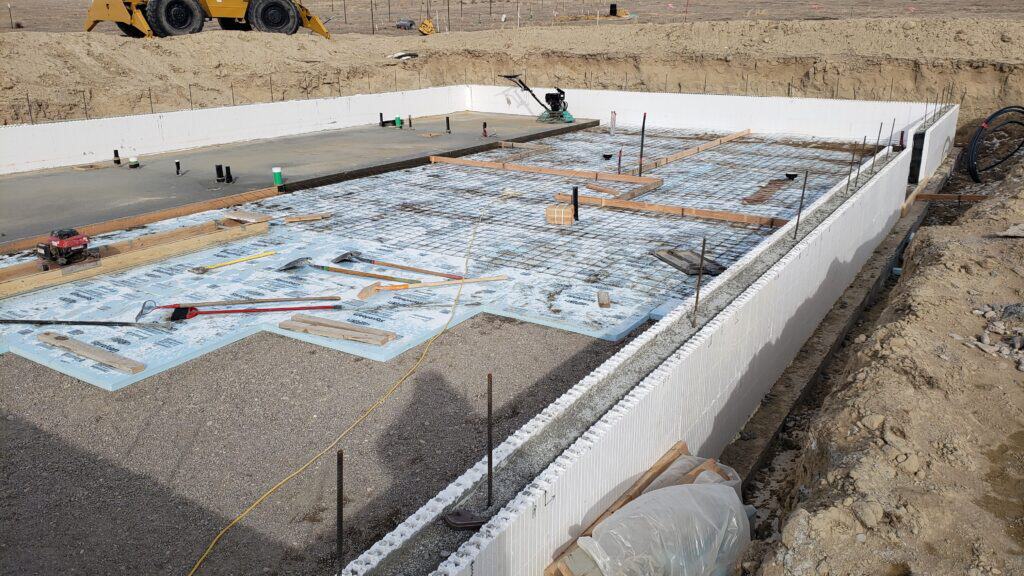
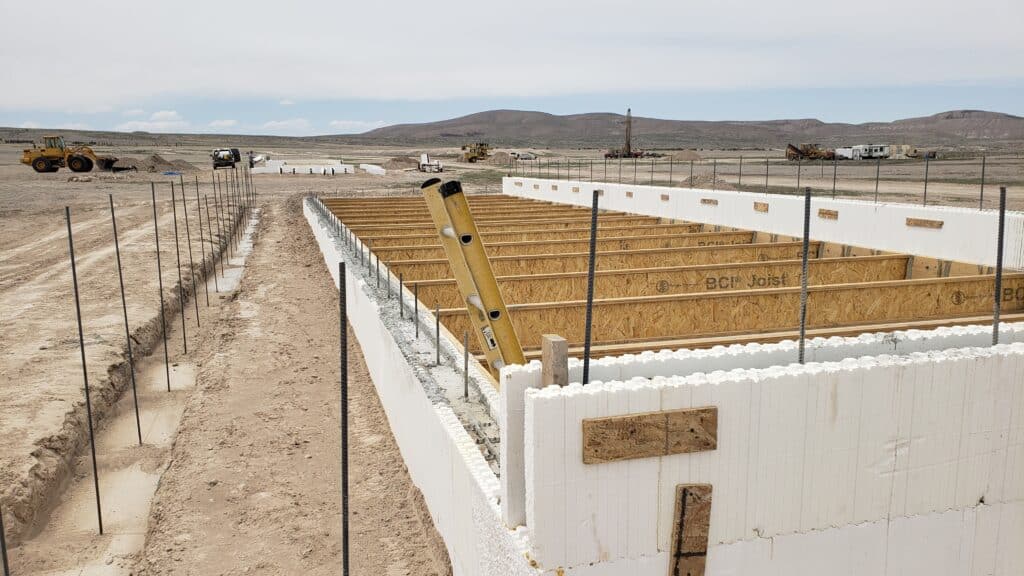
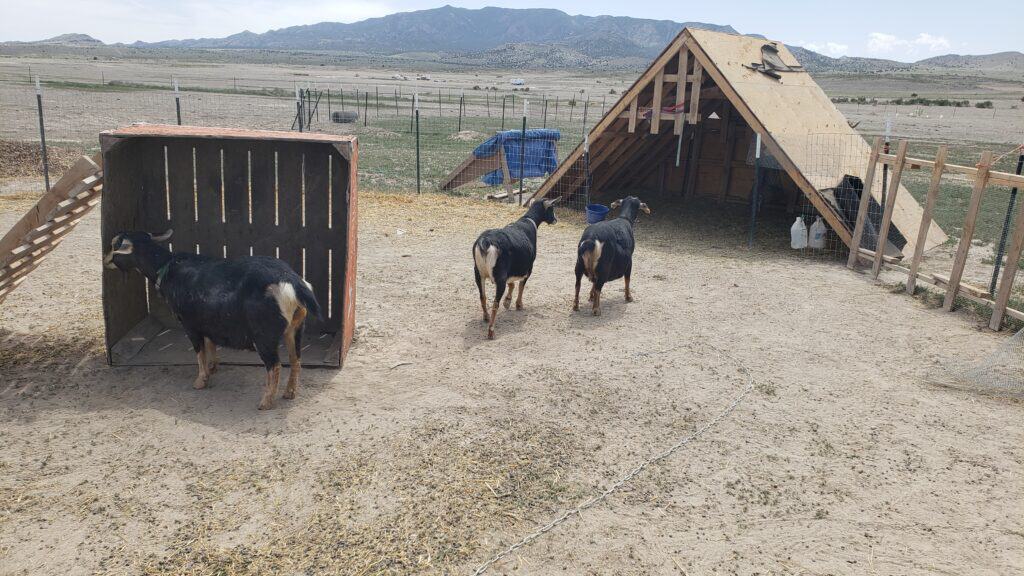
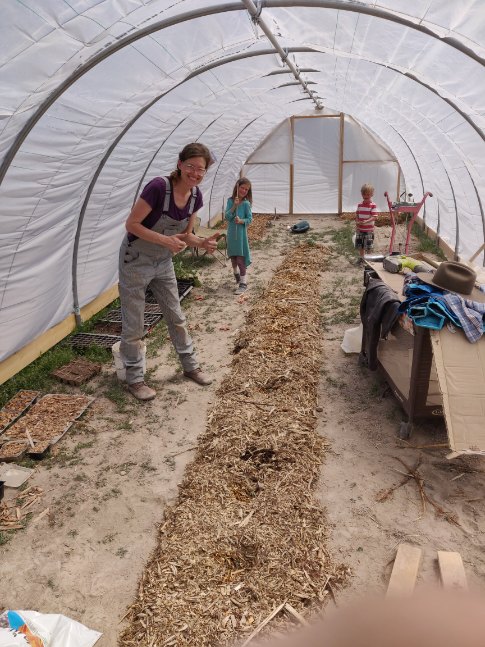
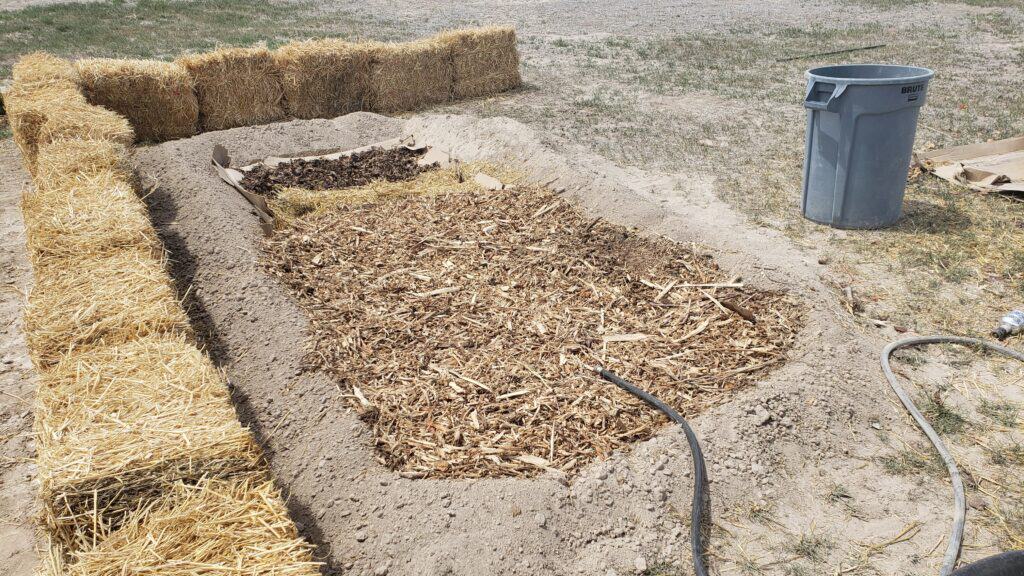
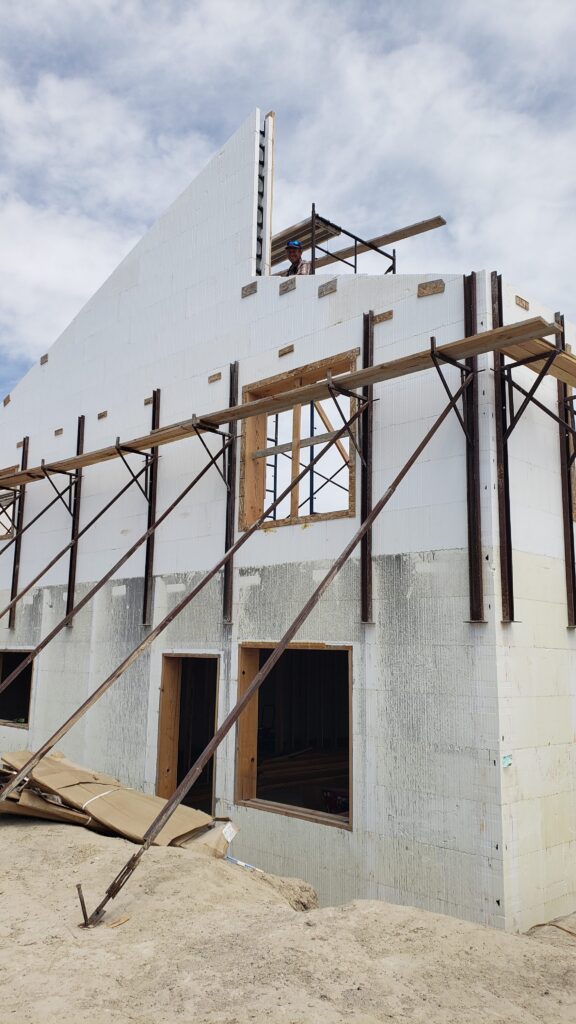
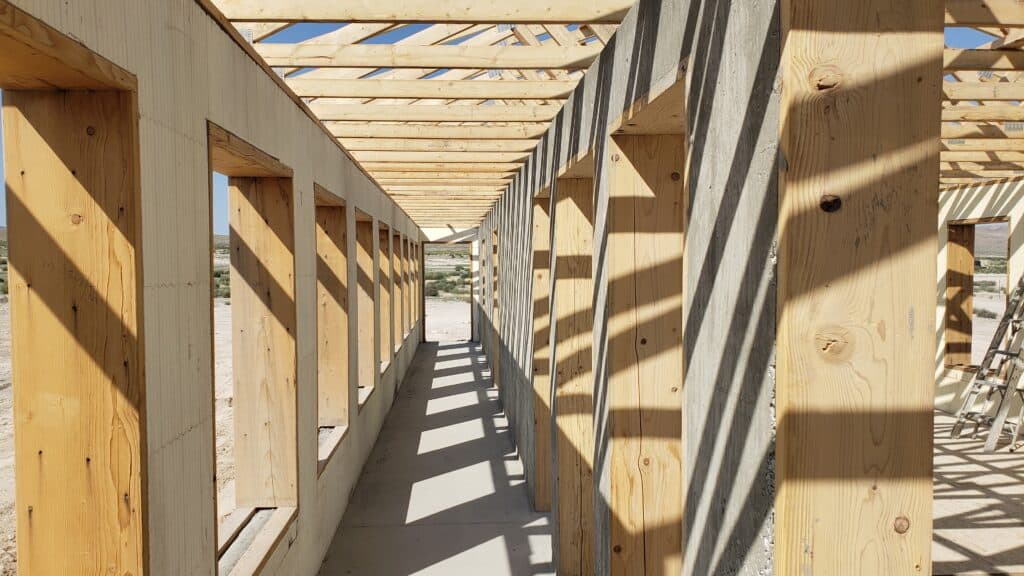
A) agrees to build an off-grid home, well, a shop, barn, garden and greenhouse,
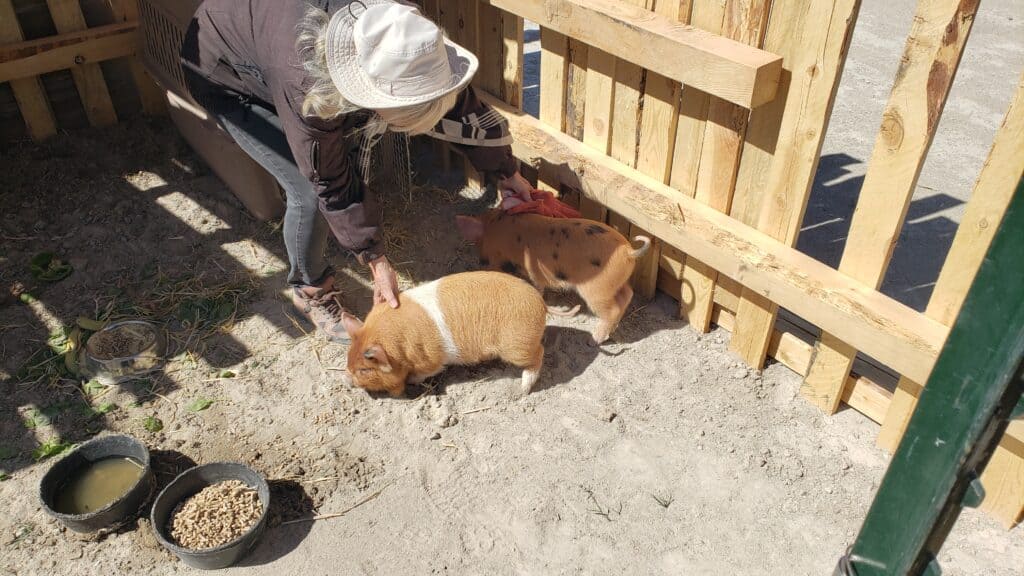
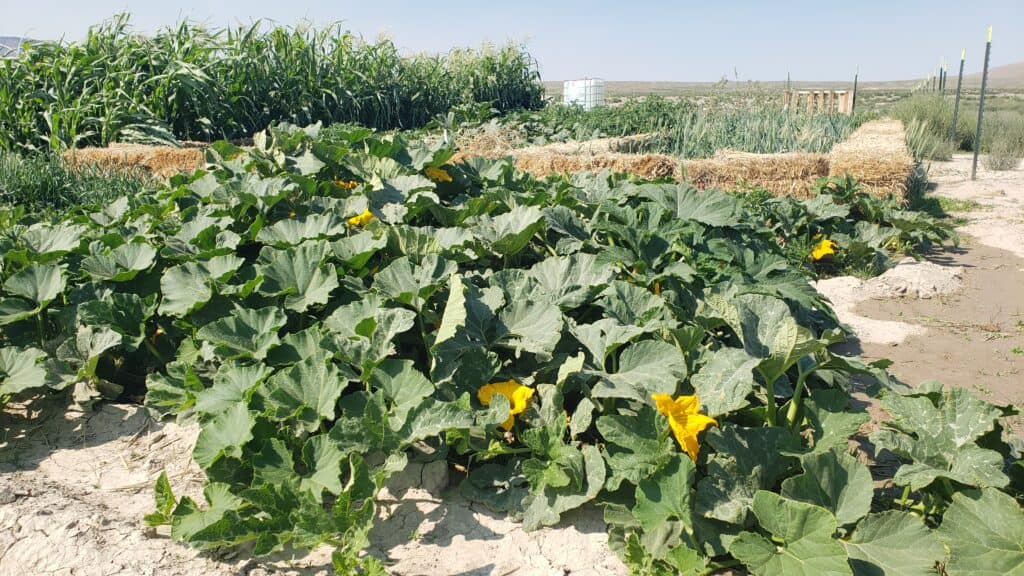
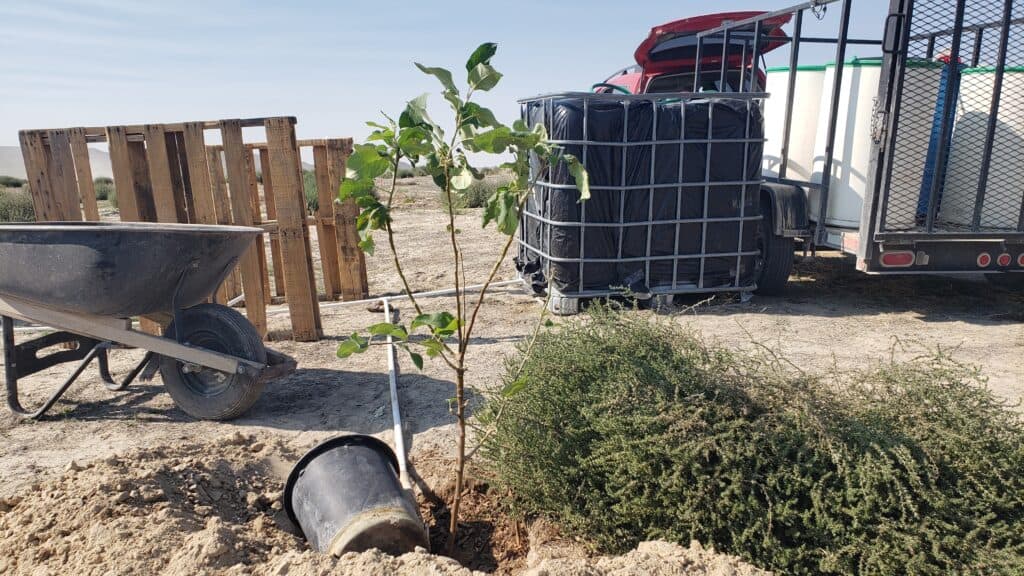
B) is required to engage in some form of pesticide-free agriculture – anything from raising worms to horses to fruits and veggies.
C) can eventually sell their surplus produce through the co-op which will try to get an account with Associated Foods or the like.
D) can sell products or services of their home-based businesses.
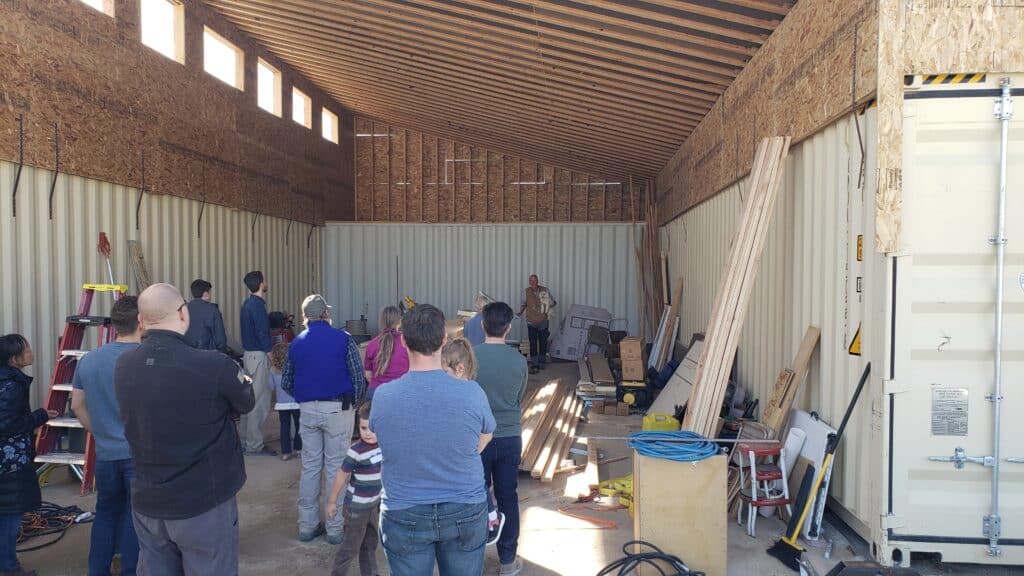
E) can save around 20-30% on the cost of building their home, barn and greenhouse through bulk purchasing arranged by co-op members.
Why do developers never create such cooperative communities like this? Because there’s no profit in it! This is a non-profit agricultural co-op, created under Utah law for the benefit of the shareholders.

Our Mission

Our mission is to make it as inexpensive as reasonably possible for a family to leave the lifestyle of dependencies in the city and transition comfortably to a country culture of cooperation and self-reliance, debt-free and surrounded by other self-reliant families.

  • Purpose
  • Ecological
  • Community type
  • Cohousing
  • Ecovillage
  • Intentional Neighborhoods
  • Sustainability practices
  • Renewable energy systems
  • Activities
  • Education
  • Experiences
  • Others

Commemorative dates

  • January 1, 2017
  • Started planning
  • January 1, 2020
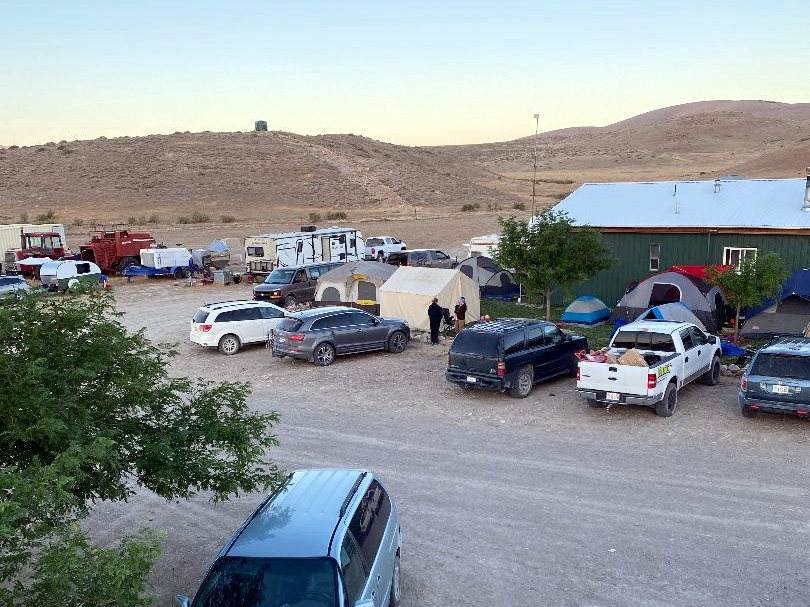
  • Started living together
  • 79 Total members
  • Open to new members
  • Open to visitors
Total
149

How to join

1. Watch our update videos to see that we’re really doing it! https://www.youtube.com/channel/UCefJX23MKjnPm2Ta65e9V4Q/videos
2. Watch our 1st and 2nd introductory videos – https://OSRcommunity.com/introduction-utah/
3. Attend a Q&A zoom call – https://www.eventbrite.com/o/academy-of-self-reliance-27972265747
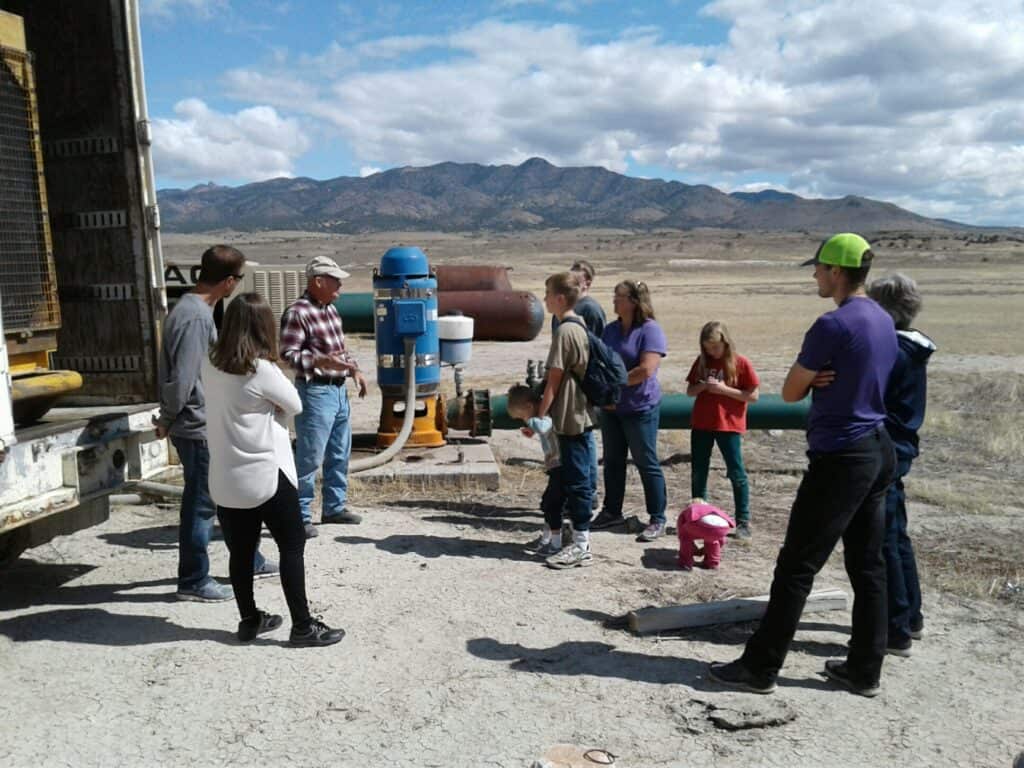
4. Tour Riverbed Ranch – https://www.eventbrite.com/o/academy-of-self-reliance-27972265747
5. Meet with our board to answer any remaining questions, review the shareholder application, and pay for your share in the co-op ($30,000).
6. Assuming the board of directors finds that you are serious about putting in the work to becoming self-reliant, and you have the resources to build out your 2.0 to 2.4 acre homestead (at least $235,000), your application will be approved.
7. Pick your lot!

Basic expectations or agreements for members

To tour the Riverbed Ranch property, home of the Utah OSR Land Co-op, just browse to https://www.eventbrite.com/o/riverbed-ranch-27972265747

Primary decision-making authority

  • Single Leader or Founding Couple

One person or partnership has ultimate authority.

Decision-making process

  • Majority Vote

More than 50% agreement needed.

Governance structure

  • Representative/Democratic

Members elect leaders who make decisions within defined roles.

Conflict resolution approach

Specifically, like typical cooperatives, we are governed by a board of elected representatives from among our shareholders. One share = one vote, and one adult can only own one share. This prevents any single person or company from wresting control of the co-op from the shareholders.
There is a movement among some of our shareholders to explore adopting Sociocracy, as we don’t like the fact that majority rule = minority loses.

Economic model

  • Independent Finances

Members maintain separate personal finances with minimal sharing.

Economic scenarios for this community

  • There is a one-time fee, investment, or share purchase to join the community separate from accessing housing
  • Members need to pay fees, dues, or similar to live there on a per month or per year basis
  • Members typically need to have their own job or other personal source of income to cover their expenses while living in the community?

Additional economic information

Join fee: $30000
Regular fees: $0
Our goal is to help people get out of a lifestyle of dependencies in the city. This includes getting out of debt. You’re not truly self-reliant if the bank can take away your home! Each household will want to generate revenue to sustain itself, through traditional employment, and/or selling goods and services provided to customers both within and without the community. Also, the co-op itself hopes to eventually produce revenue through various agricultural projects. It is hoped (but not guaranteed) that these revenue-generation projects will eventually replace the need for a monthly maintenance fee.

Shared resources and amenities that are accessible to everyone in the community

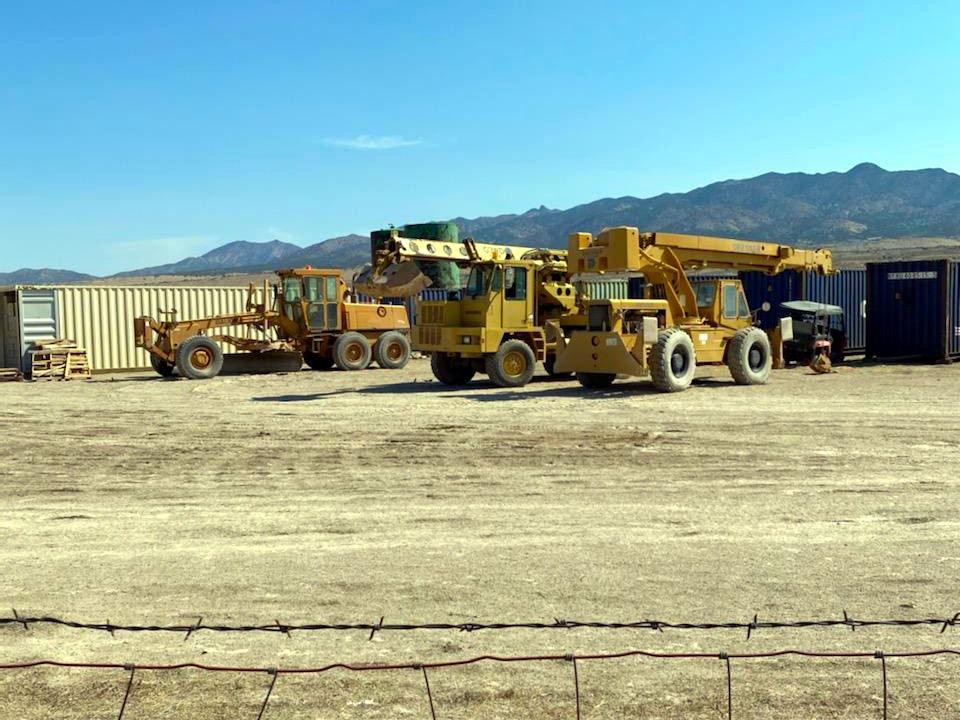
Library, Workshop, Hot tub or hot springs, Large Scale Kitchen, Tractor & Farm Equipment, Fire pit, Swingsets & play areas

Frequency of communal meals

  • 1-3 times per month

Significant food acquisition practices

  • Locally sourced

Community activities and engagement

  • Transition Town (post-petroleum and off-grid communities.)
  • School, Educational Institute or Experience
  • Volunteer, Internship, or Apprenticeship, or WWOOF’ing
  • Festivals, Conferences, Events

Substance use culture

  • Substance use occurs primarily at celebrations or ceremonies
  • Religions
  • Christian
  • Muslim
  • Hindu

Gender composition

  • Roughly balanced (no group over 60%)

Age demographics

  • Family-focused (many children and parents)

Property status

  • Privately owned

Property owner

  • By a Land Trust, Home Owners Association, or corporation

Setting

  • Town/Small City

Smaller municipalities with local services but rural character.

Community type

  • Cohousing

    Private homes with shared common facilities, designed for neighborly
    interaction while maintaining independence.

  • Ecovillage

    Integrated communities designed around ecological principles with sustainable living practices.

  • Intentional Neighborhoods

    Geographically close groups of independently-owned homes whose residents actively cultivate community relationships and shared values.

Sustainability approach

  • Renewable energy systems

Self-produced energy

  • 33 - 66%

Energy sources used

  • Wind
  • Photovoltaic Solar

Self-produced food

  • Up to 33%

Local, organic, or fair trade food

  • Over 66%

Food systems

  • Greenhouse / aquaponics
  • Land area size
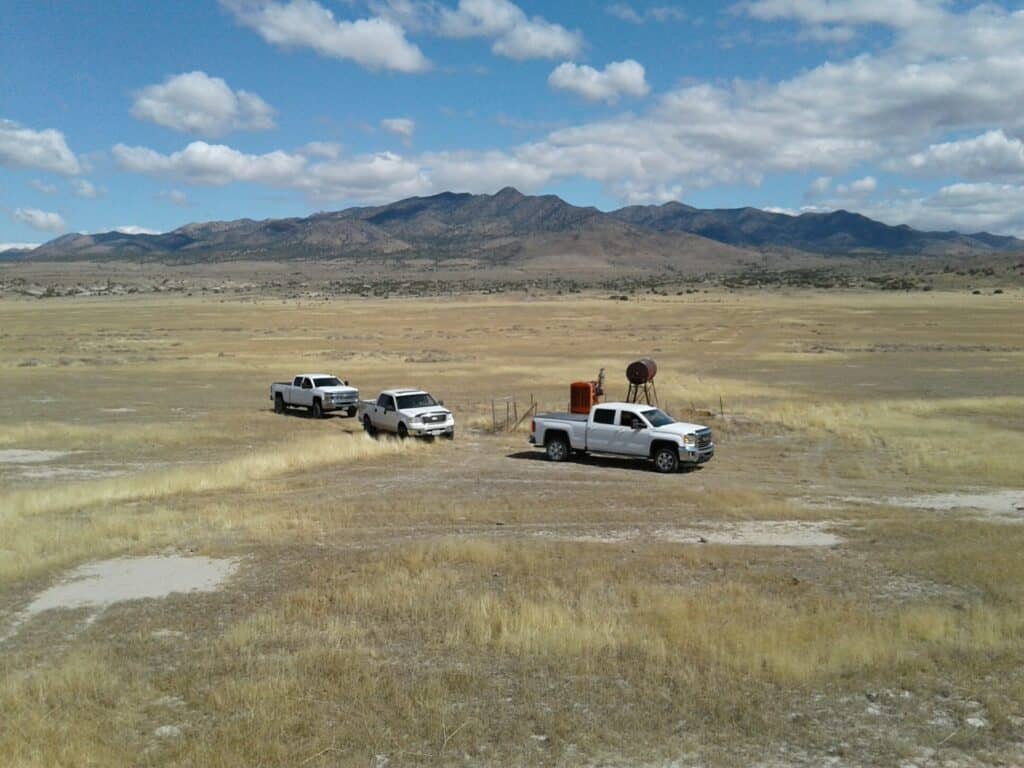
    1245 acres

Guest Book

Written reviews are available for plus members. Click here to upgrade.

Location

  • Utah, United States

Riverbed Ranch Homesteading Community

Needs and Offers

Connecting people and communities through an intentional online marketplace

  • Promoted
  • Events
4 weeks ago

Healing Love Healing Money: Trust As The Foundation For A New Culture

Money, love and power are among the hardest things any community works with, and many of us carry the same fears into both: not having enough, losing what we have, and the sense that if someone else gets money or love, we won’t. Healing Love, Healing Money: Trust as the Foundation for a New Culture is taught by two intentional communities. Karen McAllister and Duncan Cryle are from Clear Sky Meditation and Retreat Center, a Buddhist-lineage community in the BC Rockies. Monika Alleweldt and Benjamin von Mendelssohn from Tamera Healing Biotope, a community of about 160 people in southern Portugal that has spent decades studying love, trust and relationship. Clear Sky has spent years working on its relationship with money, and our two communities found surprising parallels in the fears beneath both. Over four sessions we explore the roots of fear around money and belonging, love, possession and power, trust as infrastructure (community as a container for healing), and ethical livelihood. We use short meditations, body-based practices, reflection and small-group conversation. You do not need to be in a romantic relationship or live in community. When: October 27, Nov 3, 10, 17. All four sessions: 12–2pm Vancouver, 1–3pm Alberta, 7–9pm UK and Portugal, 8–10pm Central Europe. Note: US and some Canadian provinces change clocks on November 1, so the US west coast is 12–2pm on October 27, then 11am–1pm for the remaining sessions, and Eastern is 3–5pm on October 27, then 2–4pm for the rest. Cost: sliding scale Details and registration: https://www.clearskycenter.org/event/healing-love-healing-money-online/  
October 27, 2026 13:00 – November 17, 2026 15:00
  • Promoted
  • Events
2 months ago

Coastal Regeneration Immersion: Permaculture Design Certification in Jalisco, Mexico

Tropical Dry Forest Permaculture Design & Regenerative Stewardship Certification (PDC)12-Day Intensive | 120 Hours | Costalegre, Jalisco, Mexico APPLY AT XOCHIRAIZ.COM Join us for an immersive Permaculture Design Certificate course set in the tropical dry forest bioregion of coastal Jalisco. This 120-hour intensive blends internationally recognized PDC curriculum with hands-on regenerative practice — combining ecological design, agroforestry, natural building, and community stewardship into one integrated learning experience. Lead Faculty Jorge Luis Gtz. Olarte (Arborescencia RedGenerativa) – Regenerative Design, Soil Biology & Agroforestry Ozzy Lusth (Survior & XochiraĂ­z) – Wilderness Resilience & Survival Skills Dave Collins (Capacha Coastal Conservation Center) – Bioarchitecture & Ecological Development What You’ll LearnThe course moves through six progressive phases: Permaculture & Ecological Literacy – ethics, principles, and reading the tropical dry forest landscape Water & Soil Systems – keyline design, water harvesting, living soils, and compost systems Horticulture – food garden design, propagation, and biological pest control Regenerative Food Systems – tropical agroforestry, food forest design, and guild planting Ecological Infrastructure – bamboo bioarchitecture, bioclimatic farm design, compost toilets, greywater, and rocket stoves Integrated Design Studio – team-based final design projects covering watershed strategy, agroforestry, food forest layout, infrastructure, and phased implementation Daily RhythmMornings begin with optional surf/yoga and journaling, followed by field practicums and hands-on workshops. Afternoons include design studio and construction lab work, with reflection circles, communal dinners, and evening talks, films, or campfire discussions rounding out the day. Final ProjectParticipants work in teams to produce a full regenerative design package — landscape analysis, water plan, agroforestry design, food forest plan, ecological infrastructure, and bioclimatic farm plan — presented to a faculty review panel on the final day, followed by a closing ceremony, certificate delivery, and community feast. CertificationGraduates receive the Tropical Dry Forest Permaculture Design & Regenerative Stewardship Certification (120 contact hours), hosted by Capacha Coastal Conservation Center and Tierralegre, A.C. Curriculum integrates international PDC standards with tropical ecology, agroforestry, ecological restoration, bamboo bioarchitecture, bioclimatic design, GIS/photogrammetry, and regenerative leadership. Highlights Hands-on bamboo construction (temazcal, bathhouses, sculpture) Tropical dry forest silviculture practicum Community mapping and design project for Ekoa Green Community Talent show and sea turtle release
January 10, 2027 00:00 – January 24, 2027 23:59
  • Promoted
Offer
Offer
  • Real Estate For Sale
3 weeks ago

Lots of Goodness

Are you seeking to live in a sustainable, wellness-oriented community that prioritizes nature and environmental conservation? Lot 6 in the Living Well Ecovillage offers the perfect opportunity to be part of a vibrant, self-sufficient community committed to holistic health and ecological harmony. This lot, approximately 1/3 acre in size, is equipped with city utilities and fiber internet access. It is located in a unique mixed-use community with a variety of land uses planned for the future, including small business/commercial spaces, tiny houses, cluster housing, and a 10-acre farm. Your home could face the street or look North to the Living Well Park &  Pavilion where we enjoy many activities together as a Community.  Lot 6 would be ideal for someone who wanted to be close to the action.  Maybe you’d like a large, shared home. Or a business location. The Ecovillage is home to a diverse range of homes, such as timber frame, Deltec, hempcrete, and Net-Zero energy designs—all built with green building principles in mind. This community prioritizes sustainability and wellness in every aspect of life. About the Living Well EcovillageSpanning 126 acres, the Living Well Ecovillage is bordered by the Deep River and Sandy Creek, offering stunning natural beauty and a tranquil environment. The Ecovillage includes shared spaces like a community garden, a Greenway/Rail Trail, and a neighborhood park. Over 53 acres of natural land buffer the river and creek, preserving the area’s pristine beauty and offering residents a true connection to nature. Your Dream Home AwaitsLot 6 is the ideal spot to build your sustainable home, surrounded by trees, rock outcroppings, and abundant wild edible plants. Experience breathtaking views and a peaceful setting, perfect for those seeking a slower, more connected way of life. A Community That Supports WellnessThe Living Well Ecovillage is not just about space—it’s about community. With access to the Folk School, residents engage in hands-on learning, sustainable practices, and personal growth, fostering a sense of belonging and purpose. Perfectly LocatedJust two miles from Highway 64 in Franklinville, North Carolina, the Ecovillage is easily accessible to Greensboro, Asheboro, and Siler City, and a short drive from Raleigh, Durham, and Charlotte. It’s centrally located between the mountains and the ocean, with easy access to cultural and recreational amenities. Join Us in Building a Better FutureLot 6 offers more than just land—it’s an opportunity to be part of an established community with a shared vision for a sustainable, resilient future. Ready to start the next chapter of your life in the Living Well Ecovillage? Visit Living Well Ecovillage for more information and to explore your future home. For an aerial and street level view, visit Google Maps.

Update to a Public Profile

  • Log in
  • Go to your profile page
  • Toggle on the "Add my profile to the directory"
  • Save your profile

Information

Communities

A residential project: people live here as their primary home.

Organizations

An institution, business, network, or project that isn’t a residence (e.g. a learning center, farm, or network with no one living there full-time).

Plus Community Membership

  • Find people with Profile Match
  • Access to your community listing statistics
  • Create Discussion Groups
  • Access to our affiliate program
  • Member badge on your community profile
I am an official member of this community
Disclaimer
I affirm that my information is accurate and I am authorized to manage this listing
Foundation for Intentional Community FIC Member badge logo.

Free Plan

Free Membership
Free

Intentional Advertising

  • Subtotal

    {{ currencyFormat( pricing_summary.total_amount ) }}

Icon representing community connections and collaboration for intentional communities.

Plus Membership

  • Find communities with Profile Match
  • View detailed reviews about communities
  • Create free listings in Needs & Offers
  • Plus Member resources in CommUniversity
  • View communities detailed reviews
  • Plus Member badge on your profile