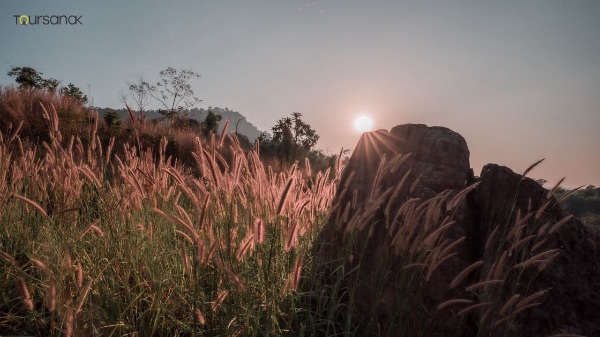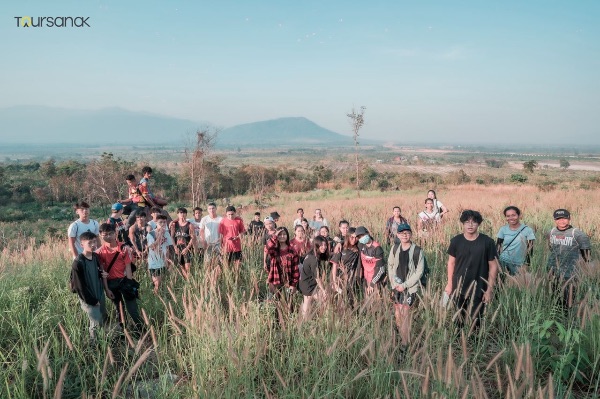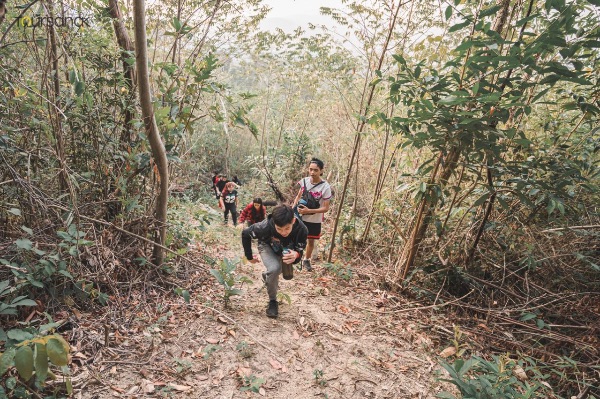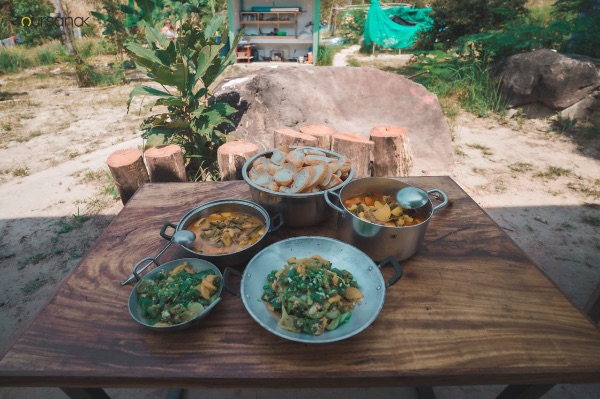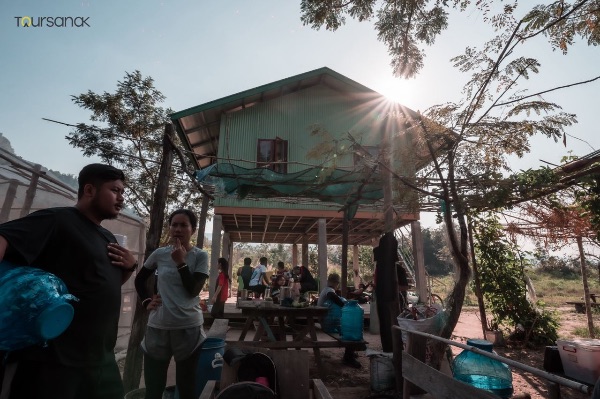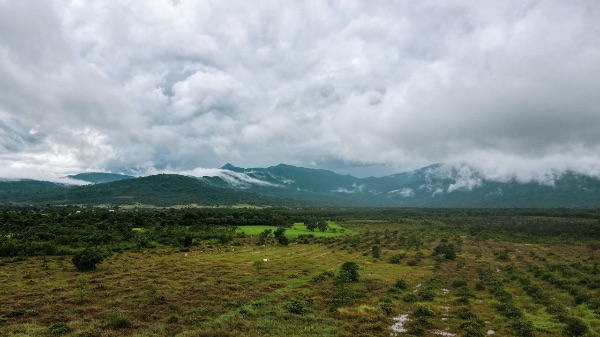
Scenic view of lush green fields and distant mountains under cloudy sky.

Vitamin Air / SmallWorld Cambodia

  • Communities

About the Communities

  • Established
  • Ecological
  • Rural

Founding year

  • 2008

What we do

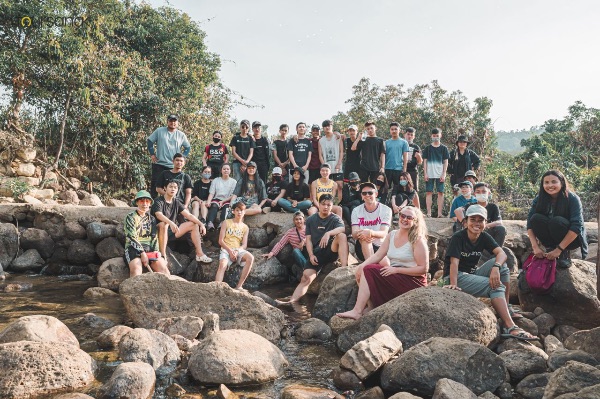
Vitamin Air is a growing group of people who care about the world. We want to make things better socially, culturally, ecologically, and economically.
Our big idea is to inspire others to think about nature differently. We want to teach people how to live in a way that doesn’t hurt the Earth. We also want to help each other and our environment in new and creative ways.
We’re working with the Royal Government of Cambodia to do something amazing. We want to make sure that 60% of Cambodia is covered in forests. We’ll take care of these forests for years to come. We’re using smart ideas from nature and technology to regrow the rainforests.
Here are some things we’re trying to do:
– Use things wisely and don’t waste them.
– Work together with others and our neighbors.
– Get bigger and better so we can help more people.
– Teach people about nature through fun workshops and trips.
– Help families who used to do bad things in the forests find good jobs.
– Come up with new jobs for young people in Cambodia.
We do lots of things, like:
– Helping communities grow.
– Farming in a natural way.
– Planting trees and growing baby trees.
– Using drones to help seeds grow.
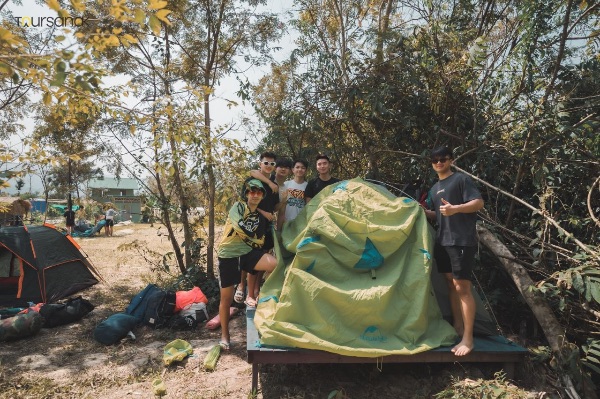
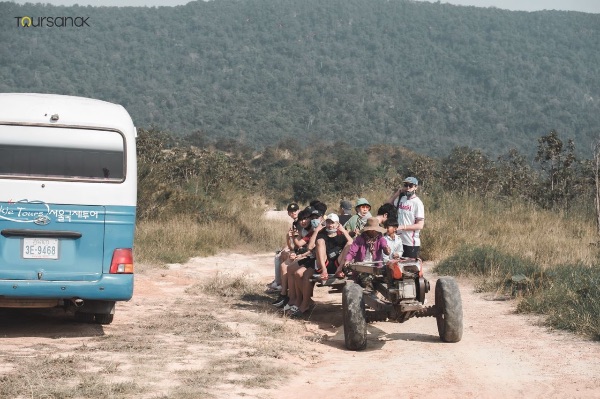
– Going on exciting trips to learn about nature.
– Making clean air, water, and power.
– Finding new ways for people to invest in good things.

Our Mission

We focus on sustainability, sharing knowledge, and promoting growth to create abundance. Our main mission is regenerating forests and setting a positive example for generations to come. By living these values, we aim to ensure a healthier and brighter future for all.

  • Purpose
  • Ecological
  • Community type
  • Cohousing
  • Coliving
  • Student Co-op
  • Sustainability practices
  • Renewable energy systems
  • Activities
  • Property management
  • Farming
  • Education
  • Experiences
  • Networking
  • Services Business

Commemorative dates

  • January 1, 2008
  • Started planning
  • January 1, 2011
  • Started living together
  • 13 Total members
  • Open to new members
  • Open to visitors
Total
19

How to join

Becoming a member of our community involves a few key steps. By following these steps, individuals can become integral members of our community, actively working towards positive change and a sustainable future.
1. Expression of Interest: Interested individuals express their desire to join our community through our official website or designated communication channels.
2. Orientation: Prospective members attend an orientation session where they learn about our community’s values, mission, and activities. This helps ensure alignment with our goals.
3. Application: Applicants submit a formal application, providing information about themselves, their background, and why they want to join.
4. Interview: We conduct an interview to better understand the applicant’s motivations and expectations, and to address any questions they may have.
5. Approval: Our community reviews the application and interview feedback to make an informed decision on membership approval.
6. Onboarding: Approved members undergo an onboarding process, which includes learning about community guidelines, responsibilities, and opportunities for involvement.
7. Engagement: Members actively participate in our community’s initiatives, workshops, and projects, contributing to our shared goals and fostering a sense of belonging.
8. Contribution: Over time, members are encouraged to contribute their skills, insights, and efforts towards our sustainability, sharing, growth, and forest regeneration efforts.
9. Continuous Involvement: Regular engagement and adherence to community values help members maintain their active status within the community.
10. Feedback and Improvement: We value feedback from our members to continuously improve the community experience and ensure alignment with our vision.

Basic expectations or agreements for members

To visit our community, follow these steps:
1. Contact Us: Reach out to us through our official website or designated communication channels to express your interest in visiting.
2. Plan Ahead: Coordinate with our community representatives to schedule your visit. Discuss the dates, duration, and purpose of your visit so we can ensure a meaningful experience.
3. Understand Our Values: Familiarize yourself with our community’s values, mission, and activities to ensure your visit aligns with our goals.
4. Respect Guidelines: Adhere to any guidelines or rules set by our community to maintain a harmonious and sustainable environment during your stay.
5. Engage in Workshops: Participate in workshops, activities, and discussions related to sustainability, forest regeneration, and other initiatives we undertake. Learn and contribute to our shared goals.
6. Connect with Locals: Interact with our community members and local families, exchange ideas, and gain insights into their experiences and practices.
7. Embrace Sustainable Living: Embrace sustainable living practices during your stay, such as minimizing waste, conserving resources, and respecting nature.
8. Explore Nature: Join eco-adventure tours and outdoor activities designed to promote appreciation for nature and our efforts in forest regeneration.
9. Contribute: Share your skills, experiences, and perspectives with our community. Contribute positively to our mission and engage in meaningful discussions.
10. Reflect and Share: After your visit, reflect on your experience and share your insights with others. Consider supporting our initiatives remotely or becoming an advocate for sustainability and forest regeneration.
Visiting our community is an opportunity to learn, grow, and make a positive impact. We look forward to welcoming you and sharing our journey towards a better future.

Primary decision-making authority

  • Small Leadership Group

A few people (not elected by the broader community) make the major decisions.

Decision-making process

  • Modified Consensus

Generally seek agreement, but have backup methods when consensus isn’t reached.

Governance structure

  • Collaborative/Horizontal

Power and responsibility are shared relatively equally among members.

Conflict resolution approach

In our community, we primarily utilize a Modified Consensus decision-making method. This means that while we aim for everyone to agree on decisions, we understand that there might be occasional exceptions or fallback options to ensure progress and effectiveness.
Yes, our community does have identified leaders. We have a diverse group of leaders who contribute their skills and insights to guide our community’s initiatives and activities.
Our core leadership group plays a crucial role in steering the community’s direction. They facilitate discussions, coordinate projects, and ensure that our values and mission are upheld.
We believe that distributed leadership and collaborative decision-making empower each member to contribute to our shared vision. This approach fosters inclusivity, creativity, and accountability, enhancing the overall strength of our community.

Economic model

  • Independent Finances

Members maintain separate personal finances with minimal sharing.

Economic scenarios for this community

  • Members need to pay fees, dues, or similar to live there on a per month or per year basis
  • There is a labor obligation
  • Members typically need to have their own job or other personal source of income to cover their expenses while living in the community?

Additional economic information

Regular fees: $50
Labor: Encouraged or suggested (5 hrs/week)
Members with pre-existing debt: allowed
Fair share contributions.Our community welcomes members without requiring a fee or buy-in. Regular dues of approximately $50 per month are contributed by members to share expenses, while a collaborative approach to labor and an open-minded stance on pre-existing debt foster cooperation.

Shared resources and amenities that are accessible to everyone in the community

Common House, Garden(s), Greenhouse(s), Vehicle Share, Library, Workshop, Outbuilding(s), Swimming pond or pool, Outdoor Kitchen, Large Scale Kitchen, Tractor & Farm Equipment, Gym or sports area, Internet

Frequency of communal meals

  • Approximately 1 meal per day

Significant food acquisition practices

  • Locally sourced

Dietary restriction

  • People can cook and eat what they want in their own residence

Community activities and engagement

  • School, Educational Institute or Experience
  • Volunteer, Internship, or Apprenticeship, or WWOOF’ing
  • Neighborhood, Community Housing, or Homeowner's Association
  • Ethical Business, Investment Group, or Alternative Currency
  • Organization, Resource, or Network
  • WWOOF'ing, Guest Farming
  • Festivals, Conferences, Events

Substance use culture

  • Substance use occurs primarily at celebrations or ceremonies
  • Substance use is prohibited in the community

Gender composition

  • Roughly balanced (no group over 60%)

Age demographics

  • Multi-generational (all ages well represented)

Property status

  • Privately owned

Property owner

  • By several individuals through an LLC or a Tenancy In Common agreement

Setting

  • Rural

Countryside locations with significant distance from urban centers.

Community type

  • Cohousing

    Private homes with shared common facilities, designed for neighborly
    interaction while maintaining independence.

  • Coliving

    Shared living spaces with private bedrooms/bathrooms and communal
    kitchens, dining, and social areas.

  • Student Co-op

    Cooperative housing primarily for students, often with shared chores,
    meals, and democratic decision-making.

  • Ecovillage

    Integrated communities designed around ecological principles with sustainable living practices.

  • Land-Based Communities

    Communities centered around shared land stewardship, sustainable agriculture, or connection to specific natural environments.

Sustainability approach

  • Renewable energy systems

Self-produced energy

  • Over 66%

Energy sources used

  • Photovoltaic Solar
  • Hydro

Self-produced food

  • Over 66%

Local, organic, or fair trade food

  • Over 66%

Food systems

  • Community garden
  • Greenhouse / aquaponics
  • Land area size
    150 hectares

Guest Book

Written reviews are available for plus members. Click here to upgrade.

Location

  • Daun Penh District, Phnom Penh, Cambodia

Vitamin Air / SmallWorld Cambodia

Needs and Offers

Connecting people and communities through an intentional online marketplace

  • Promoted
  • Events
2 weeks ago

Harvest Moon Fellowship Fire Circle

Harvest Moon Fellowship Fire Circle WE Network Flagship Village – Clubb, MO Join us under the rising Harvest Moon for our monthly Fellowship Fire Circle as we align with Natural Law, celebrate our monthly birthdays, and hold space for community fellowship. When: Friday, September 25, 2026 (Gathering begins at dusk) Where: Flagship Village Grounds – Clubb, Missouri Who: Pioneers, trade-builders, families, and community supporters Astrological & Lunar Alignments The Harvest Moon in Aries: Sitting opposite the Sun in Virgo, this full moon illuminates Aries, bringing pioneer energy, bold action, initiative, and the drive to build. Virgo Birthdays: At this gathering, we celebrate all village members born under Virgo (harvesting skills, practical service, order, and detail). Natural Law & Elemental Alignment Earth & Water (Harvest & Storage): As the Autumnal Equinox turns the season, we honor the physical yields of our raw materials, soil stewardship, and long-term storage preparation. Fire & Air (Fellowship & Vision): We gather around the flames to heal the body, align with Natural Law, share upcoming trade shop plans, and build our parallel community ecosystem together. Seeking Foundational Elders We are actively recruiting our Four Elemental Elders (Earth, Air, Fire, Water) to help lead and anchor our flagship village. If you feel called to step into a leadership role for land stewardship, eco-upcycling, spiritual/body healing, or community systems, come connect with us at the fire. What to Bring: Camp chairs, blankets, and a spirit of fellowship. 👉 Details & Intake: Visit fffc.wtf
September 25, 2026 00:00 – September 27, 2026 23:59
Need
  • Forming Communities
2 weeks ago

Looking for: people building relational capacity, with a view to community

What’s here now: An intention, a framework developed over five years, and a programme running in central Victoria to find people to build with. No land, no group, no timeline. The question this is organised around: What makes a community of people living together sustainable over decades – where people enjoy being there, conflict is low, and the conflict that does arise gets handled in ways people value. The distinctive premise is capacity before formation. Most communities form first and build relational skill afterwards, usually under pressure. This one proposes doing it the other way round: people build the capacities first, and the group forms from people who have them. That includes a working idea about collective capacity – that a group has a ratio, and below some threshold it can’t metabolise its own conflict and starts consuming itself. Roughly: in a group of twenty, perhaps three or four with high capacity, most in the middle, and very few without. Untested, and something this project exists to find out. Governance: Sociocracy, with the intention of testing it meaningfully at scale rather than adopting it nominally. What’s actually happening: A three-week residency at a property near Castlemaine, and a practice group running before it. The medium-term aim is twenty to forty people at a rented facility. The long-term aim is a support hub sharing the framework more widely. What I’m looking for: People who want to build this capacity seriously, and who might eventually want to build something together. Not necessarily people who want to live here – the current property probably isn’t the long-term site. Happy to hear from anyone this resonates with, including people already in community who’d rather share what they’ve learned than join anything.
Offer
  • Forming Communities
4 weeks ago

Cohousing ABQ: Life is better together. We're moving in during 2026. Last homes available!

We’ve broken ground on a multigenerational cohousing community along the Rio Grande River in Albuquerque, NM! Our community features 25 beautiful, energy-efficient homes clustered around a shared open space, with a fully equipped common house and a range of community amenities. A few last homes are still available — please refer to our website for up-to-date availability. These homes will be move-in ready in the summer/fall of 2026. Or you might be interested in our Wait Pool for unit sizes no longer available. Click here to watch a video of our cohousing community: https://cohousingabq.org/video Our land is on a quiet road with lots of families and kids. The neighborhood’s agricultural roots give it a rural feel, but the center of town is just a 3-minute drive away. Our community plans include play areas for kids, a shared farming area, a year-round greenhouse, an orchard, a workshop and electric vehicle charging. We are diverse in age, background and identity, representing a mix of families with children, couples and singles. We range in age from 2 to 82, and there are 13 kids in our community so far. We have created a fun, caring culture among our group, regularly getting together for meals, camping trips and play dates by the river, in addition to collaborating on our community plans and supporting one another through life’s ups and downs. In Albuquerque, there’s lots to keep us busy, from museums and galleries to nationally recognized wineries and breweries. With 310 sunny days per year, you can often find us outside—hiking, biking or skiing, or exploring the mountains, parks and historic sites all around the region. The Rio Grande that flows through the city center is a playground for kayakers, and miles of walking and cycling trails wind through its wooded banks. Reach out to us or join an upcoming Meet & Greet to learn more about becoming a part of our community! Email: neig

Update to a Public Profile

  • Log in
  • Go to your profile page
  • Toggle on the "Add my profile to the directory"
  • Save your profile

Information

Communities

A residential project: people live here as their primary home.

Organizations

An institution, business, network, or project that isn’t a residence (e.g. a learning center, farm, or network with no one living there full-time).

Plus Community Membership

  • Find people with Profile Match
  • Access to your community listing statistics
  • Create Discussion Groups
  • Access to our affiliate program
  • Member badge on your community profile
I am an official member of this community
Disclaimer
I affirm that my information is accurate and I am authorized to manage this listing
Foundation for Intentional Community FIC Member badge logo.

Free Plan

Free Membership
Free

Intentional Advertising

  • Subtotal

    {{ currencyFormat( pricing_summary.total_amount ) }}

Icon representing community connections and collaboration for intentional communities.

Plus Membership

We’re introducing new Plus features — including community reviews, Profile Match, and unlimited Needs & Offers posts — while keeping most of FIC free for everyone. Membership costs less than two coffees a month. 

  • Find communities with Profile Match
  • View detailed reviews about communities
  • Create free listings in Needs & Offers
  • Plus Member resources in CommUniversity
  • View communities detailed reviews
  • Plus Member badge on your profile