
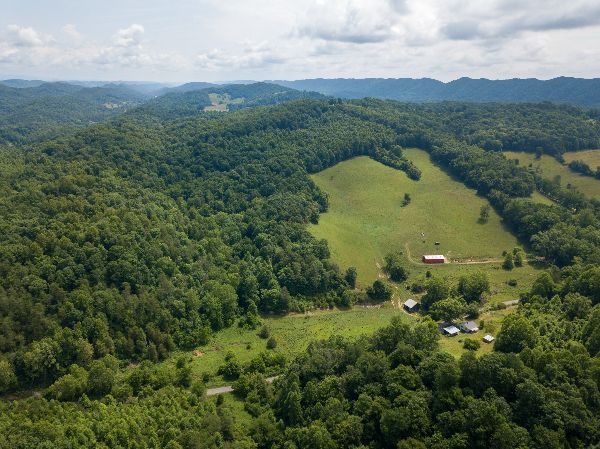
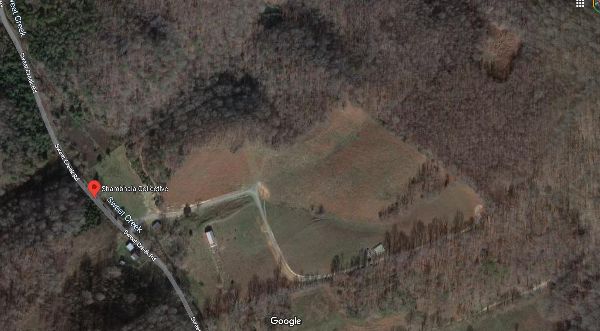
Aerial view of lush green forest and open fields in a rural landscape.

Shambhala Collective and Permaculture Educational Center

  • Communities

About the Communities

  • Forming
  • Ecological
  • Rural

Founding year

  • 2022

What we do

Our 40-acre farm lies in the quiet back country of northeast Tennessee at the foothills of the Appalachian Mountain range, locally known as the Great Smokey Mountains, near the borders of North Carolina and Virginia. We welcome visitors who want to get their hands dirty learning the permaculture way of growing, living, and perpetuating life! To book a visit, please email us, if you’d like to stay longer (weekend, week, month, or season on Shambhala), please visit our WWOOF host page to learn more. This is not a rest stop, this is an experience to teach you food sovereignty, self sufficiency and a kinship with nature.
We feel the traditional farming model is expiring. Farmers are isolated, underpaid, and lack the freedoms to travel and enjoy life outside the farm. A cooperative farming model like ours helps us stay connected to our families and hold on to our dreams of traveling while still having a sanctuary like Shambhala to come home to and sustain us for the long term. Together we can care for what’s needed to sustain us more simply, efficiently, and cooperatively.
We currently have 3 member families on site, and we’re seeking 6 more to reach our 9 total to share this land with us, build tiny homes or small cabins, and sustain our future together through gardens, food forests, living off grid, making the most of our surroundings, using our natural resources wisely, and educating others to do the same.
To learn more about our Guidelines, Values, and Vision, you can download our document here.

Our Mission

It is our intention: To encourage, foster, and educate on community-style living and permaculture sustainable practices for long-term success and self-reliance. We intend and expect to leave the land and space better than how we found it.
Our primary focuses are on community, sustainability, land stewarding, and self sufficiency.
Our primary goals are to be self sufficient in energy, water, and food, to be a zero-waste and universally-designed community, with a strong focus on reducing and eliminating waste through best practices, composting, reusing and recycling.

  • Purpose
  • Ecological
  • Community type
  • Cohousing
  • Ecovillage
  • Commune
  • Sustainability practices
  • Waste reduction / composting
  • Regenerative agriculture or permaculture
  • Permaculture design
  • Activities
  • Farming
  • Education
  • Experiences
  • Networking
  • Others

Commemorative dates

  • January 1, 2022
  • Started planning
  • January 1, 2023
  • Started living together

Gallery

  • 5 Total members
  • Open to new members
  • Open to visitors
Total
6

How to join

To become a member of Shambhala, members must go through our application process, and that document can be provided.
Members are approved by consensus with an equal-share buy-in for land. Members home structures are the financial responsibility of each member/family, but can be community-built. Membership and land stewardship are separate categories.
Members have equal voting rights on community decisions and share responsibility for all projects and farming practices.

Basic expectations or agreements for members

We welcome visitors, please book tours by contacting us directly. We also welcome WWOOFers, to get a deeper, richer experience, and stay the night if you care to do so. All overnight visitors must be registered with WWOOF, and can view our profile here:
https://wwoofusa.org/en/host/39242

Primary decision-making authority

  • Single Leader or Founding Couple

One person or partnership has ultimate authority.

Decision-making process

  • Modified Consensus

Generally seek agreement, but have backup methods when consensus isn’t reached.

Governance structure

  • Collaborative/Horizontal

Power and responsibility are shared relatively equally among members.

Economic model

  • Partial Income-Sharing

Members contribute a percentage of income to community funds.

Economic scenarios for this community

  • There is a one-time fee, investment, or share purchase to join the community separate from accessing housing
  • Members need to pay fees, dues, or similar to live there on a per month or per year basis
  • There is a labor obligation

Additional economic information

Join fee: $38000
Regular fees: $0
Labor: Yes

Shared resources and amenities that are accessible to everyone in the community

Common House, Garden(s), Greenhouse(s), Library, Workshop, Outbuilding(s), Outdoor Kitchen, Tractor & Farm Equipment, Fire pit, Recreational vehicles, Internet

Frequency of communal meals

  • About once a week

Significant food acquisition practices

  • Locally sourced
  • Hunting / Fishing
  • Livestock / Animal Husbandry

Dietary type

  • Kosher Only

Dietary restriction

  • People can cook and eat what they want in their own residence

Community activities and engagement

  • Transition Town (post-petroleum and off-grid communities.)
  • School, Educational Institute or Experience
  • Volunteer, Internship, or Apprenticeship, or WWOOF’ing
  • Organization, Resource, or Network
  • WWOOF'ing, Guest Farming

Substance use culture

  • Substance use occurs primarily at celebrations or ceremonies
  • Religions
  • Christian
  • Buddhist
  • Wiccan, Paganism, or Earth Religions

Gender composition

  • Majority cis (over 60%)

Age demographics

  • Multi-generational (all ages well represented)

Property status

  • Privately owned

Property owner

  • By a Land Trust, Home Owners Association, or corporation

Setting

  • Rural

Countryside locations with significant distance from urban centers.

Community type

  • Cohousing

    Private homes with shared common facilities, designed for neighborly
    interaction while maintaining independence.

  • Ecovillage

    Integrated communities designed around ecological principles with sustainable living practices.

  • Commune

    Communal living with shared resources, property, and often income or work responsibilities

Sustainability approach

  • Waste reduction / composting
  • Regenerative agriculture or permaculture
  • Permaculture design

Land practices in our community

  • The community practices permaculture

Self-produced energy

  • Over 66%

Energy sources used

  • Photovoltaic Solar

Self-produced food

  • 33 - 66%

Local, organic, or fair trade food

  • 33 - 66%

Food systems

  • Community garden
  • Food forest
  • Greenhouse / aquaponics

Waste management practices

  • Composting
  • Recycling program
  • Land area size
    40 acres

Guest Book

Written reviews are available for plus members. Click here to upgrade.

Location

  • Tennessee, United States

Shambhala Collective and Permaculture Educational Center

Needs and Offers

Connecting communities through an intentional online marketplace

  • Promoted
Offer
  • Promoted
Offer
  • Communities with Openings
7 months ago

Worktrade Opportunities on Big Island Hawaii

We are continuing our work-trade program at Bridge Hawaii for the right people on this beautiful 86-acre land located along the Hāmākua Coast. Ideally, we want to host those individuals who can help with the garden and who can support with build projects for up to a 3 month stay. This work-trade would include lodging, food staples, community kitchen, running hot water showers, off-grid electricity, and laundry. There is access to high speed wi-fi. We often have a car that can be reserved. We also have full bar signal strength with Verizon cellphone service. We have about 2 acres of permaculture garden that needs to be cared for including; weeding, planting, picking up mulch, some tree trimming, ect. We are currently in a building stage on the land. We have a few current grant projects we are working on and some build projects that are underway. We are an intentional community with about 8 permanent residents. There are rescue dairy cows, mini cows, mini donkeys, horses, a donkey, cats, dogs, and active bee hives. We are a drug and alcohol “free” space. A glass of wine or beer with dinner is fine, but absolutely no day drinking or parties. We have a meditation temple and many waterfall pools that are wonderful for swimming. Close to some of the nicest beaches on island. We have snorkeling gear and a kayak. Since this is an animal sanctuary, we limit the consumption of meat on the land. Fish, eggs, honey, and dairy are fine. Let me know if you’re interested by sending an email or text for our application. Maomi (801) 623-0738 ma***@*****************ii.com
  • Promoted
Offer

Information

Communities

A residential project: people live here as their primary home.

Organizations

An institution, business, network, or project that isn’t a residence (e.g. a learning center, farm, or network with no one living there full-time).

Plus Community Memberhsip

  • Find people with Profile Match
  • Access to your community listing statistics
  • Create Discussion Groups
  • 50% commission when your members purchase a Plus Membership
  • Access to our affiliate program
  • Member badge on your community profile
I am an official member of this community
Disclaimer
I affirm that my information is accurate and I am authorized to manage this listing
Foundation for Intentional Community FIC Member badge logo.

Free Plan

Free Membership
Free

Intentional Advertising

  • Subtotal

    {{ currencyFormat( pricing_summary.total_amount ) }}

Icon representing community connections and collaboration for intentional communities.

Plus Membership

  • Find communities with Profile Match
  • View detailed reviews about communities
  • Direct message and view contact information
  • Create free listings in Needs & Offers
  • Plus Member resources in CommUniversity
  • Plus Member badge on your profile