Nous sommes à la recherche de personnes ayant une bonne expérience en commaunauté intentionnelle pour co-créer une nouveau milieu de vie en milieu rural et urbain. Vos avez de fortes compétences en construction naturelles écologiques, en jardinage, en entreprenariat, en communication efficace, bref de pouvoir contribuer positivement à un projet de vie collectif qui a des visions d’expansion pour le futur.
We are looking for high-fit people to co-found a rural/urban intentional community. People skilled in natural building, gardening, community business, cooperative communication, and the day-to-day life of running a high-functioning community with room to grow.
Nos ressources et expérience
Existing Experience and Resources
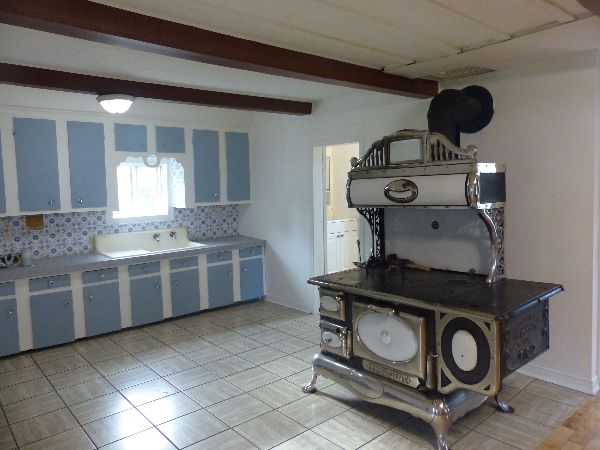
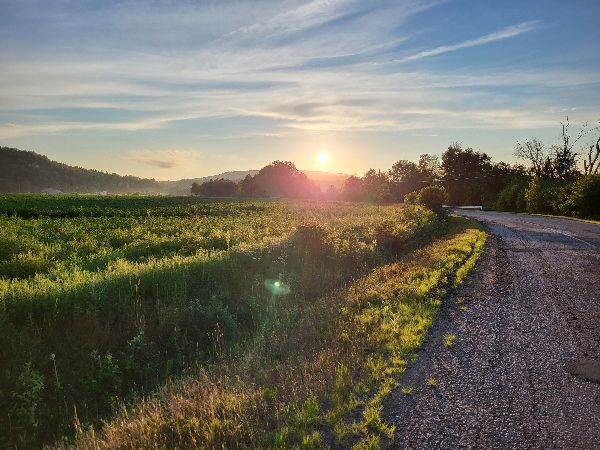
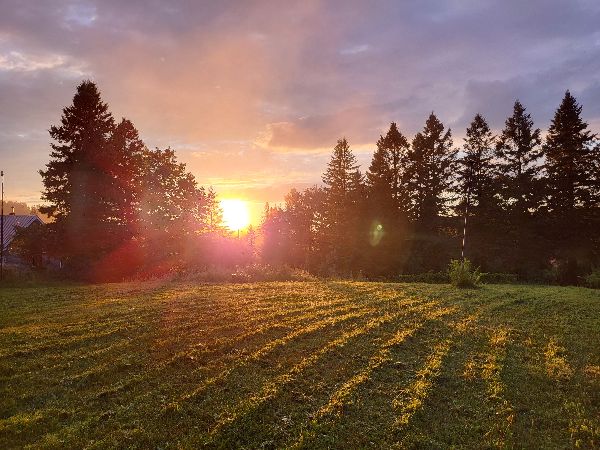
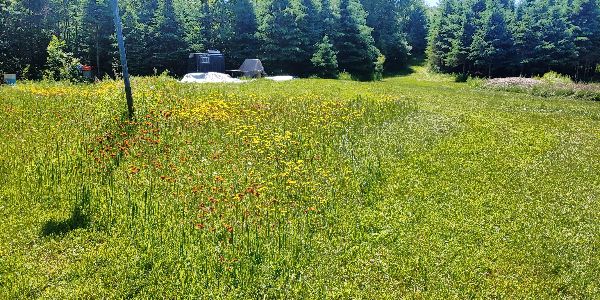
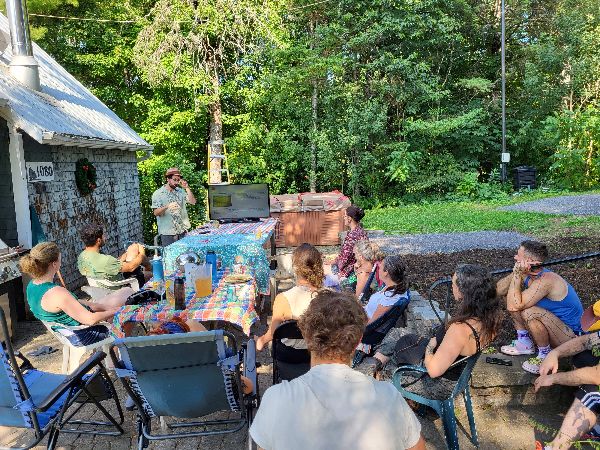
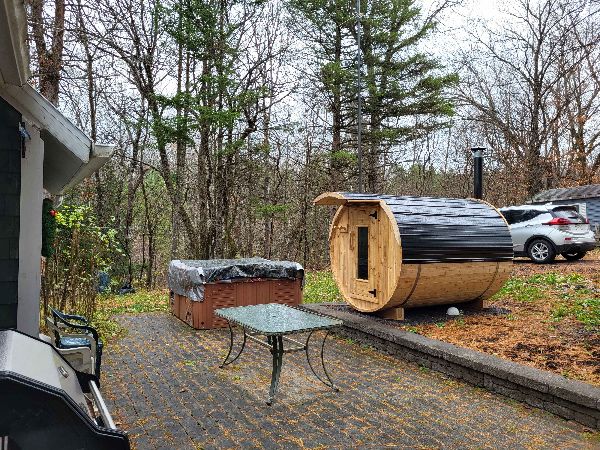
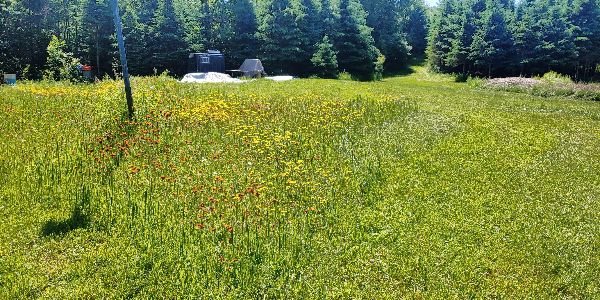
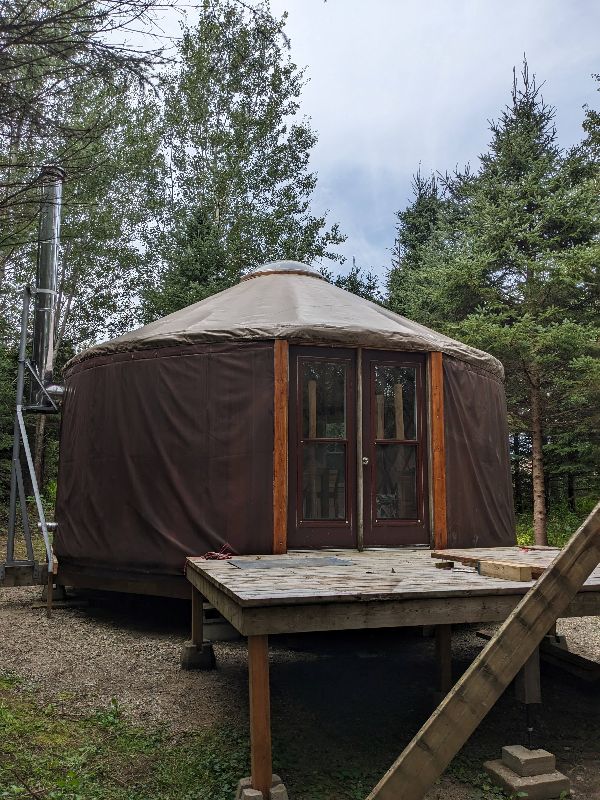
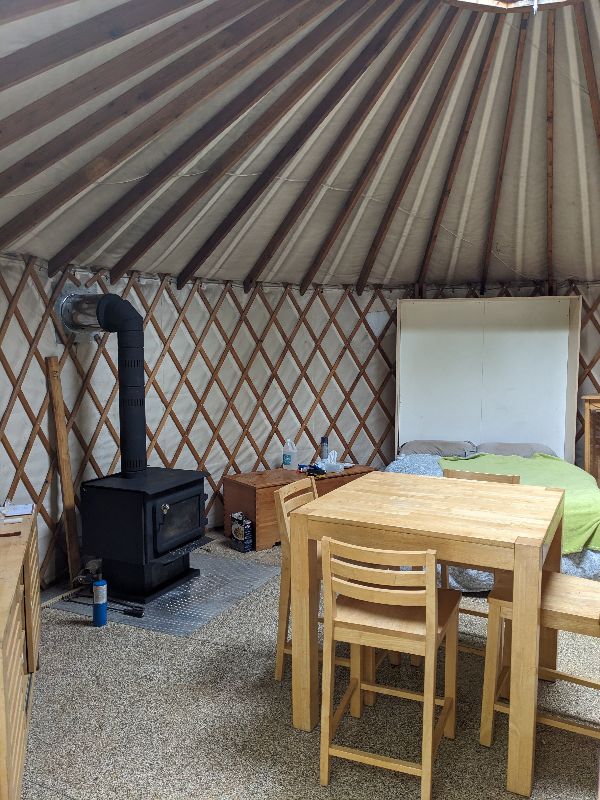
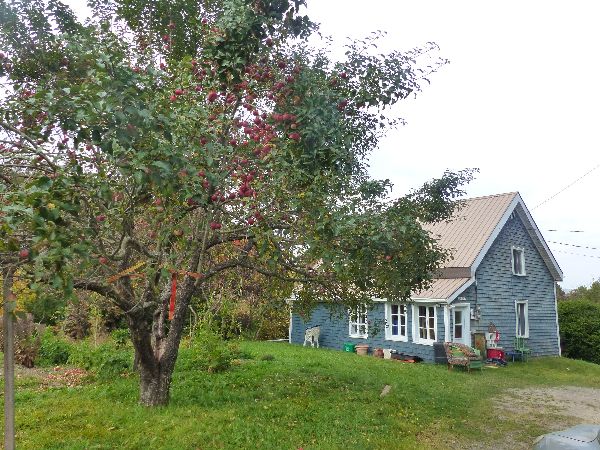
terrain de 67 acres à une heure de montreal (accès en transport en commun). Structures existantes: trois maisons (2 sont louées pour l’instant), une yourte de 20 pieds chauffée, une toilette compost extérieure, puits artésien, internet haute vitesse par fibre optique. Les voisins immédiats sont des amis qui se contruisent une maison écologique en ballots de paille. Il y a un acre de terrain pour les jardins qui a une terre exceptionnelle.
L’hébergement est mixte sous un toit, avec des maisons secondaires qui peuvent se rajouter au projet lors de l expansion.
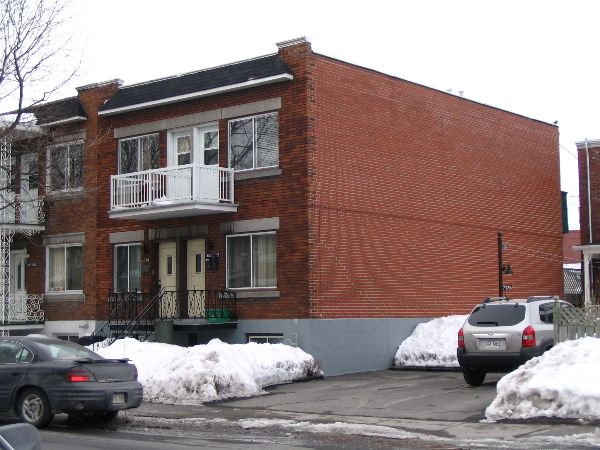
La maison à Montréal comprend 4 chambres, 2 chambres de bain, 2 cuisines.
elle est situé à côté d’une ligne de métro (bleue)
Propriétaire unique des deux immeubles et co fondatrice de la communauté: Elle a construite des immeubles, excellences compétences en rénovation , construction neuve, plomberie, électricité, formation en électronique et réseautique.
Notre co-fondatrice S est consultante, et sera résidente d’été à la communauté. Elle a visité , vécue et documenté plusieurs communautés intentionelles.
– 67 acres one hour (with bus access) from Montreal. Existing structures: three houses (), one yurt, one composting outhouse. Immediate neighbors are friends in a strawbale permaculture house. Previously gardened with good soil.
– mixed housing — under one roof and individual houses
– House in Montreal with 4 bedrooms, 2 kitchens, 2 bathrooms.
– Single landowner and community co-founder: J’s expertise is in building structures, electrical engineering, plumbing.
– Advisor and prospective summer seasonal resident: S has lived in and visited many communities.
Culture communautaire
La langue parlée est le francais au Québec
Les normes culturelles de notre communauté sont féminines, queer, polyamoureuses , neurdivergentes et multiculturelles
Community Culture
– The language of daily life is French.
– Community cultural norms are feminine, queer, polyamorous, neurodivergent, and multicultural. This means that people relate to each other by taking time to feel and explore what works well for them, and with a large amount and variety of verbal and nonverbal communication. How we relate to ourselves, each other, and the ecosystems around us is structured less around what majority culture is doing and more around what works locally. Mistakes, feedback, and growth are viewed positively. We are attentive to how power structures and personal histories affect decision-making.
– Ecological cultural norms mean that our everyday lives center relationships within a large interconnected ecosystem. This includes the soil, waters, air, plants, and animals as well as corporations, governments, and global supply chains. By slowing down and placing our attention and values in our interconnected relationships, we nurture and nudge our ecosystems.
– Pluralistic culture welcoming spirituality. Pluralism means we love to have a variety of approaches and worldviews within the community. We enjoy exploring how differences can coexist, exchange, and enrich each other. We thrive in nuance, grace, and listening.
Co-founding Structure (we are currently exploring)
– Plan for land conservatorship
– Plan for dividing equity, financial investment, and equity for work-exchange.
– Plan to be discussed and co-created.
Boundaries
Experience living in communities has taught certain boundaries. To create a very high-functioning community, we are looking for people who are a very good fit for the project. We will move slowly and build trust over time. If a community member is not a good fit, there will be a clear and timely process for removal (and buy-out) from the community.
– This community is not a good fit for people who regularly use mood-altering substances such as cannabis and alcohol.
contact us for more details
contact us to arrange a visit
A few people (not elected by the broader community) make the major decisions.
Generally seek agreement, but have backup methods when consensus isn’t reached.
Power and responsibility are shared relatively equally among members.
Members maintain separate personal finances with minimal sharing.
Join fee: Yes
Regular fees: $500
Labor: Encouraged or suggested (15 hrs/week)
Common House, Garden(s), Vehicle Share, Hot tub or hot springs, Tractor & Farm Equipment, Fire pit, Swingsets & play areas, Internet
Countryside locations with significant distance from urban centers.
Private homes with shared common facilities, designed for neighborly
interaction while maintaining independence.
Shared living spaces with private bedrooms/bathrooms and communal
kitchens, dining, and social areas.
Integrated communities designed around ecological principles with sustainable living practices.
Geographically close groups of independently-owned homes whose residents actively cultivate community relationships and shared values.
Connecting people and communities through an intentional online marketplace
There are no needs and offers
We use cookies to improve your experience on our site. By using our site, you consent to cookies.
Manage your cookie preferences below:
Essential cookies enable basic functions and are necessary for the proper function of the website.
These cookies are needed for adding comments on this website.
Statistics cookies collect information anonymously. This information helps us understand how visitors use our website.
Service URL: policies.google.com (opens in a new window)
A residential project: people live here as their primary home.
An institution, business, network, or project that isn’t a residence (e.g. a learning center, farm, or network with no one living there full-time).

{{ item.label }}
{{ item.value ? item.value : currencyFormat( item.amount ) }}
Subtotal
{{ currencyFormat( pricing_summary.total_amount ) }}
There are no results matching your search

We’re introducing new Plus features — including community reviews, Profile Match, and unlimited Needs & Offers posts — while keeping most of FIC free for everyone. Membership costs less than two coffees a month.