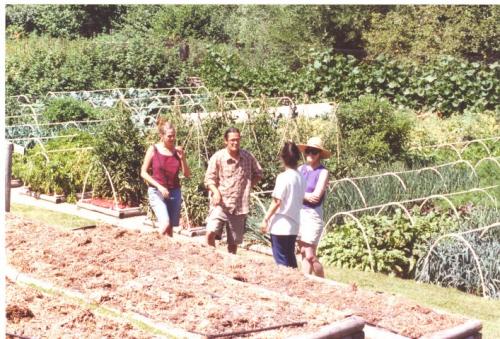
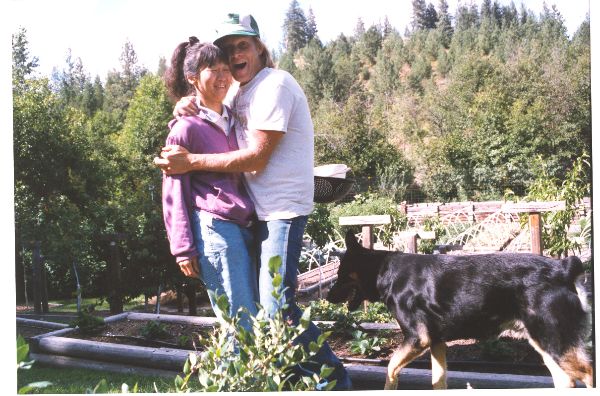
People working together in a community garden with lush greenery and vegetable beds.

Mutual Assistance Prepper Village

  • Communities

About the Communities

  • Forming
  • Ecological
  • Rural

Founding year

  • 2025

What we do

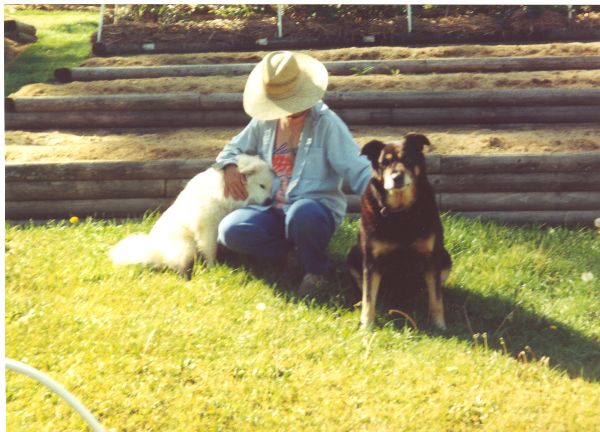
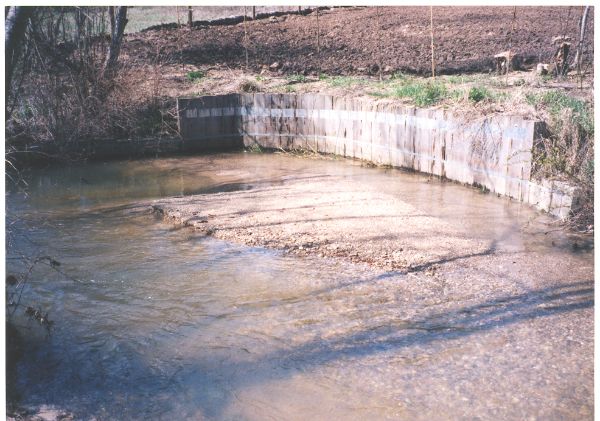
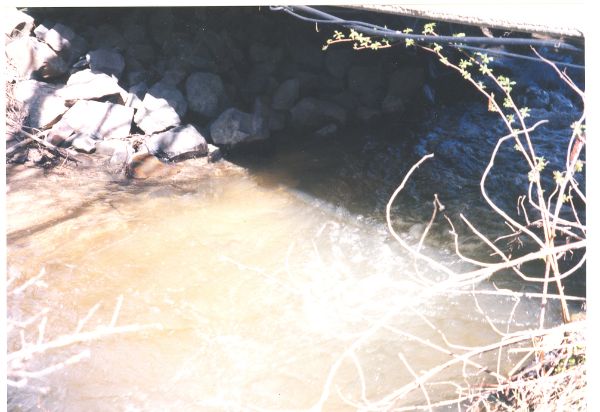
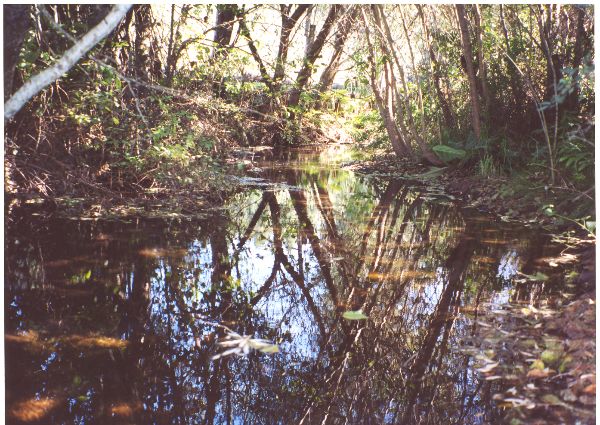
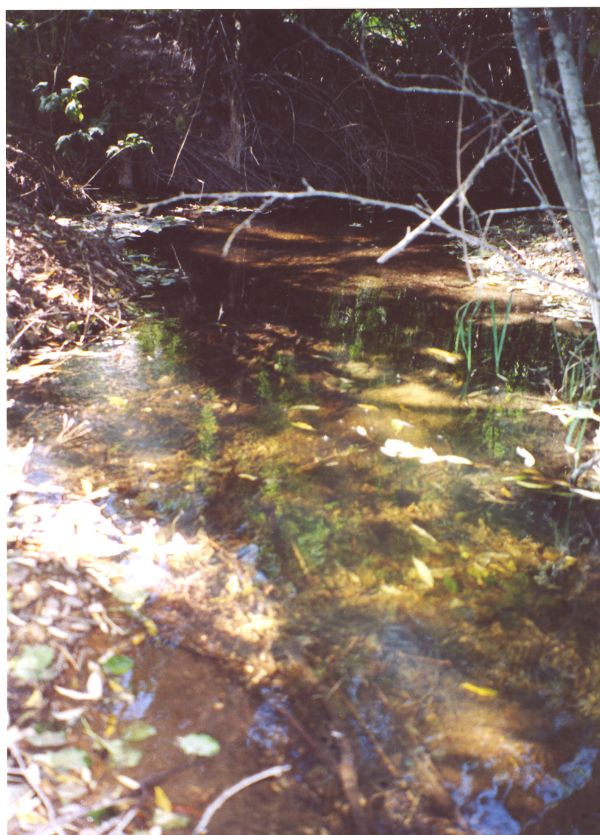
It’s time to form our Mutual Assistance Group! We are Daniel & Patti EarthStwards and have been developing our homestead for our food and energy self-reliance since 1990. We are located 21 miles north of Spokane, WA. The land we set aside for the village is 16 acres and has a year-round stream running thru it.
Here is what is unique about our IC start up effort, we are inviting others to form with us a Mutual Assistance Group (MAG). Goggle this title to gain access to descriptions of this form of creating community with others. The core idea of a MAG is in perpetuating normalcy for yourself and those that you love during the difficult times of transition we all live in today. As well, people need not live on the land, but by setting up their retreat sites on it with self-contained RVs or other types of alternative housing, they could quickly escape any type of disasters which develop around the world to enjoy the safety of sustainable community.
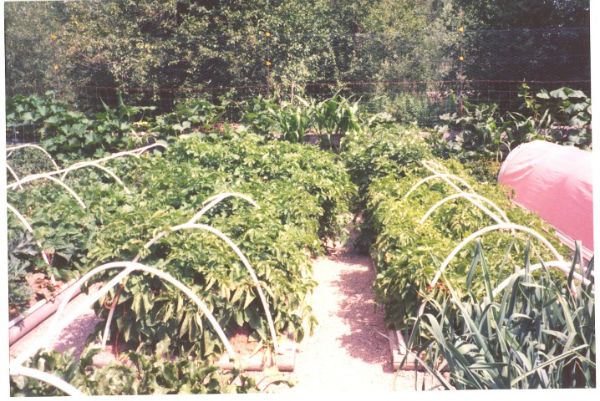
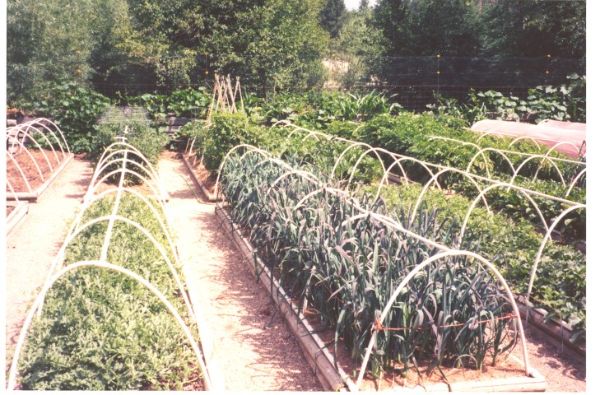
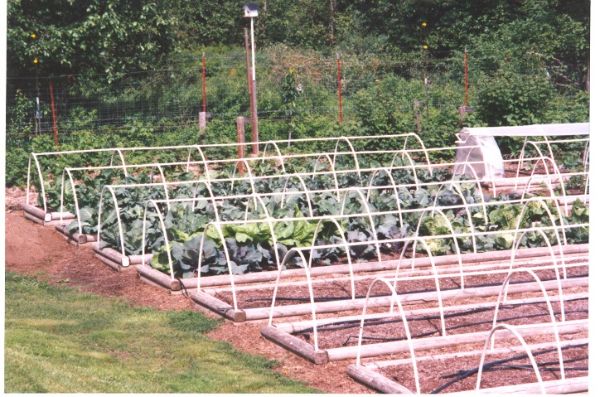
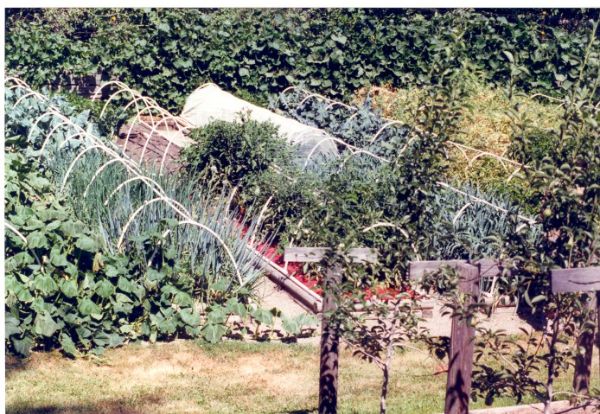
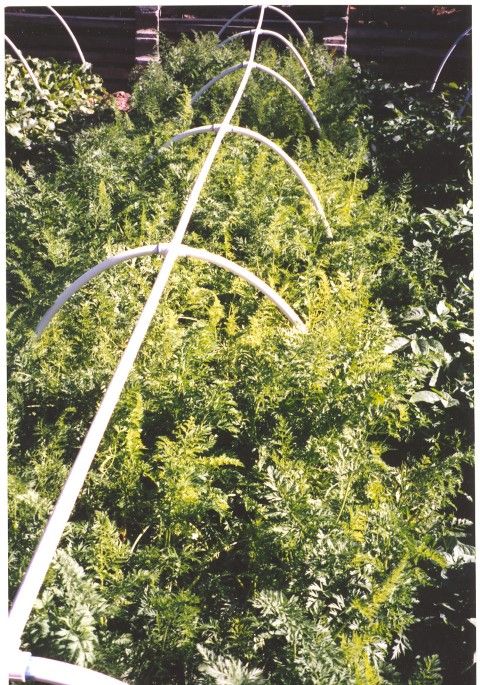
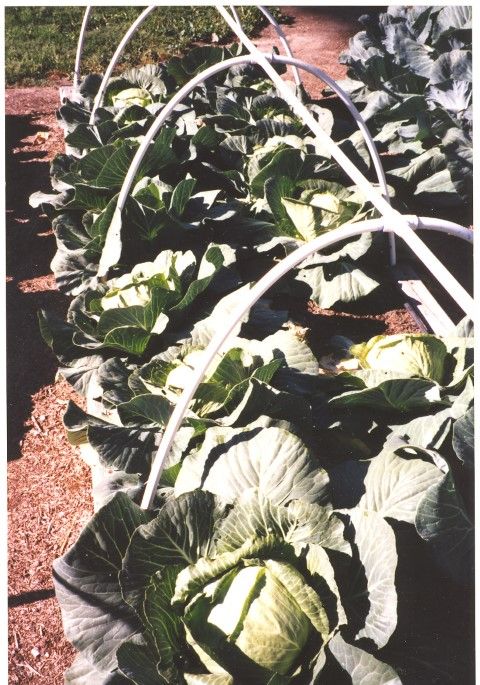
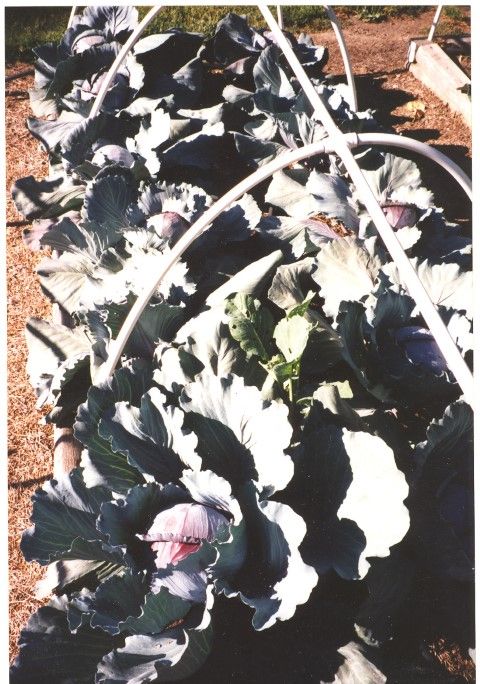
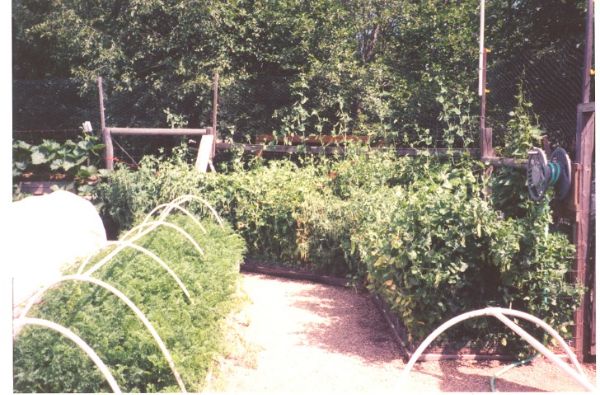
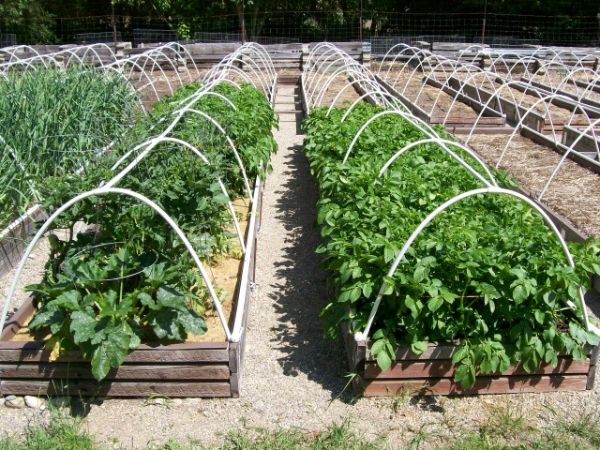
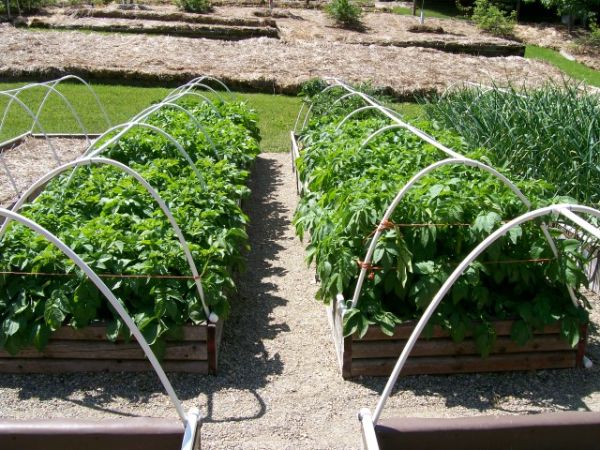
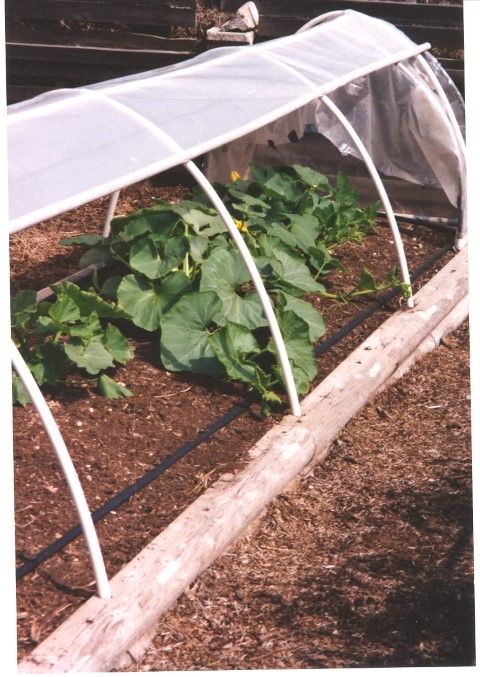
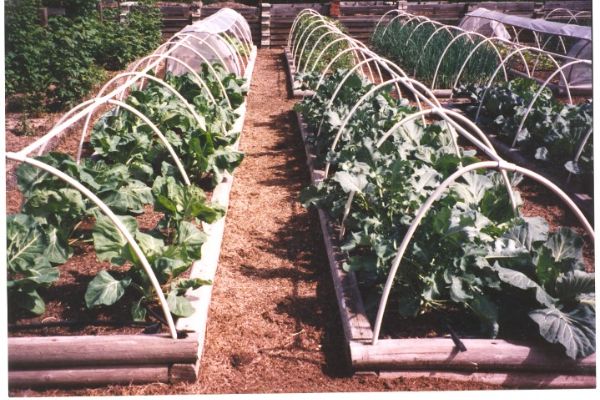
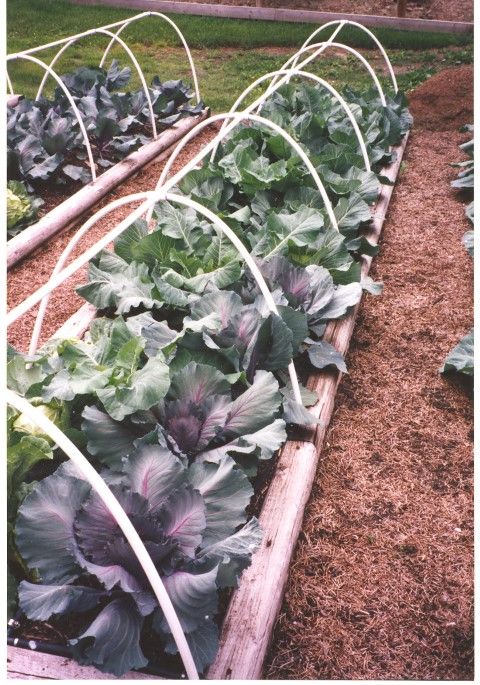
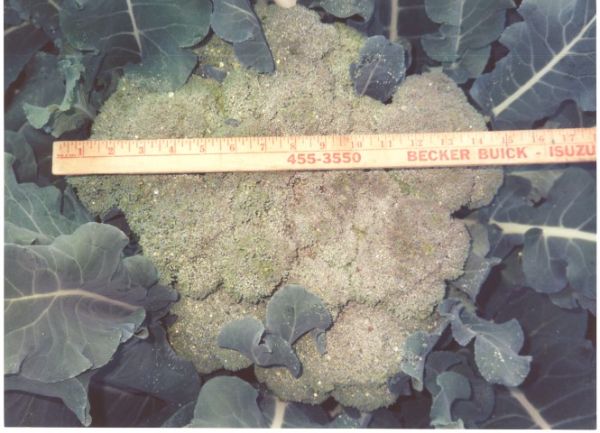
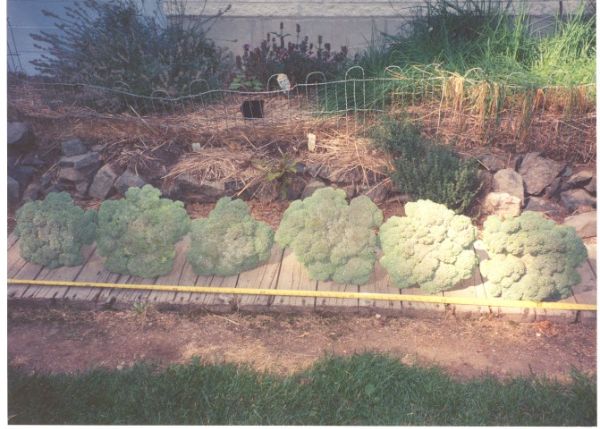
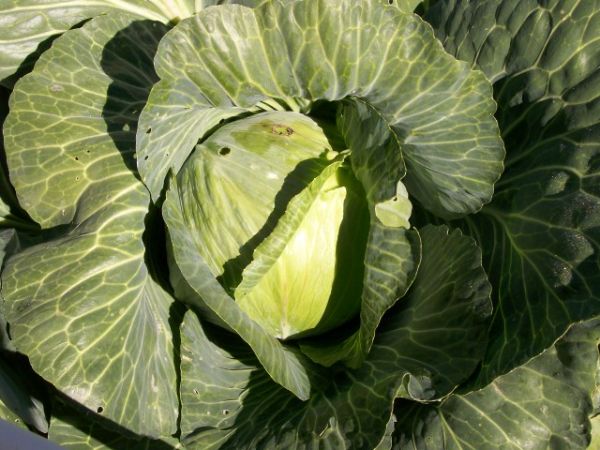
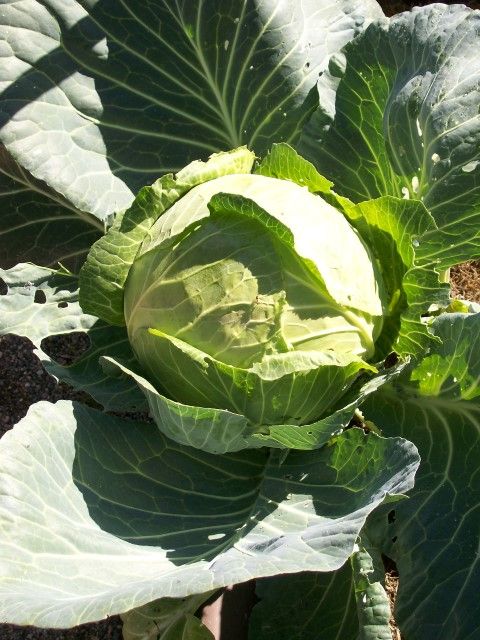
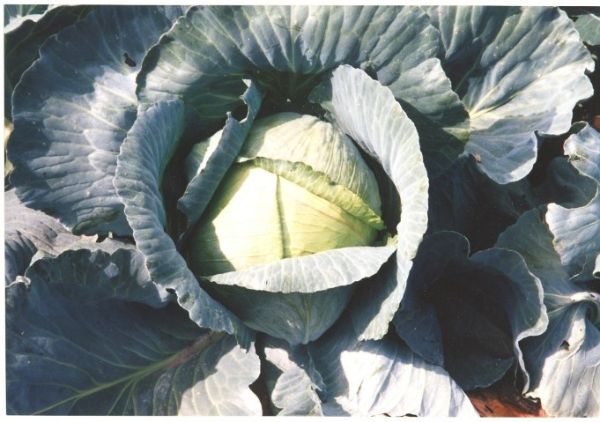
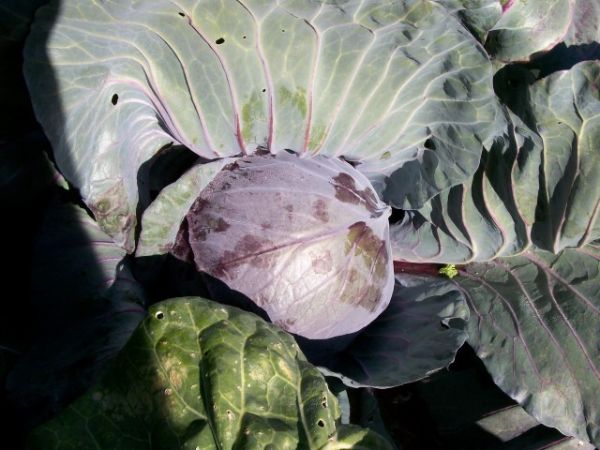
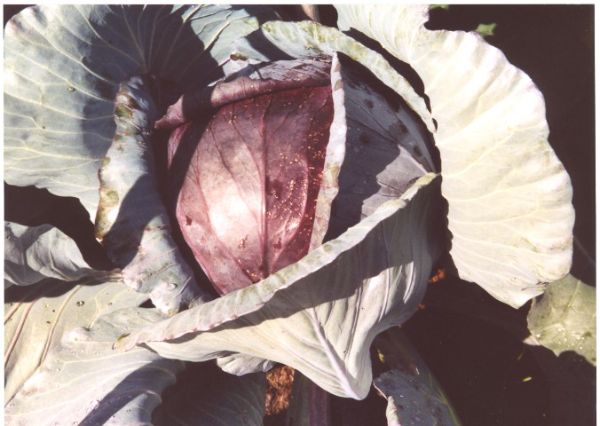
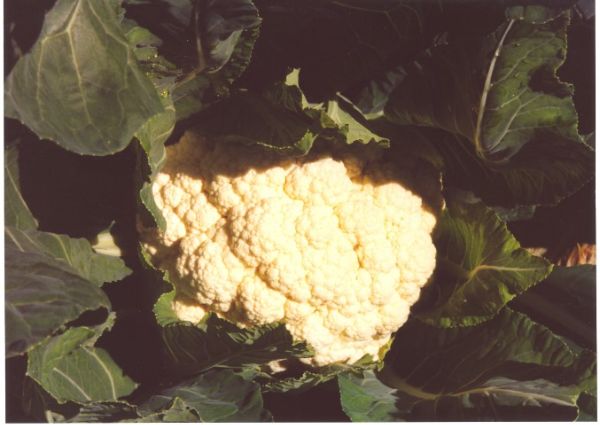
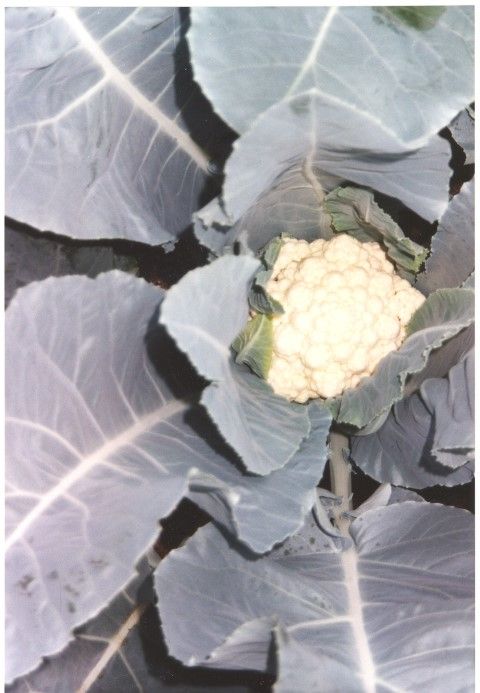
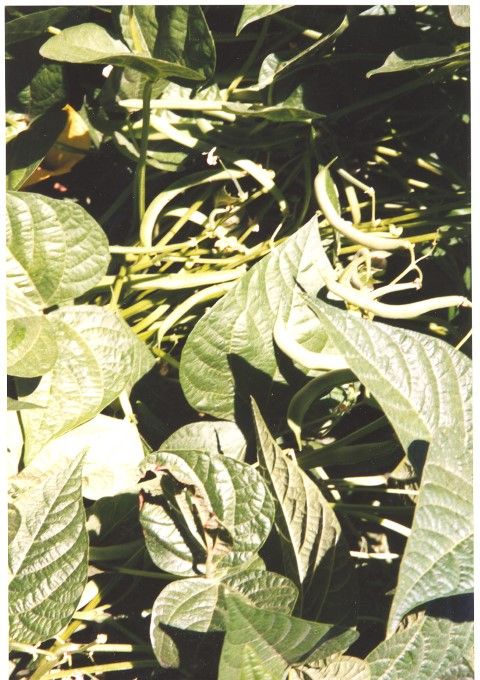
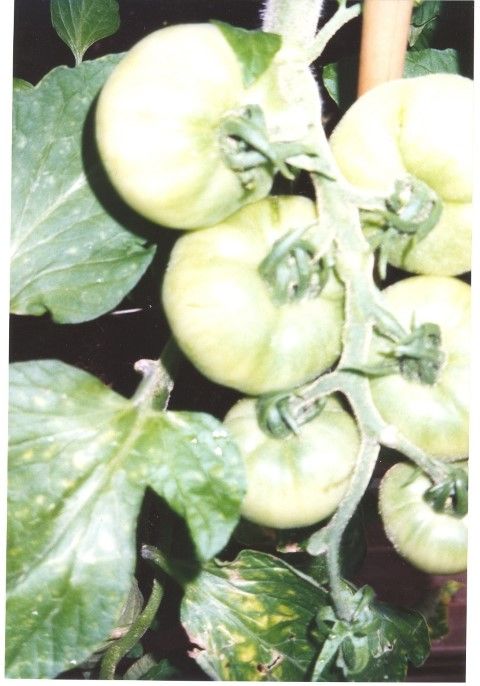
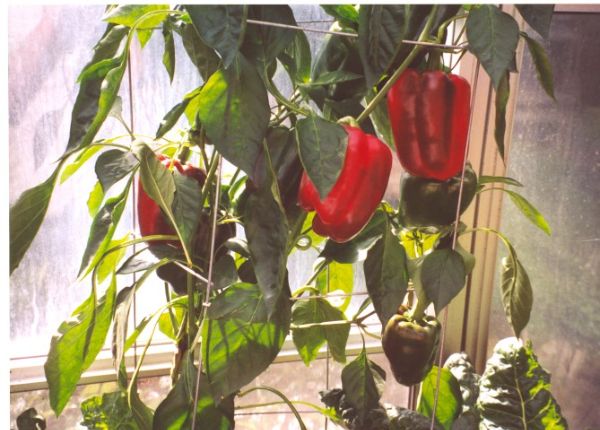
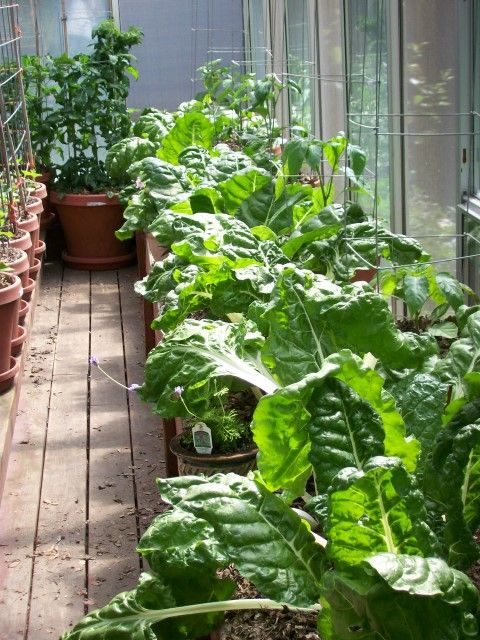
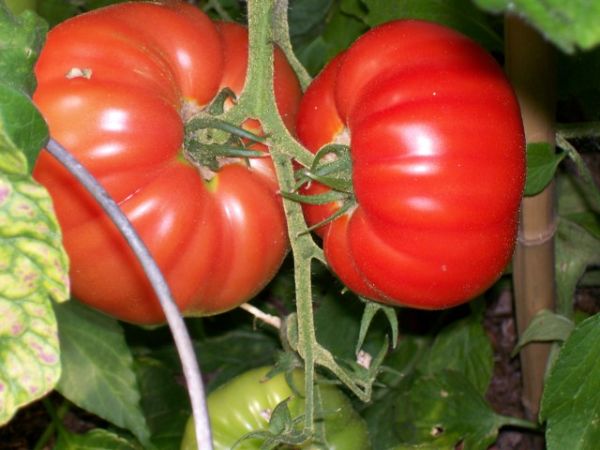
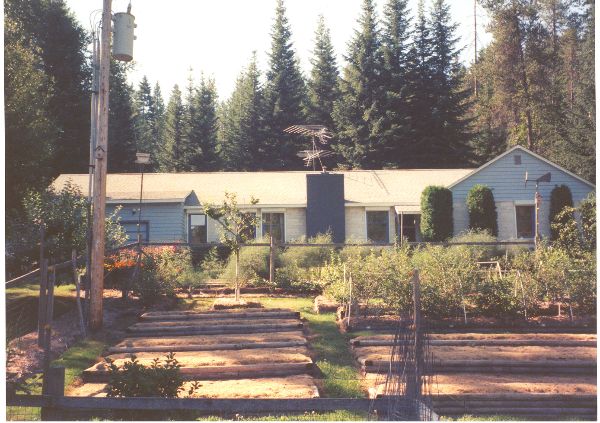
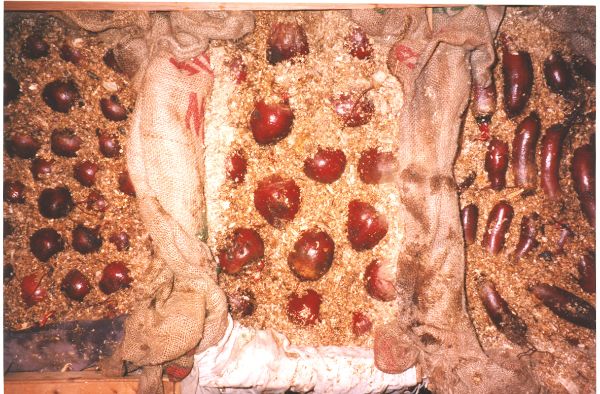
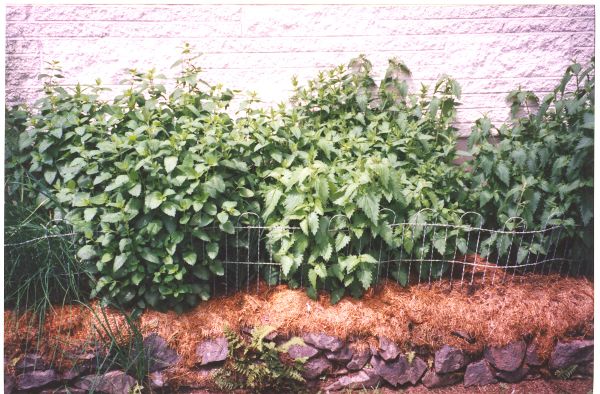
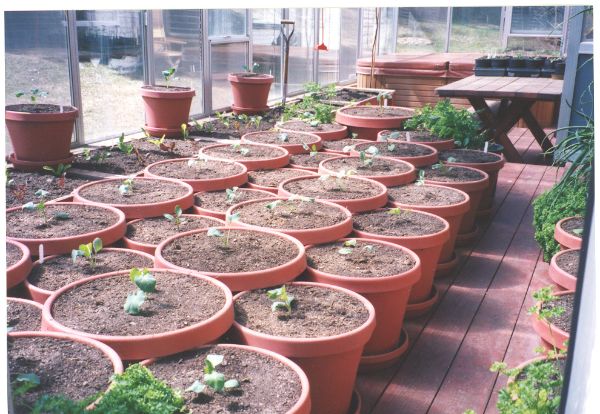
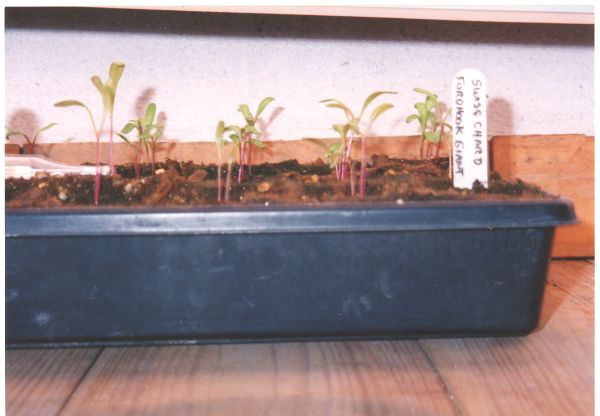
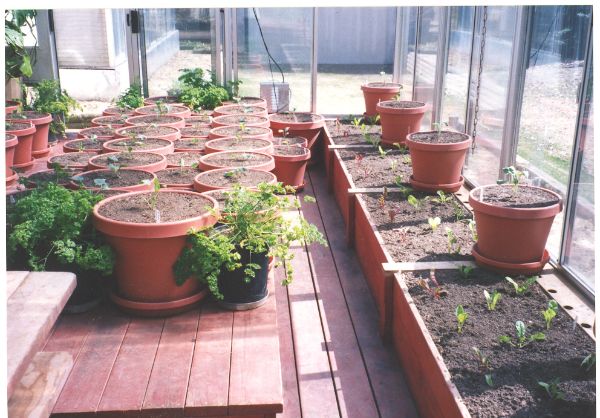
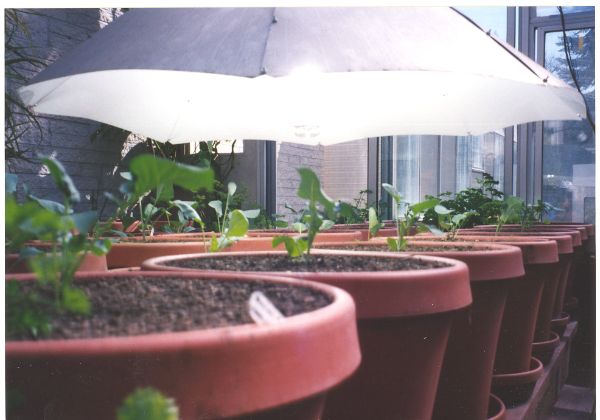
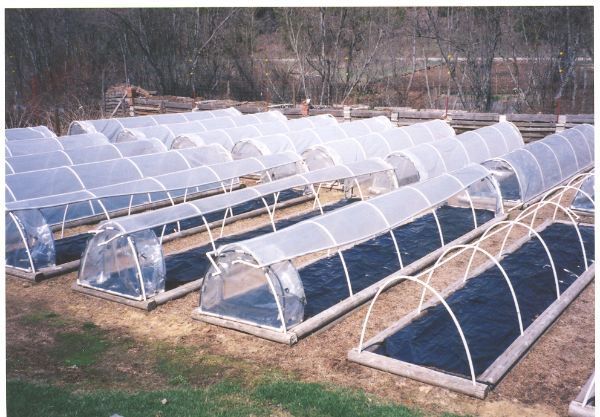
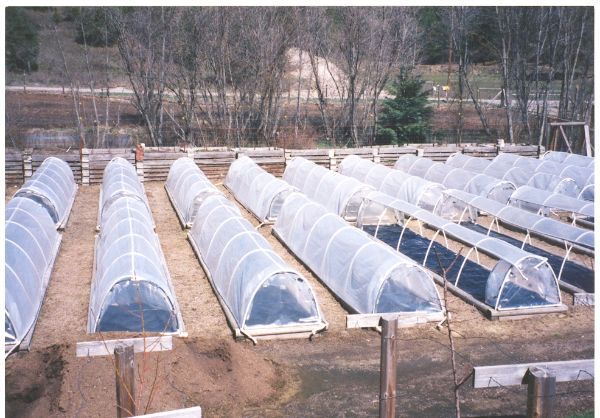
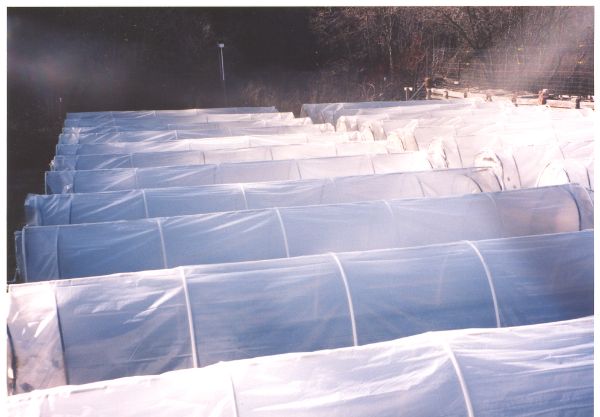
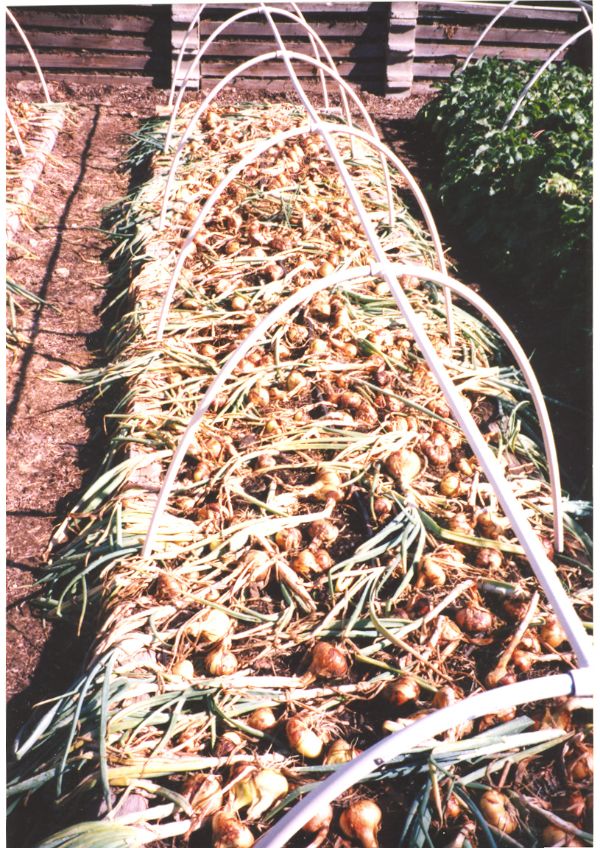
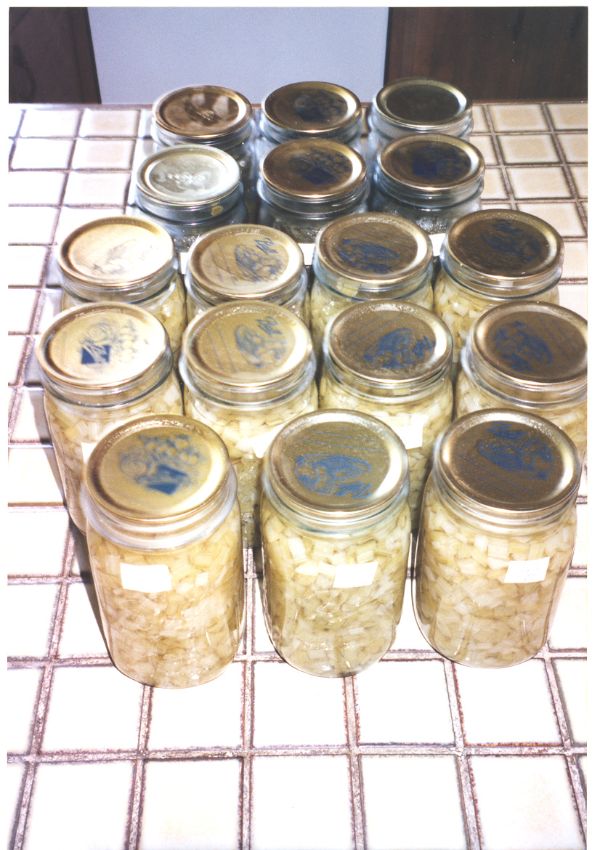
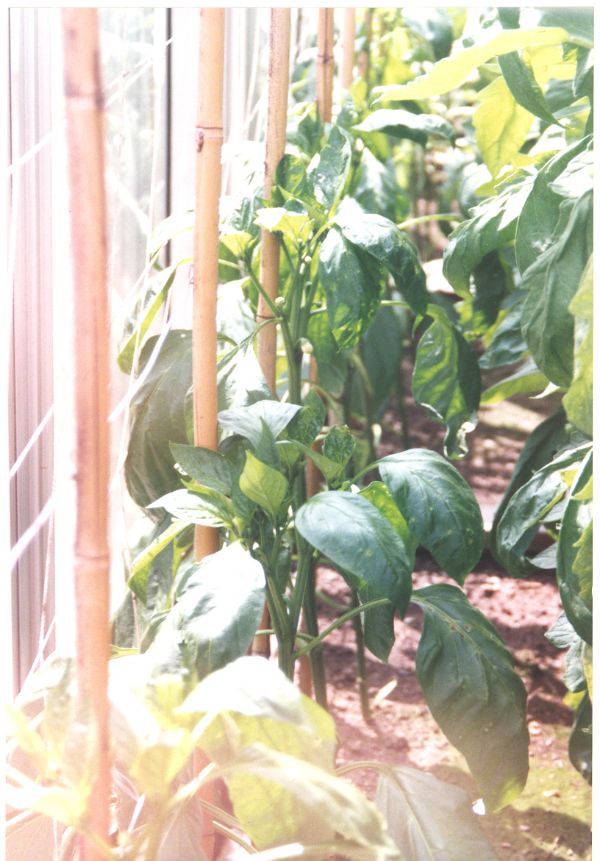
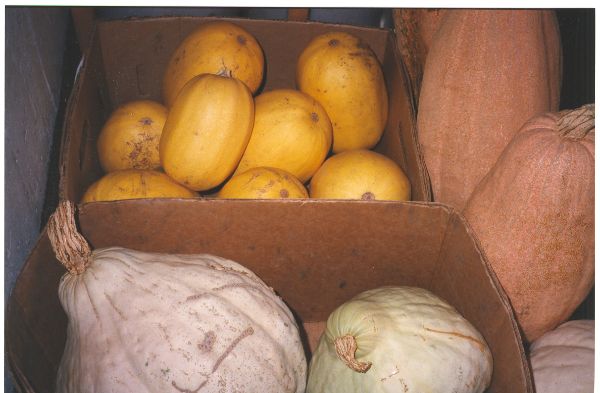
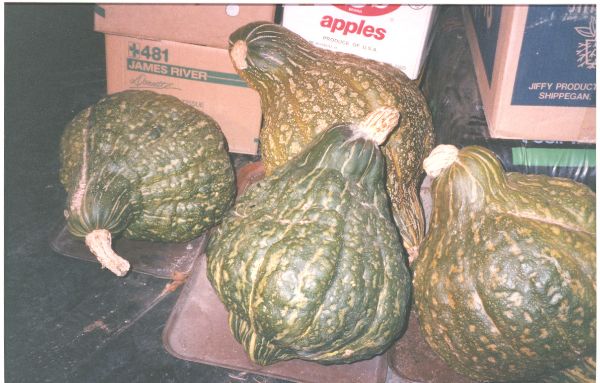
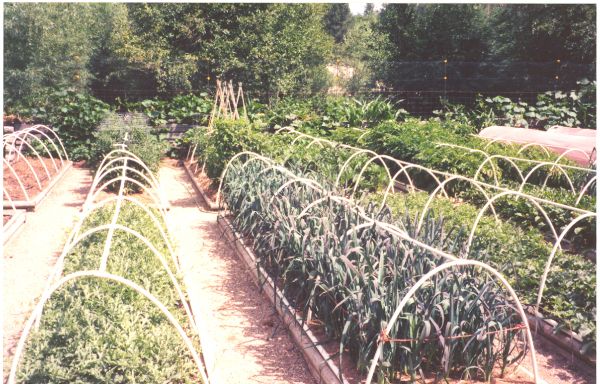
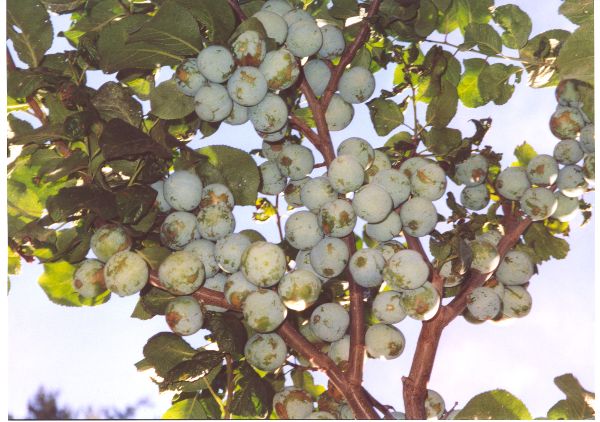
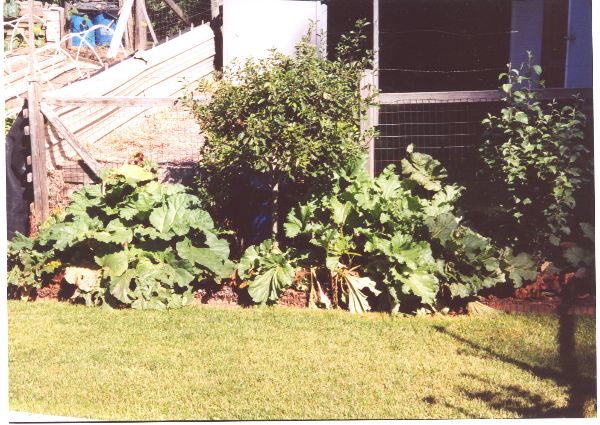
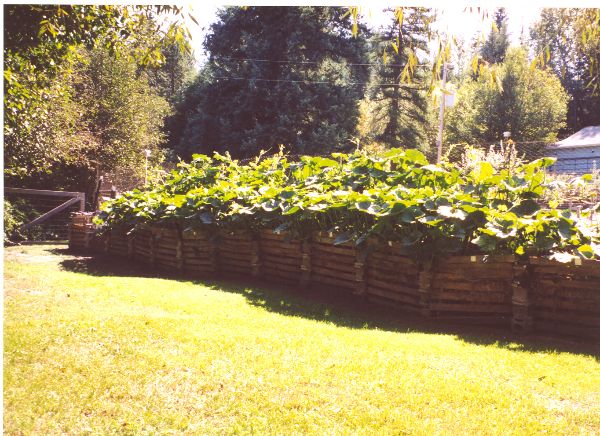
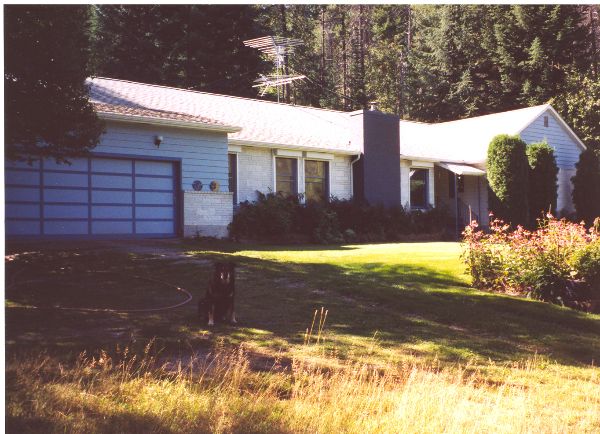
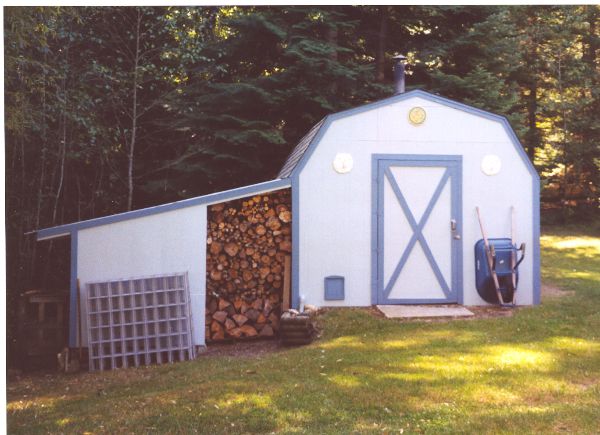
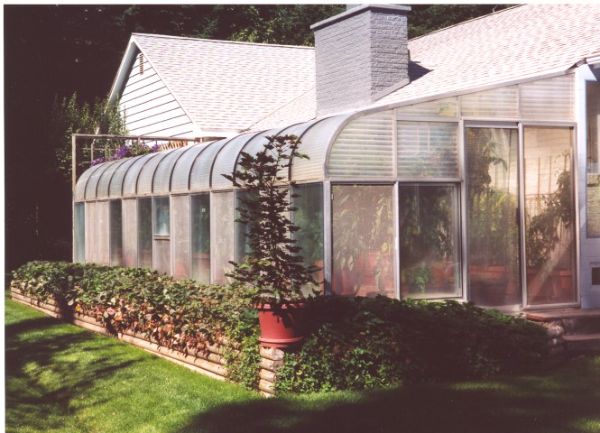
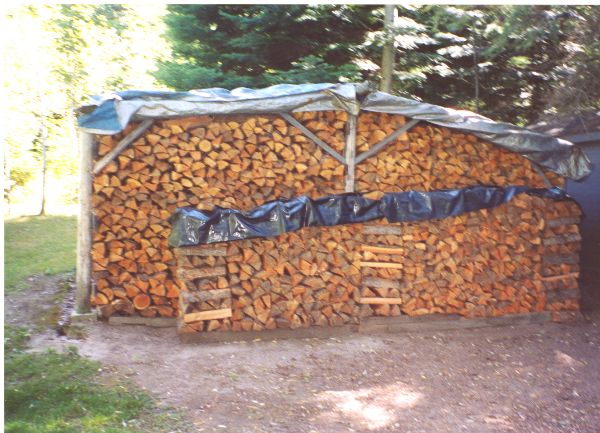
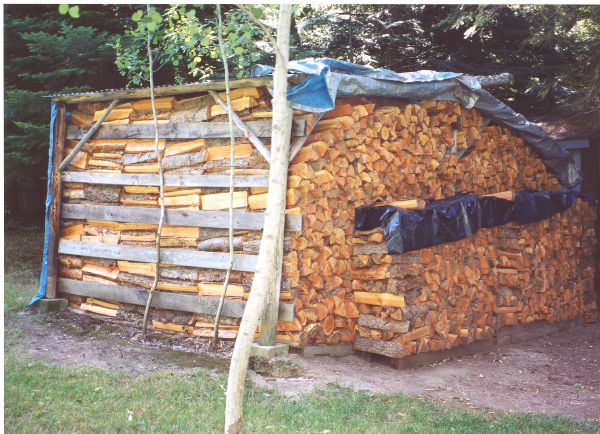
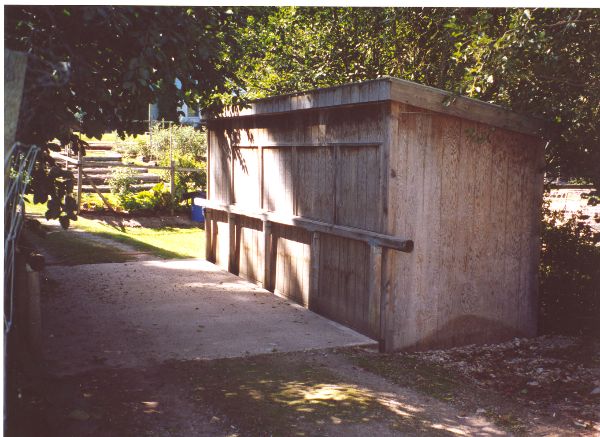
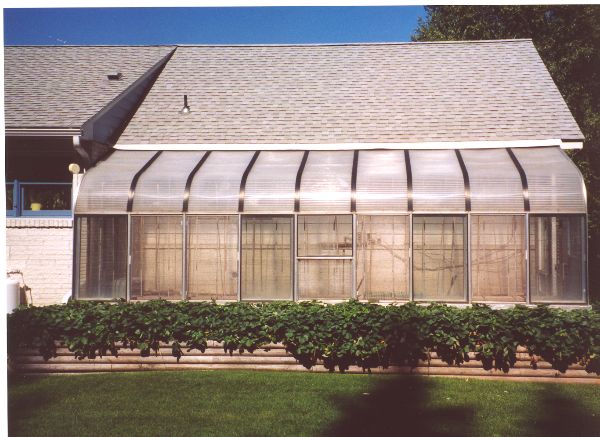
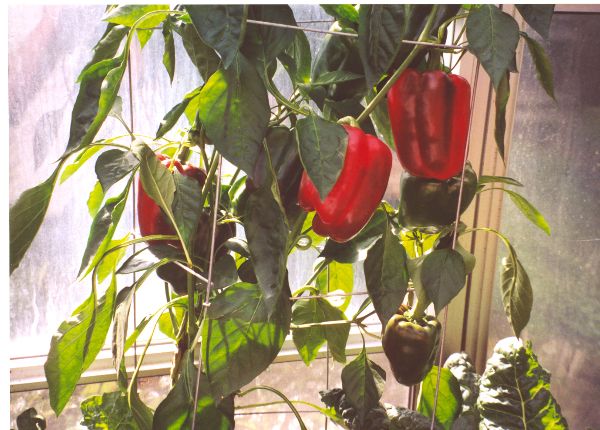
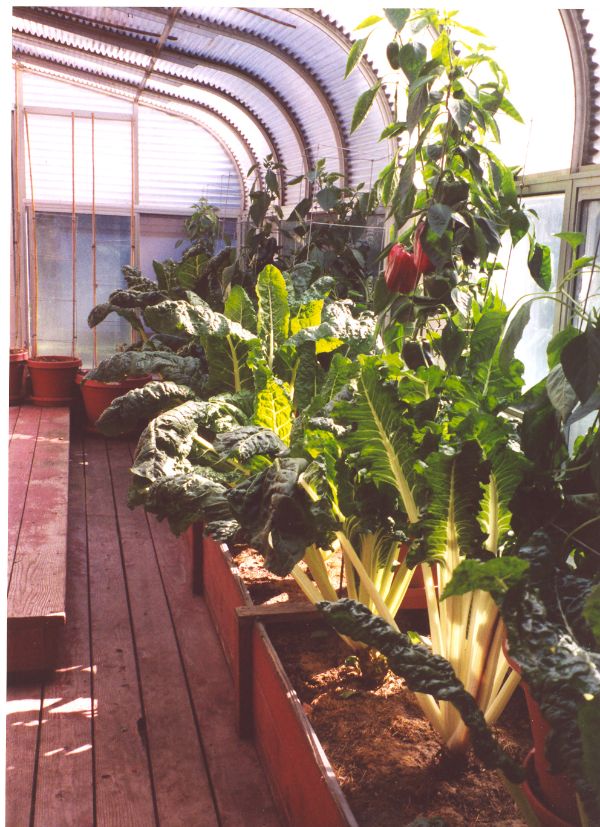
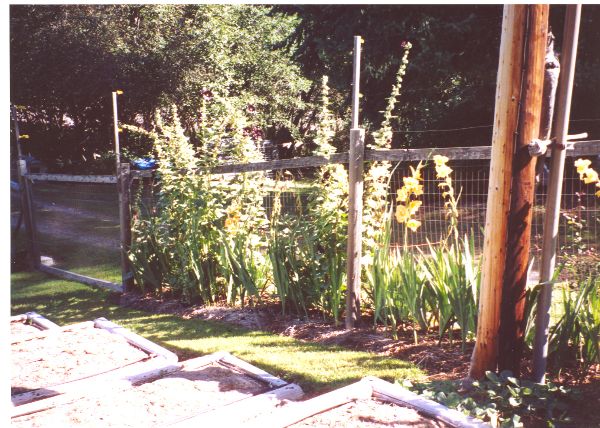
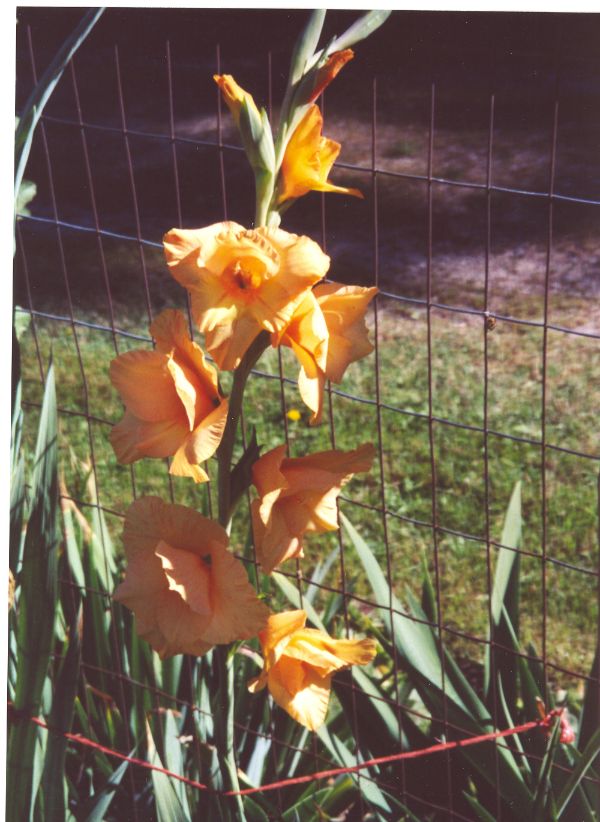
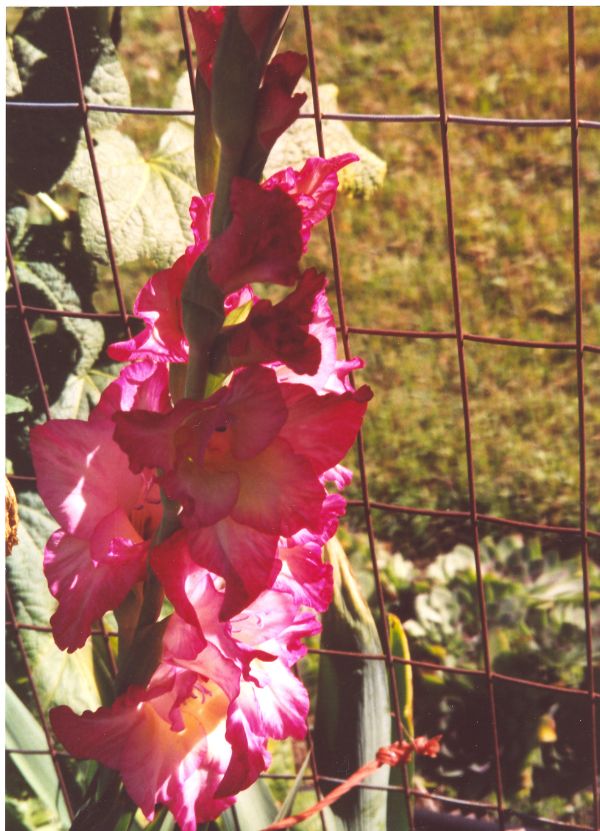
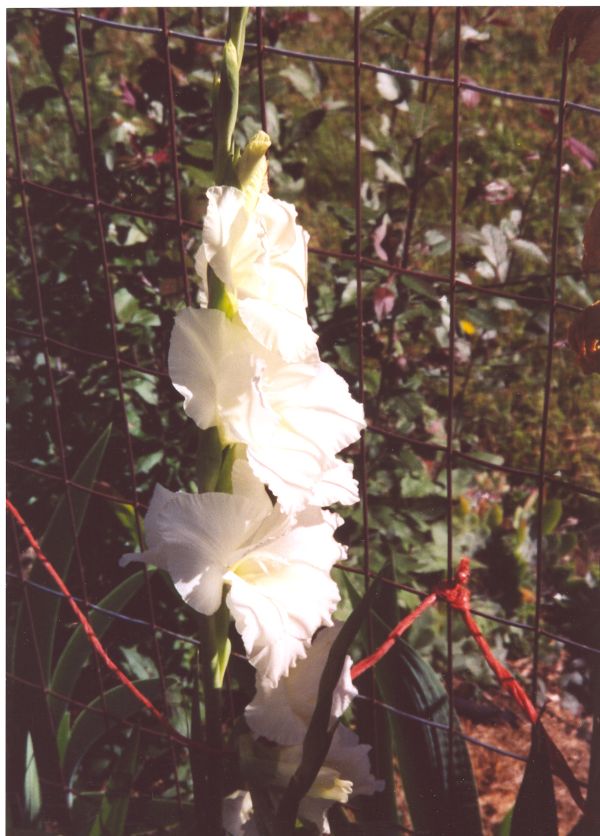
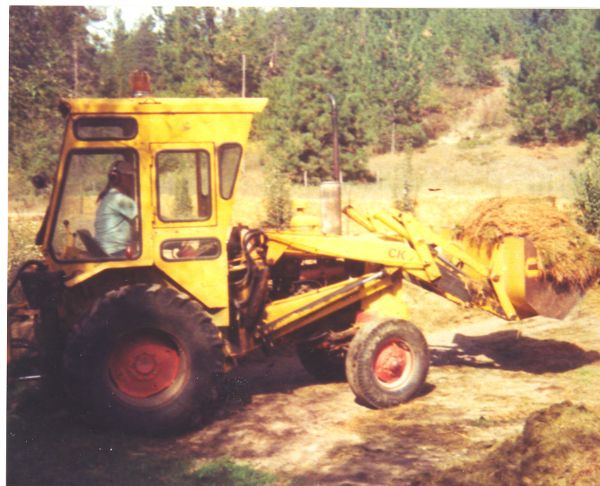
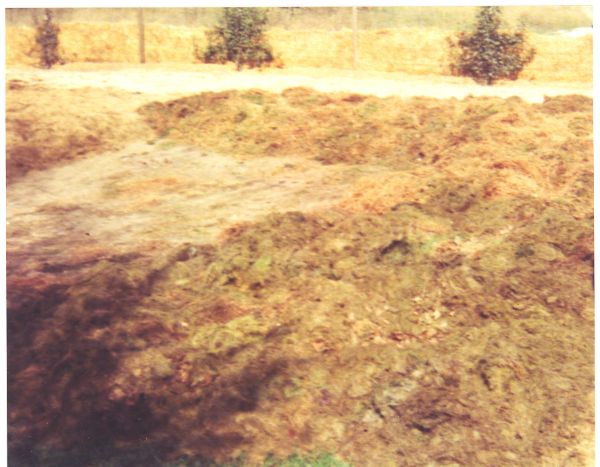
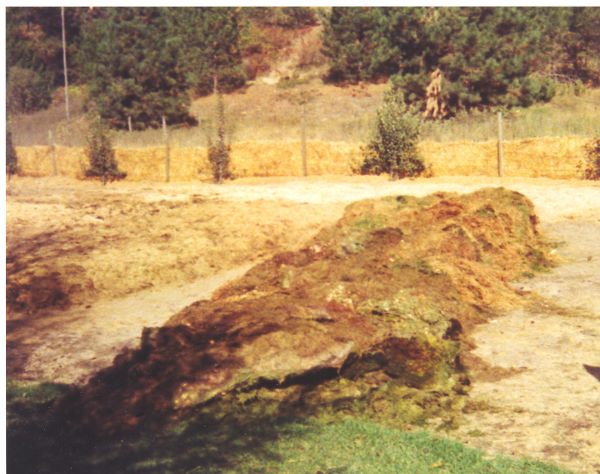
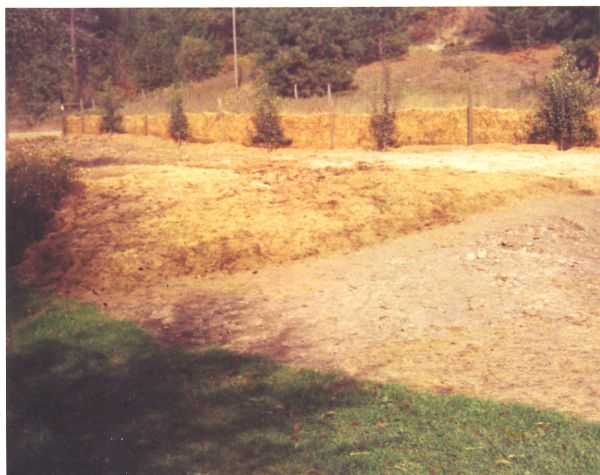
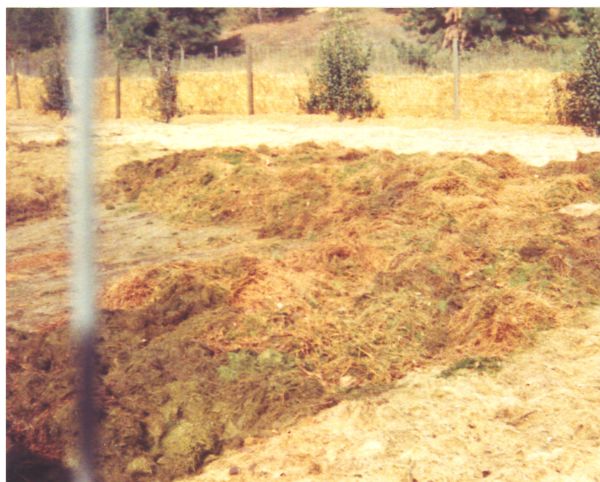
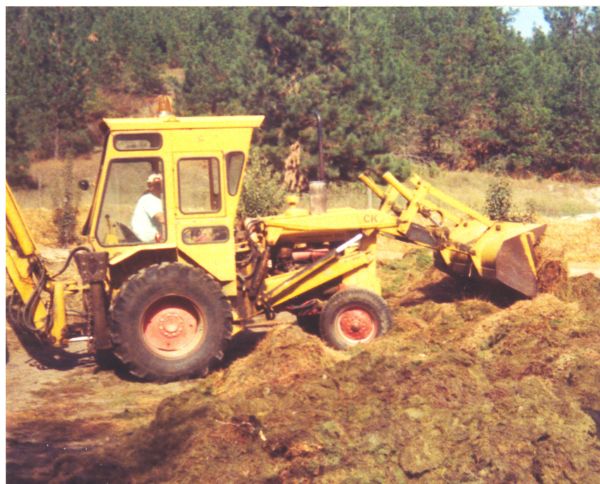
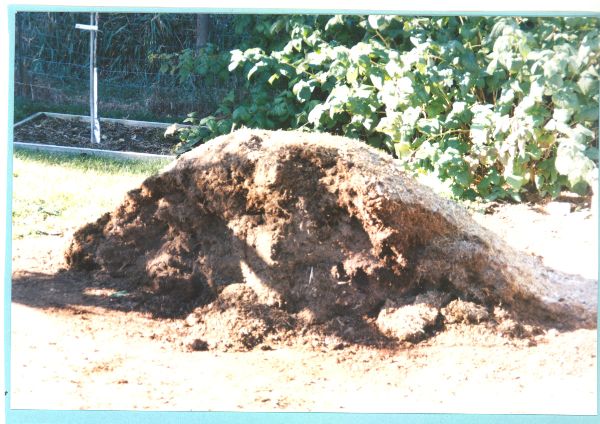
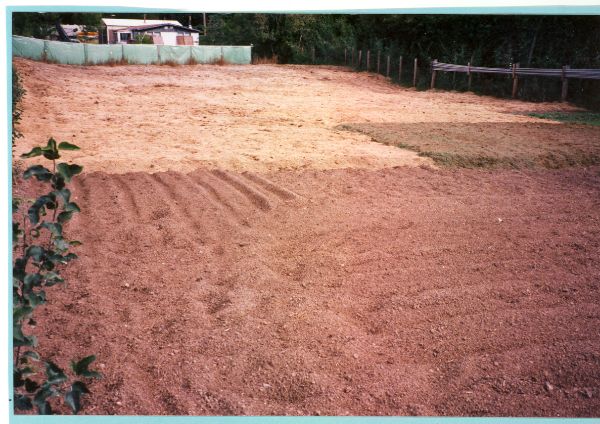
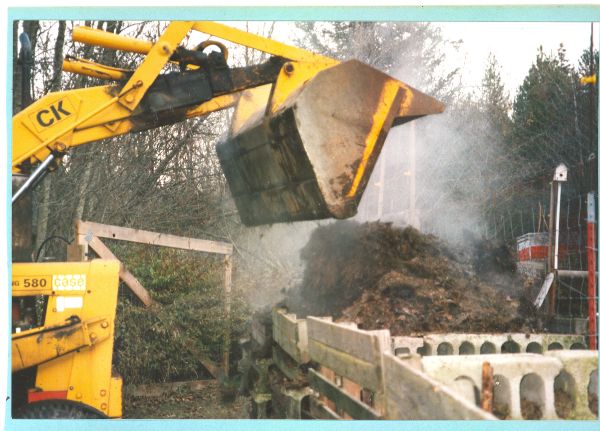
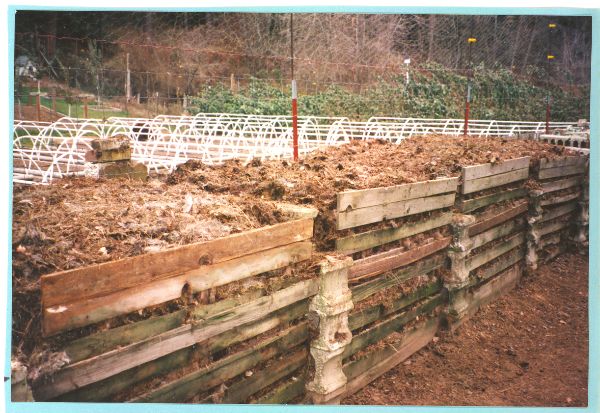
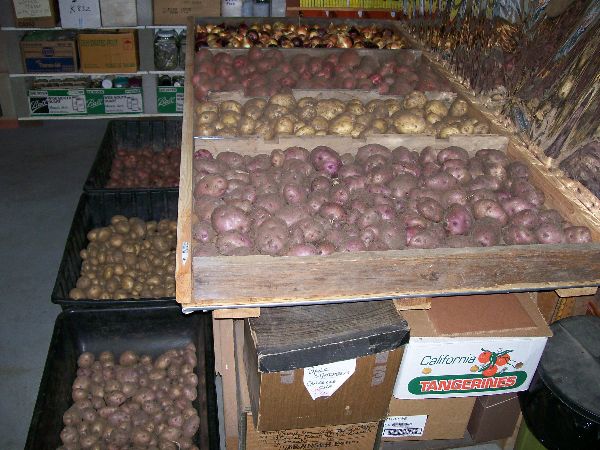
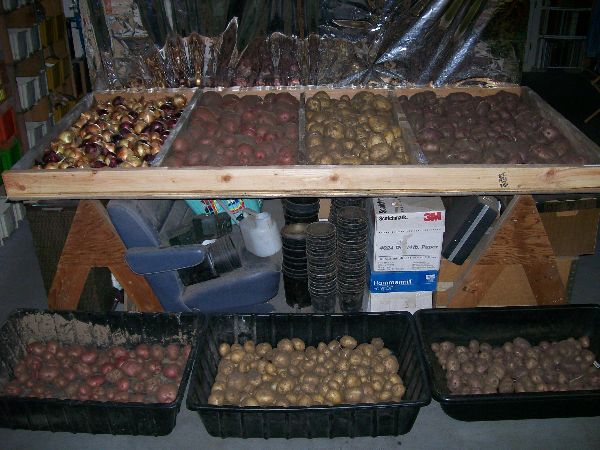
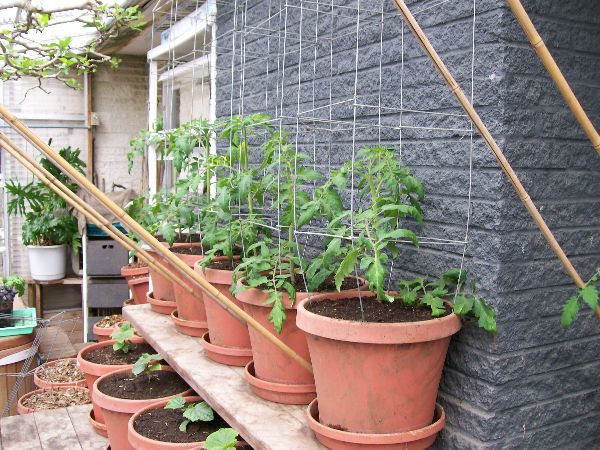
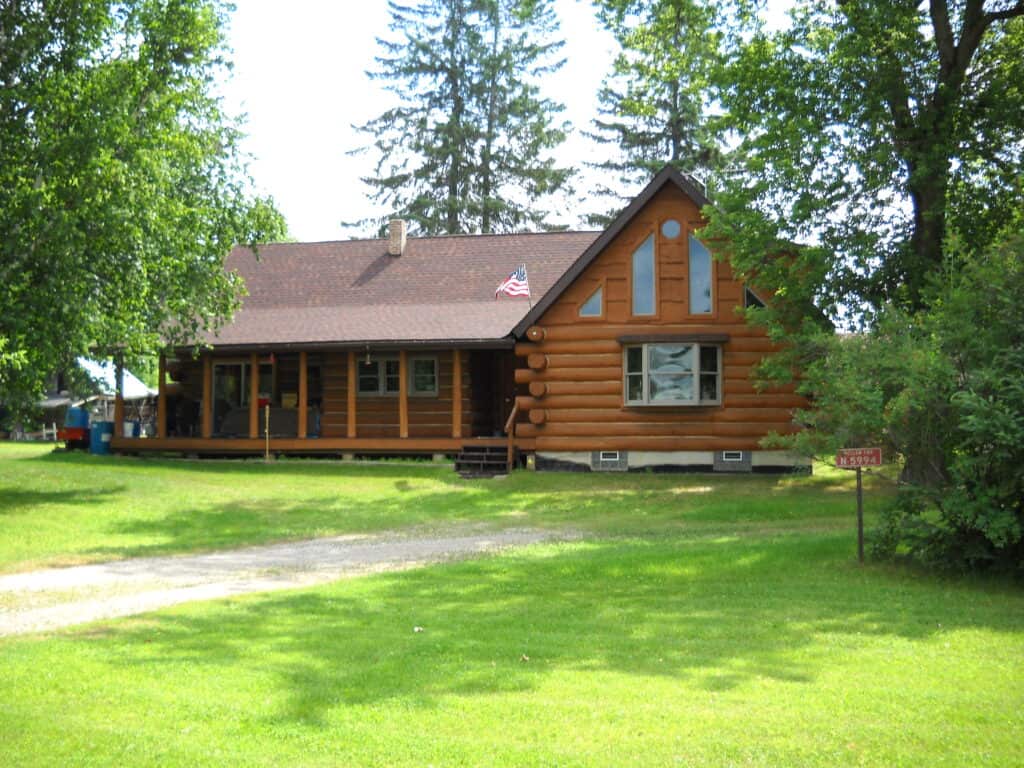
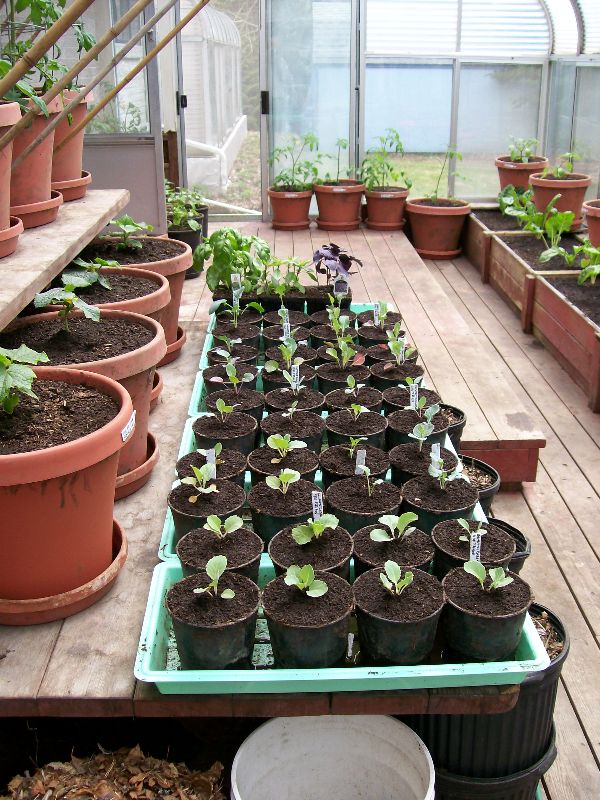
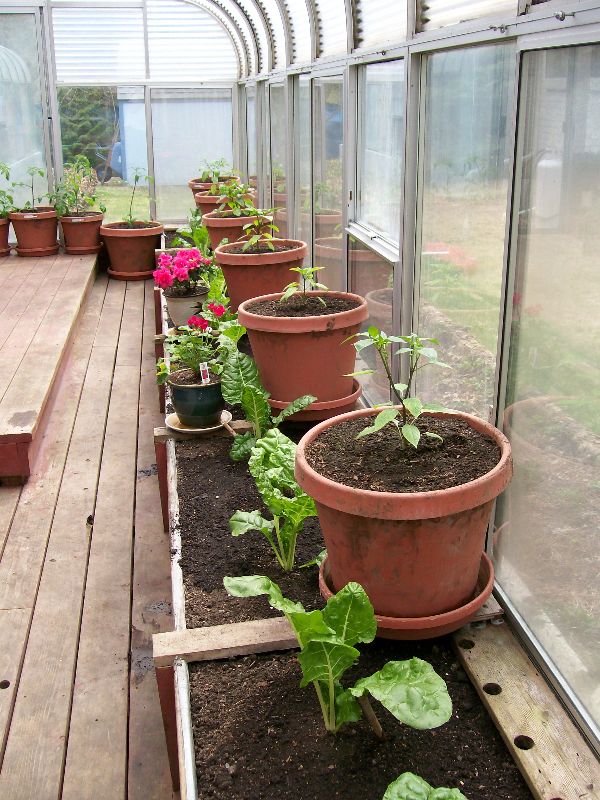
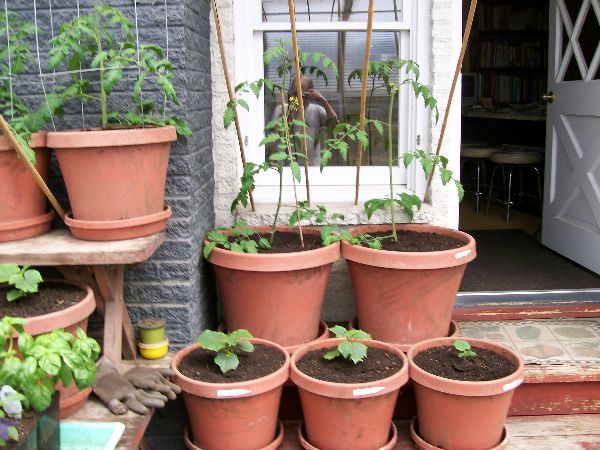
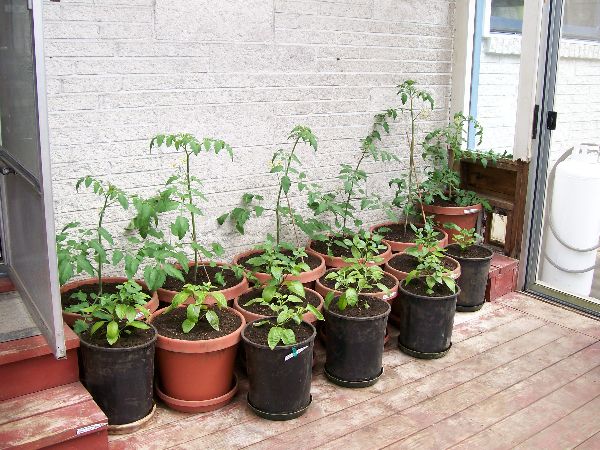
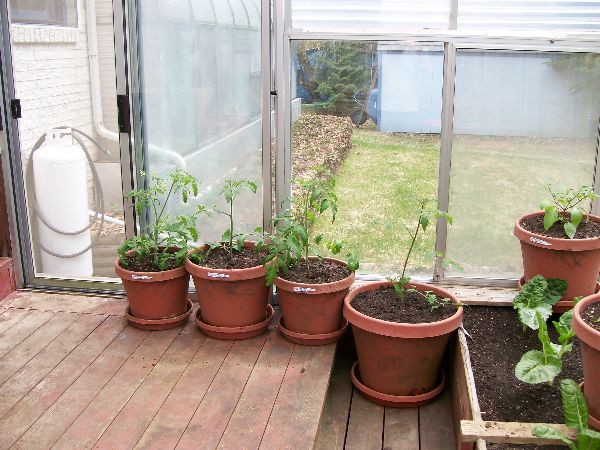
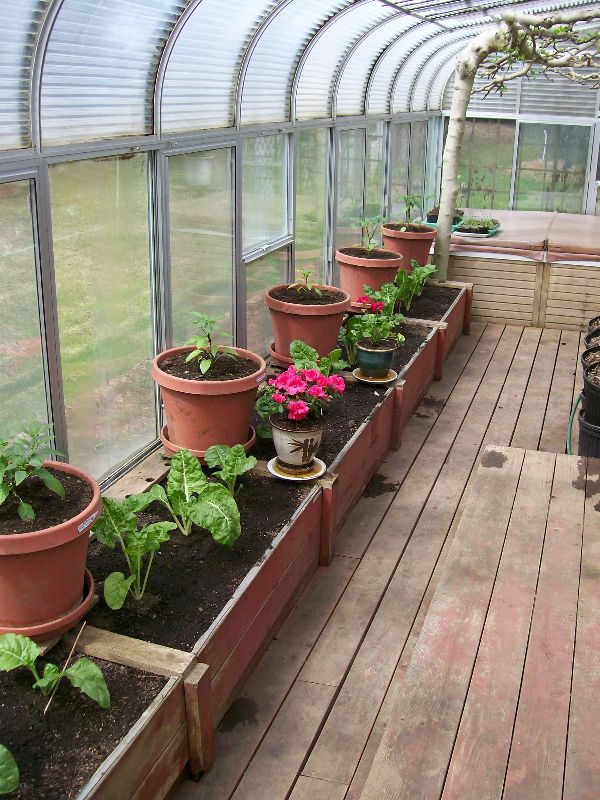
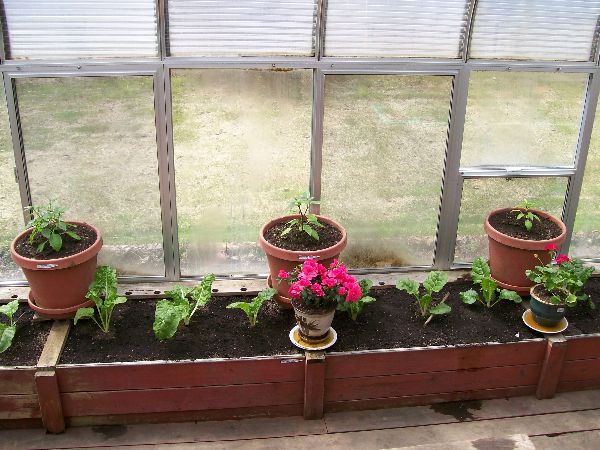
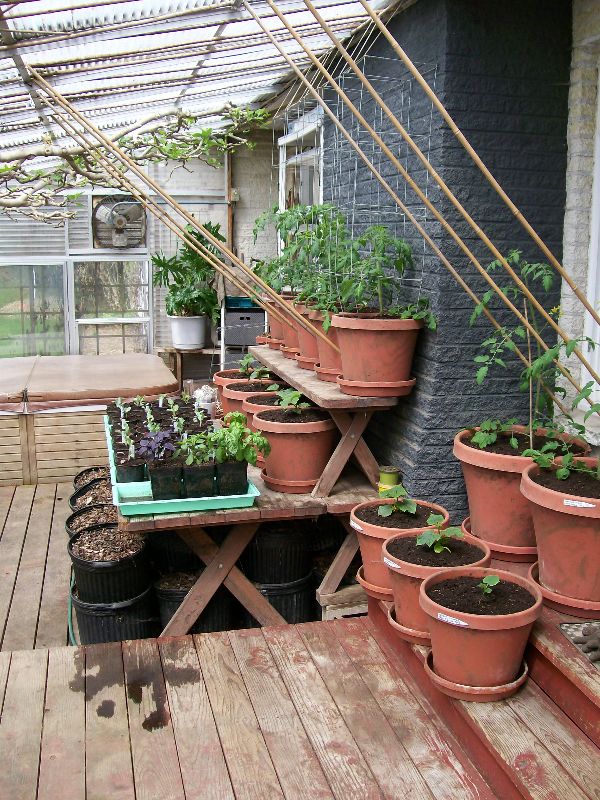
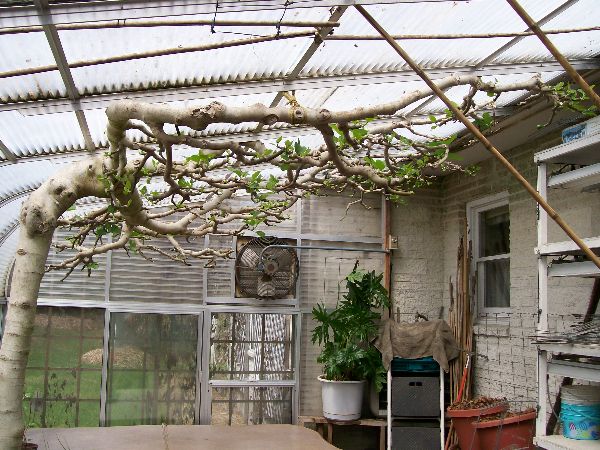
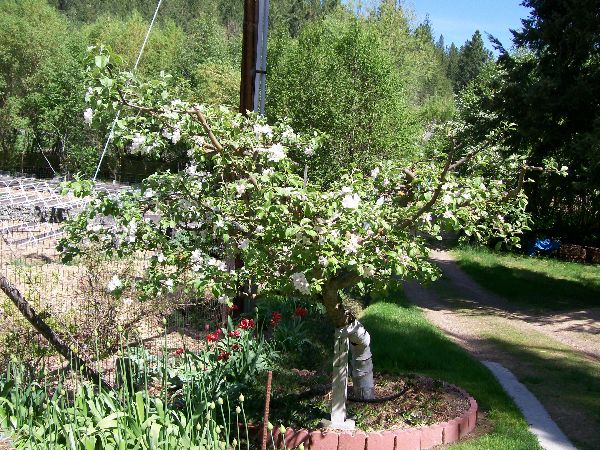
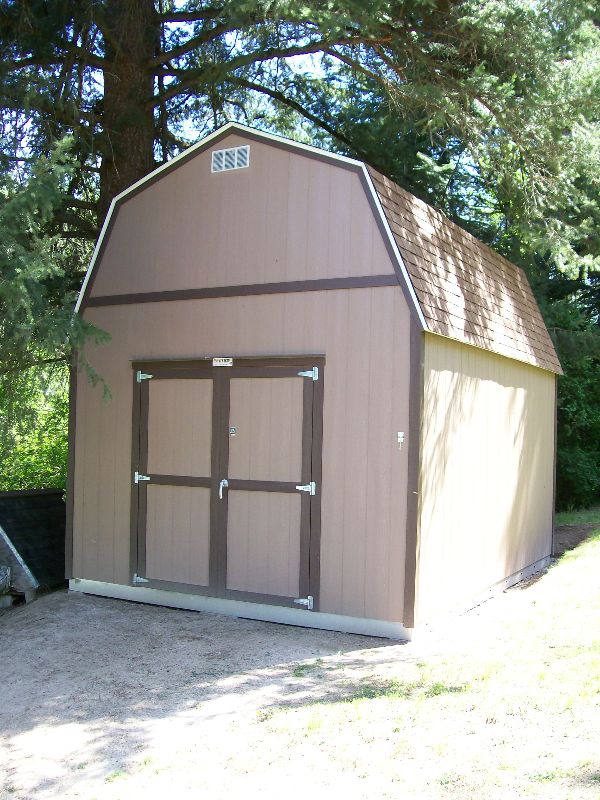
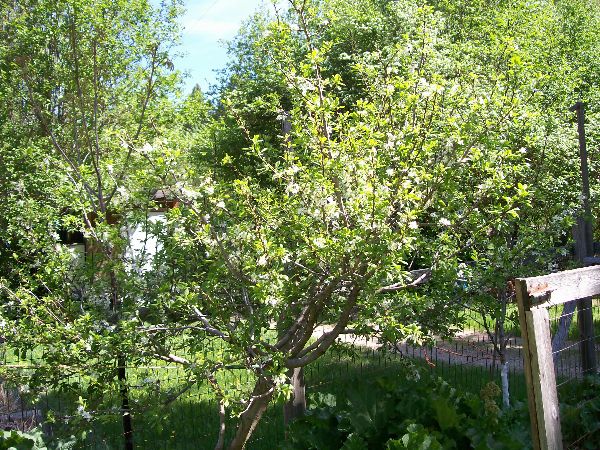
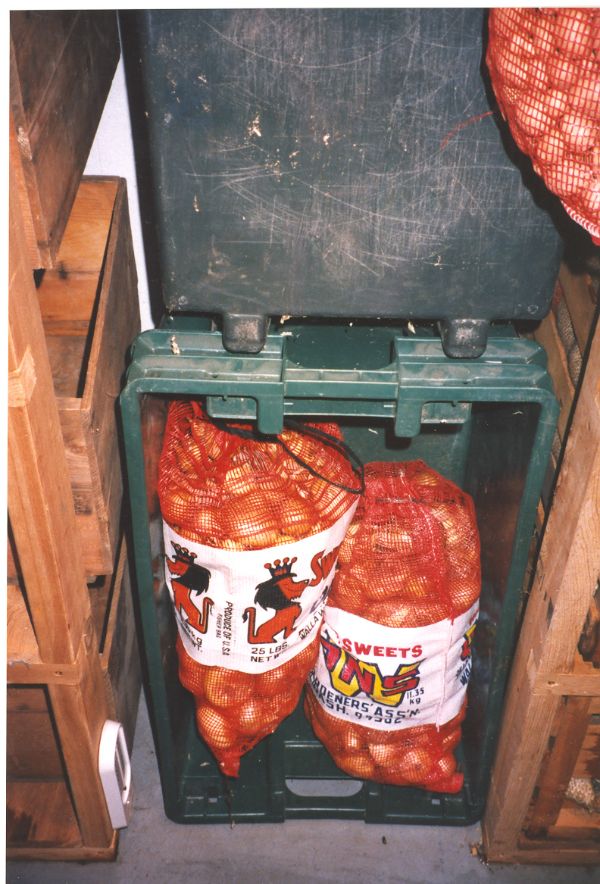
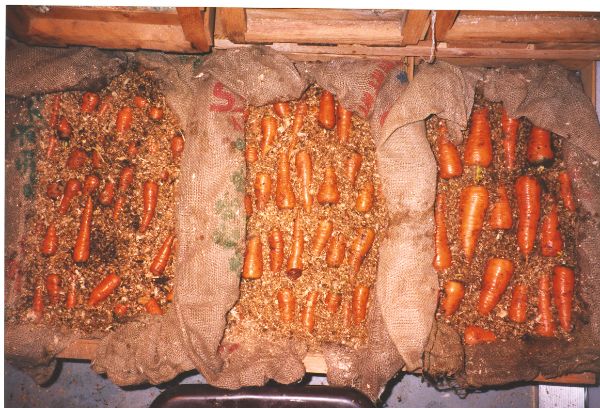
What we have established at our homestead can be seen in the photos section of this listing, there we provided images of what we have grown for our own food self-reliance as well as other infrastructures. We know how to can, freeze and preserve our produce and have a root cellar where we store root crops for our winter use. We are also fully equipped with all that is needed to live energy self-reliantly, such as battery banks, invertors, solar panels, chainsaws, with a tractor, tiller, a backhoe, snow removal equipment, and many other implements along with excellent well water. All of this would cost millions of today’s dollars to amass, and again, the learning curve to master their use. This is where merging your efforts with us in a MAG makes a great deal of sense.
Accomplishing the above as single person and nuclear families, people will quickly realize all the things you need to know, be an expert in, and to be equipped to do in order to live self-reliantly. So much preparedness content is about buying gear, focusing on developing knowledge and skills at growing and preserving one’s food. These tasks take decades to master, and all this can become overwhelming for a single person or nuclear family to undertake and succeed at doing during emergencies.
As we mentioned, the 16 acres we have available to a MAG is divided into two 8-acre pieces. Each has its own debt-free deed. In 8-acre piece we purchased in 1990 is where we have our home and all the self-reliant infrastructures established. The adjoining 8 acres piece we purchase several years after, and it is primarily undeveloped forested land, but has some really great sites next to the stream to set up self-contained RVs and etc. We could sell this other 8-acre piece of land to whomever merges with us in a MAG and can afford it (assessed value for 2026 was $96K, and we just learned 2027 assessed value is to be 103K). If one cannot afford this, the best way to do this would be is to find another or others who are interested and combine your funds and make us your offer.
We also offer a couple of paid positions to that might be interesting to the reader. We have a newish travel trailer we have set on our land for a jack-of-all-trades handyman to dwell in. The handyman could gain income from us from building, repairing, operating equipment, managing, maintaining, and providing security for all community members. Another paid position we can offer is a bedroom in our modern home for a female housekeeper who has vegetarian cooking, cleaning, and organizing experience. A quiet, clean, tidy, cooperative type of person would be a perfect match in our home. If interested in these positions, your resume and references sent to us, and pics of yourself doing the work related to these positions is essential.
What inspired us to live as we do and wanting to develop this MAG with others has been the result of what the Hopi Elders advised at http://www.communityworks.info/hopi.htm. They offer important direction to humanity as we enter an era of crucial and disruptive changes that are unfolding for us all today. The Hopi ask and say, as we do also…
“What are you doing? What are your relationships? Are you in the right relation? Where are you living? Where is your water?” Additionally, “Know your garden,” and realize that “The time for the lone wolf is over.” All the Hopi are saying is that it would be prudent for people to think about where one wants to be and with whom before one is overtaken by the social, economic, environmental, and other shifts currently unfolding around the world. “We are the ones we’ve been waiting for.”

Our Mission

This community is designed to support one another to live sustainably and become an example of what others can do.

  • Purpose
  • Ecological
  • Community type
  • Ecovillage
  • Sustainability practices
  • Renewable energy systems
  • Waste reduction / composting
  • Activities
  • Farming
  • Education
  • Experiences

Commemorative dates

  • January 1, 2025
  • Started planning
  • January 1, 1990
  • Started living together
  • 2 Total members
  • Open to new members
  • Open to visitors
Total
2

How to join

First, introduce yourself(ves) and establish respectful communication. If that goes well during our mutual efforts, we can take your application process step-by-careful-step so we do not make any mistakes. We will all know if this is the right thing to do with one another and feel a resounding “YES”.

Basic expectations or agreements for members

First, read the Additional Comments, then Email us, and if that goes well, Zoom. Then we can talk about meeting. Please do not ask where the land is located. This is not a typical real estate listing where one can merely ask for and expect to be given a tour of our facilities. As we outlined above, there must be communication established first for us to discover if compatibilities exist.

Primary decision-making authority

  • All Community Members Together

The whole membership decides collectively.

Decision-making process

  • Majority Vote

More than 50% agreement needed.

Governance structure

  • Representative/Democratic

Members elect leaders who make decisions within defined roles.

Conflict resolution approach

The thing that makes “Community Government” possible is through all members’ commitment to the success of the community. If, as is so common, everyone involved in the project are not committed in this way, then this is the formula for failure. A community cannot expect to succeed when there are only a few who have dedicated themselves to its success, while the rest of the members are judging whether the efforts of these few suit them. Successful Community Government is not the job of these few while the majority judge their efforts; it has to be everyone’s responsibility.

Economic model

  • Independent Finances

Members maintain separate personal finances with minimal sharing.

Economic scenarios for this community

  • There is a labor obligation
  • Members typically need to have their own job or other personal source of income to cover their expenses while living in the community?

Additional economic information

Labor: Yes (15 hrs/week)

Shared resources and amenities that are accessible to everyone in the community

Garden(s), Greenhouse(s), Library, Outbuilding(s), Large Scale Kitchen, Tractor & Farm Equipment, Waterfront access, Internet

Frequency of communal meals

  • Rarely

Community activities and engagement

  • School, Educational Institute or Experience
  • Volunteer, Internship, or Apprenticeship, or WWOOF’ing
  • WWOOF'ing, Guest Farming

Substance use culture

  • Substance use is prohibited in the community

Gender composition

  • Roughly balanced (no group over 60%)

Age demographics

  • Mixed adults (few or no children)

Property status

  • Privately owned

Property owner

  • By a single individual, couple, or Family Trust

Setting

  • Rural

Countryside locations with significant distance from urban centers.

Community type

  • Ecovillage

    Integrated communities designed around ecological principles with sustainable living practices.

Sustainability approach

  • Renewable energy systems
  • Waste reduction / composting

Self-produced energy

  • 33 - 66%

Energy sources used

  • Photovoltaic Solar
  • Hydro

Self-produced food

  • Over 66%

Local, organic, or fair trade food

  • 33 - 66%

Food systems

  • Community garden
  • Greenhouse / aquaponics

Source of water

  • Well water

Water conservation practices

  • Composting toilets

Waste management practices

  • Composting
  • Land area size
    16 acres

Guest Book

Written reviews are available for plus members. Click here to upgrade.

Location

  • Washington, United States

Mutual Assistance Prepper Village

Promoted Needs and Offers

Offer
  • Housing For Rent + Shared
4 weeks ago

Cohousing Home for Rent in Snohomish WA

Beautifully maintained and spacious home in the woods! The first floor features an open-concept kitchen with granite countertops and island off the great room, which includes a river rock wood fireplace in the living room. Large windows and skylights let the light shine in year round. Walk out the French doors onto a covered patio and pavered area for outdoor living. A bonus room is included on this floor in addition to the single-car garage. A large laundry room with lots of storage and a 3/4 bathroom complete the first floor. Solid oak flooring is throughout the home. The second floor includes 3 nicely sized bedrooms and a bathroom with a large soaker tub, dual sinks, and newly remodeled shower enclosure. Walk out the second floor to a large grassy area that is part of the shared community space. The top floor is a spacious room with skylights and a full bathroom. Total rooms is 3-4 bedrooms + office and 2-3/4 bathrooms. This home is part of the Sharingwood Cohousing community. The neighborhood incudes 23 acres of greenbelt where a stream flows during fall and winter. The common areas include a common house, play structures, a greenhouse, and community garden. Get to know your neighbors in this community of 29 single-family homes. Residents join teams and volunteer a few hours a month as participants in the community. Applications are subject to qualification requirements. Additional terms and conditions apply. Reach out to request a viewing! Owner pays HOA fees. Renter pays all utilities including water, garbage, electric, gas, and internet/cable. Renter maintains plants and gardens around home. Renters are expected to sign a cohousing agreement that outlines community expectations (available in advance upon request). Rent is $4500 per month, deposit $4500. Pets negotiable for additional damage deposit fee.
Offer
  • Communities with Openings
2 months ago

Do you feel called to help co-create a small, newly forming eco-spiritual community?

Old structures are crumbling. New ways of living are calling. We are answering that call. Wild Grace is an eco-spiritual community located in the Sierra foothills 30 minutes from Grass Valley, California. We recently completed new homes for those who feel called to our vision. Currently there are four of us living on this sacred 80 acres of land although we are a hub for an expanded neighborhood community. Many join us weekly for potlucks, expressive dance, Qi Gong, monthly musical gatherings, and seasonal celebrations in our temple, as well as tending to our orchard. We are excited to welcome others to join us on the land who are dedicating their lives to spiritual growth and ready to live in a more focused and intimate heart-centered lifestyle. Might that be you or someone you know? The fundamentals are simple. Spirit. We listen personally and collectively together most mornings, usually starting with a musical offering, a prayer, or a short reading, followed by about 40 minutes of what we call “sacred silence.” Heart Circles. About once a week we gather to share and listen. We are informed by authentic and compassionate communication practices. Nature. The land itself—an 80-acre oasis of field and forest perched above the wild and scenic South Yuba River—calls for our stewardship in the gardens, orchard, greenhouses, and general care. In turn, nature feeds us abundantly, both literally and spiritually. Interbeing. We join with others to share inspiration and connection as we host monthly gatherings of song, story and prayer that draws from the larger community in addition to other events we share with our closer neighbors. As we attend to these fundamentals, Grace flows to and through us—often in “Wild” or unexpected ways. Grace catalyzes through us, but is not something we possess. Because we all are connected, we feel that Grace actively transforms n
Information

Communities

A residential project: people live here as their primary home.

Organizations

An institution, business, network, or project that isn’t a residence (e.g. a learning center, farm, or network with no one living there full-time).

Plus Community Memberhsip

  • Find people with Profile Match
  • Access to your community listing statistics
  • Create Discussion Groups
  • 50% commission when your members purchase a Plus Membership
  • Access to our affiliate program
  • Member badge on your community profile
I am an official member of this community
Disclaimer
I affirm that my information is accurate and I am authorized to manage this listing
Foundation for Intentional Community FIC Member badge logo.

Free Plan

Free Membership
Free

Intentional Advertising

  • Subtotal

    {{ currencyFormat( pricing_summary.total_amount ) }}

Icon representing community connections and collaboration for intentional communities.

Plus Membership

  • Find communities with Profile Match
  • View detailed reviews about communities
  • Direct message and view contact information
  • Create free listings in Needs & Offers
  • Plus Member resources in CommUniversity
  • Plus Member badge on your profile