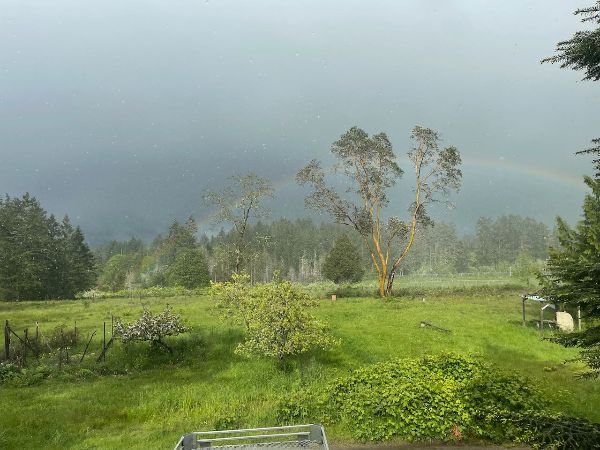
Scenic view of a lush green landscape with trees and a rainbow.

Phoenix Forest Gardens

  • Communities

About the Communities

  • Established
  • Ecological
  • Rural

Founding year

  • 2013

What we do

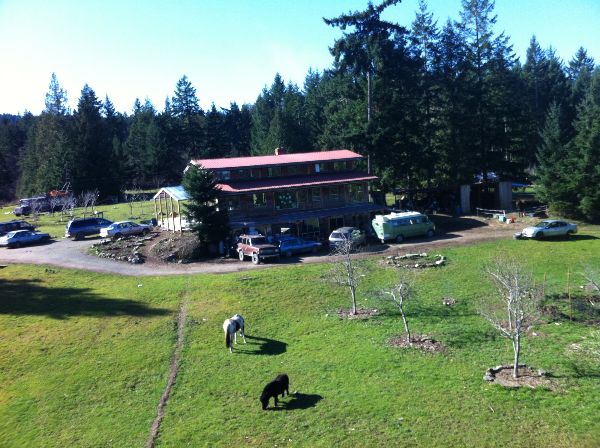
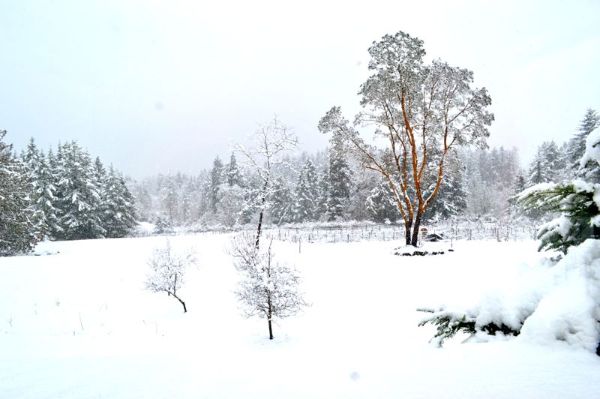
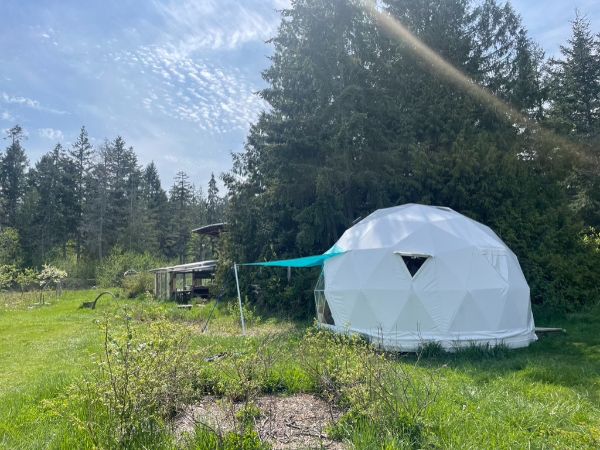
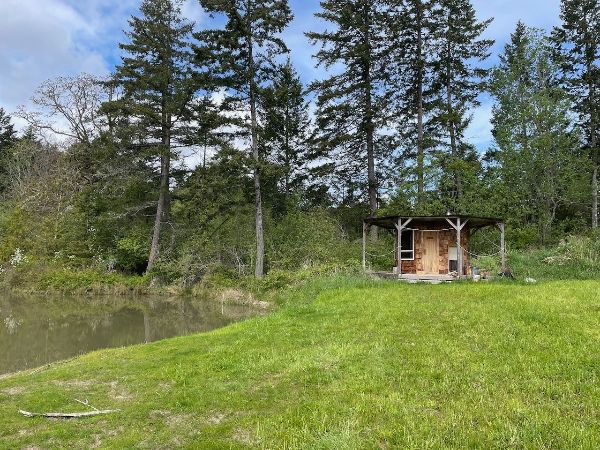
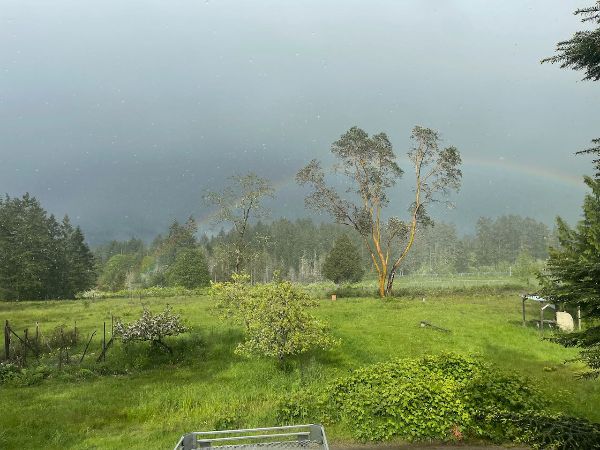
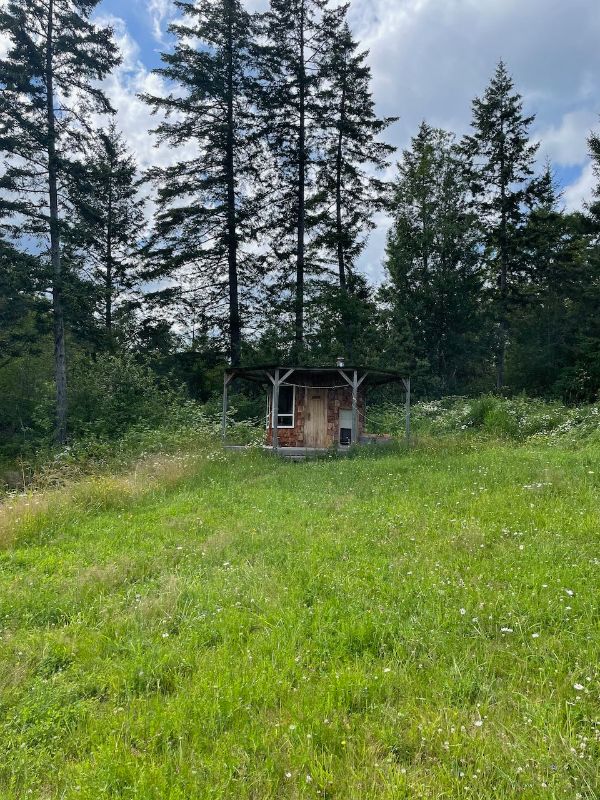
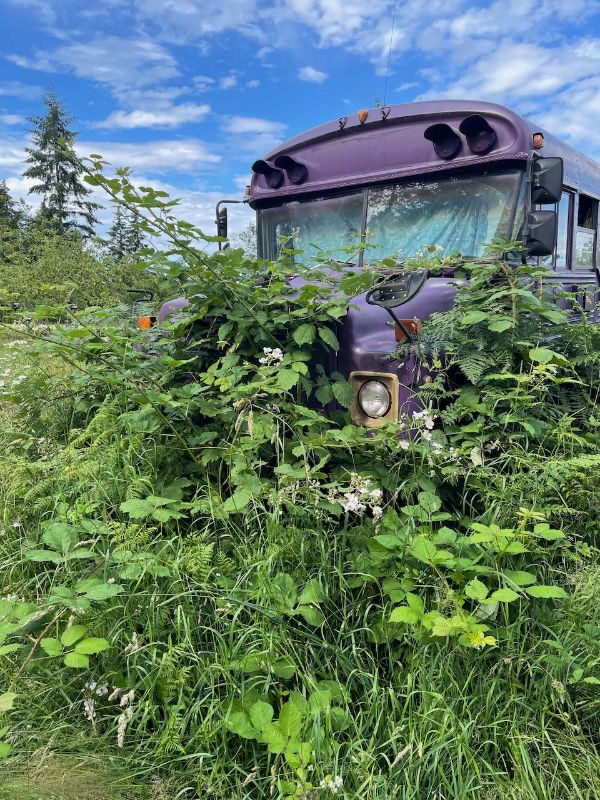
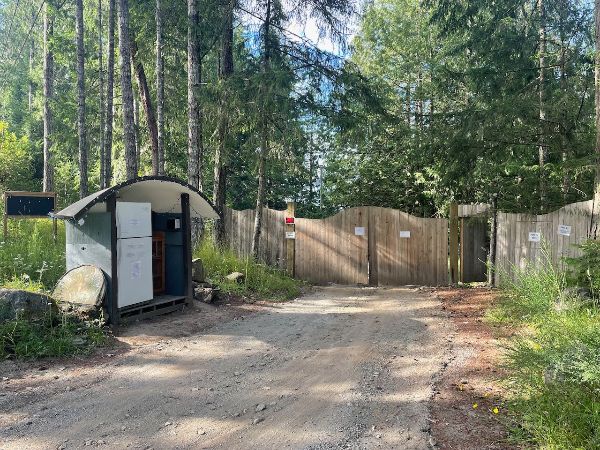
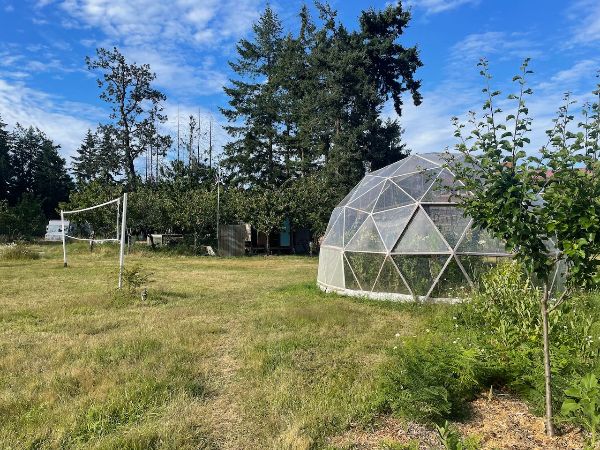
Our community is based on a gorgeous 18 acre property on Salt Spring Island, BC.
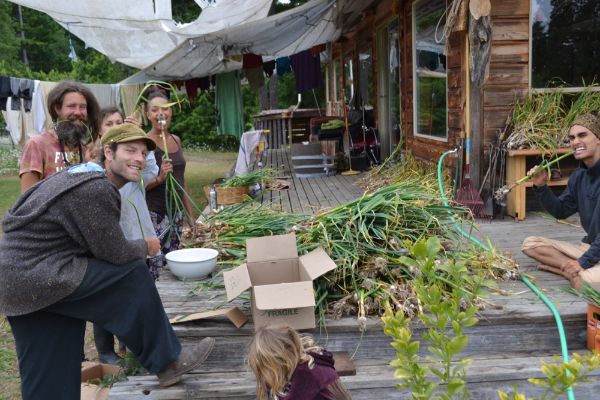
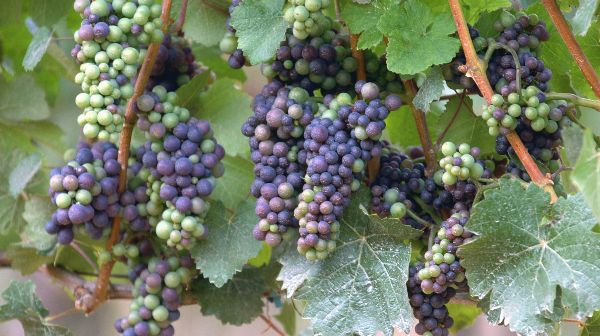
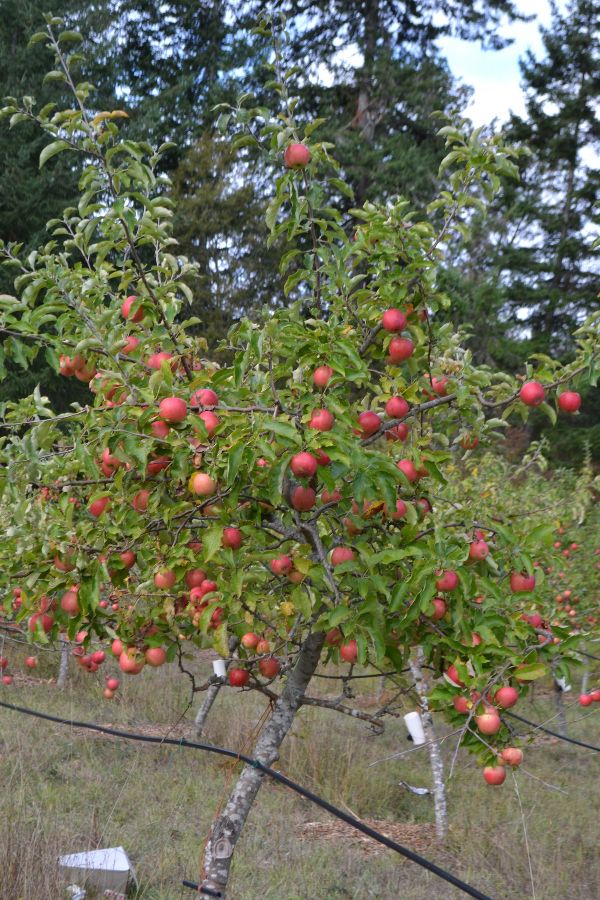
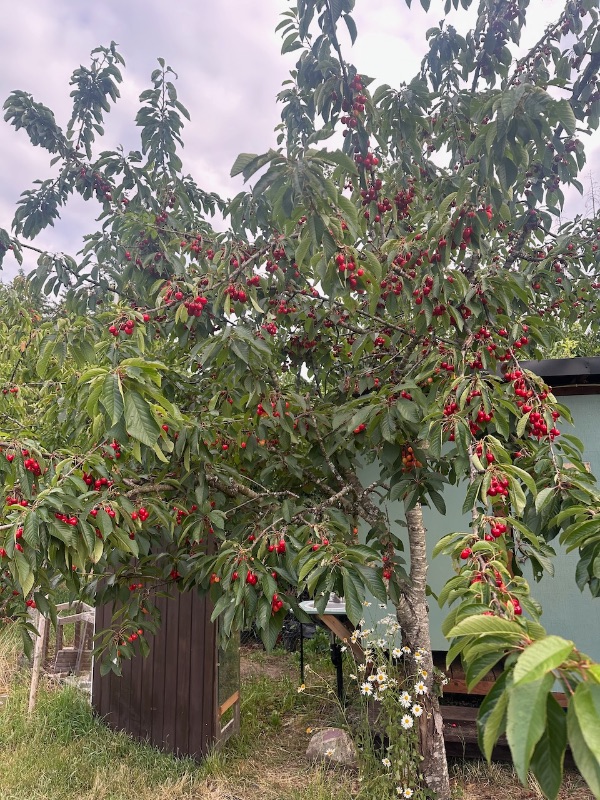
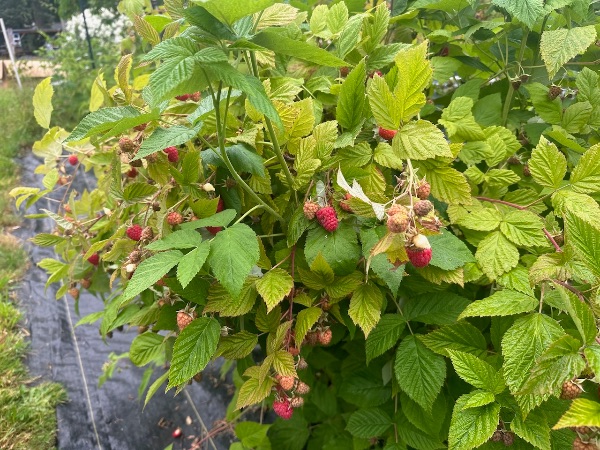
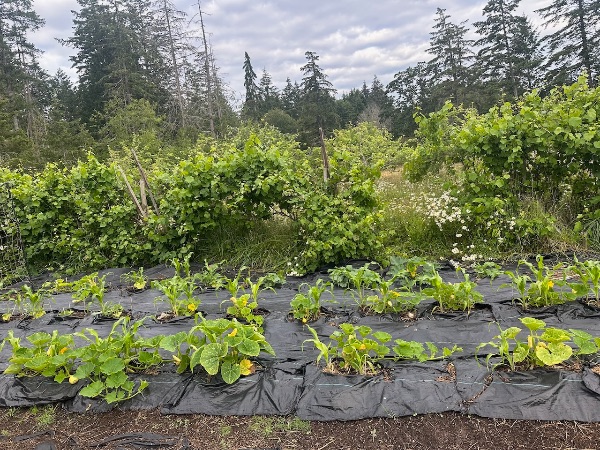
Rolling fields, multiple established orchards, berry patches and gardens are interspersed with private corners for residences and groves of trees.
There are currently 8-10 adults and a teenager living on our part of the land (The other land partner has multiple tenants on her side and is not part of this project per se).
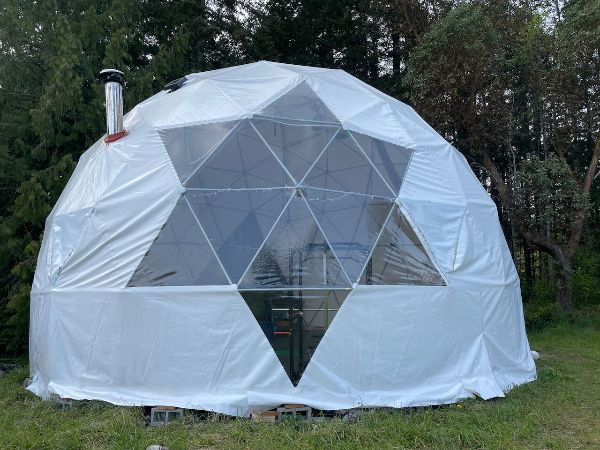
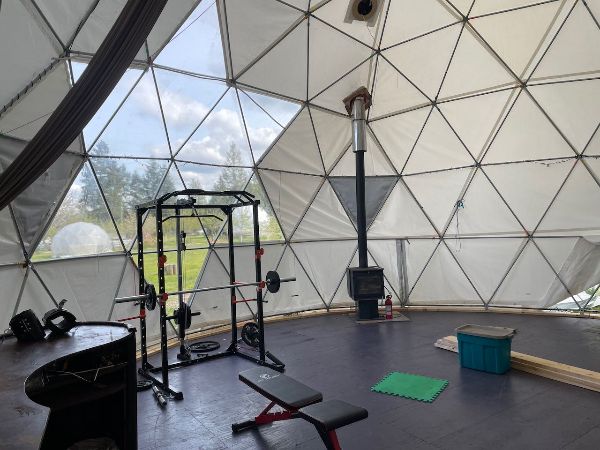
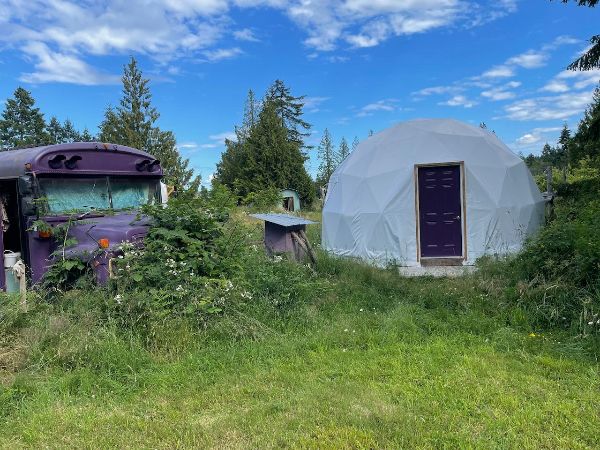
We also accommodate work traders throughout the growing season and have a large dome as a communal structure for workshops, events, ceremonies etc.
There is no religious affiliation of the project.

Our Mission

Vision Statement :
Creating paradise together on our little piece of Earth
Who we are:
A small group of individuals stewarding a beautiful piece of land on Salt Spring Island, BC
Goals:
Regenerating the land
growing a food forest garden with a wide diversity of edible, medicine, and other helpful perennial plants for the long term and future generations
Annual gardens to feed our community and beyond
Striving towards a localized food system and food security
Beautiful, healthy micro-Housing with some shared facilities
Creating a beautiful, uplifting place that others want to visit and be inspired by (agri-tourism, teachings…)
Values:
Caring for our planet
Sustainability
Collaboration and friendship
Clear communication
Respecting each other
Listening
Taking responsibility for ourselves and what we use
Abundance mindset (no scarcity/poverty mentality)
Can-do attitude
Fairness and equality
Play and fun

  • Purpose
  • Ecological
  • Community type
  • Ecovillage
  • Activities
  • Farming

Commemorative dates

  • January 1, 2013
  • Started planning
  • January 1, 2013
  • Started living together
  • 8 Total members
  • Open to new members
  • Open to visitors
Total
19

How to join

If you are interested, please read our Operating Agreement and Vision Statement.
The next step is to send an introductory letter to fr****@************si.com – letting us know who you are, what you can bring to the table and why you think you would be a good fit.
Then there will be a meeting with at least one farm member, which will be followed by a meeting with all current members if the first meeting is positive.
All members must contribute monthly fees to cover the operating costs of the farm, infrastructure, and agricultural lease.
Beyond that all members must take on certain areas of responsibility as well as be involved in the farm, garden, managing work traders, be available for weekly meetings and work parties, and reliably use Slack as our communication Channel as well as organizational documents.

Basic expectations or agreements for members

Please send a brief introduction and we will share more of our operating documents.
you can also fill out the membership questionnaire on our website.
If it resonates with you, please send a more detailed letter of intent outlining what you can bring to the community as well.
then we can schedule a visit or online meeting and go from there.
You are also welcome to join our Friday farm days, help out and get to know some members and the land.

Primary decision-making authority

  • All Community Members Together

The whole membership decides collectively.

Decision-making process

  • Majority Vote

More than 50% agreement needed.

Governance structure

  • Representative/Democratic

Members elect leaders who make decisions within defined roles.

Conflict resolution approach

The land is leased by the community from the owner, who is also a community member.
while the owner has the right to veto a decision that is against their vision, and certain lease conditions and agreements need to be fulfilled and cannot be changed, day to day operating decisions are made by the community with a more horizontal governance structure.

Economic model

  • Independent Finances

Members maintain separate personal finances with minimal sharing.

Economic scenarios for this community

  • Members need to pay fees, dues, or similar to live there on a per month or per year basis
  • There is a labor obligation
  • Members typically need to have their own job or other personal source of income to cover their expenses while living in the community?

Additional economic information

Regular fees: $700
Labor: Yes (8 hrs/week)
Members with pre-existing debt: allowed
Operating costs contributions may change based on number of members and needs, and be re-evaluated at year end.
They may also change if the community purchases the land.
Labor requirements change seasonally with the farming season and based on projects on the land, and are not fixed hours.

Shared resources and amenities that are accessible to everyone in the community

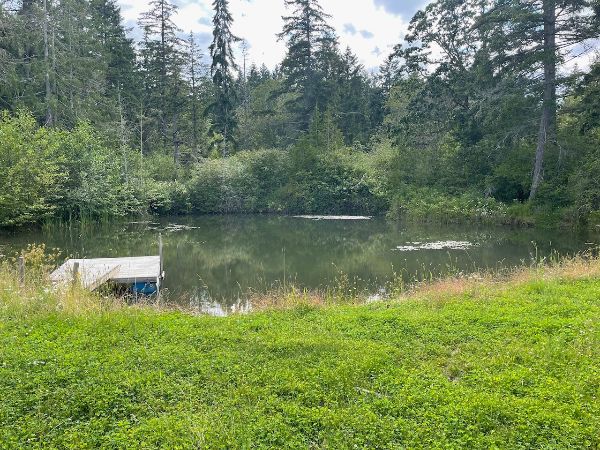
Garden(s), Greenhouse(s), Workshop, Outbuilding(s), Swimming pond or pool, Large Scale Kitchen, Tractor & Farm Equipment, Fire pit, Gym or sports area, Internet

Frequency of communal meals

  • About once a week

Significant food acquisition practices

  • Locally sourced

Community activities and engagement

  • WWOOF'ing, Guest Farming

Substance use culture

  • Substance use appears in public spaces but no pressure
  • Substance use occurs primarily at celebrations or ceremonies
  • Religions
  • Buddhist

Gender composition

  • Roughly balanced (no group over 60%)

Age demographics

  • Multi-generational (all ages well represented)

Property status

  • Privately owned

Property owner

  • By a single individual, couple, or Family Trust

Setting

  • Rural

Countryside locations with significant distance from urban centers.

Community type

  • Ecovillage

    Integrated communities designed around ecological principles with sustainable living practices.

Self-produced energy

  • Over 66%

Energy sources used

Self-produced food

  • Up to 33%

Local, organic, or fair trade food

  • 33 - 66%

Food systems

  • Community garden
  • Food forest
  • Greenhouse / aquaponics
  • Land area size
    9 acres

Guest Book

Written reviews are available for plus members. Click here to upgrade.

Location

  • BC, Canada

Phoenix Forest Gardens

Needs and Offers

Connecting people and communities through an intentional online marketplace

  • Events
10 hours ago

Coastal Regeneration Immersion: Permaculture Design Certification in Jalisco, Mexico

Tropical Dry Forest Permaculture Design & Regenerative Stewardship Certification (PDC)12-Day Intensive | 120 Hours | Costalegre, Jalisco, Mexico Join us for an immersive Permaculture Design Certificate course set in the tropical dry forest bioregion of coastal Jalisco. This 120-hour intensive blends internationally recognized PDC curriculum with hands-on regenerative practice — combining ecological design, agroforestry, natural building, and community stewardship into one integrated learning experience. Lead Faculty Jorge Luis Gtz. Olarte (Arborescencia RedGenerativa) – Regenerative Design, Soil Biology & Agroforestry Ozzy Lusth (Survior & Xochiraíz) – Wilderness Resilience & Survival Skills Dave Collins (Capacha Coastal Conservation Center) – Bioarchitecture & Ecological Development What You’ll LearnThe course moves through six progressive phases: Permaculture & Ecological Literacy – ethics, principles, and reading the tropical dry forest landscape Water & Soil Systems – keyline design, water harvesting, living soils, and compost systems Horticulture – food garden design, propagation, and biological pest control Regenerative Food Systems – tropical agroforestry, food forest design, and guild planting Ecological Infrastructure – bamboo bioarchitecture, bioclimatic farm design, compost toilets, greywater, and rocket stoves Integrated Design Studio – team-based final design projects covering watershed strategy, agroforestry, food forest layout, infrastructure, and phased implementation Daily RhythmMornings begin with optional surf/yoga and journaling, followed by field practicums and hands-on workshops. Afternoons include design studio and construction lab work, with reflection circles, communal dinners, and evening talks, films, or campfire discussions rounding out the day. Final ProjectParticipants work in teams to produce a full regenerative design package — landscape analysis, water plan, agroforestry design, food forest plan, ecological infrastructure, and bioclimatic farm plan — presented to a faculty review panel on the final day, followed by a closing ceremony, certificate delivery, and community feast. CertificationGraduates receive the Tropical Dry Forest Permaculture Design & Regenerative Stewardship Certification (120 contact hours), hosted by Capacha Coastal Conservation Center and Tierralegre, A.C. Curriculum integrates international PDC standards with tropical ecology, agroforestry, ecological restoration, bamboo bioarchitecture, bioclimatic design, GIS/photogrammetry, and regenerative leadership. Highlights Hands-on bamboo construction (temazcal, bathhouses, sculpture) Tropical dry forest silviculture practicum Community mapping and design project for Ekoa Green Community Talent show and sea turtle release
November 13, 2026 09:00 – November 25, 2026 16:00
Offer
  • Real Estate For Sale
3 days ago

Co-housing Unit For Sale in Portland Oregon

Light-filled 976 sq ft, 3-bedroom, 1-bath end unit in Columbia Ecovillage, Portland’sestablished cohousing community in the Cully neighborhood. With windows onthree sides, this ground-floor home gets natural light all day, even onPortland’s grey ones. The open living and dining area has warm hardwood floors and flows into akitchen with solid wood cabinets and granite counters. The dining roomwindows look straight into a native vine maple — a wall of green from springthrough fall. There’s good storagein the unit, plus an extra storage space in the community storage building.A ductless mini-split provides efficient heating and air conditioning, andthe plumbing was fully replaced in 2026. The primary bedroom has a full-width closet behind a sliding barn door; thesecond bedroom’s closet sits behind a pair of French doors. The thirdbedroom has no closet, which makes it a flexible room — guest room, office,or playroom. Step out the sliding glass door onto your own covered patio, which opens onto the community grounds: organic gardens, personal garden plots,greenhouses, a grape arbor, a bamboo grove, native plantings throughout, andtrees everywhere — including a truly massive old black walnut. The orchard alone is a reason to live here — to name a few:apples, pears, plums, figs, mulberries, chestnuts, walnuts, grapes,blueberries, raspberries, and blackberries, in several varieties each. A75,000-gallon rainwater catchment system keeps it all watered through thesummer. Kids have a playhouse, sandbox, small soccer field, a favorite climbingtree, and a parking loop where bikes can circle but cars can’t; adults havea workshop, garden shed, fire pit, quiet space and big community porches. The common hall is the heart of the village: a commercial kitchen anyresident can use, a kids’ play area, pool table and ping pong, and asoapstone stove that burns every winter evening. Residents can reserve it forevents for almost nothing. The historic farmhouse has guest rooms owners canbook for visiting family (about 30 nights a year). Shared laundry rooms(three washers and dryers) come with indoor drying racks and outdoorclotheslines, and there’s a craft room and a trade room where things you nolonger need find a new home next door. Potlucks, communitymeals, work parties, and acres of safe space for kids to roam makethis a rare chance to own a home and a neighborhood at the same time. Built in 1973 and fully remodeled in 2008–09 for energy efficiency and healthy indoor air — metal roof, HardiePlank siding, and standard community-built finishes throughout. Nothing to update, nothing deferred. The $522 monthly HOA coverswater, sewer, and garbage, plus the roof, siding, exterior paint, and allstructural maintenance — and it’s what pays for the grounds, the common hall,and everything else described above. And it’s close in: Cully’s cafés andparks are a short walk or bike ride away, the rest of Portland’s food,music, and neighborhoods are minutes beyond that, and the commute downtownor to the airport is easy by car, bus, or bike – 3.7-acre grounds with organic gardens, personal plots, greenhouses, native plantings, and mature trees (huge black walnut)- Orchard: apples, pears, plums, figs, mulberries, chestnuts, walnuts, grapes, blueberries, raspberries, blackberries- 75,000-gallon rainwater catchment feeds the gardens year-round- Workshop, garden shed, fire pit, quiet space, community porches  
  • Events
2 weeks ago

Harvest Moon Fellowship Fire Circle

Harvest Moon Fellowship Fire Circle WE Network Flagship Village – Clubb, MO Join us under the rising Harvest Moon for our monthly Fellowship Fire Circle as we align with Natural Law, celebrate our monthly birthdays, and hold space for community fellowship. When: Friday, September 25, 2026 (Gathering begins at dusk) Where: Flagship Village Grounds – Clubb, Missouri Who: Pioneers, trade-builders, families, and community supporters Astrological & Lunar Alignments The Harvest Moon in Aries: Sitting opposite the Sun in Virgo, this full moon illuminates Aries, bringing pioneer energy, bold action, initiative, and the drive to build. Virgo Birthdays: At this gathering, we celebrate all village members born under Virgo (harvesting skills, practical service, order, and detail). Natural Law & Elemental Alignment Earth & Water (Harvest & Storage): As the Autumnal Equinox turns the season, we honor the physical yields of our raw materials, soil stewardship, and long-term storage preparation. Fire & Air (Fellowship & Vision): We gather around the flames to heal the body, align with Natural Law, share upcoming trade shop plans, and build our parallel community ecosystem together. Seeking Foundational Elders We are actively recruiting our Four Elemental Elders (Earth, Air, Fire, Water) to help lead and anchor our flagship village. If you feel called to step into a leadership role for land stewardship, eco-upcycling, spiritual/body healing, or community systems, come connect with us at the fire. What to Bring: Camp chairs, blankets, and a spirit of fellowship. 👉 Details & Intake: Visit fffc.wtf
September 25, 2026 00:00 – September 27, 2026 23:59
Offer
  • Events
3 weeks ago

Restoring Choice - free online practice group, from Australia

Restoring Choice – free sessions and a practice group Many of us are less practised at three things than we realise: making clear requests, saying no when it isn’t a full yes, and hearing no without something getting damaged. These aren’t personality traits. They’re capacities that were trained out of many of us by ordinary structures – families where some needs were allowed and others weren’t, workplaces that reward overstretch. They can be trained back. Why this might interest people here Most communities teach communication after people arrive, once conflict has already surfaced. This works the other way round – building capacity first, and finding out what a group can do when most people already have it. What’s running Free 60-minute introduction, online. Same session each time; come to whichever suits. Register for intro session below: https://events.humanitix.com/reclaim-your-power-with-restoring-choice Four-week practice group, Tuesdays from 15 September, 6:30-8:00pm. One session a week, and at least one short written entry a day about a real situation in your own life. The writing is the actual work; the sessions support it. Sign up by Sunday 13 September. Register for practice group below: https://events.humanitix.com/restoring-choice-practice-group Everything is free. Times are Australian Eastern 6:30pm here is the early hours in most of the Americas. Worth checking before you register. Who it’s for No prior experience needed. It isn’t therapy, and I’m not a therapist. Many people find that looking honestly at how well they ask, decline, or hear a no is less flattering than expected. That’s common, and it isn’t a verdict on anyone. Run by Glenn Russo – 13 years practising this material, seven years co-facilitating an NVC practice group in Castlemaine. If you’re already living in community and would rather share what you’ve learned than join anything, I’d like to hear from you too.

Update to a Public Profile

  • Log in
  • Go to your profile page
  • Toggle on the "Add my profile to the directory"
  • Save your profile

Information

Communities

A residential project: people live here as their primary home.

Organizations

An institution, business, network, or project that isn’t a residence (e.g. a learning center, farm, or network with no one living there full-time).

Plus Community Membership

  • Find people with Profile Match
  • Access to your community listing statistics
  • Create Discussion Groups
  • Access to our affiliate program
  • Member badge on your community profile
I am an official member of this community
Disclaimer
I affirm that my information is accurate and I am authorized to manage this listing
Foundation for Intentional Community FIC Member badge logo.

Free Plan

Free Membership
Free

Intentional Advertising

  • Subtotal

    {{ currencyFormat( pricing_summary.total_amount ) }}

Icon representing community connections and collaboration for intentional communities.

Plus Membership

We’re introducing new Plus features — including community reviews, Profile Match, and unlimited Needs & Offers posts — while keeping most of FIC free for everyone. Membership costs less than two coffees a month. 

  • Find communities with Profile Match
  • View detailed reviews about communities
  • Create free listings in Needs & Offers
  • Plus Member resources in CommUniversity
  • View communities detailed reviews
  • Plus Member badge on your profile