Our reason for existing is to heal the mind of separation, which is the cause of the violence of our time. This intention applies both to ourselves, personally and collectively, and to the civilization in which we are embedded: it’s a form of activism.
To this end we learn how to live with each other, apprentice ourselves to earth, woods, and waters, learn from indigenous communities, and act in solidarity with environmental, justice, regenerative agriculture, and other groups that are life-sustaining. Joanna Macy’s three aspects of action apply here: protection or resistance (e.g. pipeline resistance), creating the new world (by living in a different way), and consciousness change.
As a residential community, we are in formation, and joining members will definitely influence how we live. There is a founder, Shodo Spring, who is a Zen teacher, permaculturist, and activist, and two other residents arrived more recently. There is a advisory council, and many people have passed through as visitors, volunteers, interns, retreatants, and supporters. We are looking for co-creators, peers, ready to invest their dreams and their lives here. Of course that process begins with conversations and visits.
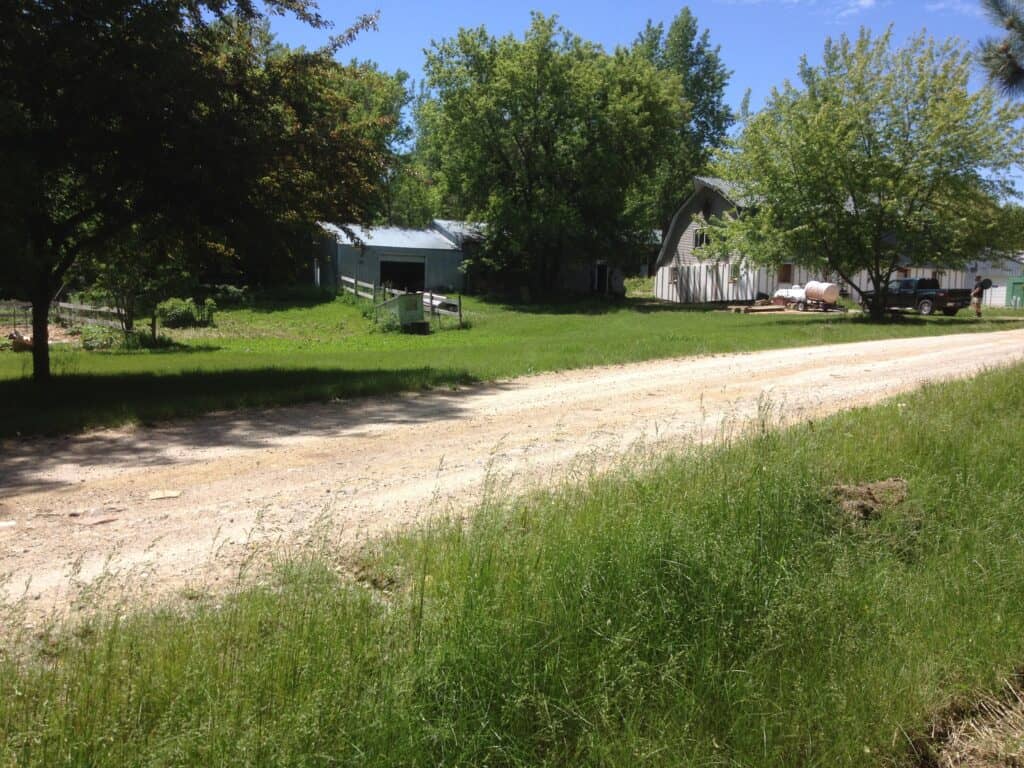
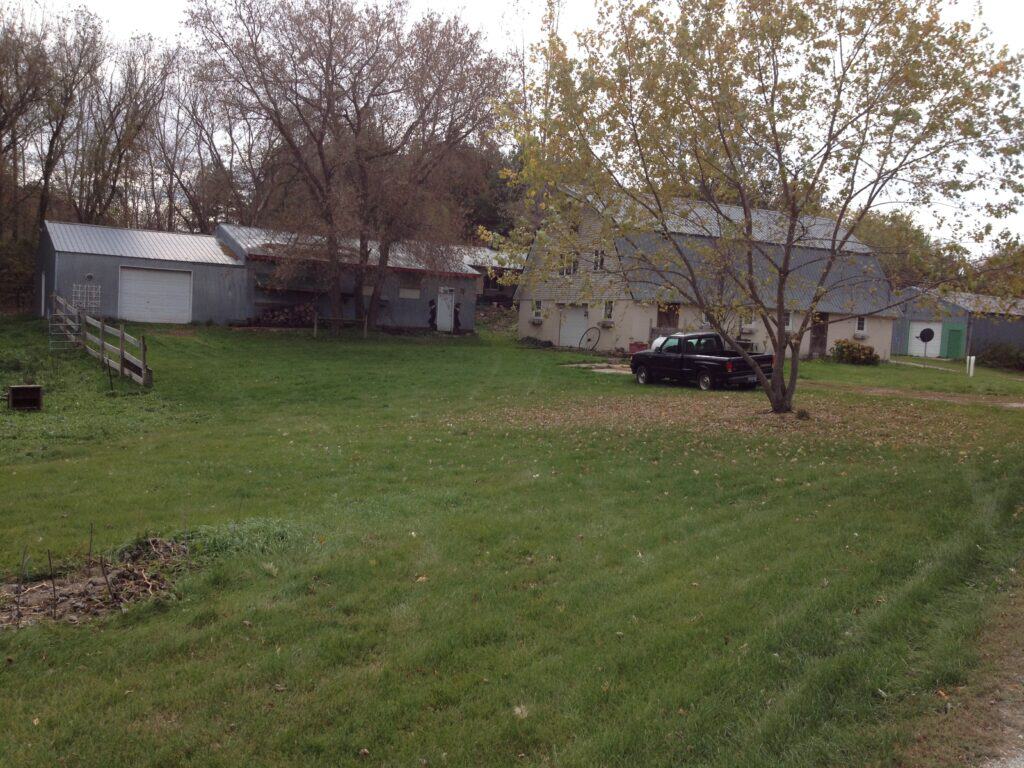
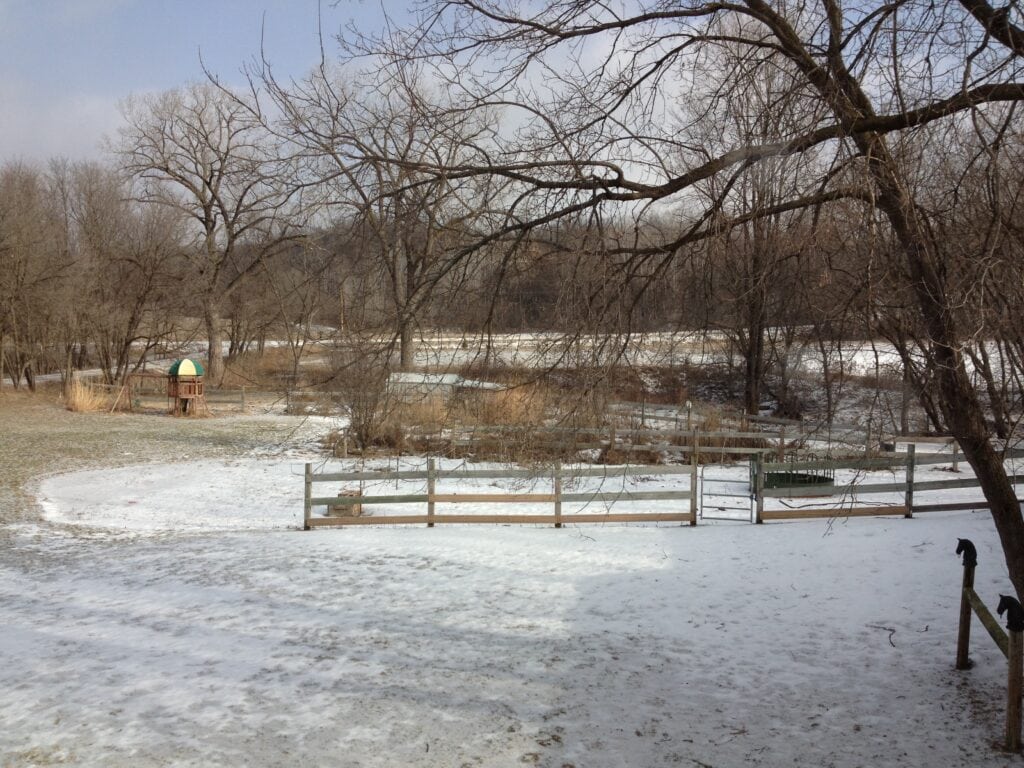
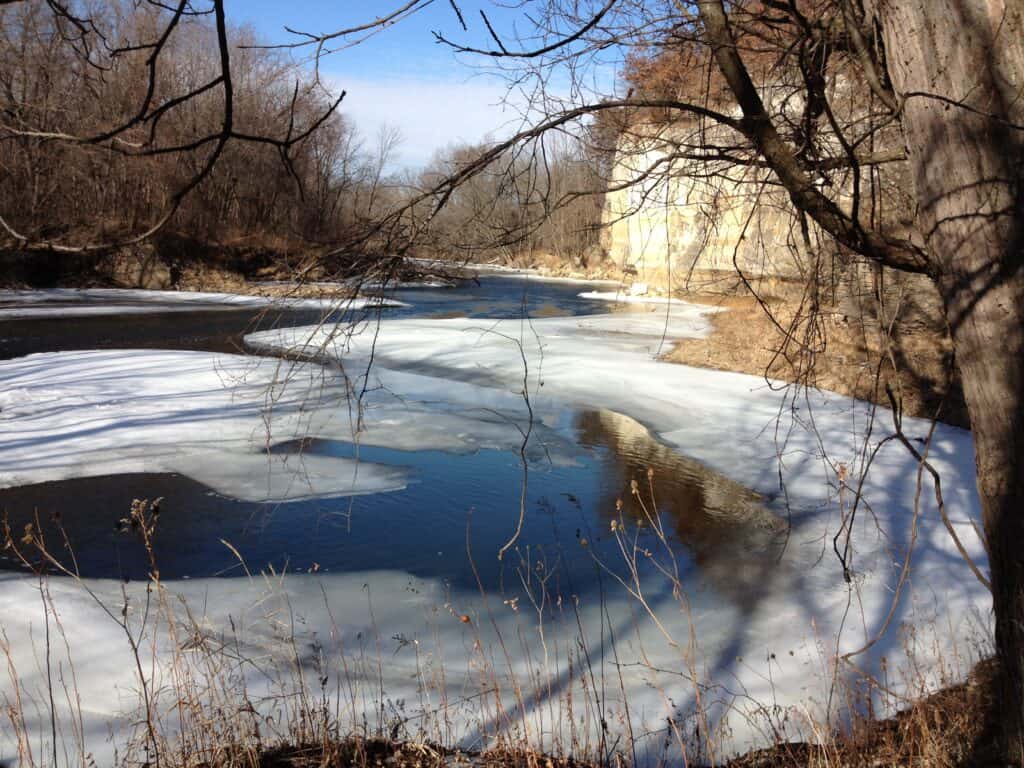
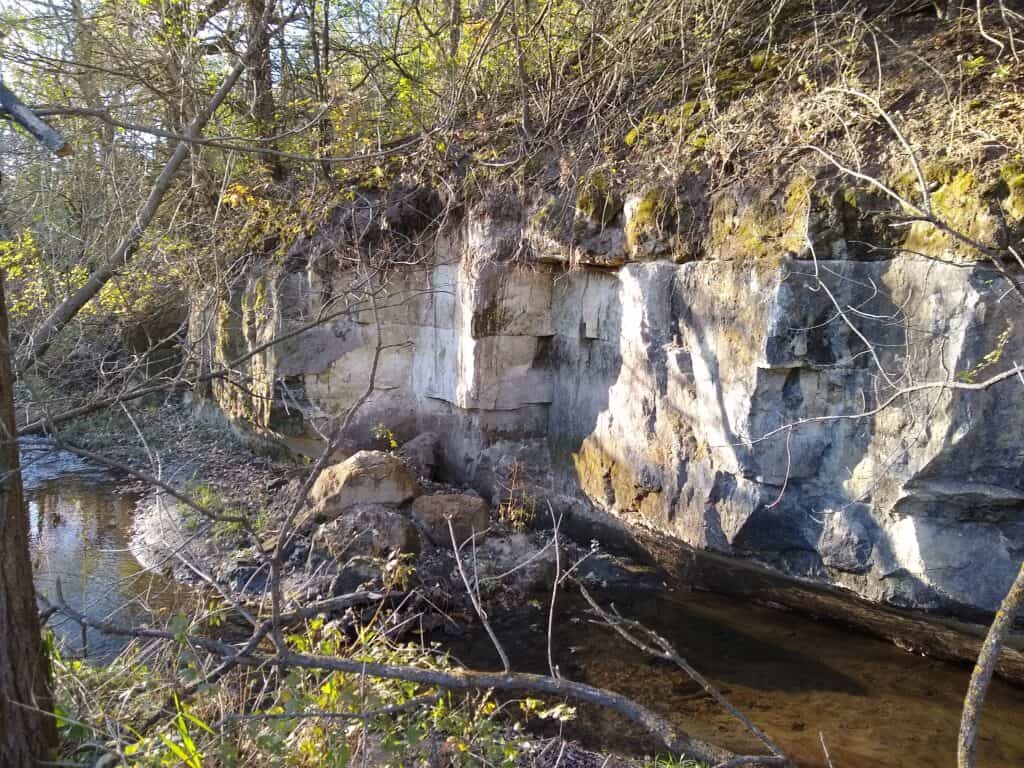
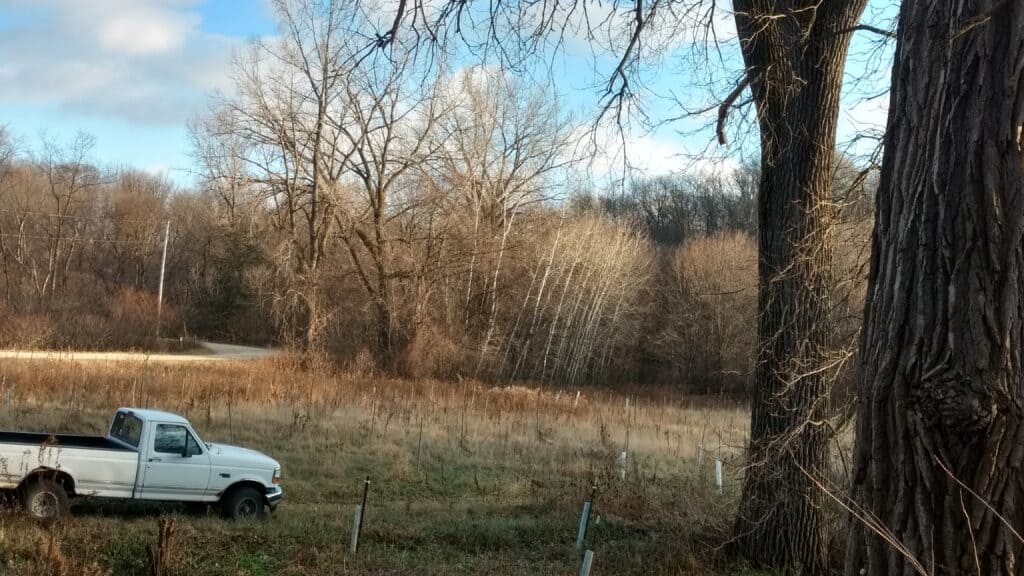
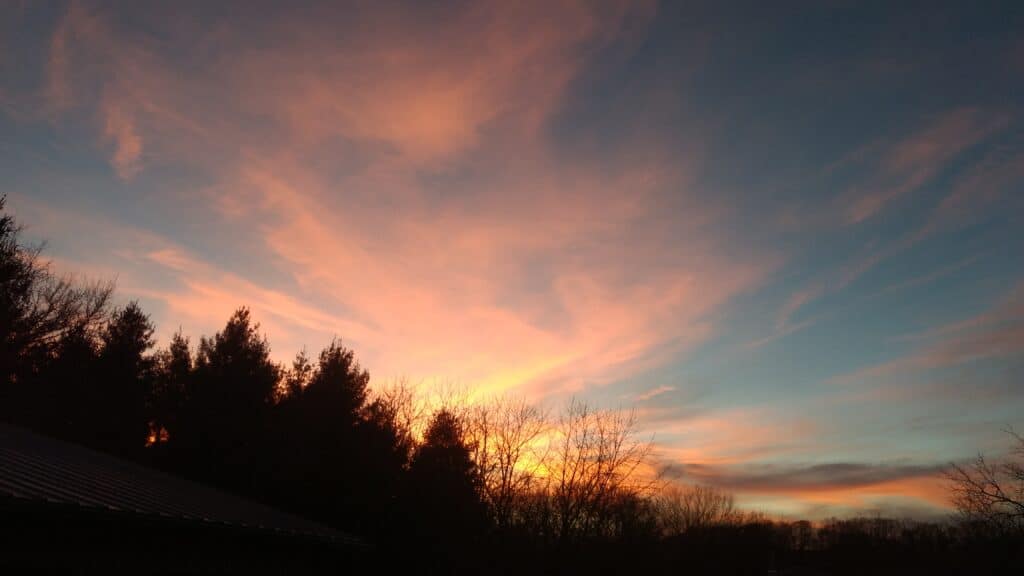
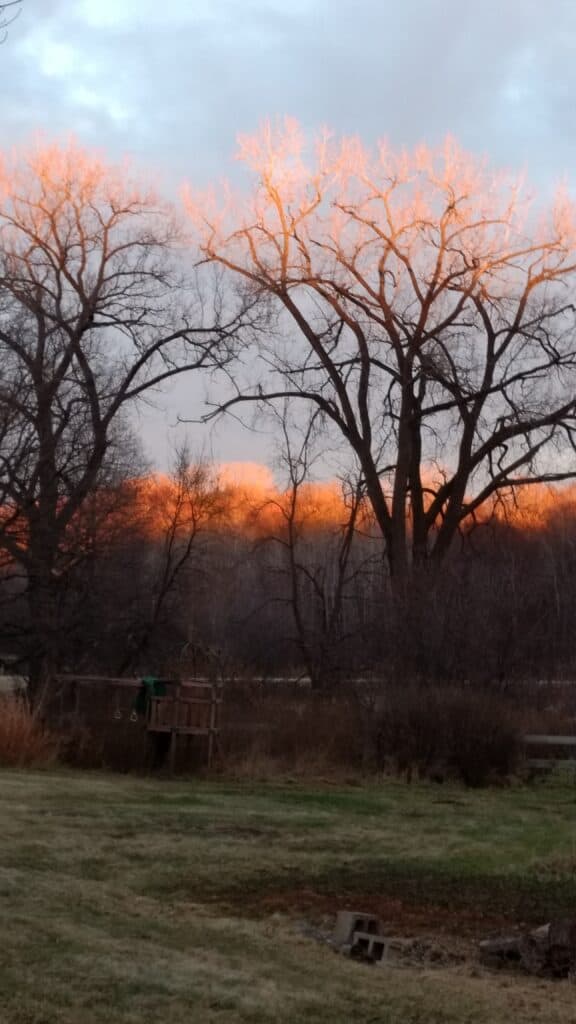
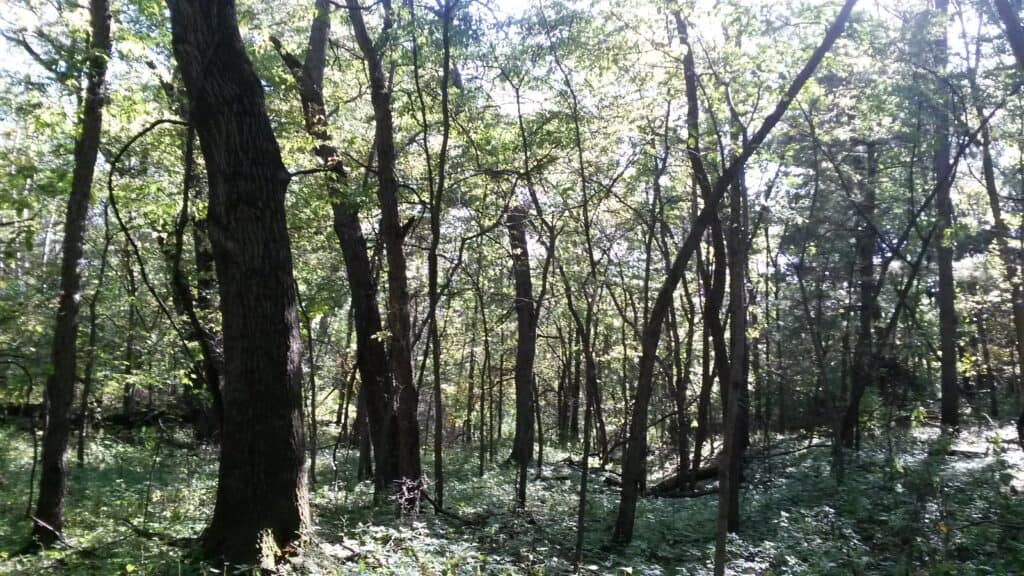
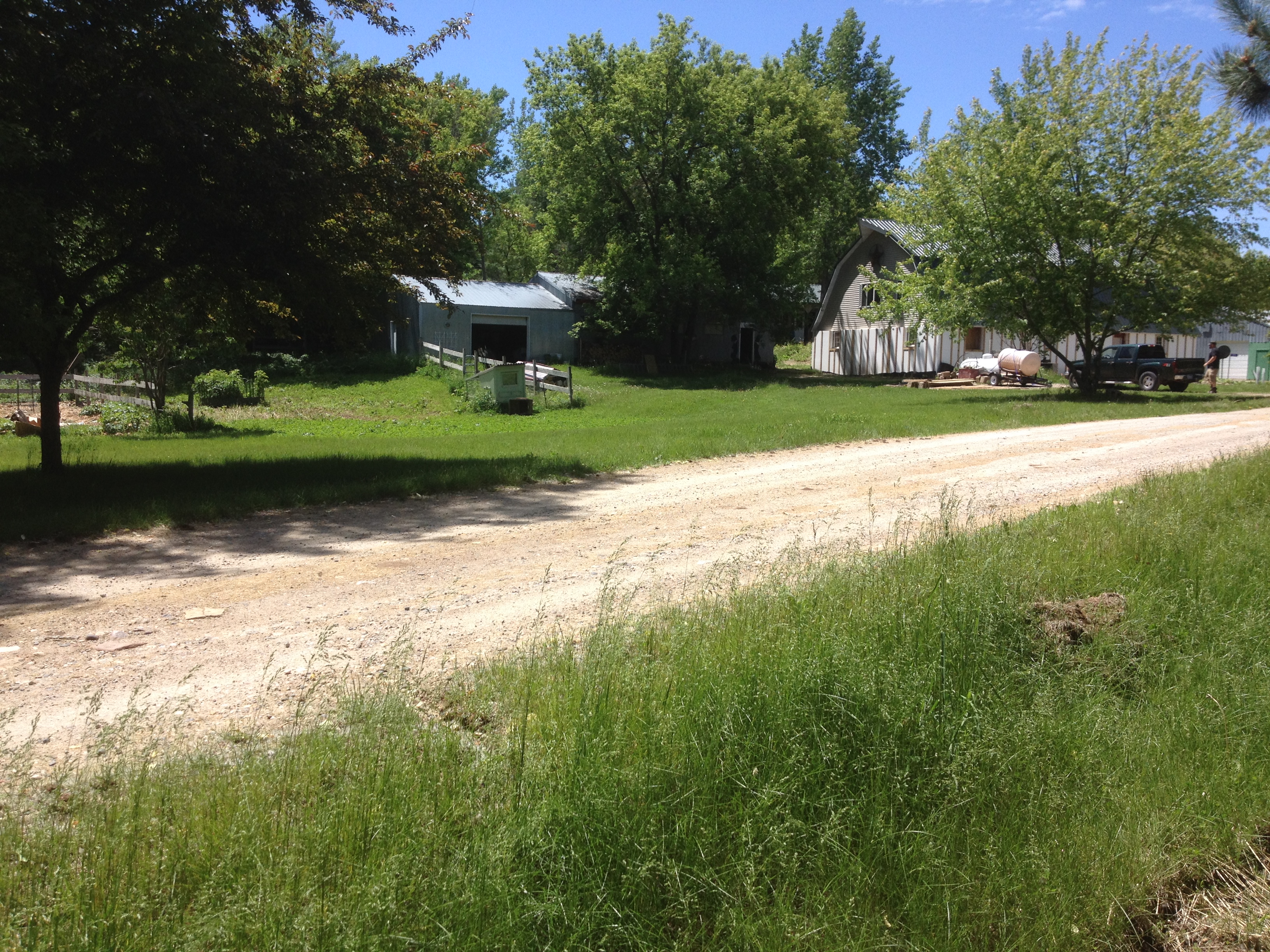
The land is 17 rolling acres with creeks and bluffs, next to the Cannon River in Rice County, MN. It is in restricted zoning, “Wild and Scenic”, which limits us but protects us from development. We can have 6 people living here; if the neighbors moved out we could have another 6; if society collapses we could have any number but there will be other problems then. Currently we have space for 4, and with construction will have space for 6.
At this moment in time (spring 2023) we are in transition to more work with the land, implementing old dreams. We’re accepting short-term full-time workers as well as looking for long-term residents.
Living here is about sacred intention and giving. It also includes joy, community, laughter, and love. Look at our website to learn more about what this means in ideals; talk with us to find out whether this might be your place. It’s a plus for us if you have more than one of these interests: permaculture and foraging, sustainable living, meditation and/or spiritual practice, environmental/political awareness. It’s essential to be willing to engage with the community, participate in house meetings, contribute some work and some rent, and be willing to support each other’s health needs.
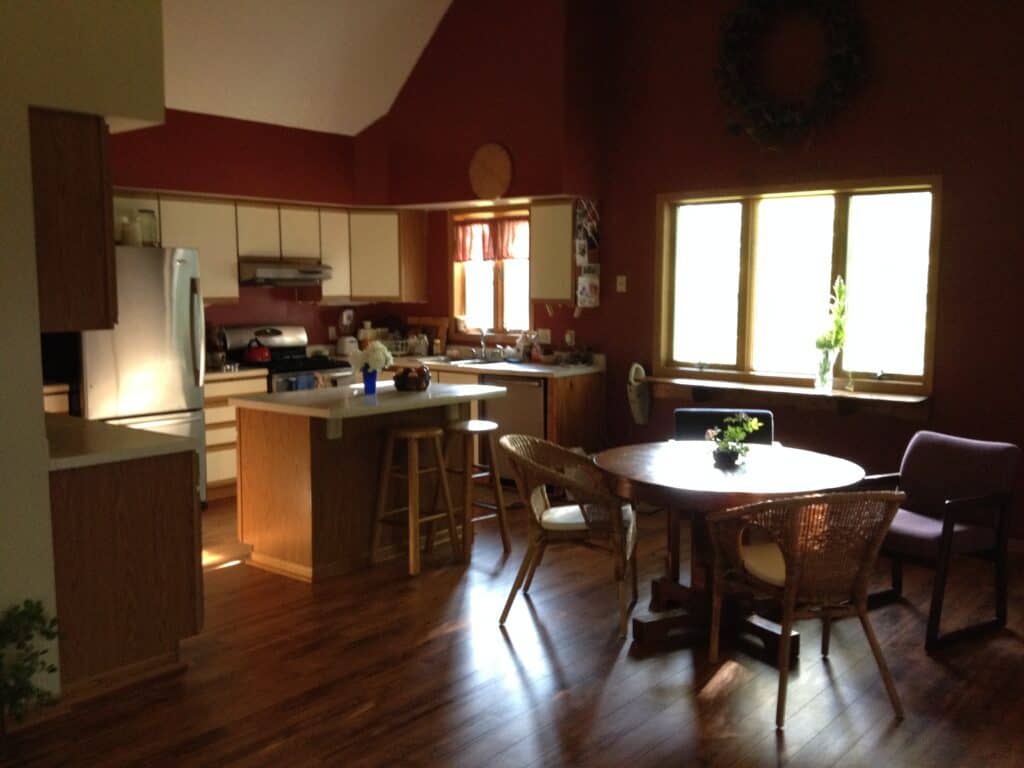
The term “ecovillage” is often thought to mean several households sharing an environmental ethic and work. We do not have multiple households; due to zoning we have one shared residence.
We live together in harmony, nurturing the earth, growing food, becoming a spiritual resource for the region. We ally with forces of nature to protect and restore the wholeness of life, healing the mind of separation.
Discussion beforehand, by email and phone. Visit briefly. Visit for a 2-week trial period, then go home. Move in for a several-month trial period, and stay if everything still feels good. Discuss co-ownership at that point – we would like it to be possible.
Things to discuss include money, eating expectations, matching level of cleanliness, refraining from smoke and fragrances, lifestyle (we do not have trash pickup, for instance), spiritual compatibility, integrity.
Contact Shodo for information. Ways of visiting include coming for a retreat (meditation or land care, usually), or just arranging for a visit. We have two online groups during the pandemic, another way to get acquainted. People usually offer work or money when they visit informally. Work volunteering is very popular with us. We’re starting to have monthly potlucks again, carefully during the pandemic.
Be sure to look at the website, www.MountainsandWatersAlliance.org, which has a great deal more information.
One person or partnership has ultimate authority.
Everyone must agree before moving forward.
Power and responsibility are shared relatively equally among members.
We don’t have a system yet, but probably Sociocracy, possibly consensus. Decision-makers will be those who have a commitment here, though. And we WILL have a core leadership group.
Members maintain separate personal finances with minimal sharing.
Regular fees: Yes
Labor: Yes
All these are unknown. But we don’t have unlimited wealth, so everyone will need to pitch in somehow. A good farmer could make a living from the land, the rest of us need to find an income source. And of course there’s work to do, it must be shared. This is not a hotel. Currently it’s 1 hour per week housekeeping, and everybody’s doing their own food and dishes except for meals together a few times a week. Ideally we would all be doing garden and farming work, maintenance on buildings, and sharing cooking to a large extent.
Common House, Garden(s), Library, Workshop, Outbuilding(s), Fire pit, Swingsets & play areas, Internet
Countryside locations with significant distance from urban centers.
Shared living spaces with private bedrooms/bathrooms and communal
kitchens, dining, and social areas.
Integrated communities designed around ecological principles with sustainable living practices.
Residential communities focused on providing space for meditation, spiritual practice, and personal growth retreats.
Connecting people and communities through an intentional online marketplace
There are no needs and offers
We use cookies to improve your experience on our site. By using our site, you consent to cookies.
Manage your cookie preferences below:
Essential cookies enable basic functions and are necessary for the proper function of the website.
These cookies are needed for adding comments on this website.
Statistics cookies collect information anonymously. This information helps us understand how visitors use our website.
Service URL: policies.google.com (opens in a new window)
A residential project: people live here as their primary home.
An institution, business, network, or project that isn’t a residence (e.g. a learning center, farm, or network with no one living there full-time).

{{ item.label }}
{{ item.value ? item.value : currencyFormat( item.amount ) }}
Subtotal
{{ currencyFormat( pricing_summary.total_amount ) }}
There are no results matching your search