
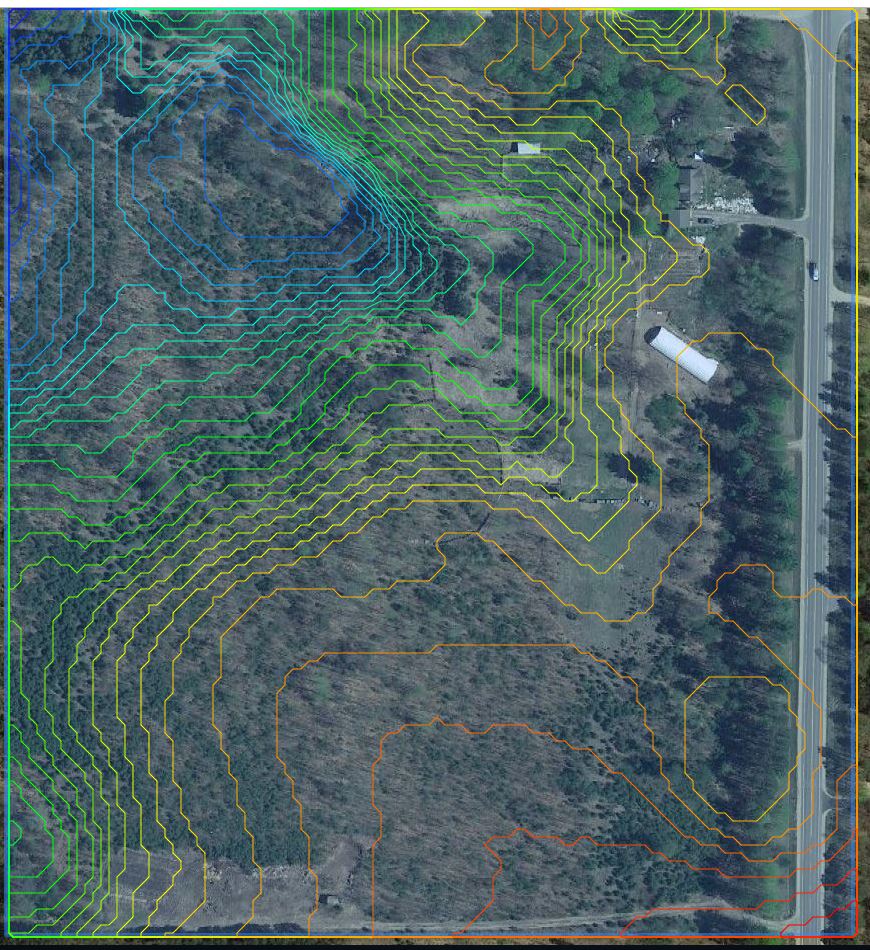
Morganic Permaculture FarmUnity (MPFU) is a working farm that sells pastured non-gmo eggs, pastured meats and organic vegetables to a local co-op and via regional farmers markets–as well as at the farm. The community is modeled somewhat after D-Acres Permaculture Community Farm in New Hampshire and Essex Farm in upstate New York. MPFU has this as a starting point: 30 acres, an already established and growing low-tech ethical farm enterprise, a desire for like-minded farming individuals to inhabit at least the single house on the property–a 3000-sq ft five-bedroom Cape Cod home with shared kitchen, bathroom and common areas, and a desire to provide the livelihood and sustenance of the members via farming and related industries. Members are expected to be farmers and enjoy farming. :)
To provide FT employment (likely starting out as work exchange for housing and food) and year round sustenance to its members are to serve the regional foodshed with product, services and education.
Contact me via email. Plan a visit. Conduct one or more interviews. Contemplate whether or not this is appropriate for the individual(s) and/or the community. Make a decision–and live with it. :) Though still evolving there shall likely be some kind of introductory period built into the initial 3 to 9 months of their residence.
They should call or email and state their interest, reasons and preferred dates–as well as “what they would like to get out of the visit” so that it can be as relevant and informative as possible.
One person or partnership has ultimate authority.
A single person, couple, or small group makes most major decisions.
Primary authority rests with the community’s founder(s) or designated leader(s).
These selections are based on “where I am at right now.” I am a single owner of a 3000 sq ft home. What I would like to develop over the near future is a potential transition of the individual ownership of the land to an educational NPO and the house be either owned by the NPO or somehow moved to a shared ownership or shared governing model (likely Consensus). This is being and will continue to be researched and deliberated upon.
All member income goes into common pool for community use.
Labor: Yes (40 hrs/week)
The current idea (though evolving for sure) is that the house and its expenses symbolically move under the farm and so the work and profit of the farm would pay for the house and related expenses, pay employees/members (profit permitting) and have some left over to save and some to reinvest in the farm.
Common House, Garden(s), Greenhouse(s), Vehicle Share, Library, Workshop, Outbuilding(s), Large Scale Kitchen, Tractor & Farm Equipment, Fire pit, Gym or sports area, Internet
Countryside locations with significant distance from urban centers.
Shared living spaces with private bedrooms/bathrooms and communal
kitchens, dining, and social areas.
Communal living with shared resources, property, and often income or work responsibilities
Geographically close groups of independently-owned homes whose residents actively cultivate community relationships and shared values.
Connecting people and communities through an intentional online marketplace
There are no needs and offers
We use cookies to improve your experience on our site. By using our site, you consent to cookies.
Manage your cookie preferences below:
Essential cookies enable basic functions and are necessary for the proper function of the website.
These cookies are needed for adding comments on this website.
Statistics cookies collect information anonymously. This information helps us understand how visitors use our website.
Service URL: policies.google.com (opens in a new window)
A residential project: people live here as their primary home.
An institution, business, network, or project that isn’t a residence (e.g. a learning center, farm, or network with no one living there full-time).

{{ item.label }}
{{ item.value ? item.value : currencyFormat( item.amount ) }}
Subtotal
{{ currencyFormat( pricing_summary.total_amount ) }}
There are no results matching your search