
Lost Lake Cohousing logo with trees and moon for intentional community.

Lost Lake Cohousing

  • Communities

About the Communities

  • Forming
  • Home-sharing
  • Urban

Founding year

  • 2022

What we do

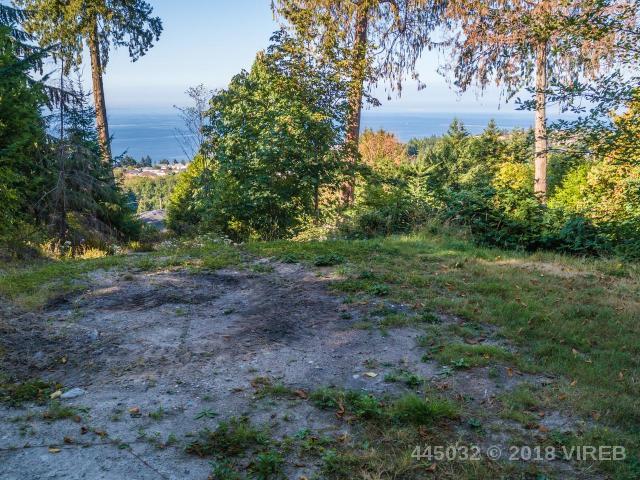
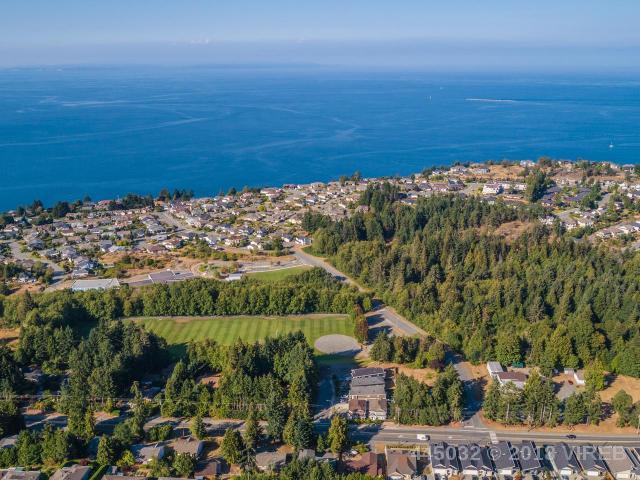
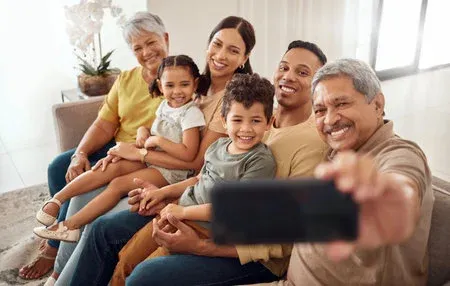
Lost Lake Cohousing is a newly forming cohousing community at 5180 Universal Place, Nanaimo on Vancouver Island, British Columbia. Its a multi-generational community, welcoming members of all ages, and intentionally designed to promote interaction among neighbours. We are especially interested in welcoming young families to our community. We believe that both children and adults thrive and benefit when all ages live in community.
Members will be influential in shaping the culture of our community and experience the excitement of seeing the community being built. Our common denominator is that we all share a desire to live in a neighbourhood that fosters an active and supportive community lifestyle. We plan to share and enjoy many meals together in our common house.
Lost Lake Cohousing attracts amazing people, active in the community and genuinely caring about each other. In times of need, illness, and loss, we are there to support each other. The children establish strong bonds along with all the adults. We will enjoy group hikes to nearby Lost Lake, bike rides, outdoor potlucks, and happy hours will provide an opportunity for making music, singing, laughing and storytelling. The kids love to play in our forests and climb trees.
We are strengthened in our life together by visions and values for living in community. Expressing our visions and values guides us in the decisions we make and the time we spend together. Sustainability and reduced use of fossil fuels are priorities. We strive to live lightly on the land, sharing electric vehicles and e-bikes.
We envision building 25-30 owned residential units, 2 guest suites, covered parking, community gardens, a forest playground and a large common house with a living room, kitchen, dining room, and a large outdoor deck with expansive ocean views that take in islands like Texada, and coastal mountains beyond.
Nanaimo is a city that is small enough to be easy to get around in, yet large enough to have a theatre, symphony, university and Vancouver is only a ferry ride away making day trips a handy way to access cultural activities not available in Nanaimo.
City services and amenities are within walking and biking distance of our property. Lost Lake Park offers forest adventures, winter sports and summer recreation opportunities. Piper’s Pub is two minutes away, and six minutes from yoga studios, coffee shops, shopping malls and Costco. Frank J Ney Elementary School is a 20 minute walk, 20 minutes to Ecole Hammond Bay french immersion school and Dover Bay High School by bus.
Nanaimo’s North end is one of the newest neighbourhoods, full of newer developments and central to several amenities such as schools, shopping centers, restaurants and grocery stores that continue to draw home buyers out this way.
As the economic hub of central Vancouver Island, Nanaimo boasts both a vibrant business community and an exceptional quality of life. Nanaimo is the fastest growing community on Vancouver Island. The city is a regional centre for health services including the Nanaimo Regional General Hospital, as well as technology, retail, construction, manufacturing, education and government services. Nanaimo is a central transportation and distribution hub for Vancouver Island. Air Canada and WestJet offer direct flights to Vancouver, Calgary and Toronto from the Nanaimo Airport, an all-weather facility. Seaplanes and Helijet link downtown Nanaimo to downtown Vancouver in 20 minutes. BC Ferries provides vehicle and passenger service between Nanaimo and Vancouver as well as Richmond from two terminals located in Nanaimo. Vancouver Island University offers various disciplines. The waterfront along Nanaimo is a beautiful walk and there are lots of great restaurants, coffee shops, and clothing stores.

Our Mission

Lost Lake Cohousing is an active multigenerational community that shares meals together, uses sociocracy consensus decision making, cares for each other and has fun.

  • Purpose
  • Home-sharing
  • Community type
  • Cohousing

Commemorative dates

  • January 1, 2022
  • Started planning
  • January 1, 2025
  • Started living together

Gallery

  • 30 Total members
  • Open to new members
  • Open to visitors
Total
45

How to join

Getting involved with this project will eventually lead to home ownership in a cohousing community. The process for joining is to:
Ask us questions, by email and Facebook Messenger along the way.
Learn about the project by reading this web site and coming to a site tour.
Get curious about cohousing by reading cohousing.ca and check out other communities by getting a tour or reading their website.
Meet some of the members in this project by reading their bios, chatting with folks at a site tour, or another social event. (You can send us your bio and that way other folks can meet you).
These will lead you will develop a sense of whether this is something you wish to explore further.
Once you are feeling ready, the next step is to sign up for a design workshop. Paying the fee for the workshop entitles you to participate in design as a community member, and the order in which people pay for their first workshop is also the order in which they select units as a little extra bonus.

Basic expectations or agreements for members

Contact us at fr*****@***************ng.ca

Primary decision-making authority

  • Small Leadership Group

A few people (not elected by the broader community) make the major decisions.

Decision-making process

  • Consent-Based (Sociocracy)

Decisions proceed unless someone has a reasoned objection.

Governance structure

  • Sociocratic/Circle-Based

Organized in circles or domains with distributed authority.

Economic model

  • Independent Finances

Members maintain separate personal finances with minimal sharing.

Economic scenarios for this community

  • Members need to pay fees, dues, or similar to live there on a per month or per year basis
  • There is a labor obligation
  • Members typically need to have their own job or other personal source of income to cover their expenses while living in the community?

Additional economic information

Regular fees: Yes
Labor: Yes
Members with pre-existing debt: allowed

Shared resources and amenities that are accessible to everyone in the community

Common House, Garden(s), Vehicle Share, Library, Workshop, Outbuilding(s), Large Scale Kitchen, Stage or Auditorium, Fire pit, Swingsets & play areas, Gym or sports area, Internet

Frequency of communal meals

  • 2-5 times per week

Dietary restriction

  • People can cook and eat what they want in their own residence

Substance use culture

  • Substance use appears in public spaces but no pressure
  • Substance use is prohibited in the community

Gender composition

  • Roughly balanced (no group over 60%)

Age demographics

  • Family-focused (many children and parents)

Property status

  • Privately owned

Property owner

  • By a Land Trust, Home Owners Association, or corporation

Setting

  • Urban

Within city limits with access to urban amenities and infrastructure.

Self-produced energy

  • Up to 33%

Food systems

  • Community garden
  • Land area size
    3 acres

Guest Book

Written reviews are available for plus members. Click here to upgrade.

Location

  • British Columbia, Canada

Lost Lake Cohousing

Needs and Offers

Connecting people and communities through an intentional online marketplace

  • Promoted
  • Events
7 days ago

Coastal Regeneration Immersion: Permaculture Design Certification in Jalisco, Mexico

Tropical Dry Forest Permaculture Design & Regenerative Stewardship Certification (PDC)12-Day Intensive | 120 Hours | Costalegre, Jalisco, Mexico APPLY AT XOCHIRAIZ.COM Join us for an immersive Permaculture Design Certificate course set in the tropical dry forest bioregion of coastal Jalisco. This 120-hour intensive blends internationally recognized PDC curriculum with hands-on regenerative practice — combining ecological design, agroforestry, natural building, and community stewardship into one integrated learning experience. Lead Faculty Jorge Luis Gtz. Olarte (Arborescencia RedGenerativa) – Regenerative Design, Soil Biology & Agroforestry Ozzy Lusth (Survior & Xochiraíz) – Wilderness Resilience & Survival Skills Dave Collins (Capacha Coastal Conservation Center) – Bioarchitecture & Ecological Development What You’ll LearnThe course moves through six progressive phases: Permaculture & Ecological Literacy – ethics, principles, and reading the tropical dry forest landscape Water & Soil Systems – keyline design, water harvesting, living soils, and compost systems Horticulture – food garden design, propagation, and biological pest control Regenerative Food Systems – tropical agroforestry, food forest design, and guild planting Ecological Infrastructure – bamboo bioarchitecture, bioclimatic farm design, compost toilets, greywater, and rocket stoves Integrated Design Studio – team-based final design projects covering watershed strategy, agroforestry, food forest layout, infrastructure, and phased implementation Daily RhythmMornings begin with optional surf/yoga and journaling, followed by field practicums and hands-on workshops. Afternoons include design studio and construction lab work, with reflection circles, communal dinners, and evening talks, films, or campfire discussions rounding out the day. Final ProjectParticipants work in teams to produce a full regenerative design package — landscape analysis, water plan, agroforestry design, food forest plan, ecological infrastructure, and bioclimatic farm plan — presented to a faculty review panel on the final day, followed by a closing ceremony, certificate delivery, and community feast. CertificationGraduates receive the Tropical Dry Forest Permaculture Design & Regenerative Stewardship Certification (120 contact hours), hosted by Capacha Coastal Conservation Center and Tierralegre, A.C. Curriculum integrates international PDC standards with tropical ecology, agroforestry, ecological restoration, bamboo bioarchitecture, bioclimatic design, GIS/photogrammetry, and regenerative leadership. Highlights Hands-on bamboo construction (temazcal, bathhouses, sculpture) Tropical dry forest silviculture practicum Community mapping and design project for Ekoa Green Community Talent show and sea turtle release
January 10 – January 24
  • Promoted
Offer
  • Promoted
Offer
  • Promoted
Offer
  • Professional Services
3 months ago

Community Matchmaking: Get Help Finding Your Community

Would you like to join an intentional community but don’t know how? Feel overwhelmed by the number of communities out there? Not sure if there is one that’s a fit for you? CommunityFinders is here to support you on your path to community living. You can find your community by: Taking the free Community Types Quiz to learn which of the most common types of community is a fit for you. Booking a 1:1 consultation with a Community Matchmaker to receive recommendations for communities that are a fit for you. Joining the Money and Community Mini-Course to find out which communities are within your budget. Reading the book Intentional Community to help you understand your options and decide whether community living is right for you. Our goal is to help community seekers become community finders — people with confidence that their community match is out there and they will find it. Looking forward to working with you to find your community! Please be in touch, Cynthia Tina Founder communityfinders.com What communitarians are saying: “Cynthia helped me clarify the intentional communities that fit me, better get to know them, and finally choose one that I’m now a member of. I have no doubt anyone on a community journey will find great value in her guidance.” – Alan Stillman “Out of potentially thousands of communities, Cynthia matched me with very similar values revealed on their websites. I am in the process of applying to visit the number one recommendation. I’m excited and thankful for Cynthia‘s skills. Beyond well worth.” – Tommy Teeple “Due to her extensive community experience, she could offer many insights, provide useful tips and present selected communities to me that she had visited herself.” – Antonia Von Hassell
Need
  • Communities with Openings
4 weeks ago

Seeking Partner/Co-Founder for a Cooperative Community in Western NC

Co-Founder / Project Partner Needed: Coweeta Heritage Center The Coweeta Heritage Center / Talking Rock Farm in Otto, North Carolina, is seeking a dedicated co-founder and long-term project partner to help manage, expand, and transition our community land project. As the primary founder is balancing physical limitations (including a bad back) and a demanding workload, we are looking for a capable partner to share the operational reins and help shape the next phase of this intentional community. What We Are Looking For Organizational & Administrative Skills: Ability to streamline systems, manage outreach, and organize community data. Social Media & Digital Presence: Skills to revitalize our online reach, update public directory listings (such as ic.org), and manage applicant communications. Practical & Technical Capabilities: Hands-on familiarity with or strong interest in sustainable forestry, organic agriculture, and alternative energy infrastructure. Strong Communication: A commitment to Non-Violent Communication (NVC), transparency, and collaborative governance. What We Offer On-Site Housing: Dedicated housing is provided on-site in Otto to facilitate close coordination, daily collaboration, and deep integration into the land. Established Foundation: Step into an active project with existing infrastructure, clear community onboarding frameworks, an established legal LLC structure, and an estate succession blueprint. Strategic Input: Full partnership in vetting future interns, managing the phased onboarding pipeline, and executing land-clearing and sustainable infrastructure projects.

Update to a Public Profile

  • Log in
  • Go to your profile page
  • Toggle on the "Add my profile to the directory"
  • Save your profile

Information

Communities

A residential project: people live here as their primary home.

Organizations

An institution, business, network, or project that isn’t a residence (e.g. a learning center, farm, or network with no one living there full-time).

Plus Community Membership

  • Find people with Profile Match
  • Access to your community listing statistics
  • Create Discussion Groups
  • Access to our affiliate program
  • Member badge on your community profile
I am an official member of this community
Disclaimer
I affirm that my information is accurate and I am authorized to manage this listing
Foundation for Intentional Community FIC Member badge logo.

Free Plan

Free Membership
Free

Intentional Advertising

  • Subtotal

    {{ currencyFormat( pricing_summary.total_amount ) }}

Icon representing community connections and collaboration for intentional communities.

Plus Membership

  • Find communities with Profile Match
  • View detailed reviews about communities
  • Create free listings in Needs & Offers
  • Plus Member resources in CommUniversity
  • View communities detailed reviews
  • Plus Member badge on your profile