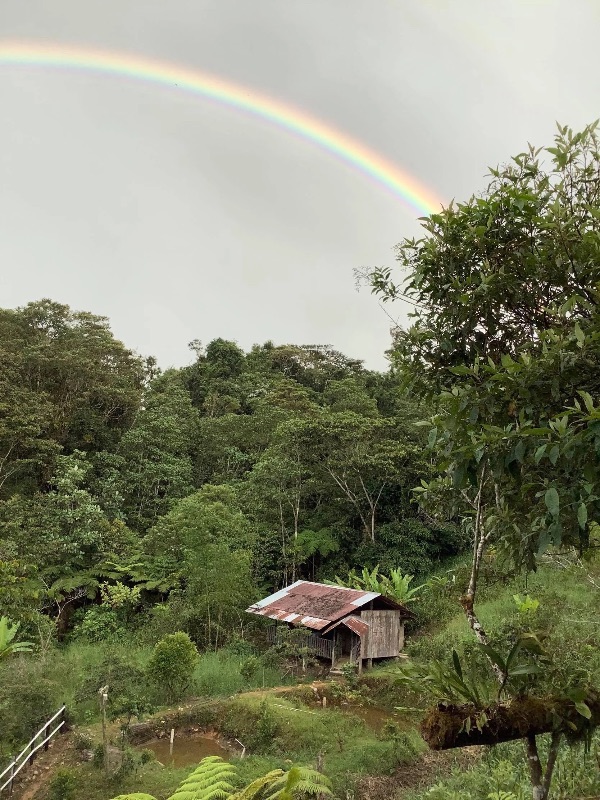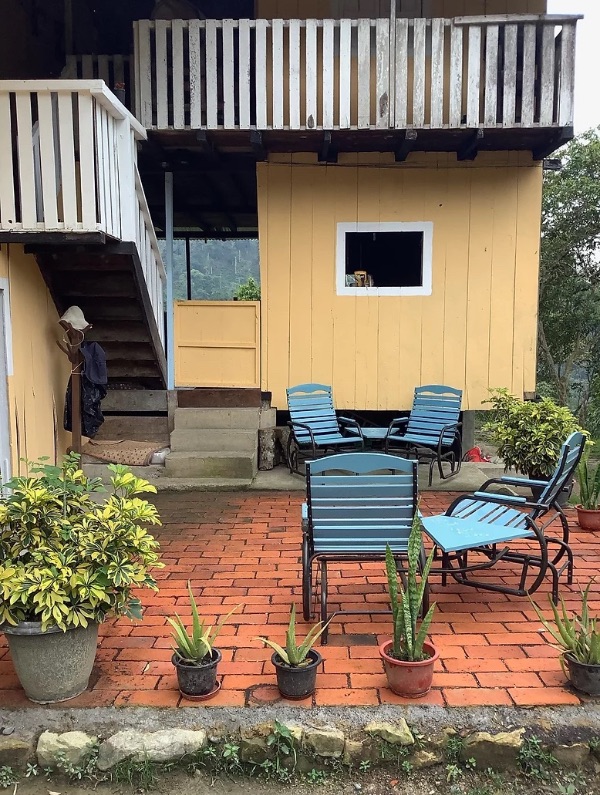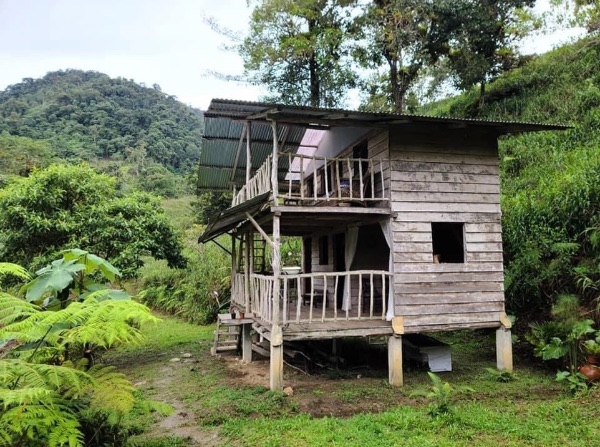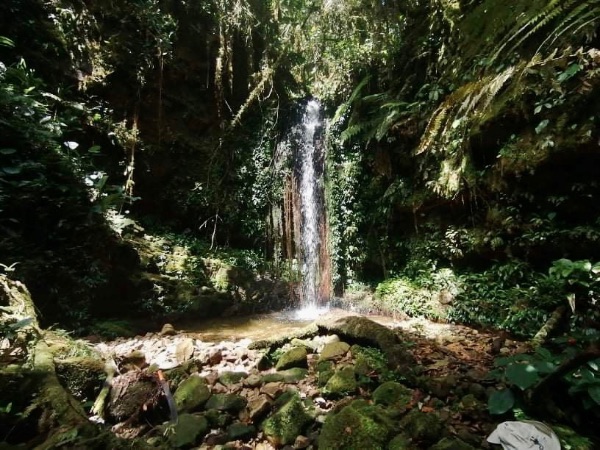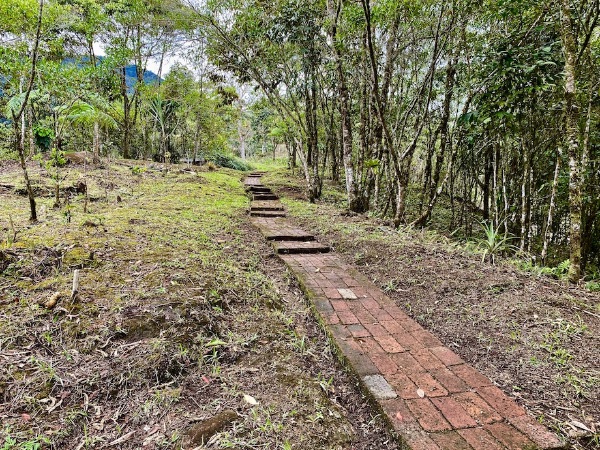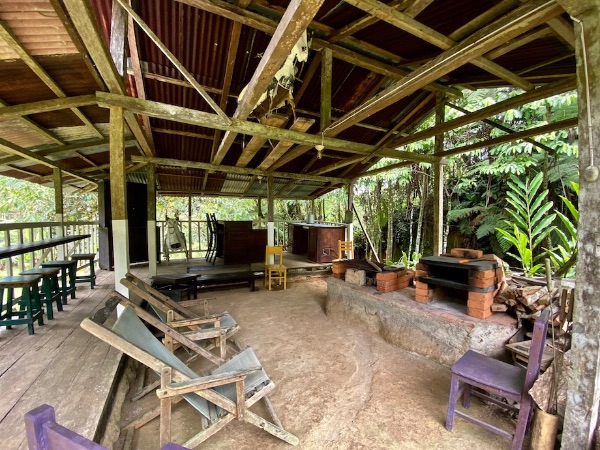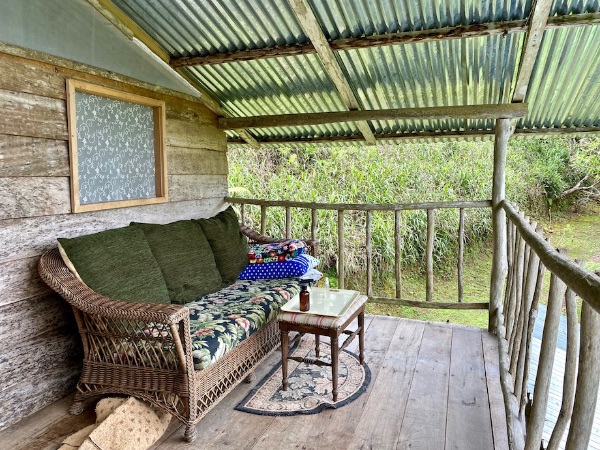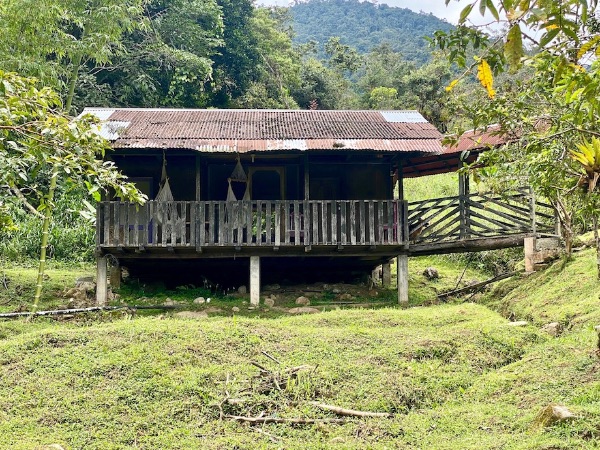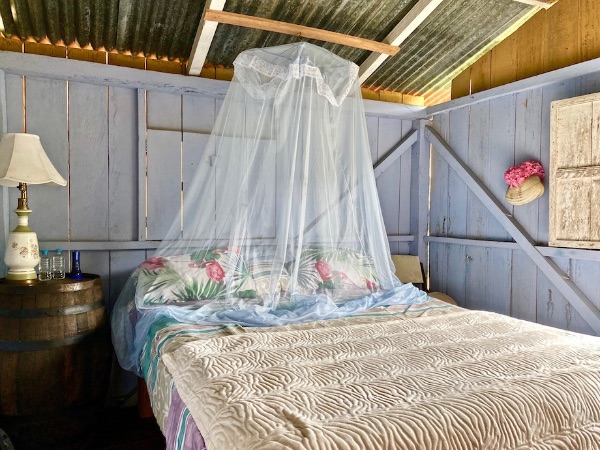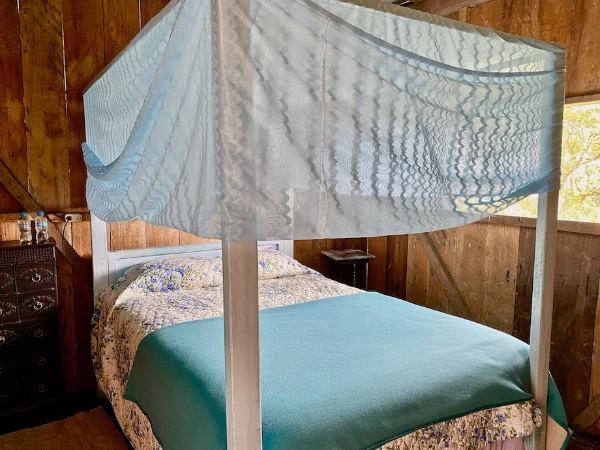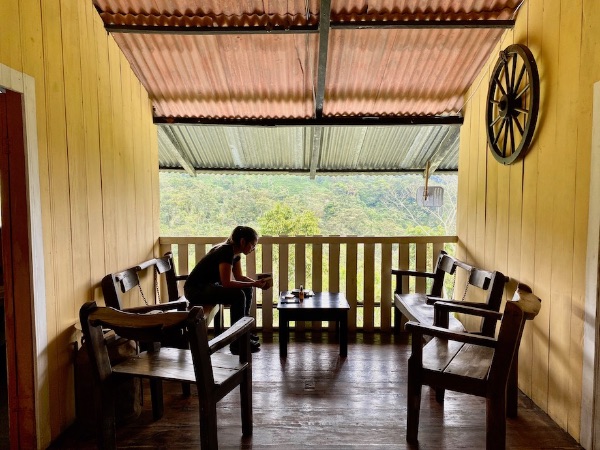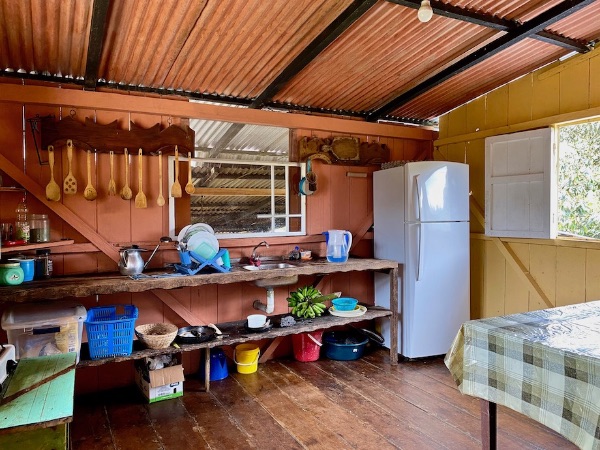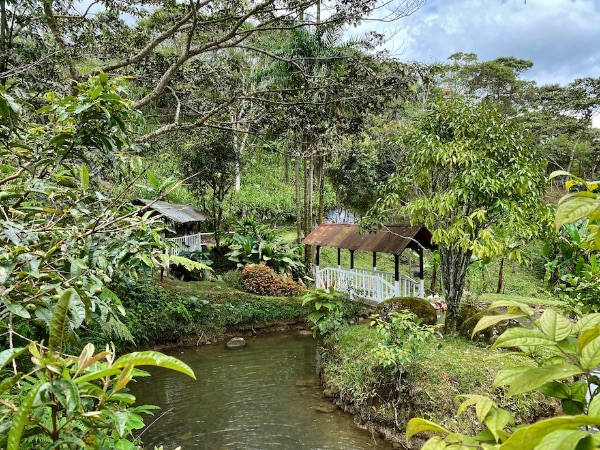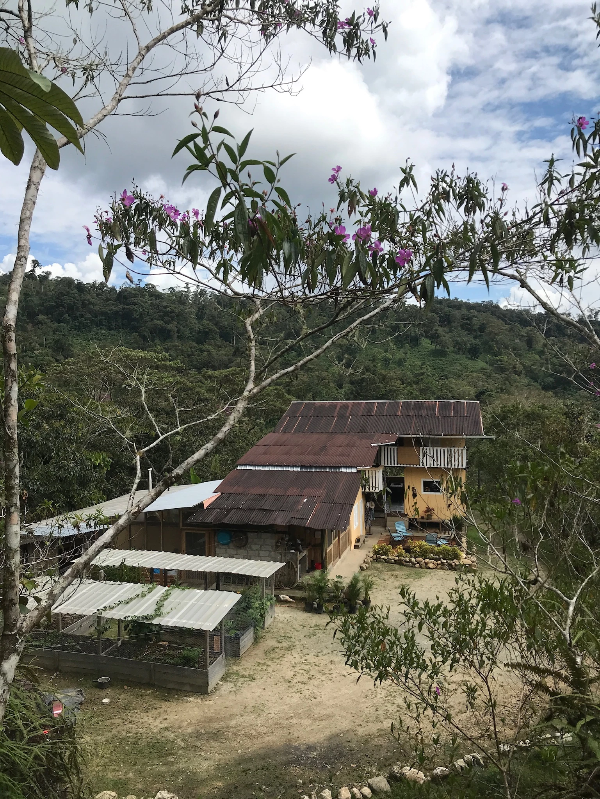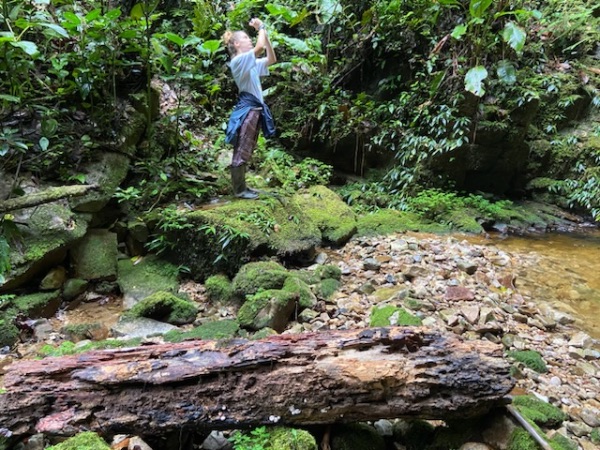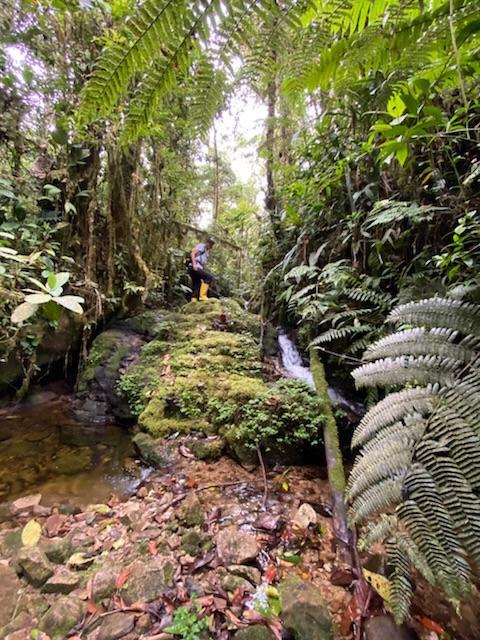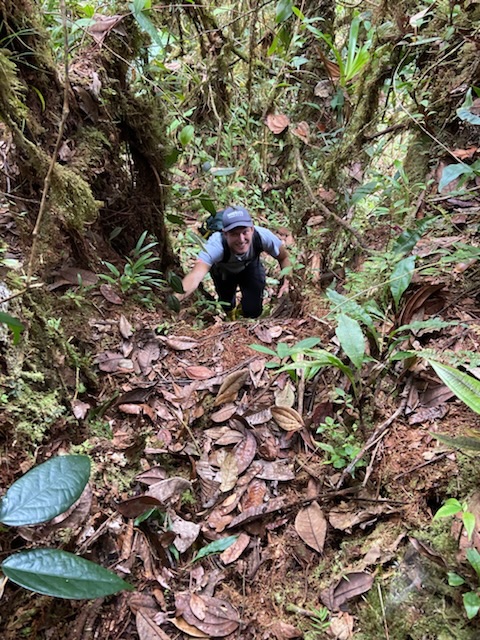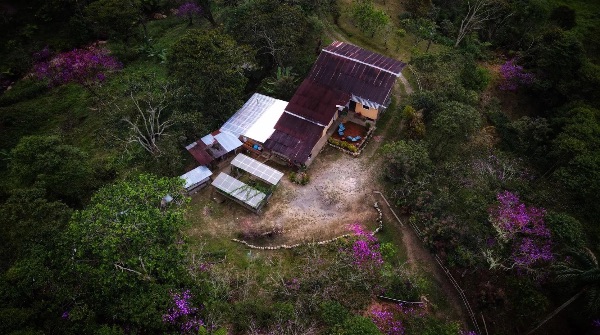
Aerial view of a sustainable community with eco-friendly buildings surrounded by lush greenery.

Las Aguas Risas - Laughing Waters Vegan Community

  • Communities

About the Communities

  • Forming
  • Ecological
  • Rural

Founding year

  • 2018

What we do

Veganic Permaculture Fruit Forest Intentional Community and Forest Reserve in the High Amazon Rainforest of Ecuador.

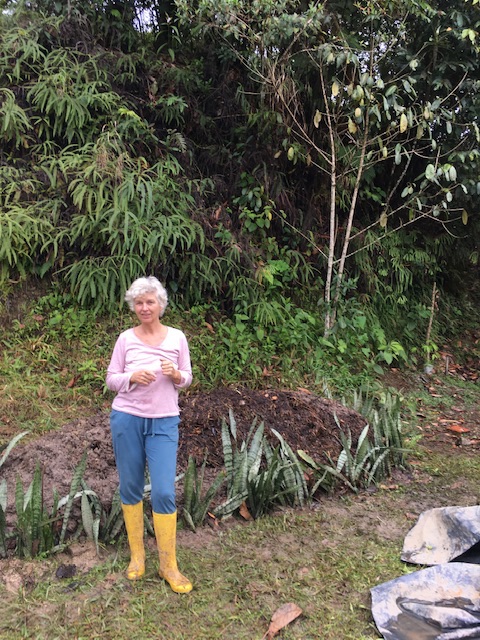
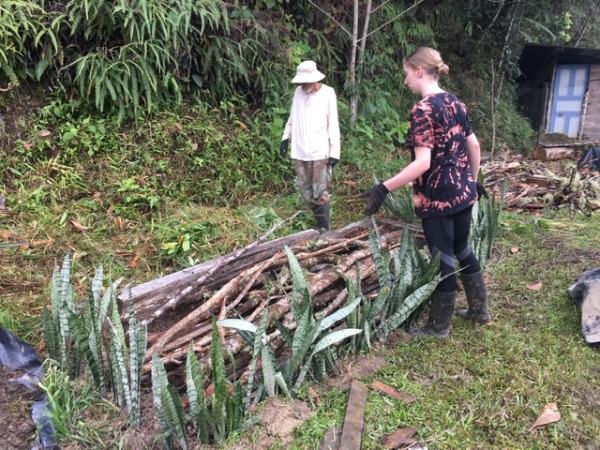
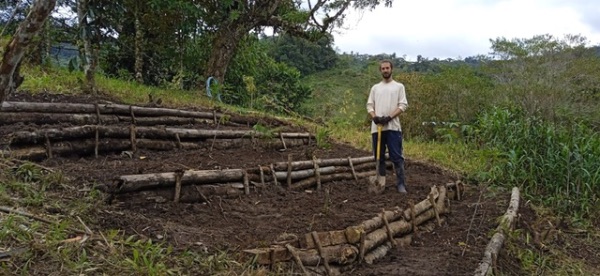
Our goal is to protect and nurture Pachamama with minimal invasive impact. We are transforming degraded pastureland, restoring native forest and productive fruit forest.

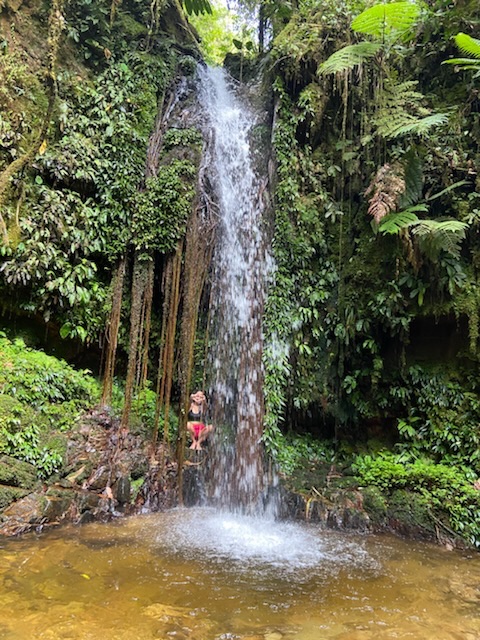
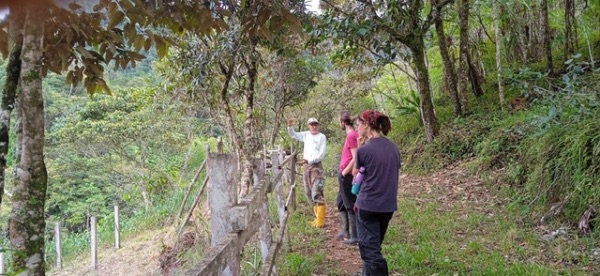
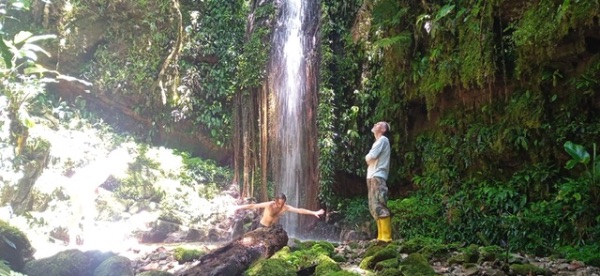
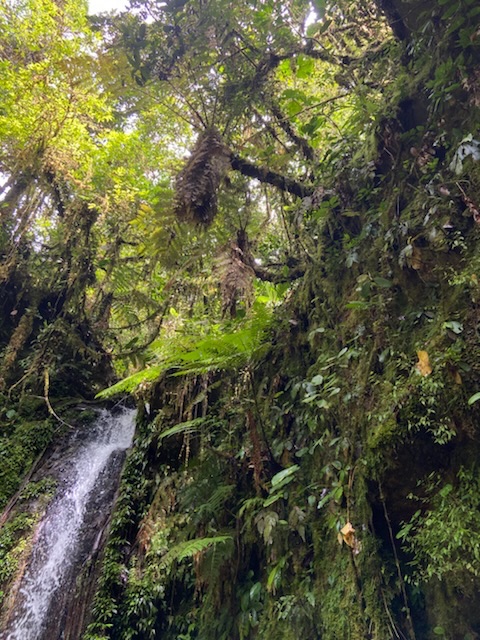
The property is 100 hectares (approximately 250 acres), with many springs and streams and waterfalls, roughly 40% forest, 10% homestead and cultivated or ready to cultivate, and 50% pasture. We are a fully vegan environmentally-conscious eco-community. Members must be vegan, in accordance with the vegan society definition of veganism and understand what that means (not just plant-based, raw, fruitarian, flexitarian, or any other -tarian). Residents, volunteers, guests, and visitors, must understand and adhere to vegan principles at all times (on and off property) while staying at the community.

Priorities:
Pachamama, inclusivity (non-discrimination based on race, creed, sexual orientation, gender identity), species

Goals/Visions:
Peaceful, simple, minimalist, non-exploitative living, Preservation (forever), Conservation, respect, non-violence. Reforest with fruit trees and native species

7th Generation Principle:
The 7th Generation Principle is based on an ancient Iroquois philosophy that the decisions we make today should result in a sustainable world 7 generations into the future. Las Aguas Risas adheres to this principle in all decision making.

Population Growth:
Non-wildlife population growth – human, companion animal and “livestock” – is out of control globally, with immense negative impacts on wildlife and Pachamama. Las Aguas Risas is committed to reducing and reversing non-wildlife population growth. To this end, within the community we strongly discourage breeding, both human and non-human.

Our Mission

Las Aguas Risas goal is to protect and nurture Pachamama with minimal invasive impact. Peaceful, simple, vegan, minimalist, non-exploitative living, preservation (forever), conservation, respect, non-violence. Reforest with fruit trees and native species.

  • Purpose
  • Ecological
  • Community type
  • Cohousing
  • Coliving
  • Ecovillage
  • Sustainability practices
  • Renewable energy systems
  • Waste reduction / composting
  • Permaculture design
  • Activities
  • Property management
  • Farming
  • Experiences
  • Networking

Commemorative dates

  • January 1, 2018
  • Started planning
  • January 1, 2022
  • Started living together
  • 2 Total members
  • Open to new members
  • Open to visitors
Total
2

How to join

We expect to have a membership application/questionnaire available soon. In the meantime, interested prospective members can contact us directly.

Basic expectations or agreements for members

At this time we can be contacted by email or Facebook. We currently accept volunteers through WorkAway.

Primary decision-making authority

  • Small Leadership Group

A few people (not elected by the broader community) make the major decisions.

Decision-making process

  • Leadership Decides

A single person, couple, or small group makes most major decisions.

Governance structure

  • Founder/Leader-led

Primary authority rests with the community’s founder(s) or designated leader(s).

Conflict resolution approach

Currently only two founding members, Terry and Michael, are invested and share decisions. As the community expands we expect to transition to a form of sociocracy structure for community decisions. For the land, we expect to establish a non-profit foundation, or land trust, to hold and govern land issues.

Economic model

  • Independent Finances

Members maintain separate personal finances with minimal sharing.

Economic scenarios for this community

  • Members need to pay fees, dues, or similar to live there on a per month or per year basis
  • There is a labor obligation
  • Members typically need to have their own job or other personal source of income to cover their expenses while living in the community?

Additional economic information

Regular fees: Yes
Labor: Yes (20 hrs/week)
Members are expected to support themselves. Small enterprises, conforming to community standards, may be considered.

Shared resources and amenities that are accessible to everyone in the community

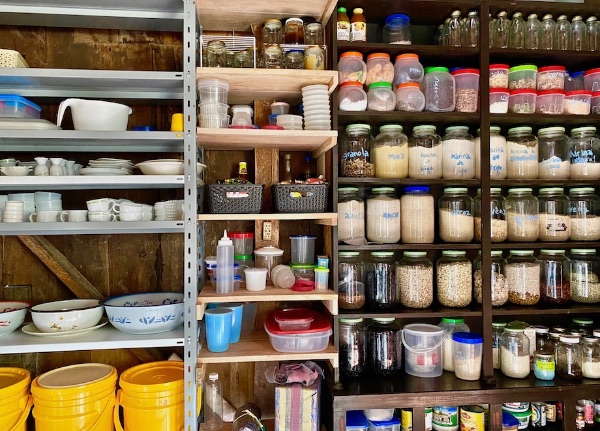
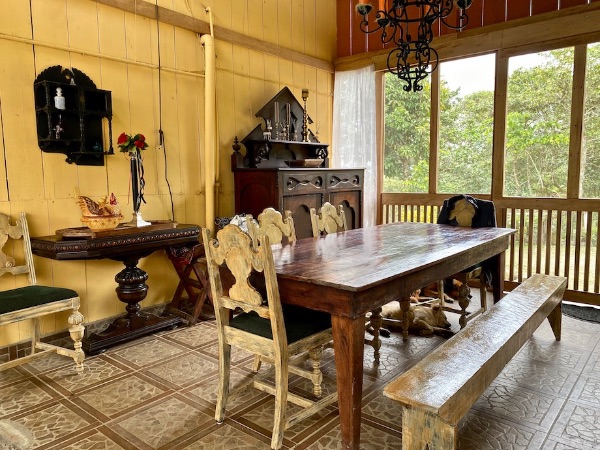
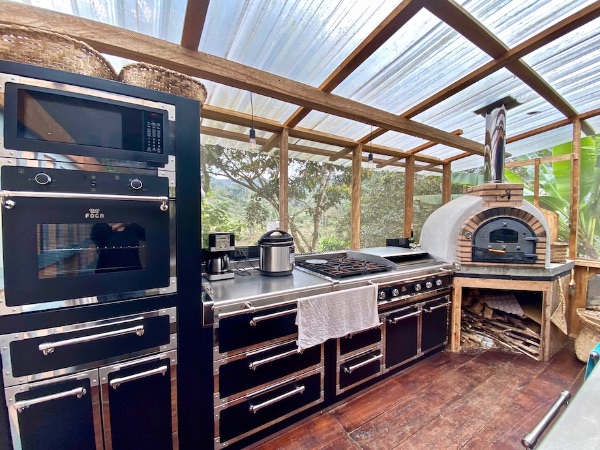
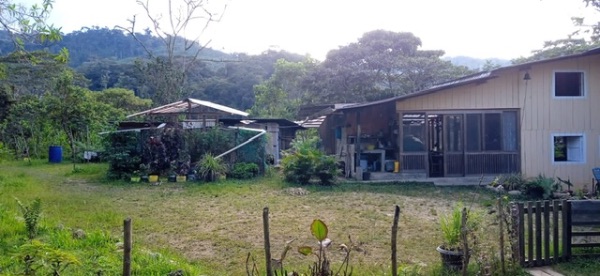
Common House, Garden(s), Greenhouse(s), Library, Workshop, Outbuilding(s), Swimming pond or pool, Internet

Frequency of communal meals

  • Approximately all meals

Significant food acquisition practices

  • Locally sourced
  • Livestock / Animal Husbandry

Dietary type

  • Vegan Only

Dietary restriction

  • These restrictions are throughout the community

Community activities and engagement

  • Volunteer, Internship, or Apprenticeship, or WWOOF’ing
  • Neighborhood, Community Housing, or Homeowner's Association
  • Organization, Resource, or Network
  • WWOOF'ing, Guest Farming

Substance use culture

  • Substance use appears in public spaces but no pressure
  • Substance use is prohibited in the community

Gender composition

  • Roughly balanced (no group over 60%)

Age demographics

  • Mixed adults (few or no children)

Property status

  • Privately owned

Property owner

  • By a single individual, couple, or Family Trust

Setting

  • Rural

Countryside locations with significant distance from urban centers.

Community type

  • Cohousing

    Private homes with shared common facilities, designed for neighborly
    interaction while maintaining independence.

  • Coliving

    Shared living spaces with private bedrooms/bathrooms and communal
    kitchens, dining, and social areas.

  • Ecovillage

    Integrated communities designed around ecological principles with sustainable living practices.

Sustainability approach

  • Renewable energy systems
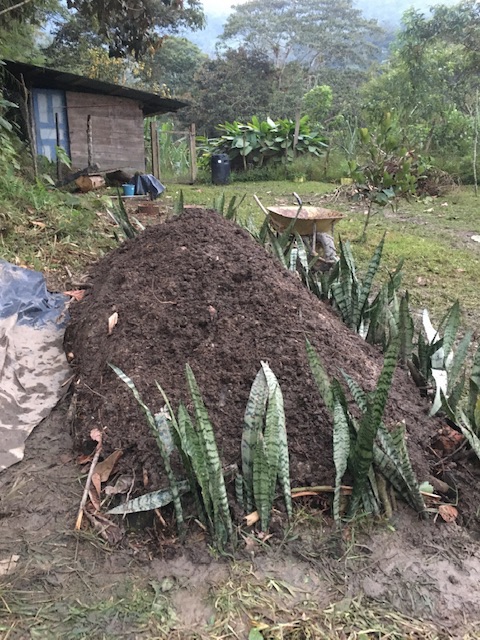
  • Waste reduction / composting
  • Permaculture design

Land practices in our community

  • The community practices permaculture

Self-produced energy

  • Up to 33%

Energy sources used

Self-produced food

  • Up to 33%

Local, organic, or fair trade food

  • 33 - 66%

Food systems

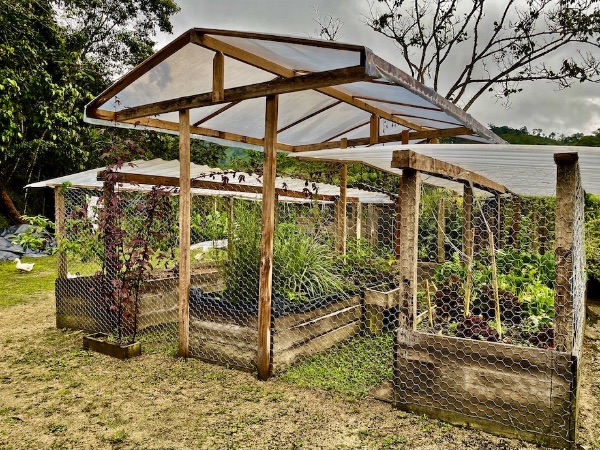
  • Community garden
  • Food forest
  • Greenhouse / aquaponics

Water conservation practices

  • Composting toilets

Waste management practices

  • Composting
  • Waste-to-energy or biochar
  • Land area size
    100 hectares

Guest Book

Written reviews are available for plus members. Click here to upgrade.

Location

  • Morona-Santiago, Ecuador

Las Aguas Risas - Laughing Waters Vegan Community

Needs and Offers

Offer
  • Communities with Openings
7 months ago

Worktrade Opportunities on Big Island Hawaii

We are continuing our work-trade program at Bridge Hawaii for the right people on this beautiful 86-acre land located along the Hāmākua Coast. Ideally, we want to host those individuals who can help with the garden and who can support with build projects for up to a 3 month stay. This work-trade would include lodging, food staples, community kitchen, running hot water showers, off-grid electricity, and laundry. There is access to high speed wi-fi. We often have a car that can be reserved. We also have full bar signal strength with Verizon cellphone service. We have about 2 acres of permaculture garden that needs to be cared for including; weeding, planting, picking up mulch, some tree trimming, ect. We are currently in a building stage on the land. We have a few current grant projects we are working on and some build projects that are underway. We are an intentional community with about 8 permanent residents. There are rescue dairy cows, mini cows, mini donkeys, horses, a donkey, cats, dogs, and active bee hives. We are a drug and alcohol “free” space. A glass of wine or beer with dinner is fine, but absolutely no day drinking or parties. We have a meditation temple and many waterfall pools that are wonderful for swimming. Close to some of the nicest beaches on island. We have snorkeling gear and a kayak. Since this is an animal sanctuary, we limit the consumption of meat on the land. Fish, eggs, honey, and dairy are fine. Let me know if you’re interested by sending an email or text for our application. Maomi (801) 623-0738 ma***@*****************ii.com

Information

Communities

A residential project: people live here as their primary home.

Organizations

An institution, business, network, or project that isn’t a residence (e.g. a learning center, farm, or network with no one living there full-time).

Plus Community Memberhsip

  • Find people with Profile Match
  • Access to your community listing statistics
  • Create Discussion Groups
  • 50% commission when your members purchase a Plus Membership
  • Access to our affiliate program
  • Member badge on your community profile
I am an official member of this community
Disclaimer
I affirm that my information is accurate and I am authorized to manage this listing
Foundation for Intentional Community FIC Member badge logo.

Free Plan

Free Membership
Free

Intentional Advertising

  • Subtotal

    {{ currencyFormat( pricing_summary.total_amount ) }}

Icon representing community connections and collaboration for intentional communities.

Plus Membership

  • Find communities with Profile Match
  • View detailed reviews about communities
  • Direct message and view contact information
  • Create free listings in Needs & Offers
  • Plus Member resources in CommUniversity
  • Plus Member badge on your profile