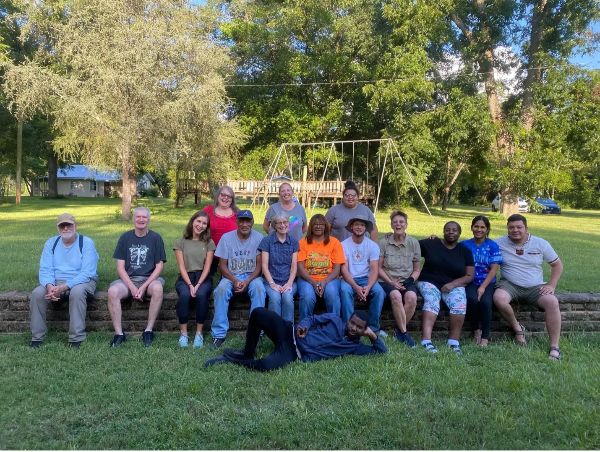
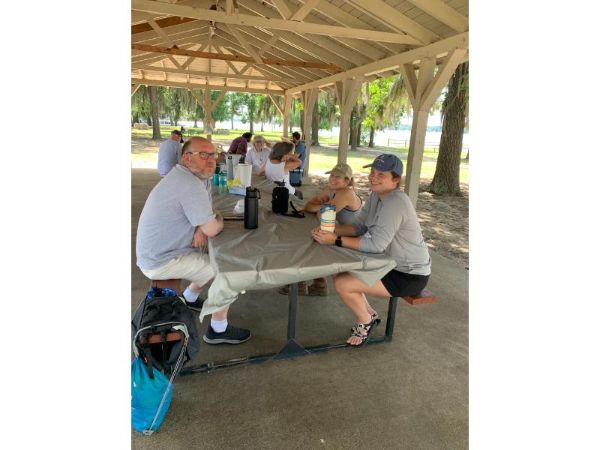
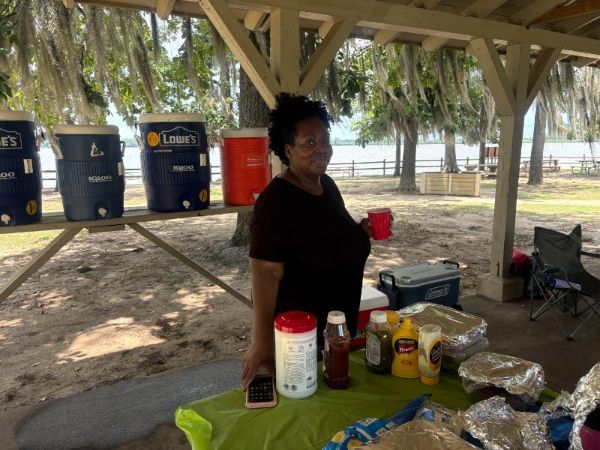
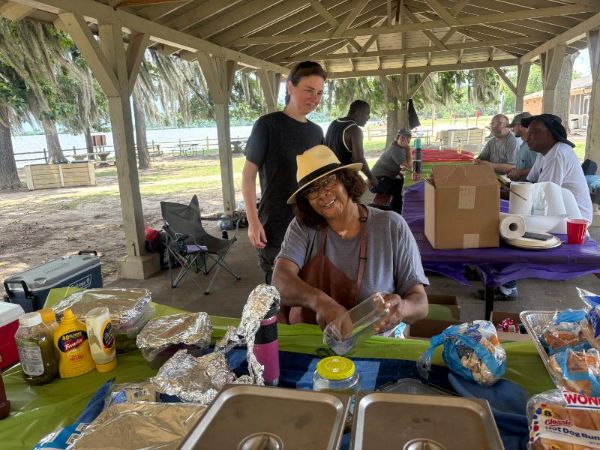
Koinonia Farm was founded in 1942 by Clarence and Florence Jordan and Martin and Mabel England as a “demonstration plot for the Kingdom of God.” This meant creating a community of believers who shared their lives and resources, modeled after the first communities described in the Acts of the Apostles. Soon, other families joined, and visitors were invited “to serve a period of apprenticeship in developing community life based on the teachings and principles of Jesus.”
At Koinonia, we shared not only faith and resources but also labor. Farming for our livelihood, we worked in harmony with the land, striving “to conserve the soil, God’s holy earth,” as Clarence Jordan said. Koinonia was a house church, but we were also active members of local congregations. From the beginning, Koinonians emphasized the brotherhood and sisterhood of all people. We treated Black and white workers equally, paying fair wages and ensuring that everyone, regardless of race, sat together for meals and prayer. Our commitment to racial equality, pacifism, and economic sharing sparked violent opposition in the 1950s. The Ku Klux Klan and others tried to drive us out using bullets, bombs, and intimidation. In response, we held fast to prayer, nonviolent resistance, and our commitment to living out the Gospel.
As a result of the boycott that followed, no one in Sumter County would buy from or sell to us, making farming impossible. To survive, we started a mail-order business, which eventually grew into today’s online store and remains our primary source of income, sustaining our life and work.
When the violence ended and the boycotts eased, one of the most well-known projects Koinonia pursued was building affordable homes for and with our neighbors. Clarence Jordan also devoted himself to translating the New Testament from the original Greek into South Georgia vernacular. In his writing shack nestled in the pecan orchards, he penned the Cotton Patch Version and prepared for nationwide speaking engagements. In that same shack, Clarence passed away suddenly in 1969 while preparing a talk he was to give at Mercer University.
Koinonia continued the work of its founders. The housing initiative, known as Koinonia Partnership Housing, eventually separated and became the renowned Habitat for Humanity when two Koinonia members, Millard and Linda Fuller, expanded the ministry globally with the community’s support. When the Fullers left Habitat in 2005, they founded The Fuller Center for Housing and held its first board meeting at Koinonia, honoring the farm as its birthplace. Koinonia has also helped launch other organizations dedicated to social justice, including Jubilee Partners, a community that welcomes refugees.
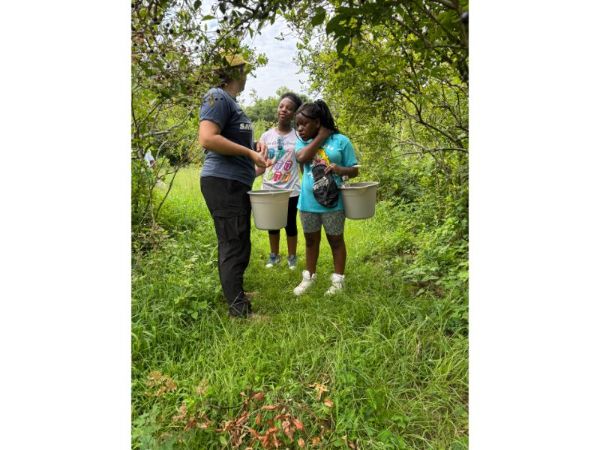
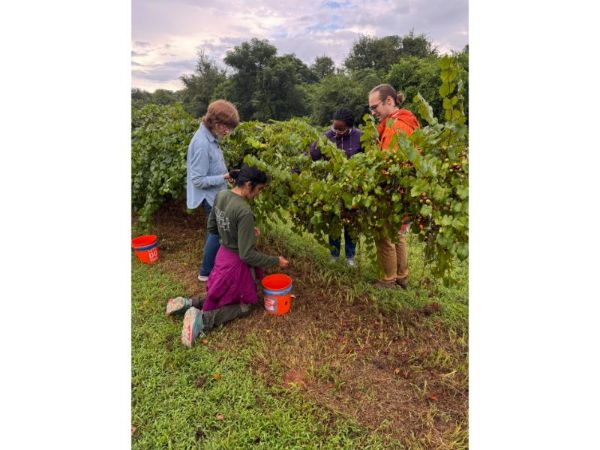
Today, our focus is to Feed the Hungry, both physically and spiritually. We farm on a small scale, producing pecans, grapes, blueberries, and vegetables. Our hospitality ministry continues to renew and transform countless visitors, while our internship program welcomes people of all ages and backgrounds to explore community and discipleship. We continue to work for social justice, responding to the needs and challenges of our time in whatever way we can with the people and resources we have at any given time. Come and see!
We are called to live together in intentional community, sharing a life of prayer, work, study, service, and fellowship. We seek to embody peacemaking, sustainability, and radical sharing. While welcoming people of all backgrounds and faiths, we strive to demonstrate the way of Jesus as an alternative to materialism, militarism, and racism.
Membership at Koinonia Farm is a years-long process that begins with a visit.
Go online to koinoniafarm.org and click on the visit tab.
A few people (not elected by the broader community) make the major decisions.
Generally seek agreement, but have backup methods when consensus isn’t reached.
Power and responsibility are shared relatively equally among members.
Members contribute a percentage of income to community funds.
Regular fees: Yes
Labor: Yes
Members with pre-existing debt: allowed
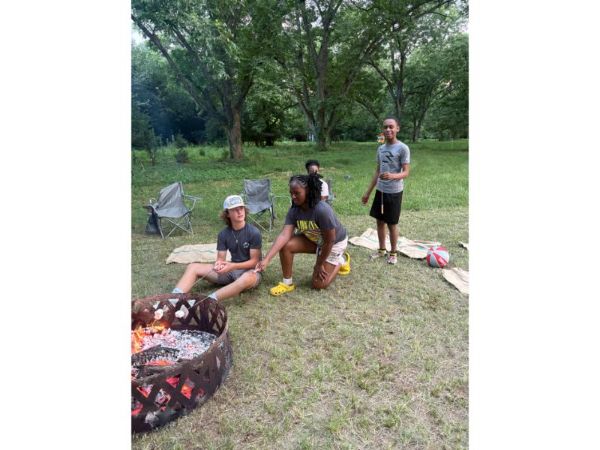
Common House, Garden(s), Greenhouse(s), Vehicle Share, Library, Workshop, Outbuilding(s), Large Scale Kitchen, Tractor & Farm Equipment, Fire pit, Swingsets & play areas, Internet
Countryside locations with significant distance from urban centers.
Residential communities focused on providing space for meditation, spiritual practice, and personal growth retreats.
Connecting people and communities through an intentional online marketplace
There are no needs and offers
We use cookies to improve your experience on our site. By using our site, you consent to cookies.
Manage your cookie preferences below:
Essential cookies enable basic functions and are necessary for the proper function of the website.
These cookies are needed for adding comments on this website.
Statistics cookies collect information anonymously. This information helps us understand how visitors use our website.
Service URL: policies.google.com (opens in a new window)
A residential project: people live here as their primary home.
An institution, business, network, or project that isn’t a residence (e.g. a learning center, farm, or network with no one living there full-time).

{{ item.label }}
{{ item.value ? item.value : currencyFormat( item.amount ) }}
Subtotal
{{ currencyFormat( pricing_summary.total_amount ) }}
There are no results matching your search

We’re introducing new Plus features — including community reviews, Profile Match, and unlimited Needs & Offers posts — while keeping most of FIC free for everyone. Membership costs less than two coffees a month.