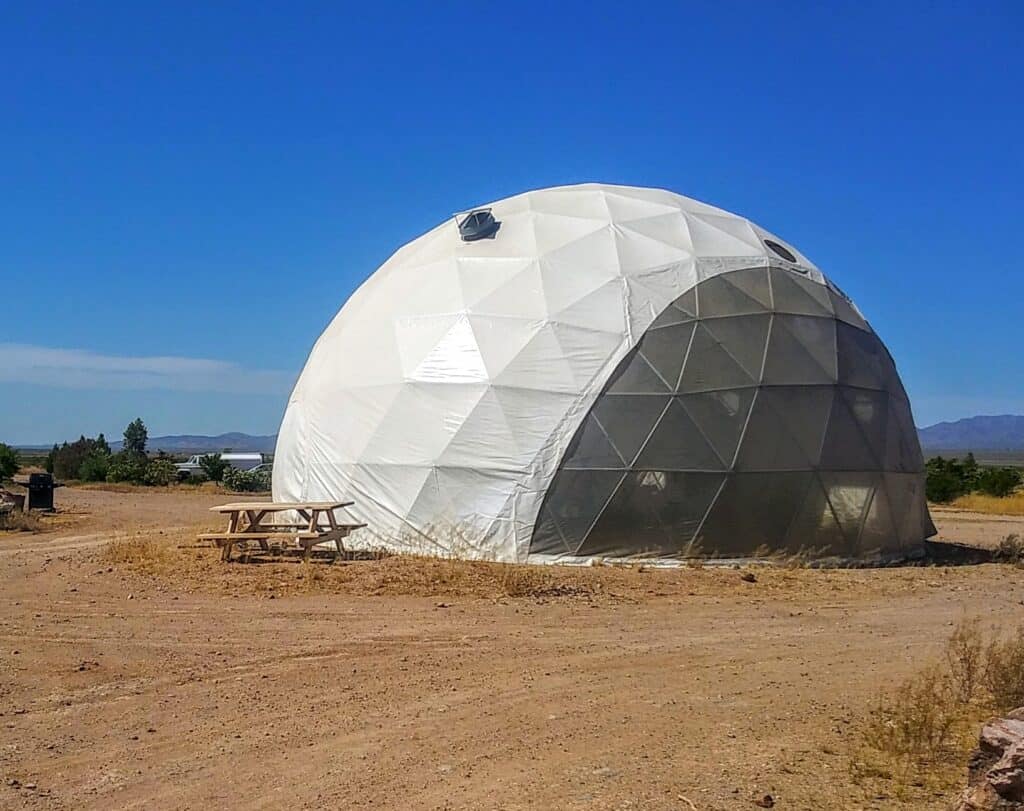
Flag with American and cannabis leaf symbols representing Veterans Village Kins Community.

Veterans Village Kins Community

  • Communities

About the Communities

  • Established
  • Ecological
  • Rural

What we do

The Veterans Village KIns Community concept differs from the eco-village model because it consists of multiple independent family “Kins Domains” that are self-sufficient. A Kins Domain is 1 hectare (approx. 2.5 acres) of land that is owned by families or individuals.
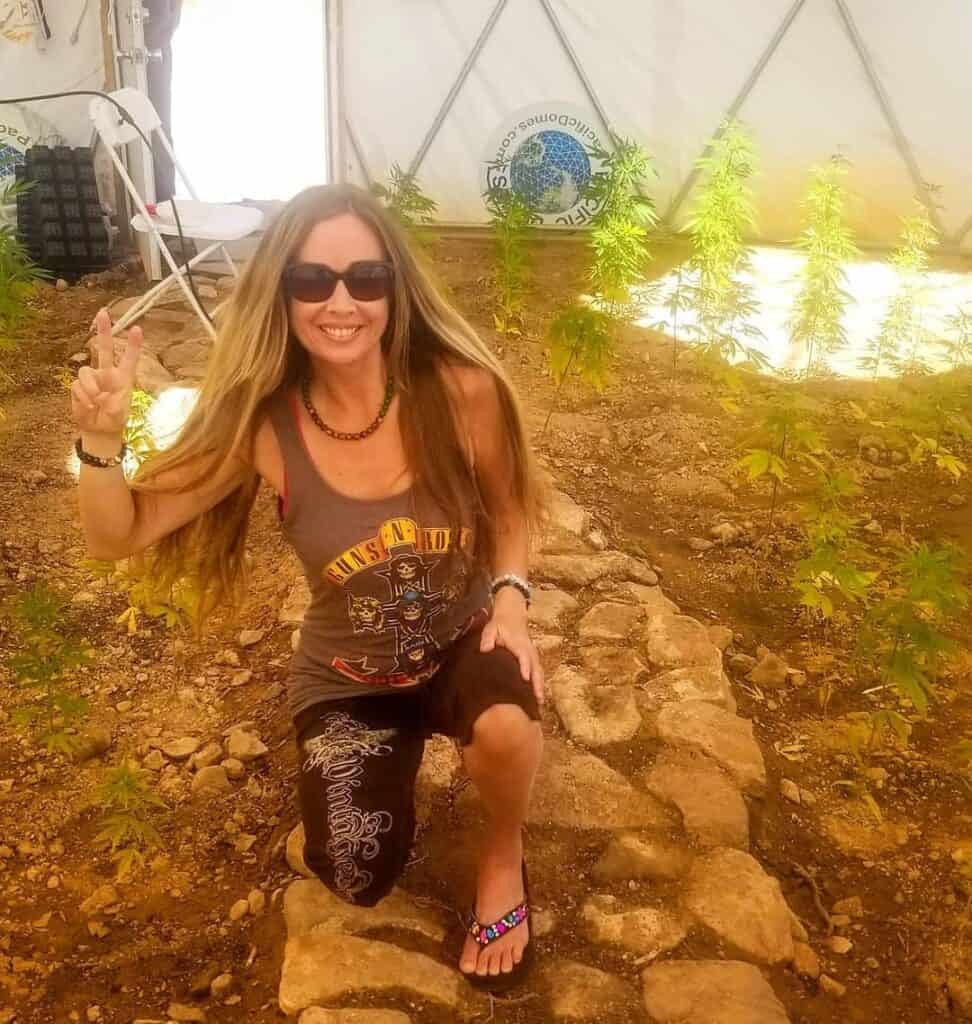
Each Kins Domain is surrounded by a living fence, which serves as an aesthetic boundary marker rather than a barrier. There is also 1 acre allocated to grow hemp, a pond, an organic garden, natural beehives, a family tree for future generations, and a sustainable house. With multiple Kins Domains within the community, this creates a type of urban development that’s a blend between city and nature.
It is inspired by a series of books called Ringing Cedars of Russia. There is no dogma or set belief system, just complete autonomy of the individual or family to create, what is described as a “Space of Love” or “Kins Domain”, that will bring them the highest nourishment, upliftment, beauty, and joy in life.

Our Mission

Our vision is to create many Kins Communities around the U.S. and eventually globally. He has been building the infrastructure for the Arizona Veteran Village Kins Community since 2013. Each of the communities will be developed on 500 acres of land.
This model is expected to produce lucrative revenue streams from sustainable products produced on the land that can be used to provide services from rehabilitation to job creation.
Here’s the way it works… In addition to the 2.5 acre Kins Domain, the community will grow an additional 100 acres of produce on the 500-acre communities. The plan also includes building a 100,000 square foot processing facility, which will create even more jobs and revenues. Half of the revenues produced will be used to support the community. The other half of the revenues will be used to purchase 2 additional 500-acre parcels of land to build more Kins Communities and help more people have a better life.

  • Purpose
  • Ecological
  • Community type
  • Cohousing
  • Ecovillage
  • Activities
  • Education
  • Experiences
  • Services Business

Gallery

  • 8 Total members
  • Open to new members
  • Open to visitors
Total
10

How to join

Interview with the group

Basic expectations or agreements for members

Contact us to schedule a visit

Primary decision-making authority

  • Small Leadership Group

A few people (not elected by the broader community) make the major decisions.

Decision-making process

  • Modified Consensus

Generally seek agreement, but have backup methods when consensus isn’t reached.

Governance structure

  • Collaborative/Horizontal

Power and responsibility are shared relatively equally among members.

Economic model

  • Independent Finances

Members maintain separate personal finances with minimal sharing.

Economic scenarios for this community

  • There is a labor obligation
  • Members typically need to have their own job or other personal source of income to cover their expenses while living in the community?

Additional economic information

Labor: Encouraged or suggested (10 hrs/week)

Shared resources and amenities that are accessible to everyone in the community

Garden(s), Greenhouse(s), Workshop, Outbuilding(s), Swimming pond or pool, Stage or Auditorium, Fire pit, Internet

Frequency of communal meals

  • About once a week

Dietary restriction

  • People can cook and eat what they want in their own residence

Community activities and engagement

  • School, Educational Institute or Experience
  • Volunteer, Internship, or Apprenticeship, or WWOOF’ing
  • Ethical Business, Investment Group, or Alternative Currency
  • Festivals, Conferences, Events

Substance use culture

  • Substance use is frequent and public in the community
  • Substance use is prohibited in the community
  • Religions
  • Christian
  • Buddhist
  • Native
  • Wiccan, Paganism, or Earth Religions
  • Unitarian Universalist

Age demographics

  • Multi-generational (all ages well represented)

Property status

  • Privately owned

Property owner

  • By several individuals through an LLC or a Tenancy In Common agreement

Setting

  • Rural

Countryside locations with significant distance from urban centers.

Community type

  • Cohousing

    Private homes with shared common facilities, designed for neighborly
    interaction while maintaining independence.

  • Ecovillage

    Integrated communities designed around ecological principles with sustainable living practices.

Self-produced energy

  • Over 66%

Energy sources used

  • Photovoltaic Solar

Self-produced food

  • 33 - 66%

Local, organic, or fair trade food

  • Over 66%

Food systems

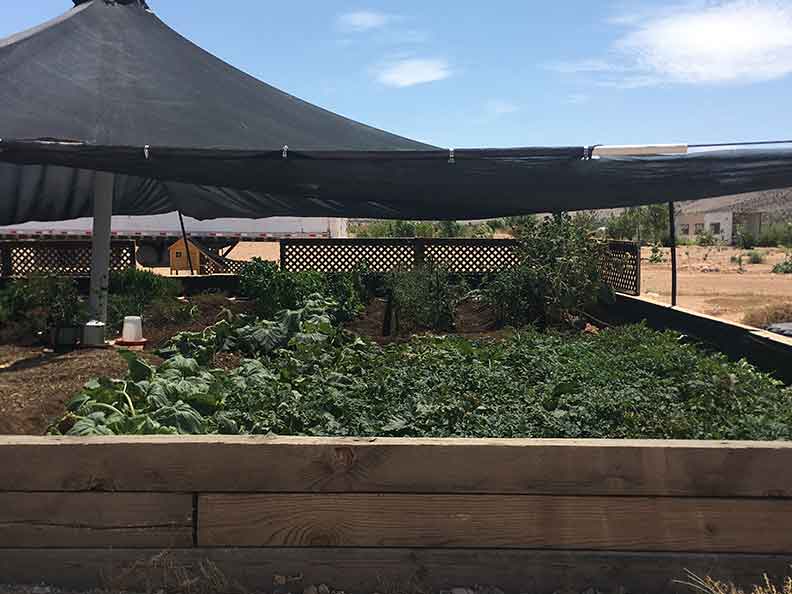
  • Community garden
  • Greenhouse / aquaponics
  • Land area size
    500 acres

Guest Book

Written reviews are available for plus members. Click here to upgrade.

Location

  • Nevada, United States

Needs and Offers

Offer
Offer
  • Marketplace
6 years ago

Cohousing: A Contemporary Approach to Housing Ourselves Books for Sale

Cohousing: A Contemporary Approach to Housing Ourselves, Charles Durrett and Kathryn McCamant introduce Cohousing with stories and pictures of both Danish and American communities. Beautiful photographs and line drawings illustrate the warmly written account of how these communities came to be. Specific information on legal and financial aspects of working with developers, group process, and design issues make this book informative as well as inspiring. This is the book which brought Cohousing to North America. This book is the much prized second edition which has become a rarer and somewhat of a collectors item. Its community case studies were not included in the more recent publication. It preceded Creating Cohousing which is widely available. I acquired 25 cases from a local distributor who closed down. If you would like three or more copies for yourself, to share with your friends or to market your group, please let me know. I would love for them to be made useful and find great homes. Books are paperback (hard copy was not an option at the time from the publisher) all brand new, in Oakland (CA) so could be picked in Oakland or mailed to you. I would very much like to recuperate what I paid which is $10 per book. So, If you would like three or more shipped, I will add the postage, packing and handling fees. I have sold several cases (18 books per case) for $150 per case ($8 per book). I have a little wiggle room on the pricing. Please let me know if you are interested. Use the Send Message button on this page.
Offer

Information

Communities

A residential project: people live here as their primary home.

Organizations

An institution, business, network, or project that isn’t a residence (e.g. a learning center, farm, or network with no one living there full-time).

Plus Community Memberhsip

  • Find people with Profile Match
  • Access to your community listing statistics
  • Create Discussion Groups
  • 50% commission when your members purchase a Plus Membership
  • Access to our affiliate program
  • Member badge on your community profile
I am an official member of this community
Disclaimer
I affirm that my information is accurate and I am authorized to manage this listing
Foundation for Intentional Community FIC Member badge logo.

Free Plan

Free Membership
Free

Intentional Advertising

  • Subtotal

    {{ currencyFormat( pricing_summary.total_amount ) }}

Icon representing community connections and collaboration for intentional communities.

Plus Membership

  • Find communities with Profile Match
  • View detailed reviews about communities
  • Direct message and view contact information
  • Create free listings in Needs & Offers
  • Plus Member resources in CommUniversity
  • Plus Member badge on your profile