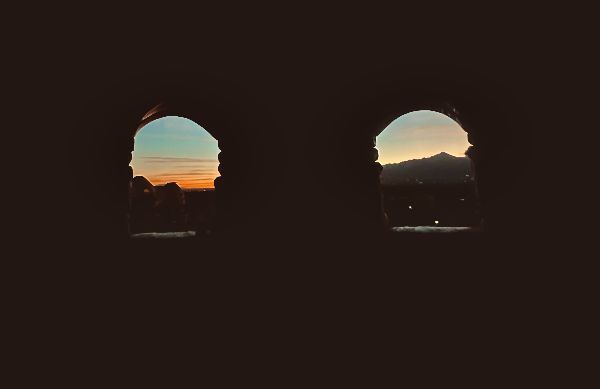
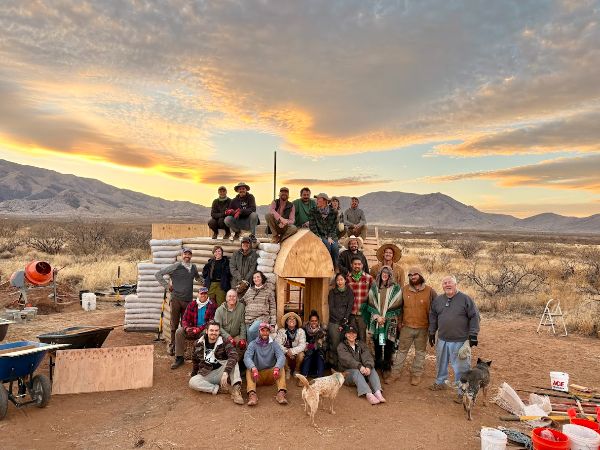
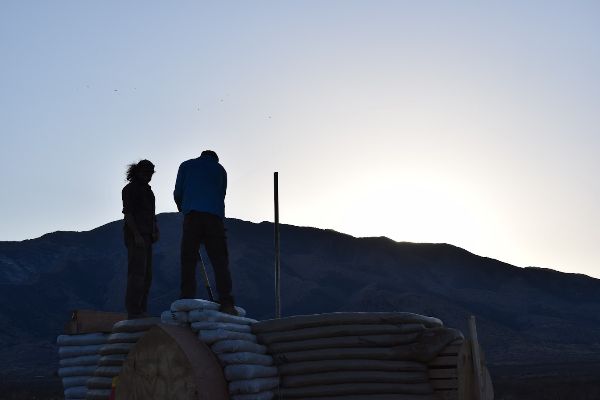
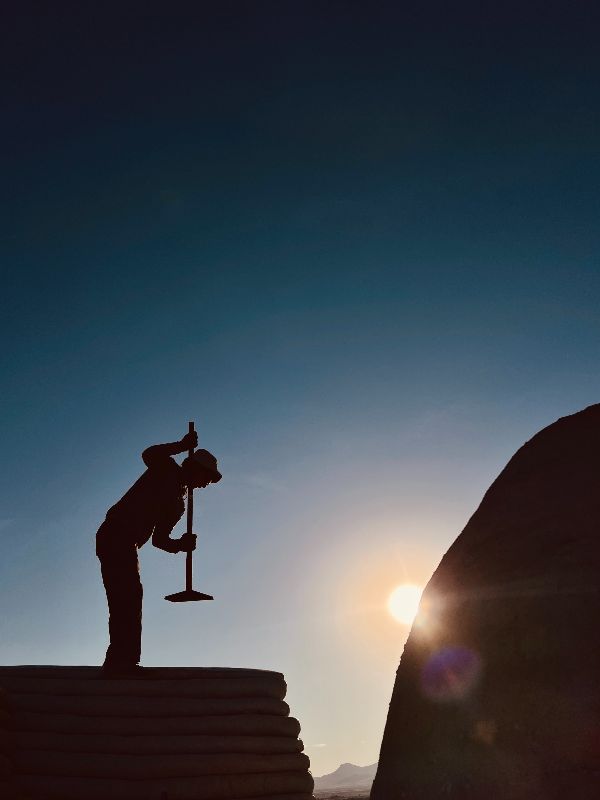
Happy Castle Art Camp is an experimental off-grid eco-village, art space, and festival community located on 160 acres of high desert in New Mexico. Built on principles of sustainability, radical self-expression, skill-sharing, and cooperative living, Happy Castle is more than just a place to live—it’s a place to create, learn, and build a new way of life.
At the heart of our project is the Happy Castle Art Festival, a three-day immersive experience celebrating large-scale interactive art, participatory culture, and communal living. Inspired by the ethos of temporary autonomous zones and the DIY spirit, our festival serves as both a funding model for the commune and a vibrant testing ground for alternative ways of being. We provide grants for artists to construct permanent, semi-permanent, and temporary installations, creating an ever-evolving landscape of creativity.
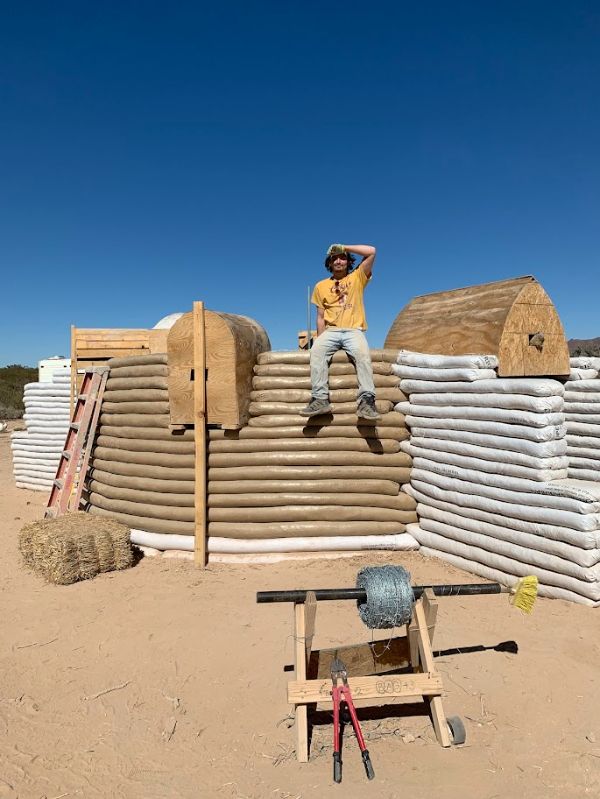
Beyond the festival, Happy Castle is an intentional community that operates year-round, welcoming residents, artists, and visitors to contribute to our shared vision. Our off-grid infrastructure is centered around Superadobe Earthbag domes, permaculture gardens, and sustainable water and energy systems, offering a real-world model for regenerative, low-impact living. We host workshops, skill-shares, and hands-on building projects in topics such as natural construction, rainwater harvesting, DIY solar, permaculture, and more—equipping people with the knowledge and tools to build their own sustainable futures.
We believe in a participatory governance model, where decisions are made through consensus-based processes to ensure collective ownership of our shared space. Our members engage in a rotating labor system that balances practical needs with personal passions, allowing individuals to contribute in ways that align with their strengths and interests.
Happy Castle is not just a commune—it’s an ongoing experiment in rethinking community, economy, and the relationship between art and sustainable living. Whether you come to help build, create art, attend a workshop, or simply experience life outside the confines of modern capitalism, we invite you to join us in shaping this ever-growing project.
For more information, visit our website or come see what we’re building firsthand!
Happy Castle is an off-grid high-desert eco-village, art space, and experimental community dedicated to sustainability, creative expression, and cooperative living. Our mission is to build a radically accessible alternative to the isolating and destructive systems of modern society by fostering a self-sufficient, artistically vibrant, and ecologically responsible way of life. Through shared resources, hands-on education, entrepreneurship, and participatory culture, we empower individuals to take control of their lives while contributing to something greater than themselves.
At Happy Castle, we believe that sustainable living shouldn’t be a privilege—it should be accessible, replicable, and scalable. By combining permaculture, alternative architecture, and regenerative technologies with art, communal living, and festival culture, we aim to demonstrate new ways of living that reconnect people to each other and the land.
More than just a place to live, Happy Castle is an evolving movement—a living model of what’s possible when creativity, cooperation, and sustainability intersect. Our vision extends beyond our own community, seeking to inspire and support the wider eco-village movement in reshaping the future of human civilization.
Becoming a member of Happy Castle starts with getting to know the community and our way of life. We encourage prospective members to visit, volunteer, and participate in our Build Days and events to experience the culture firsthand. The membership process includes an application, an interview, and a trial residency period, where applicants can integrate into daily life, contribute to projects, and ensure a good mutual fit.
If you’re interested in joining, visit the How to Join page on our website to apply!
If you’d like to visit Happy Castle, there are a few ways to experience the project firsthand. Right now, our land is mostly undeveloped, but you can camp on-site and support the community by renting a campsite through Hipcamp. This is a great way to immerse yourself in the desert landscape while directly contributing to the growth of the project.
For those who want to get more involved, we plan to soon begin regularly hosting volunteer Build Days, where visitors can learn hands-on skills in Superadobe construction, off-grid infrastructure, and large-scale art building. These events are a great opportunity to connect with the community, gain valuable experience, and help shape the community from the ground up.
To stay updated on upcoming Build Days, events, and visiting opportunities, check out our website, where we post details on how to participate!
A few people (not elected by the broader community) make the major decisions.
Generally seek agreement, but have backup methods when consensus isn’t reached.
Power and responsibility are shared relatively equally among members.
Happy Castle operates simultaneously as a commune, educational organization, and cooperatively owned and managed festival business enterprise, blending the typical roles and responsibilities of community life with community-centered entrepreneurship. Our structure includes semi-autonomous committees, called Community Camps, each responsible for different aspects of community life, such as infrastructure, food production, water management, accounting, events organizing, and creative projects. These camps collaborate and coordinate through regular communication and provide updates at our monthly Town Council meetings, where key decisions are made collectively. This system allows for both independence and cooperation, ensuring that the community remains adaptable, participatory, and aligned with our shared vision.
Members contribute a percentage of income to community funds.
Labor: Yes (25 hrs/week)
Members with pre-existing debt: allowed
Happy Castle isn’t just a community—it’s also a cooperative business enterprise designed to sustain and grow our shared vision. Our primary source of revenue comes from the Happy Castle Art Festival, a large-scale event that funds the development of our infrastructure while showcasing our creative and communal spirit. Beyond the festival, we generate income through ongoing events, workshops, and classes, including Dome School, where we teach hands-on Superadobe building techniques.
Our campground, featuring rentable cabins and immersive art installations, offers visitors a chance to experience off-grid desert community living while directly supporting the project. Over time, we aim to expand our communal ventures, from permaculture and reforestation efforts to craft and product sales, ensuring both sustainability and financial stability.
To support those who contribute their time and labor, we plan to provide a daily stipend to full-time members, covering basic personal needs while keeping individual costs low. However, in our early stages, most incoming members will be responsible for their own room and board, as we rapidly build housing, increase self-sufficiency, and grow our communal income. Aside from funds raised through our Kickstarter campaign and personal commitments of $100,000 from our founders, which will go toward materials and labor costs, the community’s development relies on collaborative effort and shared investment in our future.
Common House, Greenhouse(s), Vehicle Share, Library, Workshop, Large Scale Kitchen, Tractor & Farm Equipment, Stage or Auditorium, Fire pit, Swingsets & play areas, Gym or sports area
Countryside locations with significant distance from urban centers.
Connecting people and communities through an intentional online marketplace
There are no needs and offers
We use cookies to improve your experience on our site. By using our site, you consent to cookies.
Manage your cookie preferences below:
Essential cookies enable basic functions and are necessary for the proper function of the website.
These cookies are needed for adding comments on this website.
Statistics cookies collect information anonymously. This information helps us understand how visitors use our website.
Service URL: policies.google.com (opens in a new window)
A residential project: people live here as their primary home.
An institution, business, network, or project that isn’t a residence (e.g. a learning center, farm, or network with no one living there full-time).

{{ item.label }}
{{ item.value ? item.value : currencyFormat( item.amount ) }}
Subtotal
{{ currencyFormat( pricing_summary.total_amount ) }}
There are no results matching your search

We’re introducing new Plus features — including community reviews, Profile Match, and unlimited Needs & Offers posts — while keeping most of FIC free for everyone. Membership costs less than two coffees a month.