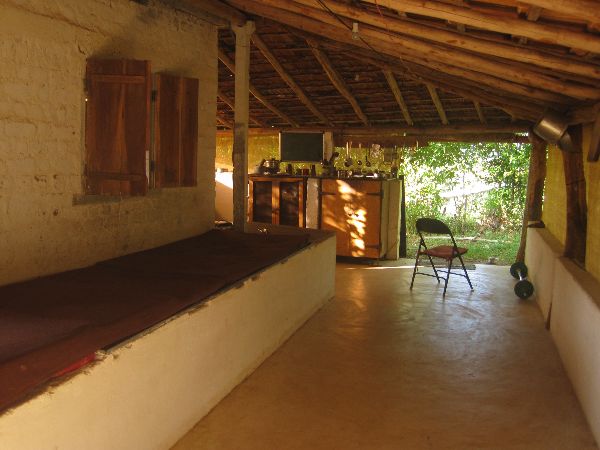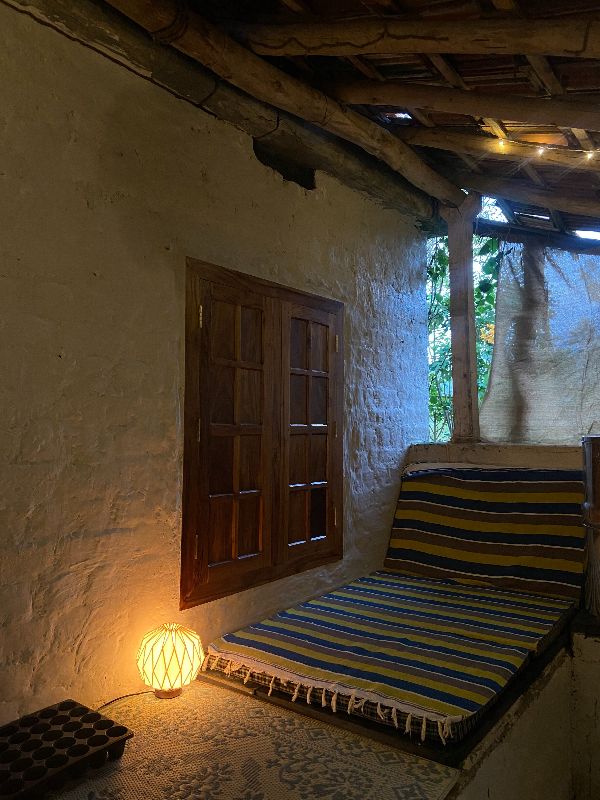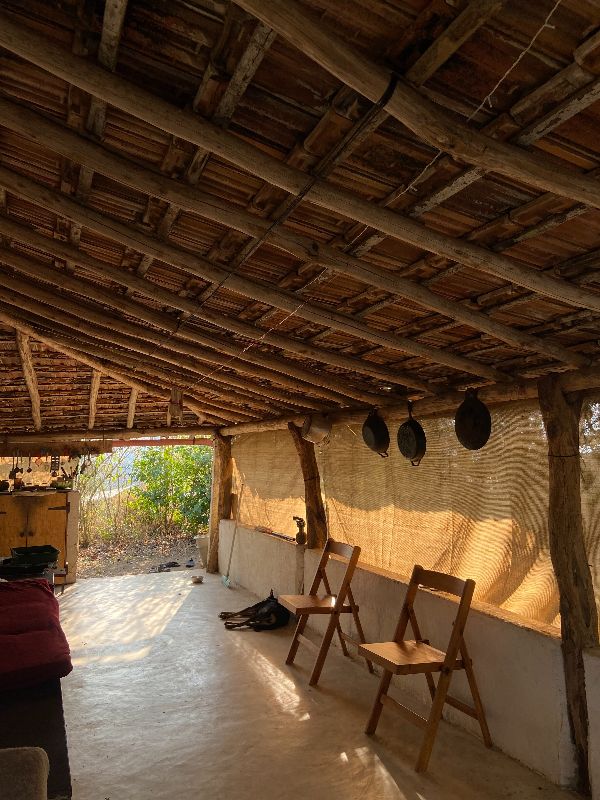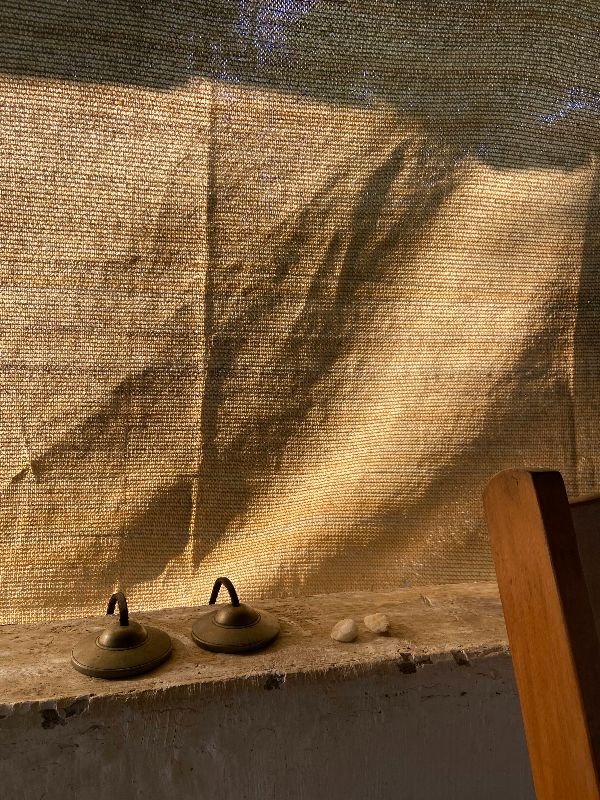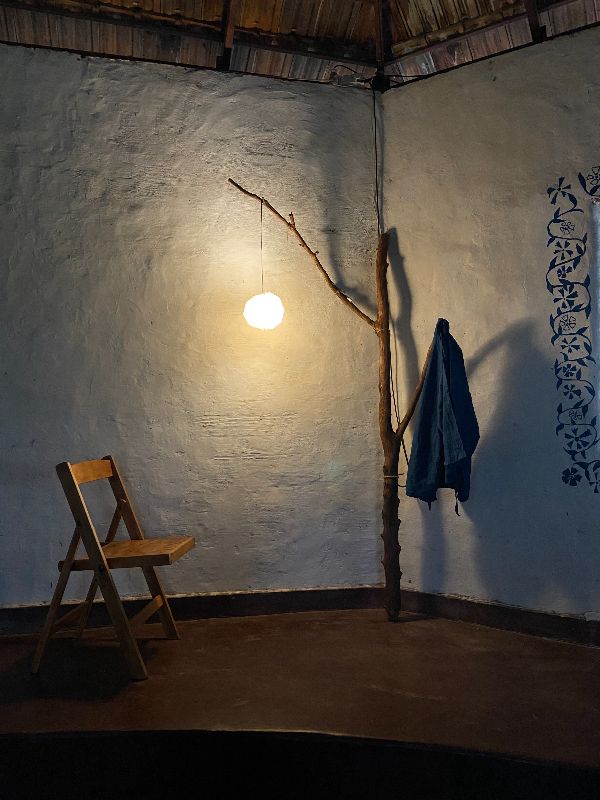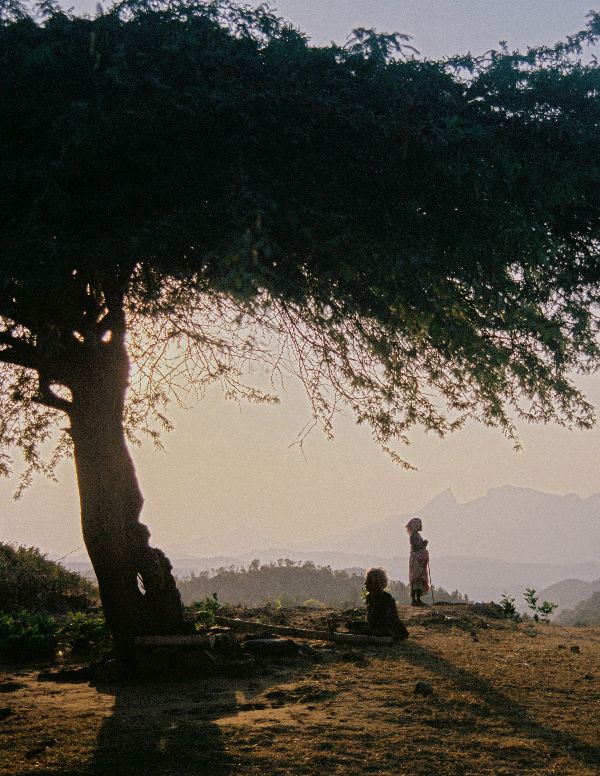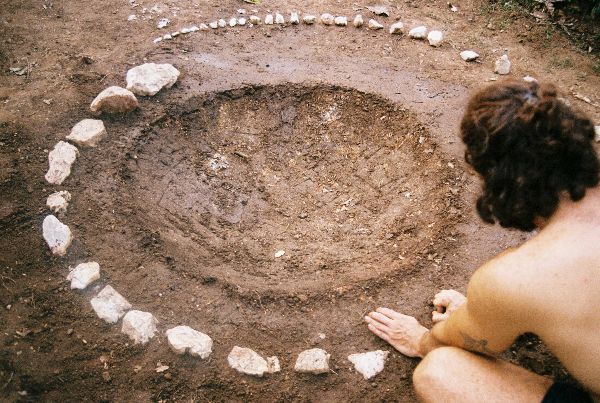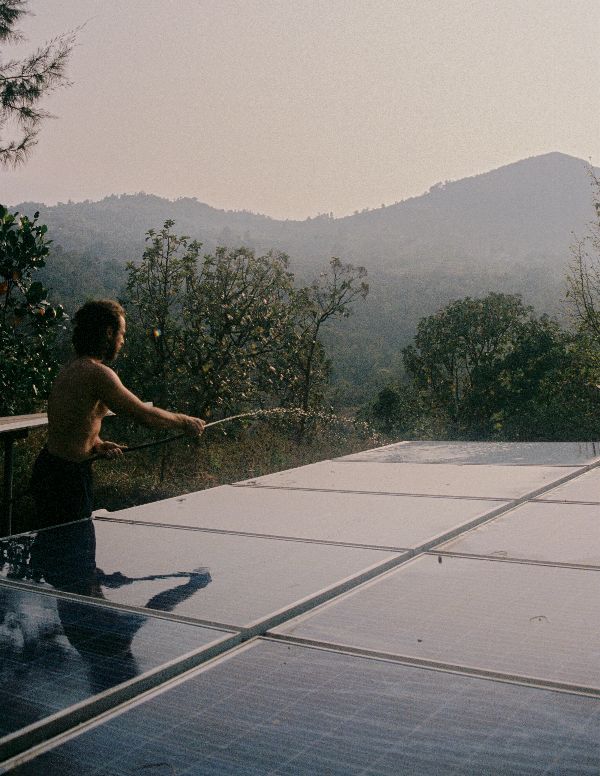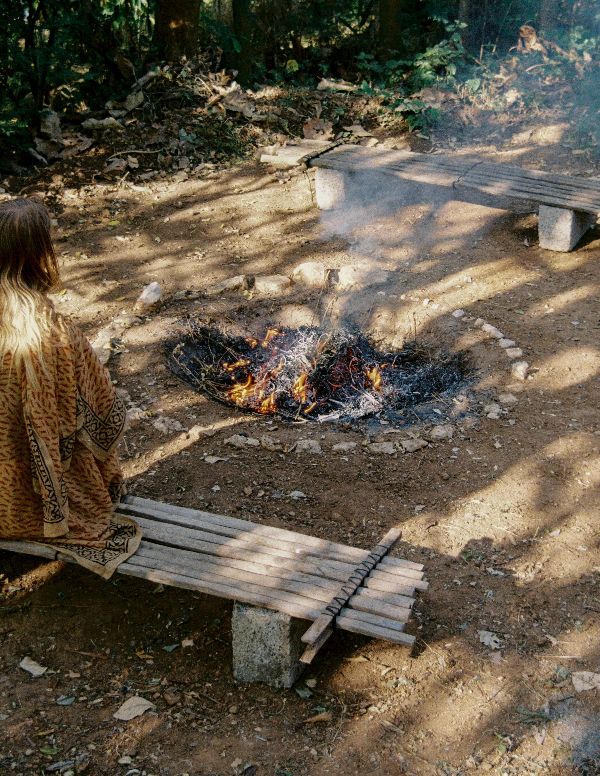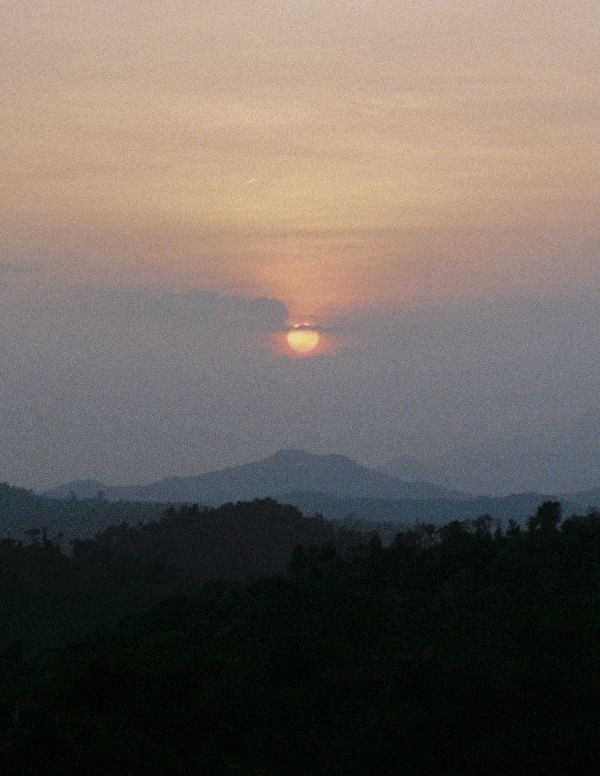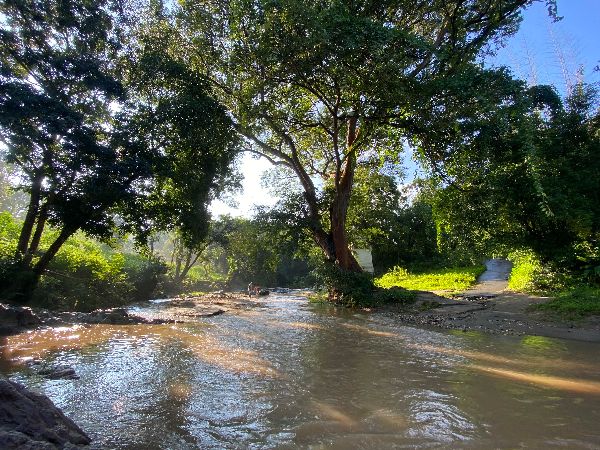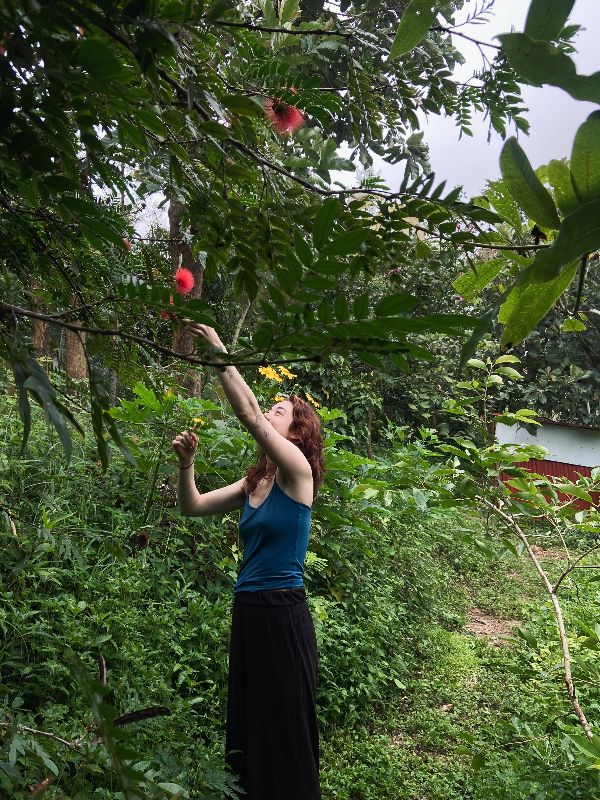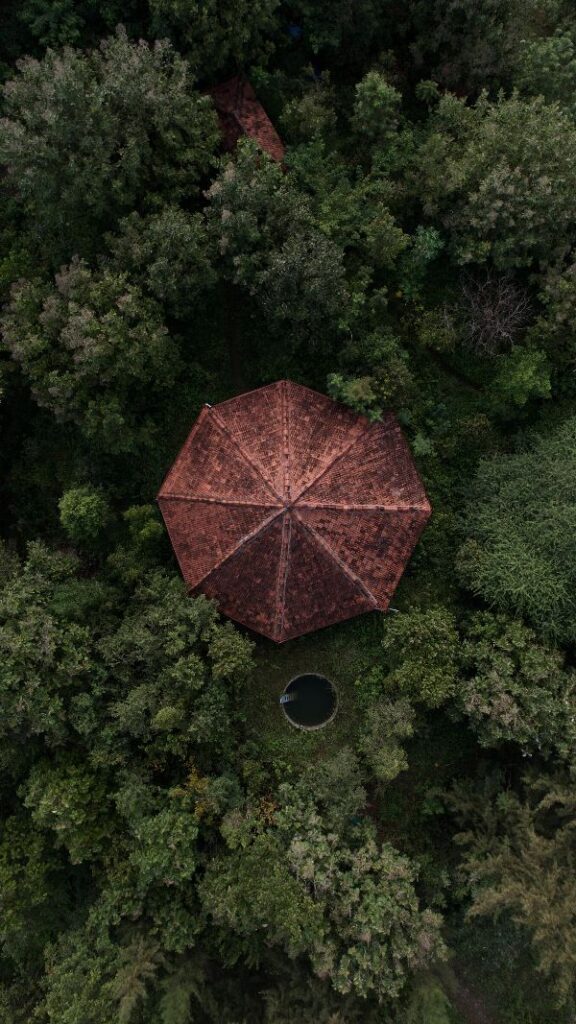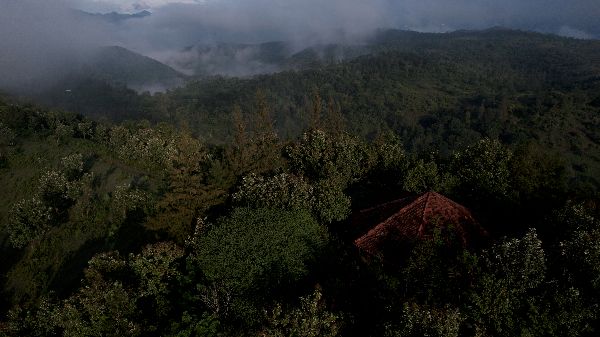
Gaia Grid is a small piece of land in the Western Ghats that has slowly been brought back to life. What was once dry, rocky ground with almost nothing is now a growing forest of fruit trees, native species, birds, insects, and everything that follows when land begins to heal.
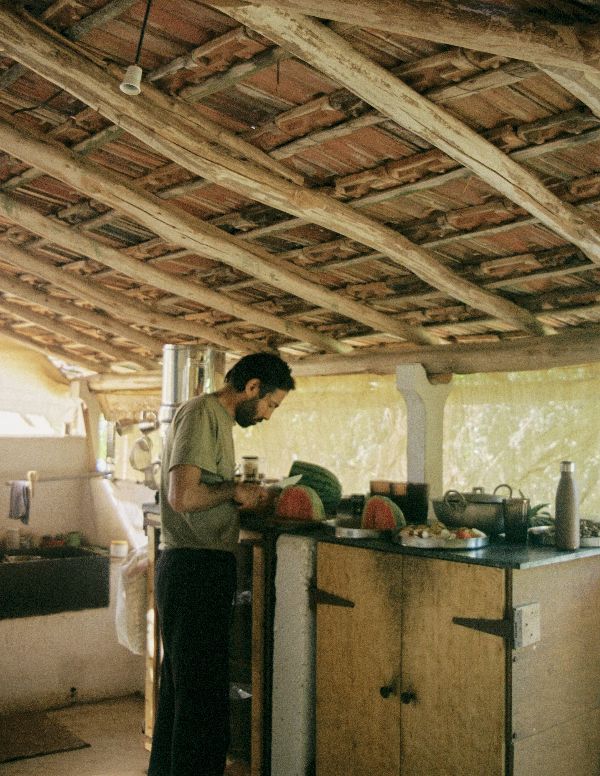
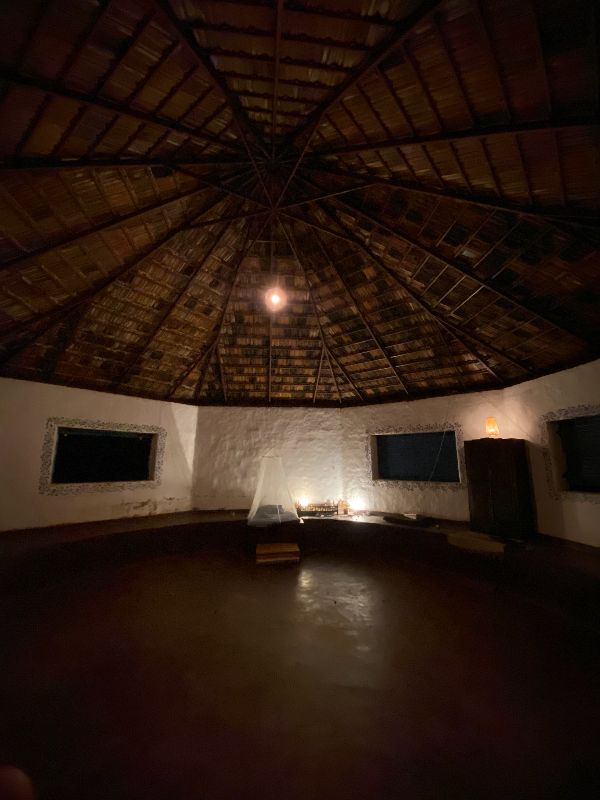
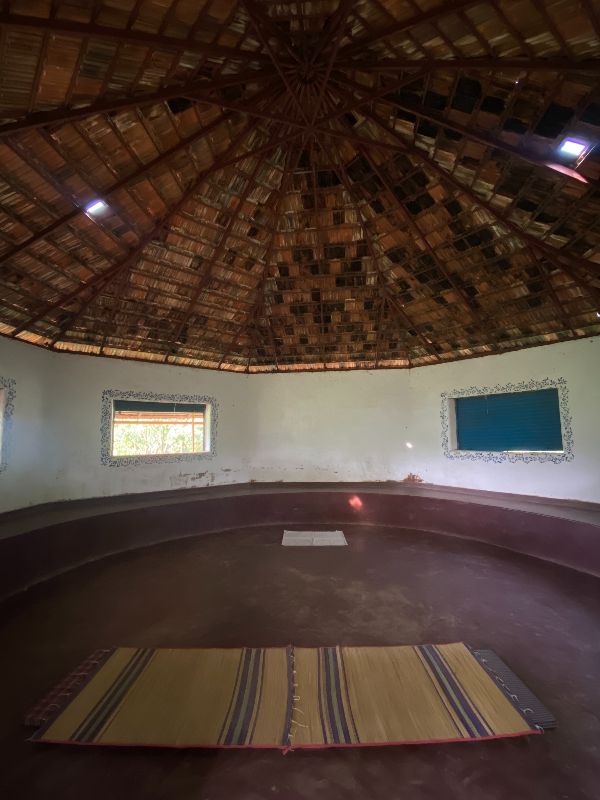
I started the project around 9 years ago as an experiment. Since then, with the help of volunteers who have come and spent time here, it has gradually evolved. We’ve built a kitchen and common hangout space, a large dormitory (which also doubles as a yoga/meditation space), planted over 800 trees, and constructed a basic shower and toilet block. In many ways, it is still very simple and still evolving.
It is not a finished place. It is a process you step into.
The intention behind Gaia Grid is to explore simpler, more conscious ways of living that are less dependent on external systems and more connected to natural cycles. Water, food, shelter, and energy come from systems that are still being developed, with a majority of these resources coming from the land itself.
The community here is small, fluid, and constantly changing. There is no fixed group or formal structure. It is usually just me, along with a small number of people who choose to spend time here. While people may arrive as visitors, they become part of the space through shared responsibility for the work, the food, and the overall environment we create together.
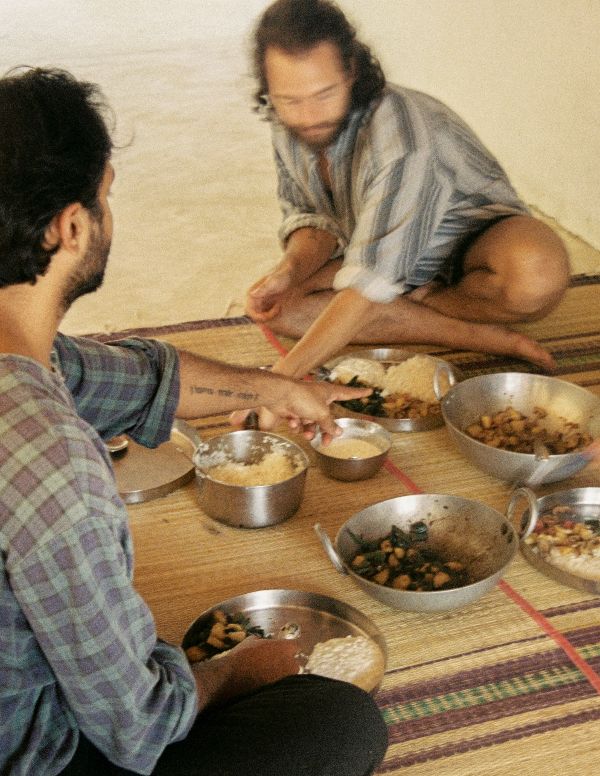
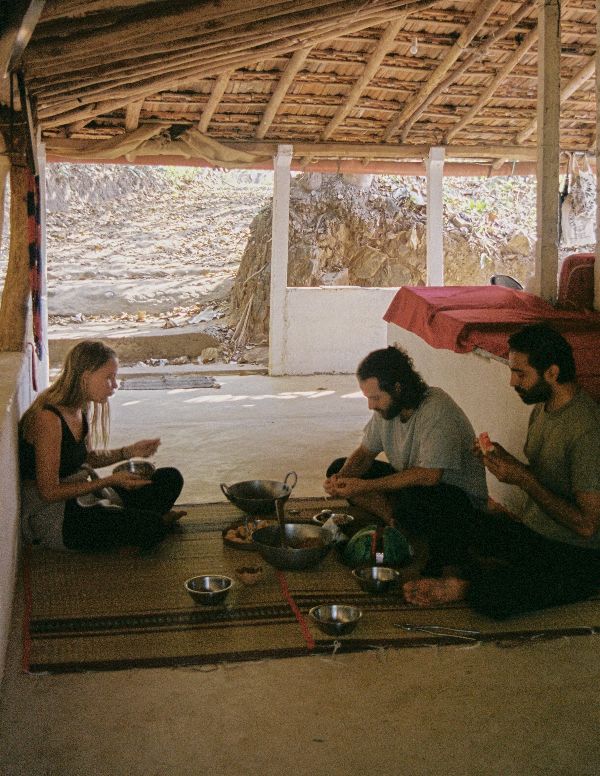
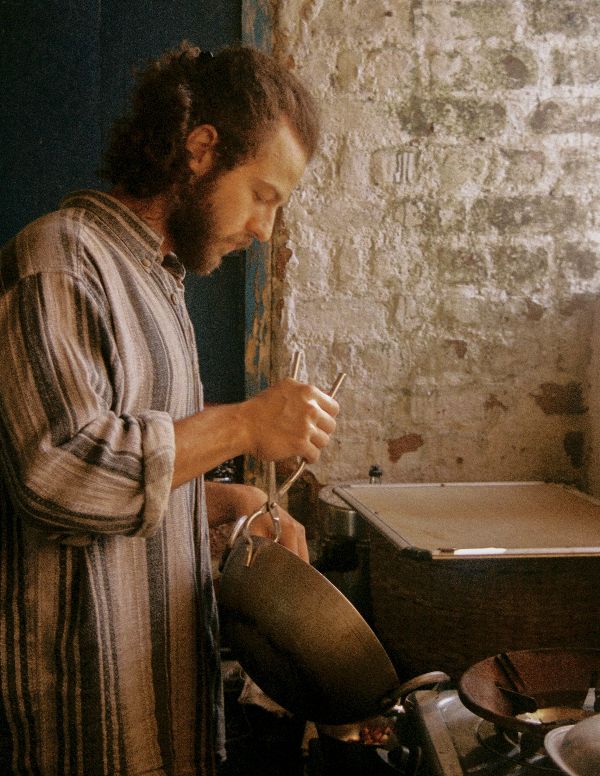
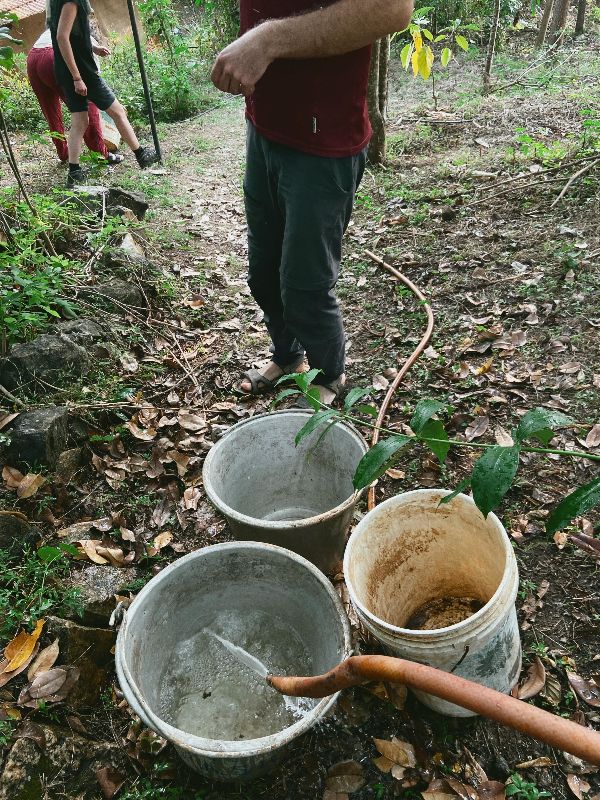
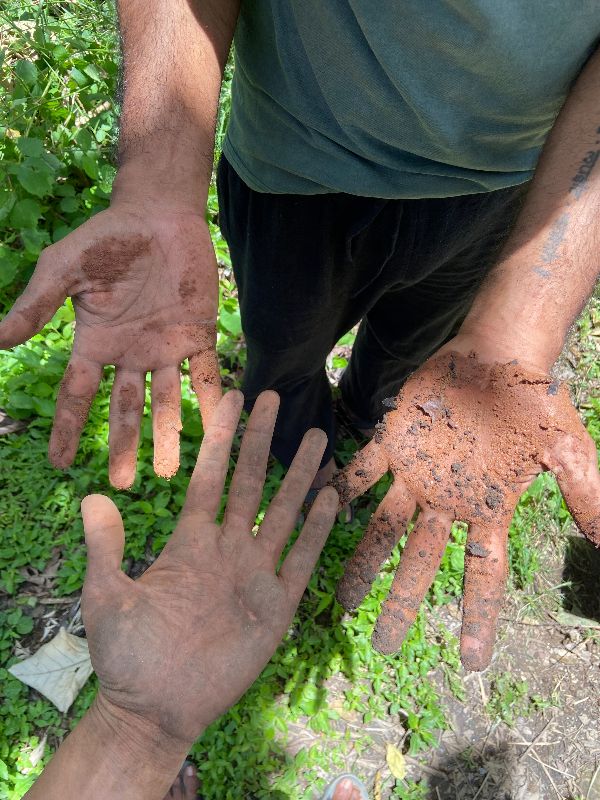
Daily life is simple and participatory. Meals are cooked and eaten together, and responsibilities are shared as needed. Some days are quiet and slow. Others are more physical; hands in the soil, moving stone, planting, maintaining, or building. The rhythm is shaped more by the land and the season than by any fixed schedule.
Decisions are generally informal and situational. There is space for discussion, but also an understanding that the project itself has a direction shaped by its long-term intention. The structure is light, but participation and awareness are expected.
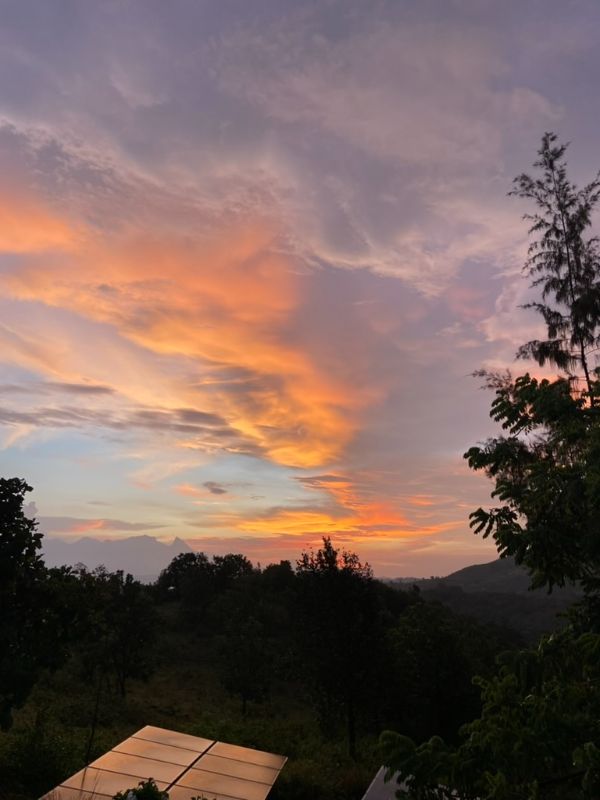
Beyond the physical aspect, Gaia Grid also holds space for reflection. The land is quiet, relatively remote, and surrounded by nature. Many people find that being here shifts their relationship with time, attention, and what they actually need. There is space for conversation, but also for silence.
My own journey has moved between very different worlds, and Gaia Grid reflects that ongoing exploration. It is not about offering a fixed path, but about creating conditions where people can observe, question, and experience something different. If someone is interested in inner work or self-inquiry, that can be explored informally through conversation and shared experience.
What we are attempting here is simple, though not always easy which is to regenerate a small piece of land, to live in a more aware way, and to explore what it means to share space and responsibility with others, even temporarily.
Gaia Grid is not a finished community or a defined model. It is an evolving experiment in living differently. Anyone who spends time here becomes part of that process, even if only for a short while.
Restoring land and rethinking how we live, consume, and relate to nature.
Gaia Grid does not have a formal membership structure at this stage. Most people come for a short period and become part of the space through participation in daily life.
If someone is interested in a longer-term stay or deeper involvement, it usually begins with spending some time here and understanding how the space functions. From there, we continue the conversation based on mutual alignment, interest, and the needs of the project.
The process is informal and evolves case by case, with an emphasis on shared responsibility, trust, and lived experience rather than fixed roles or commitments.
If you’d like to visit Gaia Grid, the first step is to reach out with a short introduction about yourself, including who you are and why you’re interested in spending time here.
It helps to share any relevant experience, but more importantly, your intention for coming. This is not a place for passive stays, so a willingness to participate and adapt to simple living is important.
Stays are usually a minimum of three days.
Once we’ve connected and it feels like a good fit, we can coordinate dates and share details on how to get here and what to prepare for.
One person or partnership has ultimate authority.
A single person, couple, or small group makes most major decisions.
Primary authority rests with the community’s founder(s) or designated leader(s).
Members contribute a percentage of income to community funds.
Regular fees: $900
Labor: Yes (20 hrs/week)
We will accept people with pre-existing debt on a case by case basis.
Common House, Garden(s), Library, Outbuilding(s), Swimming pond or pool, Tractor & Farm Equipment, Fire pit, Swingsets & play areas
Countryside locations with significant distance from urban centers.
Integrated communities designed around ecological principles with sustainable living practices.
Geographically close groups of independently-owned homes whose residents actively cultivate community relationships and shared values.
Connecting people and communities through an intentional online marketplace
There are no needs and offers
We use cookies to improve your experience on our site. By using our site, you consent to cookies.
Manage your cookie preferences below:
Essential cookies enable basic functions and are necessary for the proper function of the website.
These cookies are needed for adding comments on this website.
Statistics cookies collect information anonymously. This information helps us understand how visitors use our website.
Service URL: policies.google.com (opens in a new window)
A residential project: people live here as their primary home.
An institution, business, network, or project that isn’t a residence (e.g. a learning center, farm, or network with no one living there full-time).

{{ item.label }}
{{ item.value ? item.value : currencyFormat( item.amount ) }}
Subtotal
{{ currencyFormat( pricing_summary.total_amount ) }}
There are no results matching your search

We’re introducing new Plus features — including community reviews, Profile Match, and unlimited Needs & Offers posts — while keeping most of FIC free for everyone. Membership costs less than two coffees a month.