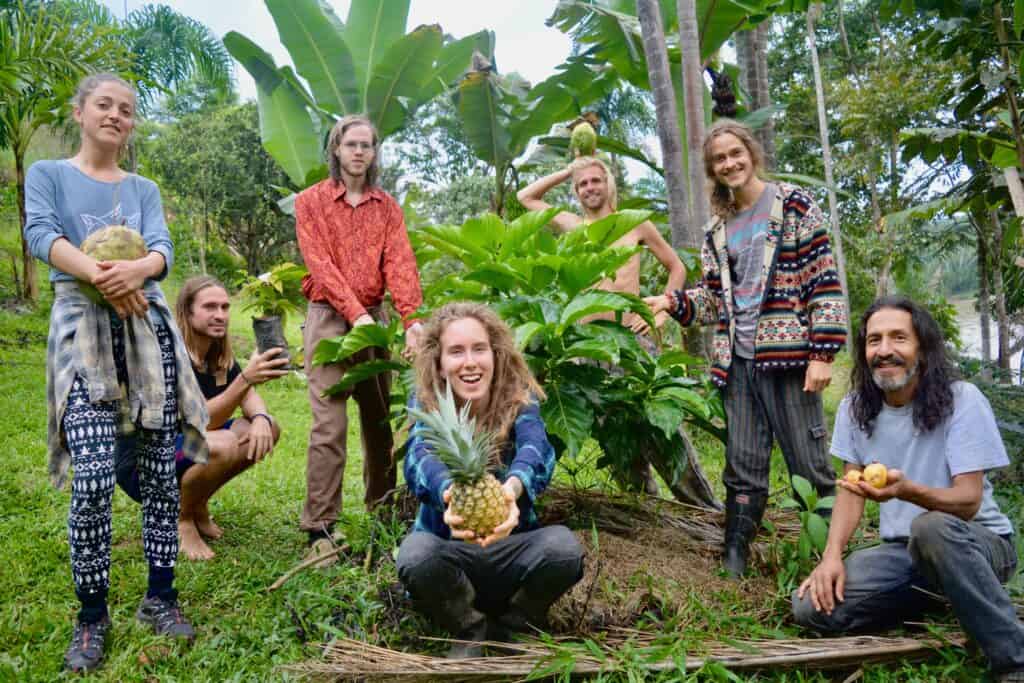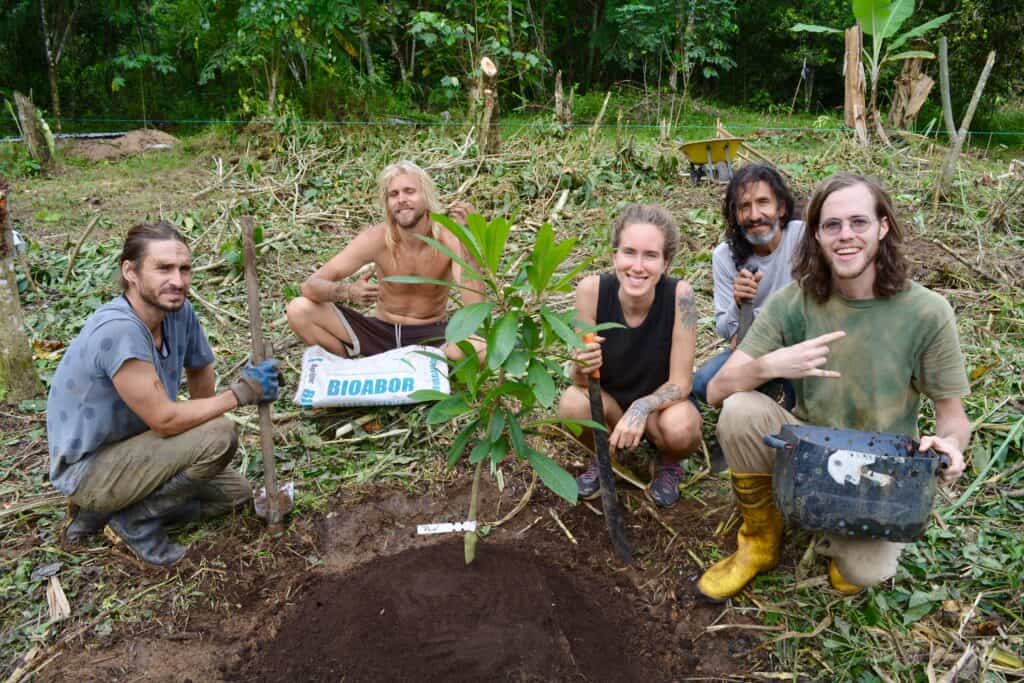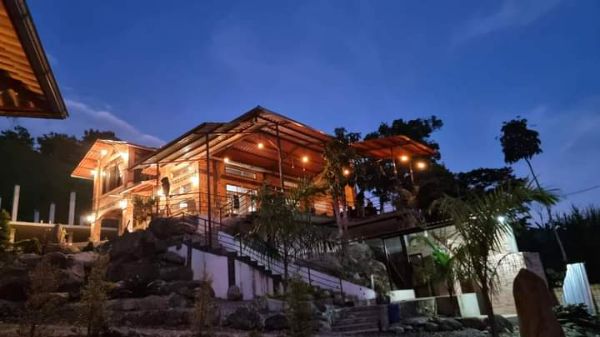
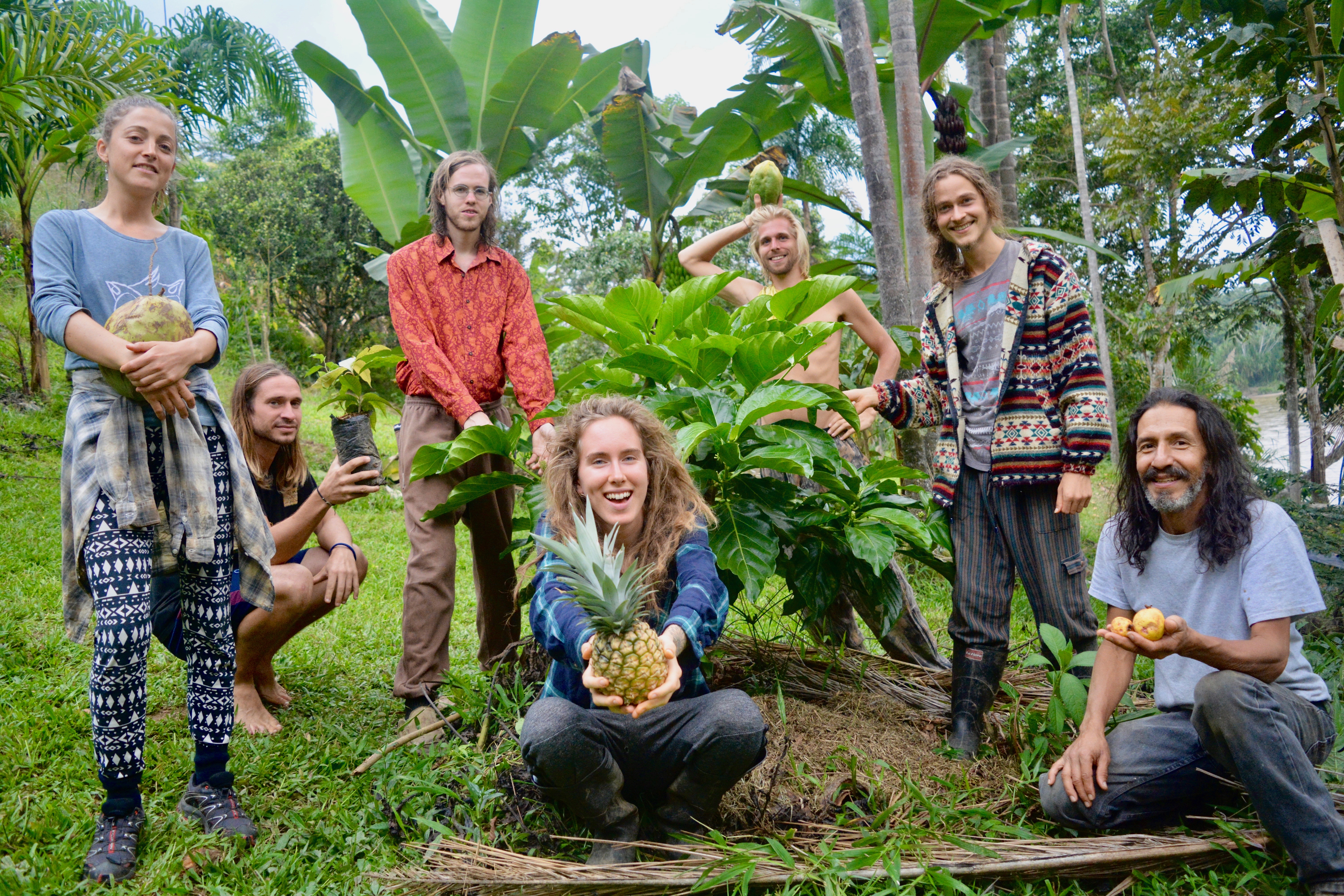
Group of people harvesting pineapples in a lush community garden.

Fruit Haven Ecovillage

  • Communities

About the Communities

  • Established
  • Ecological
  • Rural

Founding year

  • 2014

What we do

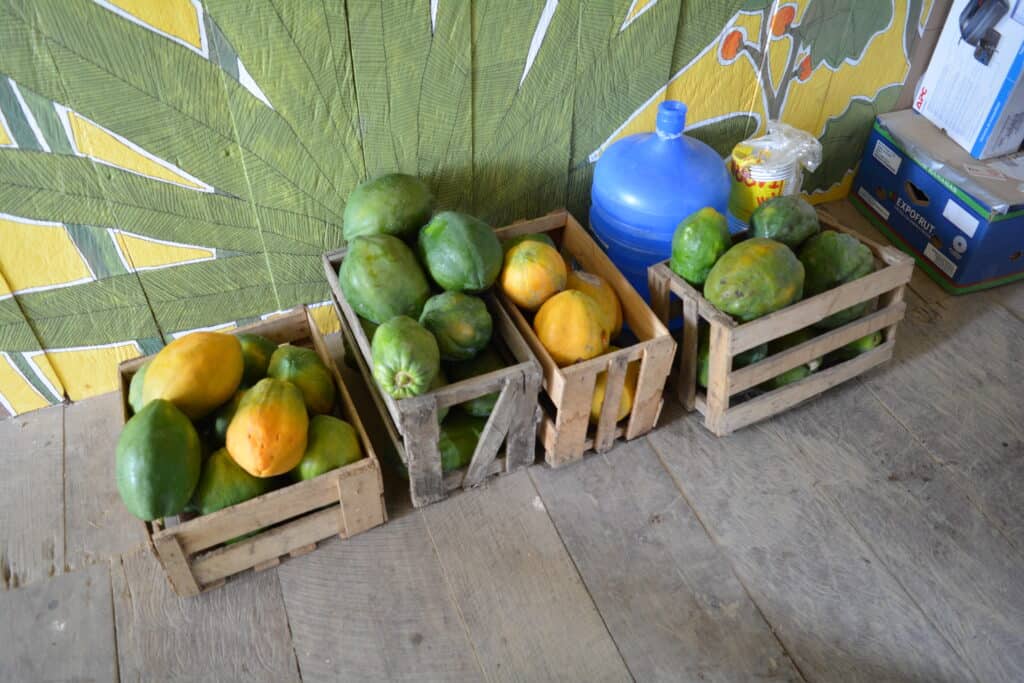
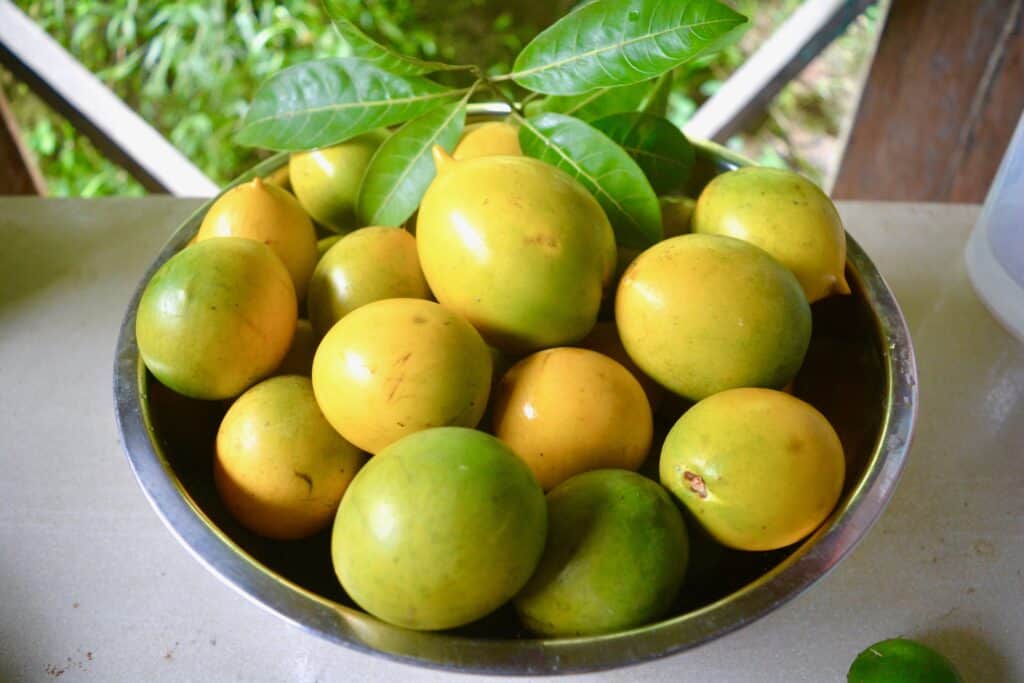
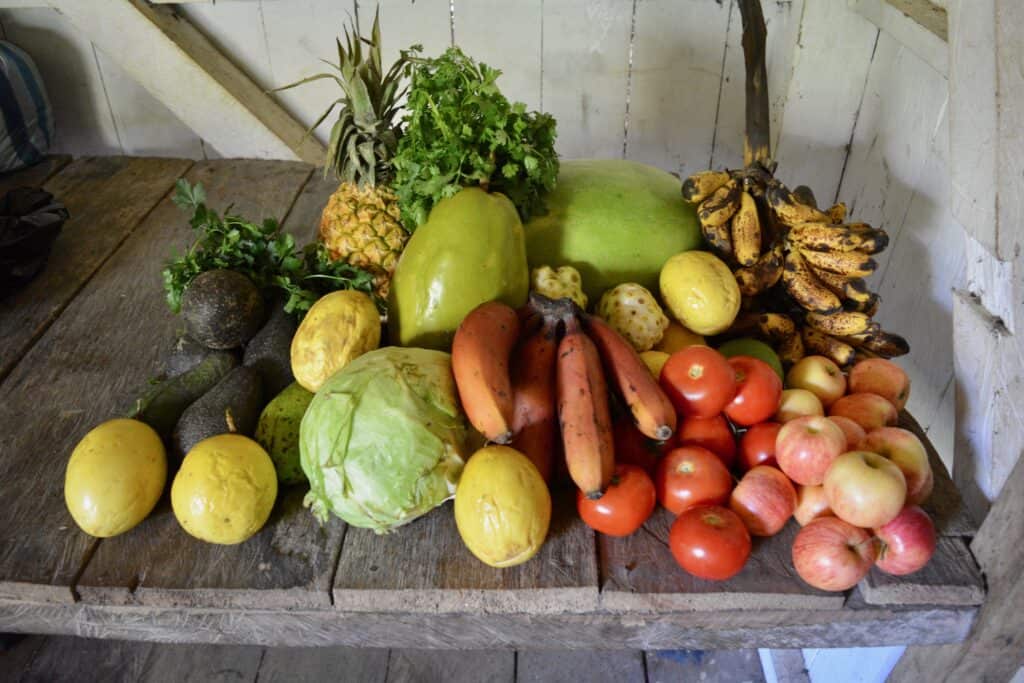
At Fruit Haven, we envision a worldwide network of decentralized, autonomous, fruitarian communities, operating in a sovereign manner, with a comfortable balance between the rights of individuals and the functioning of the community. Growing an abundance of our own fruits and vegetables, and eating a raw vegan diet will provide the physical backbone of superior health, while non-violent communication and consensus-based decision making processes will provide the organizational backbone of resilient and successful community. Through the use of permaculture methods to cultivation, we will help to restore the world’s ecosystems to their healthy natural state, while creating an example to guide others. Above all, we celebrate health, wholeness, and connection to nature in a community of conscious fruit-loving individuals.

Our Mission

We uphold and practice principles of permaculture, raw veganism, decentralization, and spiritual growth.

  • Purpose
  • Ecological
  • Community type
  • Cohousing
  • Coliving
  • Ecovillage
  • Sustainability practices
  • Permaculture design
  • Activities
  • Property management
  • Farming
  • Experiences
  • Services Business

Commemorative dates

  • January 1, 2014
  • Started planning
  • January 1, 2016
  • Started living together
  • 35 Total members
  • Open to new members
  • Open to visitors
Total
46

How to join

All newcomers participate in the 1-2 months volunteer program. After 2 months, volunteers may be invited to stay longer as a resident. After 6 months, residents are reviewed for membership.

Basic expectations or agreements for members

If you are interested in coming to visit us at Fruit Haven, please visit our website and fill out the volunteer questionnaire. http://fruithaven.land/

Primary decision-making authority

  • Small Leadership Group

A few people (not elected by the broader community) make the major decisions.

Decision-making process

  • Modified Consensus

Generally seek agreement, but have backup methods when consensus isn’t reached.

Governance structure

  • Collaborative/Horizontal

Power and responsibility are shared relatively equally among members.

Conflict resolution approach

We have managers that lead on projects with workers to build houses and plant and maintain fruit forest orchards

Economic model

  • Independent Finances

Members maintain separate personal finances with minimal sharing.

Economic scenarios for this community

  • Members need to pay fees, dues, or similar to live there on a per month or per year basis
  • There is a labor obligation
  • Members typically need to have their own job or other personal source of income to cover their expenses while living in the community?

Additional economic information

Regular fees: Yes
Labor: Encouraged or suggested (20 hrs/week)

Shared resources and amenities that are accessible to everyone in the community

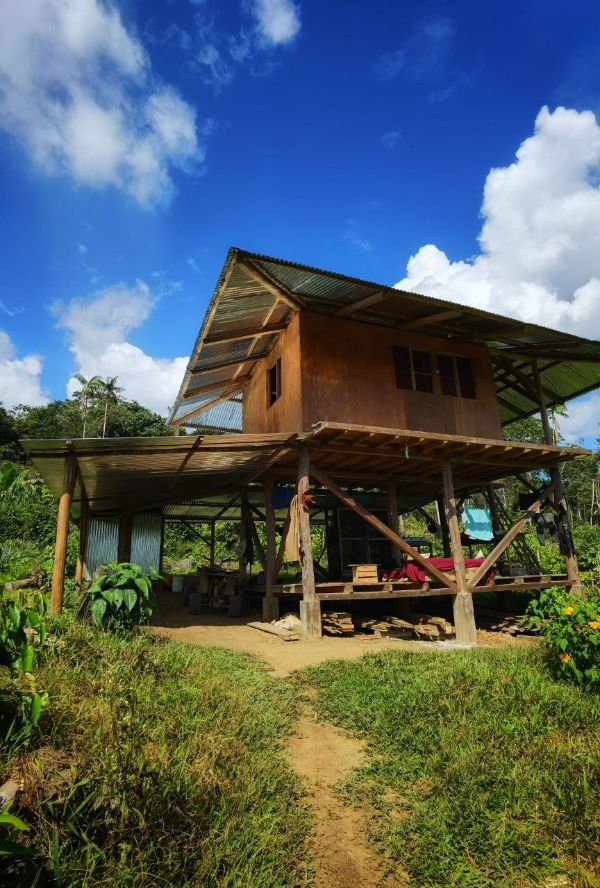
Common House, Garden(s), Library, Workshop, Swimming pond or pool, Outdoor Kitchen, Internet

Frequency of communal meals

  • 1-3 times per month

Significant food acquisition practices

  • Locally sourced

Community activities and engagement

  • Volunteer, Internship, or Apprenticeship, or WWOOF’ing
  • Neighborhood, Community Housing, or Homeowner's Association
  • Ethical Business, Investment Group, or Alternative Currency
  • WWOOF'ing, Guest Farming
  • Festivals, Conferences, Events

Substance use culture

  • Substance use is prohibited in the community

Gender composition

  • Roughly balanced (no group over 60%)

Age demographics

  • Multi-generational (all ages well represented)

Property status

  • Privately owned

Property owner

  • By several individuals through an LLC or a Tenancy In Common agreement

Setting

  • Rural

Countryside locations with significant distance from urban centers.

Community type

  • Cohousing

    Private homes with shared common facilities, designed for neighborly
    interaction while maintaining independence.

  • Coliving

    Shared living spaces with private bedrooms/bathrooms and communal
    kitchens, dining, and social areas.

  • Ecovillage

    Integrated communities designed around ecological principles with sustainable living practices.

  • Commune

    Communal living with shared resources, property, and often income or work responsibilities

Sustainability approach

  • Permaculture design

Land practices in our community

  • The community practices permaculture

Self-produced energy

  • 33 - 66%

Energy sources used

  • Photovoltaic Solar

Self-produced food

  • Up to 33%

Local, organic, or fair trade food

  • 33 - 66%

Food systems

  • Community garden
  • Food forest
  • Land area size
    150 hectares

Guest Book

Written reviews are available for plus members. Click here to upgrade.

Location

  • Morona-Santiago, Ecuador

Needs and Offers

Offer
  • Communities with Openings
7 months ago

Worktrade Opportunities on Big Island Hawaii

We are continuing our work-trade program at Bridge Hawaii for the right people on this beautiful 86-acre land located along the Hāmākua Coast. Ideally, we want to host those individuals who can help with the garden and who can support with build projects for up to a 3 month stay. This work-trade would include lodging, food staples, community kitchen, running hot water showers, off-grid electricity, and laundry. There is access to high speed wi-fi. We often have a car that can be reserved. We also have full bar signal strength with Verizon cellphone service. We have about 2 acres of permaculture garden that needs to be cared for including; weeding, planting, picking up mulch, some tree trimming, ect. We are currently in a building stage on the land. We have a few current grant projects we are working on and some build projects that are underway. We are an intentional community with about 8 permanent residents. There are rescue dairy cows, mini cows, mini donkeys, horses, a donkey, cats, dogs, and active bee hives. We are a drug and alcohol “free” space. A glass of wine or beer with dinner is fine, but absolutely no day drinking or parties. We have a meditation temple and many waterfall pools that are wonderful for swimming. Close to some of the nicest beaches on island. We have snorkeling gear and a kayak. Since this is an animal sanctuary, we limit the consumption of meat on the land. Fish, eggs, honey, and dairy are fine. Let me know if you’re interested by sending an email or text for our application. Maomi (801) 623-0738 ma***@*****************ii.com

Information

Communities

A residential project: people live here as their primary home.

Organizations

An institution, business, network, or project that isn’t a residence (e.g. a learning center, farm, or network with no one living there full-time).

Plus Community Memberhsip

  • Find people with Profile Match
  • Access to your community listing statistics
  • Create Discussion Groups
  • 50% commission when your members purchase a Plus Membership
  • Access to our affiliate program
  • Member badge on your community profile
I am an official member of this community
Disclaimer
I affirm that my information is accurate and I am authorized to manage this listing
Foundation for Intentional Community FIC Member badge logo.

Free Plan

Free Membership
Free

Intentional Advertising

  • Subtotal

    {{ currencyFormat( pricing_summary.total_amount ) }}

Icon representing community connections and collaboration for intentional communities.

Plus Membership

  • Find communities with Profile Match
  • View detailed reviews about communities
  • Direct message and view contact information
  • Create free listings in Needs & Offers
  • Plus Member resources in CommUniversity
  • Plus Member badge on your profile