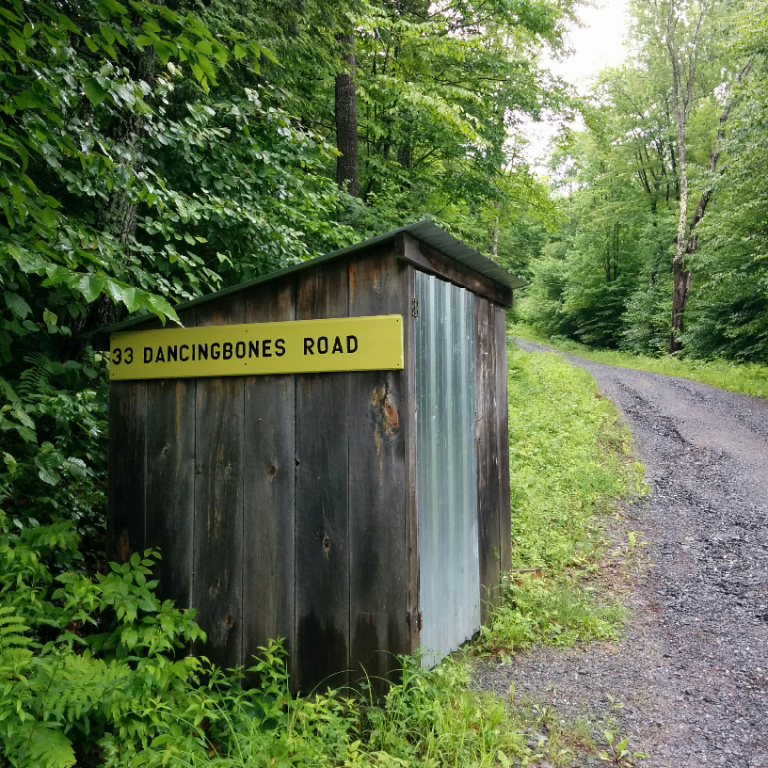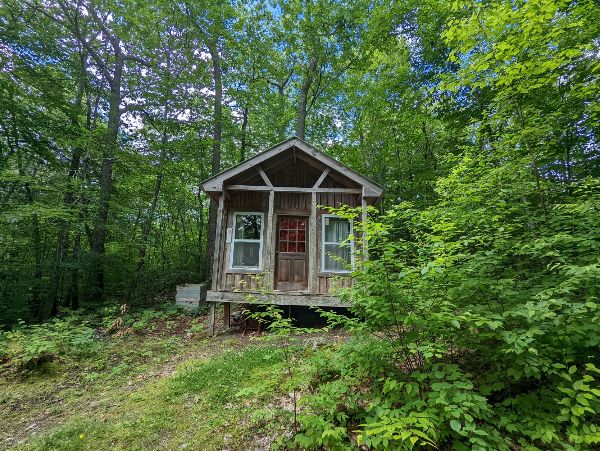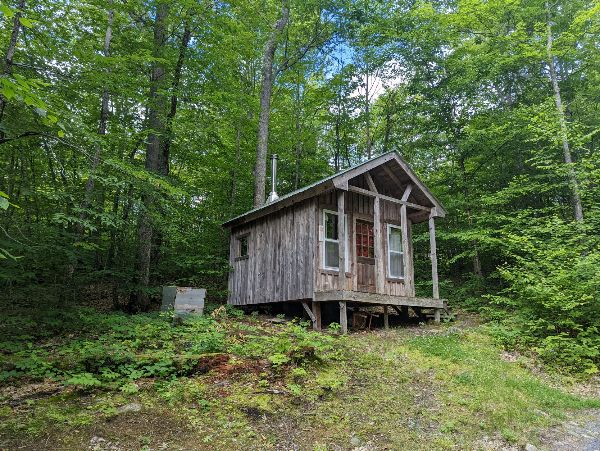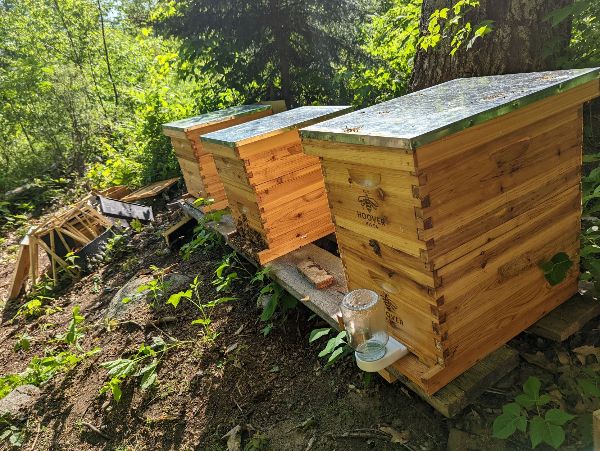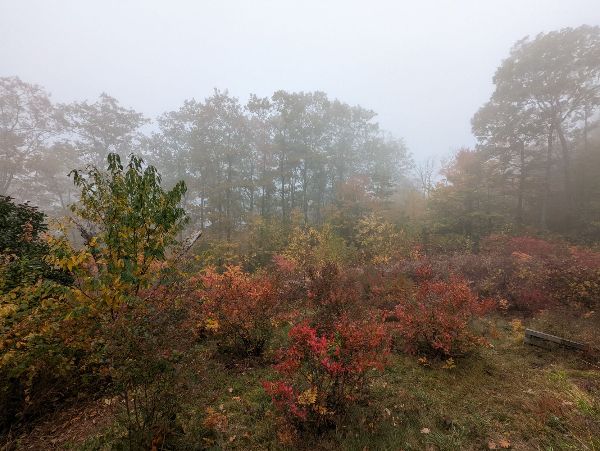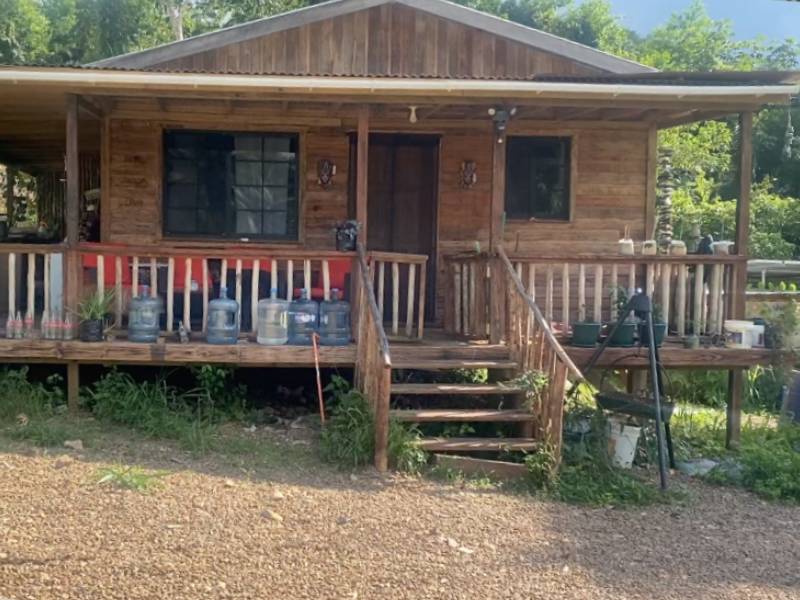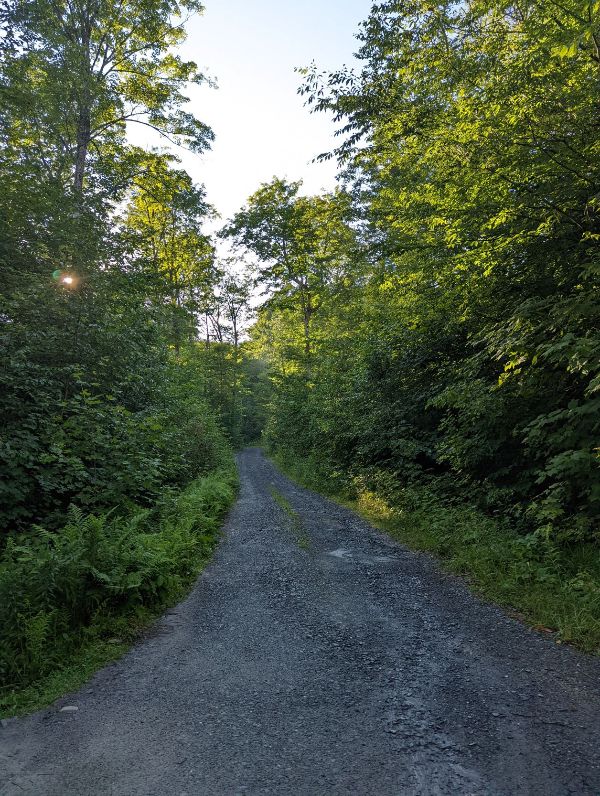
Dancing Bones is located near the headwaters of the Baker River on the southern edge of the White Mountains. Established in 1998, the original idea for the community was to create a village of people focused around Sacred Circle Dance. That foundation has evolved to center around simple living in cooperation with the environment and people with whom we share our daily lives.
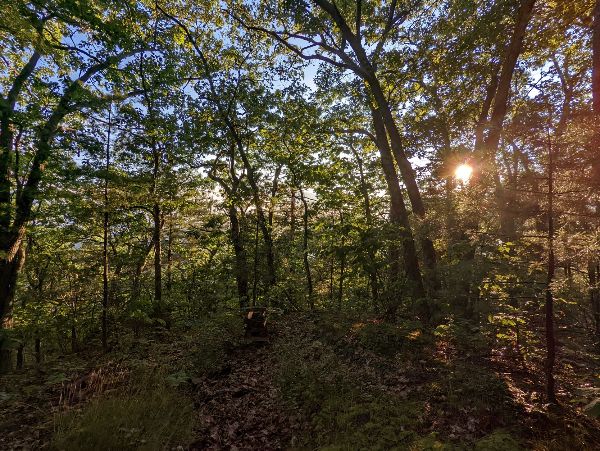
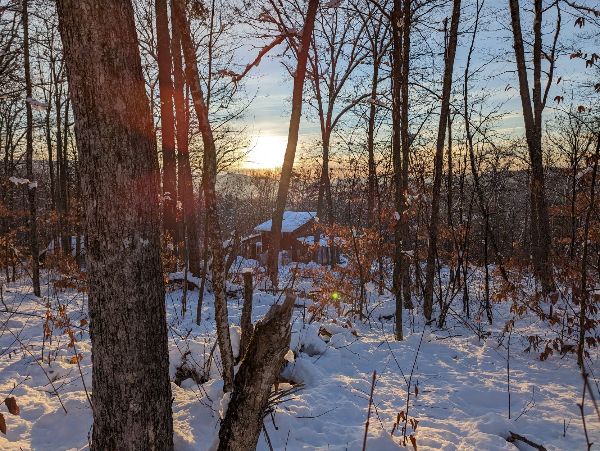
The land we live on is a rugged, heavily wooded site of approximately 40 acres close to the Appalachian Trail, mountains, lakes, and streams. There are currently about a dozen permanent residents. Additionally, there are generally a handful of people here as temporary residents. We’ve had families and single people of all ages, ethnicities and sexual orientations living here.
GUESTS / VISITORS: Dancing Bones is always open to visitors. If you have a firm time you’d like to stop by, contact us to schedule a visit. Those who are brand new to Dancing Bones are welcome to stay after virtually attending one of our weekly meetings. Guests are always welcome to help with work or projects, and donations to the community are gladly accepted. Those who wish to stay at Dancing Bones need to come to a community meeting and formally ask for temporary residency.
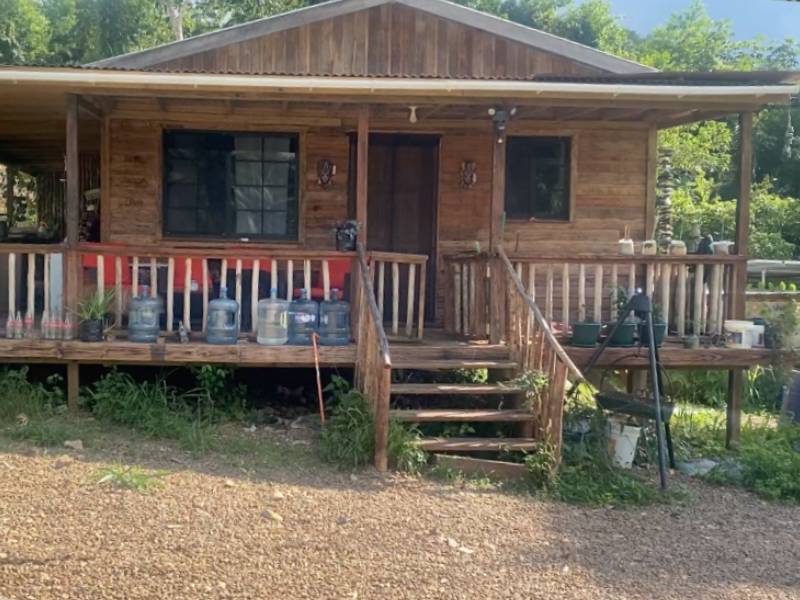
There is plenty of room for tent camping on the property for $50 a night. We also have a furnished guest cabin available for $150 per night. Contact us to check for availability, or book your stay with us via HipCamp (Our website has more information).
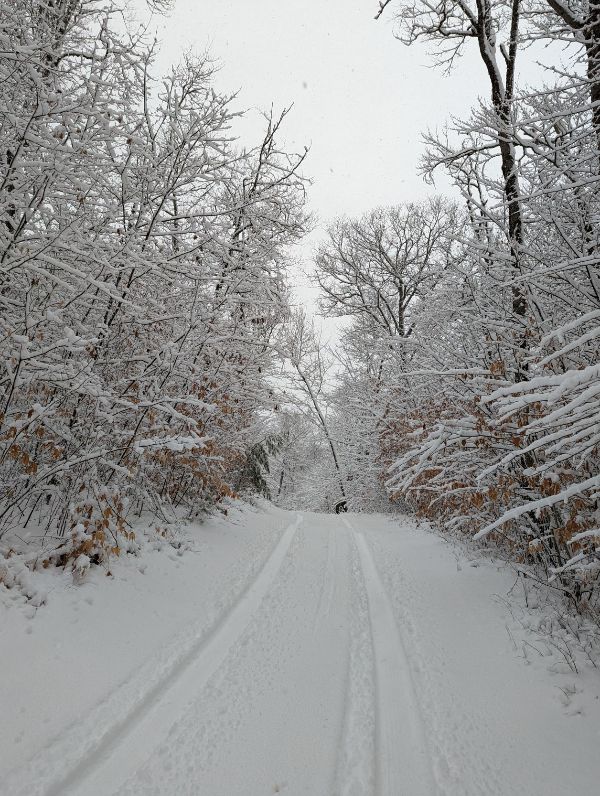
Dancing Bones has limited ability to accommodate RVs. The driveway is unpaved, very steep with tight curves and water bars. Additionally, we have very limited space to park large vehicles. We will not, except by special permission of a Consensus of Permanent Residents, provide any hook ups to electricity or water. During the summer months smaller RVs and conversion vans may be able to access the property but large RVs or buses will have difficulty. During the winter, access would be impractical.
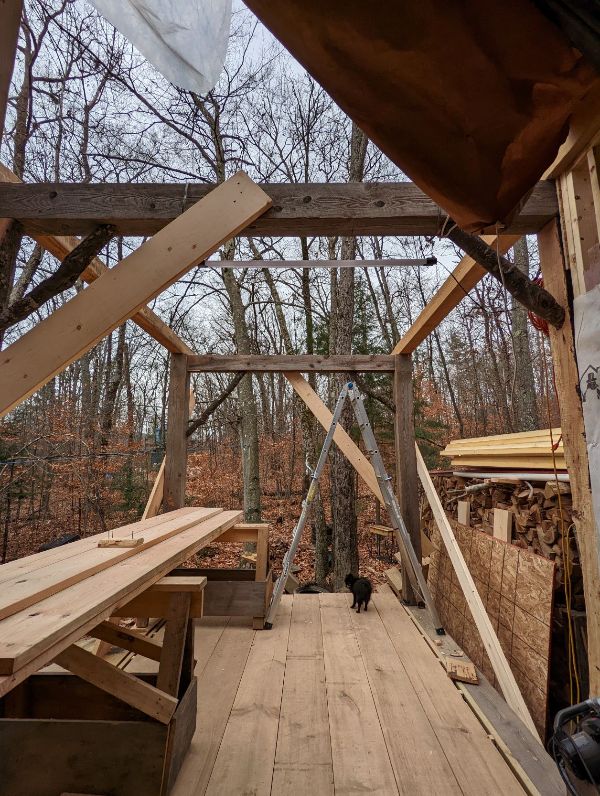
The community building, a 16×16 structure with a kitchen, pantry and shower facilities for communal use, is also available for Guest’s use. There is also a furnished loft available for guest use with a spectacular view! We are currently in the process of building a newer, larger community building to better accommodate our growing community.
The Permanent Residents of Dancing Bones need to know upfront about any animals, large or small, that you have and would like to bring with you. Animals must be under the owners responsible control at all times. Please understand that if, during your stay as our guest, a Permanent Resident of Dancing Bones feels, for any reason, that you or your animals should not be on the property, you or your animals can be asked to leave at any time.
Dancing Bones exists within the town of Wentworth, NH and while there is a gas station and convenience store, the nearest “civilization” of any size is Plymouth, NH to the south-east or Bradford, VT to the north-west. Both are about 20 miles (30 min) away. There is no public transportation system.
Dancing Bones is not entirely off grid. We do have electricity and access to mostly reliable wifi. There is running water in the Community Building and Dancing Bones is an avid supporter of composting toilets. In chillier months, cabins are heated by wood or propane stoves.
Not all cabins on the property are equipped for year round occupancy. We typically do not welcome guests to stay during winter months, due to the lack of shelters available, and limited parking options.
COMMUNITY MEETING: Dancing Bones governs through the use of consensus. While only Permanent Residents are formally included in a consensus decision we encourage anyone present, including guests, to actively participate in the discussion. Sundays are community days! We have work parties starting at 11:00 AM where we make progress on various community projects. We also hold our weekly business meetings on Sundays at 5:00 PM. (Initial meetings with newcomers are held virtually https://calendly.com/dancingbones-community/meet?month=2025-09 to schedule.)
TEMPORARY RESIDENCY: When a person wishes to remain at Dancing Bones, they are expected to attend a Community Meeting and ask to become a Temporary Resident. This gives everyone a chance to discuss why a person wants to remain at Dancing Bones, for how long, and to address any special arrangements or concerns.
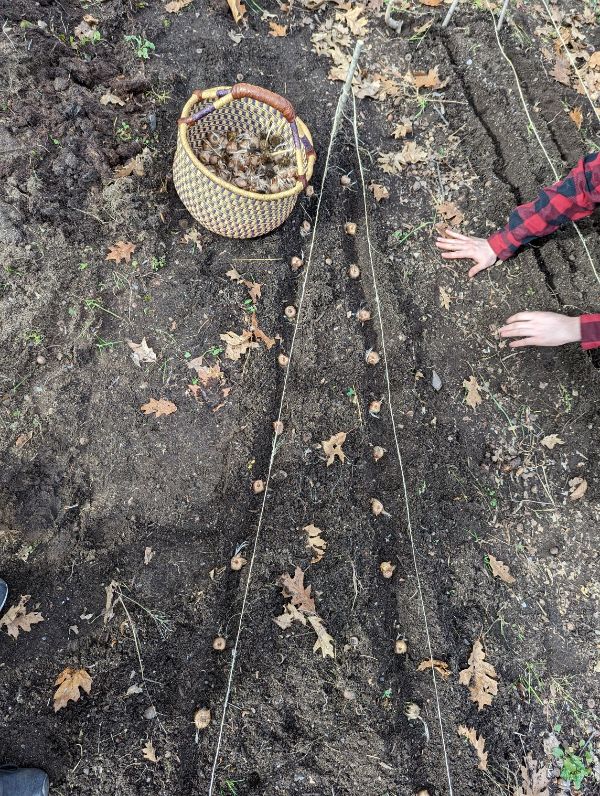
GARDENS: Many people within the community have an interest in permaculture and we do have a few areas currently designated as community gardens and most residents have some form of personal garden space. In our experience many people have an interest in various forms of agriculture as an ideal. Dancing Bones’ land is primarily heavily forested and rugged mountain terrain. The open space we do have cleared requires a large investment in time and labor to keep clear and plant on. The community remains open to allowing individuals to pursue their food production ideals.
DWELLINGS: Dancing Bones offers the opportunity to explore creative solutions to the challenges of shelter. Many people come here with excitement to try new ideas. We have had people live in tents, yurts, wigwams, greenhouses, straw bale structures, and self built cabins. In the early years of Dancing Bones, everyone that came to live here had to build their own structure. As time has passed, former members have moved on and there are now some structures available to house those new to the community. If you are wanting to build a new structure, that is something that needs to be discussed and approved by consensus.
COMMUNITY EXPENSES: Each year we set a budget for our property taxes, expected utilities and maintenance expenses and divide that amount by the number of adult community members. This becomes our community fee for the year. All the land is held by the Baker Valley Community Land Trust and subject to our full consensus decision making.
COMMUNITY MEMBERS: Becoming a Community Member of the Dancing Bones Community is a significant commitment representing an understanding that the individual affects the lives of all the people in the community and shows a willingness to be affected by all the people of the community. Once a new member is accepted, they are included in the consensus. People may ask to become Community Members at any time, but typically new members aren’t considered during winter months.
Simply Living, Interdependently.
Adult applicants must be 21 years of age or older. Potential new members will receive further information on our membership policy after attending a weekly community meeting after formally expressing their intention to become a Dancing Bones provisional community member. Typically, new members are not considered in colder months (New Member Season roughly being April 1st – September 1st). All new members are subject to community consensus approval.
Dancing Bones is always open to visitors. If you have a firm time you’d like to stop by, send an email to set up a time that works for you and the community. Those who are brand new to Dancing Bones will need to virtually attend one of our weekly meetings.
We need to know upfront about any animals, large or seemingly insignificant, that you have and would like to bring with you. Animals must be under the owners responsible control at all times.
Those who wish to stay at Dancing Bones need to come to a community meeting and formally ask for temporary residency.
The whole membership decides collectively.
Everyone must agree before moving forward.
Power and responsibility are shared relatively equally among members.
Consensus of those present (no less than a quorum). Full consensus for irrevocable decisions, e.g., membership, construction, land changes.
Members maintain separate personal finances with minimal sharing.
Regular fees: Yes
Labor: Encouraged or suggested
Members with pre-existing debt: allowed
We share utilities, taxes, maintenance and infrastructure costs, all of which is covered in the monthly fee. This fee is revisited at a yearly budget meeting.
Common House, Garden(s), Vehicle Share, Workshop, Outbuilding(s), Fire pit, Internet
Countryside locations with significant distance from urban centers.
Integrated communities designed around ecological principles with sustainable living practices.
Connecting people and communities through an intentional online marketplace
There are no needs and offers
We use cookies to improve your experience on our site. By using our site, you consent to cookies.
Manage your cookie preferences below:
Essential cookies enable basic functions and are necessary for the proper function of the website.
These cookies are needed for adding comments on this website.
Statistics cookies collect information anonymously. This information helps us understand how visitors use our website.
Service URL: policies.google.com (opens in a new window)
A residential project: people live here as their primary home.
An institution, business, network, or project that isn’t a residence (e.g. a learning center, farm, or network with no one living there full-time).

{{ item.label }}
{{ item.value ? item.value : currencyFormat( item.amount ) }}
Subtotal
{{ currencyFormat( pricing_summary.total_amount ) }}
There are no results matching your search