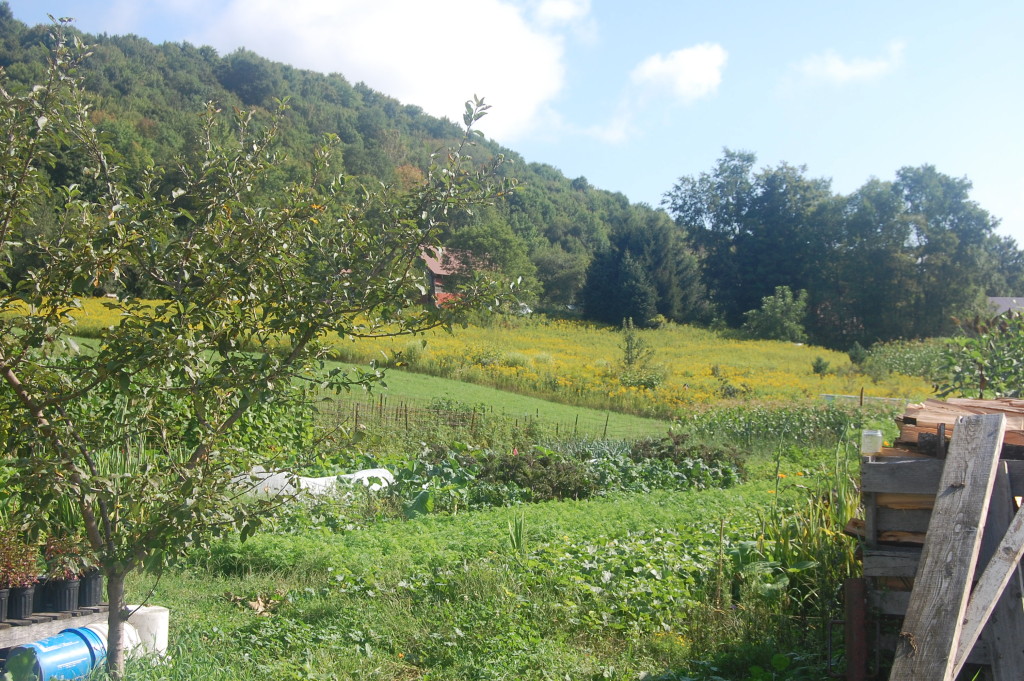

Lush green landscape with trees, hills, and a small building in the distance.

Common Place Land Cooperative, Inc.

Logo of the Foundation for Intentional Community with interconnected circles.
  • Communities

About the Communities

  • Established
  • English
  • Social
  • Rural

Founding year

  • 1976

What we do

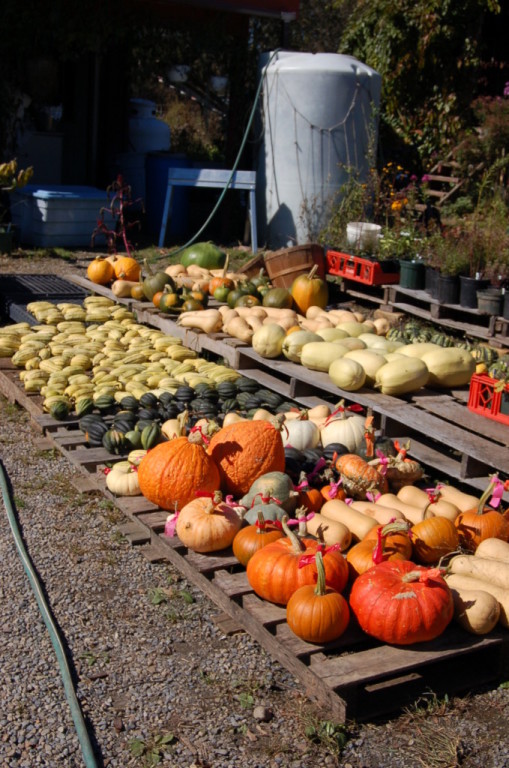
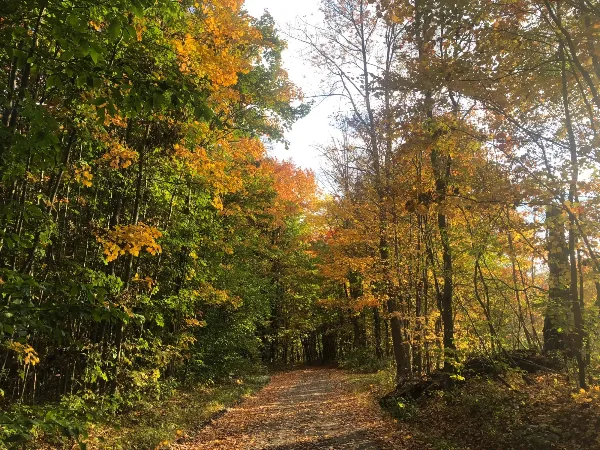
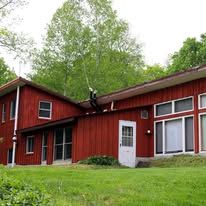
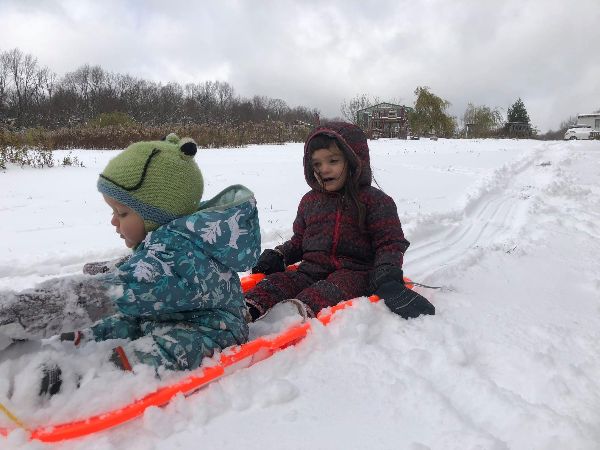
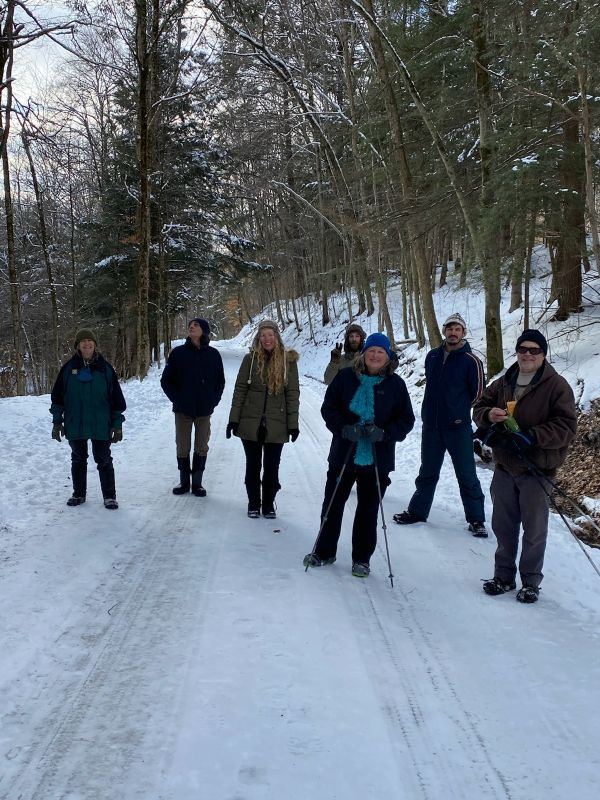
Common Place Land Cooperative (Or Common Place Land Trust) is a 432-acre, rural land trust community located in the rolling hills of Central New York. It was founded in 1980. Our community is made up of adults and children at varying ages and stages. We are continuously evolving into a small-scale community aimed at greater cooperation and food and energy self-sufficiency. Fourteen homesteads have been created on the land, seven of which are off the grid, and most are using alternative energy of varying types and designs. From time to time there may be a home for sale, but anyone interested in joining our community would benefit from exploring options to build. Over the years, we have come to agreement on 11 core ideals, which define and guide our community, including land stewardship and trusterity, economic self-reliance, diversity, consensus decision making, community participation, and voluntary simplicity. As a community we are not affiliated with any political or religious organization. Members have diverse views and interests including organic gardening, homesteading, organic farming, perennial garden design and maintenance, permaculture, alternative energy and house design, attachment parenting, homeschooling, the arts and music, teaching, natural and herbal healing, yoga and activism. We use consensus decision making at our bi-monthly meetings. We are working to create a cohesive community that inhabits the land, preserving its integrity and resources. We are lucky to have the Truxton Academy Charter School in our town, grades K-6, which “cultivates an enthusiasm for learning through project based curriculum that celebrates our rural life, environmental stewardship, and our agricultural heritage.” https://www.truxtonacademy.org/ To learn more about our community, please visit our website: https://commonplacelandtrust.wordpress.com/

Our Mission

We are ecologically inhabiting and stewarding the land as a Community Land Trust, using consensus decision making.

  • Purpose
  • Social
  • Languages
  • English
  • Community type
  • Intentional Neighborhoods
  • Sustainability practices
  • Ecosystem restoration
  • Renewable energy systems
  • Sustainability education and community engagement
  • Waste reduction / composting
  • Regenerative agriculture or permaculture
  • Permaculture design
  • Natural / low-impact building
  • Carbon footprint reduction tracking or goals
  • Activities
  • Permaculture
  • Property management
  • Farming
  • Construction
  • Goods manufacturing
  • Services Business
  • Ecosystem
  • Temperate Forest

Commemorative dates

  • January 1, 1976
  • Started planning
  • January 1, 1980
  • Started living together
  • 16 Total members
  • Open to new members
  • Open to visitors
Total
20

How to join

Our “Clearness” process is 6 mo. min. with 3 members meeting ~3 times, covering core ideals, consensus, leases, financial & building plans, leasehold, etc. When “Clear” & there is consensus, a lease can be signed for 1.5 acres & building can begin.

Basic expectations or agreements for members

Our Core Ideals. See our web site
Governance: Decision making-All community members together
Full Consensus
Collaborative/Horizontal

Primary decision-making authority

  • All Community Members Together

The whole membership decides collectively.

Decision-making process

  • Modified Consensus

Generally seek agreement, but have backup methods when consensus isn’t reached.

Governance structure

  • Collaborative/Horizontal

Power and responsibility are shared relatively equally among members.

Conflict resolution approach

Conflict in a community is inevitable. We do not seek to suppress conflict, but to approach it rationally, so that it is not an enduring threat to any member in the community. If opinion becomes polarized when considering an item and antagonism develops, we usually move to submit the item to committee, so that more time can be given to the consideration of its problems, and to finding areas of possible consensus. Occasionally, an individual member may become alienated from the community for some reason, or two individuals may become caught up in a continuing animosity. In such cases, the community can form a conflict resolution committee that can offer counseling to a disaffected member and/or also refer members in conflict with each other to mediation services either within the community or outside of it.

Economic model

  • Independent Finances

Members maintain separate personal finances with minimal sharing.

Economic scenarios for this community

  • There is a one-time fee, investment, or share purchase to join the community separate from accessing housing
  • Members need to pay fees, dues, or similar to live there on a per month or per year basis
  • Members typically need to have their own job or other personal source of income to cover their expenses while living in the community?

Additional economic information

Join fee: $3000 Regular fees: $130 Labor: Encouraged or suggested Once membership is completed, a one time fee of $3000 called Land Liberation is to be paid, or $4000 can be paid over 10 years at 100 per quarter. Once a house is built, the member is responsible for their house’s and leasehold’s portion of the land taxes. This is billed twice a year. (At present, NY State has a “Star Exemption” program for full time residents which can greatly reduce one of the two tax bills)

Vehicle accessibility

  • Most / all people own their own vehicles

Shared resources and amenities that are accessible to everyone in the community

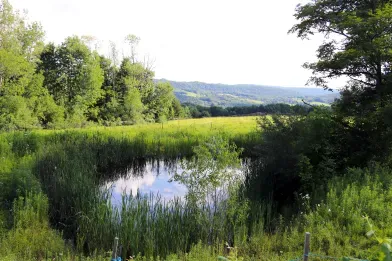
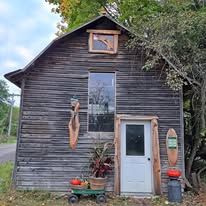
Common Land including fields and forests with ravines, Ability to lease extra land with consensus, Woodlot for firewood gathering, Two ponds, Fire pits, Maintained and plowed main road, Driveway plowing, Recreational field, Gathering field, Building called the “Honey House” with electricity for freezers and communal mail area, Electric car hook-up area, a pavilion being planned for 2027.

Frequency of communal meals

  • 1-3 times per month

Significant food acquisition practices

  • Growing our own
  • Locally sourced
  • Wildcrafting / Foraging
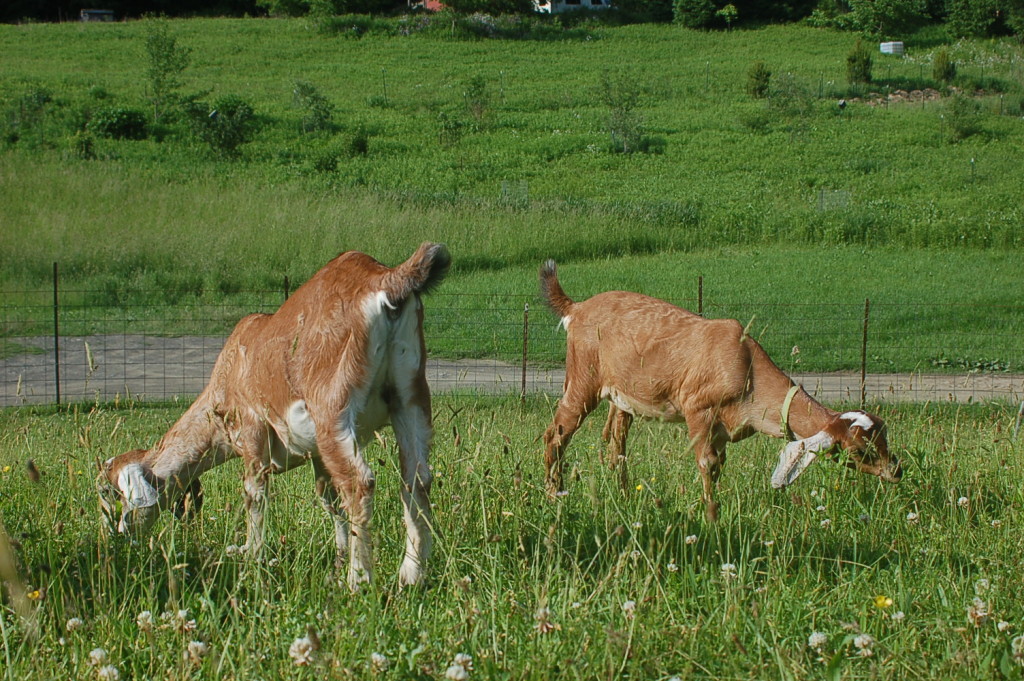
  • Livestock / Animal Husbandry

Dietary type

  • Vegetarian Only

Dietary restriction

  • People can cook and eat what they want in their own residence

Community activities and engagement

  • WWOOF’ing, Guest Farming
  • Festivals, Conferences, Events
  • Syracuse Peace Council
  • Syracuse Community Choir
  • Indivisible Cortland

Local connectedness

  • We try to engage with our local community

Friendliness of people and local government

  • There is a moderate amount of connection and collaboration between people and local government

Pet policy

  • Pets are allowed, with special approval or according to policy

Cats are fine with no restrictions. Dogs owned by residents must be on a leash, on voice control, or kept on one’s leasehold. Visitor’s dogs must be on a leash. No dogs at Common Place sponsored festivals.

Substance use culture

  • Substance use appears in public spaces but no pressure
  • Substance use occurs primarily at celebrations or ceremonies

Internal and external practices

  • Participates in protests and marches
  • Engages with local politics
  • Volunteers for organizations fighting for social justice

Gender composition

  • Roughly balanced (no group over 60%)

Age demographics

  • Multi-generational (all ages well represented)

Racial / ethnic demographics

  • Moderately diverse (3-4 different backgrounds)

Socioeconomic and wealth composition

  • Moderately diverse (some economic variety)

Property status

  • Privately owned

Property owner

  • By a Community Land Trust or some other kind of nonprofit

Ecosystem

  • Temperate Forest

Moderate climate with distinct seasonal changes
Includes deciduous and mixed forest types
Examples: Eastern North American Forests, European Broadleaf Forests

Setting

  • Rural

Countryside locations with significant distance from urban centers.

Community type

  • Intentional Neighborhoods

    Geographically close groups of independently-owned homes whose residents actively cultivate community relationships and shared values.

Community type

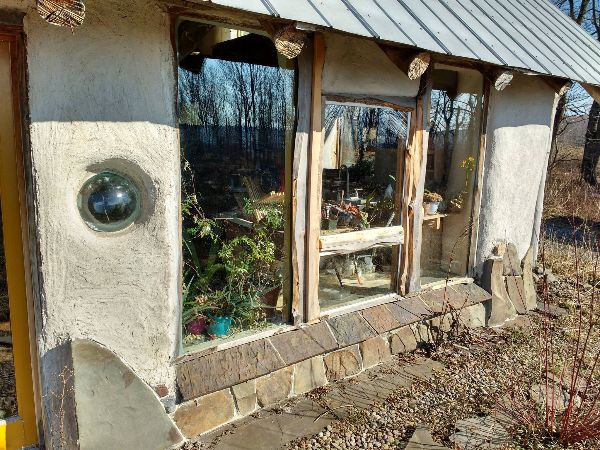
  • Partially built or remodeled with recycled or environmentally friendly materials, and/or using natural building methods
  • Built or remodeled using passive solar design
  • Super-insulated to reduce energy usage

Sustainability approach

  • Ecosystem restoration
  • Renewable energy systems
  • Sustainability education and community engagement
  • Waste reduction / composting
  • Regenerative agriculture or permaculture
  • Permaculture design
  • Natural / low-impact building
  • Carbon footprint reduction tracking or goals

Land practices in our community

  • The community practices permaculture
  • The community is working to build soil using only natural methods
  • The community is working to restore natural habitat

Community type

  • Partially built or remodeled with recycled or environmentally friendly materials, and/or using natural building methods
  • Built or remodeled using passive solar design
  • Super-insulated to reduce energy usage

Some or all of the buildings are...

  • Partially built or remodeled with recycled or environmentally friendly materials, and/or using natural building methods
  • Built or remodeled using passive solar design
  • Super-insulated to reduce energy usage

Self-produced energy

  • 33 - 66%

Energy sources used

  • Wind
  • Photovoltaic Solar
  • Solar hot water

Self-produced food

  • 33 - 66%

Local, organic, or fair trade food

  • 33 - 66%

Food systems

  • Community garden
  • Food forest
  • Greenhouse / aquaponics
  • Livestock / poultry
  • Seed saving / exchange
  • Shared kitchen or food co-op

Renewable water use

  • Over 66%

Source of water

  • Spring water
  • Well water
  • Rainwater capture and storage for use (barrels, cisterns, etc.)

Wastewater management

  • Septic system
  • Constructed wetland

Water conservation practices

  • Rainwater capture
  • Efficient irrigation (drip, timed, or moisture-based systems)
  • Composting toilets

Waste management practices

  • Composting
  • Recycling program
  • Reuse or repair systems
  • Land area size
    432 acres

Guest Book

Written reviews are available for plus members. Click here to upgrade.

Location

  • New York, United States

Common Place Land Cooperative, Inc.

Needs and Offers

Connecting people and communities through an intentional online marketplace

  • Promoted
Offer
  • Promoted
  • Events
2 weeks ago

Healing Love Healing Money: Trust As The Foundation For A New Culture

Money, love and power are among the hardest things any community works with, and many of us carry the same fears into both: not having enough, losing what we have, and the sense that if someone else gets money or love, we won’t. Healing Love, Healing Money: Trust as the Foundation for a New Culture is taught by two intentional communities. Karen McAllister and Duncan Cryle are from Clear Sky Meditation and Retreat Center, a Buddhist-lineage community in the BC Rockies. Monika Alleweldt and Benjamin von Mendelssohn from Tamera Healing Biotope, a community of about 160 people in southern Portugal that has spent decades studying love, trust and relationship. Clear Sky has spent years working on its relationship with money, and our two communities found surprising parallels in the fears beneath both. Over four sessions we explore the roots of fear around money and belonging, love, possession and power, trust as infrastructure (community as a container for healing), and ethical livelihood. We use short meditations, body-based practices, reflection and small-group conversation. You do not need to be in a romantic relationship or live in community. When: October 27, Nov 3, 10, 17. All four sessions: 12–2pm Vancouver, 1–3pm Alberta, 7–9pm UK and Portugal, 8–10pm Central Europe. Note: US and some Canadian provinces change clocks on November 1, so the US west coast is 12–2pm on October 27, then 11am–1pm for the remaining sessions, and Eastern is 3–5pm on October 27, then 2–4pm for the rest. Cost: sliding scale Details and registration: https://www.clearskycenter.org/event/healing-love-healing-money-online/  
October 27, 2026 13:00 – November 17, 2026 15:00
  • Promoted
Need
Offer
  • Real Estate For Sale
3 days ago

Breathe the Magic

Set in Sea Elephant, Tasmania, within a remarkable conservation landscape, this contemporary home offers genuine privacy with the assurance that the surrounding native environment is protected for the future.  With its cool King Island climate and abundant rain and water supply, your lifetyle is secure in a climate future that is becoming unsettling. Experience the unique community lifestyle that only King Island can offer.  Sleep with the peace of knowing you live in a place where everyone looks out for everyone else, and someone will always have your back. 1675 Reekara Road offers slightly more than 51 hectares of protected King Island wilderness, of which approximately 48.84 hectares are protected under a conservation covenant encompassing King Island scrub, blue gum forest, remarkable wildlife. The property is surrounded by the Lavinia State Reserve and Council Hill Conservation Area. A 2 hectare residential entitlement provides ample space for planting vegetables, fruit trees,  keeping chickens, or creating other sustainable living infrastructure.  Already included are: – A well-maintained house built in 2023 with upstairs en-suite bedroom and deck with gorgeous views, including forest/ocean outlook. – A spacious downstairs bathroom provides options for guest accommodation – Just include a sleeper couch or 2 in the ample living area. – A large pristine kitchen, including pantry and laundry. – Small wood shed – Large shed or double garage built in 2024 – Enclosed garden – 40,000 litre water storage tank – large dam An existing approved DA means you have the option of further development.  Buy the property furnighed, unfurnished, or with a 2015 Jeep Wrangler thrown in.

Update to a Public Profile

  • Log in
  • Go to your profile page
  • Toggle on the "Add my profile to the directory"
  • Save your profile

Information

Communities

A residential project: people live here as their primary home.

Organizations

An institution, business, network, or project that isn’t a residence (e.g. a learning center, farm, or network with no one living there full-time).

Plus Community Membership

  • Find people with Profile Match
  • Access to your community listing statistics
  • Create Discussion Groups
  • Access to our affiliate program
  • Member badge on your community profile
I am an official member of this community
Disclaimer
I affirm that my information is accurate and I am authorized to manage this listing
Foundation for Intentional Community FIC Member badge logo.

Free Plan

Free Membership
Free

Intentional Advertising

  • Subtotal

    {{ currencyFormat( pricing_summary.total_amount ) }}

Icon representing community connections and collaboration for intentional communities.

Plus Membership

  • Find communities with Profile Match
  • View detailed reviews about communities
  • Create free listings in Needs & Offers
  • Plus Member resources in CommUniversity
  • View communities detailed reviews
  • Plus Member badge on your profile