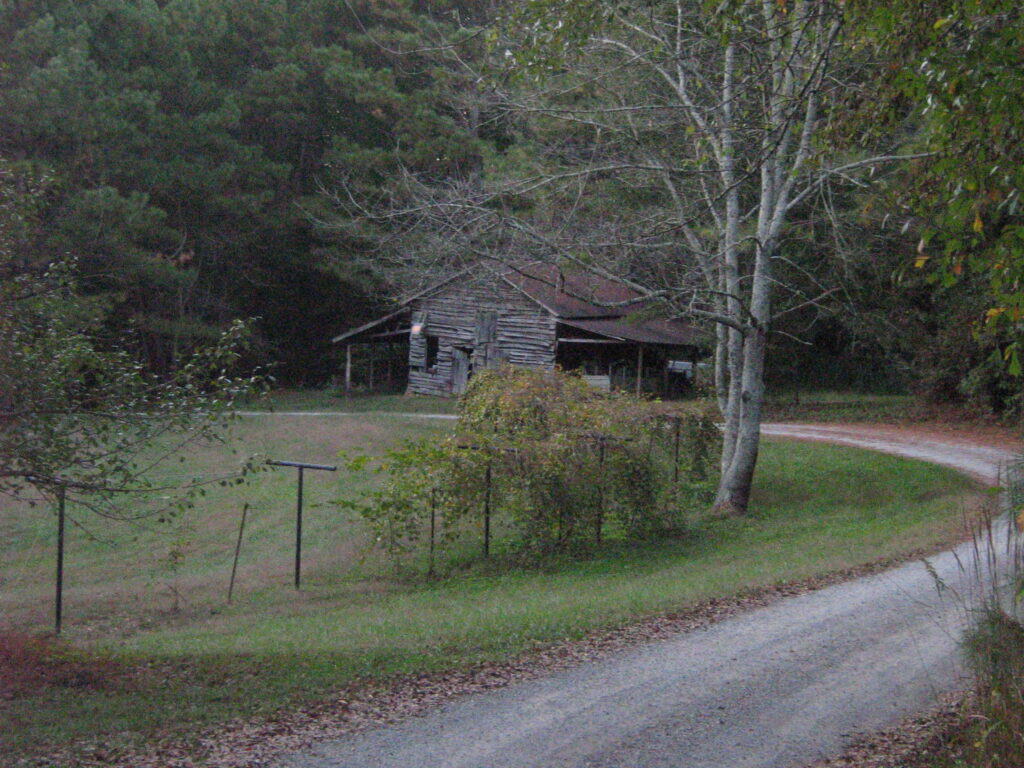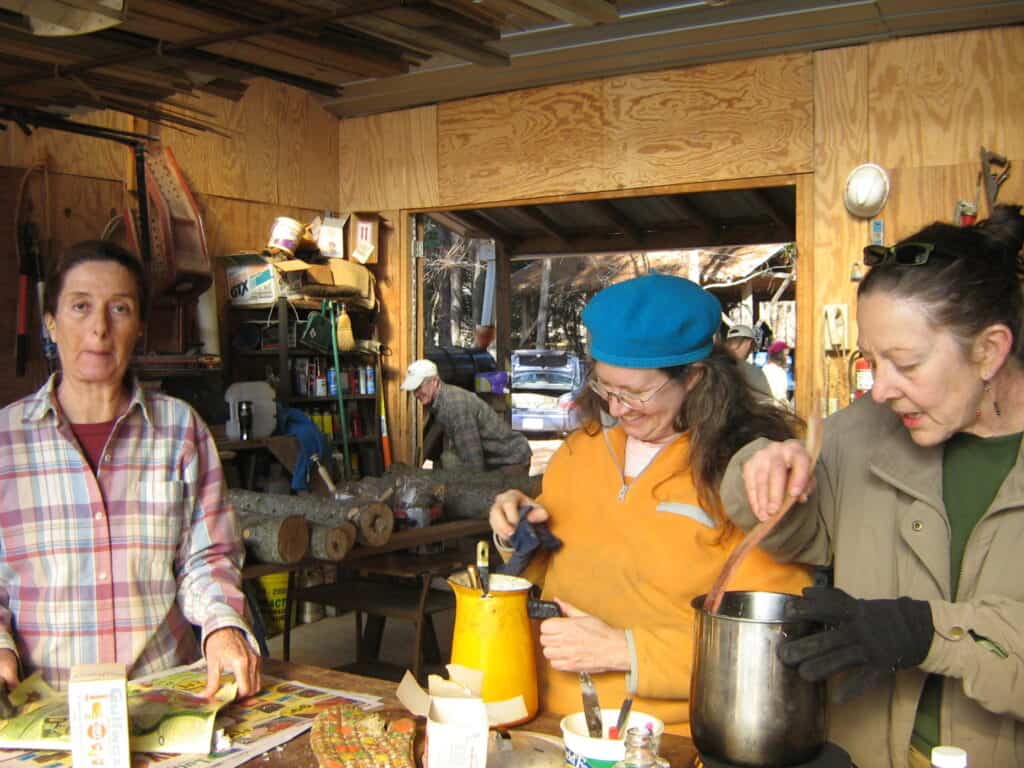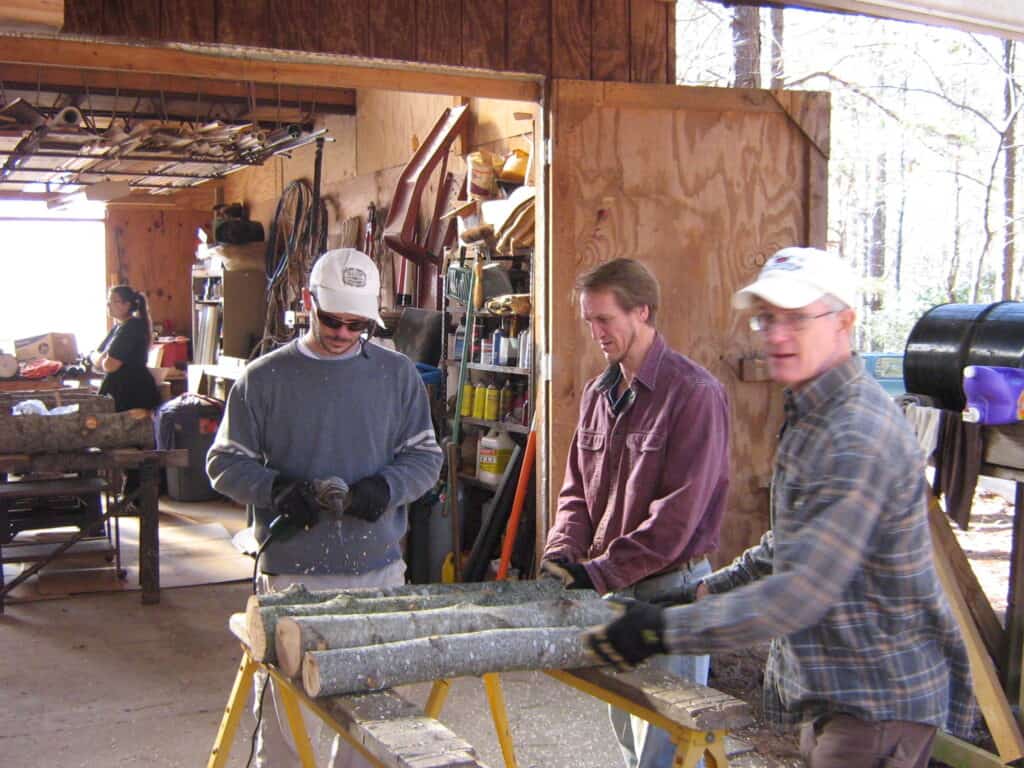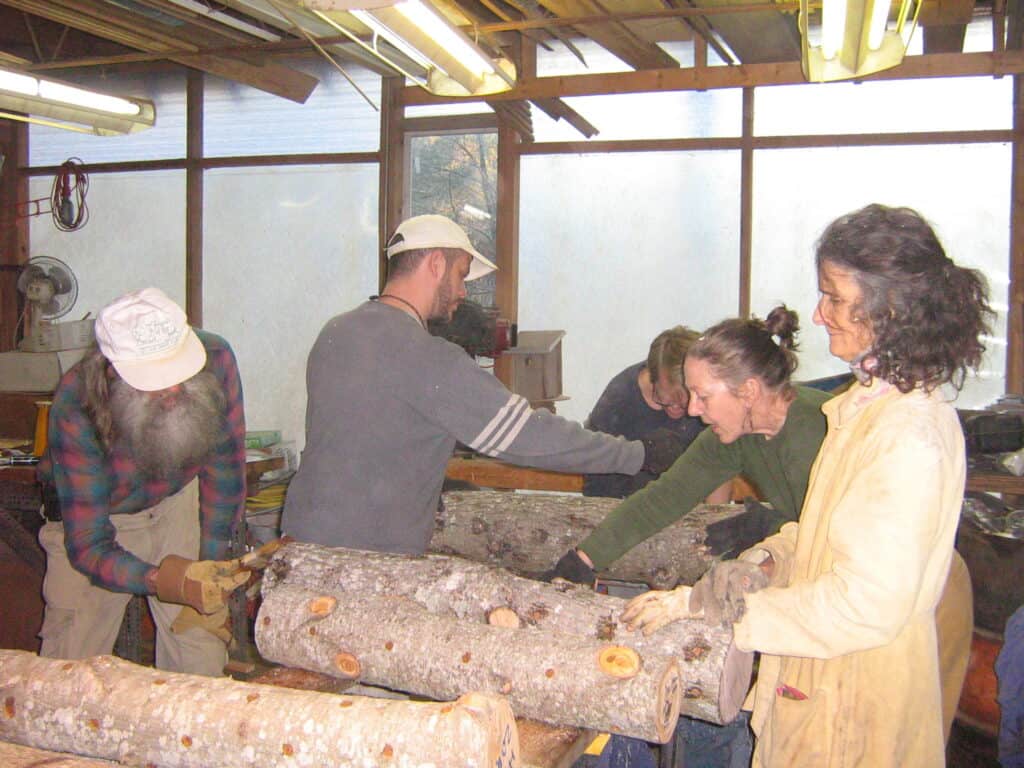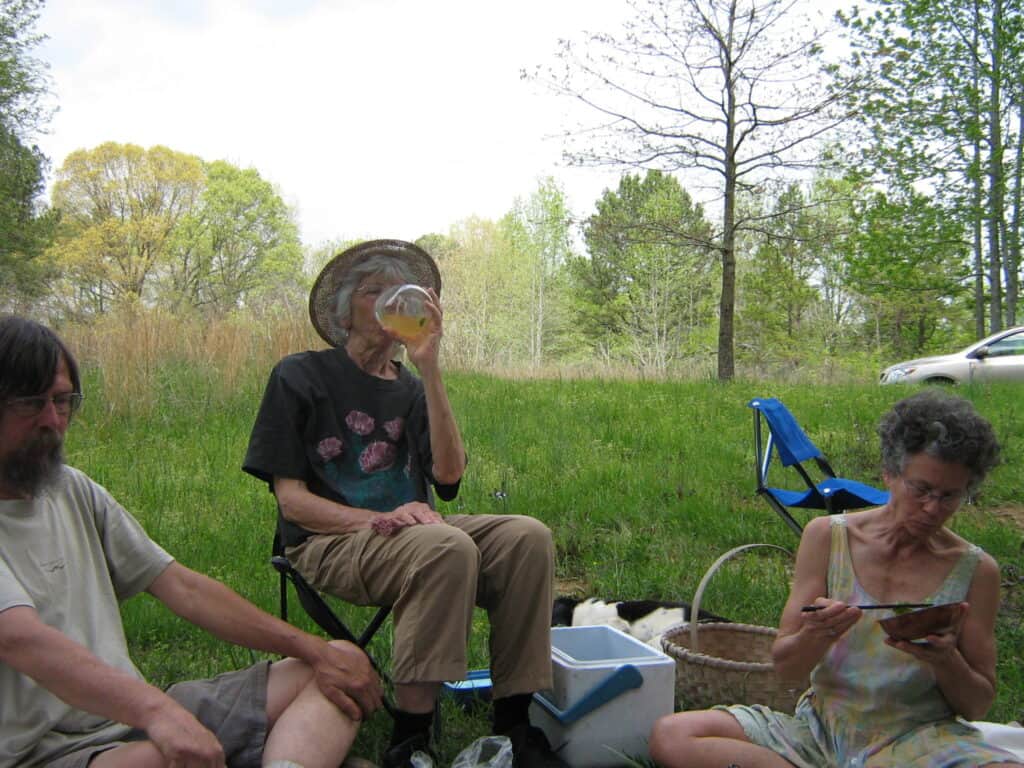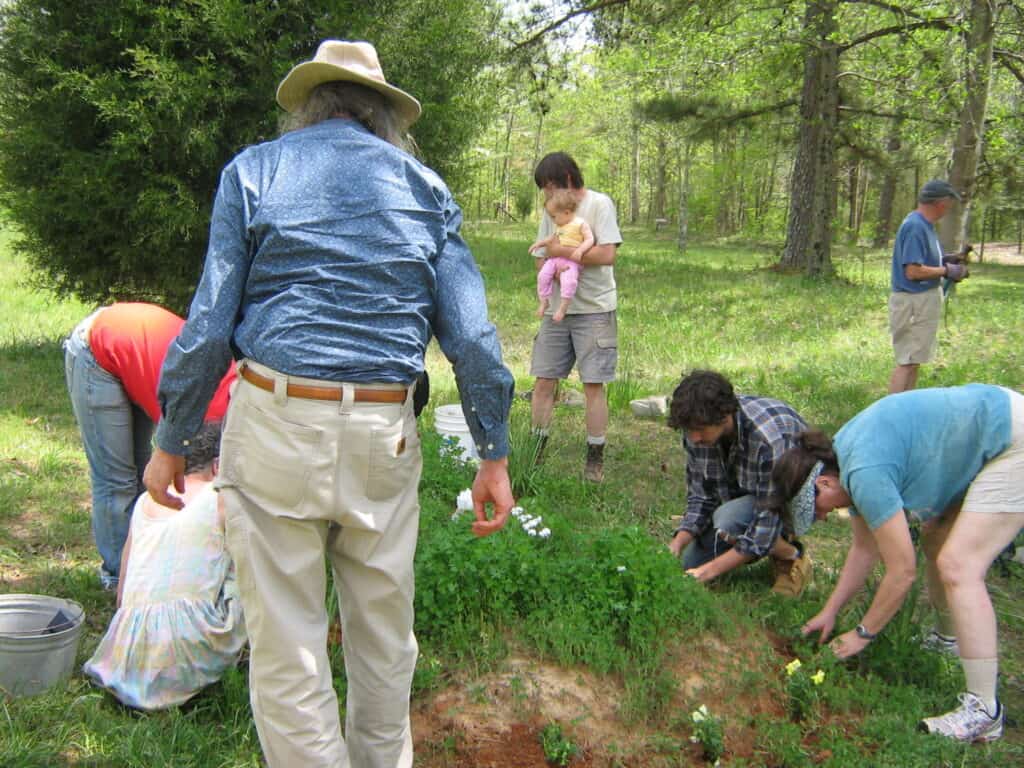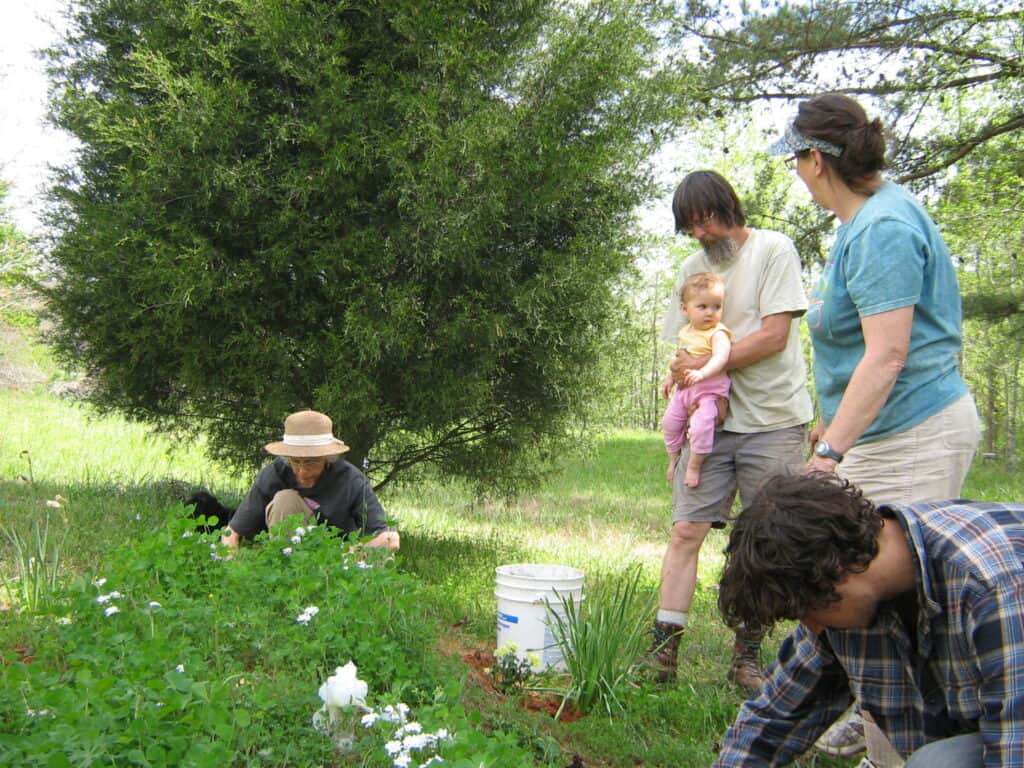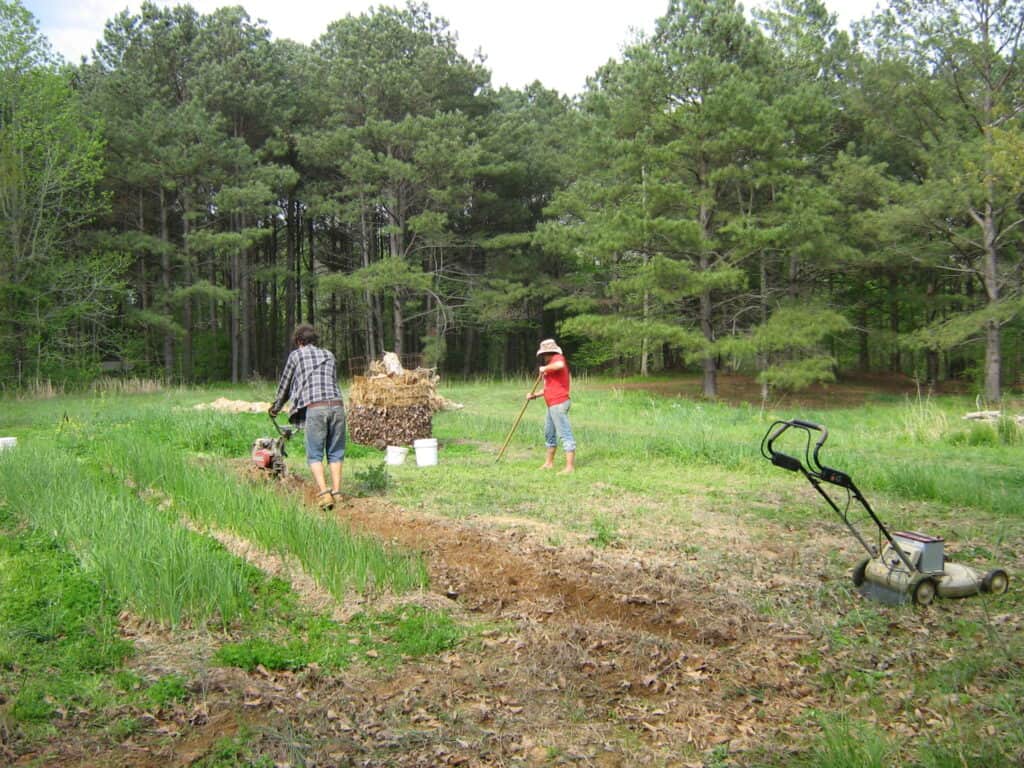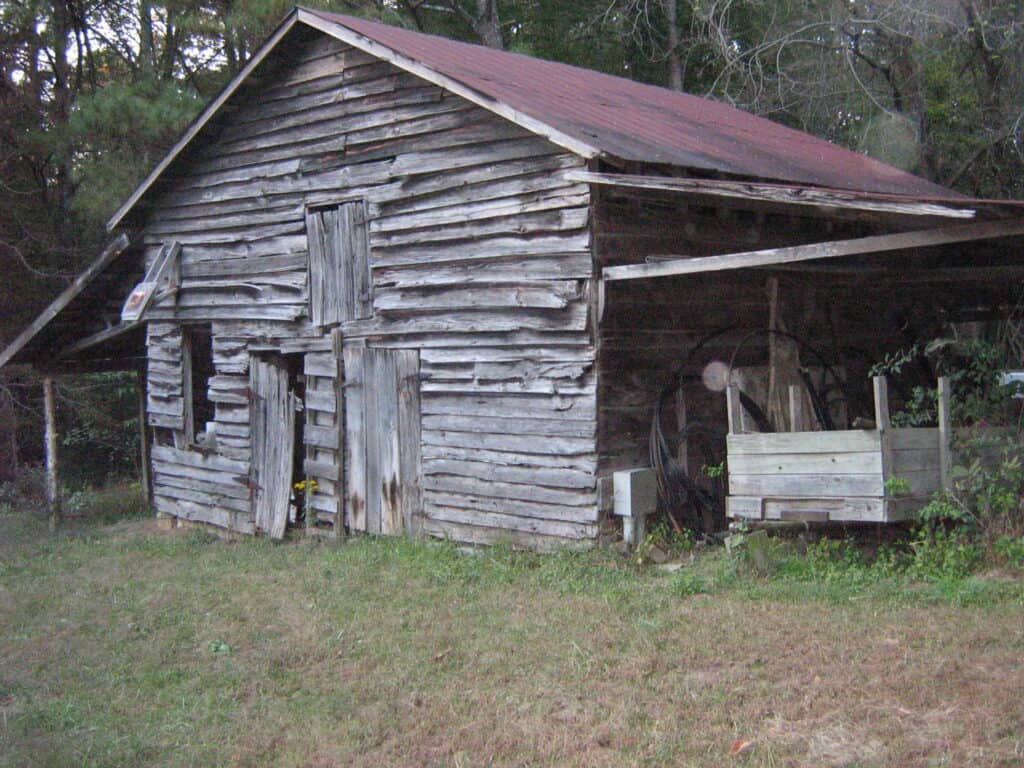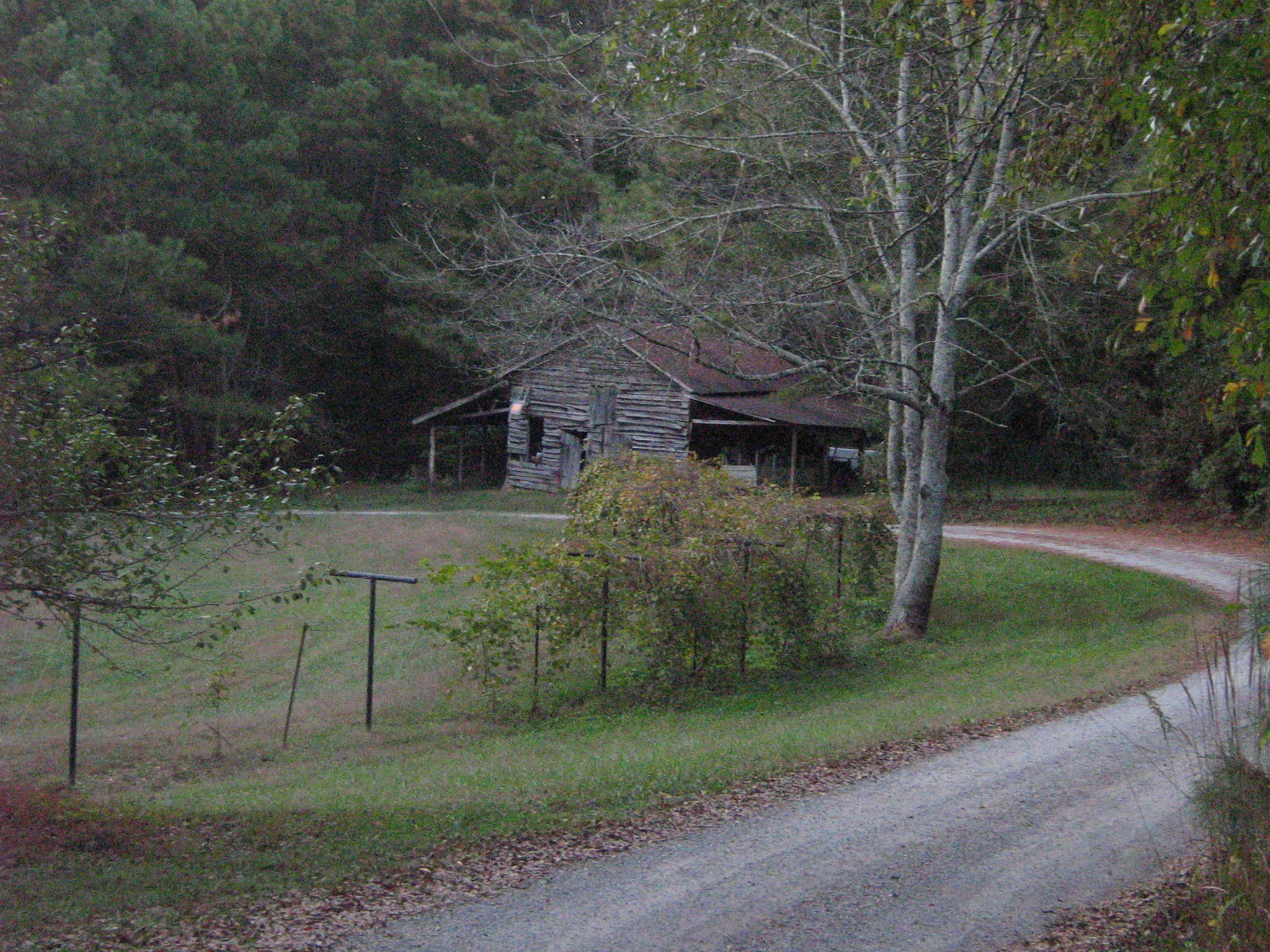
We are 12 like-spirited adults and 4 children in various stages of membership. Our other 3 original children, now adults are flung far. One has rejoined as an adult member. We have a defined process for application and integration of new folks into our community. It is exciting to be stewards of the next generation of community members. Our purpose includes harmony with our environment, nurturance, celebration of spiritual diversity, and social change. We created the Gaia Land Trust to hold the title to 85 acres that are then leased to the community, Common Ground. Holding Member residents of Common Ground are eligible to become trustees of Gaia. The trust’s purpose is to own and preserve land and improvements, promote community, honor ecosystems, and prevent abuse of resources. The community pays monthly rent to the Trust. Community members each pay dues and rent equally, and in-kind service is an option, with each member being economically independent. The trust pays taxes, fire protection, maintenance, etc. With no community members, the land would devolve to an environmental party committed to preservation of the land.
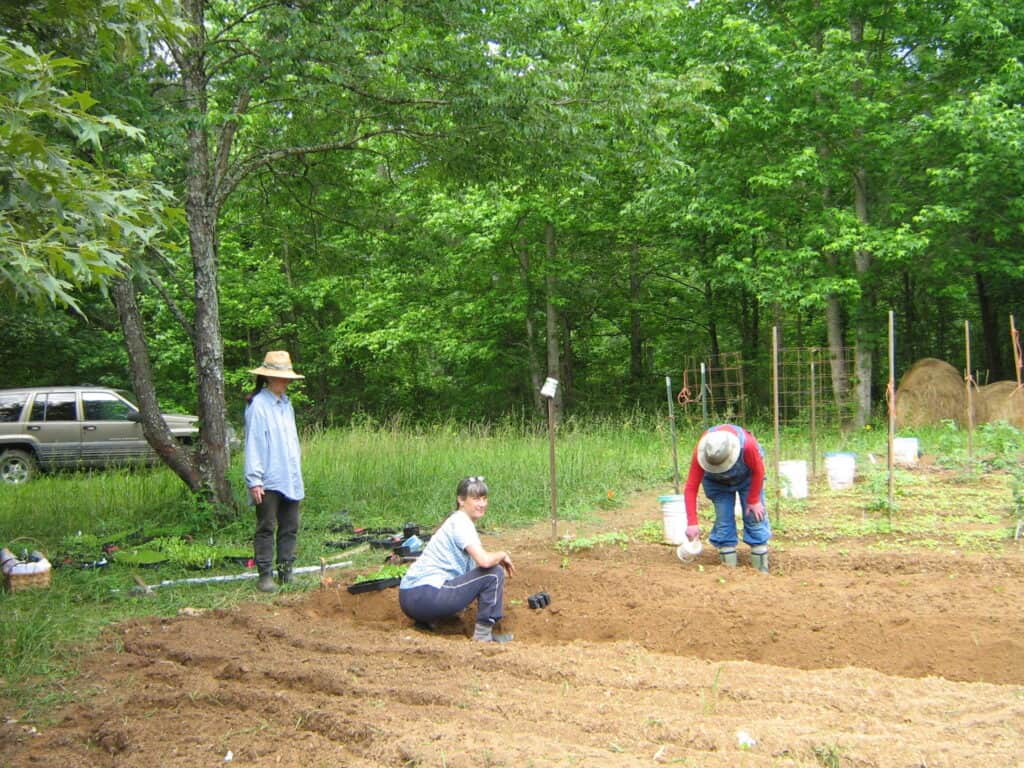
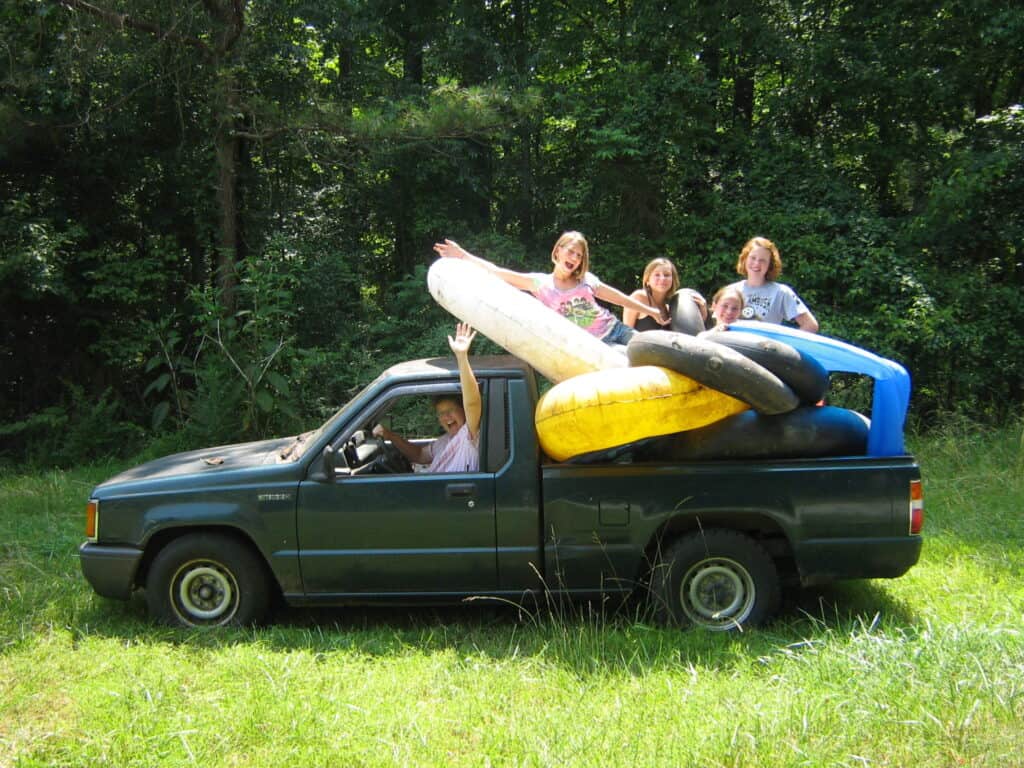
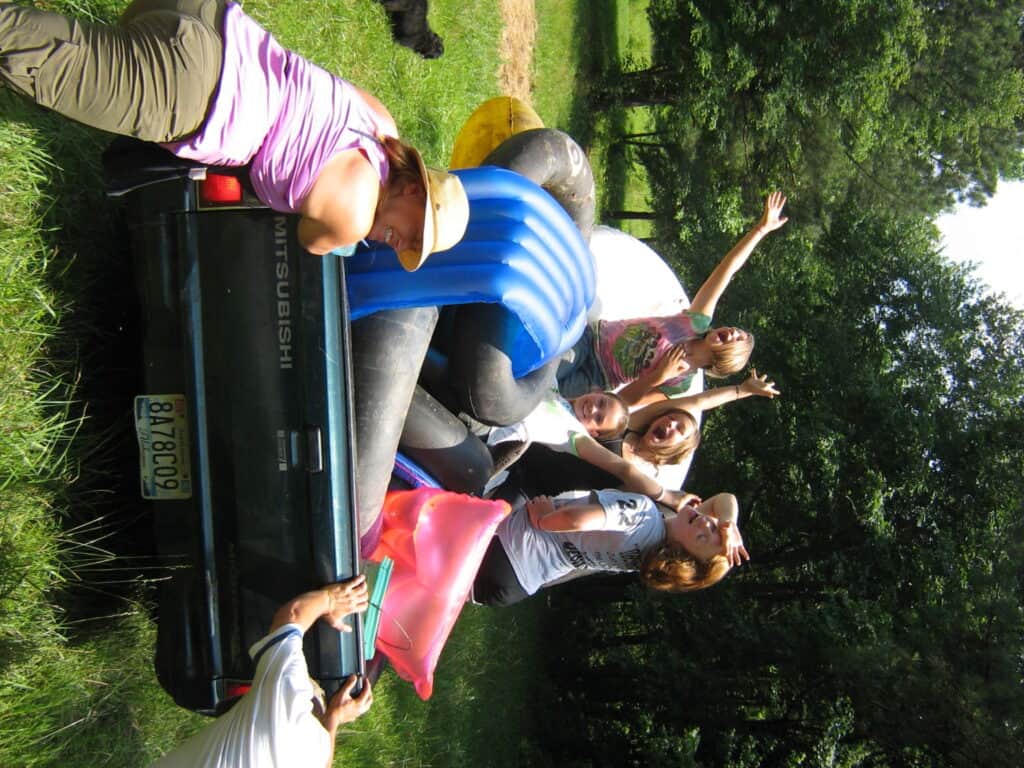
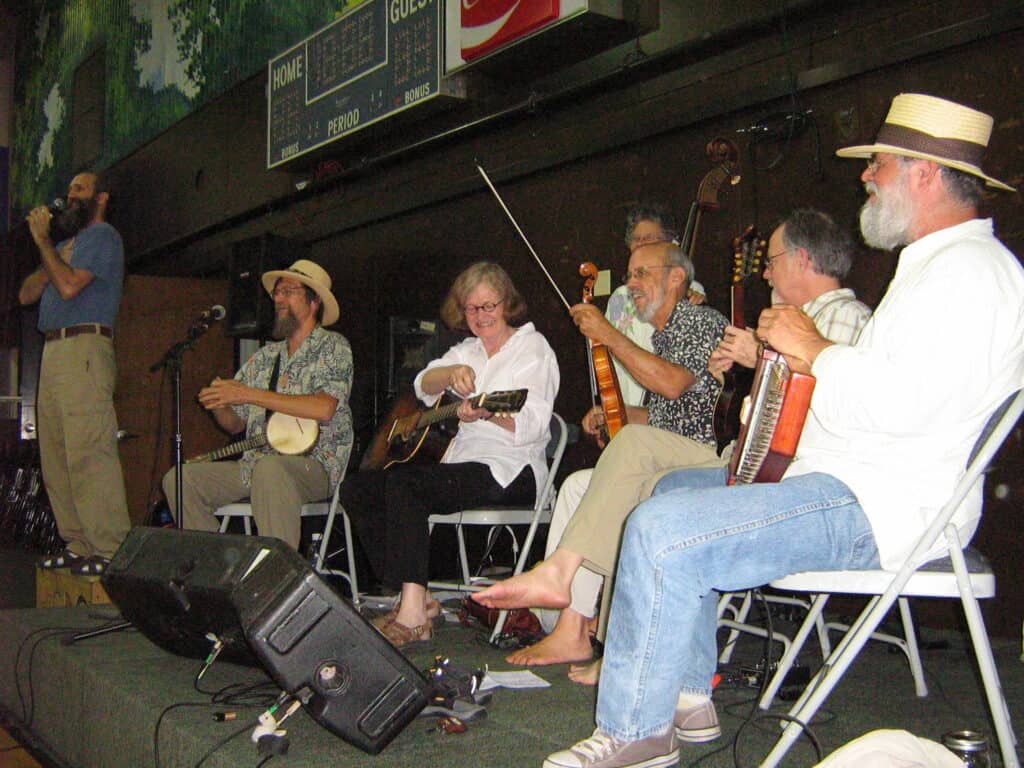
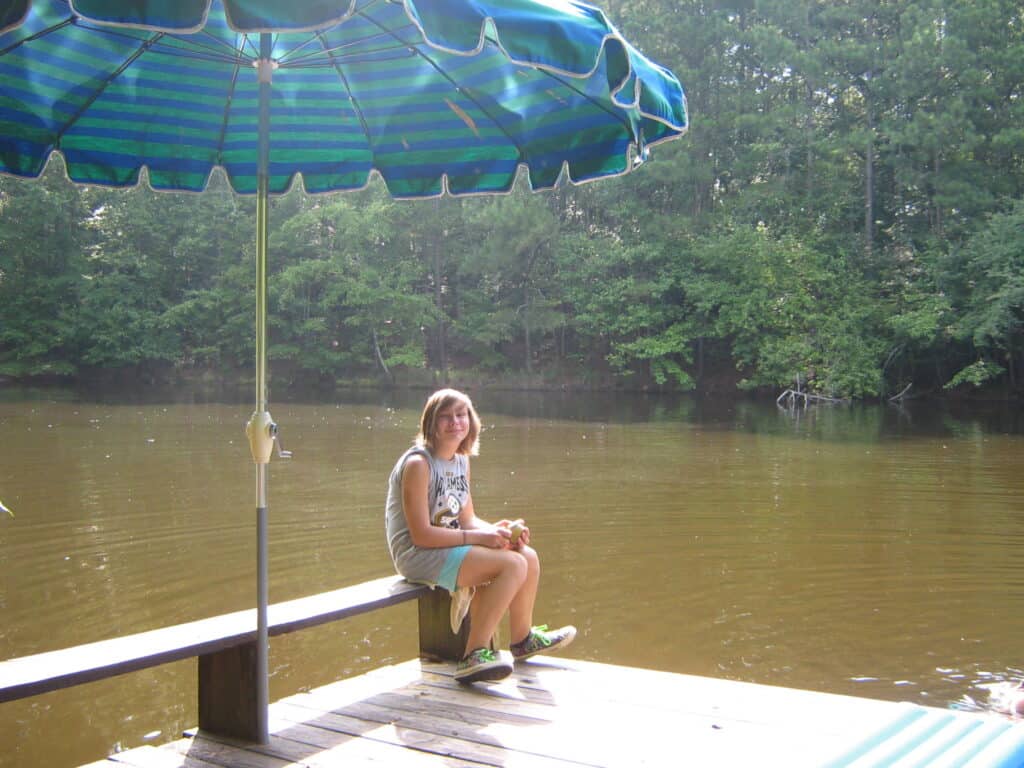
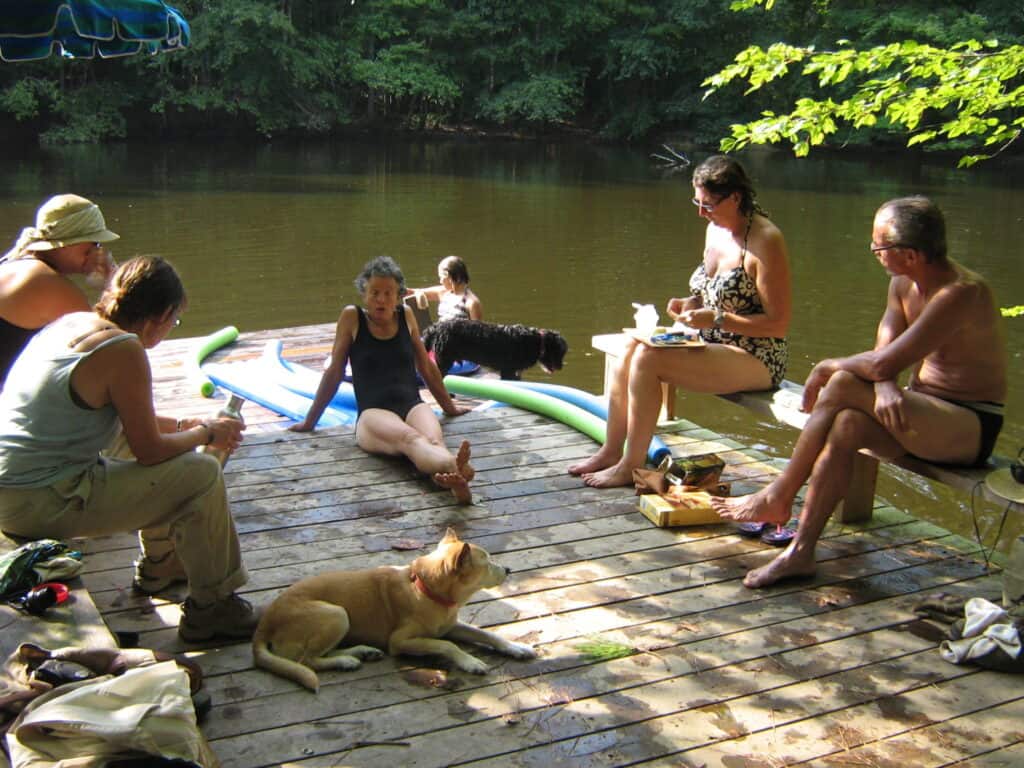
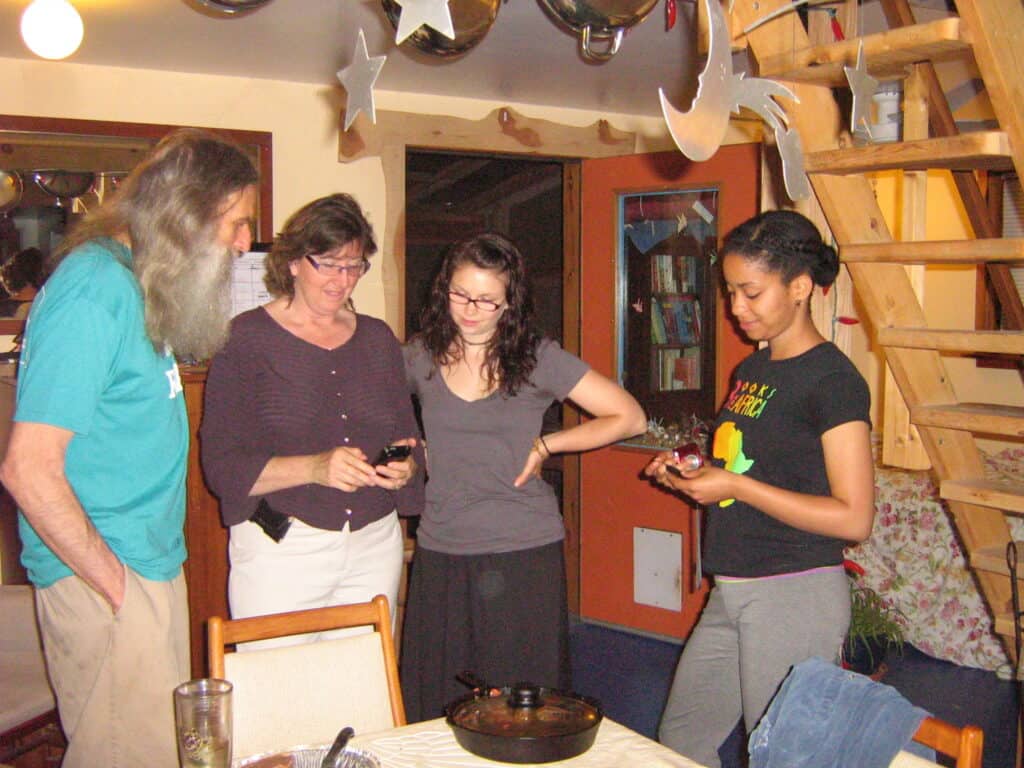
We gather monthly for what we call a Work-Play Day, a pot-luck, a business meeting (using modified consensus) and work projects. Working through difficult decisions and writing our guidelines have developed deep trust and extended family. Most of us are now living on the land full time; others live nearby or are traveling. We live in owner-built structures heated with wood and solar, and passively cooled. Most homes have air conditioning. Power varies from solar to conventional to mixed, but conservation is key in all. We are Not Open for Drop-In visits, however, we enjoy visitors who are expected. People interested in exploring membership in our community may contact us. We may invite them to participate in our monthly WorkPlay day where we work on the land. Summer WorkPlay days often revolve around our lovely spring-fed pond. Music and theatrics are other forms of play.
To promote a rural community which will facilitate the harmonious evolution of the human spirit and to honor the wisdom of the natural ecosystems by promoting a lifestyle for the land’s inhabitants that will alter the natural ecology as little as possible.
After participating in a total of 3 WorkPlay Days, a person may apply for “prospect” status. After an application is accepted, the membership process takes a minimum of 24 “steps”. Individuals may fulfill one step per meeting, which take place most but not all months. We do a background check on all applicants. We especially welcome folks with children to inquire!
If you want to visit us, FIRST, send a letter or e-mail, describing yourself, and explaining “what attracts you” to visit our specific community. Give us a couple months and then, follow up your original contact with a phone call. We may invite interested folks to come for our monthly Work-Play day. Expect to join in on work tasks and meal prep. We do not welcome unexpected guests.
The whole membership decides collectively.
Generally seek agreement, but have backup methods when consensus isn’t reached.
Power and responsibility are shared relatively equally among members.
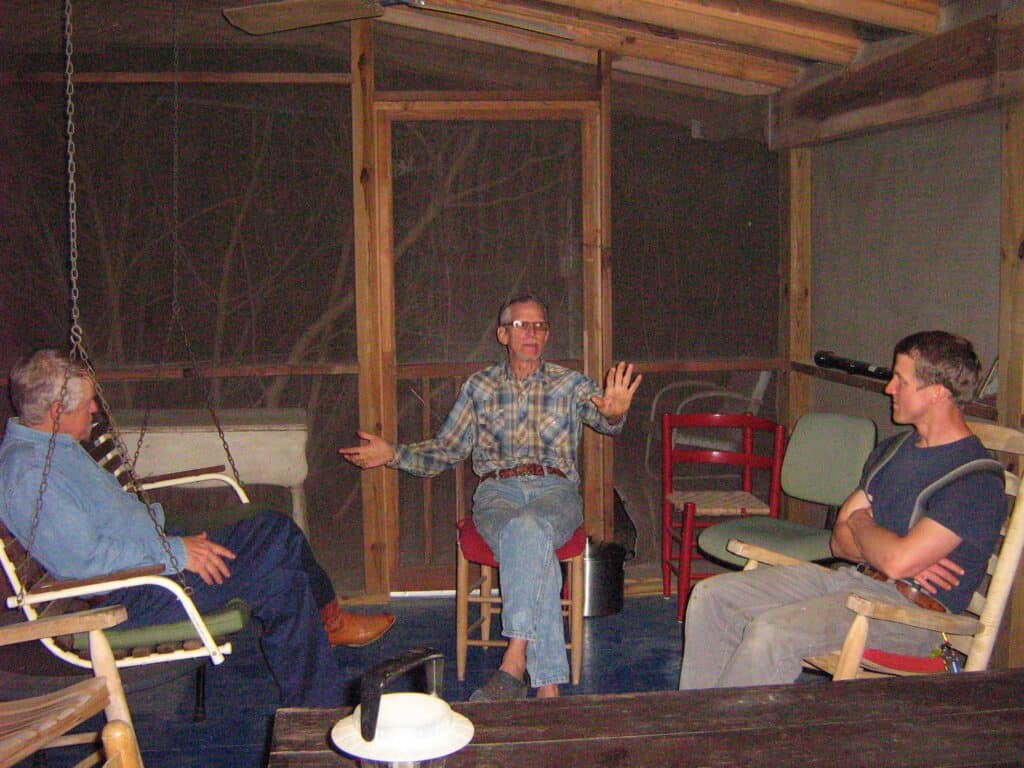
We all take a turn at facilitating our WorkPlay Days and business meetings. The facilitator rotates monthly. We use modified consensus to make decisions. This has worked well for us for the entire life of our community (over 40 years now). We are learning new ways to make efficient decisions from the younger folk among us.
Members maintain separate personal finances with minimal sharing.
Regular fees: Yes
Labor: Yes
We each individually pay Community dues and Land Trust holding fees every month. In addition, those renting pay a monthly rent. Costs for utilities are paid individually. Some of us are retired, some of us work off the land. One member is a farmer and sells organic produce to us and to others in our neighborhood. A few have their own businesses. Some on the land are brainstorming creative job situations like airbandbs.
Common House, Library, Workshop, Outbuilding(s), Swimming pond or pool, Outdoor Kitchen, Tractor & Farm Equipment, Swingsets & play areas, Waterfront access, Gym or sports area
Countryside locations with significant distance from urban centers.
Private homes with shared common facilities, designed for neighborly
interaction while maintaining independence.
Integrated communities designed around ecological principles with sustainable living practices.
Connecting people and communities through an intentional online marketplace
There are no needs and offers
We use cookies to improve your experience on our site. By using our site, you consent to cookies.
Manage your cookie preferences below:
Essential cookies enable basic functions and are necessary for the proper function of the website.
These cookies are needed for adding comments on this website.
Statistics cookies collect information anonymously. This information helps us understand how visitors use our website.
Service URL: policies.google.com (opens in a new window)
A residential project: people live here as their primary home.
An institution, business, network, or project that isn’t a residence (e.g. a learning center, farm, or network with no one living there full-time).

{{ item.label }}
{{ item.value ? item.value : currencyFormat( item.amount ) }}
Subtotal
{{ currencyFormat( pricing_summary.total_amount ) }}
There are no results matching your search