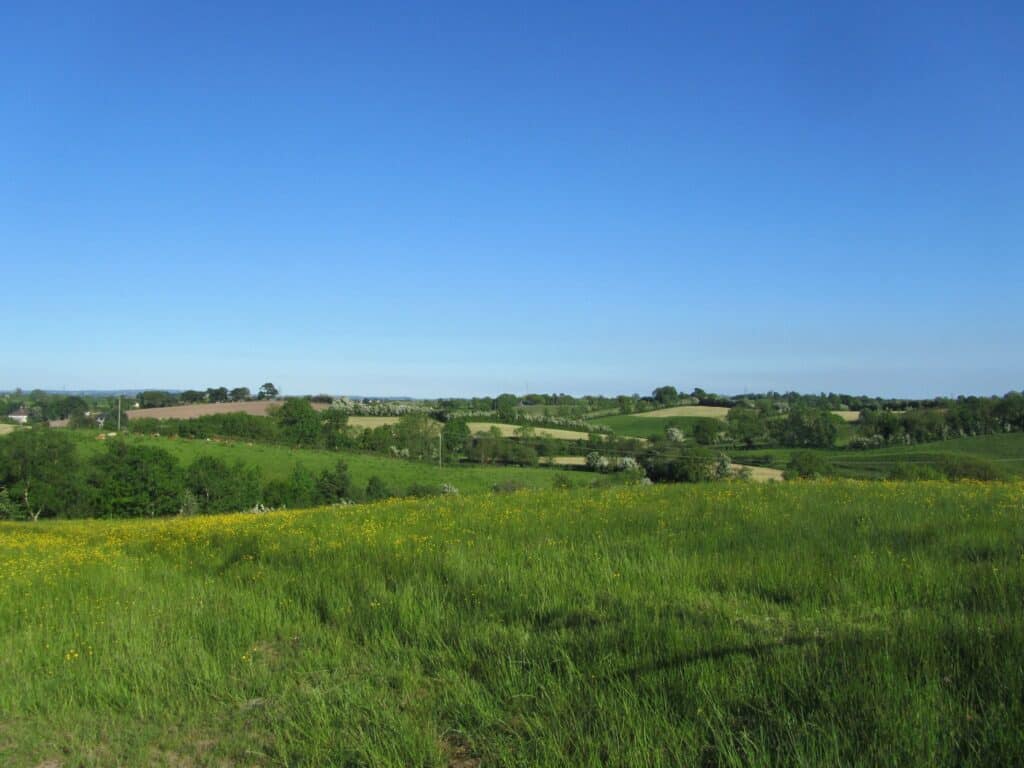
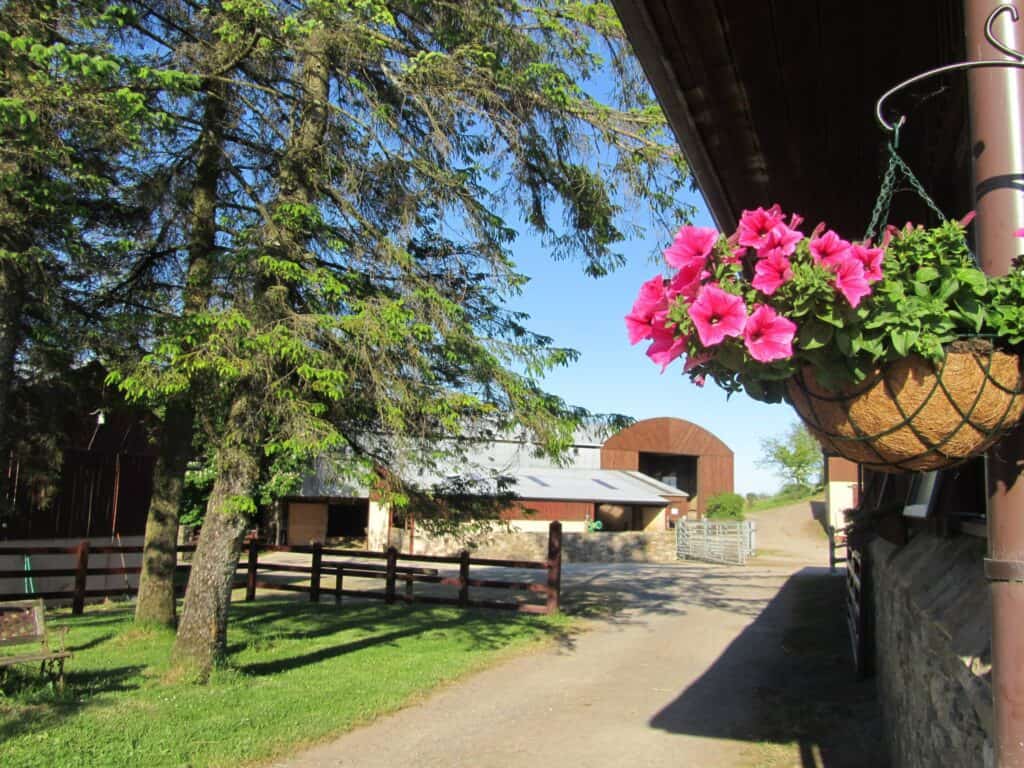
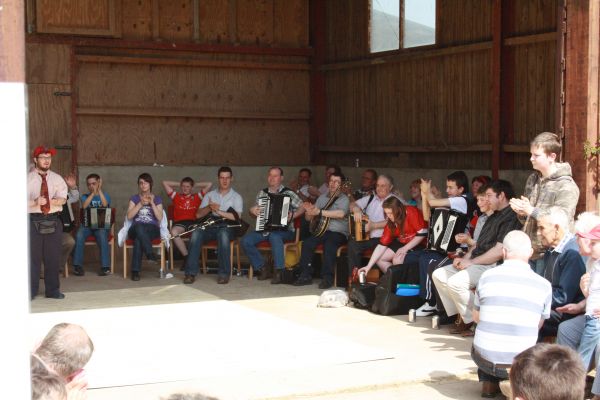
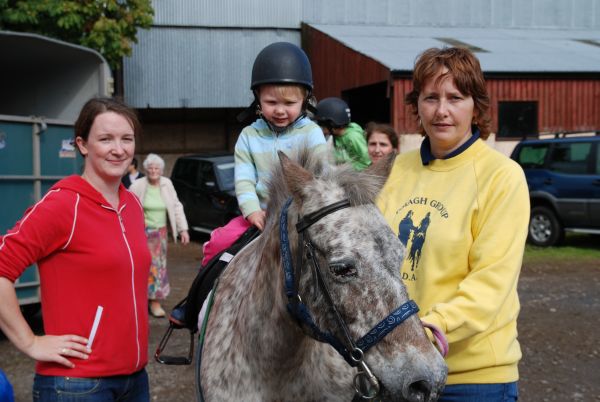
We have over 70 acres in the beautiful rolling countryside of county Tyrone, Ireland, four miles from the town of Omagh. The community began in 1984, and now about 70 people live here in five households, some large, some small.
In this therapeutic community, adults who have learning difficulties and in some cases mental health needs and associated needs live and work together with coworkers and their families, which include children.
Bio-dynamic agriculture and horticulture are very important activities in the community, providing healthy and meaningful work for residents, day attendees and coworkers, as well as enhancing people’s awareness of the environment, the seasons, and the land on which they live. The farm and garden provide bio-dynamic vegetables, milk and meat for the community. The bakery provide the daily bread and other baked goods.
Indoor Craft workshops produce beautiful items which are sold locally and online.
Sustainability is high on the agenda.
Coworkers join Clanabogan as volunteers and do not receive wages, their material needs being met from a common fund. In all aspects of life and work, mutual agreement is the basis of a committed and responsible involvement.
This is an attempt to live in a new kind of community life, to include people of many nationalities and people with different problems, strengths, and weaknesses. Most people, whether disadvantaged or not, find that as well as encountering struggles and challenges, they meet interesting and rewarding experiences, learn new skills, grow, and develop.
Camphill Communities are based on Christian principles and are non-denominational, many festivals are celebrated socially and artistically throughout the year. The Community meets for religious and cultural gatherings and people are free to attend a church of their choice or to follow their own conscience.
Mission Statement:
Camphill Communities work to create communities in which vulnerable children and adults can live, learn and work with others in healthy social relationships based on mutual care and respect.
For adults with learning disabilities interested in Supported Living and /or Day opportunities: contact the registered manager via the office
For volunteering: contact the recruitment group via the website
For employment: contact the office
send an e-mail to the office
One person or partnership has ultimate authority.
A single person, couple, or small group makes most major decisions.
Primary authority rests with the community’s founder(s) or designated leader(s).
The community has a registered manager and a management group, which carries out the effective management of all business aspects , on behalf of the community, represented by the Permanent Coworker Circle.
Clanabogan operates a Membership model for Permanent Coworkers and Trustees
A Board of Trustees provides governance
Members contribute a percentage of income to community funds.
Join fee: Yes
Regular fees: Yes
Labor: Yes
Adults with learning disabilities pay fees through their regional Health Trusts and Government Departments.
These fees, grants and income from workshops form the income for the community.
Employed staff work fixed numbers of hours, these can vary from person to person.
For volunteer coworkers there are no fixed hours, living and working are not separated but there is a ceiling of 40 hours for international volunteers on visas and some sending organisations stipulate lower ceilings, varying from organisation to organisation.
Common House, Garden(s), Greenhouse(s), Vehicle Share, Library, Workshop, Outbuilding(s), Tractor & Farm Equipment, Stage or Auditorium, Internet
Countryside locations with significant distance from urban centers.
Shared living spaces with private bedrooms/bathrooms and communal
kitchens, dining, and social areas.
Integrated communities designed around ecological principles with sustainable living practices.
Connecting people and communities through an intentional online marketplace
There are no needs and offers
We use cookies to improve your experience on our site. By using our site, you consent to cookies.
Manage your cookie preferences below:
Essential cookies enable basic functions and are necessary for the proper function of the website.
These cookies are needed for adding comments on this website.
Statistics cookies collect information anonymously. This information helps us understand how visitors use our website.
Service URL: policies.google.com (opens in a new window)
A residential project: people live here as their primary home.
An institution, business, network, or project that isn’t a residence (e.g. a learning center, farm, or network with no one living there full-time).

{{ item.label }}
{{ item.value ? item.value : currencyFormat( item.amount ) }}
Subtotal
{{ currencyFormat( pricing_summary.total_amount ) }}
There are no results matching your search

We’re introducing new Plus features — including community reviews, Profile Match, and unlimited Needs & Offers posts — while keeping most of FIC free for everyone. Membership costs less than two coffees a month.