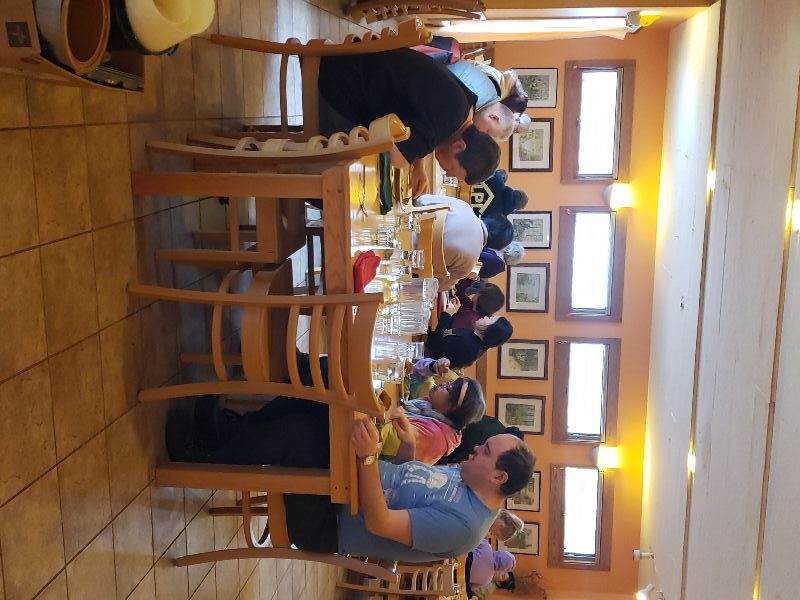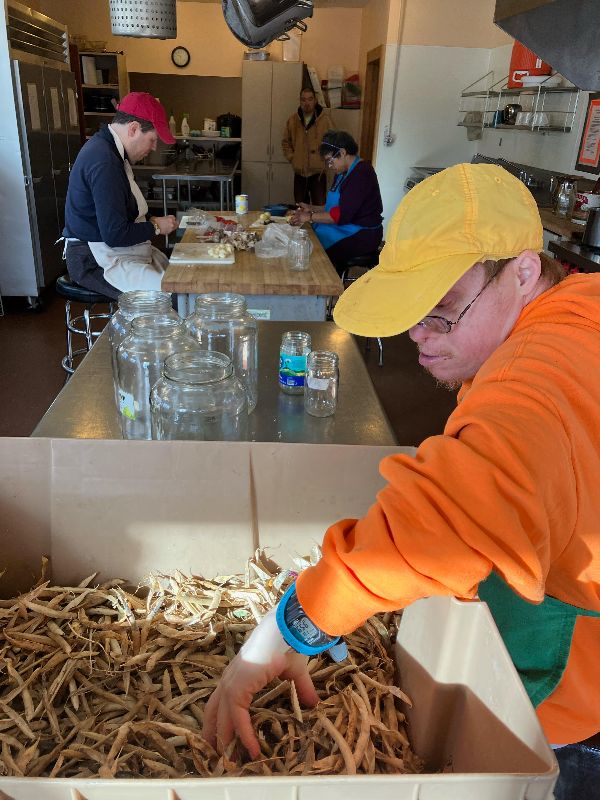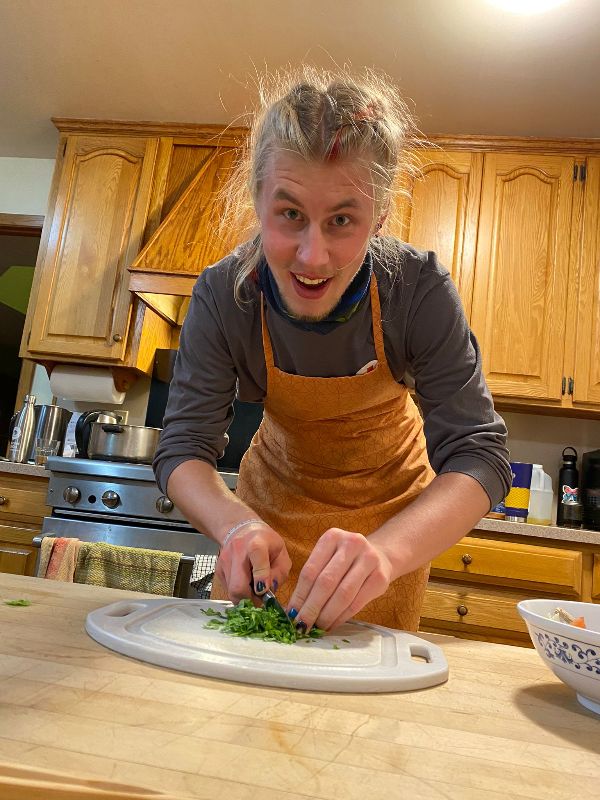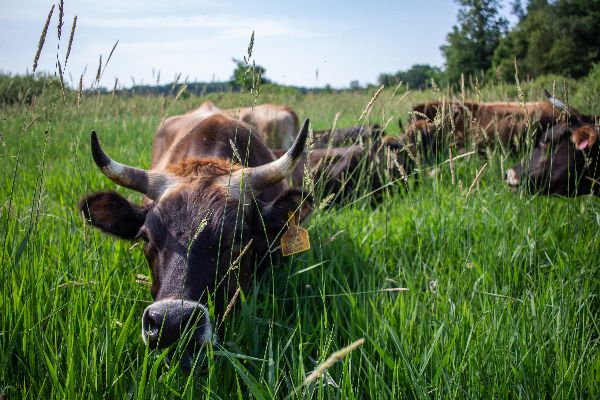
Camphill is located on a 525-acre biodynamic farm ten miles north of Sauk Centre in Central Minnesota. People live together family-style homes and everyone shares in the responsibilities of life in the community.
We create and sustain a community where people with and without disabilities live, work and care for each other to foster social, spiritual, cultural and agricultural renewal.
Our community is deeply rooted in the belief that every individual, regardless of limitations, is an independent, spiritual being. Each person is part of the fabric of Community experience and is worthy of recognition, respect and honor.
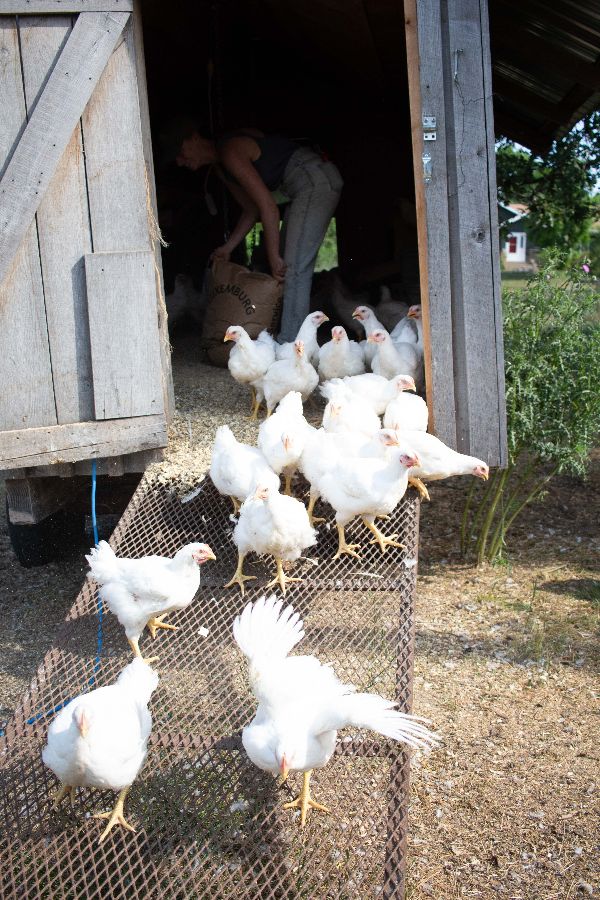
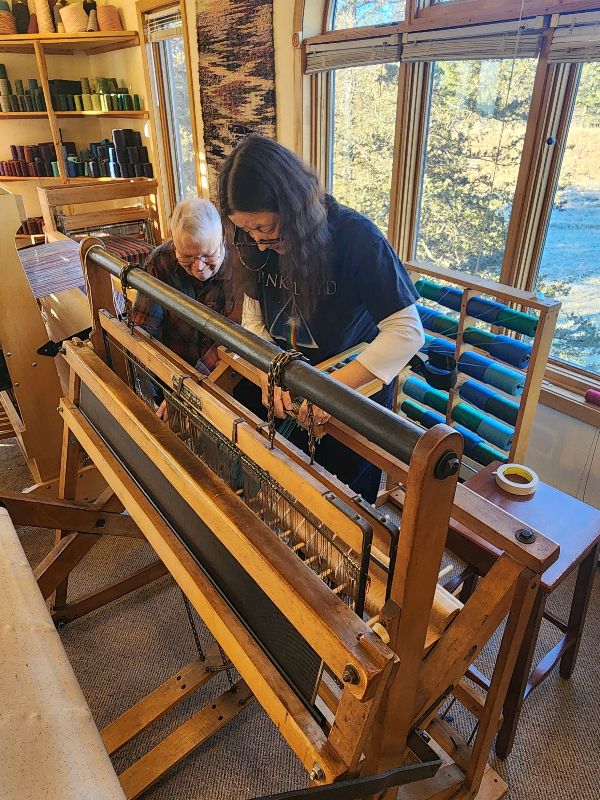
The community has a strong agricultural component made up of organic farming and gardening. Craftwork includes weaving, woodworking, ceramics, and card-making, as well as a bakery that provides for the needs of the village and sells in the surrounding area.
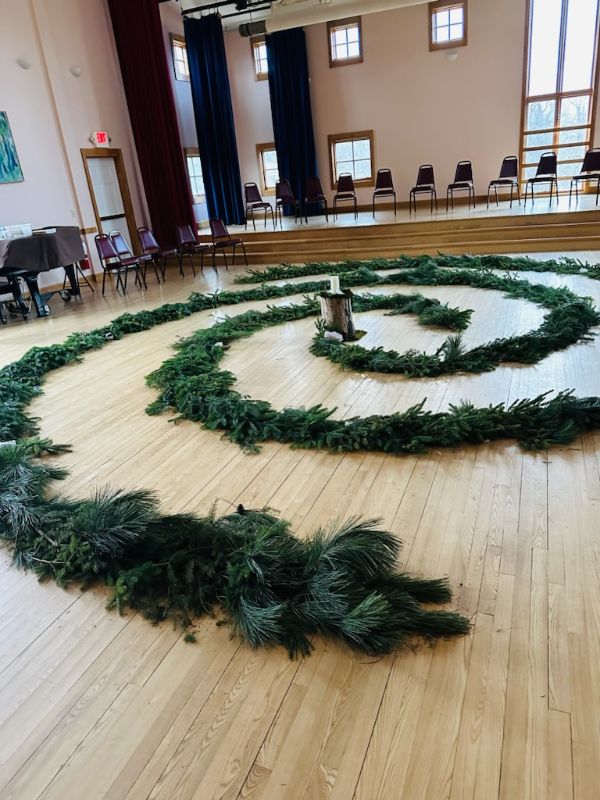
Life in the Village revolves around the rhythms of nature, with festivals marking the changing seasons. Plays, concerts, lectures and continuing education add depth and color to the fabric of the community.
Camphill Village Minnesota is part of a worldwide movement that was begun in Scotland by Dr. Karl König just before World War II. The work of Camphill is based on the teachings of Rudolf Steiner, the Austrian scientist, philosopher and educator who also inspired Waldorf education.
Community members join us from all over the world every year. We welcome individuals, couples and families in whatever form they may come. Some stay for a year or two for a unique experience and some make CVM their permanent home.
The mission of Camphill Village Minnesota is to create and sustain a community where people with and without disabilities live, work and care for each other to foster social, spiritual, cultural and agricultural renewal.
Once an applicant has applied, we will have a virtual interview with the applicant. After that, the applicant will have a follow up virtual interview with 1 or 2 community members. Once this process is complete, the applicant and the community members will determine if it is a good fit. If so, a move in day will be scheduled. When it is possible, the applicant will be invited to come for an onsite visit.
Contact Annie Recke at ou******@********mn.org
A few people (not elected by the broader community) make the major decisions.
A single person, couple, or small group makes most major decisions.
Primary authority rests with the community’s founder(s) or designated leader(s).
Community members can join the decision-making process if they have been in the community for at least one year and do not have a leaving date. This is to ensure that the decisions made for the community are made by those who will be affected by it.
Members contribute a percentage of income to community funds.
Labor: Yes
Members with pre-existing debt: allowed
Camphill Village Minnesota offers a unique opportunity for community members to live a rich life without having to work for wages outisde of the community. A few forms of compensation are available to all community members:
Housing: Provided by the community. Daily farm fresh meals also provided.
Spending money: Base – $200 / month stipend
Student debt payments
Benefits: Health insurance, room and board, vehicle access (gas and insurance included), and three weeks paid vacation per year
There is a needs-based fiscal conversation upon acceptance to make sure financial dependencies are being met.
Common House, Garden(s), Greenhouse(s), Vehicle Share, Library, Workshop, Outbuilding(s), Large Scale Kitchen, Tractor & Farm Equipment, Stage or Auditorium, Fire pit, Gym or sports area, Internet
Countryside locations with significant distance from urban centers.
Private homes with shared common facilities, designed for neighborly
interaction while maintaining independence.
Shared living spaces with private bedrooms/bathrooms and communal
kitchens, dining, and social areas.
Integrated communities designed around ecological principles with sustainable living practices.
Communal living with shared resources, property, and often income or work responsibilities
Residential communities focused on providing space for meditation, spiritual practice, and personal growth retreats.
Connecting people and communities through an intentional online marketplace
There are no needs and offers
We use cookies to improve your experience on our site. By using our site, you consent to cookies.
Manage your cookie preferences below:
Essential cookies enable basic functions and are necessary for the proper function of the website.
These cookies are needed for adding comments on this website.
Statistics cookies collect information anonymously. This information helps us understand how visitors use our website.
Service URL: policies.google.com (opens in a new window)
A residential project: people live here as their primary home.
An institution, business, network, or project that isn’t a residence (e.g. a learning center, farm, or network with no one living there full-time).

{{ item.label }}
{{ item.value ? item.value : currencyFormat( item.amount ) }}
Subtotal
{{ currencyFormat( pricing_summary.total_amount ) }}
There are no results matching your search

We’re introducing new Plus features — including community reviews, Profile Match, and unlimited Needs & Offers posts — while keeping most of FIC free for everyone. Membership costs less than two coffees a month.