Aztlán

  • Communities

About the Communities

  • Forming
  • Ecological
  • Rural

Founding year

  • 2017

What we do

Introduction
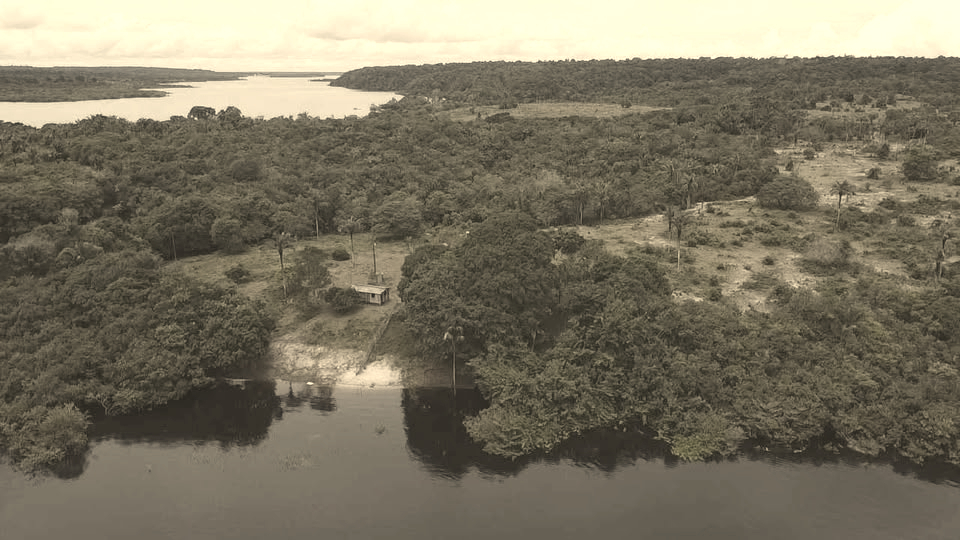
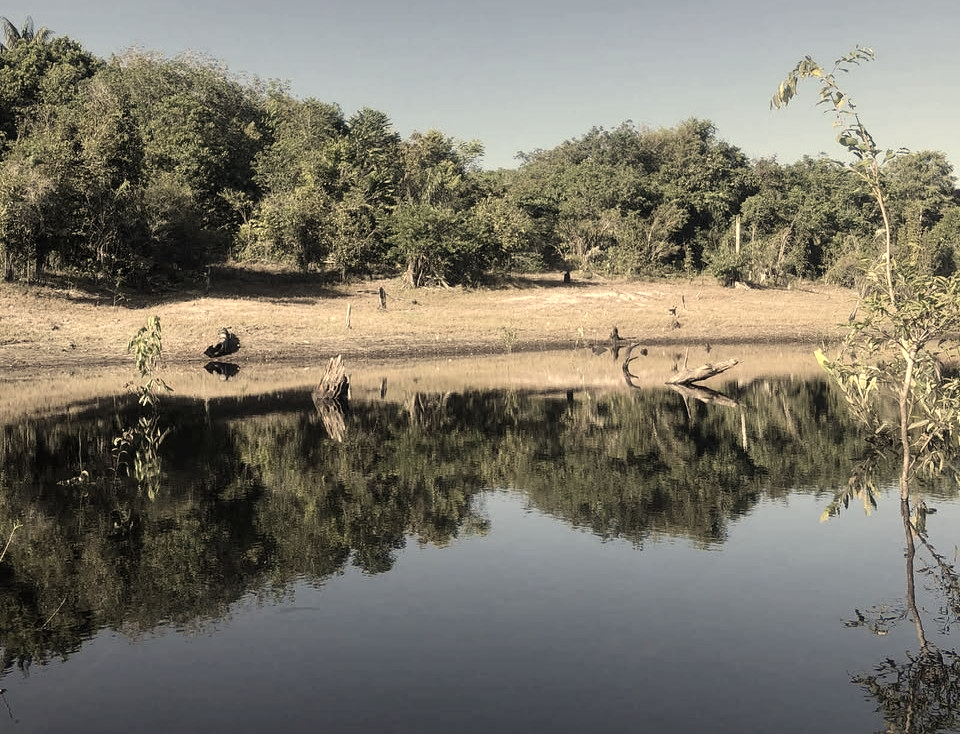
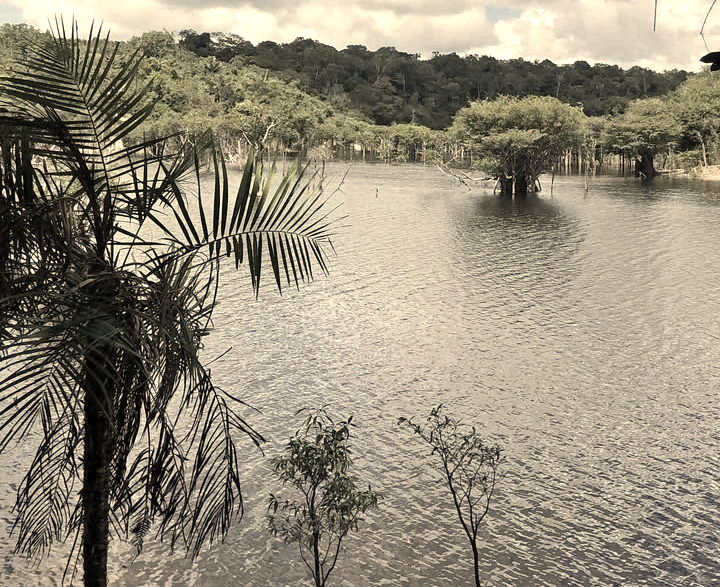
Aztlán intend to be a 100-150 hectares or 247-370 acres tropical 90% forested land in the Urubu river area (Presidente Figueiredo Municipality) which belongs to the Lower Rio Negro region right in the heart of the Amazon basin, surrounded by places like Uatumã Biological Reserve, Lower Rio Negro Mosaic of Conservation Units, Anavilhanas National Park, Jaú National Park, and the Rio Negro Left Bank Environmental Protection Area. This is considered a massive protected area network in the heart of Amazon rainforest with an incredible biodiversity that goes from dryland forests, to igapós (flooded forests), to islands inside large lakes, sandbanks, etc..
Our original idea is to mimic the basics works of the ancestral people of Aztlán, the Aztecs, it also represents a call for political, economic, cultural and spiritual connection to the indigenous heritage, a renewal and a warn that we can always change.
Our Core Vision
– Intentional residential community (10-15 families)
– Educational/transformational center for external students
– Deep integration with indigenous traditional knowledge (Indigenous shamanic knowledge accessible)
– Permaculture/food forest development using terra preta principles
– Multi-generational learning environment
– Authentic immersion experience
– Unmatched biodiversity
– Year-round growing season
– Water abundance (the acidic water from Urubu river similar to Rio Negro river, is a natural deterrent for mosquitos)
– Only 2 or 3 hours from a major capital city (Manaus)
Core Skills to Join
If you are in any of these fields you are very welcome, if you are not, you still welcome, lets talk
– Medical (MD, Nurses, chiropractor, etc)
– Food (Chef/cook, butcher, farmer, etc)
– Education (School teacher, filmmaker/director, etc)
– Infrastructure (Engineer, Natural Builders, Bioconstruction Specialists, permaculturist, etc)
– Legal/Financial (Lawyer, economist, crypto specialists, etc)
– Art and Wellness (Hospitality, therapists in general, various practitioners)
Land use plan (100-150 Hectares)
Private Residential Zones: ~10-15 hectares
●​ 1 hectare per family
●​ Spaced for privacy (anti-cramping principle)
●​ Each family builds own dwelling (Amazonian-style wooden structures)
Common Education/Retreat Zone: ~5-8 hectares
●​ Large maloca (teaching/ceremony space)
●​ 10-12 student cabanas (simple, comfortable)
●​ Communal kitchen/dining
●​ Bathrooms/facilities
●​ River access area
●​ Natural pathways connecting areas
Food Production Zones: ~20-30 hectares
●​ Terra preta experimental gardens (biochar systems)
●​ Perennial food forest (açaí, cupuaçu, pupunha, Brazil nuts, etc.)
●​ Medicinal plant gardens
●​ Composting areas
●​ Animal husbandry areas (if applicable)
Forest Conservation: ~60-90+ hectares
●​ Maintained as forest (legal requirement + resource)
●​ Wild harvesting areas (Brazil nuts, medicinal plants)
●​ Buffer zones
●​ Wildlife habitat
EDUCATIONAL PROGRAMS OFFERED (after launch)
Core Curriculum Themes:
1.​ Indigenous Traditional Knowledge
○​ Shamanic teachings (ceremony, plant medicine)
○​ Traditional crafts and skills
○​ Indigenous languages and cosmology
○​ Hunting/gathering ethics and techniques
2.​ Permaculture & Food Systems
○​ Terra preta soil building (biochar production)
○​ Tropical perennial systems
○​ Food preservation (smoking, curing, fermentation)
○​ Seed saving and propagation
3.​ Natural Medicine
○​ Medicinal plant identification and use
○​ Forest pharmacy practices
○​ Traditional healing modalities
4.​ Sustainable Living Skills
○​ Natural building techniques
○​ Water systems
○​ Renewable energy basics
○​ Waste management
5.​ Inner Work & Transformation
○​ Contemplative practices
○​ Group dynamics and community living
○​ Personal growth work
Program Formats:
●​ 1-week immersions
●​ 2-4 week intensive programs
●​ 1-3 month work-exchange residencies
●​ Custom programs for groups
Financial Philosophy:
●​ Self-sustaining, not profit-maximizing
●​ Trade/barter welcomed
●​ Sliding scale for students based on ability to pay
●​ Reinvestment in infrastructure/community
FOOD & WATER RESILIENCE
Water:
●​ Water is never a concern
●​ Natural springs
●​ Rain catchment systems
●​ Urubu River access
●​ Annual rainfall: 3,038mm (abundant year-round)
Food Production:
●​ 365-day growing season
●​ Perennial-focused (low maintenance, high yield)
●​ Key crops: Açaí, cupuaçu, pupunha, banana, papaya, cassava, tropical fruits, etc.
●​ Protein: Fish (river), possibly small livestock (chicken and ducks for eggs and meat)
●​ Wild harvesting: Forest provides backup
●​ Food preservation: Smoking, salting, drying, fermentation (no refrigeration dependence)
TIMELINE SUMMARY
Year 1-2 (Infrastructure Phase 1):
●​ Form LTDA company (quotas for each family)
●​ Build family residences (6 units)
●​ Begin common areas (maloca, kitchen)
●​ Establish food gardens
●​ Develop water/sanitation systems
●​ Build relationships with indigenous communities
Year 2-3 (Program Launch):
●​ Complete student cabanas (first 5 units)
●​ Form Associação (educational entity)
●​ Soft launch programs (friends/network)
●​ Refine operations
Year 3+ (Full Operation):
● Complete remaining infrastructure
​●​ Full program schedule
●​ Expand as needed
This is not a real estate investment. This is a lifestyle commitment, intentional community forming and an educational mission.

Our Mission

Aztlán is a 92 acres tropical island in the Uatumã river which forms a lake of 2,360 km² or 582,400 acres in size, right in the heart of the Amazon basin.
Our original idea is to mimic the basics works of the ancestral people of Aztlán, the Aztecs, it also represents a call for political, economic, cultural and spiritual connection to the indigenous heritage, a renewal and a warn that we can always change.
WHY THE INDUSTRIAL PATHWAY?
The industrial pathway offered:
– Centralized control (easier to dominate populations)
– Capital accumulation (money flows to few)
– Dependency creation (people can’t feed themselves)
Traditional systems like CHINAMPAS (floating raised fields) offered:
– Distributed resilience (each family/community self-sufficient)
– Shared abundance (hard to monopolize)
– Independence (people don’t need industrial supply chains)
Who benefits from each model? That’s the real question.

  • Purpose
  • Ecological
  • Community type
  • Ecovillage
  • Land-Based Communities
  • Spiritual Retreat Centers
  • Sustainability practices
  • Renewable energy systems
  • Waste reduction / composting
  • Permaculture design
  • Natural / low-impact building
  • Activities
  • Education
  • Experiences
  • Others

Commemorative dates

  • January 1, 2017
  • Started planning
  • January 1, 2026
  • Started living together

Gallery

  • 4 Total members
  • Not open to new members
  • Not open to visitors
Total
6

How to join

Imagine a private club or a PMA, the moment our land is fully legalized we will move in that direction.

Basic expectations or agreements for members

Please contact us via email. We’re currently in the planning phase, but we’ll remove this message once we’re open to visitors.

Primary decision-making authority

  • All Community Members Together

The whole membership decides collectively.

Decision-making process

  • Consent-Based (Sociocracy)

Decisions proceed unless someone has a reasoned objection.

Governance structure

  • Sociocratic/Circle-Based

Organized in circles or domains with distributed authority.

Economic model

  • Independent Finances

Members maintain separate personal finances with minimal sharing.

Economic scenarios for this community

  • Members typically need to have their own job or other personal source of income to cover their expenses while living in the community?

Additional economic information

Members with pre-existing debt: allowed

Shared resources and amenities that are accessible to everyone in the community

Greenhouse(s), Vehicle Share, Library, Workshop, Outbuilding(s), Swimming pond or pool, Outdoor Kitchen, Fire pit, Waterfront access, Gym or sports area, Internet

Frequency of communal meals

  • About once a week

Significant food acquisition practices

  • Hunting / Fishing
  • Livestock / Animal Husbandry

Community activities and engagement

  • Transition Town (post-petroleum and off-grid communities.)
  • School, Educational Institute or Experience
  • Volunteer, Internship, or Apprenticeship, or WWOOF’ing
  • Festivals, Conferences, Events

Substance use culture

  • Substance use occurs primarily at celebrations or ceremonies

Gender composition

  • Roughly balanced (no group over 60%)

Age demographics

  • Multi-generational (all ages well represented)

Property status

  • Privately owned

Property owner

  • By a single individual, couple, or Family Trust

Setting

  • Rural

Countryside locations with significant distance from urban centers.

Community type

  • Partially built or remodeled with recycled or environmentally friendly materials, and/or using natural building methods

Sustainability approach

  • Renewable energy systems
  • Waste reduction / composting
  • Permaculture design
  • Natural / low-impact building

Land practices in our community

  • The community practices permaculture
  • The community is working to build soil using only natural methods

Community type

  • Partially built or remodeled with recycled or environmentally friendly materials, and/or using natural building methods

Some or all of the buildings are...

  • Partially built or remodeled with recycled or environmentally friendly materials, and/or using natural building methods

Self-produced energy

  • Up to 33%

Energy sources used

  • Photovoltaic Solar

Self-produced food

  • Up to 33%

Local, organic, or fair trade food

  • Up to 33%

Food systems

  • Food forest
  • Greenhouse / aquaponics
  • Seed saving / exchange

Waste management practices

  • Composting
  • Waste-to-energy or biochar
  • Land area size
    92 acres

Guest Book

Written reviews are available for plus members. Click here to upgrade.

Location

  • Amazonas, Brazil

Needs and Offers

Offer
  • Communities with Openings
2 weeks ago

Still Point House Manager

Still Point House Manager (Northampton) Windhorse Integrative Mental Health, Inc Are you interested in working where you live? Do you want to make a difference in the lives of others? Do you have experience with running a household, and do you appreciate community-based environments? Windhorse is seeking a manager of a hosted home environment for individuals working with extreme mind states who are arriving to our step-down program. When a Windhorse client first arrives, they are received at our Still Point house, an established home environment where they can land, orient, and meet their clinical team. Each client remains at our Still Point house for two to twelve weeks, at which point they then move to an apartment, which they share with a housemate. Windhorse is seeking a Still Point Manager who will live ongoingly in a house in Northampton and help with these transitions as well as other uses for the house. This individual should be skilled at running an uplifted home (including typical home cleaning and maintenance), cooking, and shopping for the home. They also need to be emotionally regulated, welcoming, compassionate, organized, and patient. While the Still Point Manager has extensive clinical support, the job itself is not clinical. In addition, the Still Point Manager is anticipated to hold outside employment and may do so for up to 20 hours per week. During periods of vacancy when there is no client in residence, the Still Point Manager may also be asked to host guests in the home, either other housemates when they are on respite from their households, or friends and family members from the Windhorse community. In addition, during vacancy periods the Still Point Manager is responsible for providing short periods of respite coverage during housemate time off. This may involve staying with the client in their apartment while the housemate is away (typically for 3 nights) or hosting the client at the Still Point ho
Offer
  • Professional Services
4 years ago

Sociocracy consulting and facilitation services offered by Sociocracy for All

Sociocracy consulting services offered by Sociocracy for All To learn more about our our consulting services, please visit our Consultant Services webpage. We offer just the level of hand-holding you want. By working with a coach, you can benefit from the experience and feedback of someone who has seen dozens of implementations and governance changes. We never forget that you’re the expert on your organization and culture, and you remain in the driving seat at all times. What does a consultant or coach do for you? Your consultant identifies with you what stage of implementation you’re on. Implementations follow a series of steps, and understanding what’s next for you might even be all you need. The consultant also assesses with you what kind of support might be useful to make your next steps effective and successful. Services that are typically part of an implementation: assessing training needs forming, coaching, and strategizing with the implementation circle/transformation team observing and facilitating meetings 1:1. or small-group conversations with stakeholders (the board, leadership, or people with concerns) and open Q&A sessions (e.g. for the whole membership or staff) Holding and facilitating “kick-off” events – we help you set up the first circles and the General Circle. This can be, for example, a two-day event with deeper training, formal adoption, and “flipping the switch” into your new governance system. Designing your circle structure and key roles, as well as documenting your governance system (see our samples and templates) Aligning your documents and bylaws with sociocracy Sociocracy facilitation services offered by Sociocracy for All To learn more about our our consulting services,
Offer
  • Real Estate For Sale
2 weeks ago

3000sf House+Apartment, Rosewind Cohousing, Port Townsend WA

We are a retired couple who are downsizing, still living within the community. We are selling our large, flexible, comfortably rustic house, perfect for a multigenerational household, a family with kids or for 2 separate households. It’s 3000 square feet on 3 levels. The house is on a slope, with 2 main entrances. At one time it housed a large blended family. The current setup is a 2250 square foot, 2 bath main house with a 700 square foot rental apartment, also called an auxiliary dwelling unit (ADU). There is a staircase between the main and lower floor, with a lockable door. If desired, the ADU kitchen can be removed. The main floor has a very large kitchen/dining area, large living room, two small bedrooms, a bathroom with 2 sinks and a shower, a laundry room and a large mudroom. The non-bearing wall between the 2 bedrooms can be removed to turn it back to a single primary bedroom. The top floor has two bedrooms, one of which is primary with a large bright sitting area, and a large open middle area between them (game room, TV room, kids sleeping area, etc.). There is a bathroom with a claw-foot tub, no shower. The lower floor is the ADU, a finished storage area and a stand-up “crawl space“ which is used as a second pantry and storage. Attached to the house there is also a 150 sq ft wood paneled office/hobby space with its own electric and propane lines. Features: – straw bale construction, which is energy-efficient, great sound insulation, and provides a warm, soft, feeling. -very large functional kitchen with a long granite countertop. The dining area fits 10 people. -natural construction, with solid maple floors in the middle and upper level, marmoleum floor in kitchen and oak floor in the lower level. The two small bedrooms have painted wood floors. The doors are all solid wood. -large, functional, low maintenance patio area. Room for a table for eight and an additional sitting area. Propane hook ups for grills and smokers. -min

Information

Communities

A residential project: people live here as their primary home.

Organizations

An institution, business, network, or project that isn’t a residence (e.g. a learning center, farm, or network with no one living there full-time).

Plus Community Memberhsip

  • Find people with Profile Match
  • Access to your community listing statistics
  • Create Discussion Groups
  • 50% commission when your members purchase a Plus Membership
  • Access to our affiliate program
  • Member badge on your community profile
I am an official member of this community
Disclaimer
I affirm that my information is accurate and I am authorized to manage this listing
Foundation for Intentional Community FIC Member badge logo.

Free Plan

Free Membership
Free

Intentional Advertising

  • Subtotal

    {{ currencyFormat( pricing_summary.total_amount ) }}

Icon representing community connections and collaboration for intentional communities.

Plus Membership

  • Find communities with Profile Match
  • View detailed reviews about communities
  • Direct message and view contact information
  • Create free listings in Needs & Offers
  • Plus Member resources in CommUniversity
  • Plus Member badge on your profile