
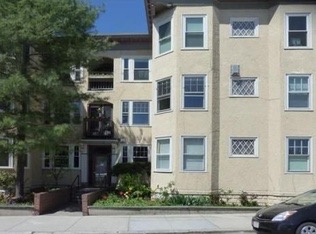
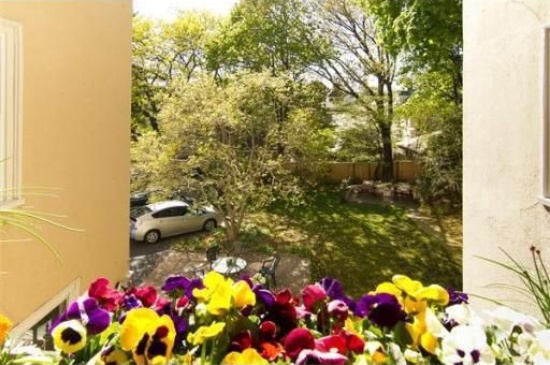
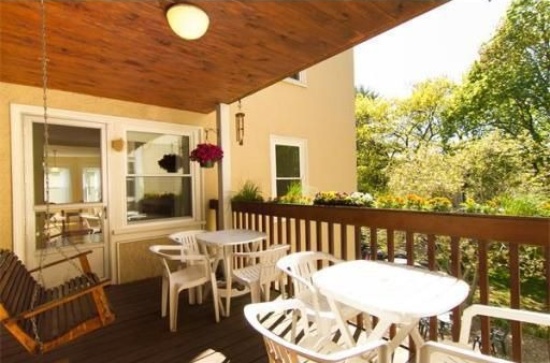
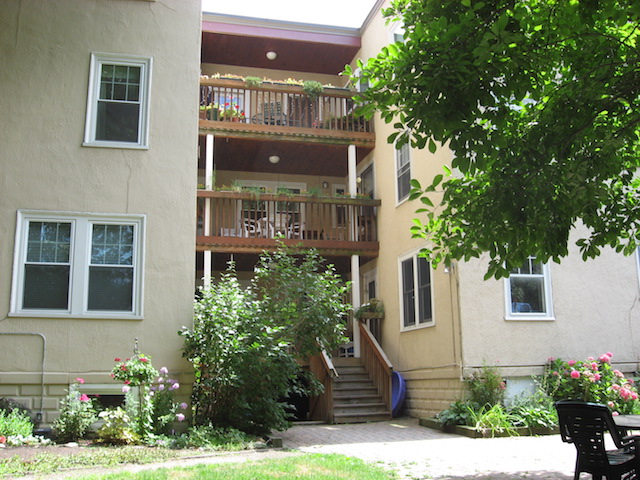
Multi-story residential building with multiple windows and balconies.

Common Place Cooperative, Inc.

  • Communities

About the Communities

  • Established
  • Home-sharing
  • Urban

Founding year

  • 1972

What we do

We are a cooperative housing community with 8 households in a 3-story walk-up near Porter Square, Cambridge. Our urban location is ideal, convenient to shopping, good public schools, universities, public transportation, and bike lanes into Boston.
We come to this community as individuals with our own aspirations, values, and experiences. At the same time we recognize that the art of successful life in a cooperative community is dependent upon building healthy capacities for compromise. We seek to live in community, learning from each other, respecting our differences and resolving the inevitable conflicts that will arise from these differences. Kindness, compassion, and respect are the foundation for our interactions. We are committed to engaging in honest, direct, and respectful communication with each other.
Many of our members have been here for our history, since 1973, with new members bringing energy and commitment along the way. We’ve raised children together and now most of us are retired, enjoying grandchildren, family visits, travel and social occasions, as well as the cultural life of the city.
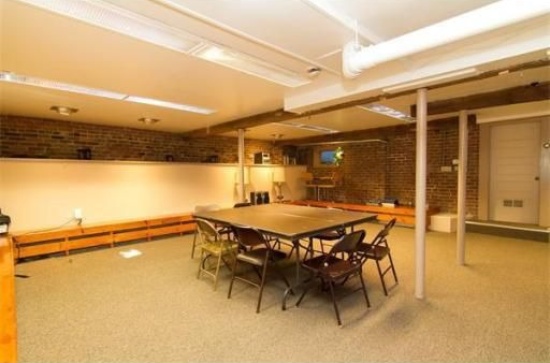
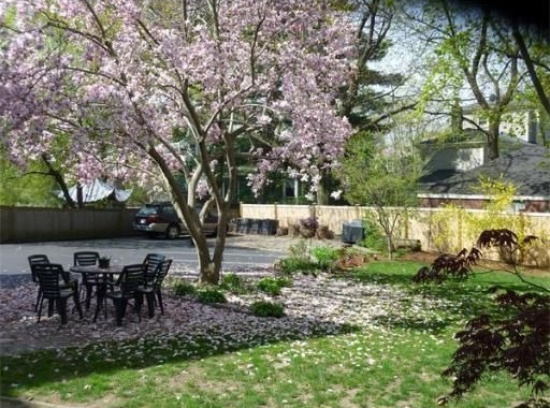
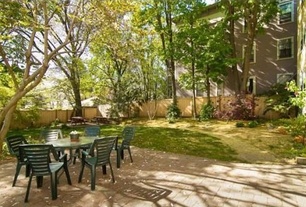
We share celebrations and support one another through losses. We gather for community events in our common room as well as our beautiful yard and gardens. We have off-street parking for one car per household. Many people stop on their walk to the “T” to smell our roses or choose a book from the Little Free Library.
Members own the building and land cooperatively, each household owning shares based on square footage. Shareholders rotate terms serving on the Board of Directors. We work together on committees and projects, including planning, maintenance, gardening, and social events. In our monthly meetings, we share perspectives and concerns, and make decisions by consensus.

Our Mission

We are a cooperative, intentional, mutually supportive community, committed to peace, equality, inclusiveness, social and environmental justice.

  • Purpose
  • Home-sharing
  • Community type
  • Cohousing
  • Activities
  • Property management

Commemorative dates

  • January 1, 1972
  • Started planning
  • January 1, 1973
  • Started living together
  • 8 Total members
  • Not open to new members
  • Open to visitors
Total
18

How to join

We have a written application, reference and credit check process and interview. There is an opportunity to meet with the entire community.

Basic expectations or agreements for members

Please send an email so that a visit can be arranged.

Primary decision-making authority

  • Small Leadership Group

A few people (not elected by the broader community) make the major decisions.

Decision-making process

  • Modified Consensus

Generally seek agreement, but have backup methods when consensus isn’t reached.

Governance structure

  • Collaborative/Horizontal

Power and responsibility are shared relatively equally among members.

Conflict resolution approach

The Board of Directors serve two-year staggered terms. President, Clerk and Treasurer are elected annually. Leadership is rotated among the entire community. Ongoing committees include Building and Garden. Other ad hoc committees form as the need arises.

Economic model

  • Independent Finances

Members maintain separate personal finances with minimal sharing.

Economic scenarios for this community

  • There is a one-time fee, investment, or share purchase to join the community separate from accessing housing
  • Members need to pay fees, dues, or similar to live there on a per month or per year basis
  • There is a labor obligation
  • Members typically need to have their own job or other personal source of income to cover their expenses while living in the community?

Additional economic information

Join fee: Yes
Regular fees: Yes
Labor: Yes
In addition to monthly meetings, members are expected to participate in weekly tasks, two 1/2 day work days per year, committee work and other tasks that keep the community well maintained and functioning.

Shared resources and amenities that are accessible to everyone in the community

Common House, Garden(s), Library, Workshop

Frequency of communal meals

  • Rarely

Significant food acquisition practices

  • Locally sourced

Dietary restriction

  • People can cook and eat what they want in their own residence

Community activities and engagement

  • Neighborhood, Community Housing, or Homeowner's Association

Substance use culture

  • Substance use appears in public spaces but no pressure
  • Substance use is prohibited in the community

Gender composition

  • Majority cis (over 60%)

Age demographics

  • Mixed adults (few or no children)

Property status

  • Privately owned

Property owner

  • By a Land Trust, Home Owners Association, or corporation

Setting

  • Urban

Within city limits with access to urban amenities and infrastructure.

Community type

  • Cohousing

    Private homes with shared common facilities, designed for neighborly
    interaction while maintaining independence.

Self-produced energy

  • 33 - 66%

Energy sources used

  • Photovoltaic Solar

Self-produced food

  • Up to 33%

Local, organic, or fair trade food

  • Up to 33%

Food systems

  • Community garden
  • Land area size
    0.5 acres

Guest Book

Written reviews are available for plus members. Click here to upgrade.

Location

  • Massachusetts, United States

Common Place Cooperative, Inc.

Needs and Offers

Connecting people and communities through an intentional online marketplace

  • Events
6 days ago

Coastal Regeneration Immersion: Permaculture Design Certification in Jalisco, Mexico

Tropical Dry Forest Permaculture Design & Regenerative Stewardship Certification (PDC)12-Day Intensive | 120 Hours | Costalegre, Jalisco, Mexico Join us for an immersive Permaculture Design Certificate course set in the tropical dry forest bioregion of coastal Jalisco. This 120-hour intensive blends internationally recognized PDC curriculum with hands-on regenerative practice — combining ecological design, agroforestry, natural building, and community stewardship into one integrated learning experience. Lead Faculty Jorge Luis Gtz. Olarte (Arborescencia RedGenerativa) – Regenerative Design, Soil Biology & Agroforestry Ozzy Lusth (Survior & Xochiraíz) – Wilderness Resilience & Survival Skills Dave Collins (Capacha Coastal Conservation Center) – Bioarchitecture & Ecological Development What You’ll LearnThe course moves through six progressive phases: Permaculture & Ecological Literacy – ethics, principles, and reading the tropical dry forest landscape Water & Soil Systems – keyline design, water harvesting, living soils, and compost systems Horticulture – food garden design, propagation, and biological pest control Regenerative Food Systems – tropical agroforestry, food forest design, and guild planting Ecological Infrastructure – bamboo bioarchitecture, bioclimatic farm design, compost toilets, greywater, and rocket stoves Integrated Design Studio – team-based final design projects covering watershed strategy, agroforestry, food forest layout, infrastructure, and phased implementation Daily RhythmMornings begin with optional surf/yoga and journaling, followed by field practicums and hands-on workshops. Afternoons include design studio and construction lab work, with reflection circles, communal dinners, and evening talks, films, or campfire discussions rounding out the day. Final ProjectParticipants work in teams to produce a full regenerative design package — landscape analysis, water plan, agroforestry design, food forest plan, ecological infrastructure, and bioclimatic farm plan — presented to a faculty review panel on the final day, followed by a closing ceremony, certificate delivery, and community feast. CertificationGraduates receive the Tropical Dry Forest Permaculture Design & Regenerative Stewardship Certification (120 contact hours), hosted by Capacha Coastal Conservation Center and Tierralegre, A.C. Curriculum integrates international PDC standards with tropical ecology, agroforestry, ecological restoration, bamboo bioarchitecture, bioclimatic design, GIS/photogrammetry, and regenerative leadership. Highlights Hands-on bamboo construction (temazcal, bathhouses, sculpture) Tropical dry forest silviculture practicum Community mapping and design project for Ekoa Green Community Talent show and sea turtle release
November 13, 2026 09:00 – November 25, 2026 16:00
Offer
  • Events
3 weeks ago

Harvest Moon Fellowship Fire Circle

Harvest Moon Fellowship Fire Circle WE Network Flagship Village – Clubb, MO Join us under the rising Harvest Moon for our monthly Fellowship Fire Circle as we align with Natural Law, celebrate our monthly birthdays, and hold space for community fellowship. When: Friday, September 25, 2026 (Gathering begins at dusk) Where: Flagship Village Grounds – Clubb, Missouri Who: Pioneers, trade-builders, families, and community supporters Astrological & Lunar Alignments The Harvest Moon in Aries: Sitting opposite the Sun in Virgo, this full moon illuminates Aries, bringing pioneer energy, bold action, initiative, and the drive to build. Virgo Birthdays: At this gathering, we celebrate all village members born under Virgo (harvesting skills, practical service, order, and detail). Natural Law & Elemental Alignment Earth & Water (Harvest & Storage): As the Autumnal Equinox turns the season, we honor the physical yields of our raw materials, soil stewardship, and long-term storage preparation. Fire & Air (Fellowship & Vision): We gather around the flames to heal the body, align with Natural Law, share upcoming trade shop plans, and build our parallel community ecosystem together. Seeking Foundational Elders We are actively recruiting our Four Elemental Elders (Earth, Air, Fire, Water) to help lead and anchor our flagship village. If you feel called to step into a leadership role for land stewardship, eco-upcycling, spiritual/body healing, or community systems, come connect with us at the fire. What to Bring: Camp chairs, blankets, and a spirit of fellowship. 👉 Details & Intake: Visit fffc.wtf
September 25, 2026 00:00 – September 27, 2026 23:59
Offer
  • Real Estate For Sale
4 weeks ago

Unit C-2, Woodard Lane Cohousing — Olympia, WA

Join Olympia’s first and longest-running cohousing community, in a quiet West Side neighborhood 1.6 miles from downtown, backing onto a forested ravine along Schneider Creek. Unit C-2 offers 1,904 SF. Two stories, 4 bedrooms, 2 full bathrooms, and a bonus loft room on the main level. It can be lived in as one spacious family home — or split into two independent living spaces, each with its own kitchen, entrance, and effective soundproofing. Great for multigenerational households, live/work arrangements, or an owner-occupied half with a rented or shared half. Upper level: bedroom, full bath, bonus room with built-in loft bed, and an open kitchen-dining-living area with a deck facing the forest. Lower level: 3 bedrooms, full bath with dual sinks, second full kitchen, laundry room, and a second patio. Features: 2 full kitchens, radiant floor heat, stained concrete floors (bamboo upstairs), double-pane windows, bolted keyed entries at both levels, dedicated laundry, concrete patios facing the ravine, shared parking with 18 EV charging stations.   Ownership includes a Common House with a guest room, full kitchen, gathering space, and kids’ play area; a shared vegetable garden; a wood shop and bike storage; and wooded grounds with a stream path and central Green. Monthly dues are $799, covering all utilities except internet. Established in 2010, Woodard Lane is home to ~40 residents across 18 homes, with shared meals, work parties, and genuine neighborliness. Learn more about Woodard Lane Cohousing  We’re looking for a buyer who wants to participate fully in community life. $630,000. Contact Kate Greene: yo******@***il.com or text: 360-789-7587.
Need
  • Forming Communities
3 weeks ago

A call for pioneers, trade-builders, and the four Elemental Elders to construct our first cooperative village prototype.

Intake Open: Flagship WE Network Village in Clubb, MO Call for pioneers, trade-builders, and 4 Elemental Elders to construct our first cooperative village prototype. WE Network is opening ground zero in Clubb, Missouri—our living model to build trade shops and train leadership teams for nationwide village rollout. We are building a self-sustaining, salvaged homestead ecosystem operating as a parallel society alongside existing systems. Bring your own living setup (tents, micro-campers, trucks, schoolies, tiny homes) to secure your lot within the co-op village. The 3×3 Exchange: Mental, Physical, & Spiritual Maintain your lot via our 3×3 exchange (3 hours/day, 3 days/week = 9 hours total): Mental: Classroom teaching, strategy, skill-sharing, and village instruction. Physical: Hands-on labor building active land and shop projects. Spiritual: Participation in our weekly Friday Fellowship Fire Circle. Trade Shops & Lot Placement Every member contributes directly to our local micro-economy: Trade Holders: Set up your specific service shop for the co-op. Transitioning Members: Assigned a trade lot to focus on constructing the physical shop structure. Weekend Operations: Retail open Saturdays and Sundays. Mid-week is reserved for building and life. Priority Intake: The Four Elemental Elders We are recruiting four foundational Elders: Earth Elder: Land, soil, livestock, permaculture, and natural materials. Air Elder: Building structures and Eco Junk waste-to-material upcycling. Fire Elder: Spiritual health, Natural Law, body healing, and Fire Circles. Water Elder: Resource flow, food storage, bookkeeping, and services. How to Apply 👉 Visit fffc.wtf to submit your intake request today.
Offer

Update to a Public Profile

  • Log in
  • Go to your profile page
  • Toggle on the "Add my profile to the directory"
  • Save your profile

Information

Communities

A residential project: people live here as their primary home.

Organizations

An institution, business, network, or project that isn’t a residence (e.g. a learning center, farm, or network with no one living there full-time).

Plus Community Membership

  • Find people with Profile Match
  • Access to your community listing statistics
  • Create Discussion Groups
  • Access to our affiliate program
  • Member badge on your community profile
I am an official member of this community
Disclaimer
I affirm that my information is accurate and I am authorized to manage this listing
Foundation for Intentional Community FIC Member badge logo.

Free Plan

Free Membership
Free

Intentional Advertising

  • Subtotal

    {{ currencyFormat( pricing_summary.total_amount ) }}

Icon representing community connections and collaboration for intentional communities.

Plus Membership

We’re introducing new Plus features — including community reviews, Profile Match, and unlimited Needs & Offers posts — while keeping most of FIC free for everyone. Membership costs less than two coffees a month. 

  • Find communities with Profile Match
  • View detailed reviews about communities
  • Create free listings in Needs & Offers
  • Plus Member resources in CommUniversity
  • View communities detailed reviews
  • Plus Member badge on your profile
