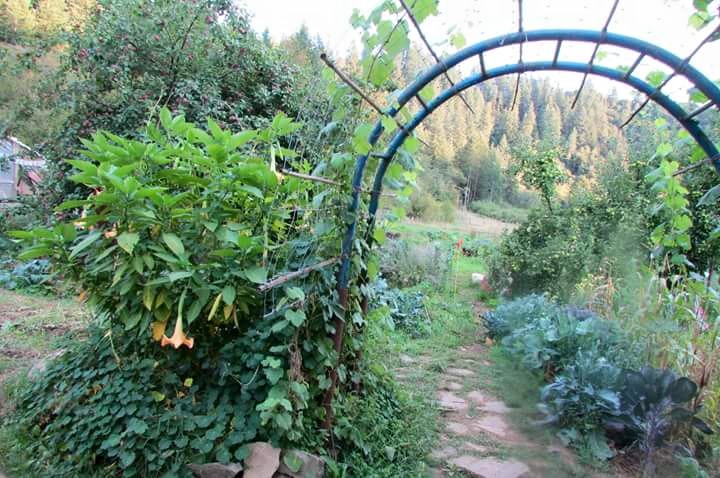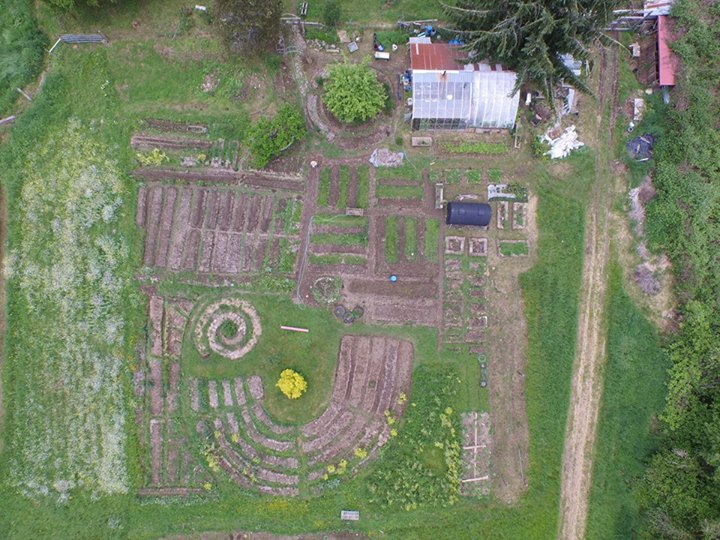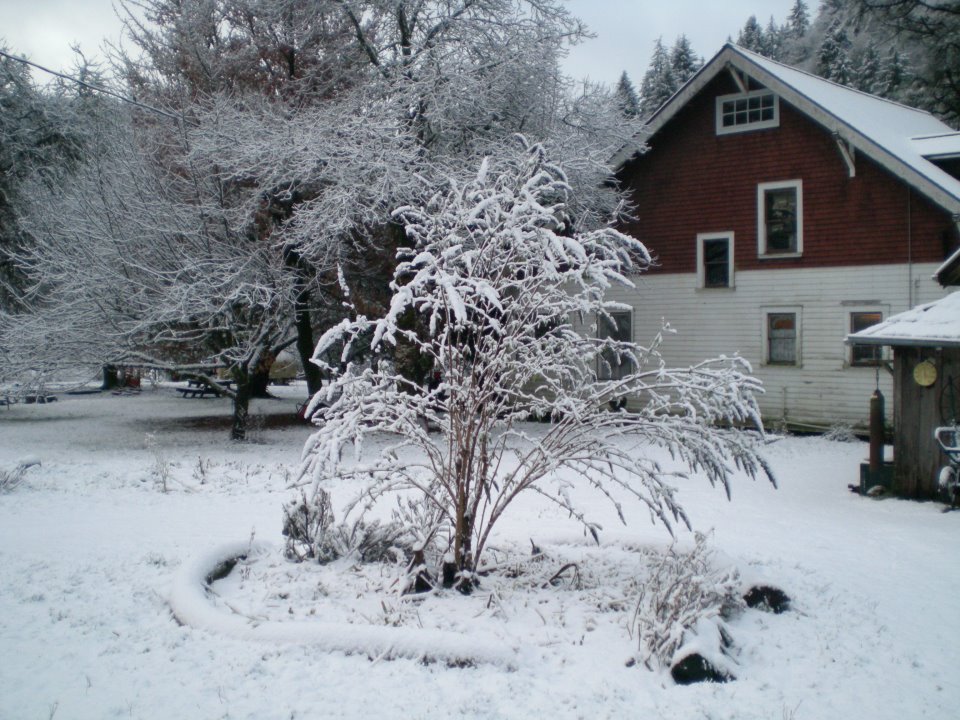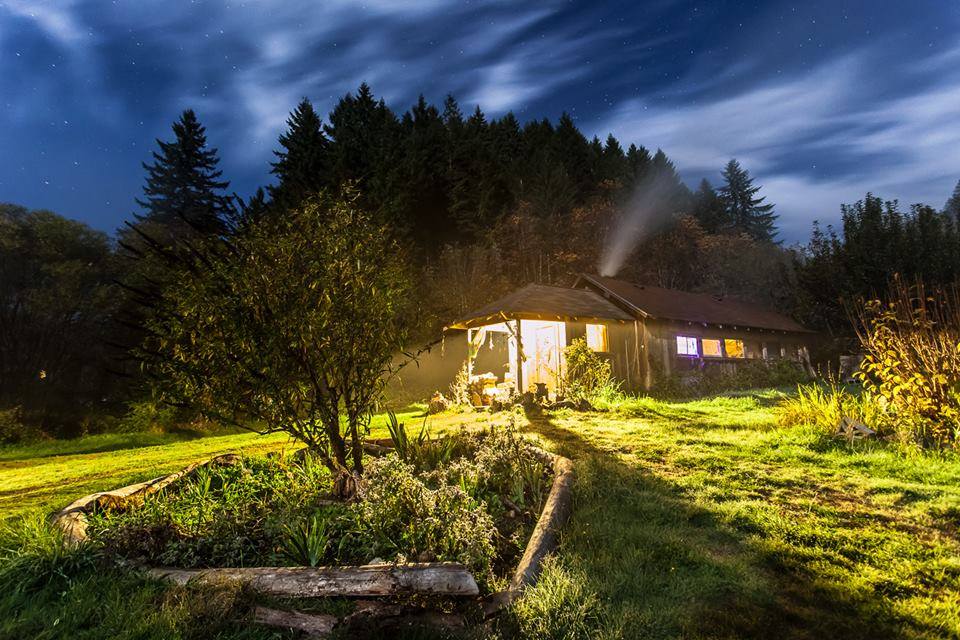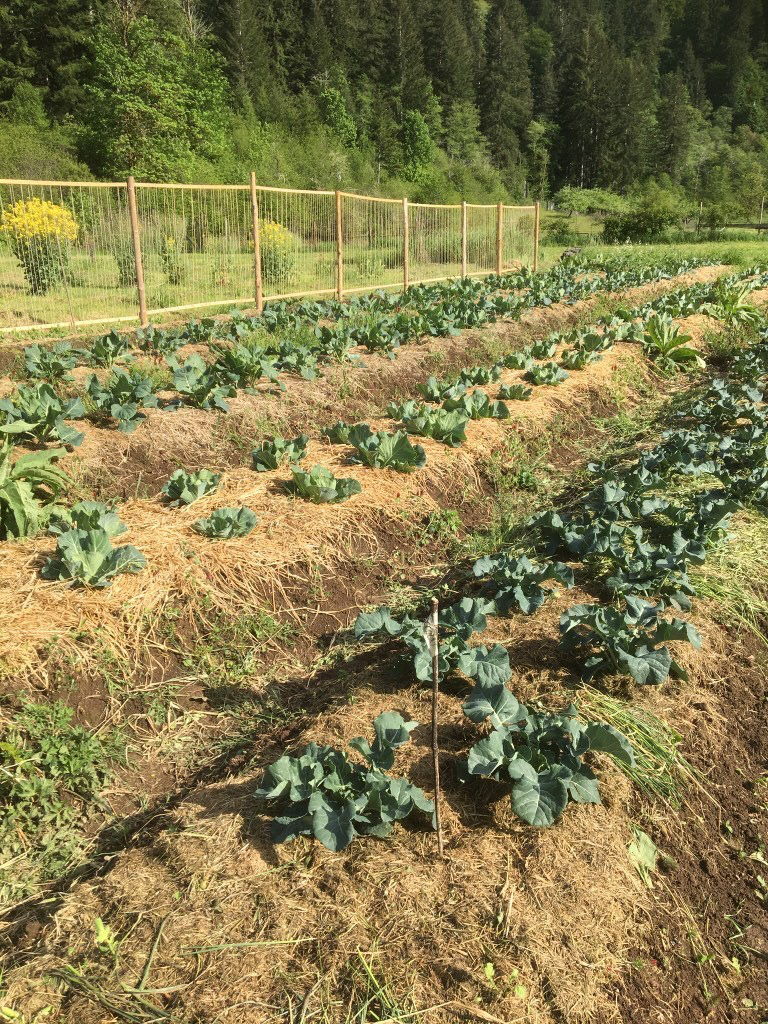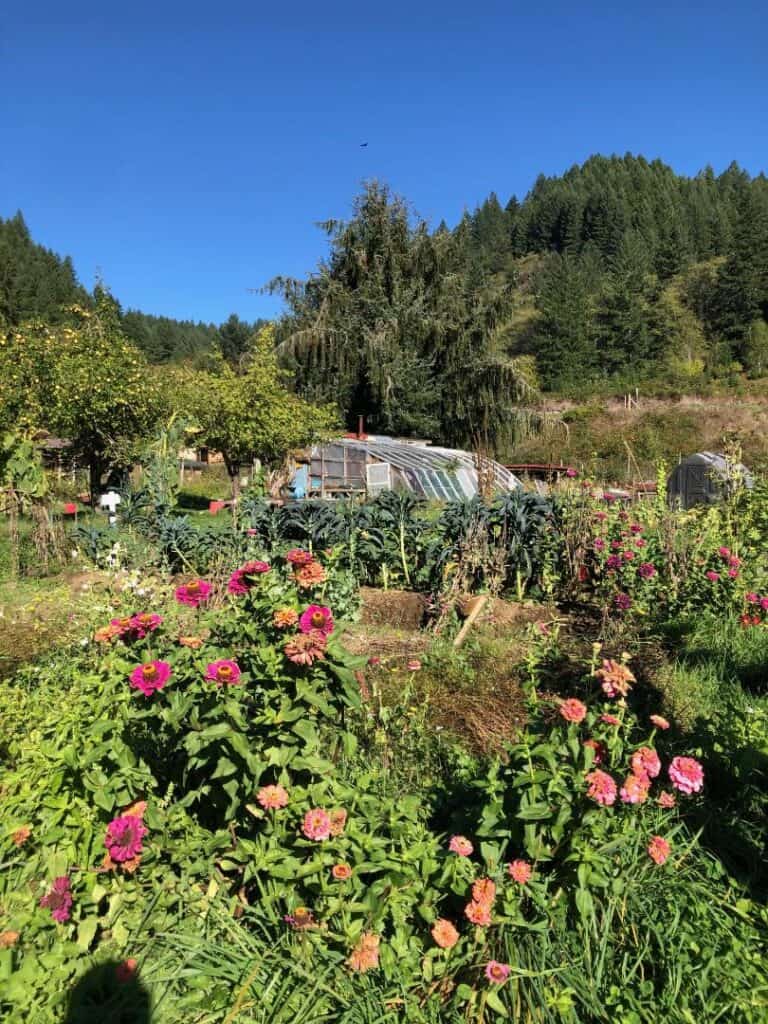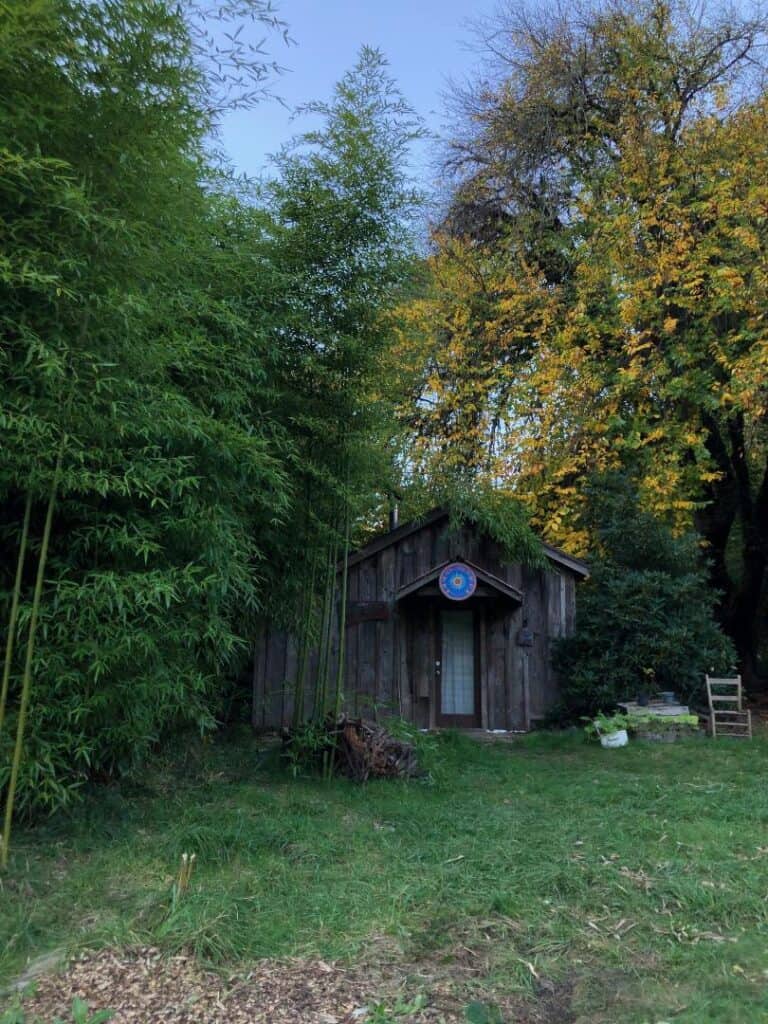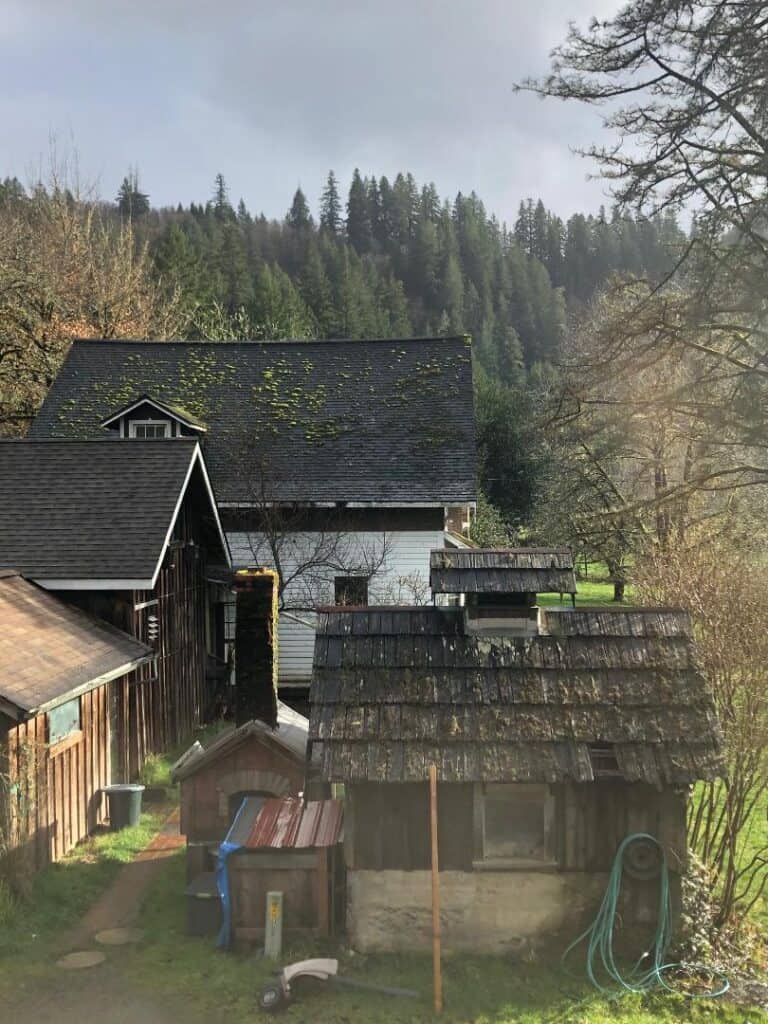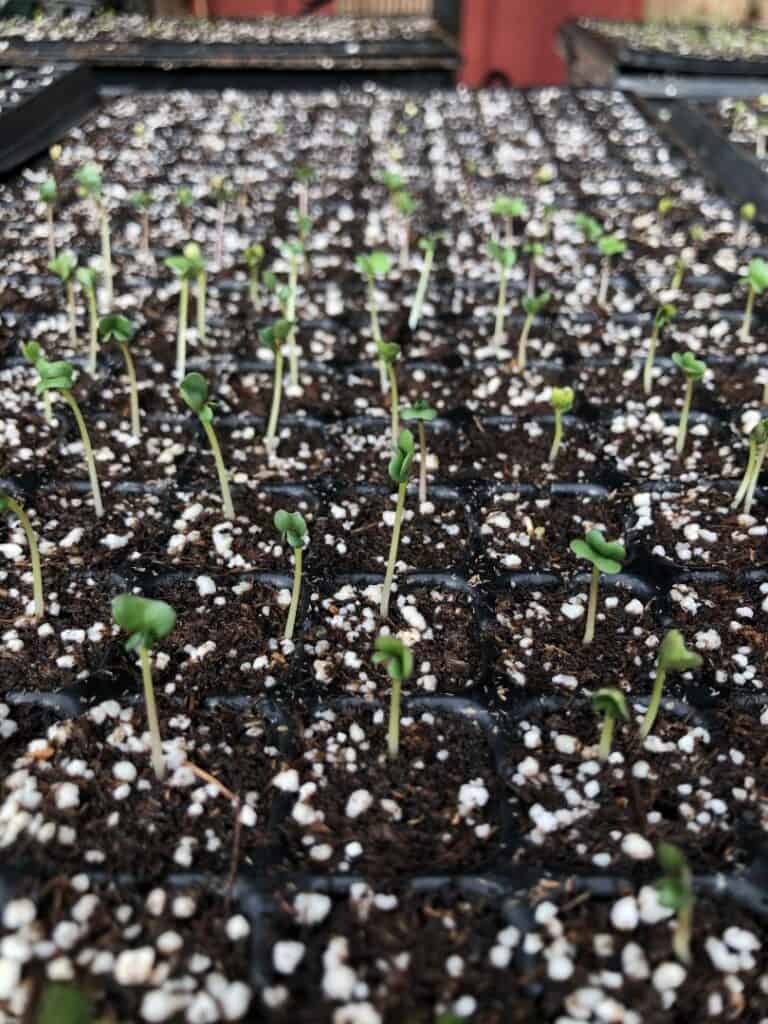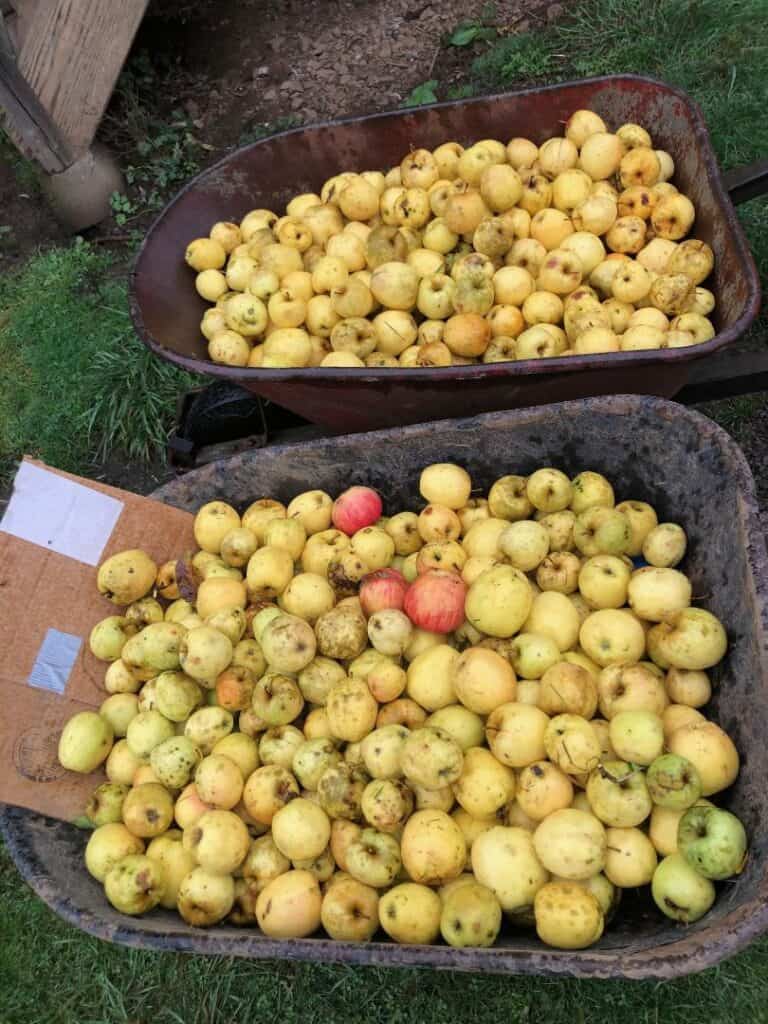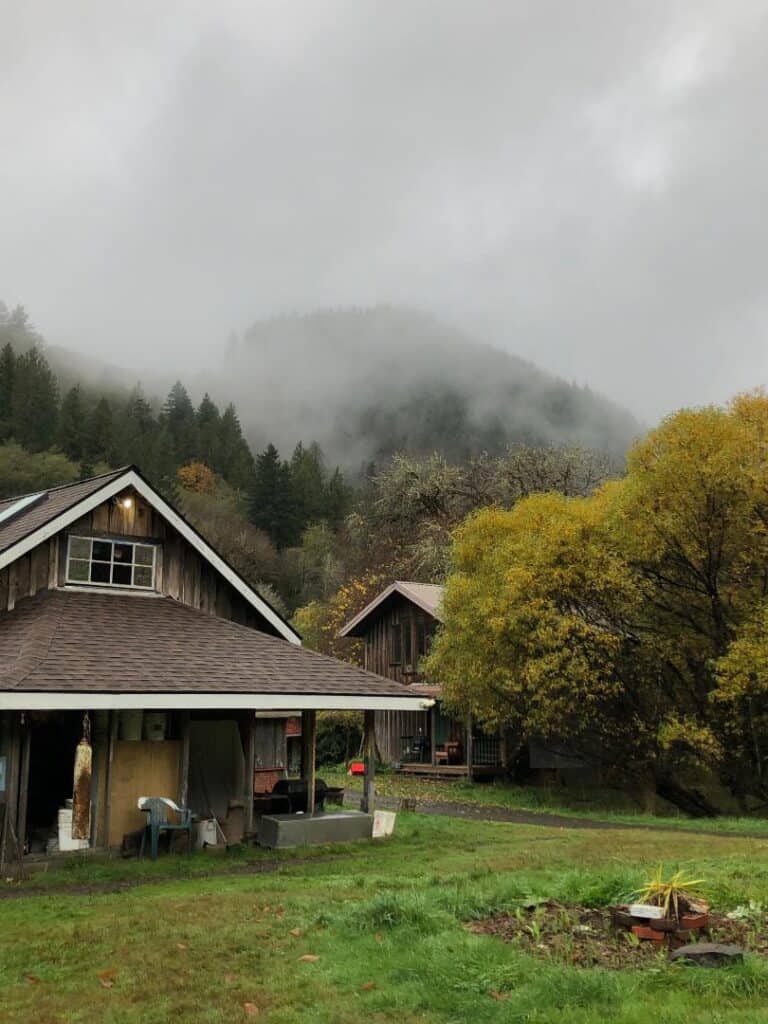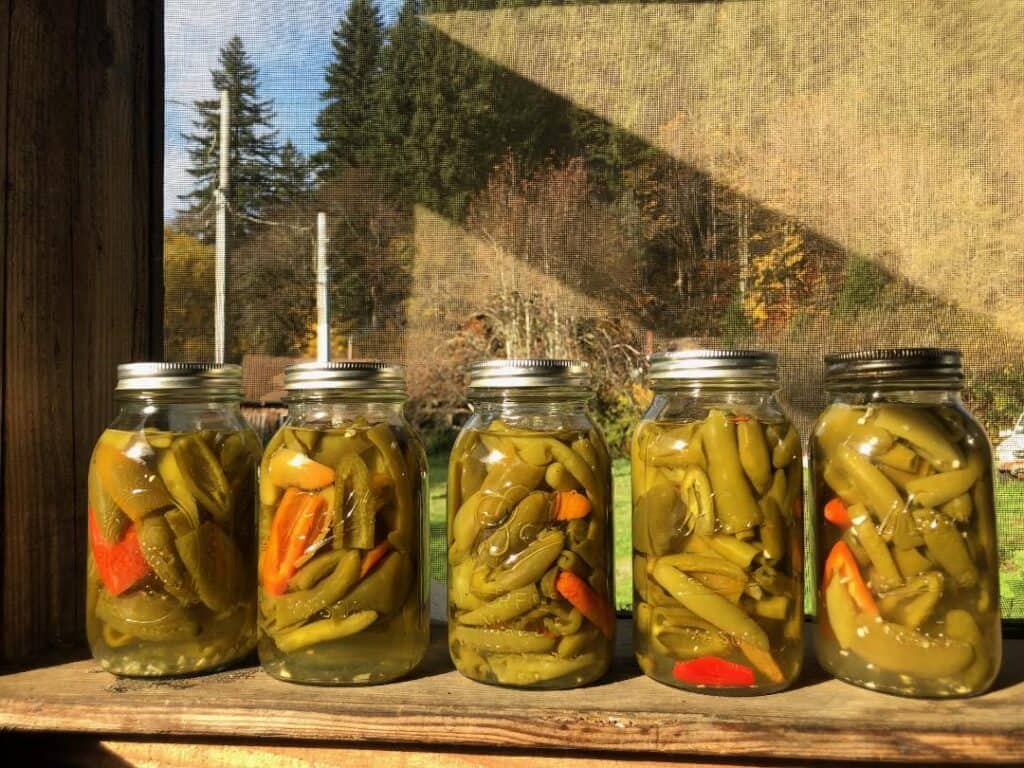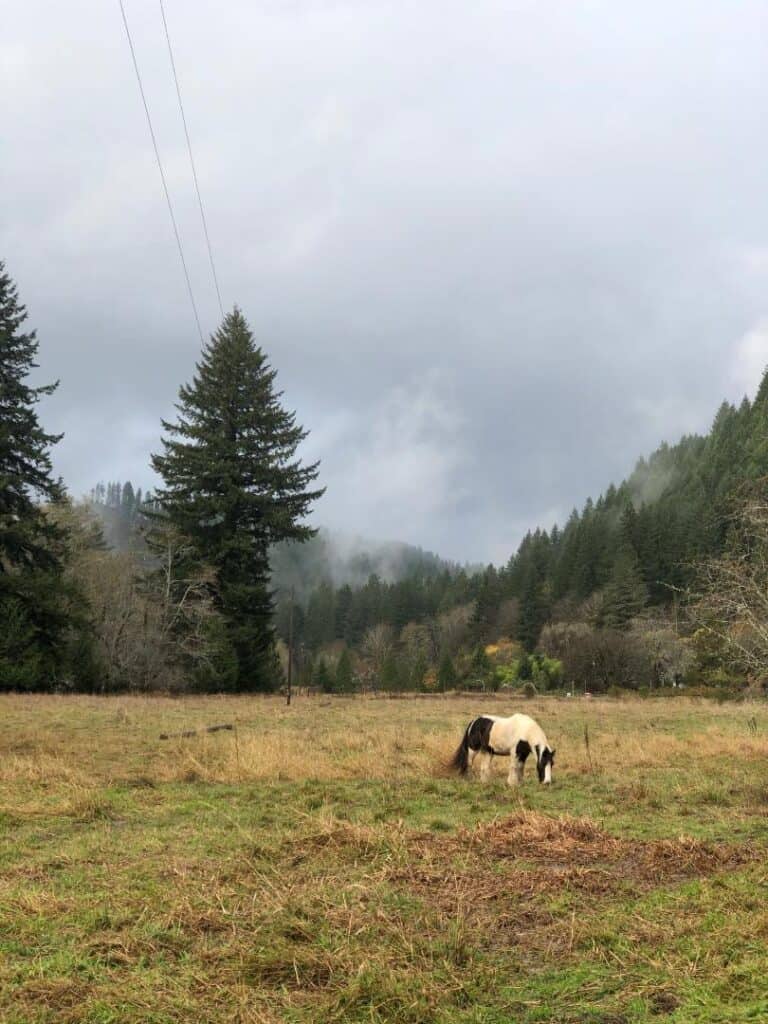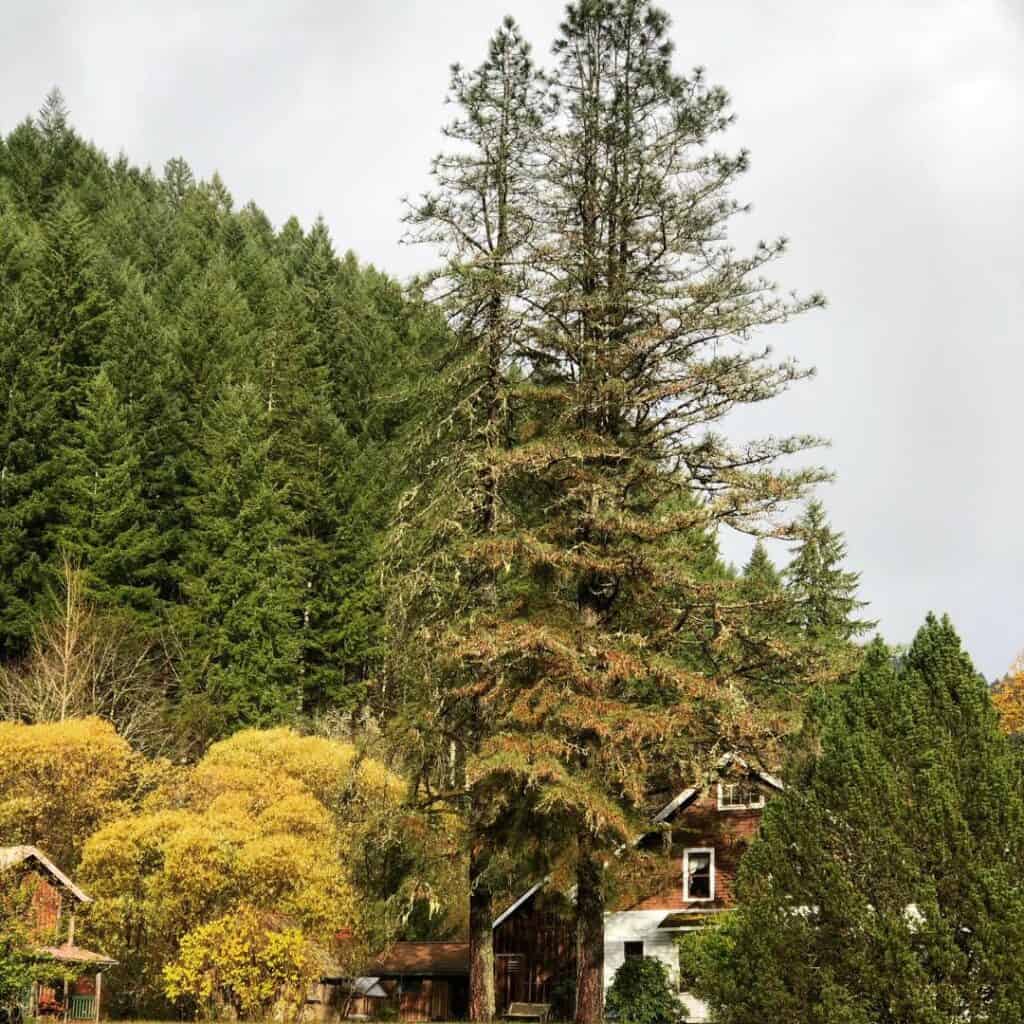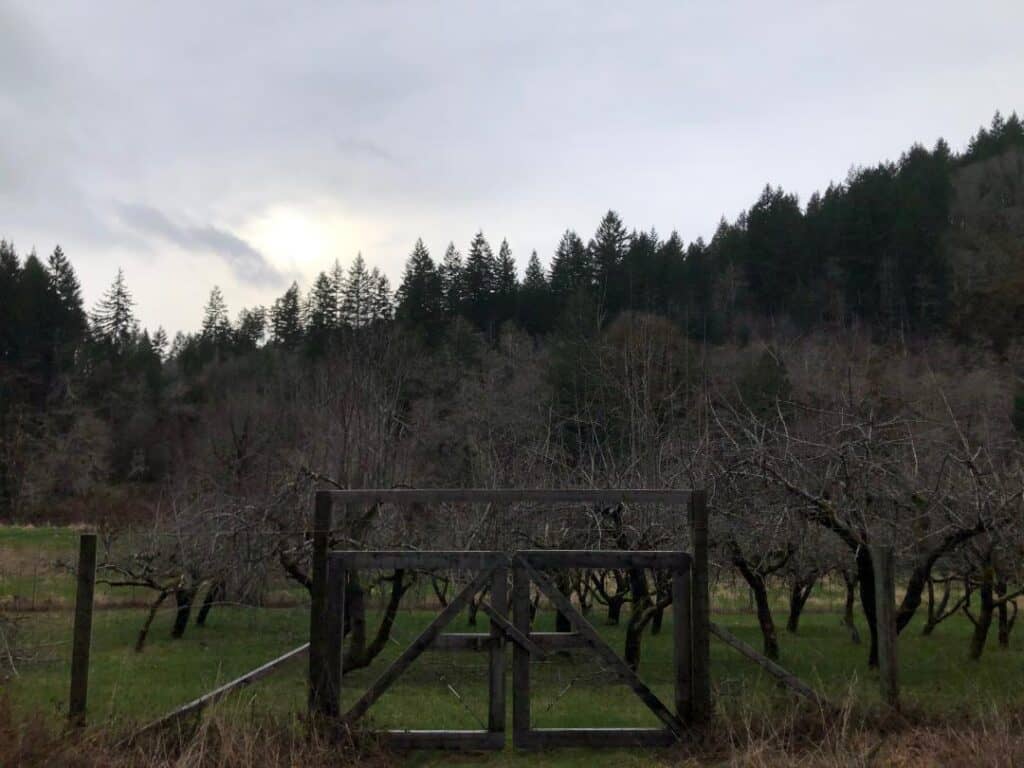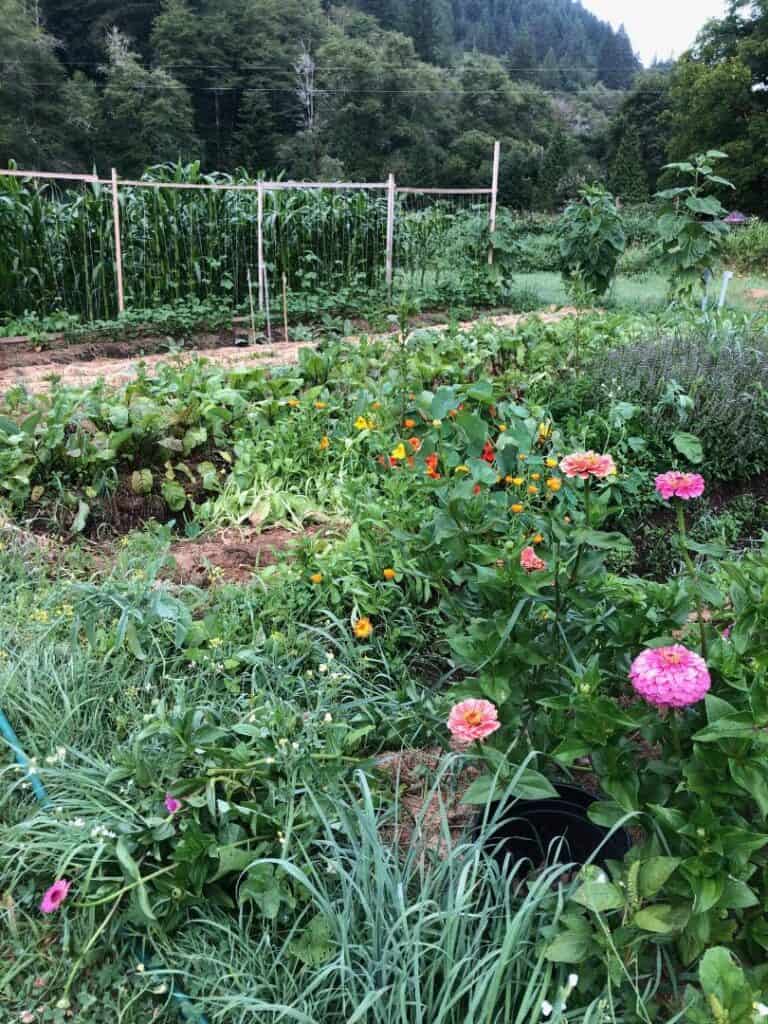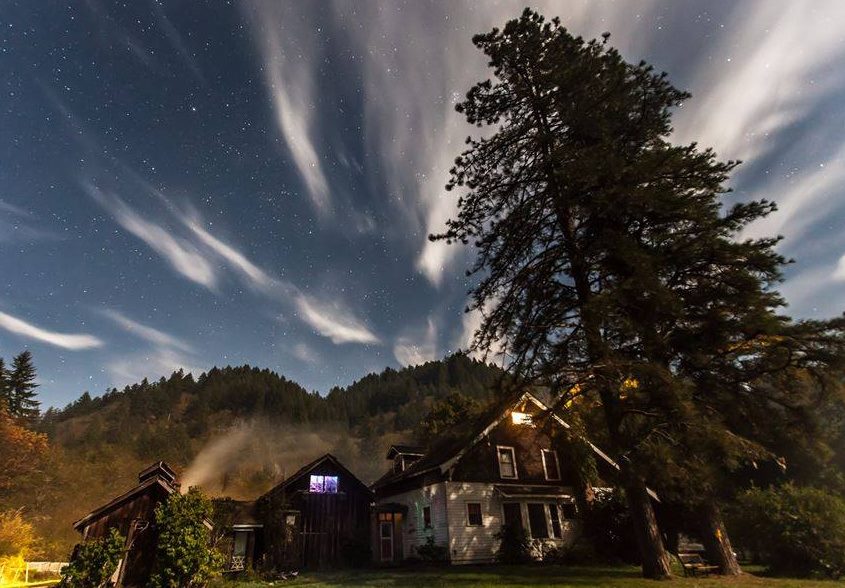
Alpha Farm is an agriculturally-based intentional community, founded in 1972 in the deep forests of western Oregon. We actively pursue a harmonious, self-reliant lifestyle that remains independent yet cooperative with broader society. Rooted in shared values, we self-govern through a transparent structure that fosters equality, open communication, and consensus-based decision-making.
As stewards of the land, we prioritize sustainability through organic farming and mindful resource use, sustaining the community with enterprises such as a USPS mail contract. Embracing a family-style ethos, we cultivate social cohesion and spiritual exploration through shared celebrations, group meetings, and community traditions. Today, Alpha Farm remains committed to its core values, continuing to grow as a space for intentional living, learning, and connection.
We strive to cultivate a simple environment rooted in non-violence and respect—for ourselves, each other, and all of existence—within a safe, healthy, and non-dogmatic space that nurtures spiritual growth through love, intelligence, and integrity.
We are dedicated to discovering and embodying the inherent beauty within ourselves and the earth, while practicing personal responsibility and collective accountability. Our aim is to cultivate greater self-sovereignty and sustainability, ultimately creating a positive social impact.
After an initial visiting period, you are asked to leave the community for a minimum of 2 weeks. If you are interested in returning and receive the community’s approval, you will be invited back and begin a 6 week visitor period. If after that 6 week point, you are still interested in perusing membership and the community consents, you will become a provisional member. After being at the community for 1 year, you are able to apply for membership, in which you will have an interview with each current member and they must reach agreement about your membership. Check-ins take place for everyone beginning provisional membership and occur every 6 months until you become a member. Members receive annual check-ins. Check-ins are a formal way for an individual to receive feedback from the community and for the community to receive feedback from the individual.
You may use the links to our visitor application(s) or reach out to us via email (vi***@*******rm.org) to get the link to our application. We have different applications depending on your reason for visiting:
Guesting is for folks interested in a leisurely visit. Work exchange is not required, costs $25/a day, and typically does not exceed 2 weeks.
Skill/Special Labor exchange is for folks interested in sharing their skill or specialty labor in exchange for short term housing. This is for folks who have a skill they would like to focus on while visiting, like tattooing, painting, photographing, carpentry, etc. Each arrangement for this is unique and will be determined between the individual and the community.
Visiting (formally) is for folks interested in living here or exploring the idea of living here. This is more in depth application and interview process. Work exchange and meeting community agreements is expected and initial visit periods are 1-2 weeks long, depending on your availability.
Please refrain from dropping in to our community if you have not been invited and scheduled. You will be turned away.
A few people (not elected by the broader community) make the major decisions.
Everyone must agree before moving forward.
Power and responsibility are shared relatively equally among members.
Our community operates through consensus decision-making, with all topics openly discussed until agreement is reached. We follow a set of Community Agreements, subject to change for community benefit. Teams oversee specific areas, like gardening and finance for example, making decisions within their domain and presenting proposals to the whole community when needed. Weekly meetings include Business (1.0), Farm (2.0), Community (2.5), and Important sessions (3.0), ensuring participation from all members.
All member income goes into common pool for community use.
Labor: Yes (40 hrs/week)
Members with pre-existing debt: allowed
All necessities such as food and hygiene products are provided. Everyone contributes through agreed-upon means, such as working 40 hours a week (or paying rent). Additionally, a stipend is given to all members and is determined by how much income the community makes each month (never dipping below $50). All members of the community partake in weekly scheduling. Some labor is done on-site, and some is done off-site. Income earned on scheduled farm days is shared with the community, while earnings from personal work days are kept by the individual.
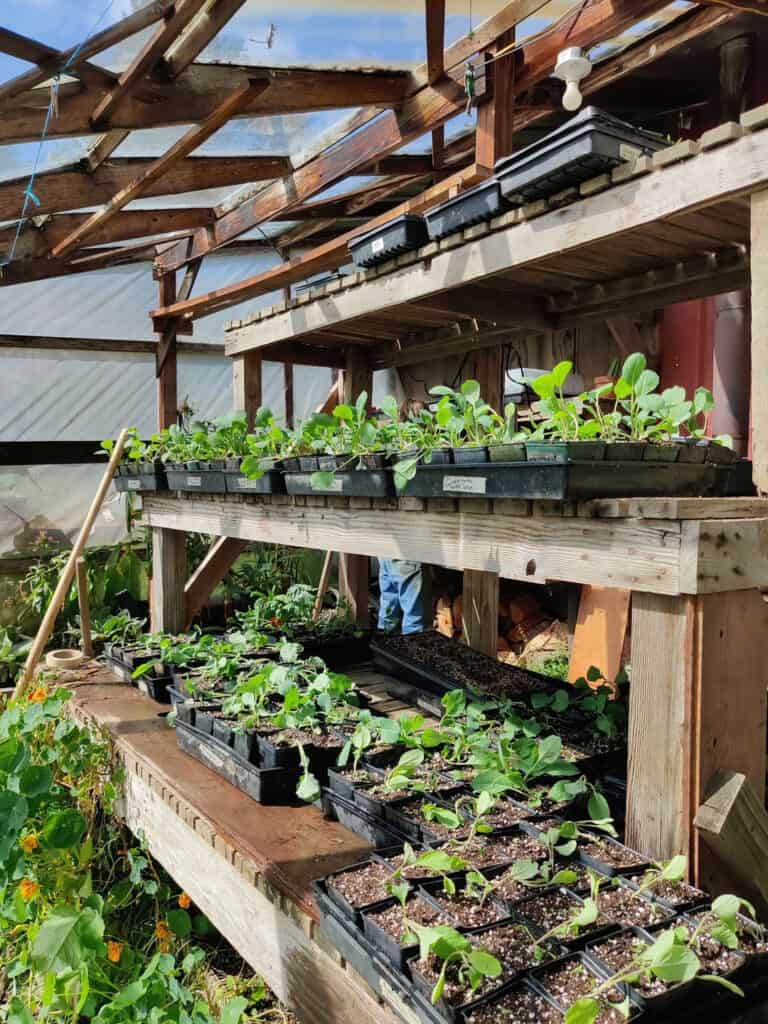
Common House, Garden(s), Greenhouse(s), Vehicle Share, Library, Workshop, Outbuilding(s), Swimming pond or pool, Large Scale Kitchen, Tractor & Farm Equipment, Fire pit, Swingsets & play areas, Recreational vehicles, Waterfront access, Gym or sports area, Internet
Countryside locations with significant distance from urban centers.
Private homes with shared common facilities, designed for neighborly
interaction while maintaining independence.
Shared living spaces with private bedrooms/bathrooms and communal
kitchens, dining, and social areas.
Communal living with shared resources, property, and often income or work responsibilities
Connecting people and communities through an intentional online marketplace
There are no needs and offers
We use cookies to improve your experience on our site. By using our site, you consent to cookies.
Manage your cookie preferences below:
Essential cookies enable basic functions and are necessary for the proper function of the website.
These cookies are needed for adding comments on this website.
Statistics cookies collect information anonymously. This information helps us understand how visitors use our website.
Service URL: policies.google.com (opens in a new window)
A residential project: people live here as their primary home.
An institution, business, network, or project that isn’t a residence (e.g. a learning center, farm, or network with no one living there full-time).

{{ item.label }}
{{ item.value ? item.value : currencyFormat( item.amount ) }}
Subtotal
{{ currencyFormat( pricing_summary.total_amount ) }}
There are no results matching your search

We’re introducing new Plus features — including community reviews, Profile Match, and unlimited Needs & Offers posts — while keeping most of FIC free for everyone. Membership costs less than two coffees a month.