
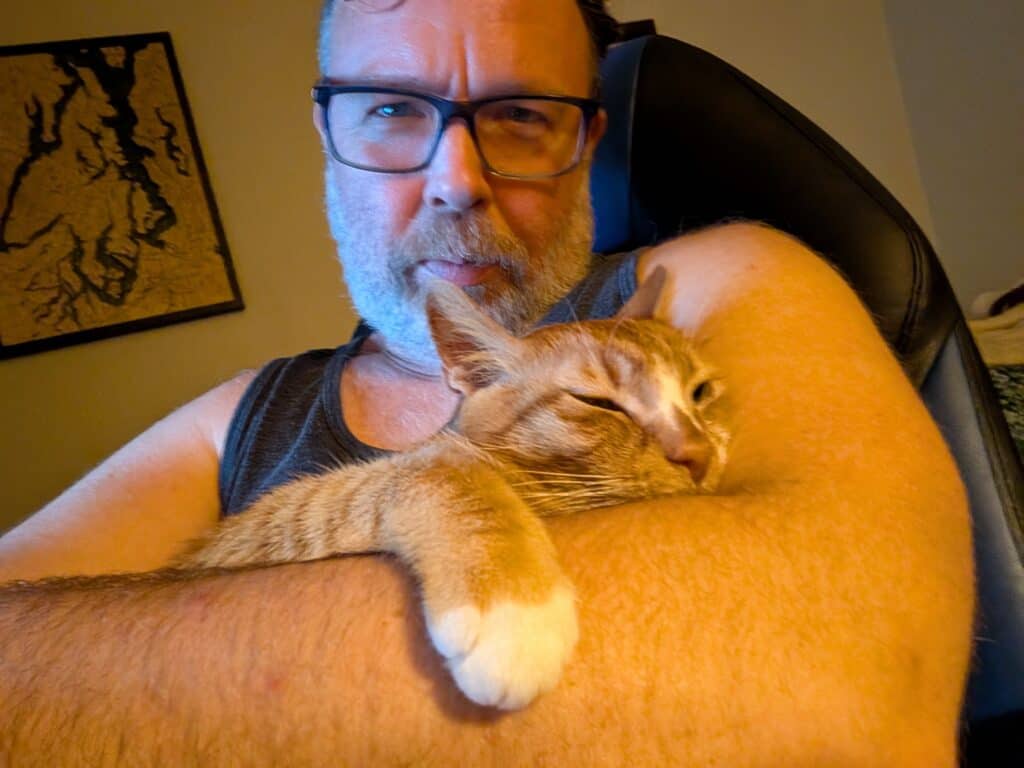
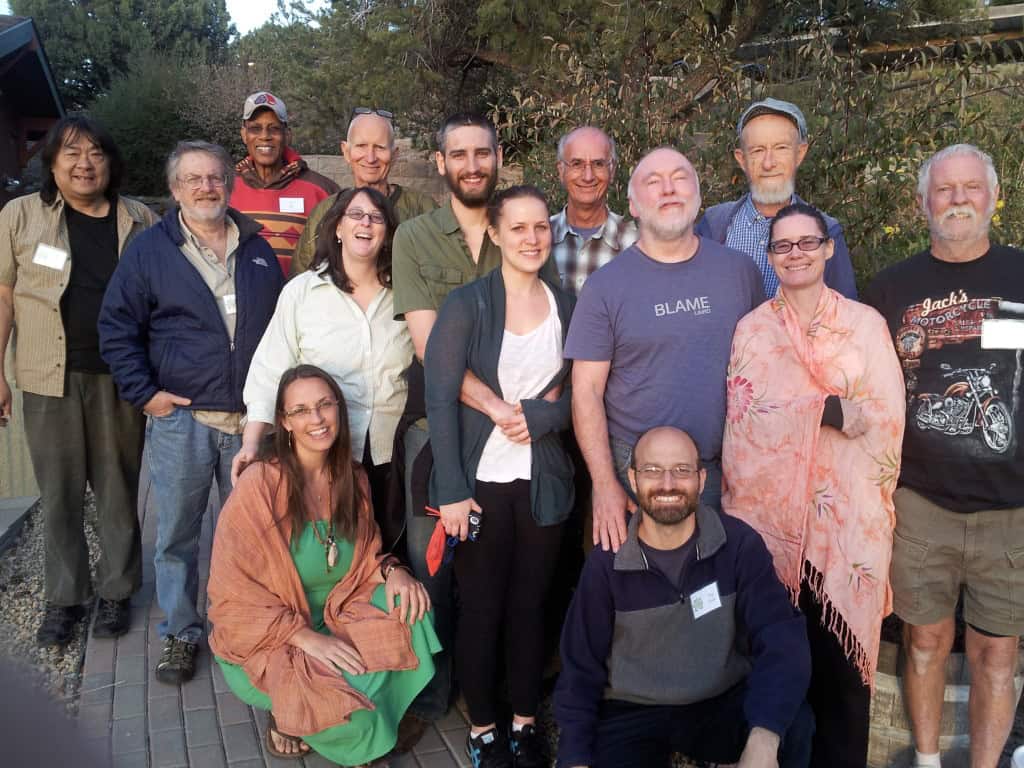
One of the great tragedies of our hyper-individualized society is the separation of the generations. There is so much love and wisdom lost, and so much needless suffering endured as a result of the isolation between elders, single adults, and children. This separation has been enacted so effectively that it is now seen as preferential by most people, even if they recognize the negative social consequences.
It’s easy to lament the struggle of parents to raise their kids while making ends meet, or the plight of elders stuck in their homes or in facilities without adequate care or social activity, and easy to see how these problems could become solutions for each other. But when it comes down to it, people still choose isolation. And it’s understandable. Society is not structured to make it easy for people to come together. Intentional communities are incredible models for an intergenerational society, and embody some of the greatest hope for healing this rift.
To a large extent this is a problem of architecture and design. For the most part, conventional development seeks to minimize necessary interaction between neighbors. Intentional communities have the exact opposite goal in mind. It’s also a problem of economics. Individualized finances are an assumption. How many married couples even share a bank account anymore? Most communities don’t share finances, but most do share common facilities and hold the community’s land in common, and the principle of self-management means that their members have to interact in ways that most people don’t. This can be very challenging, but it fosters intimacy and leads to a far more satisfying life.
It means more support. People who live in community together care about each other, look out for each other, and show up for each other. They can’t help it. They want to, because it gives them something, a sense of meaning and connection that you don’t get when you don’t share your life with others. You can’t buy this kind of support. It takes work, but it’s an integral benefit of living in community.
Where this becomes most powerful is between the generations. Community provides the opportunity for elders and singles to support parents, for young people to assist their elders and elders to share their wisdom, for children to have relationships with a wide variety of adults, for the young and old to care for each other and have fun together.
We all know that elder care is big issue, and many communities, especially cohousing communities, are facing this issue head on. This is why the Cohousing Association of the US is hosting Aging Better Together, a conference in Salt Lake City, UT, this May 20 – 21, and the Foundation for Intentional Community is proud to be a co-sponsor. The conference aims to bring together communities who have dealt with these issues, who are beginning to face them, and who are looking ahead at how to successfully navigate them. There’s a tremendous amount of wisdom and experience already existing in the communities movement, and a long way to go towards finding the best solutions for communities to adopt. This conference will be an important platform for coming together and finding a path forward.
Keep the conversation going with these pieces
There are no available blogs
Subscribe to our newsletter for fresh stories and community updates delivered to your inbox.
Get unlimited access to courses, exclusive member events, and a supportive network of community builders
Access all courses, books, and premium content
Member-only workshops and community builders
Member-only workshops and gatherings
We use cookies to improve your experience on our site. By using our site, you consent to cookies.
Manage your cookie preferences below:
Essential cookies enable basic functions and are necessary for the proper function of the website.
These cookies are needed for adding comments on this website.
Statistics cookies collect information anonymously. This information helps us understand how visitors use our website.
Service URL: policies.google.com (opens in a new window)
A residential project: people live here as their primary home.
An institution, business, network, or project that isn’t a residence (e.g. a learning center, farm, or network with no one living there full-time).

{{ item.label }}
{{ item.value ? item.value : currencyFormat( item.amount ) }}
Subtotal
{{ currencyFormat( pricing_summary.total_amount ) }}
There are no results matching your search

We’re introducing new Plus features — including community reviews, Profile Match, and unlimited Needs & Offers posts — while keeping most of FIC free for everyone. Membership costs less than two coffees a month.

