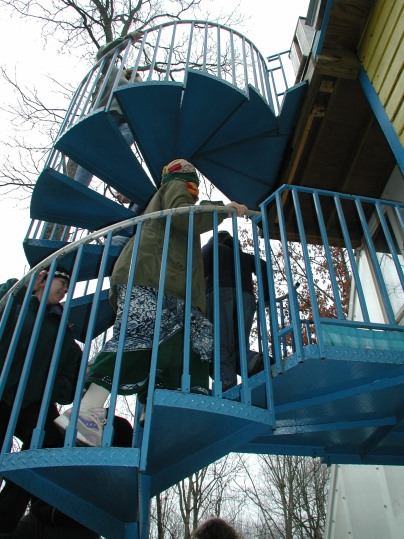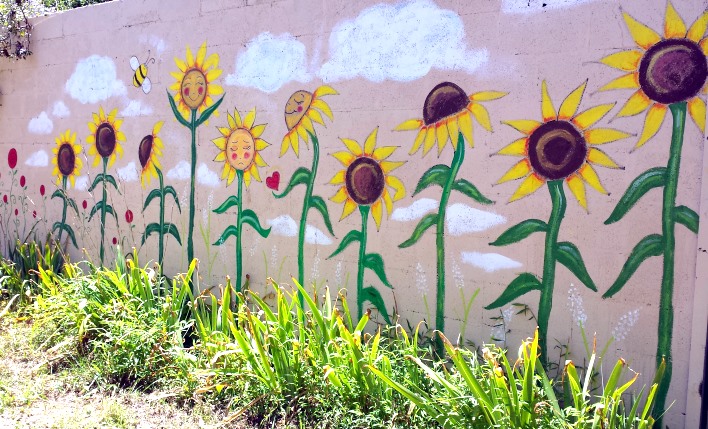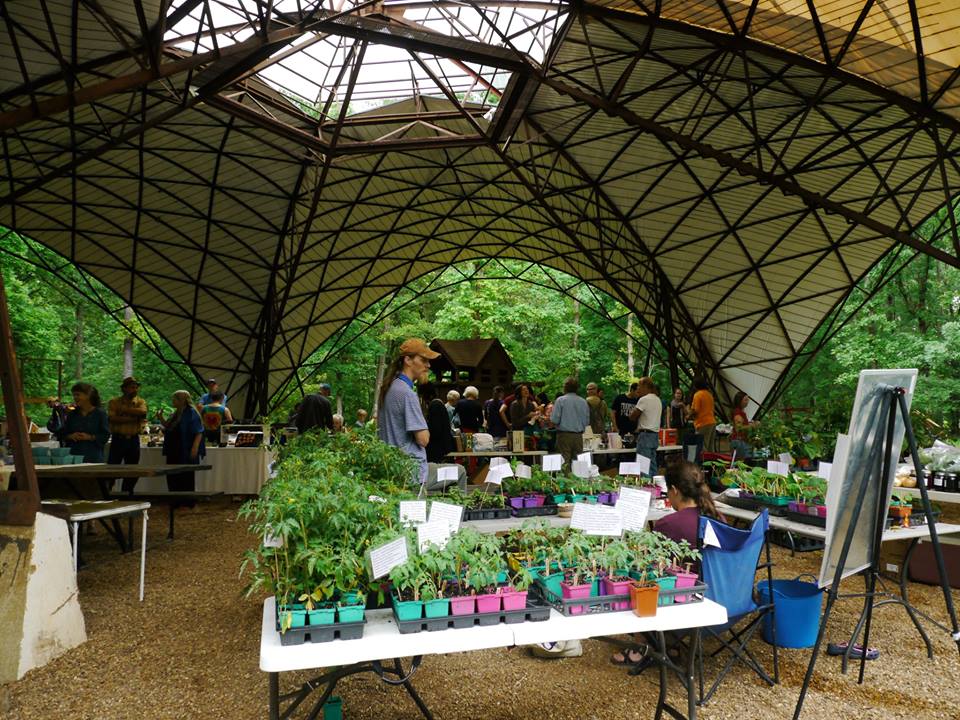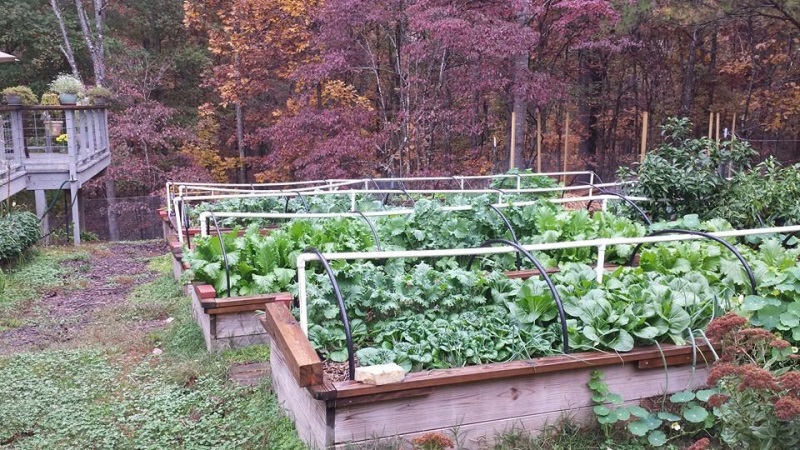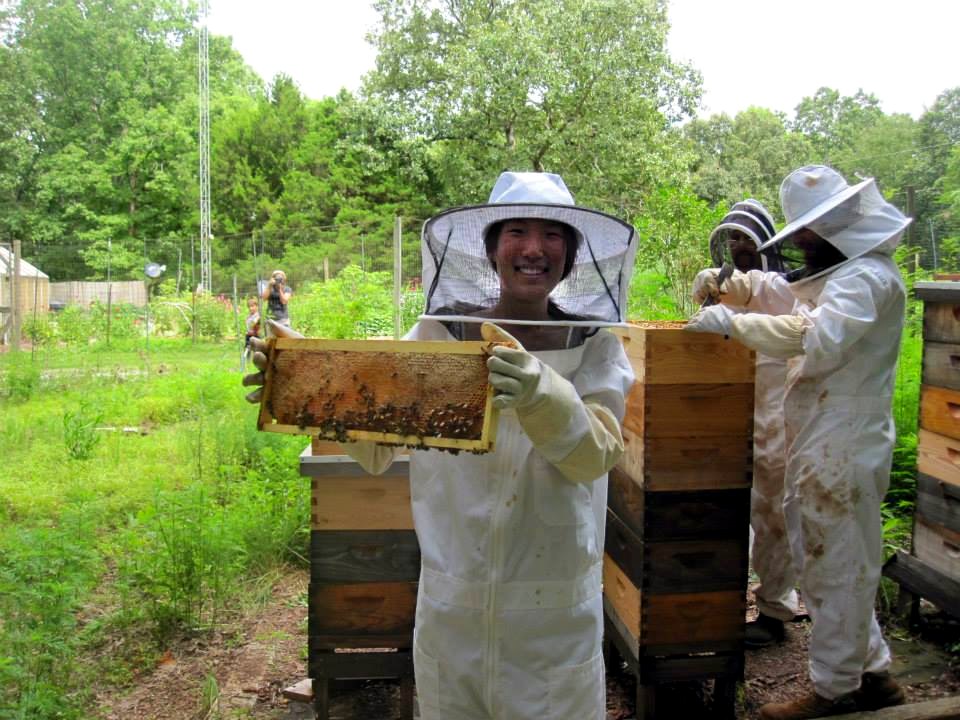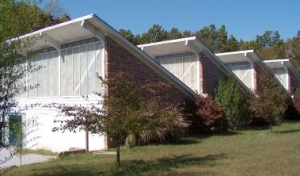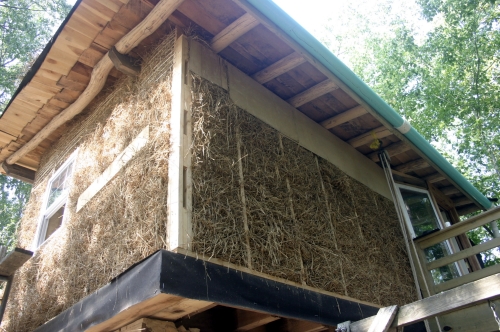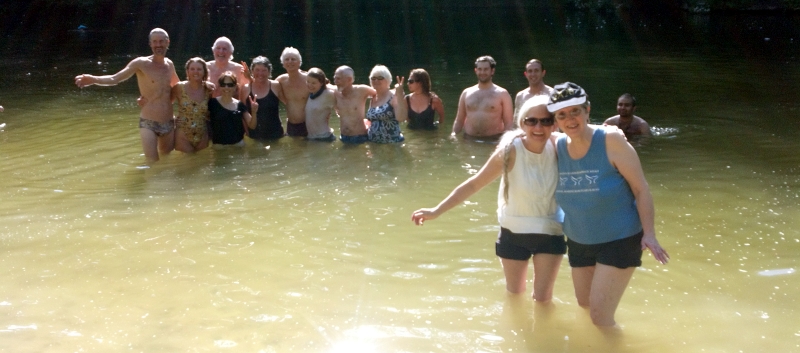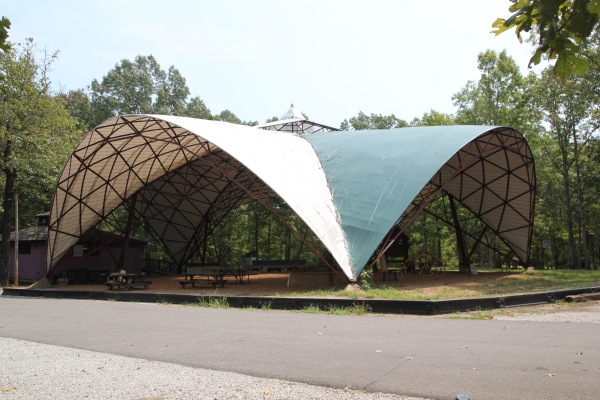
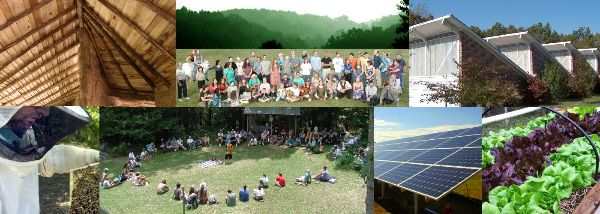
Group of people gathered outdoors at The Farm Community in Summertown, Tennessee.

The Farm Community in Summertown, Tennessee

  • Communities

About the Communities

  • Established
  • Ecological
  • Rural

Founding year

  • 1970

What we do

The Farm is an intentional community of families and friends living on 1,750 acres in south-central Tennessee. Since its inception in 1971, the purpose of The Farm community has been to provide a secure, ecologically healthy, commonly held land base for its members and succeeding generations. It is a place where we can relate to each other and the natural environment in a sustainable way, draw upon the collective strength of the community, and contribute to the positive transformation of the world.

The Farm is a spiritual community but follows no specific doctrine. Founded on the principles of nonviolence and respect for the earth, there is general agreement that all world religions share essential truths that are the moral guideposts for sanity and happiness.

Over its 50 year history, The Farm community has established numerous nonprofit organizations as part of its mission to create positive change in the world. These include Plenty International (international relief and development), Kids To the Country (brings at-risk children to The Farm), The Ecovillage Training Center (sustainability education), Swan Conservation Trust (1425-acre nature preserve), PeaceRoots Alliance (global peace movement), and More Than Warmth (students creating peace quilts sent to children around the world), and many more. The Farm is probably best known for its midwifery program in which the sacrament of birth is considered as an inherent right of all women, newborns, and families. Both basic and advanced midwifery workshops take place throughout the year.

Approximately 225 residents and over 20 Farm businesses contribute to the maintenance and operation of the community. The community is managed by an elected board of directors along with a variety of committees staffed by volunteers. The Farm Education/Conference Center hosts conferences and is the umbrella organization for the Farm School, which offers alternative education to both resident and neighboring school-age students.

Note: Overnight visitors are asked to sign a hold-harmless agreement with the community.

Our Mission

Sustainable Living, Spirituality & Social Change

  • Purpose
  • Ecological
  • Community type
  • Coliving
  • Ecovillage
  • Spiritual Retreat Centers
  • Sustainability practices
  • Sustainability education and community engagement
  • Activities
  • Education
  • Experiences
  • Networking

Commemorative dates

  • January 1, 1970
  • Started planning
  • January 1, 1971
  • Started living together

Video

  • 140 Total members
  • Open to new members
  • Open to visitors
Total
260

How to join

Visit often – Live in the community as an extended visitor – Live in the community as a Resident, usually for a minimum of 1 year. Live in the community as a Provisional Member for a second year or longer. Voted in by 2/3 of the community as a Full Member. Pay $3000 membership fee to become a Permanent Member.

Basic expectations or agreements for members

We welcome scheduled visits and tours. Please write or call our Welcome Center, vi****@**************ty.com/931-964-3574 . The community is actively seeking new members and residents. Check us out! The best way to visit is to attend a Market Day or one of the other events that take place throughout the year.

Primary decision-making authority

  • All Community Members Together

The whole membership decides collectively.

Decision-making process

  • Majority Vote

More than 50% agreement needed.

Governance structure

  • Representative/Democratic

Members elect leaders who make decisions within defined roles.

Conflict resolution approach

The majority of residents have lived in the community 35+ years. However, new residents are able and are encouraged to participate equally.
We use consensus whenever possible, especially in smaller committees.

Economic model

  • Independent Finances

Members maintain separate personal finances with minimal sharing.

Economic scenarios for this community

  • There is a one-time fee, investment, or share purchase to join the community separate from accessing housing
  • Members need to pay fees, dues, or similar to live there on a per month or per year basis
  • There is a labor obligation
  • Members typically need to have their own job or other personal source of income to cover their expenses while living in the community?

Additional economic information

Join fee: $3000
Regular fees: $120
Labor: Encouraged or suggested
The 1750 acre property is owned collectively a Trust to benefit the community members. The community has an extensive infrastructure that is maintained and operated through monthly member dues. All buildings and residences are owned by the Trust, but members generate equity in their homes through personal investment.
All membership applications include a financial review.
Participation in community projects and events is very encouraged.
$3,000 per adult is requested after a community vote to become full member, after approximately a 2 year provisonal membership period.
Members and residents contribute monthly an amount ranging from $110 or more per person

Shared resources and amenities that are accessible to everyone in the community

Common House, Garden(s), Workshop, Outbuilding(s), Swimming pond or pool, Large Scale Kitchen, Tractor & Farm Equipment, Stage or Auditorium, Fire pit, Swingsets & play areas

Frequency of communal meals

  • 1-3 times per month

Significant food acquisition practices

  • Locally sourced

Community activities and engagement

  • School, Educational Institute or Experience
  • Organization, Resource, or Network
  • Festivals, Conferences, Events

Substance use culture

  • Substance use appears in public spaces but no pressure
  • Religions
  • Christian
  • Buddhist
  • Jewish
  • Quaker
  • Sufi
  • Wiccan, Paganism, or Earth Religions

Gender composition

  • Roughly balanced (no group over 60%)

Age demographics

  • Family-focused (many children and parents)

Property status

  • Privately owned

Property owner

  • By a Community Land Trust or some other kind of nonprofit

Setting

  • Rural

Countryside locations with significant distance from urban centers.

Community type

  • Coliving

    Shared living spaces with private bedrooms/bathrooms and communal
    kitchens, dining, and social areas.

  • Ecovillage

    Integrated communities designed around ecological principles with sustainable living practices.

  • Spiritual Retreat Centers

    Residential communities focused on providing space for meditation, spiritual practice, and personal growth retreats.

Sustainability approach

  • Sustainability education and community engagement

Self-produced energy

  • Up to 33%

Energy sources used

  • Photovoltaic Solar

Self-produced food

  • Up to 33%

Local, organic, or fair trade food

  • Up to 33%

Food systems

  • Community garden
  • Land area size
    1750 acres

Guest Book

Written reviews are available for plus members. Click here to upgrade.

Location

  • Tennessee, United States

The Farm Community in Summertown, Tennessee

Needs and Offers

Connecting people and communities through an intentional online marketplace

  • Promoted
  • Events
2 weeks ago

Coastal Regeneration Immersion: Permaculture Design Certification in Jalisco, Mexico

Tropical Dry Forest Permaculture Design & Regenerative Stewardship Certification (PDC)12-Day Intensive | 120 Hours | Costalegre, Jalisco, Mexico APPLY AT XOCHIRAIZ.COM Join us for an immersive Permaculture Design Certificate course set in the tropical dry forest bioregion of coastal Jalisco. This 120-hour intensive blends internationally recognized PDC curriculum with hands-on regenerative practice — combining ecological design, agroforestry, natural building, and community stewardship into one integrated learning experience. Lead Faculty Jorge Luis Gtz. Olarte (Arborescencia RedGenerativa) – Regenerative Design, Soil Biology & Agroforestry Ozzy Lusth (Survior & Xochiraíz) – Wilderness Resilience & Survival Skills Dave Collins (Capacha Coastal Conservation Center) – Bioarchitecture & Ecological Development What You’ll LearnThe course moves through six progressive phases: Permaculture & Ecological Literacy – ethics, principles, and reading the tropical dry forest landscape Water & Soil Systems – keyline design, water harvesting, living soils, and compost systems Horticulture – food garden design, propagation, and biological pest control Regenerative Food Systems – tropical agroforestry, food forest design, and guild planting Ecological Infrastructure – bamboo bioarchitecture, bioclimatic farm design, compost toilets, greywater, and rocket stoves Integrated Design Studio – team-based final design projects covering watershed strategy, agroforestry, food forest layout, infrastructure, and phased implementation Daily RhythmMornings begin with optional surf/yoga and journaling, followed by field practicums and hands-on workshops. Afternoons include design studio and construction lab work, with reflection circles, communal dinners, and evening talks, films, or campfire discussions rounding out the day. Final ProjectParticipants work in teams to produce a full regenerative design package — landscape analysis, water plan, agroforestry design, food forest plan, ecological infrastructure, and bioclimatic farm plan — presented to a faculty review panel on the final day, followed by a closing ceremony, certificate delivery, and community feast. CertificationGraduates receive the Tropical Dry Forest Permaculture Design & Regenerative Stewardship Certification (120 contact hours), hosted by Capacha Coastal Conservation Center and Tierralegre, A.C. Curriculum integrates international PDC standards with tropical ecology, agroforestry, ecological restoration, bamboo bioarchitecture, bioclimatic design, GIS/photogrammetry, and regenerative leadership. Highlights Hands-on bamboo construction (temazcal, bathhouses, sculpture) Tropical dry forest silviculture practicum Community mapping and design project for Ekoa Green Community Talent show and sea turtle release
January 10 – January 24
  • Promoted
Offer
  • Promoted
Offer
  • Professional Services
3 months ago

Community Matchmaking: Get Help Finding Your Community

Would you like to join an intentional community but don’t know how? Feel overwhelmed by the number of communities out there? Not sure if there is one that’s a fit for you? CommunityFinders is here to support you on your path to community living. You can find your community by: Taking the free Community Types Quiz to learn which of the most common types of community is a fit for you. Booking a 1:1 consultation with a Community Matchmaker to receive recommendations for communities that are a fit for you. Joining the Money and Community Mini-Course to find out which communities are within your budget. Reading the book Intentional Community to help you understand your options and decide whether community living is right for you. Our goal is to help community seekers become community finders — people with confidence that their community match is out there and they will find it. Looking forward to working with you to find your community! Please be in touch, Cynthia Tina Founder communityfinders.com What communitarians are saying: “Cynthia helped me clarify the intentional communities that fit me, better get to know them, and finally choose one that I’m now a member of. I have no doubt anyone on a community journey will find great value in her guidance.” – Alan Stillman “Out of potentially thousands of communities, Cynthia matched me with very similar values revealed on their websites. I am in the process of applying to visit the number one recommendation. I’m excited and thankful for Cynthia‘s skills. Beyond well worth.” – Tommy Teeple “Due to her extensive community experience, she could offer many insights, provide useful tips and present selected communities to me that she had visited herself.” – Antonia Von Hassell
Offer
Offer

Update to a Public Profile

  • Log in
  • Go to your profile page
  • Toggle on the "Add my profile to the directory"
  • Save your profile

Information

Communities

A residential project: people live here as their primary home.

Organizations

An institution, business, network, or project that isn’t a residence (e.g. a learning center, farm, or network with no one living there full-time).

Plus Community Membership

  • Find people with Profile Match
  • Access to your community listing statistics
  • Create Discussion Groups
  • Access to our affiliate program
  • Member badge on your community profile
I am an official member of this community
Disclaimer
I affirm that my information is accurate and I am authorized to manage this listing
Foundation for Intentional Community FIC Member badge logo.

Free Plan

Free Membership
Free

Intentional Advertising

  • Subtotal

    {{ currencyFormat( pricing_summary.total_amount ) }}

Icon representing community connections and collaboration for intentional communities.

Plus Membership

  • Find communities with Profile Match
  • View detailed reviews about communities
  • Create free listings in Needs & Offers
  • Plus Member resources in CommUniversity
  • View communities detailed reviews
  • Plus Member badge on your profile