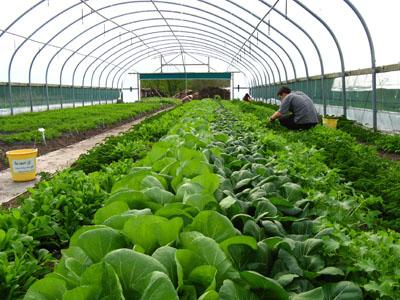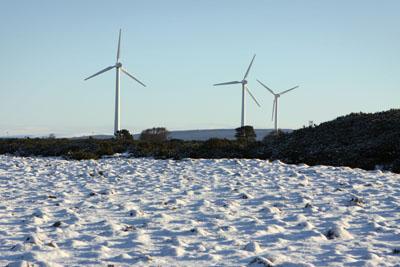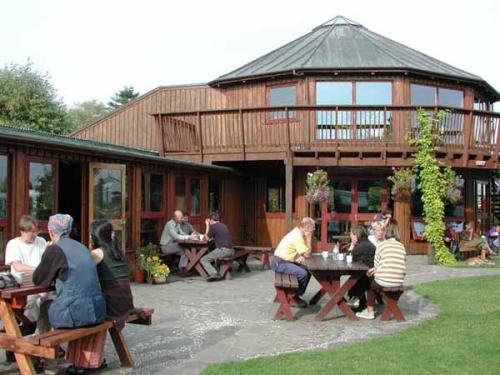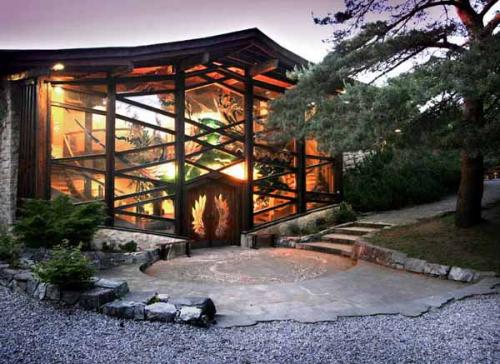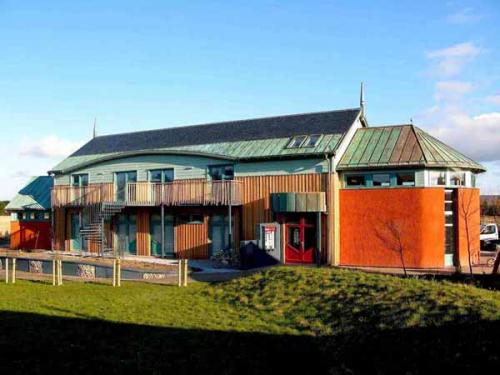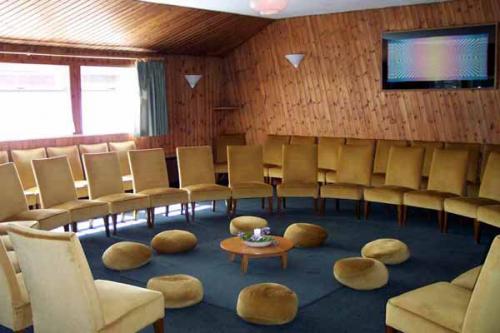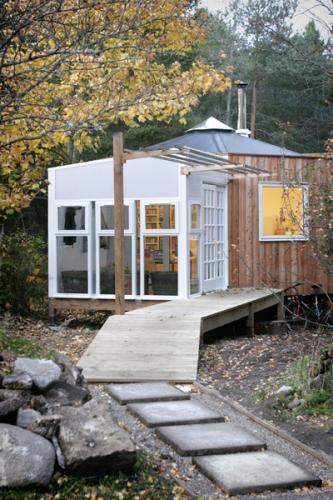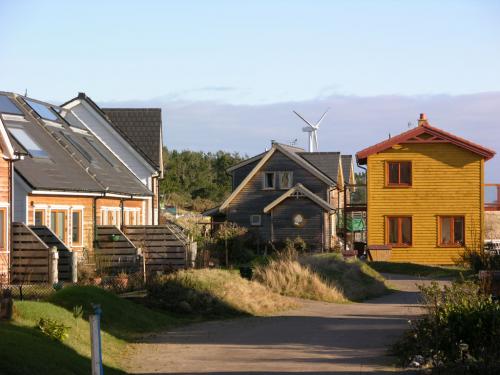
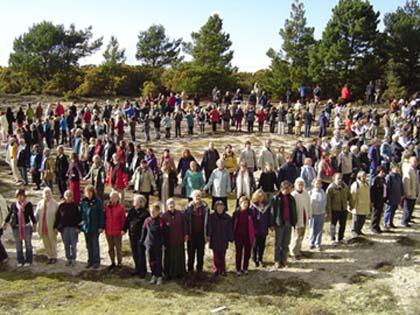
The Findhorn Foundation is a spiritual community, ecovillage and an international centre for holistic learning, founded in 1962 in Morayshire, northeast Scotland. We run experiential workshops and events that offer profound and practical steps for personal and global transformation. Our work is based on the values of:
• connecting to your own inner wisdom
• co-creating with the intelligence of nature
• service to the world
Our aim is to actively create a positive and sustainable future for humanity and the planet. We recognise that achieving this aim can only be accomplished within the context of a new consciousness and changed worldview. We have no formal creed or doctrine, and honour all the world’s major religions as paths to inner wisdom.
The Findhorn Foundation and community offers many ways to visit, live, and work together. We present a range of leading edge events and workshops for residential guests every year, and welcome day visitors. More than 400 people live within or are locally connected to our community.
Findhorn Experience Weeks began in 1974 and provide a powerful, often heart-opening, introduction to our spiritual principles and their application in daily life, and have been attended by more than 30,000 people so far.
The development of our ecovillage is a continuation of our work with nature and is a tangible demonstration of the links between the environment and the social, economic, and spiritual aspects of life. It is a constantly evolving model.
The Findhorn Foundation is a founding member of Global Ecovillage Network and is a Non-Governmental Organisation (NGO) associated with the UN Department of Public Information. We work in partnership with Highlands and Islands Enterprise/Moray, Moray Council, universities, healthcare providers and others.
The Findhorn Foundation is a spiritual community, ecovillage and an international centre for holistic learning, helping to unfold a new human consciousness and create a positive and sustainable future.
By far the best way to visit is to take part in an Experience Week, which take place weekly thoughout the year.
Experience Week is a doorway into the essence of the community, giving an introduction to our spiritual principles such as inner listening, co-creation with nature and group work. After Experience Week a range of options are possible; ask for our guest programmes brochure or visit our website.
One person or partnership has ultimate authority.
A single person, couple, or small group makes most major decisions.
Primary authority rests with the community’s founder(s) or designated leader(s).
Focaliser of the management team which is a rotated position
Management team comprising the focalisers (heads) of departments
Decisions are made by gathering facts and information, creating a quiet space to attune with inner wisdom, and then taking a vote. If possible, unanimity is the preferred outcome of a vote. If a unanimous decision cannot be made, then those who are in the minority are asked if they can be a loyal minority, ie if they will support the decision of the whole. If a loyal minority is not possible, then votes are counted and a majority of 90% must be reached for a proposal to be accepted. If a majority cannot be reached, time is given for more information to be gathered and the proposal will be presented again in the future.
Members contribute a percentage of income to community funds.
Labor: Yes
Staff of the Findhorn Foundation all receive the same income (with a few exceptions). But they are also able to generate extra income and maintain their own savings/capital.
Staff of the Foundation work a 35 hour week and do additional occasional rotas.
LEAP is our Living Essentials Apprentice programme, our staff intake programme, where you learn the ways in which we live together here at Findhorn. Experience Week plus three months of the Living in Community Guest Programme are prerequisite.
Common House, Garden(s), Vehicle Share, Library, Hot tub or hot springs, Stage or Auditorium, Swingsets & play areas
Countryside locations with significant distance from urban centers.
Integrated communities designed around ecological principles with sustainable living practices.
Residential communities focused on providing space for meditation, spiritual practice, and personal growth retreats.
Connecting people and communities through an intentional online marketplace
There are no needs and offers
We use cookies to improve your experience on our site. By using our site, you consent to cookies.
Manage your cookie preferences below:
Essential cookies enable basic functions and are necessary for the proper function of the website.
These cookies are needed for adding comments on this website.
Statistics cookies collect information anonymously. This information helps us understand how visitors use our website.
Service URL: policies.google.com (opens in a new window)
A residential project: people live here as their primary home.
An institution, business, network, or project that isn’t a residence (e.g. a learning center, farm, or network with no one living there full-time).
{{ item.label }}
{{ item.value ? item.value : currencyFormat( item.amount ) }}
Subtotal
{{ currencyFormat( pricing_summary.total_amount ) }}
There are no results matching your search
We’re introducing new Plus features — including community reviews, Profile Match, and unlimited Needs & Offers posts — while keeping most of FIC free for everyone. Membership costs less than two coffees a month.