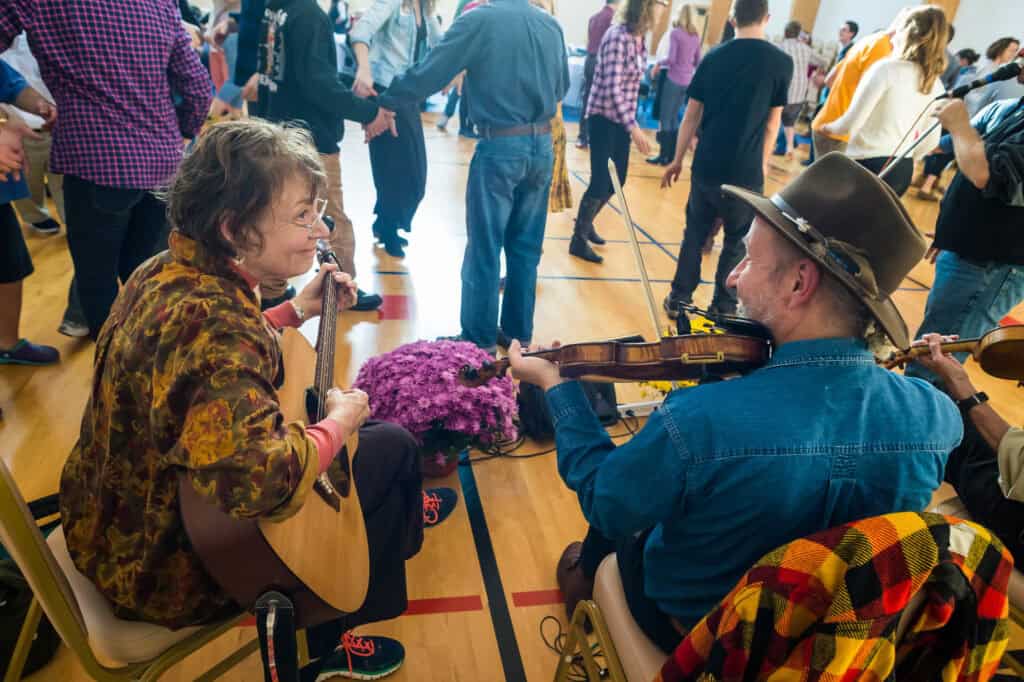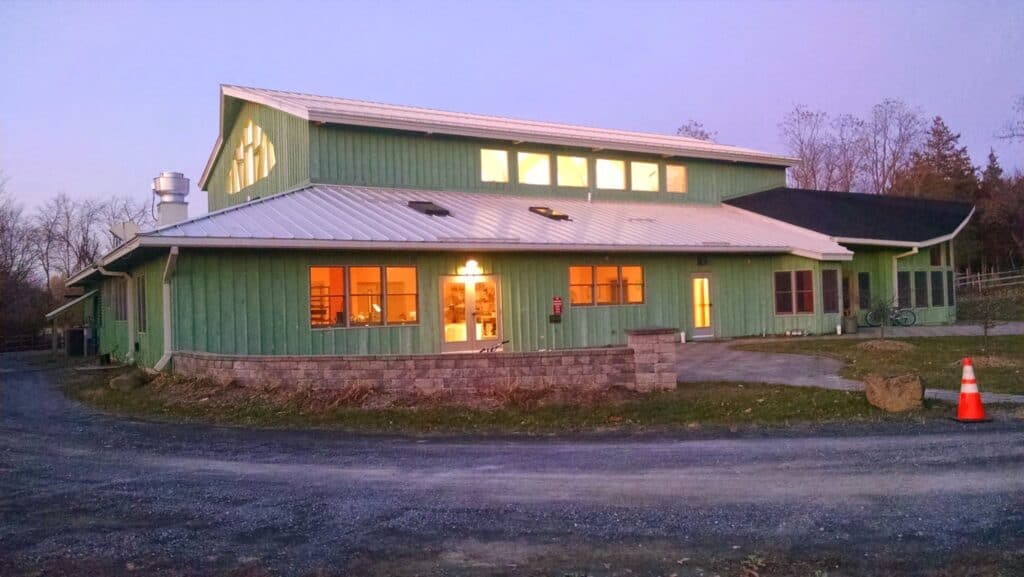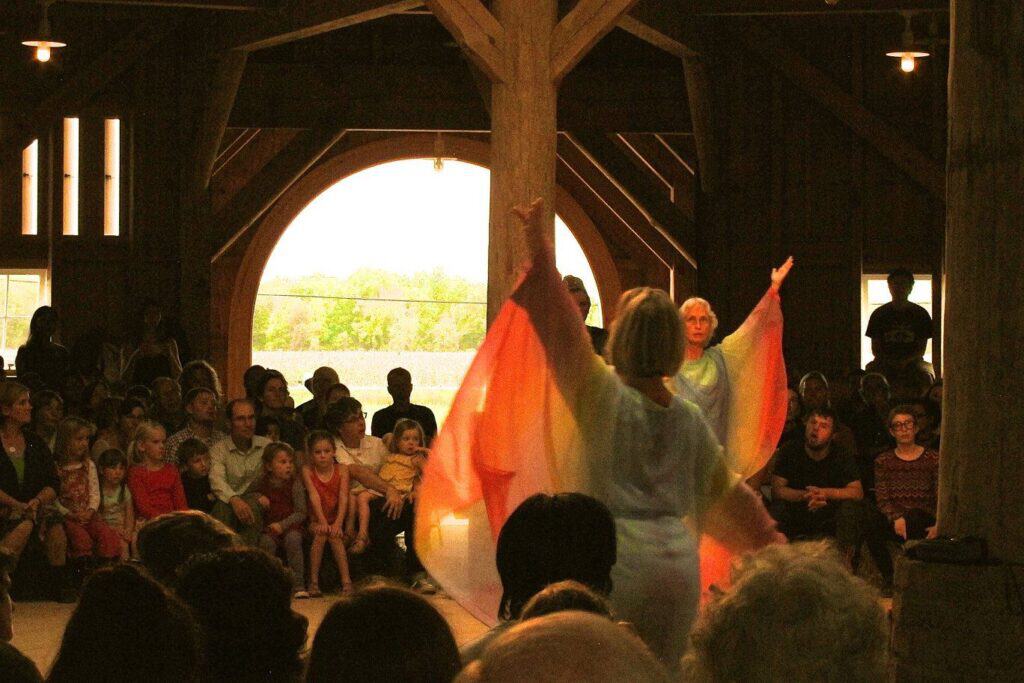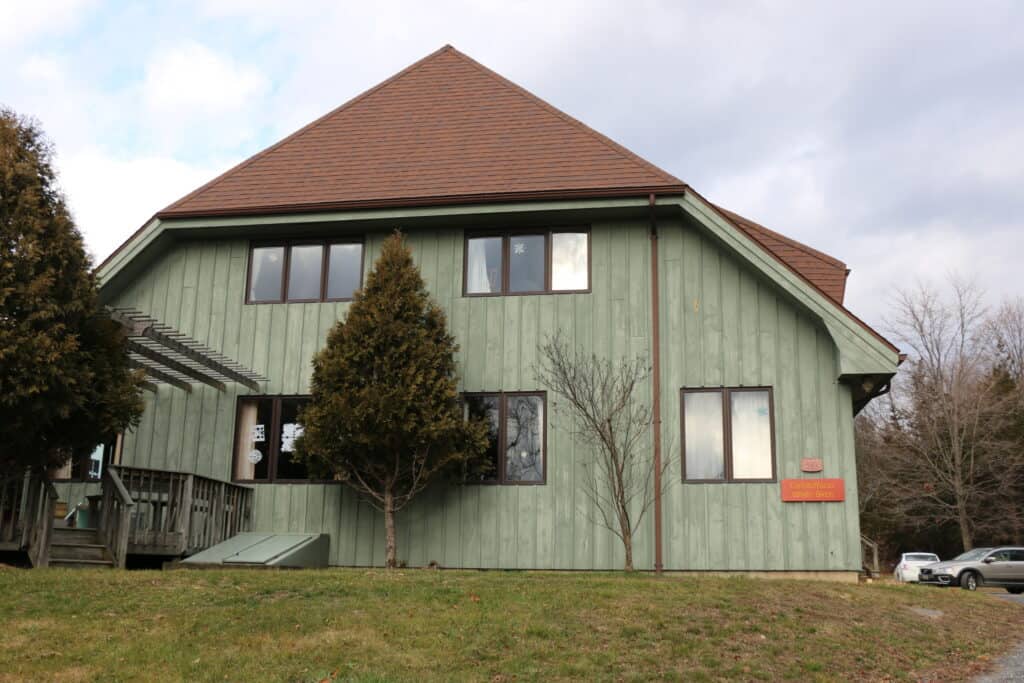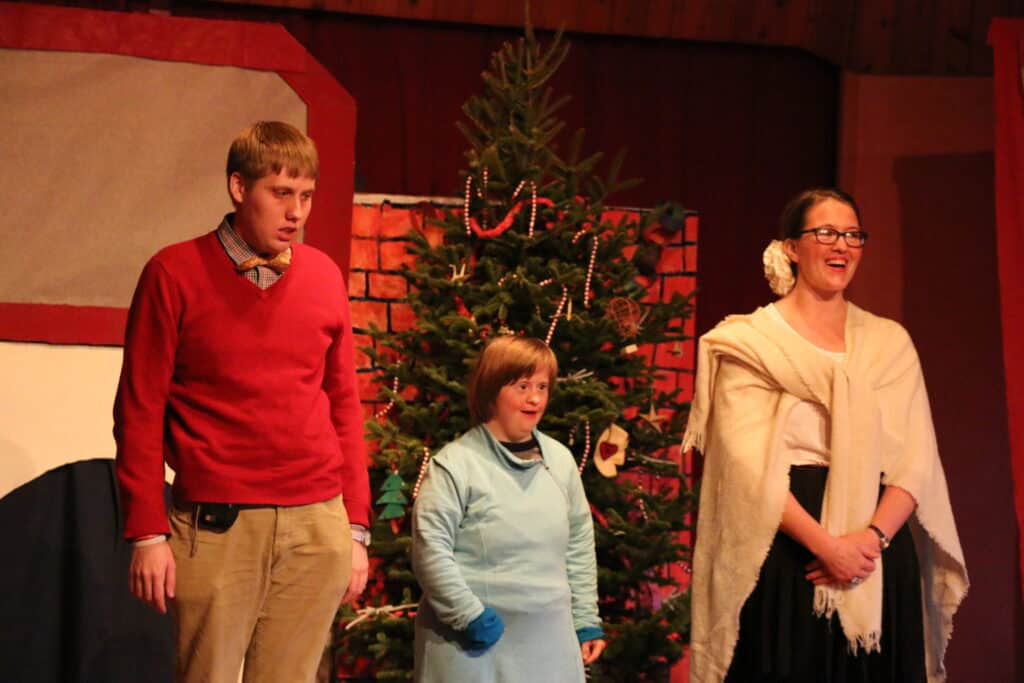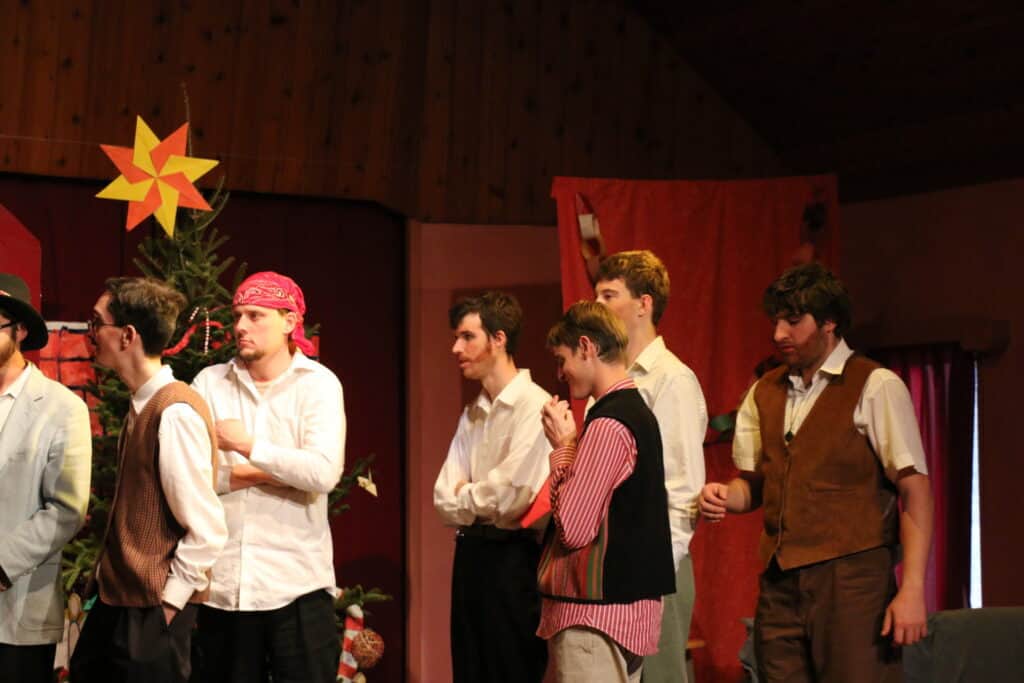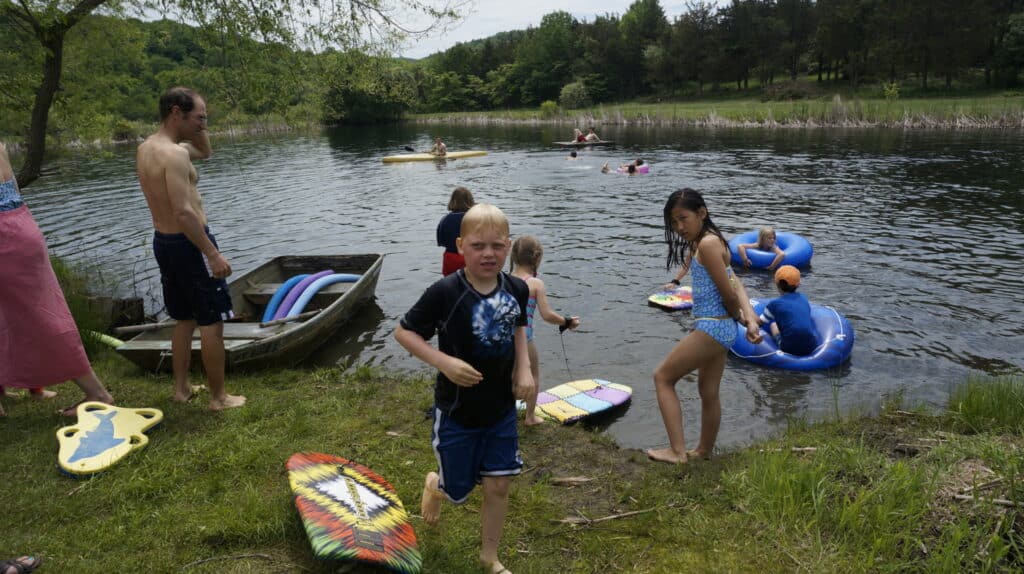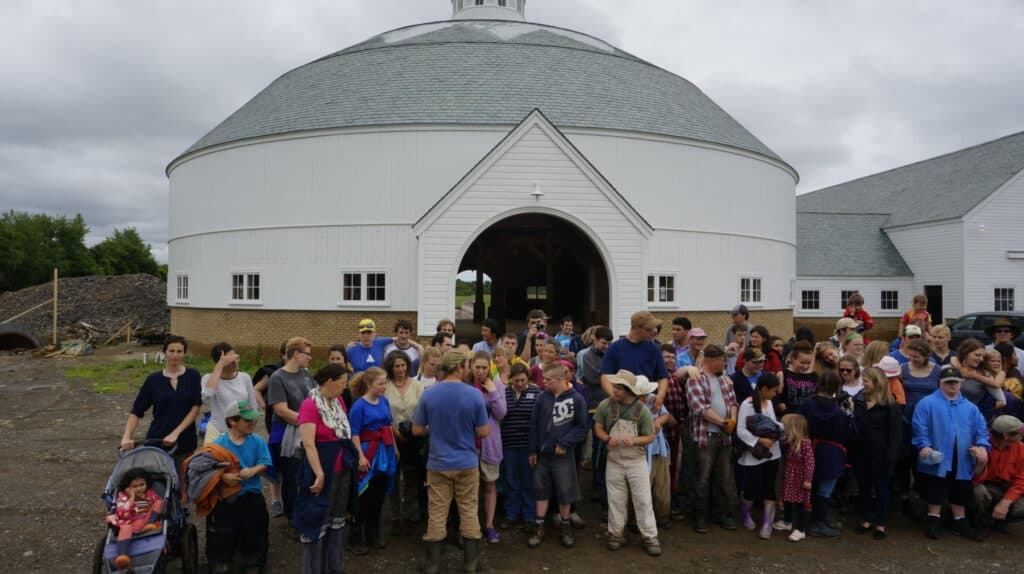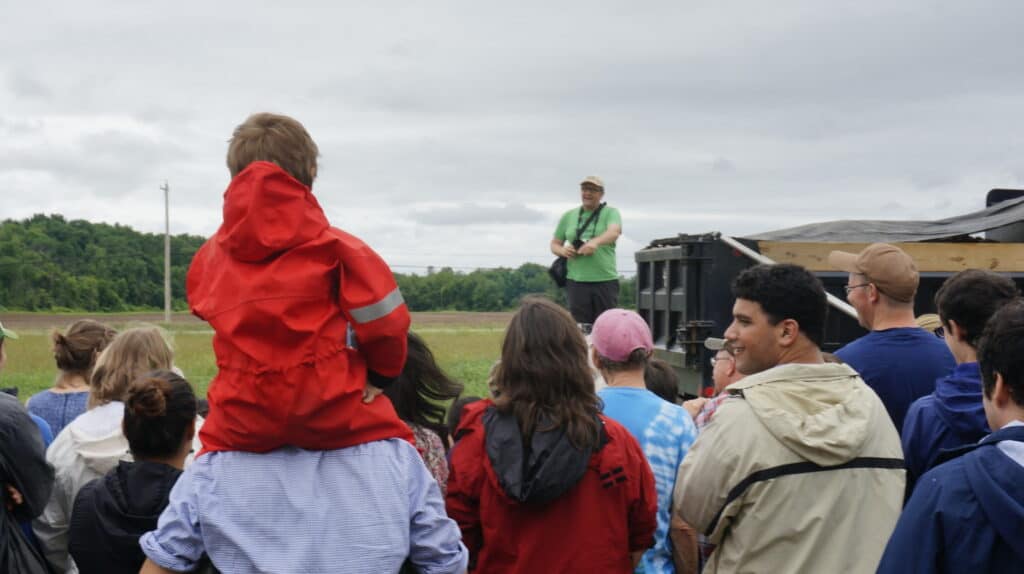
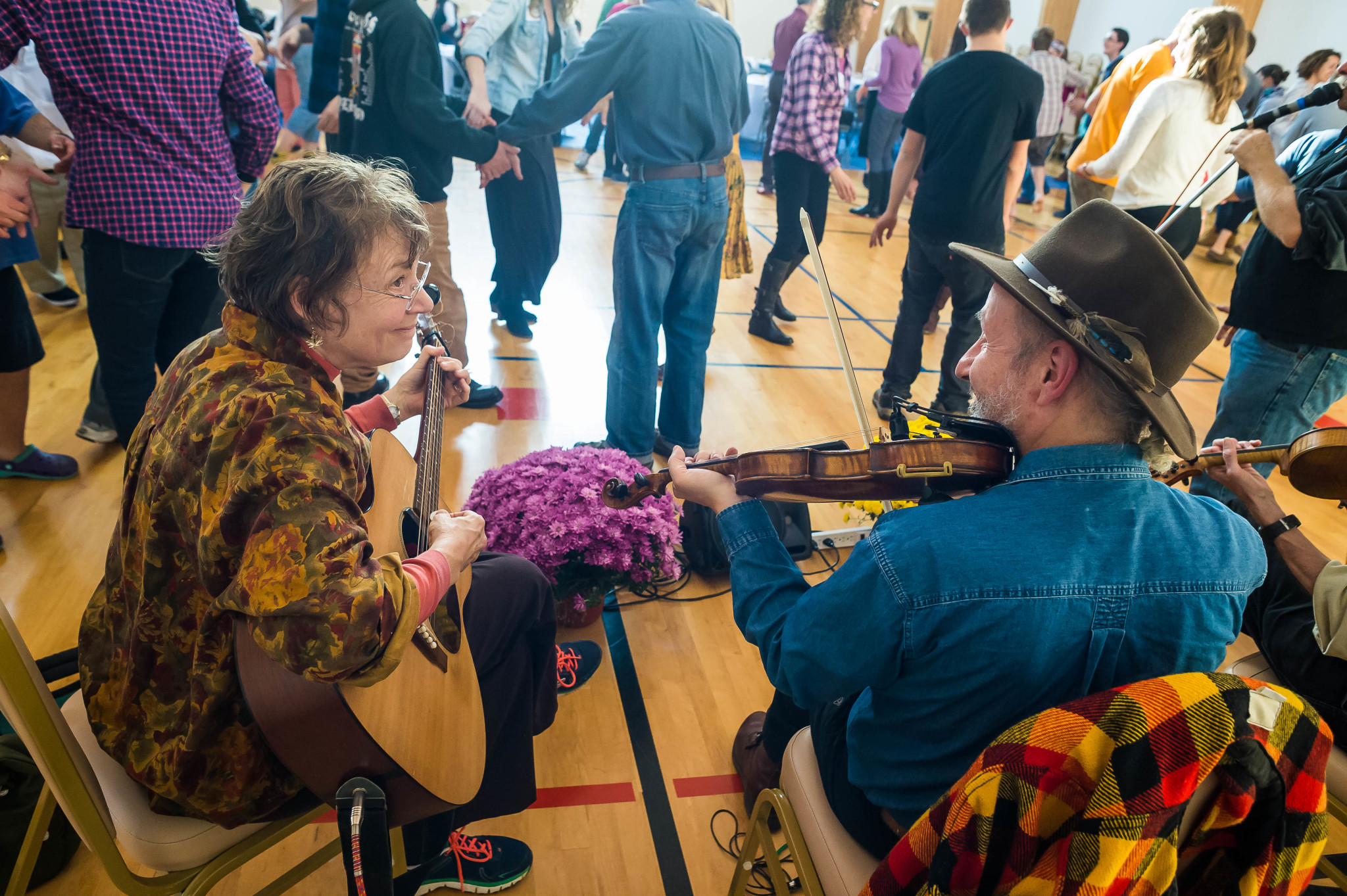
Triform Camphill Community, in Hudson, New York, is a residential community for young adults with developmental disabilities. It includes a dynamic mix of over 110 people spanning many generations, cultures and ranges of ability. Forty young adults with social, mental, physical and emotional disabilities, live and work side-by-side with full time volunteer resident staff and the staff’s families on a 500+ acre biodynamic/organic farm in beautiful Columbia County, NY. Triform is a model of care where young men and women with Autism, Down syndrome, and other developmental and neurological disabilities participate in dignified, purposeful work, share in warm, supportive relationships and make meaningful contributions to the well-being of everyone in the Triform community. Triform is changing the way we understand and appreciate the capabilities of people with special needs.
Triform is a forerunner and model in the disabilities field, where the ideals of inclusion and the development of individual potential are in the forefront. Triform’s programs promote confidence, self-worth, independence and achievement on many levels. The Triform special needs community offers an enriching social, intellectual and cultural life for its students, and year-round vocational opportunities in organic and biodynamic farm and gardening. Triform is among a select group of farms in the US certified by Demeter, which is regarded as the highest level of organic farming certification in the world.
The mission of Triform is to build a vital community life together with adults with special needs to work towards social, economic, and agricultural renewal. Triform is a supportive environment that offers each individual the possibility for personal growth and self-development. As a Camphill community, Triform bases its work on the recognition of the spiritual integrity of each individual and aims to provide all community members with dignified, meaningful work, a healthy social atmosphere, and a vibrant cultural, artistic and spiritual life.
Please visit our website
Please call our office or email in*********@*****rm.org
A few people (not elected by the broader community) make the major decisions.
Generally seek agreement, but have backup methods when consensus isn’t reached.
Power and responsibility are shared relatively equally among members.
All member income goes into common pool for community use.
Labor: Yes
Members with pre-existing debt: allowed
social fund (common pot) after one year is possible. For first year. . . pocket money
Common House, Garden(s), Greenhouse(s), Vehicle Share, Library, Workshop, Outbuilding(s), Swimming pond or pool, Outdoor Kitchen, Large Scale Kitchen, Tractor & Farm Equipment, Stage or Auditorium, Fire pit, Swingsets & play areas, Recreational vehicles, Waterfront access, Gym or sports area, Internet
Smaller municipalities with local services but rural character.
Shared living spaces with private bedrooms/bathrooms and communal
kitchens, dining, and social areas.
Cooperative housing primarily for students, often with shared chores,
meals, and democratic decision-making.
Communal living with shared resources, property, and often income or work responsibilities
Residential communities focused on providing space for meditation, spiritual practice, and personal growth retreats.
Connecting people and communities through an intentional online marketplace
There are no needs and offers
We use cookies to improve your experience on our site. By using our site, you consent to cookies.
Manage your cookie preferences below:
Essential cookies enable basic functions and are necessary for the proper function of the website.
These cookies are needed for adding comments on this website.
Statistics cookies collect information anonymously. This information helps us understand how visitors use our website.
Service URL: policies.google.com (opens in a new window)
A residential project: people live here as their primary home.
An institution, business, network, or project that isn’t a residence (e.g. a learning center, farm, or network with no one living there full-time).
{{ item.label }}
{{ item.value ? item.value : currencyFormat( item.amount ) }}
Subtotal
{{ currencyFormat( pricing_summary.total_amount ) }}
There are no results matching your search
We’re introducing new Plus features — including community reviews, Profile Match, and unlimited Needs & Offers posts — while keeping most of FIC free for everyone. Membership costs less than two coffees a month.