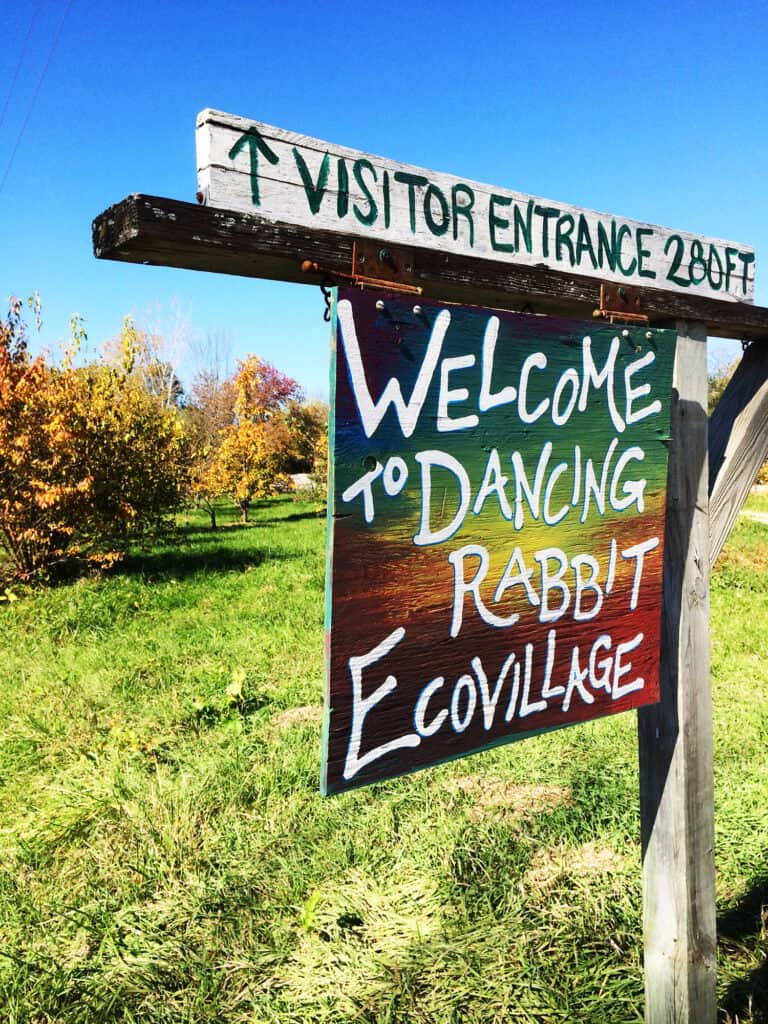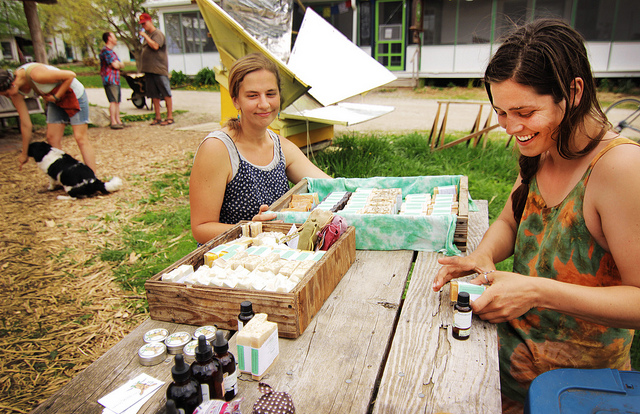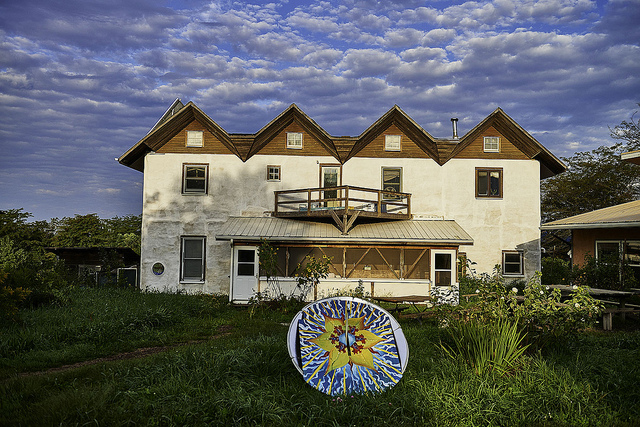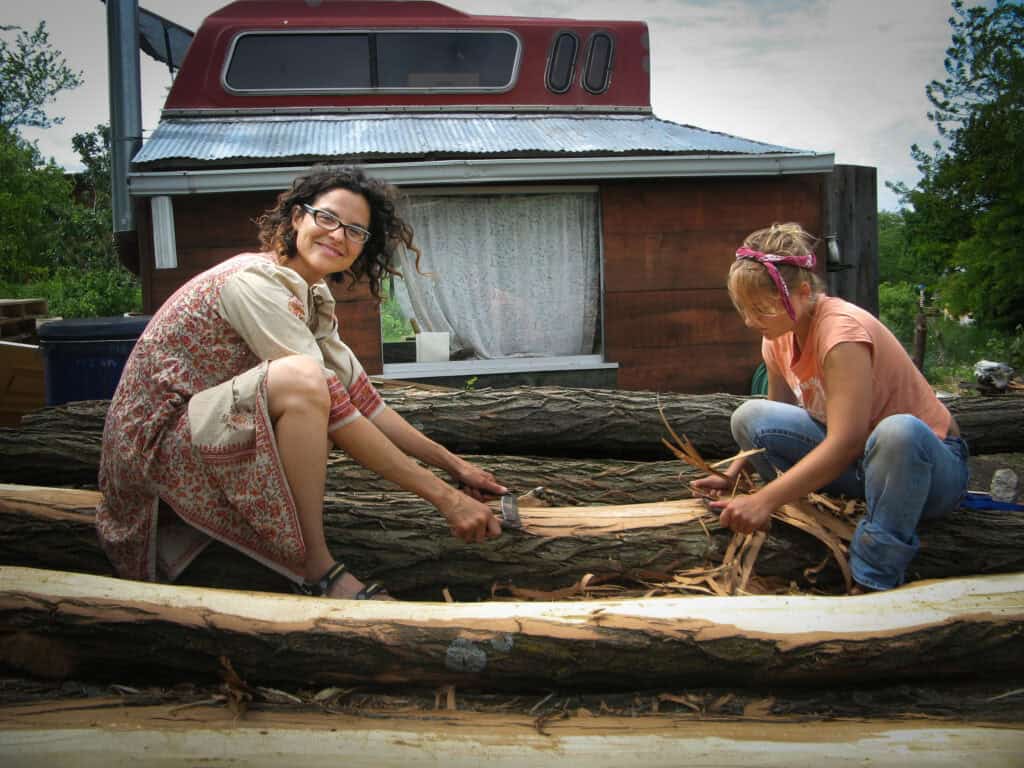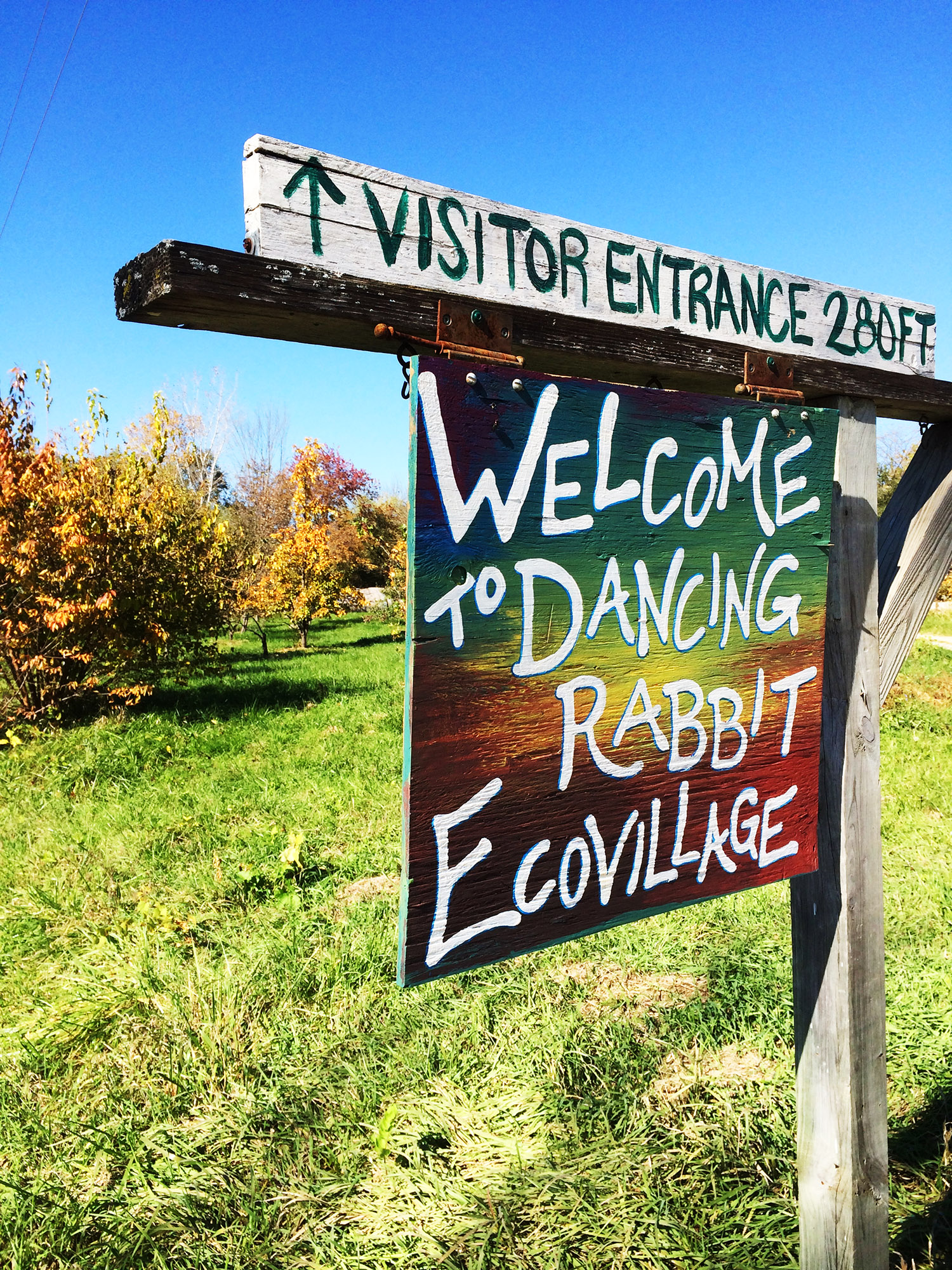
Dancing Rabbit Ecovillage invites you to live, play, and work with us to help build a better world!
We founded Dancing Rabbit (DR) Ecovillage to discover how to live rich, vibrant lives while leaving an ecological footprint the planet can sustain. If you yearn to live a more fulfilling and sustainable life, we might be what you’re looking for.
By making sustainability the primary focus of our long-term vision and daily lives we’re creating a healthy alternative to modern mainstream US culture.
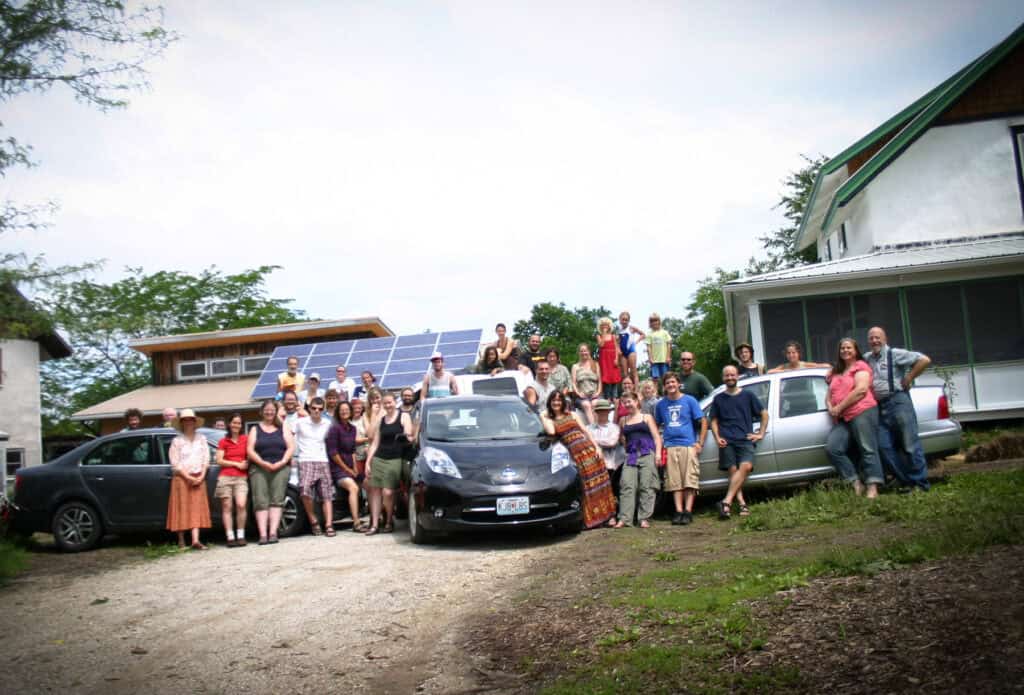
In 1997 the DR Land Trust purchased 280 acres in the rolling hills of northeastern Missouri. Since then we’ve been building a village from the ground up, creating homes, gardens, kitchens, and community infrastructure, not to mention the less-tangible necessities for a sustainable culture. We use consensus in our Village Council governance, value clear communication and peaceable co-existence with our neighbors, and continue to create our own songs, stories and traditions.
Members are responsible for meeting their own economic needs and do so in a wide variety of ways, primarily on-site (including telecommuting). Our vision is to grow to the size of small town (500 – 1000 people), with businesses, residences, and agricultural areas radiating out from the central village green.
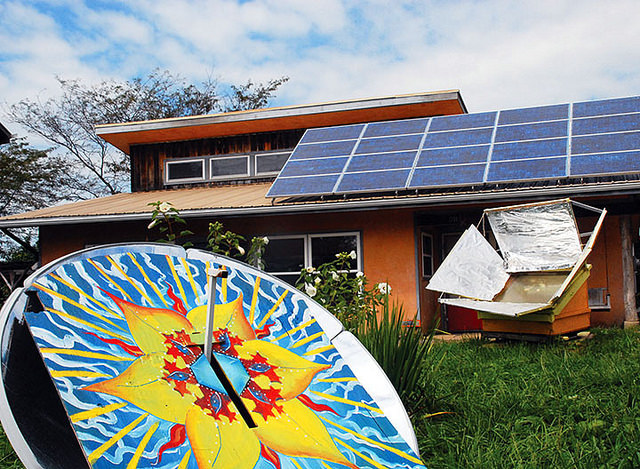
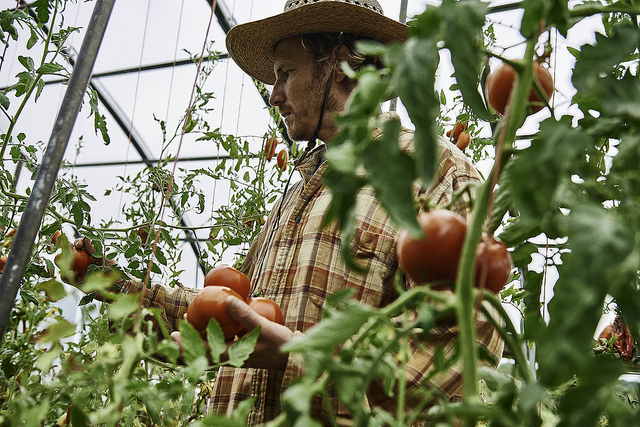
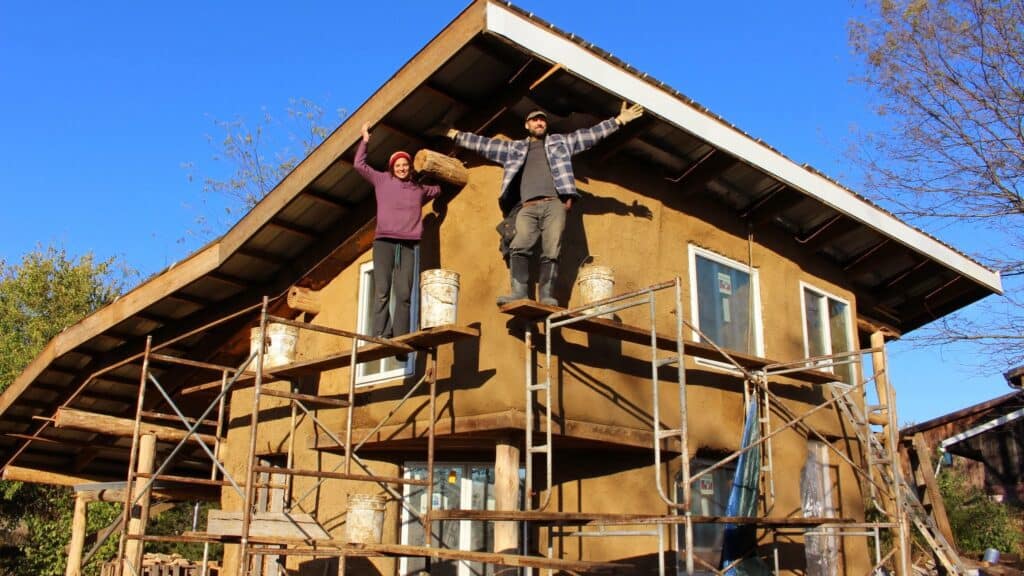
We build natural and green homes, use sun and wind for power, and run our cooperatively-owned vehicles on renewable electricity when we have surplus energy. Diets are individually chosen, but many prioritize local, organic, and in-season foods.
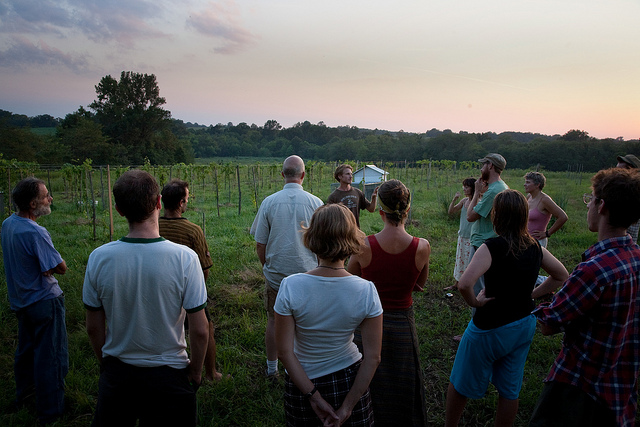
We strive to be good stewards of our land, reserving many acres for wildlife habitat. We are reintroducing native prairie plants to help revitalize our region’s biodiversity and have planted over 10,000 trees to restore our land, stabilize the riparian zone, and provide sustainable wood for our community.
We are made up of individuals, families, and subcommunities, cooperating with each other to varying degrees and sharing as much of our lives as we choose. We encourage the development of cohousing and cooperatives.
To allow for economic diversity and simple living, we keep lease rates low, have no buy-in fee, and membership dues are income-based.
Outreach and education are integral to our mission, and the primary focus of the ecovillage’s own education and research nonprofit arm, the Center for Sustainable and Cooperative Culture. We’re also home to the Fellowship for Intentional Community (publishers of this Directory and Communities magazine).
Interested in Dancing Rabbit? Contact us to arrange a visit, get on our e-mailing list, or apply for a work exchange stint or workshop. We actively seek new members to live, play and work with us, modeling change for the better.
To create a society, the size of a small town or village, made up of individuals and communities of various sizes and social structures, which allows and encourages its members to live sustainably.*
To encourage this sustainable society to grow to have the size and recognition necessary to have an influence on the global community by example, education, and research.
*Sustainably: In such a manner that, within the defined area, no resources are consumed faster than their natural replenishment, and the enclosed system can continue indefinitely without degradation of its internal resource base or the standard of living of the people and the rest of the ecosystem within it, and without contributing to the non-sustainability of ecosystems outside.
After a successful visit, one can begin the process of becoming a resident. After 6 months of residency, one can apply to become a member. For details see: https://www.dancingrabbit.org/ecovillage-life/residency-membership/.
Please check out the visitor page on our website (www.dancingrabbit.org/visit), which describes a number of ways to visit Dancing Rabbit, including several three-day to two-week visitor periods at set times between April and October. If the visitor program is the best match for you, request a visitor questionnaire and our visitor team will help you plan and schedule a visit. It generally helps to contact us at least two months in advance, as spots in these programs fill up quickly.
The whole membership decides collectively.
Generally seek agreement, but have backup methods when consensus isn’t reached.
Power and responsibility are shared relatively equally among members.
Dancing Rabbit Ecovillage makes most decisions by committee or an elected Village Council. These groups operate by consensus, with clear power levels assigned to them for the areas they have responsibility for, and all community members can have input into decisions.
Members maintain separate personal finances with minimal sharing.
Regular fees: Yes
Labor: Encouraged or suggested
Members with pre-existing debt: allowed
Membership dues are 2% of income and everyone on farm pays a basic fee around $75/month which covers common house access, water, governance, trash services, etc. Other common expenses include rent/lease payments, kitchen coop fees, vehicle use costs, as well as fees for various co-ops (some of which can be opted out of). Members are strongly encouraged to be on at least one committee or community-level task, and most are on more than one.
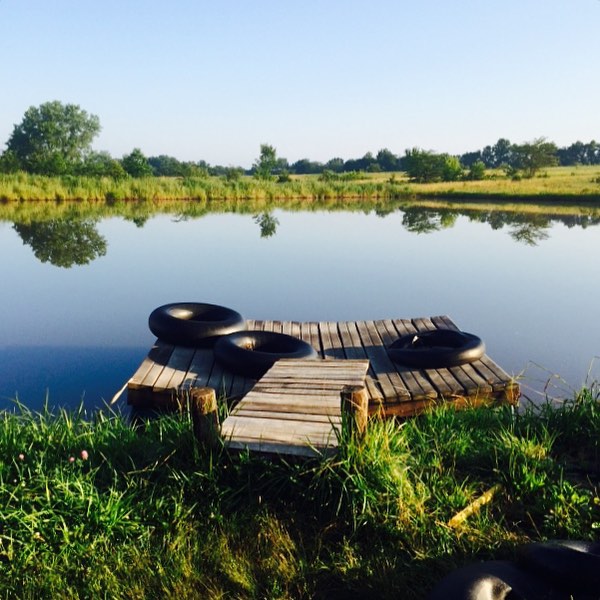
Common House, Garden(s), Vehicle Share, Library, Outbuilding(s), Swimming pond or pool, Outdoor Kitchen, Large Scale Kitchen, Tractor & Farm Equipment, Fire pit, Swingsets & play areas
Countryside locations with significant distance from urban centers.
Integrated communities designed around ecological principles with sustainable living practices.
Connecting people and communities through an intentional online marketplace
There are no needs and offers
We use cookies to improve your experience on our site. By using our site, you consent to cookies.
Manage your cookie preferences below:
Essential cookies enable basic functions and are necessary for the proper function of the website.
These cookies are needed for adding comments on this website.
Statistics cookies collect information anonymously. This information helps us understand how visitors use our website.
Service URL: policies.google.com (opens in a new window)
A residential project: people live here as their primary home.
An institution, business, network, or project that isn’t a residence (e.g. a learning center, farm, or network with no one living there full-time).

{{ item.label }}
{{ item.value ? item.value : currencyFormat( item.amount ) }}
Subtotal
{{ currencyFormat( pricing_summary.total_amount ) }}
There are no results matching your search

We’re introducing new Plus features — including community reviews, Profile Match, and unlimited Needs & Offers posts — while keeping most of FIC free for everyone. Membership costs less than two coffees a month.