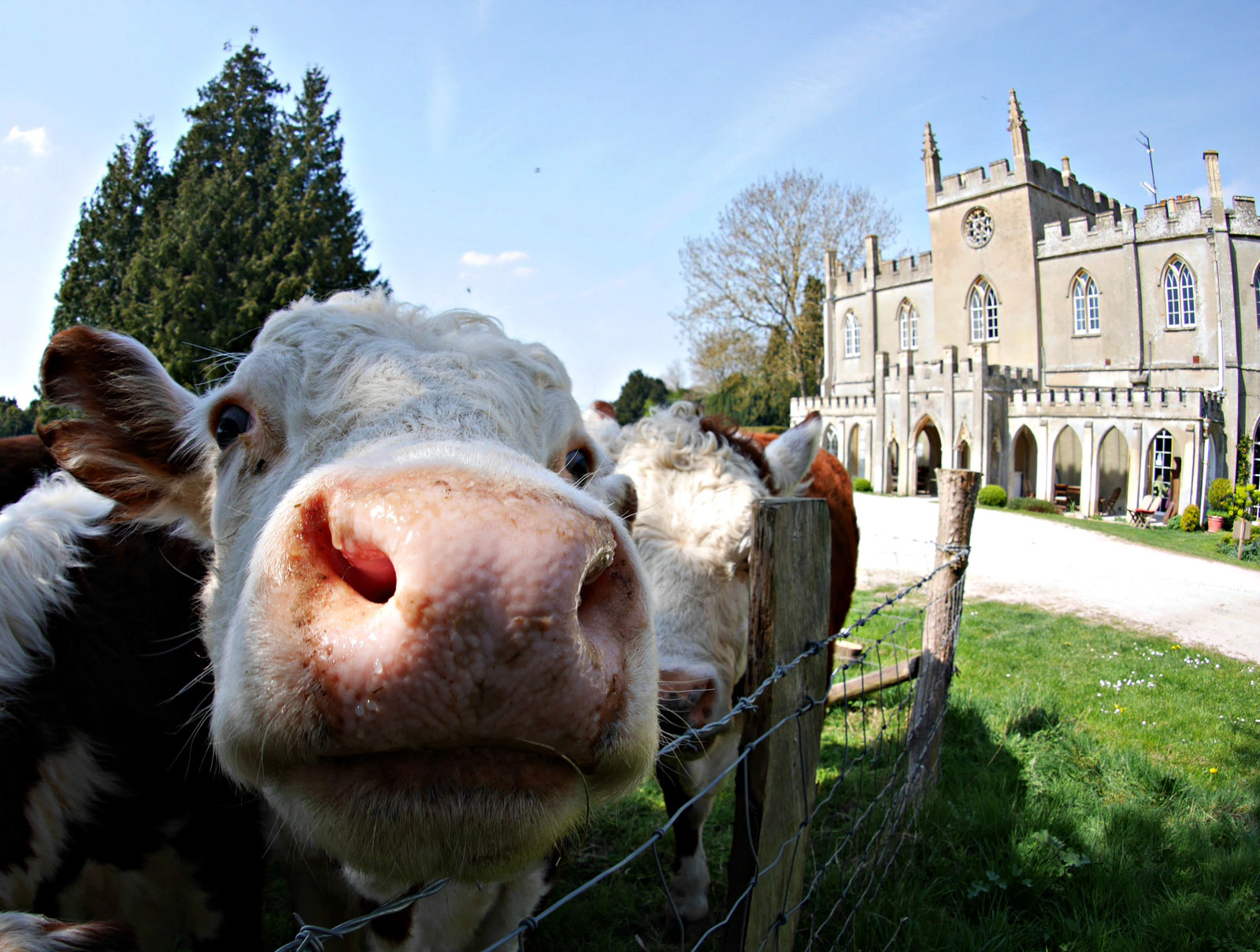
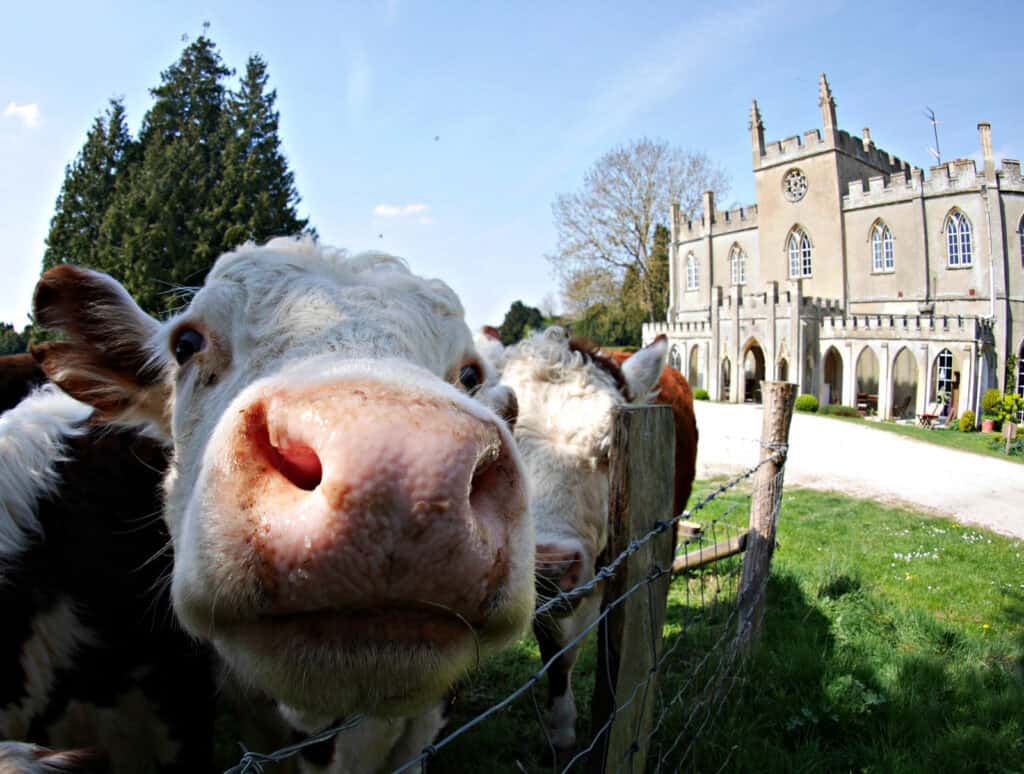
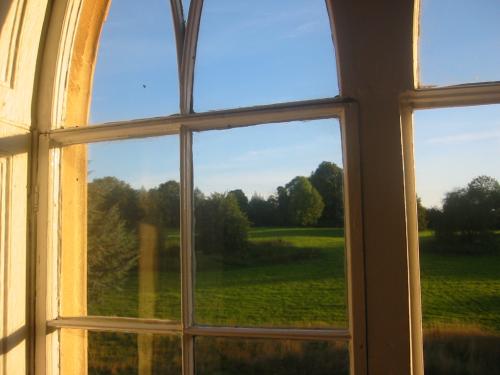
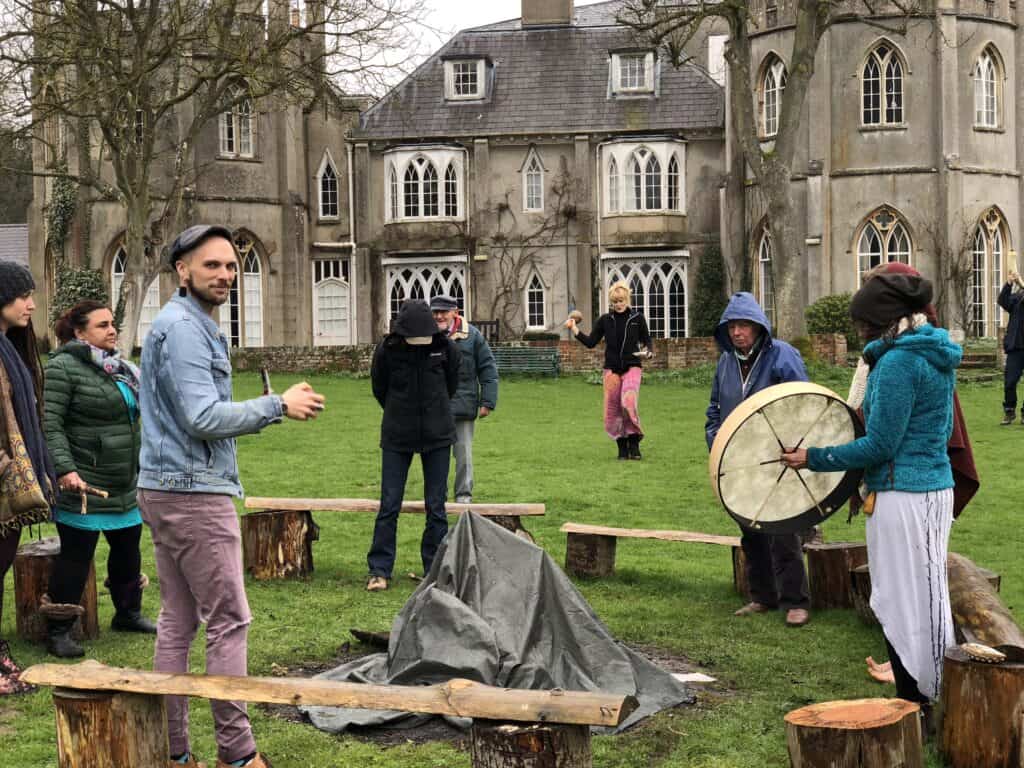
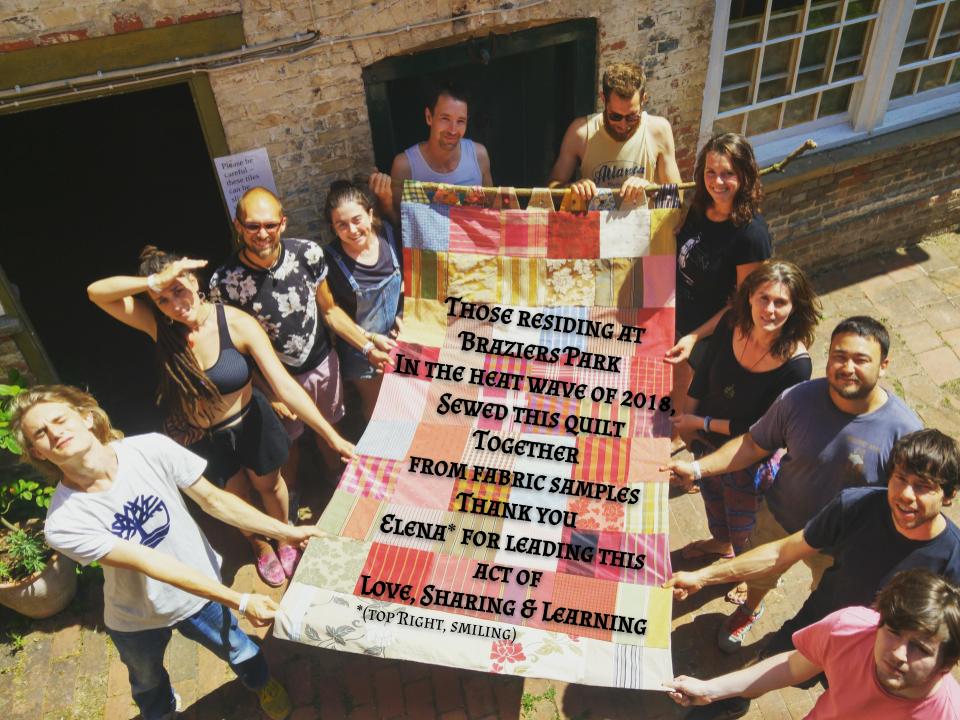
Braziers Park is a community, a residential college, and an architectural treasure hidden deep in the south Oxfordshire countryside. It was founded in 1950 as an educational trust, and is a continuing experiment in the advantages and problems of living in a group. Community members share responsibility for running the college and the estate.
“To make conscious the shape of the process of which we are a part, so that we may facilitate its development more efficiently.”
We grow trees and vegetables; we live in the midst of beauty, and we eat well; we argue joyfully on good days; we argue pointlessly, and/or ignore each other on bad days. Lots of dreams and fantasies are stimulated here. There is always work to do…
“To make conscious the process of which we are a part.”
evolution ecology education
There are two pathways to joining –
1. Come as a residential volunteer for 1-3 months, if you feel you wish to join then, make an application for an available role.
2. Apply as a resident applicant which entails the following process: – application; – 2-3 day invitation to stay; – community deliberation (decision on consensus); – 2 week visit; – community deliberation (decision on consensus); three month paid trial in role; – community deliberation (decision on consensus); – membership.
Check our website for basic information, and email us. Please be clear in the way you wish to visit (i.e. residential volunteering [1-3 months], day visits, etc.)
A few people (not elected by the broader community) make the major decisions.
Generally seek agreement, but have backup methods when consensus isn’t reached.
Power and responsibility are shared relatively equally among members.
We are split into two primary bodies that manage BPSISR – the Committee of Management, who are volunteers that manage the long-term issues of perpetuating the organisation. Secondly, the resident community or ‘SubEx'(ecutive) committee which consists of those who live & work within the community; we’re concerned with the day-to-month management of the community.
Members maintain separate personal finances with minimal sharing.
Labor: Yes (28 hrs/week)
Members with pre-existing debt: allowed
We work 20 paid hours, and 8 for the benefit of the community (unpaid).
Most of this work is in our core roles (i.e. admin/kitchen/garden etc.)
We make an hourly wage which then has deductions for our rent & food – at the end of the month, we receive approx. £180 (as of Jan 2018).
Common House, Garden(s), Greenhouse(s), Vehicle Share, Library, Workshop, Outbuilding(s), Outdoor Kitchen, Large Scale Kitchen, Stage or Auditorium, Fire pit, Swingsets & play areas, Internet
Countryside locations with significant distance from urban centers.
Integrated communities designed around ecological principles with sustainable living practices.
Communal living with shared resources, property, and often income or work responsibilities
Connecting people and communities through an intentional online marketplace
There are no needs and offers
We use cookies to improve your experience on our site. By using our site, you consent to cookies.
Manage your cookie preferences below:
Essential cookies enable basic functions and are necessary for the proper function of the website.
These cookies are needed for adding comments on this website.
Statistics cookies collect information anonymously. This information helps us understand how visitors use our website.
Service URL: policies.google.com (opens in a new window)
A residential project: people live here as their primary home.
An institution, business, network, or project that isn’t a residence (e.g. a learning center, farm, or network with no one living there full-time).

{{ item.label }}
{{ item.value ? item.value : currencyFormat( item.amount ) }}
Subtotal
{{ currencyFormat( pricing_summary.total_amount ) }}
There are no results matching your search