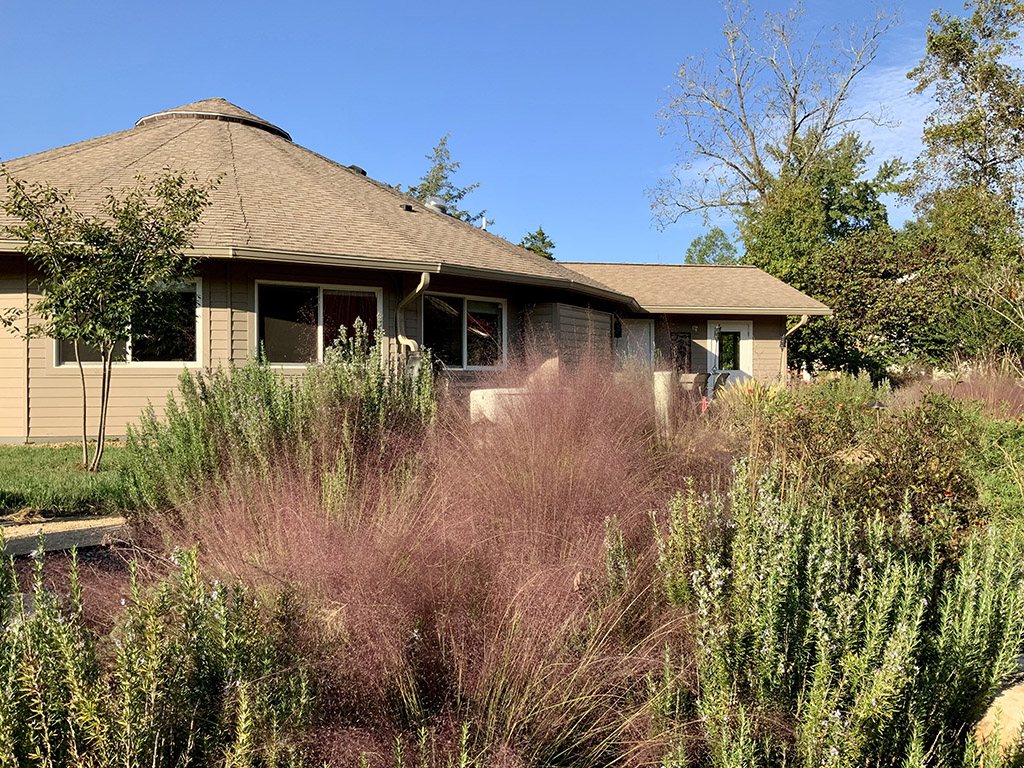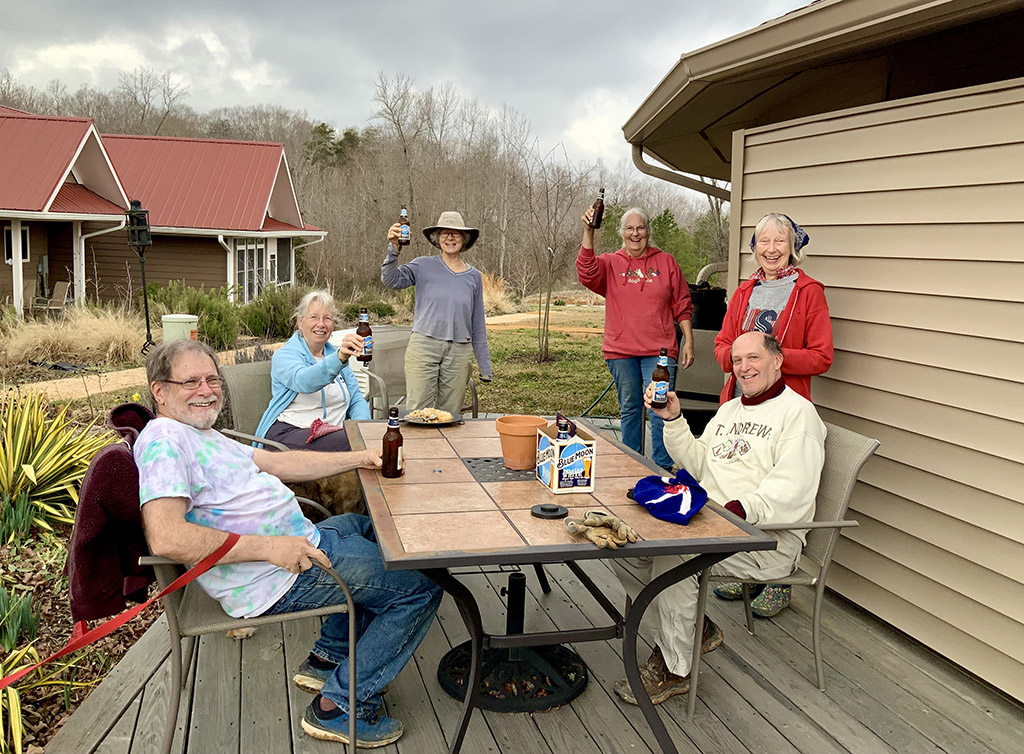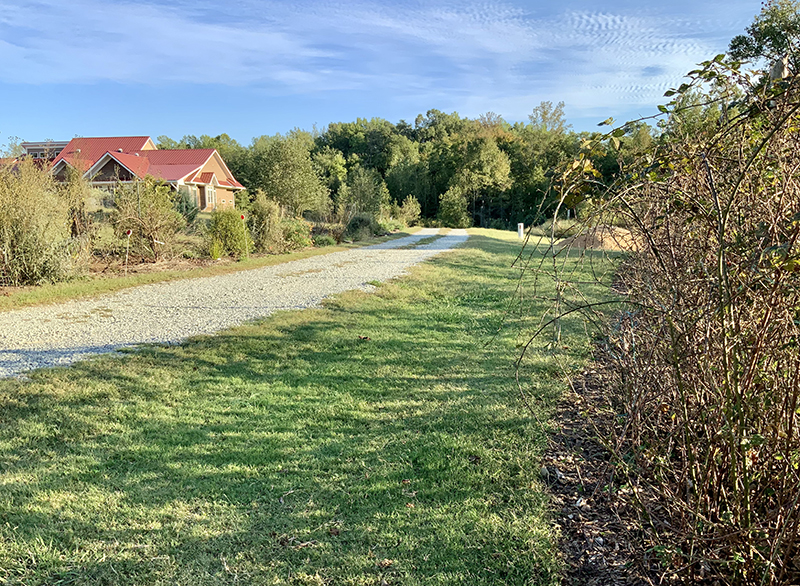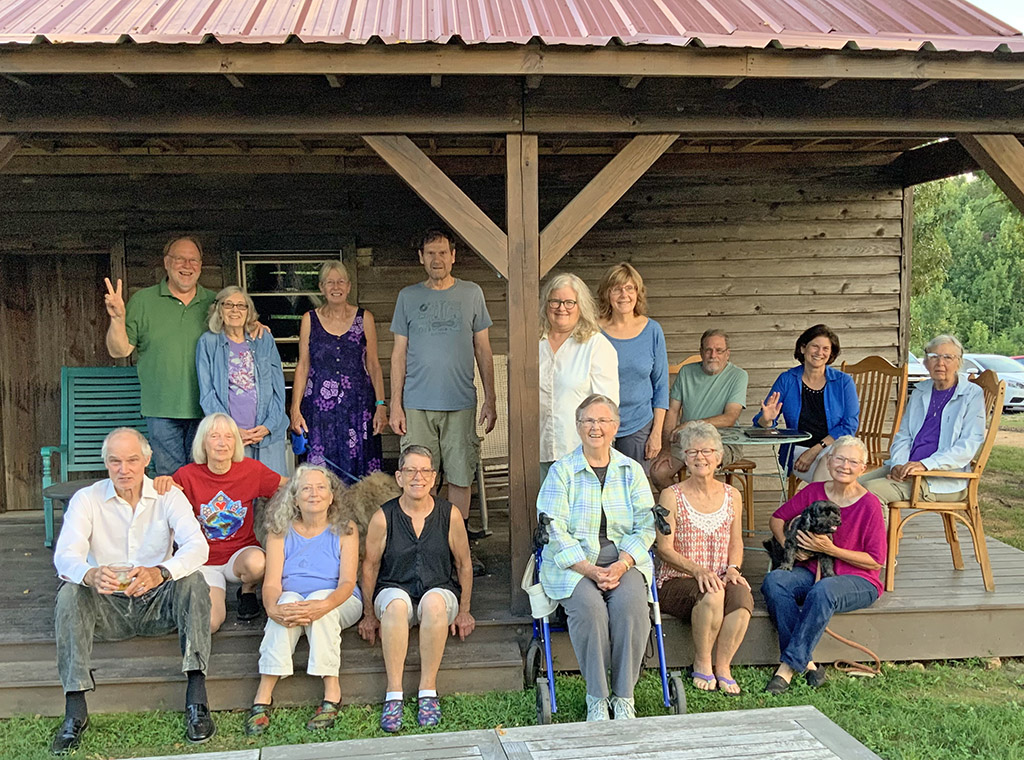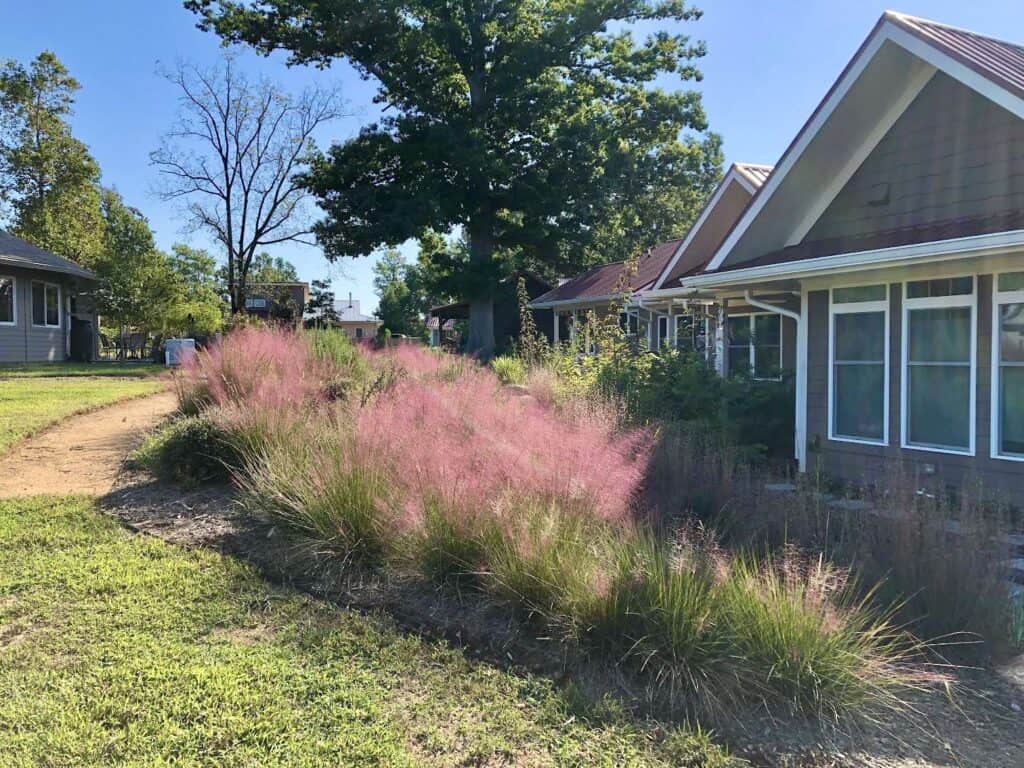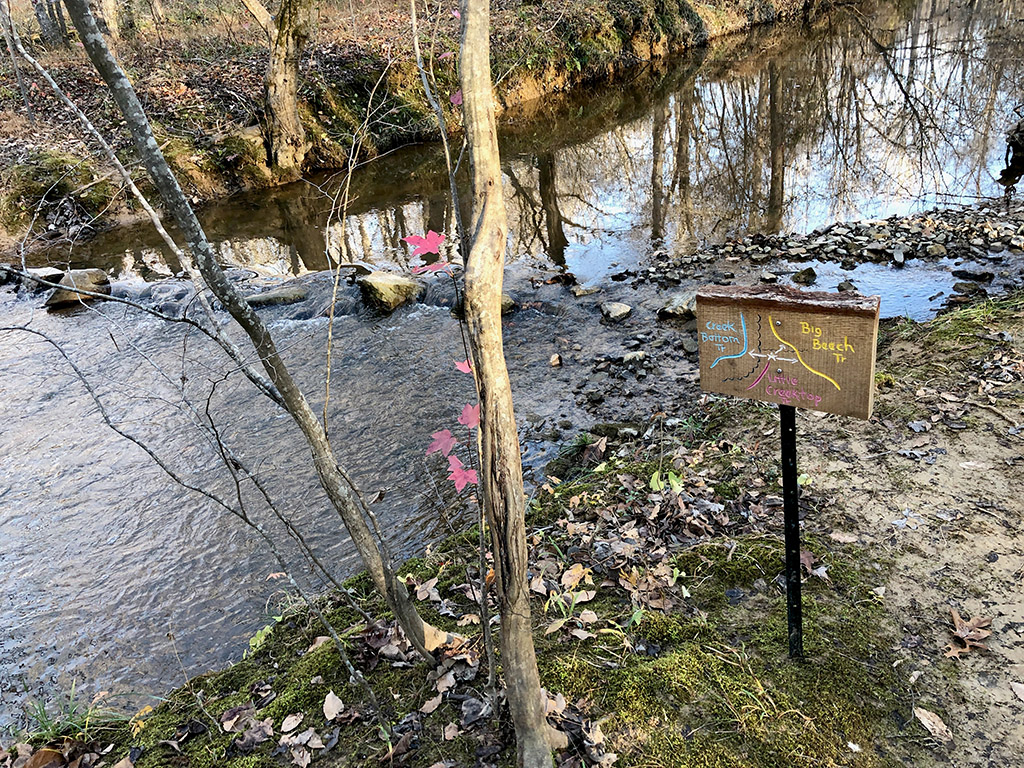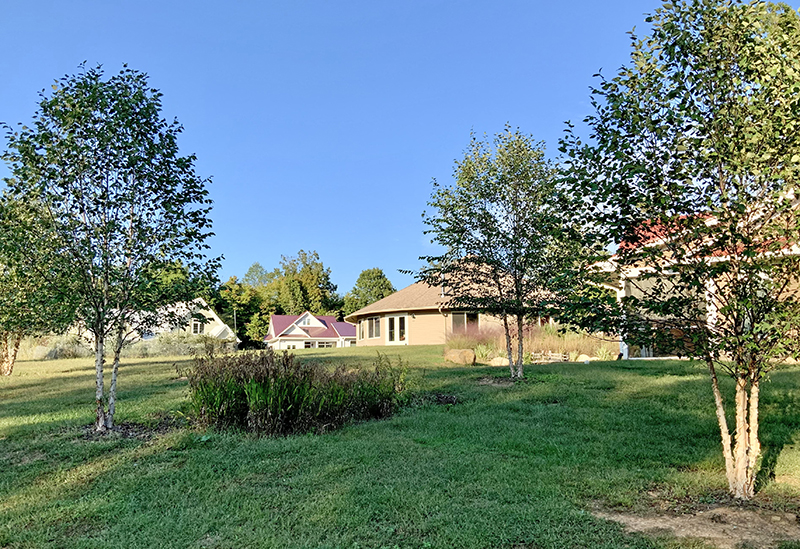
Elderberry is situated on a 10 acres in scenic, rural Rougemont, North Carolina, approximately 30 minutes north of downtown Durham. Durham, the home of Duke University, provides many cultural and learning experiences. Durham is also known for its many outstanding restaurants, arts and festivals.
Elderberry provides a unique model for adults living simply and supporting one another as we grow older, continuing to enjoy the activities we love, with close neighbors and friends.
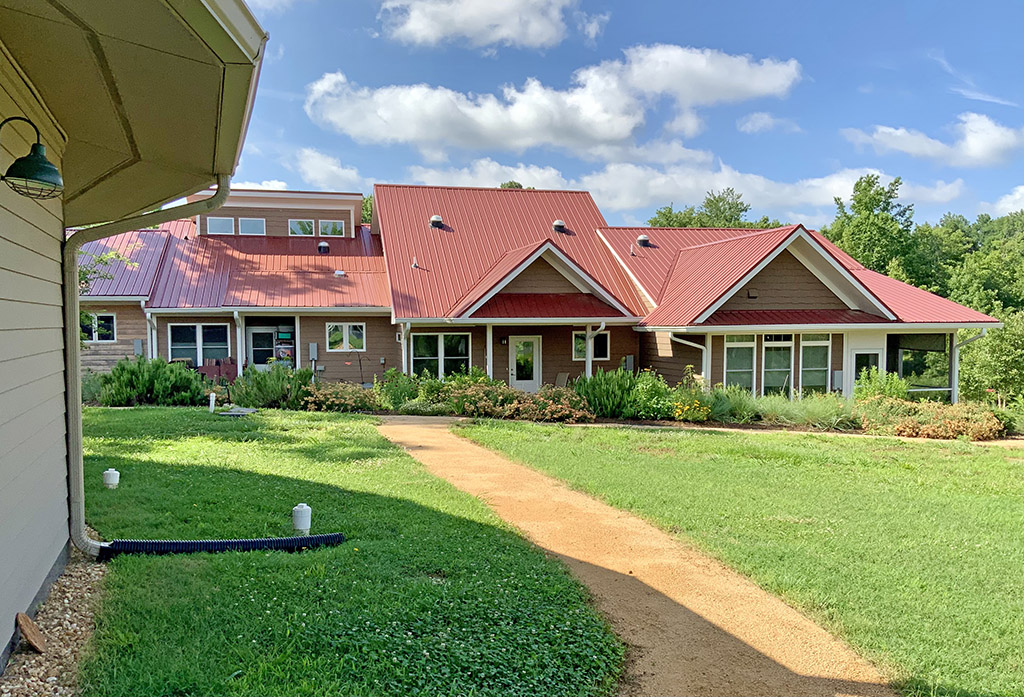
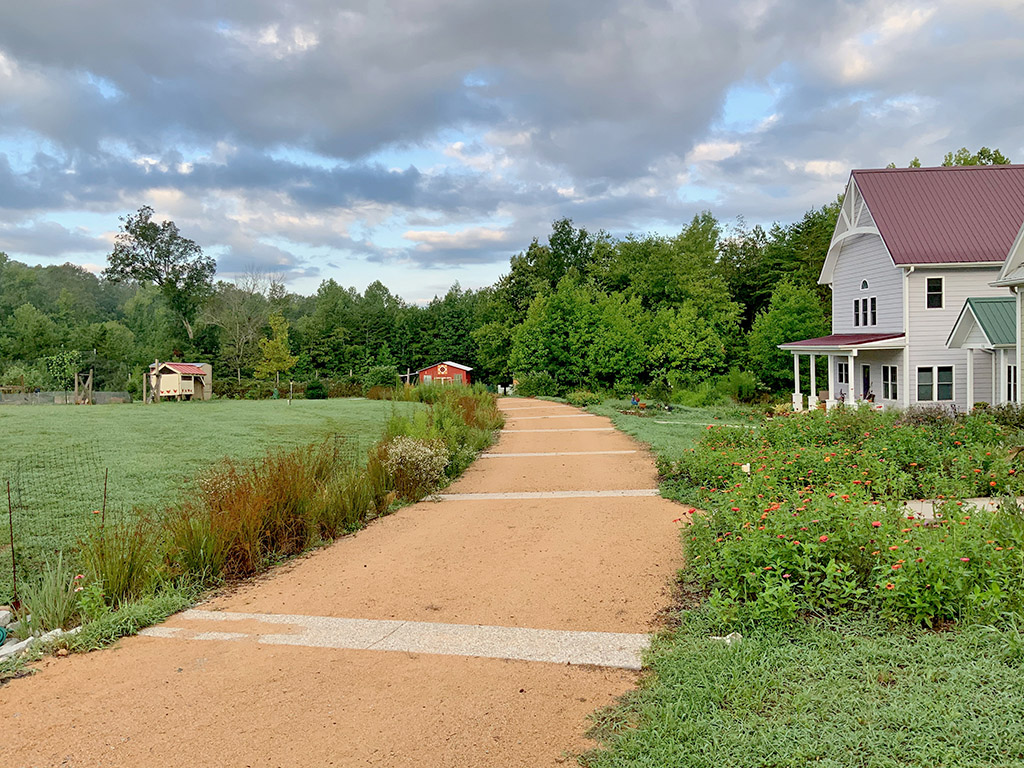
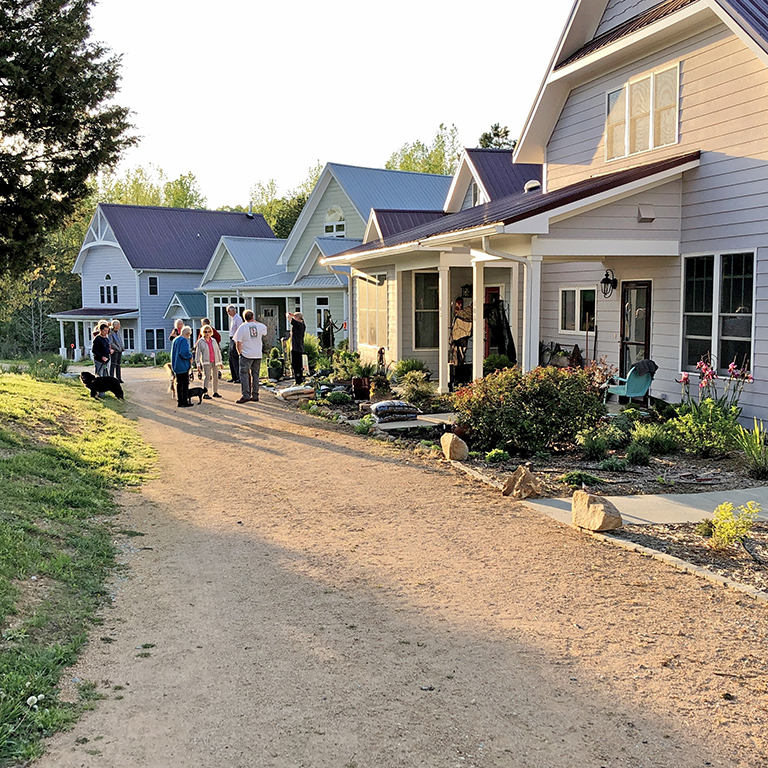
A cozy community of 18 individually-owned, energy-efficient, universally-designed homes (duplexes and quadraplexes) where members may interact, work on projects, eat and play together, as we choose, and pursue our unique interests and spiritual paths. A large common house for cooking, group meals, exercise, music, dance, crafts, special events, guests and other activities is situated in the center of the community surrounded by a courtyard with paths connecting homes.
As a rural community would imply, we have created community vegetable gardens and areas for animals with the intention of being mindful of protecting the ecological integrity of the land, with the goal of becoming an ecovillage, and as self reliant as possible.
Elderberry is a self-managed, consensus-based community where all members have equal voice in decisions. The community was founded by three members of a nearby intentional community and is self developed.
To provide a comfortable and affordable home in the country for adults, where we can make independent life choices, pursue activities of interest, follow our spiritual paths, enjoy the benefits of a rural lifestyle (organic gardens, food production, animals) form close and caring relationships, contribute to others, and enjoy life as we age and help one another.
Membership is required of everyone who lives at Elderberry. The full process is on the website at
https://www.elderberrycohousing.com/uploads/1/0/4/0/104044246/membership_process_20180811.pdf
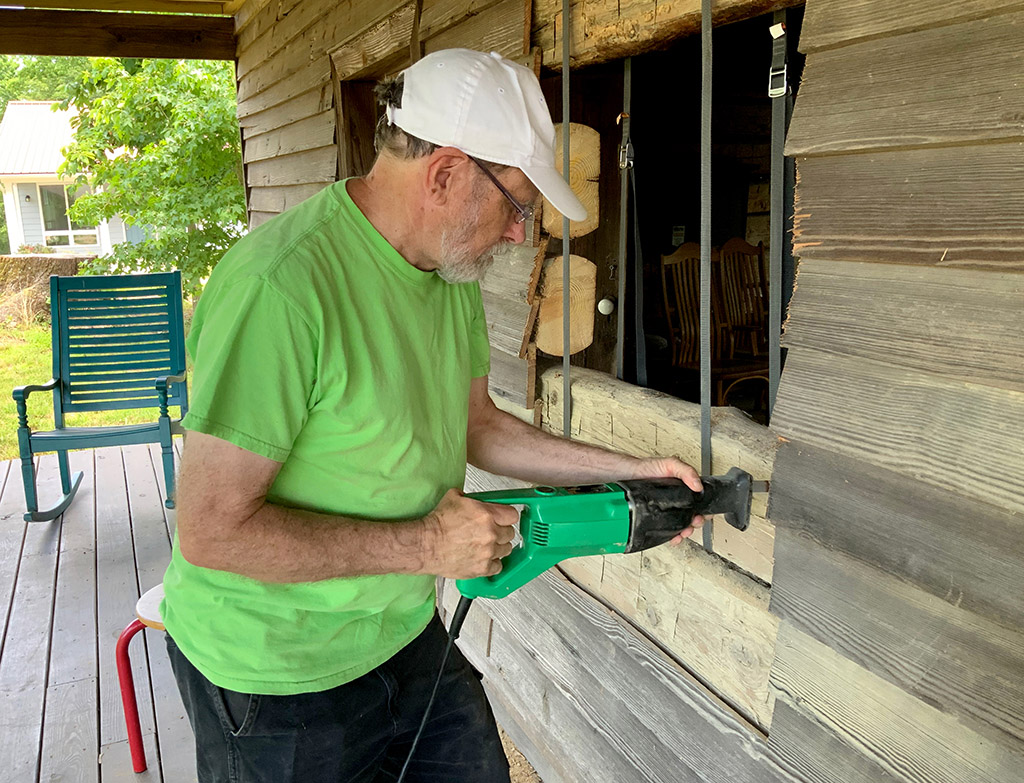
The process begins with a visit and meeting with the Membership Committee. Prospective members must attend AT LEAST one plenary meeting (the second Saturday afternoon of each month) and work day (second Saturday and fourth Sunday of each month) and at least one social event where many members are present.
Another required step is to become an Associate Member ($300/year) which allows access to internal e-mails and the members-only website. When the Membership Committee and the prospective member agree, a community circle is held where the prospect and community members can learn more about each other.
If everyone is confident with proceeding, there is one final meeting of the prospect with the Membership Committee where prospective members sign that they have read and agree to Elderberry’s policies and covenants.
We encourage visitors on the second Saturday and/or fourth Sunday of each month which are scheduled for community work days.
Monthly plenary meetings are also on the second Saturday.
The whole membership decides collectively.
Generally seek agreement, but have backup methods when consensus isn’t reached.
Power and responsibility are shared relatively equally among members.
Some of our members have trained as facilitators and they facilitate the plenary meetings.
Members maintain separate personal finances with minimal sharing.
Join fee: $300
Regular fees: $228
Labor: Yes (3 hrs/week)
We share electricity based on size of home to keep electricity costs low. We have a solar array, two wells and two septic systems. We try to do as much ourselves as we can.
Common House, Garden(s), Vehicle Share, Library, Workshop, Outbuilding(s), Hot tub or hot springs, Large Scale Kitchen, Tractor & Farm Equipment, Fire pit, Recreational vehicles, Internet
Countryside locations with significant distance from urban centers.
Private homes with shared common facilities, designed for neighborly
interaction while maintaining independence.
Connecting people and communities through an intentional online marketplace
There are no needs and offers
We use cookies to improve your experience on our site. By using our site, you consent to cookies.
Manage your cookie preferences below:
Essential cookies enable basic functions and are necessary for the proper function of the website.
These cookies are needed for adding comments on this website.
Statistics cookies collect information anonymously. This information helps us understand how visitors use our website.
Service URL: policies.google.com (opens in a new window)
A residential project: people live here as their primary home.
An institution, business, network, or project that isn’t a residence (e.g. a learning center, farm, or network with no one living there full-time).

{{ item.label }}
{{ item.value ? item.value : currencyFormat( item.amount ) }}
Subtotal
{{ currencyFormat( pricing_summary.total_amount ) }}
There are no results matching your search