
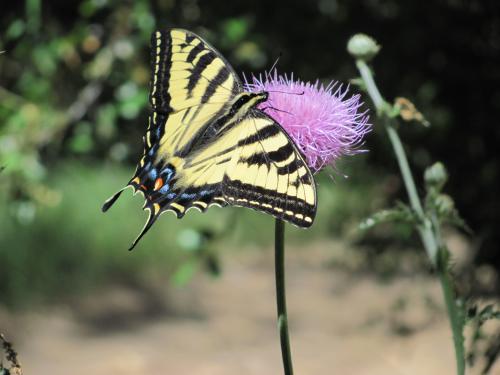
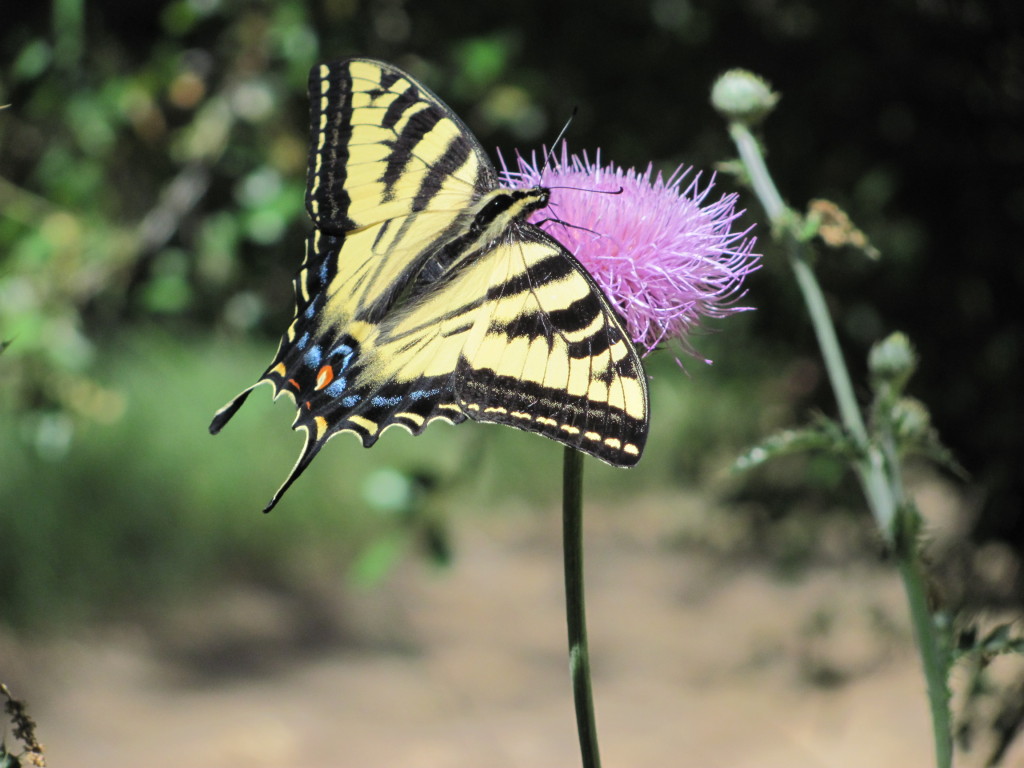
Yellow and black butterfly on a pink flower in nature.

Heart Land

  • Communities

About the Communities

  • Established
  • Social
  • Rural

Founding year

  • 1979

What we do

Latest Update:
We have 5 new members! Still recruiting more members at this time. 5 members are permanent residents, 4 are part time residents and 4 are selling.
Current Situation:
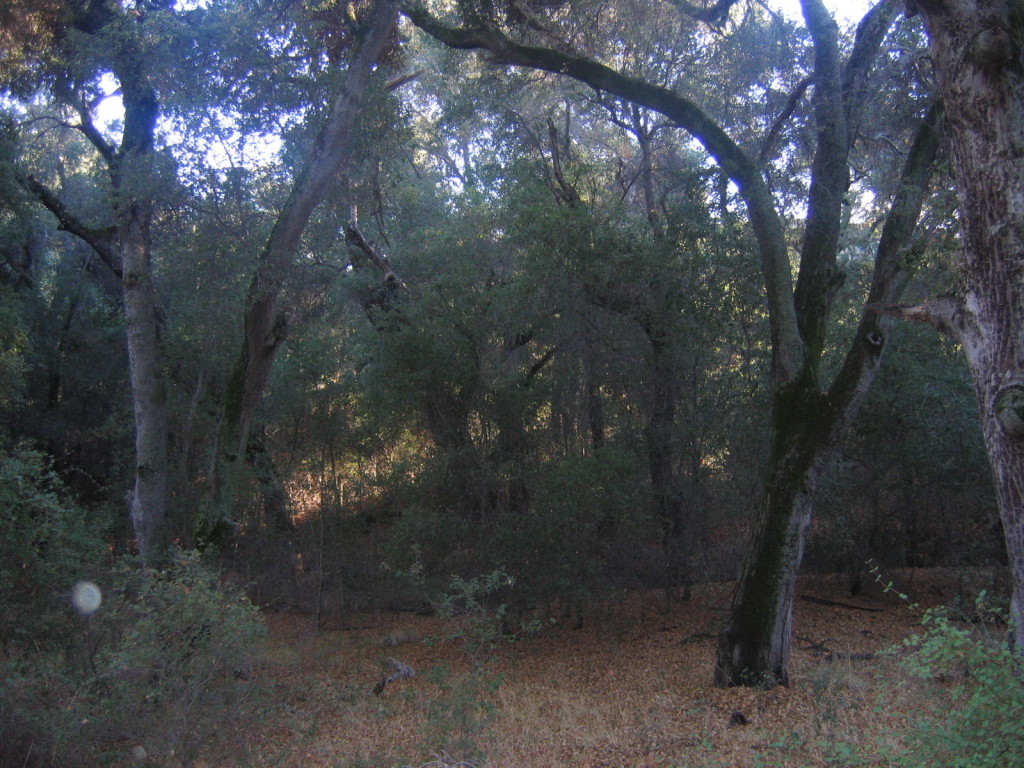
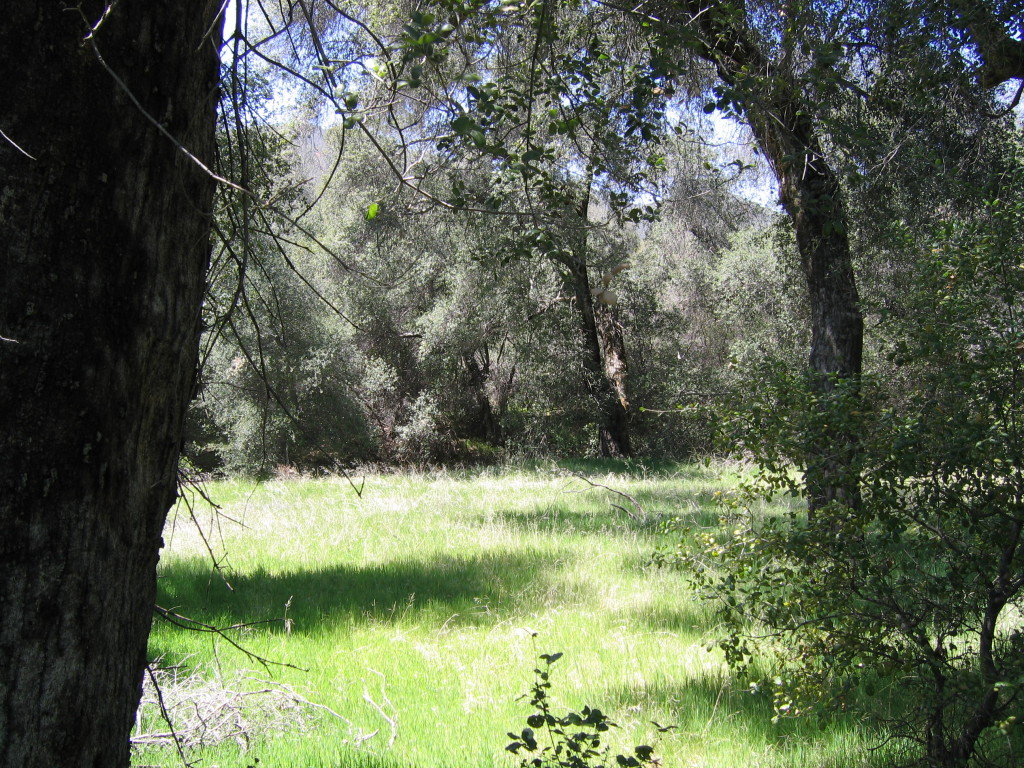
We have 13 memberships in a non-profit mutual benefit corporation. The land is 120 acres which is paid in full. The community is like a neighborhood of camps in the oak woods.
Community Focus:
New clearings for new members are being created. Most new members prefer to start from scratch and create their own dream. Infrastructure maintenance has never been better. We recently had a community project successfully rolling a new water tank up the hill and placed next to the existing one. Access road and water system improvements are ongoing. Hiking/ mountain biking trails are being made or re-cleared. Phone conference meetings have been more productive. Focus has been on membership transfer.
History:
The property was inhabited by the Kumeyaay people probably until the treaty of 1852. A homestead was granted in 1908. Heart Land Concepts, Inc. bought the property from the homesteader’s nephew in 1979.
About the Land:
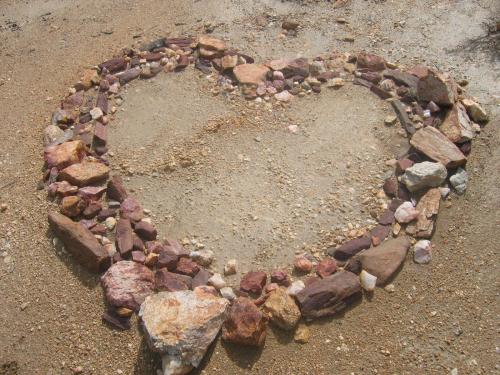
It’s a canyon with an old live oak forest and artesian spring. In the live oak woods are some granite rock outcroppings where a seasonal creek flows down through small pools. Morteros for pounding acorns and grinding acorn flower historically used by indigenous people are found here in the granite rock. Native plants are: miner’s lettuce, watercress, prickly pear cactus, acorns and more. Red rocks in the shape of a heart are embedded in a bluff that juts out from the upper area of the land. A network of trails and a fire road connect camps and lead to scenic areas.
My story:
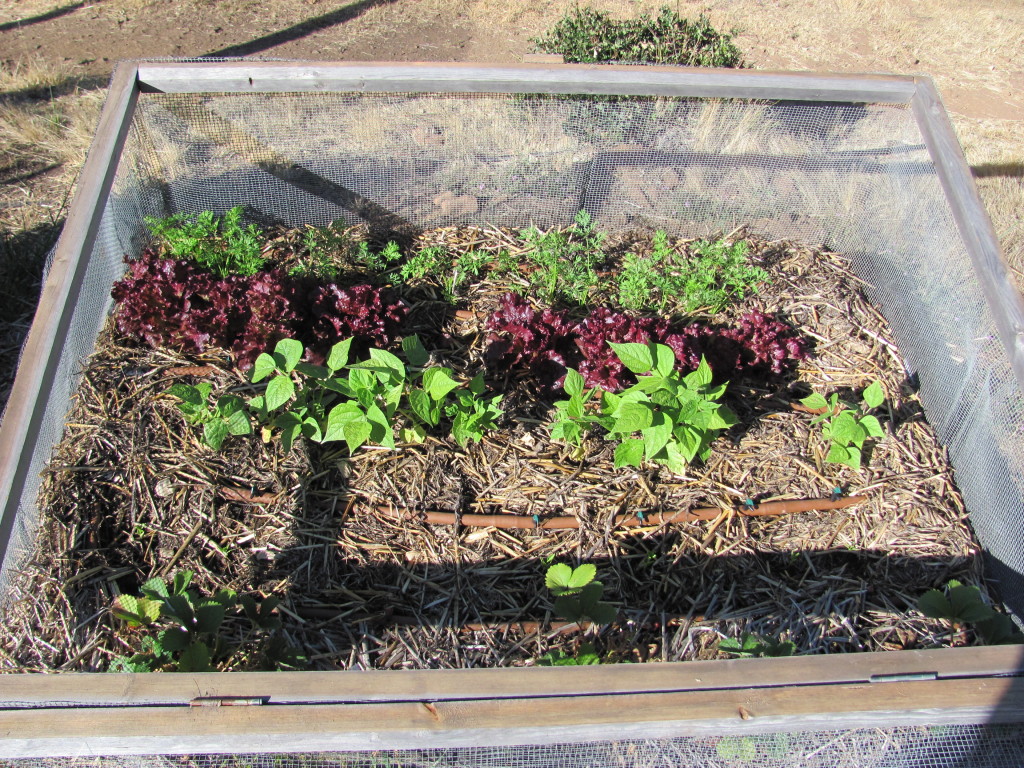
At my camp, I’ve had many years to make my dream come true. I’m growing food in two hoop houses with wire mesh to keep the animals out. They sit atop two hugelkultur beds which harvest rainwater draining off the fire road. I’ve had some success at growing a variety of vegetables, berries and stone fruits.
-Richard

Our Mission

Shared land, road access and water system. Enjoying nature, hiking and mountain biking. Also, sailing at a lake nearby. We have had music jams in the past. Fire safety is important.

  • Purpose
  • Social
  • Community type
  • Tiny Houses
  • Sustainability practices
  • Water conservation and management
  • Activities
  • Property management

Commemorative dates

  • January 1, 1979
  • Started planning
  • January 1, 1995
  • Started living together

Gallery

  • 13 Total members
  • Open to new members
  • Open to visitors
Total
5

How to join

Please contact us by email to find out if it is a good fit for you.
Tours will be given to financially qualified individuals. Estimated cost is $22,000. Cash only. A day visit to the land is required. Maximum visit for prospective members is 14 days.

Basic expectations or agreements for members

To be a member of the community, a person must buy a membership from an existing member who is selling. Monthly dues ($45 at this time) must be paid by all members. All work is voluntary – and we appreciate hard workers. Community Guidelines exist.

Primary decision-making authority

  • All Community Members Together

The whole membership decides collectively.

Decision-making process

  • Majority Vote

More than 50% agreement needed.

Governance structure

  • Representative/Democratic

Members elect leaders who make decisions within defined roles.

Conflict resolution approach

All members are directors. Director/ members have the power to bring up issues at meetings. Officers: President – presides over meetings and is general manager. Secretary – notice of meetings, minutes, keeps records, list of members, vote by mail/ email. Treasurer – collects dues, files tax returns and pays bills. Majority vote except a 3/4 affirmative vote is required for approving a new member. We work out issues at the land verbally with the small group of residents. An annual meeting is required. We do it by telephone conference. Almost all members attend. Mostly the meetings are about the members who are selling wanting to know if we have recruited anyone yet.  We at the land are motivated to find buyers because they will be our new neighbors.

Economic model

  • Independent Finances

Members maintain separate personal finances with minimal sharing.

Economic scenarios for this community

  • There is a one-time fee, investment, or share purchase to join the community separate from accessing housing
  • Members need to pay fees, dues, or similar to live there on a per month or per year basis
  • There is a labor obligation
  • Members typically need to have their own job or other personal source of income to cover their expenses while living in the community?

Additional economic information

Join fee: $22000
Regular fees: $45
Labor: Encouraged or suggested
Voluntary labor of officers’ duties and participating members’ maintenance on the land. Many improvements in all areas have been made in the past few years.
Cash is required for membership purchase.
Rentals are not allowed.
Dues: $45/ month – prop. tax, corp. tax. and insurance per membership.
Water system investment and continuing maintenance costs.

Frequency of communal meals

  • Rarely

Community activities and engagement

  • Neighborhood, Community Housing, or Homeowner's Association

Substance use culture

  • Substance use occurs primarily at celebrations or ceremonies
  • Religions
  • Christian

Gender composition

  • We don't track this information

Age demographics

  • Mixed adults (few or no children)

Property status

  • Privately owned

Property owner

  • By a Land Trust, Home Owners Association, or corporation

Setting

  • Rural

Countryside locations with significant distance from urban centers.

Community type

  • Built or remodeled using passive solar design

Sustainability approach

  • Water conservation and management

Land practices in our community

  • The community practices permaculture
  • The community is working to build soil using only natural methods
  • The community is working to restore the natural courses of water through the land

Community type

  • Built or remodeled using passive solar design

Some or all of the buildings are...

  • Built or remodeled using passive solar design

Self-produced energy

  • Over 66%

Energy sources used

  • Photovoltaic Solar

Self-produced food

  • Up to 33%

Local, organic, or fair trade food

  • Over 66%

Food systems

  • Seed saving / exchange

Source of water

  • Spring water
  • Land area size
    120.4 acres

Guest Book

Written reviews are available for plus members. Click here to upgrade.

Location

  • California, United States

Heart Land

Needs and Offers

Connecting people and communities through an intentional online marketplace

  • Promoted
Offer
  • Real Estate For Sale
2 days ago

Beautiful 3+ Bed, 2.5 Bath Townhome in Established West Emerald CoHousing, Seattle

A rare home is available at West Emerald Cohousing, an established all-ages intentional community in West Seattle. For those considering a move to the Pacific Northwest—or hoping to join a mature community rather than one still in the forming stages—West Emerald offers decades of community life, beautiful gardens, shared resources and a peaceful setting within the city in a convenient location since 1999. This unit has a unique floor plan that is ideal for co-buying, co-living, or for one household. The home itself offers a flexible 3+ bedroom, 2.5 bath layout: Garden-level room with a separate exterior entrance and half bath—ideal for a home office, studio, guest space or client-facing business Main-level bedroom and full bath, laundry, making one-level living possible Open great room with large windows overlooking gardens filled with birdsong Well-designed kitchen with generous storage and pantry Two additional light-filled spacious bedrooms and a full bath upstairs Thoughtfully maintained and updated Located at the end of a common pathway for added privacy and garden views, Just feet from parking, which is out of view West Emerald community amenities include: Common House with gathering and activity spaces Community meals and events Mature gardens and shared outdoor spaces Workshop/maker spaces and bike barn Exercise room EV charging opportunity Excellent Metro access to Downtown Seattle just minutes away Nestled into a dell, it’s Seattle’s best-kept secret South Seattle College and lifelong learning, NW Wine Academy, the Seattle Chinese Garden are nearby, with easy access to Alki Beach, Lincoln Park, magnet schools, ferries, and the shops and restaurants of the West Seattle Junction. 6000 17th Ave SW, Seattle, WA Is a wonderful opportunity to have your own comfortable, private home while becoming part of a vibrant and well-established Seattle all-ages cohousing community. For more information contact the friendly Realtor at 206-579-9066, or at ki**********@**********te.com who will be happy to meet you there or do a facetime tour.
Need
Offer
  • Events
1 week ago

Coastal Regeneration Immersion: Permaculture Design Certification in Jalisco, Mexico

Tropical Dry Forest Permaculture Design & Regenerative Stewardship Certification (PDC)12-Day Intensive | 120 Hours | Costalegre, Jalisco, Mexico Join us for an immersive Permaculture Design Certificate course set in the tropical dry forest bioregion of coastal Jalisco. This 120-hour intensive blends internationally recognized PDC curriculum with hands-on regenerative practice — combining ecological design, agroforestry, natural building, and community stewardship into one integrated learning experience. Lead Faculty Jorge Luis Gtz. Olarte (Arborescencia RedGenerativa) – Regenerative Design, Soil Biology & Agroforestry Ozzy Lusth (Survior & Xochiraíz) – Wilderness Resilience & Survival Skills Dave Collins (Capacha Coastal Conservation Center) – Bioarchitecture & Ecological Development What You’ll LearnThe course moves through six progressive phases: Permaculture & Ecological Literacy – ethics, principles, and reading the tropical dry forest landscape Water & Soil Systems – keyline design, water harvesting, living soils, and compost systems Horticulture – food garden design, propagation, and biological pest control Regenerative Food Systems – tropical agroforestry, food forest design, and guild planting Ecological Infrastructure – bamboo bioarchitecture, bioclimatic farm design, compost toilets, greywater, and rocket stoves Integrated Design Studio – team-based final design projects covering watershed strategy, agroforestry, food forest layout, infrastructure, and phased implementation Daily RhythmMornings begin with optional surf/yoga and journaling, followed by field practicums and hands-on workshops. Afternoons include design studio and construction lab work, with reflection circles, communal dinners, and evening talks, films, or campfire discussions rounding out the day. Final ProjectParticipants work in teams to produce a full regenerative design package — landscape analysis, water plan, agroforestry design, food forest plan, ecological infrastructure, and bioclimatic farm plan — presented to a faculty review panel on the final day, followed by a closing ceremony, certificate delivery, and community feast. CertificationGraduates receive the Tropical Dry Forest Permaculture Design & Regenerative Stewardship Certification (120 contact hours), hosted by Capacha Coastal Conservation Center and Tierralegre, A.C. Curriculum integrates international PDC standards with tropical ecology, agroforestry, ecological restoration, bamboo bioarchitecture, bioclimatic design, GIS/photogrammetry, and regenerative leadership. Highlights Hands-on bamboo construction (temazcal, bathhouses, sculpture) Tropical dry forest silviculture practicum Community mapping and design project for Ekoa Green Community Talent show and sea turtle release
November 13, 2026 09:00 – November 25, 2026 16:00
Offer
  • Real Estate For Sale
2 weeks ago

Co-housing Unit For Sale in Portland Oregon

Light-filled 976 sq ft, 3-bedroom, 1-bath end unit in Columbia Ecovillage, Portland’sestablished cohousing community in the Cully neighborhood. With windows onthree sides, this ground-floor home gets natural light all day, even onPortland’s grey ones. The open living and dining area has warm hardwood floors and flows into akitchen with solid wood cabinets and granite counters. The dining roomwindows look straight into a native vine maple — a wall of green from springthrough fall. There’s good storagein the unit, plus an extra storage space in the community storage building.A ductless mini-split provides efficient heating and air conditioning, andthe plumbing was fully replaced in 2026. The primary bedroom has a full-width closet behind a sliding barn door; thesecond bedroom’s closet sits behind a pair of French doors. The thirdbedroom has no closet, which makes it a flexible room — guest room, office,or playroom. Step out the sliding glass door onto your own covered patio, which opens onto the community grounds: organic gardens, personal garden plots,greenhouses, a grape arbor, a bamboo grove, native plantings throughout, andtrees everywhere — including a truly massive old black walnut. The orchard alone is a reason to live here — to name a few:apples, pears, plums, figs, mulberries, chestnuts, walnuts, grapes,blueberries, raspberries, and blackberries, in several varieties each. A75,000-gallon rainwater catchment system keeps it all watered through thesummer. Kids have a playhouse, sandbox, small soccer field, a favorite climbingtree, and a parking loop where bikes can circle but cars can’t; adults havea workshop, garden shed, fire pit, quiet space and big community porches. The common hall is the heart of the village: a commercial kitchen anyresident can use, a kids’ play area, pool table and ping pong, and asoapstone stove that burns every winter evening. Residents can reserve it forevents for almost nothing. The historic farmhouse has guest rooms owners canbook for visiting family (about 30 nights a year). Shared laundry rooms(three washers and dryers) come with indoor drying racks and outdoorclotheslines, and there’s a craft room and a trade room where things you nolonger need find a new home next door. Potlucks, communitymeals, work parties, and acres of safe space for kids to roam makethis a rare chance to own a home and a neighborhood at the same time. Built in 1973 and fully remodeled in 2008–09 for energy efficiency and healthy indoor air — metal roof, HardiePlank siding, and standard community-built finishes throughout. Nothing to update, nothing deferred. The $522 monthly HOA coverswater, sewer, and garbage, plus the roof, siding, exterior paint, and allstructural maintenance — and it’s what pays for the grounds, the common hall,and everything else described above. And it’s close in: Cully’s cafés andparks are a short walk or bike ride away, the rest of Portland’s food,music, and neighborhoods are minutes beyond that, and the commute downtownor to the airport is easy by car, bus, or bike – 3.7-acre grounds with organic gardens, personal plots, greenhouses, native plantings, and mature trees (huge black walnut)- Orchard: apples, pears, plums, figs, mulberries, chestnuts, walnuts, grapes, blueberries, raspberries, blackberries- 75,000-gallon rainwater catchment feeds the gardens year-round- Workshop, garden shed, fire pit, quiet space, community porches  
Offer

Update to a Public Profile

  • Log in
  • Go to your profile page
  • Toggle on the "Add my profile to the directory"
  • Save your profile

Information

Communities

A residential project: people live here as their primary home.

Organizations

An institution, business, network, or project that isn’t a residence (e.g. a learning center, farm, or network with no one living there full-time).

Plus Community Membership

  • Find people with Profile Match
  • Access to your community listing statistics
  • Create Discussion Groups
  • Access to our affiliate program
  • Member badge on your community profile
I am an official member of this community
Disclaimer
I affirm that my information is accurate and I am authorized to manage this listing
Foundation for Intentional Community FIC Member badge logo.

Free Plan

Free Membership
Free

Intentional Advertising

  • Subtotal

    {{ currencyFormat( pricing_summary.total_amount ) }}

Icon representing community connections and collaboration for intentional communities.

Plus Membership

We’re introducing new Plus features — including community reviews, Profile Match, and unlimited Needs & Offers posts — while keeping most of FIC free for everyone. Membership costs less than two coffees a month. 

  • Find communities with Profile Match
  • View detailed reviews about communities
  • Create free listings in Needs & Offers
  • Plus Member resources in CommUniversity
  • View communities detailed reviews
  • Plus Member badge on your profile
