Since 1993, Smala institute develops experience/expertise in socio-environmental entrepreneurship and eco-community building, a kind of living lab. It provides training, coaching and hosting for over 1’800 beneficiaries from 1993 to 2017, out of which ¼ are social entrepreneurs, and 3/4 are artists, families, students, seniors and unemployed.
Smala has managed over 40 co-housing spaces with intergenerational and creative “hives”. We started in the industrial district of Lausanne “le Flon”, contributing in revitalizing it as a new source of creativity, a little Soho. Thanks to the socio-economic success encountered with this first initiative, Smala received from the public and private partners new opportunities to develop similar “living laboratories” in other locations.
Ever since 1995, Smala team has tackled the challenge of incubating 40 short and mid-term hives, eco-life learning centres, with 5 to 30 cohabitants and co-workers in each location, in the Lausanne area. These temporary hives had a duration of 1 to 10 years, and have been developed in partnership and/or supported by local and federal administrations for housing, social services, culture, academic research, adult training, NGOs and sociocultural centres.
These activities have made Smala institute resilient to societal changes and demonstrated its ability to manage complex governance situations.
Since 2013, Smala moved to a new step in starting the development of long-term communities, on rural lands with cooperative ownership. While searching for international references to compare Smala’s innovative methods with other initiatives, Smala experts have identified the Global Ecovillage Network (GEN) as one of the most efficient knowledge alliances for social entrepreneurship learning; Smala is now a member of GEN-Europe.
Smala experts have included a special focus and expertise on transversal/soft skills building and fair trade culture within community building, both aspects being considered as key complements to vocational skills for active citizenship and right livelihood.
Smala’s leading team is composed of pioneers of change who contributed significantly in the transition of this industrial district and/or other socially innovative places and enterprises.
By moving so many times our headquarters and healing various new places, Our team has developed a replicable art of co-living and co-working, using informal “learning while doing” methods. It became a fair set of rules of functioning (governance) that we updated at each new community project, becoming the Ecopol label after 20 years of experience.
2014-2018: Smala builds ecovillages!
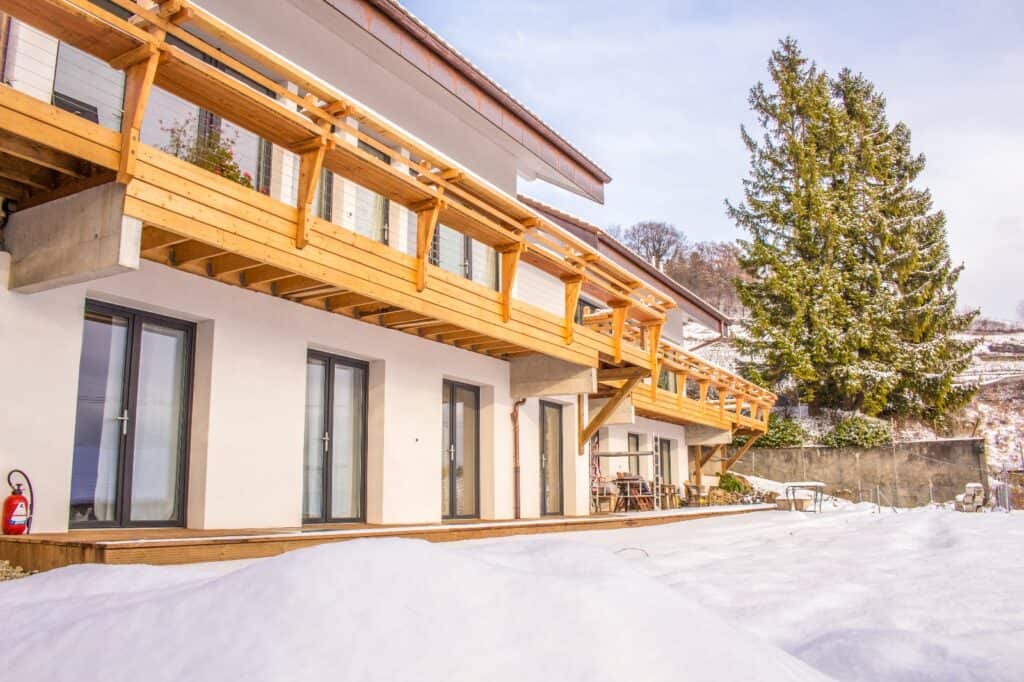
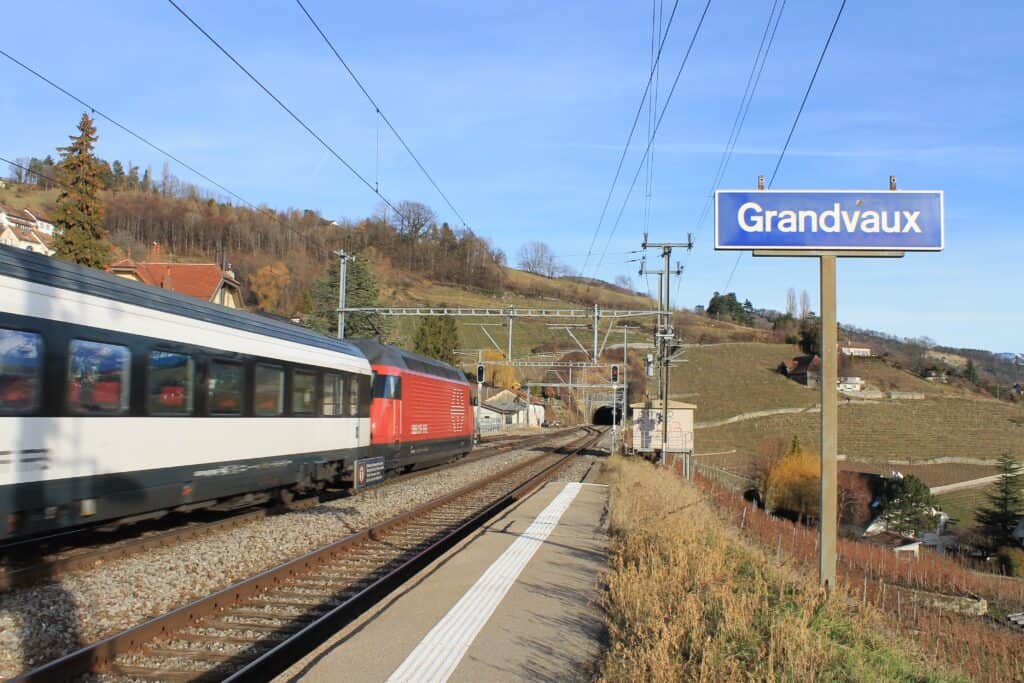
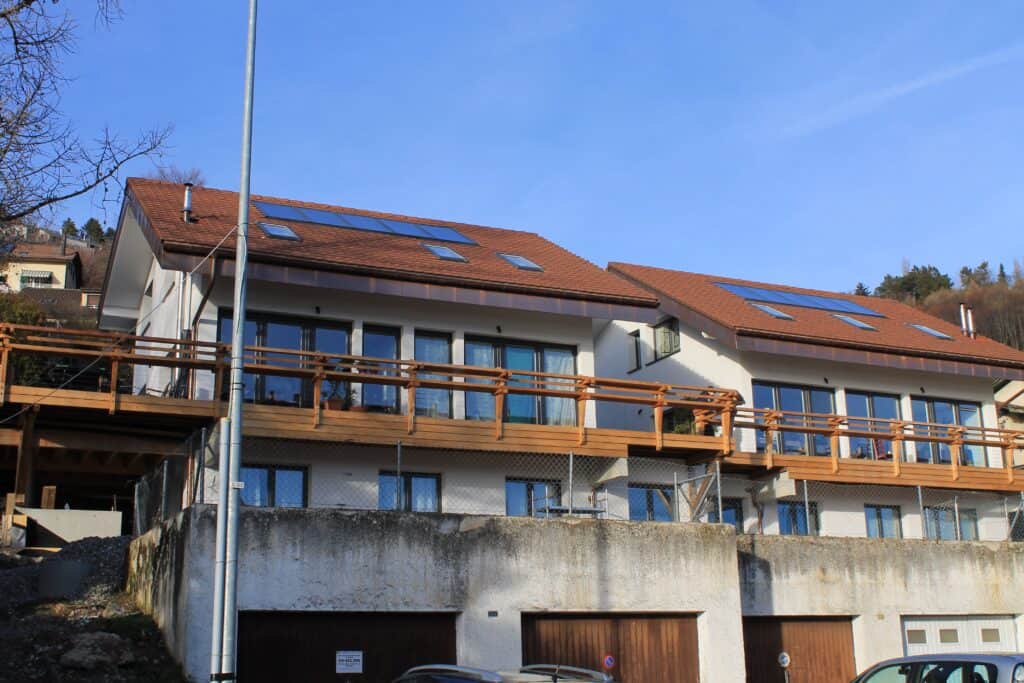
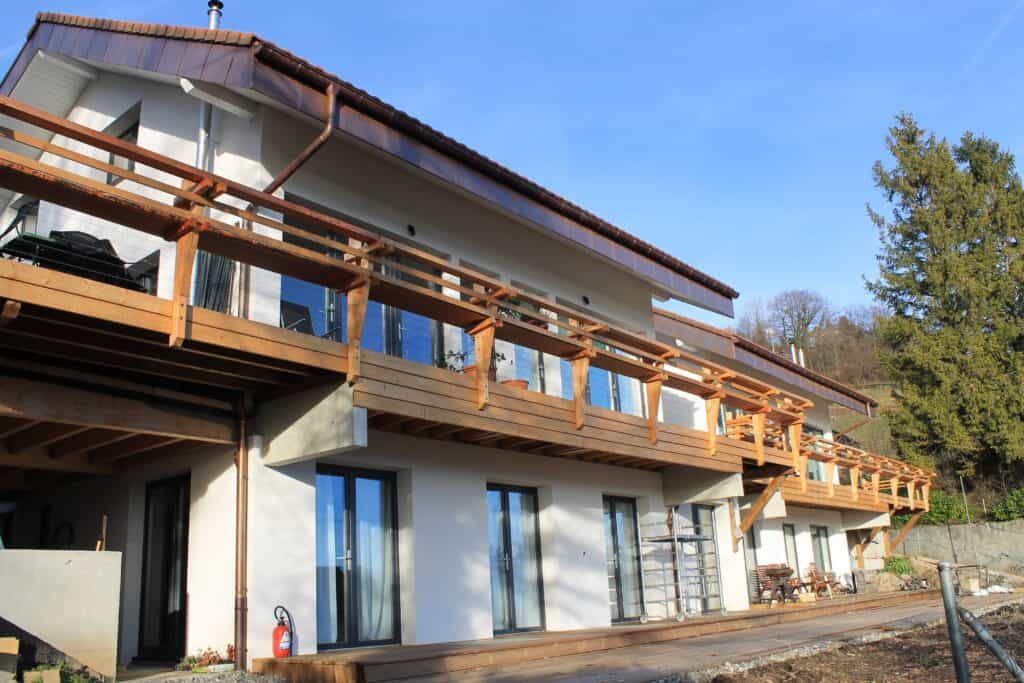
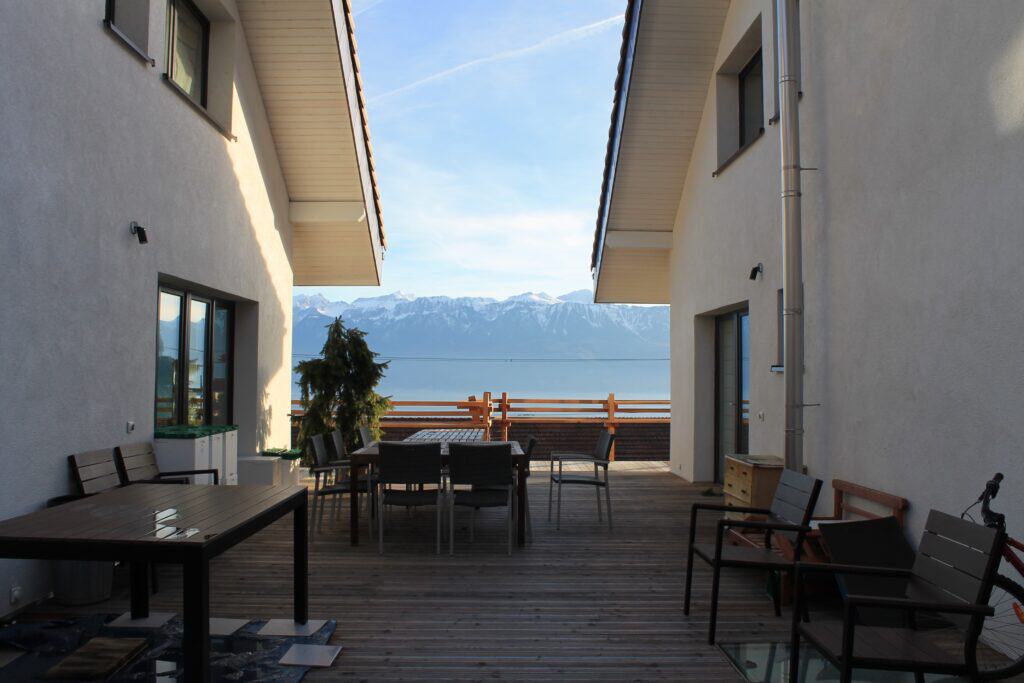
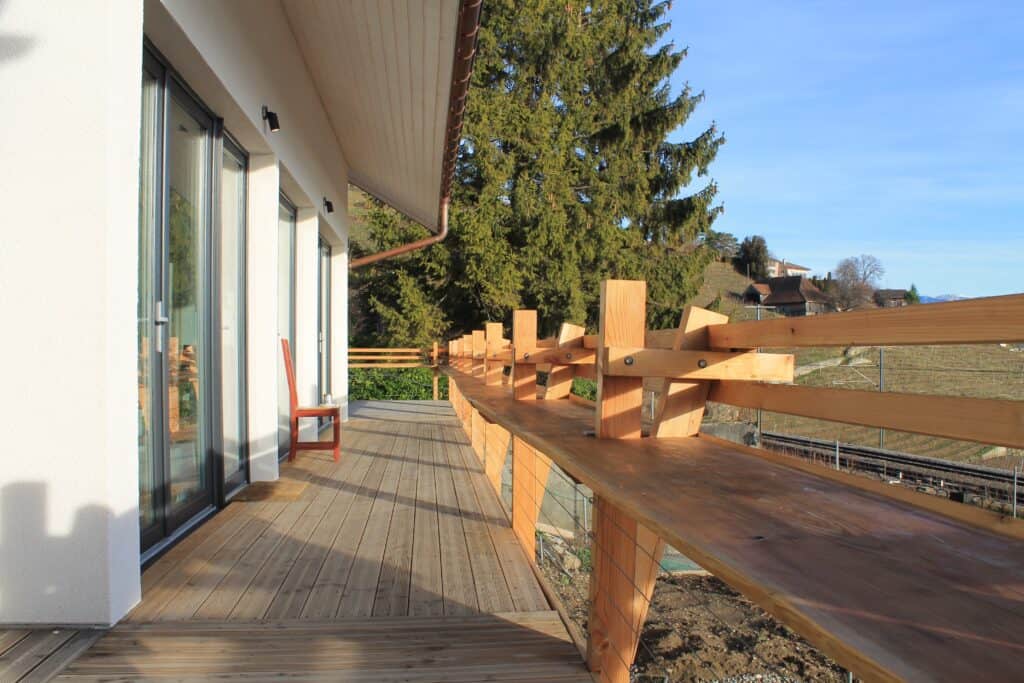
After incubating the Bâtir Groupé cooperative from 2006 to 2013, we bought a land in Cheiry and then in Grandvaux. We built both houses and human relationships. Smala officially becomes a member of GEN-Europe, the ecovillage network (2013). Then, the successes followed. We inaugurated Cheiry on the 21st of August 2016, and then the ecovillage « Berber » in Grandvaux the 25th of Novembre 2017. Smala is a small federation of communities which born in Romandie. We favour social ecology on the basis of the Ecopol social contract, beyond the pre-requisites already well established in the Swiss culture, such as energy-efficiency, affordable rents in co-operative and infrastructure sharing (laundry, vegetable gardens, party room, carpool, etc.).
We organized more than 150 conferences and sharing evenings on the art of living together between 2013 and 2018. Our Ecopol service is now consulted by dozens of eco-project holders, each with their own sensibilities, and we have studied dozens of projects to help others develop their vision of eco-housing.
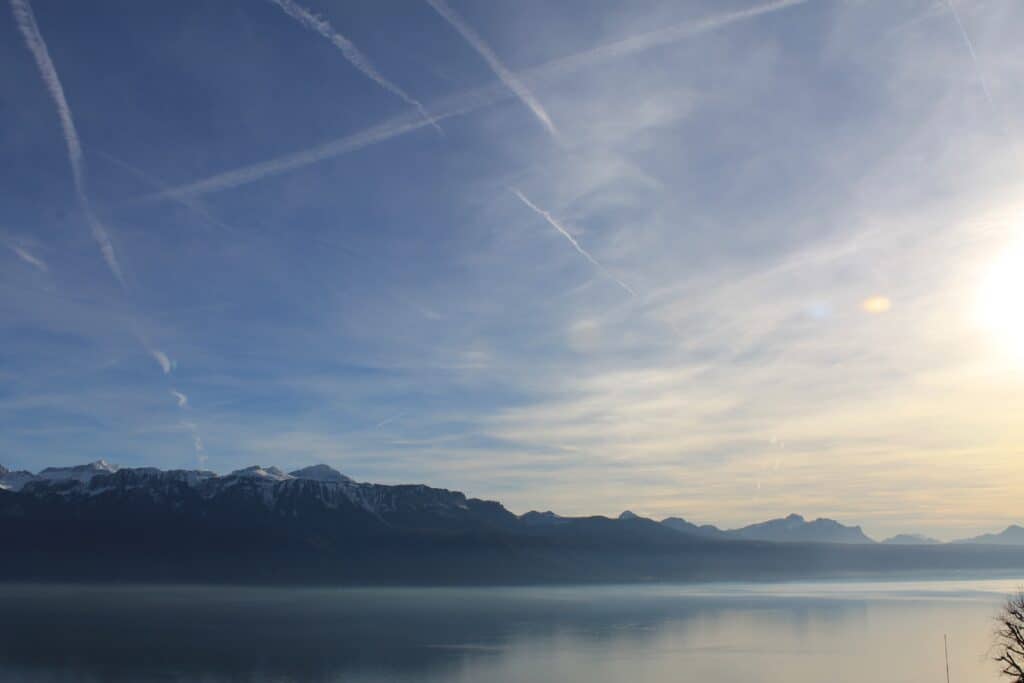
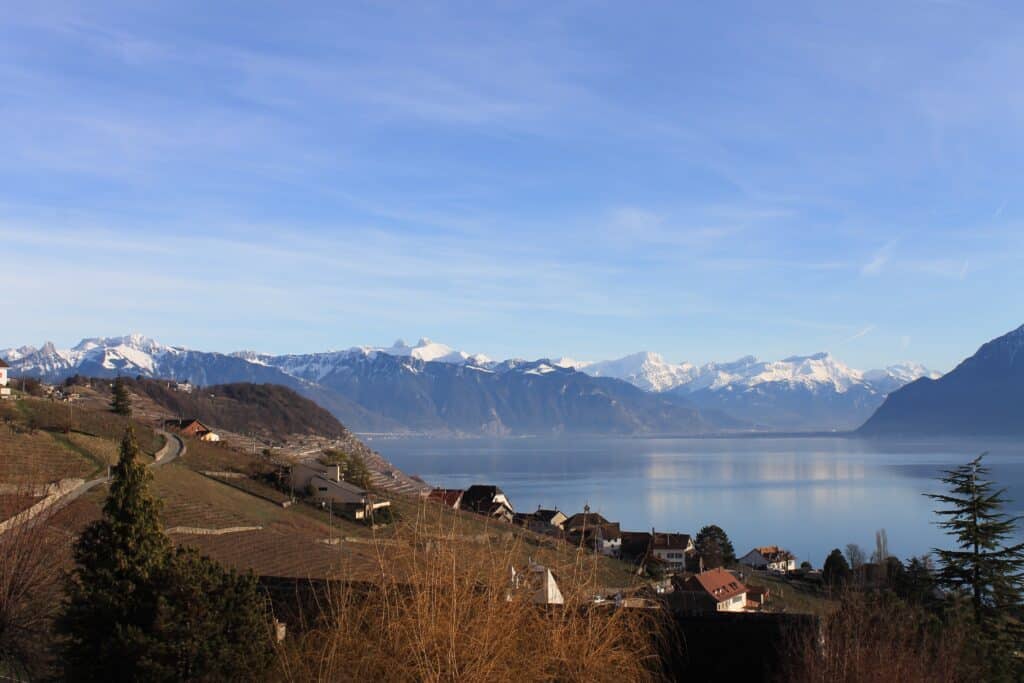
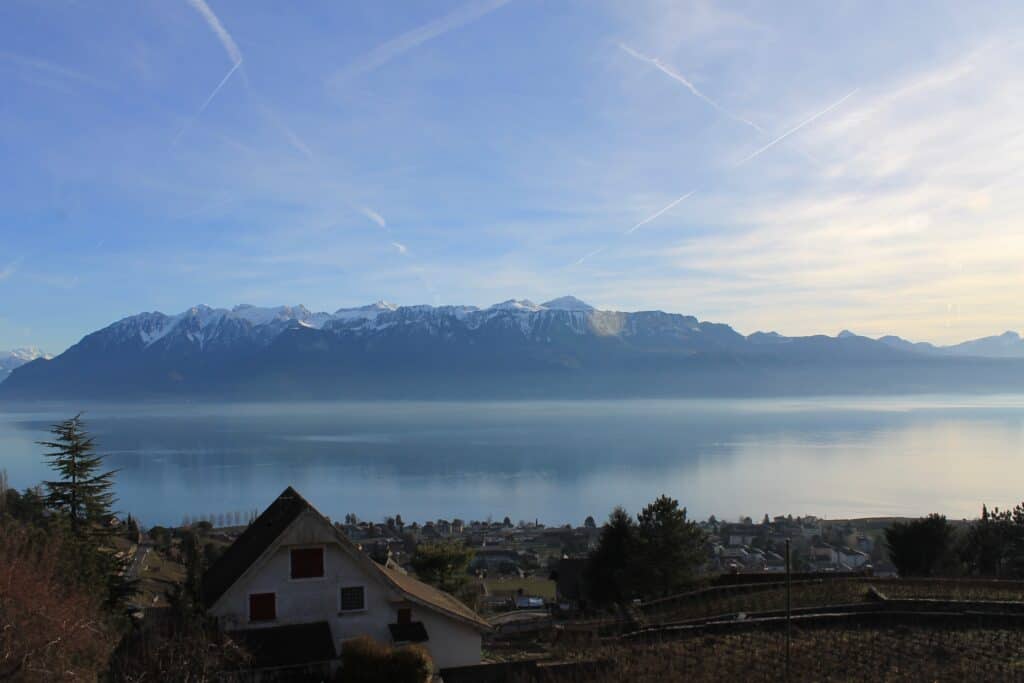
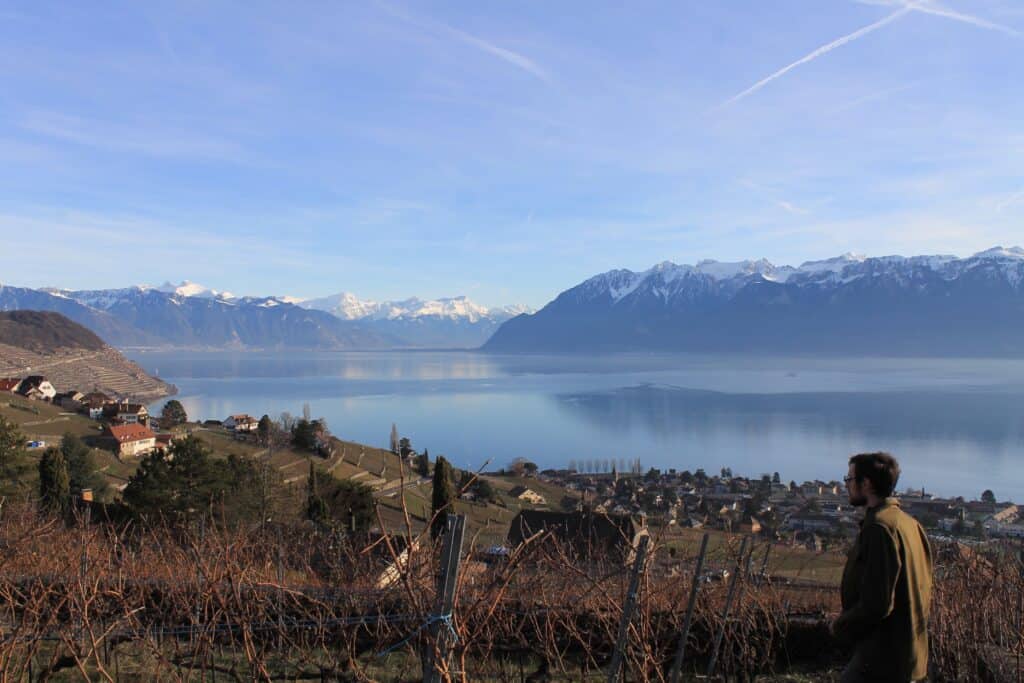
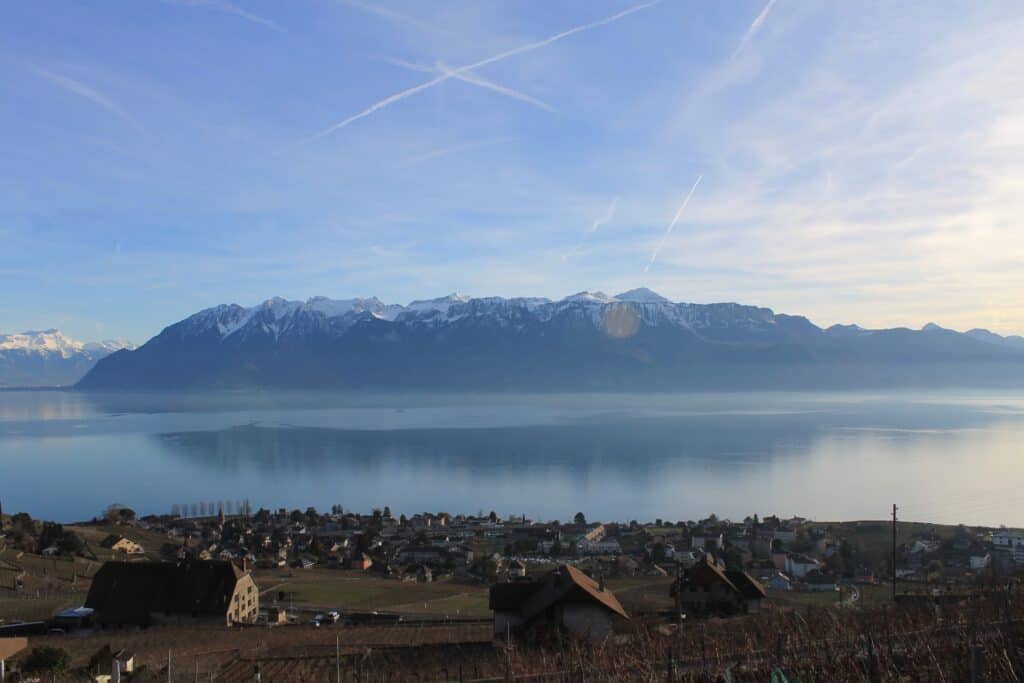
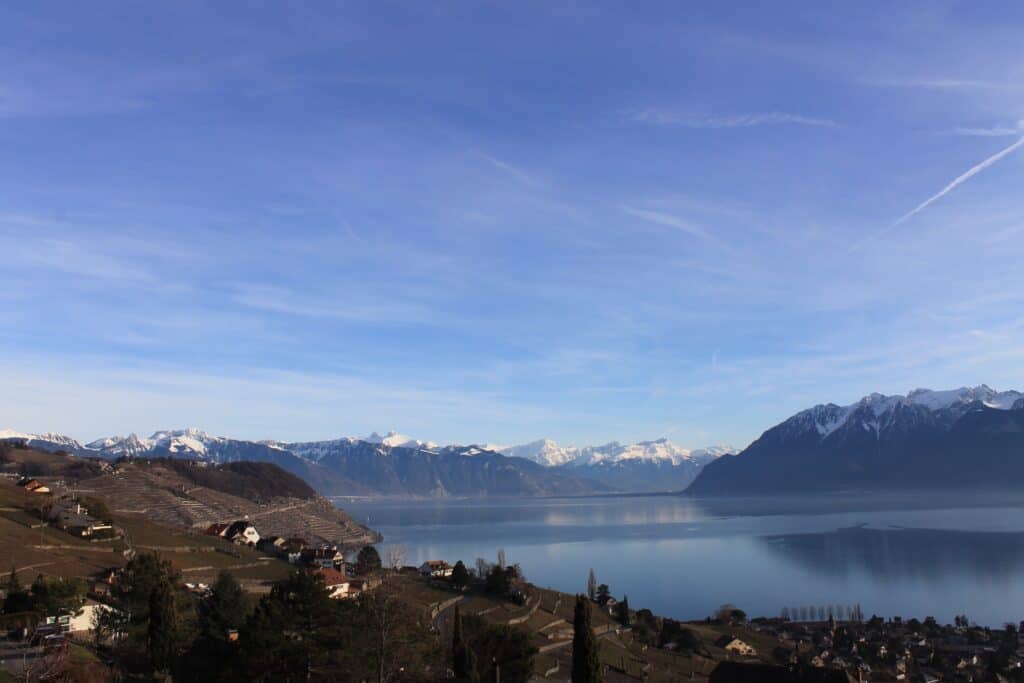
We are celebrating our 25th anniversary on September 8, 2018, in our new Transition Training Center, Berber House, in the heart of the magnificent Lavaux UNESCO Heritage.
The purpose of la Smala is to facilitate the development of projects aimed at reducing the ecological footprint. For this purpose, it undertakes initiatives offering alternatives to overconsumption and overproduction.
In particular, it organizes the management of “vacant” houses, on a provisional basis, within the framework of contracts known as “loans for use”, and periodic meetings of reflection on the topic of degrowth.
3 steps : first contat trial period 6-24 months, full membership
visit www.lasmala.org and come to a first contact meting (2x a month)
A few people (not elected by the broader community) make the major decisions.
Generally seek agreement, but have backup methods when consensus isn’t reached.
Power and responsibility are shared relatively equally among members.
Members contribute a percentage of income to community funds.
Join fee: $0
Regular fees: Yes
Labor: Encouraged or suggested (2 hrs/week)
90% self-employed members, no employees
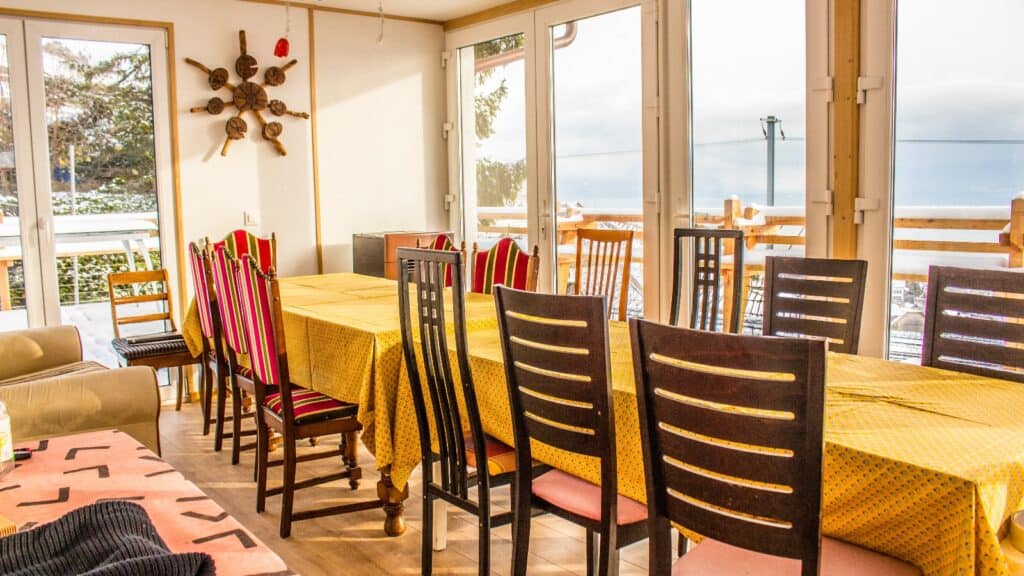
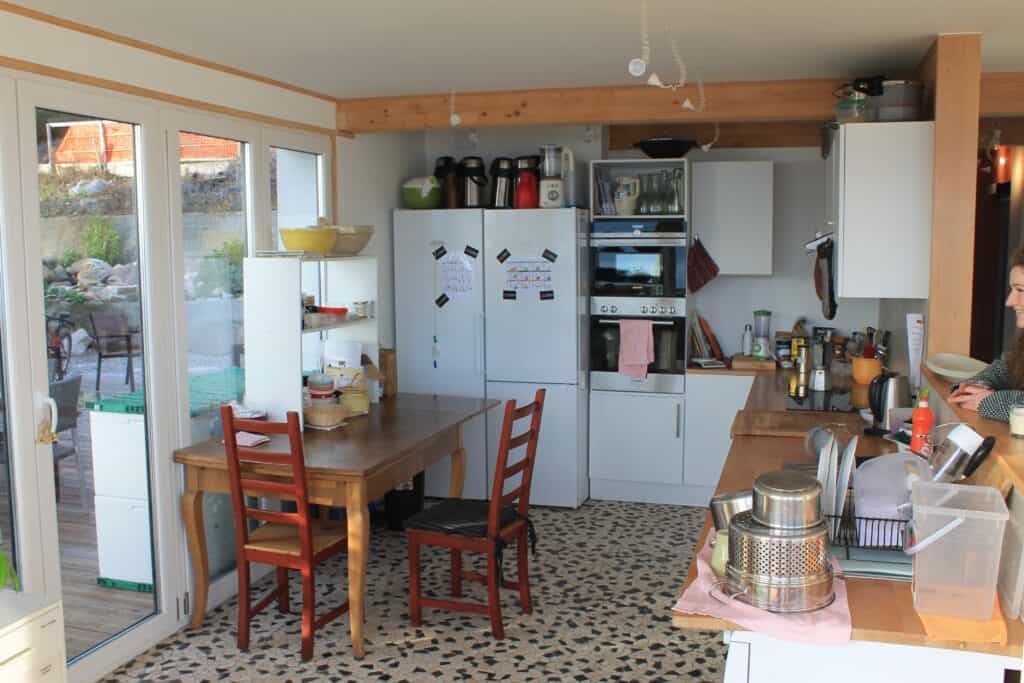
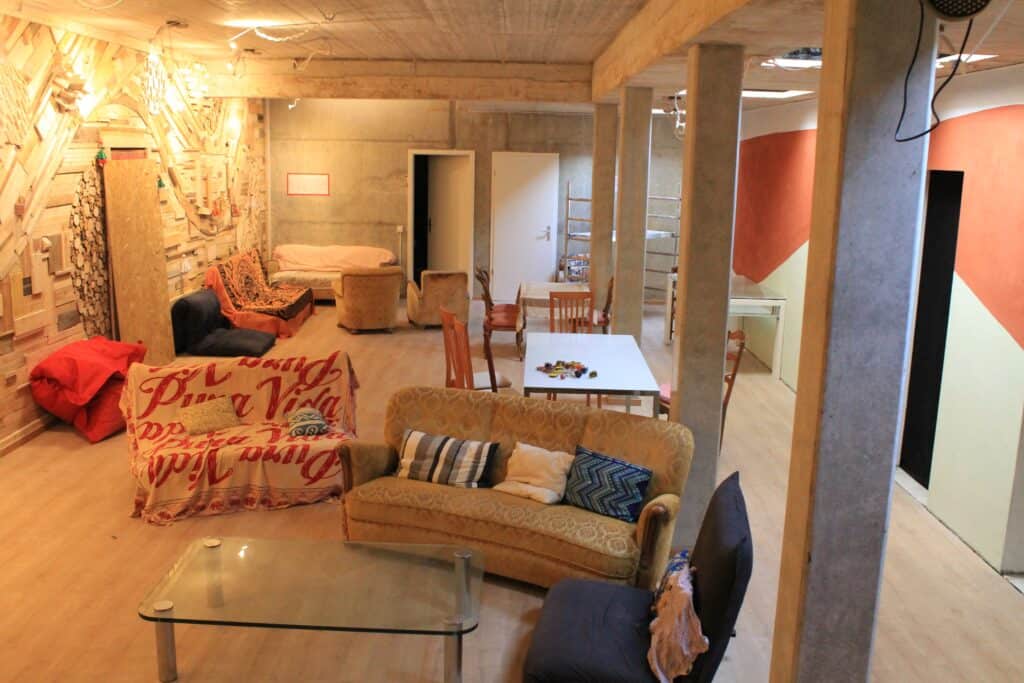
Common House, Garden(s), Vehicle Share, Library, Workshop, Outbuilding(s), Large Scale Kitchen, Stage or Auditorium, Fire pit, Swingsets & play areas, Internet
Smaller municipalities with local services but rural character.
Private homes with shared common facilities, designed for neighborly
interaction while maintaining independence.
Shared living spaces with private bedrooms/bathrooms and communal
kitchens, dining, and social areas.
Cooperative housing primarily for students, often with shared chores,
meals, and democratic decision-making.
Integrated communities designed around ecological principles with sustainable living practices.
Communal living with shared resources, property, and often income or work responsibilities
Connecting people and communities through an intentional online marketplace
There are no needs and offers
We use cookies to improve your experience on our site. By using our site, you consent to cookies.
Manage your cookie preferences below:
Essential cookies enable basic functions and are necessary for the proper function of the website.
These cookies are needed for adding comments on this website.
Statistics cookies collect information anonymously. This information helps us understand how visitors use our website.
Service URL: policies.google.com (opens in a new window)
A residential project: people live here as their primary home.
An institution, business, network, or project that isn’t a residence (e.g. a learning center, farm, or network with no one living there full-time).

{{ item.label }}
{{ item.value ? item.value : currencyFormat( item.amount ) }}
Subtotal
{{ currencyFormat( pricing_summary.total_amount ) }}
There are no results matching your search

We’re introducing new Plus features — including community reviews, Profile Match, and unlimited Needs & Offers posts — while keeping most of FIC free for everyone. Membership costs less than two coffees a month.