
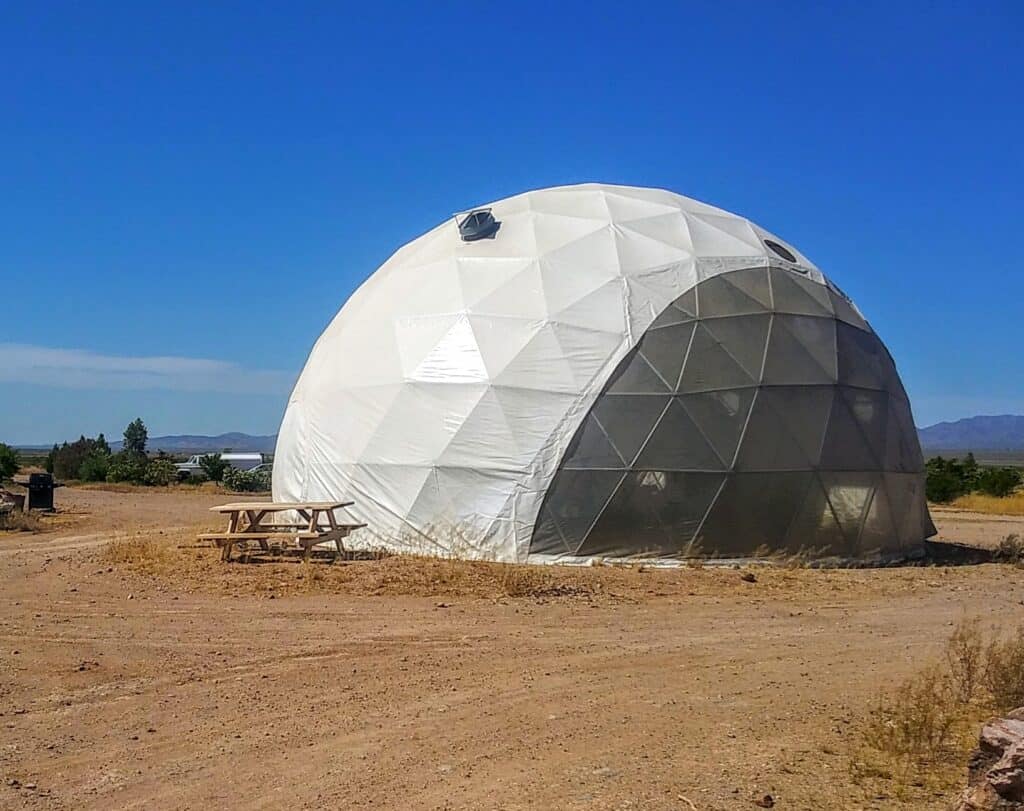
The Veterans Village KIns Community concept differs from the eco-village model because it consists of multiple independent family “Kins Domains” that are self-sufficient. A Kins Domain is 1 hectare (approx. 2.5 acres) of land that is owned by families or individuals.
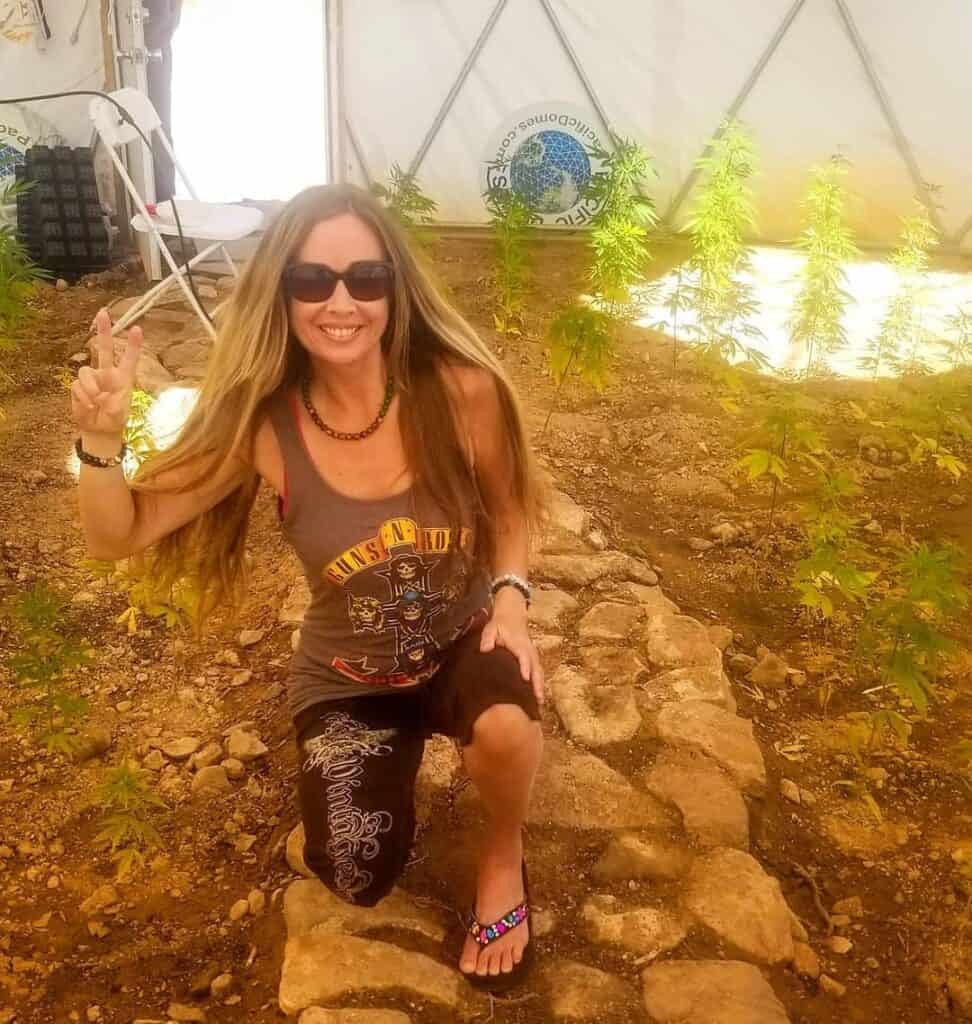
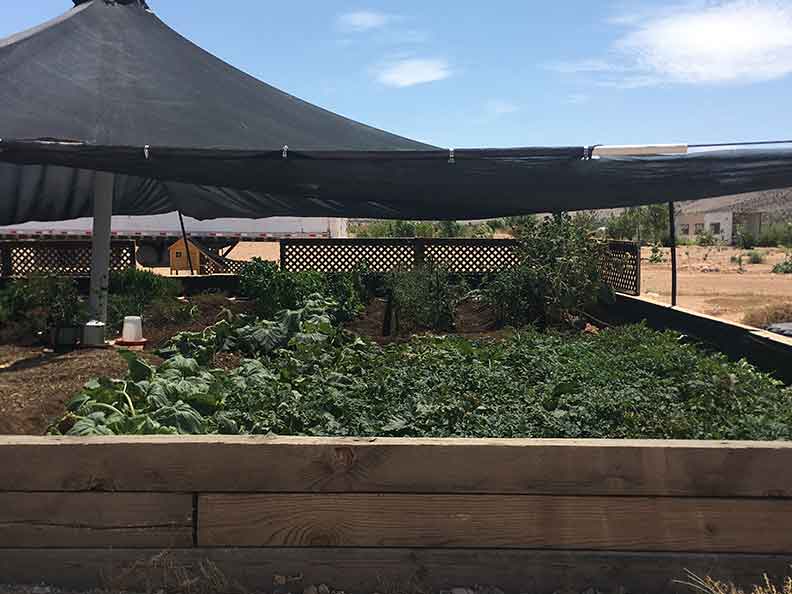
Each Kins Domain is surrounded by a living fence, which serves as an aesthetic boundary marker rather than a barrier. There is also 1 acre allocated to grow hemp, a pond, an organic garden, natural beehives, a family tree for future generations, and a sustainable house. With multiple Kins Domains within the community, this creates a type of urban development that’s a blend between city and nature.
It is inspired by a series of books called Ringing Cedars of Russia. There is no dogma or set belief system, just complete autonomy of the individual or family to create, what is described as a “Space of Love” or “Kins Domain”, that will bring them the highest nourishment, upliftment, beauty, and joy in life.
Our vision is to create many Kins Communities around the U.S. and eventually globally. He has been building the infrastructure for the Arizona Veteran Village Kins Community since 2013. Each of the communities will be developed on 500 acres of land.
This model is expected to produce lucrative revenue streams from sustainable products produced on the land that can be used to provide services from rehabilitation to job creation.
Here’s the way it works… In addition to the 2.5 acre Kins Domain, the community will grow an additional 100 acres of produce on the 500-acre communities. The plan also includes building a 100,000 square foot processing facility, which will create even more jobs and revenues. Half of the revenues produced will be used to support the community. The other half of the revenues will be used to purchase 2 additional 500-acre parcels of land to build more Kins Communities and help more people have a better life.
Interview with the group
Contact us to schedule a visit
A few people (not elected by the broader community) make the major decisions.
Generally seek agreement, but have backup methods when consensus isn’t reached.
Power and responsibility are shared relatively equally among members.
Members maintain separate personal finances with minimal sharing.
Labor: Encouraged or suggested (10 hrs/week)
Garden(s), Greenhouse(s), Workshop, Outbuilding(s), Swimming pond or pool, Stage or Auditorium, Fire pit, Internet
Countryside locations with significant distance from urban centers.
Private homes with shared common facilities, designed for neighborly
interaction while maintaining independence.
Integrated communities designed around ecological principles with sustainable living practices.
Connecting people and communities through an intentional online marketplace
There are no needs and offers
We use cookies to improve your experience on our site. By using our site, you consent to cookies.
Manage your cookie preferences below:
Essential cookies enable basic functions and are necessary for the proper function of the website.
These cookies are needed for adding comments on this website.
Statistics cookies collect information anonymously. This information helps us understand how visitors use our website.
Service URL: policies.google.com (opens in a new window)
A residential project: people live here as their primary home.
An institution, business, network, or project that isn’t a residence (e.g. a learning center, farm, or network with no one living there full-time).

{{ item.label }}
{{ item.value ? item.value : currencyFormat( item.amount ) }}
Subtotal
{{ currencyFormat( pricing_summary.total_amount ) }}
There are no results matching your search