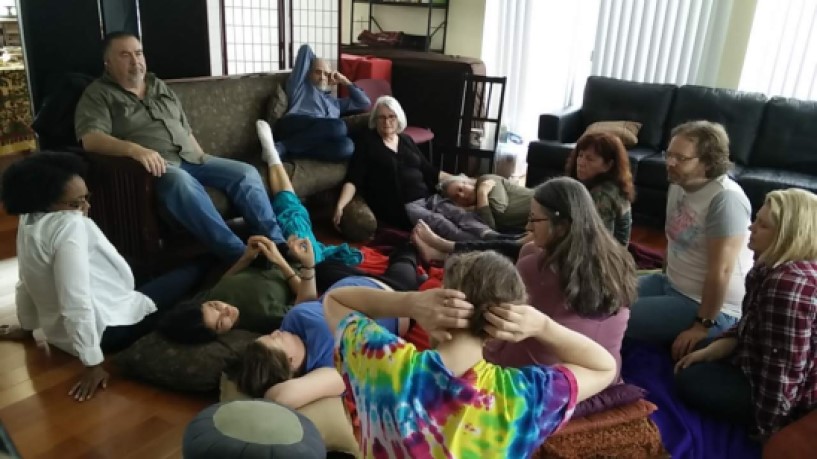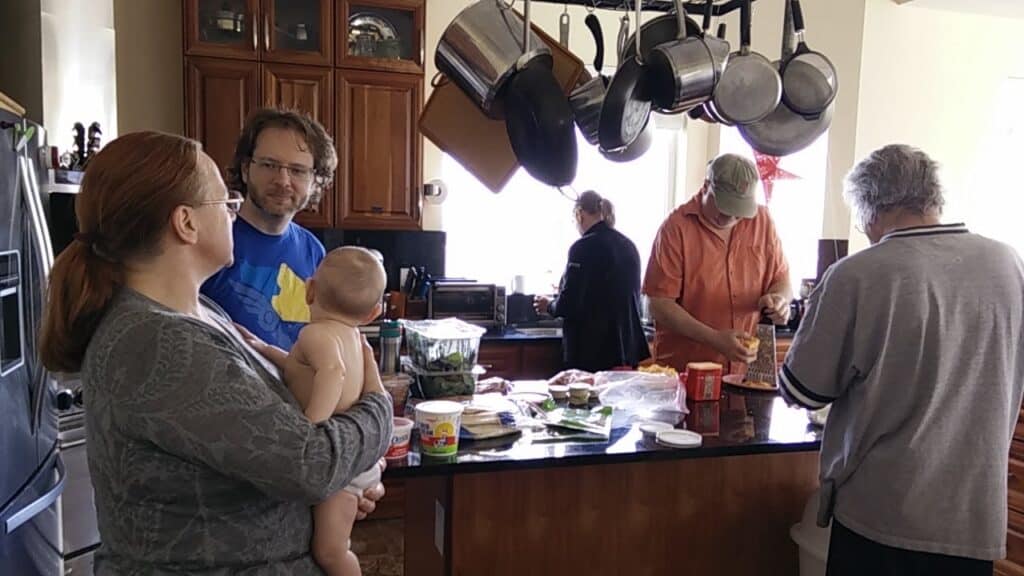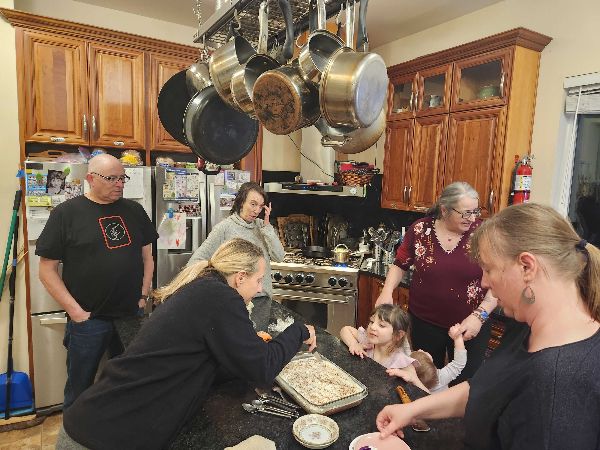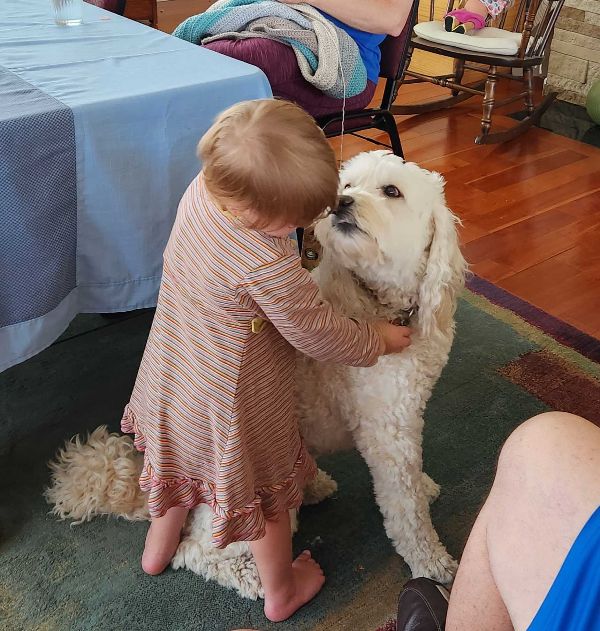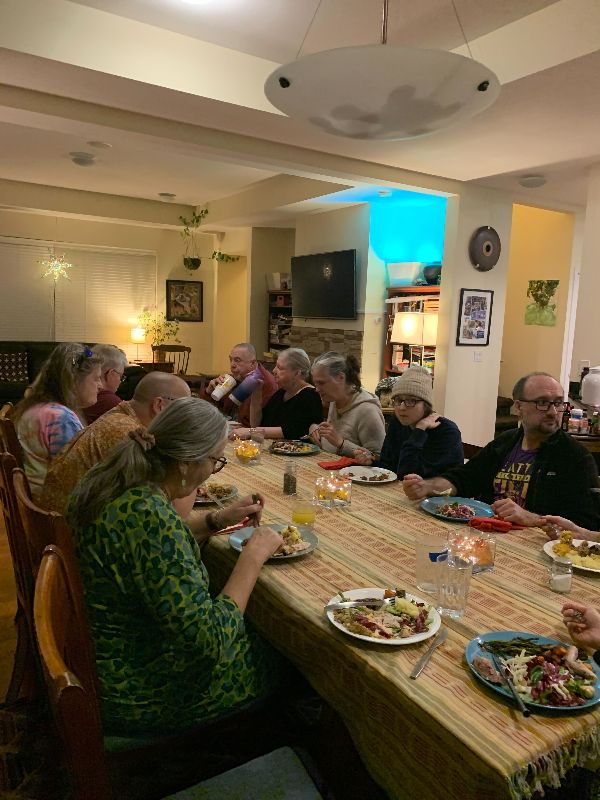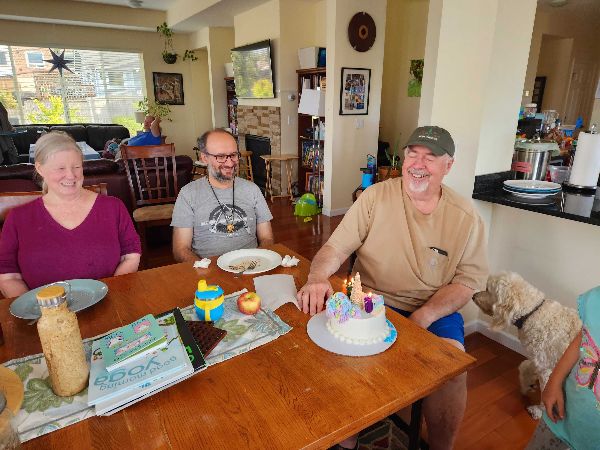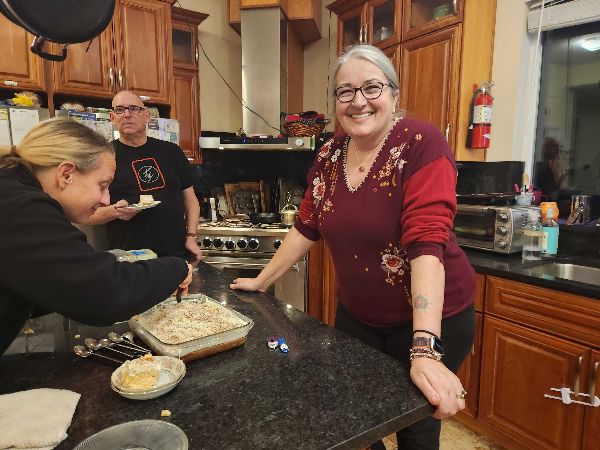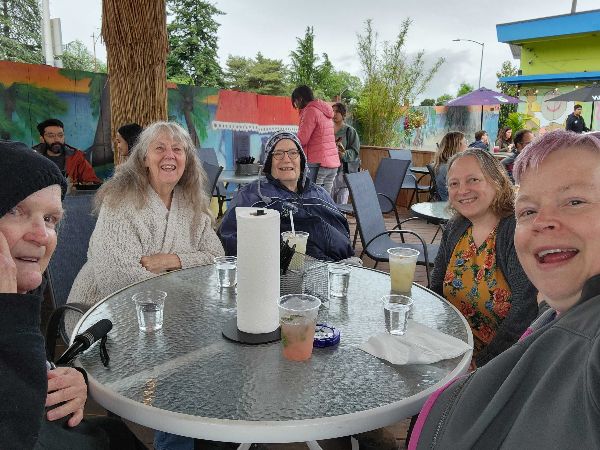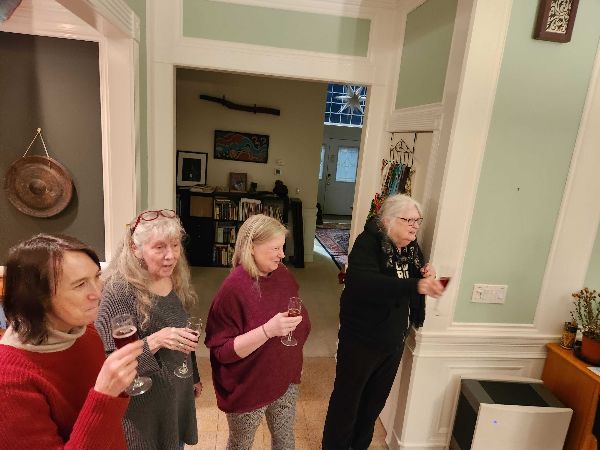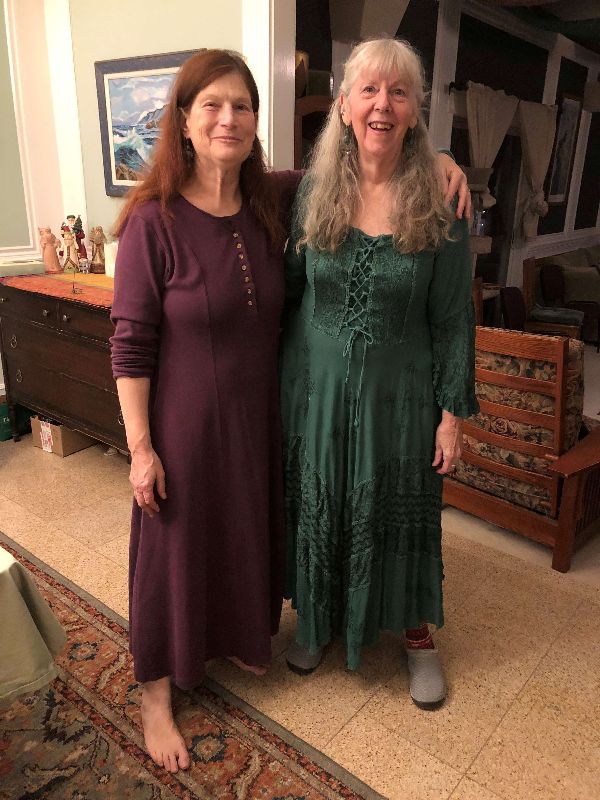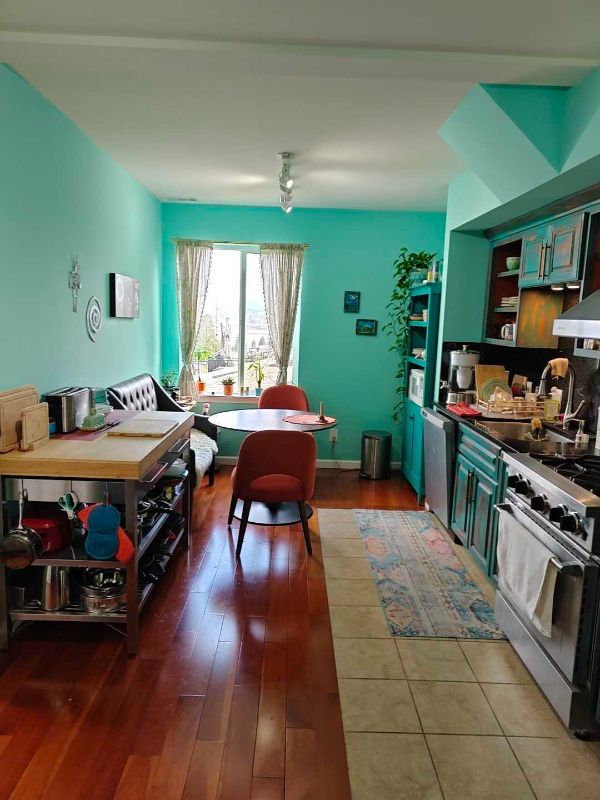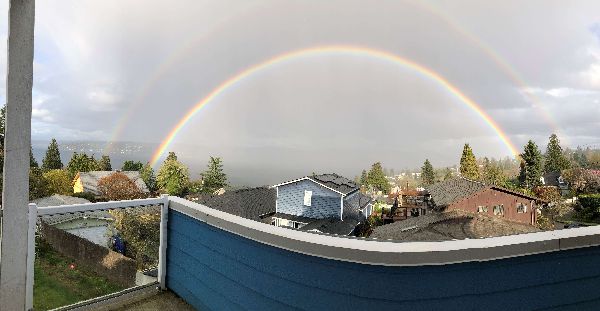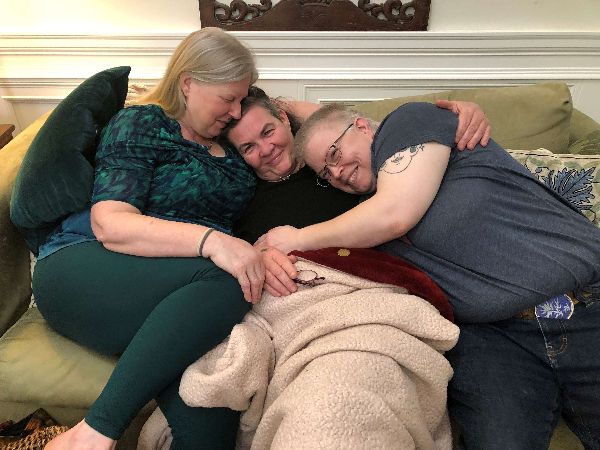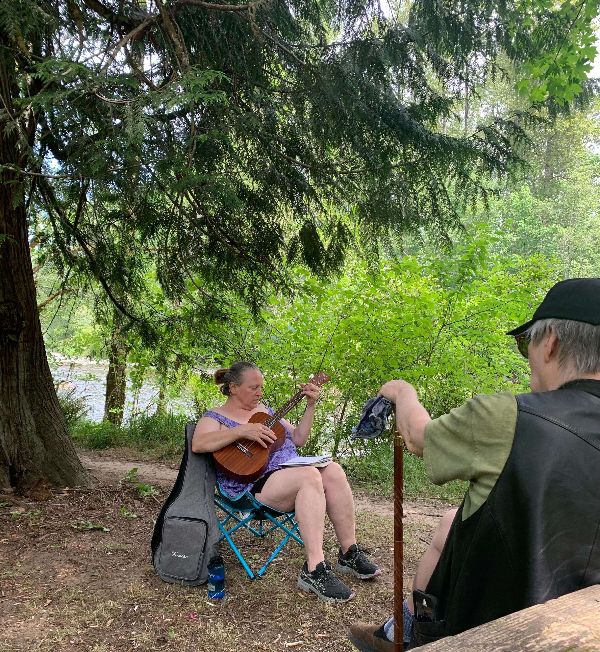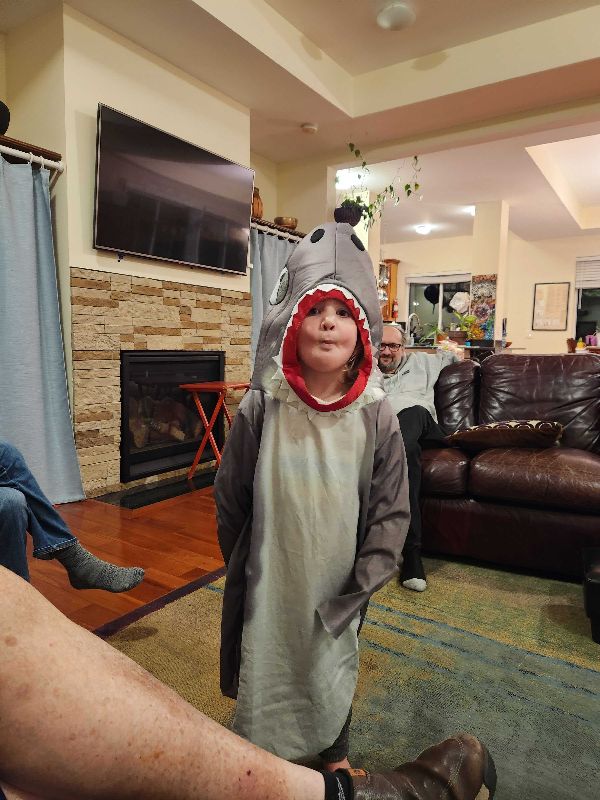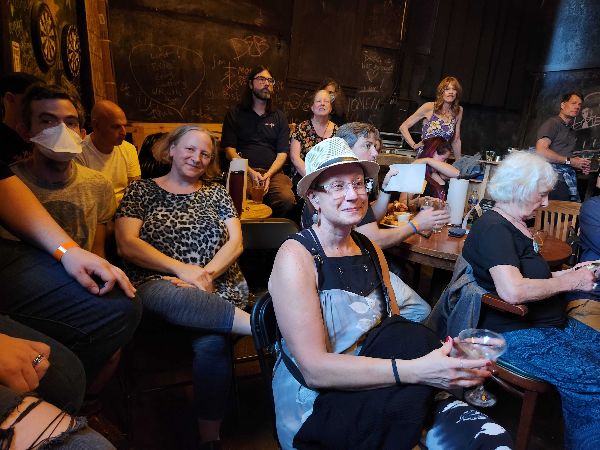

Wow, we struggle to describe ourselves. We are currently 16 adults who share two large group houses in South Seattle. We are a family of unrelated adults, and we are long-term – not a student or high turnover group. But we are also a broader community of far-flung individuals who have relationships with and resonance with the ideas of this residential group. We have separate jobs, and yet we spend ridiculous amounts of time together. We do cultural research and deep personal growth work. We are striving for ways to have a more positive impact on the planet, and to live more sustainably in our urban environment. We are a sex-positive and largely polyamorous community. We welcome queer folk, and have an increasing number among us, and yet we also study and seek a path for healing of the conflicts between (cis/het) men and women. We believe in trust and peace, and yet that trust and peace cannot arise without creative navigation of conflict. Conflict is a necessary part of growth and evolution, and we try to work with it rather than suppress it. We believe in transparency as a central value. We practice a form of community transparency modeled on ZEGG Forum, a practice developed in the communities of ZEGG and Tamera. We also practice a form of personal and community growth work based on Possibility Management, the work of Clinton Calahan. We did not come together around one central mission or vision, and we have spent 10 years trying to define exactly what we are about. I don’t know that we ever will…we are about a lot of things. We are hard to categorize. We don’t look like many other communities. But I hope this gives some sort of picture.
We are an urban residential community that focuses on personal growth, responsibility, creativity, sustainability, and creating a life with meaning and purpose.
There is no formal membership process, and nothing that clearly delineates a member from a nonmember. Becoming involved and participating makes you a member. It has been joked “If we think you are a member, and you think you are a member, then you are.” Residential members are those who apply and are accepted to live in one of our houses, OR who band together to rent a new affiliated house. However, being a resident doesn’t necessarily lead to membership, or vice versa.
We aim to reach primarily people already in the Seattle area. We have public programs open to all, on a weekly basis, where new people may participate and learn about us. We can also welcome and provide housing on a limited basis to travelers with similar values who want to connect with us. Write Fl****************@***il.com or Re*******@***il.com.
A few people (not elected by the broader community) make the major decisions.
Generally seek agreement, but have backup methods when consensus isn’t reached.
Power and responsibility are shared relatively equally among members.
Similar to membership, we are pretty loose about leadership. If people follow you, you’re a leader. Leadership is not always a great privilege – its often hard work. We welcome people taking on leadership. Decision making practices vary depending on the weight of the decision. We make most decisions by informal consensus, but more momentous decisions require greater unanimity, while less important and reversible decisions can be made by one person taking initiative. In issues that involve significant financial impact on the houses, the owners’ have more voice, and sometimes veto power. We are also trying to call out and resist the tendency for one person with strong feelings to have veto power. We’ve been through that, and it makes for frustration and inertia.
We have been working on a plan to share the equity in the houses among all the members, not just the legal owners. This is not so easy when we have bank loans, and with such a loose definition of membership. But its a goal.
Members contribute a percentage of income to community funds.
Regular fees: $900
Labor: Encouraged or suggested
Members with pre-existing debt: allowed
The residential members each rent a bedroom, while the room pricing sometimes making consideration of what individuals can afford. We pool and split the cost of food and utilities pretty equally, though we have capped the utilities cost for some on a tight budget. We live in a car-dependent neighborhood, and we now have a fairly formal car sharing arrangement, so we avoid owning more cars than necessary for our transportation needs. We share services like phone plans and subscriptions as efficiently as possible for maximum benefit. We have discussed before how much members want a greater degree of socialism, but this is what most of us are comfortable with. Some of us work very hard at soul-killing jobs, to save money for a dream, to support loved ones outside of the community, or for other reasons. Others pursue self-employment, or minimal employment, or employment that is fulfilling but less remunerative. And others are retired. Our degree of expense sharing allows this freedom of choice without creating resentments, and for now that seems more valuable than greater egalitarianism. If we were all doing similar work at a community business, we might choose differently. We do, however, have an ethos that “no one bleeds”. We have collectively supported members in the past through times of financial stress, and we would do that again.
Common House, Garden(s), Vehicle Share, Workshop, Fire pit, Internet
Within city limits with access to urban amenities and infrastructure.
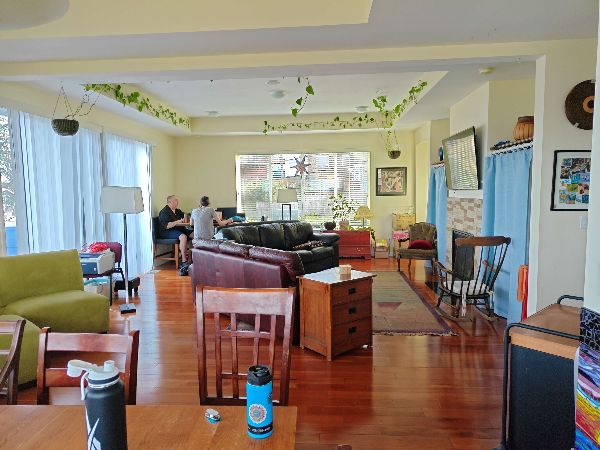
Shared living spaces with private bedrooms/bathrooms and communal
kitchens, dining, and social areas.
Connecting people and communities through an intentional online marketplace
There are no needs and offers
We use cookies to improve your experience on our site. By using our site, you consent to cookies.
Manage your cookie preferences below:
Essential cookies enable basic functions and are necessary for the proper function of the website.
These cookies are needed for adding comments on this website.
Statistics cookies collect information anonymously. This information helps us understand how visitors use our website.
Service URL: policies.google.com (opens in a new window)
A residential project: people live here as their primary home.
An institution, business, network, or project that isn’t a residence (e.g. a learning center, farm, or network with no one living there full-time).

{{ item.label }}
{{ item.value ? item.value : currencyFormat( item.amount ) }}
Subtotal
{{ currencyFormat( pricing_summary.total_amount ) }}
There are no results matching your search